From Military Mecha to "Painless Hiking": How Exoskeletons Are Shedding Their Sci-Fi Image and Moving into Mountains and Factories
Recently, a video about "painless hiking" has gone viral in both tech and outdoor communities. In an age where elevators can carry us sky-high, it feels like we've launched a brand-new playground dubbed "cyber hiking."
The clip features a lower-limb exoskeleton priced near 40,000 RMB, touted for delivering a robust 40% boost in strength. Netizens have nicknamed it "the ultimate cheat code of the outdoors." Meanwhile, a leg exoskeleton billed as "the world's fastest shoes," capable of hitting 12 km/h, is just around the corner. The Iron Man-style suits once confined to sci-fi stories are now quietly creeping into everyday life—in ways few could have imagined.

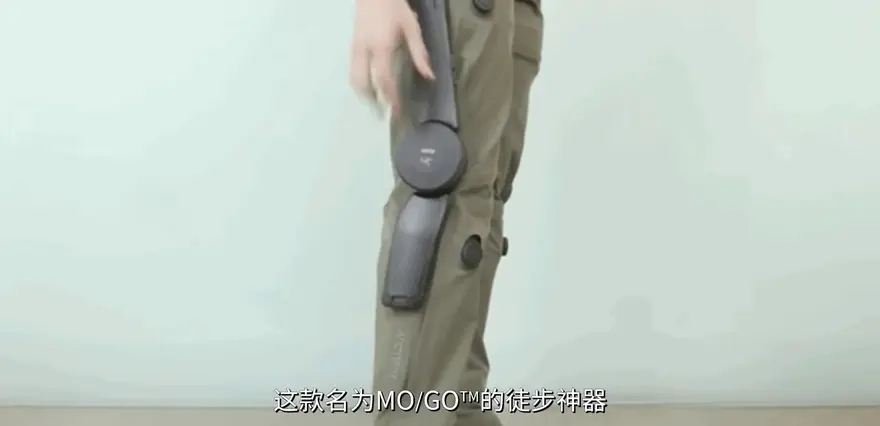
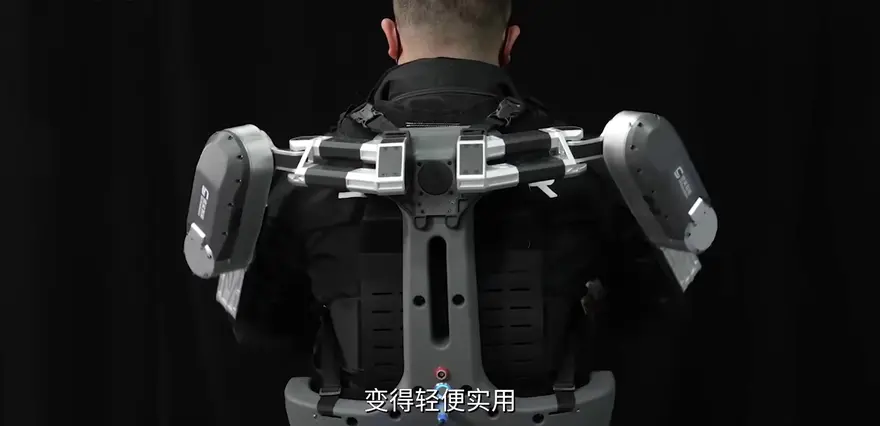

From Sci-Fi to Reality: The Shifting Mission of the Exoskeleton
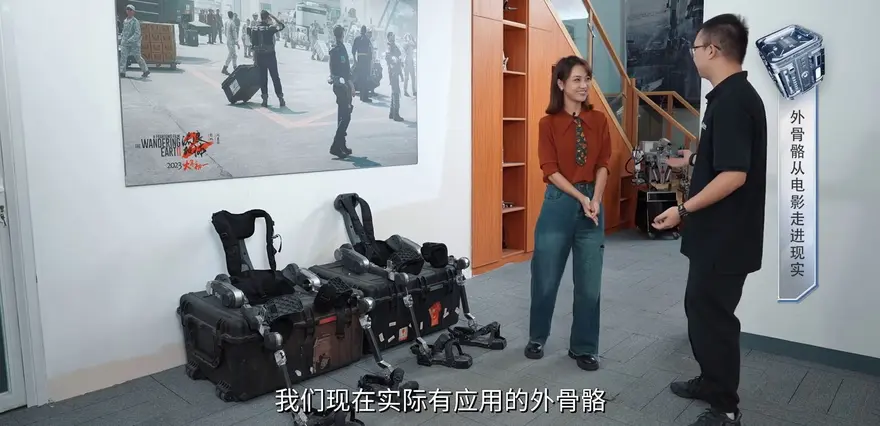
In films, TV shows, and game novels, mechanical exoskeletons have long been a quintessential geek element. From Robert Downey Jr.’s Iron Man to Tom Cruise’s look in Oblivion, and even Wu Jing’s exoskeleton in The Wandering Earth, each depiction showcases humanity’s ultimate imagination of “wearable mechs.”
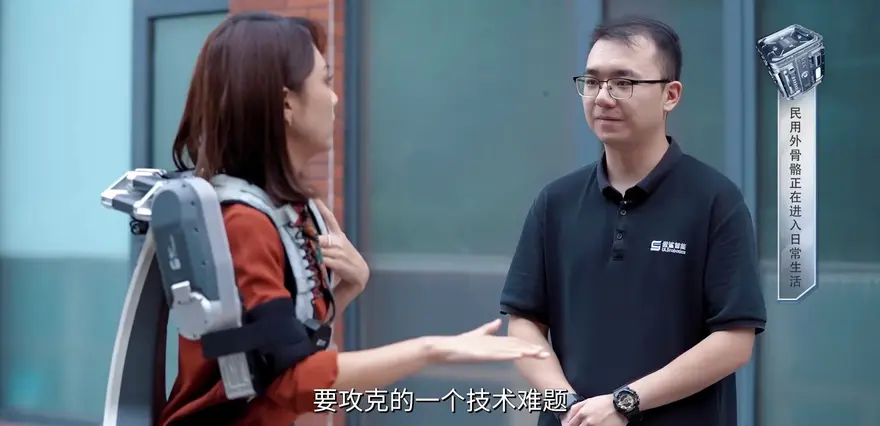
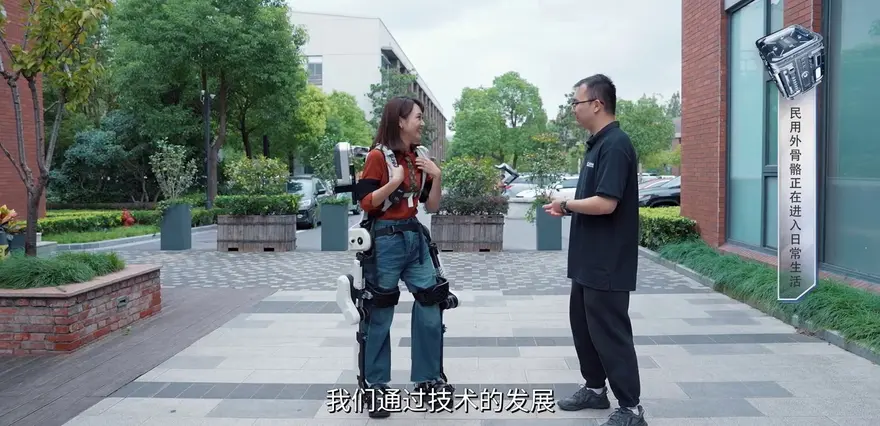
An exoskeleton is like adding a set of electromechanical power equipment to our bodies, structured similarly to the human skeleton.
As experts put it, this mechanical armor—originally developed to enhance soldiers’ combat capabilities—is undergoing a “cross-domain shock,” moving from military to civilian use, and from industrial applications to the broader consumer market. Today, exoskeletons are quietly reshaping how people move and work.
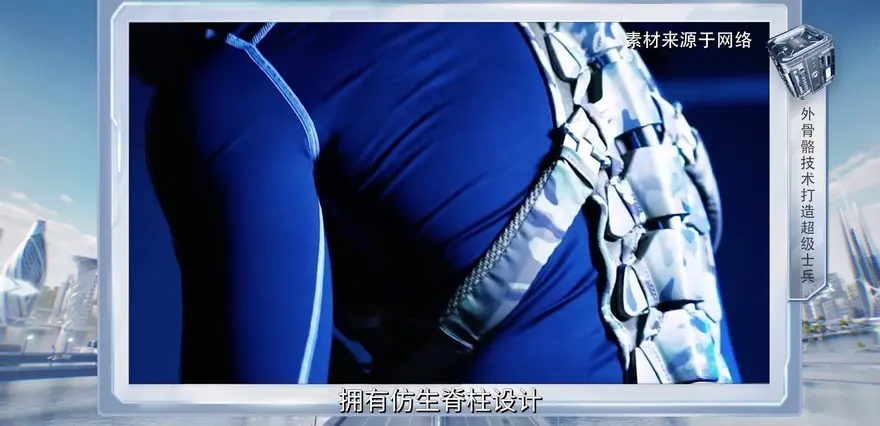

Military Exoskeletons: A Steel Torrent and the “Super Soldier”
The most famous birthplace of the exoskeleton is the military domain—built to help soldiers increase strength and endurance while meeting complex tactical demands. Nations around the world have launched an intense arms race in this field.
- Russia’s showcased “Ratnik” combat suit, paired with metal legs and powered modules, can carry roughly 95% of an infantry soldier’s load;
- A passive assistive exoskeleton displayed in parades by the French military (developed with technologies from companies such as Yuanye) uses a bionic spinal design and ergonomic engineering; it fits extremely well and does not interfere with climbing or jumping;
- Germany’s individual exoskeleton kit XEM is even more hardcore: forged from titanium alloys, it provides ballistic protection without external power and shifts 70% of the load from the shoulders to the ground, ensuring the soldier retains 99% mobility;
In addition, the PLA’s individual exoskeleton has demonstrated striking capabilities in real-world testing: with a max payload of 70 kg, it enables border-defense personnel to complete delivery missions at altitudes of 5,000 meters, while using sensors (IMU / pressure sensor) to anticipate movements and reduce physical exertion.
“After wearing it, border-defense soldiers can complete plateau deliveries at 5,000 meters and anticipate movements with various sensors (IMU / pressure sensor).”
The "Muscle Savior" on the Industrial Frontline: A Real-World Conversation with Power Workers
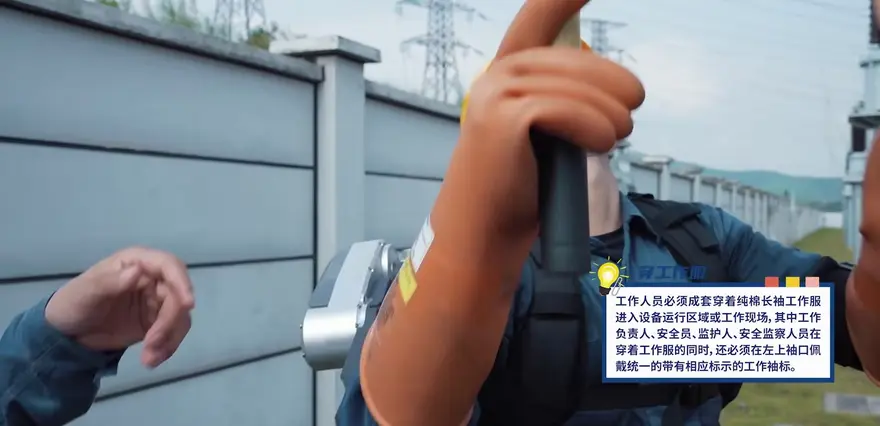
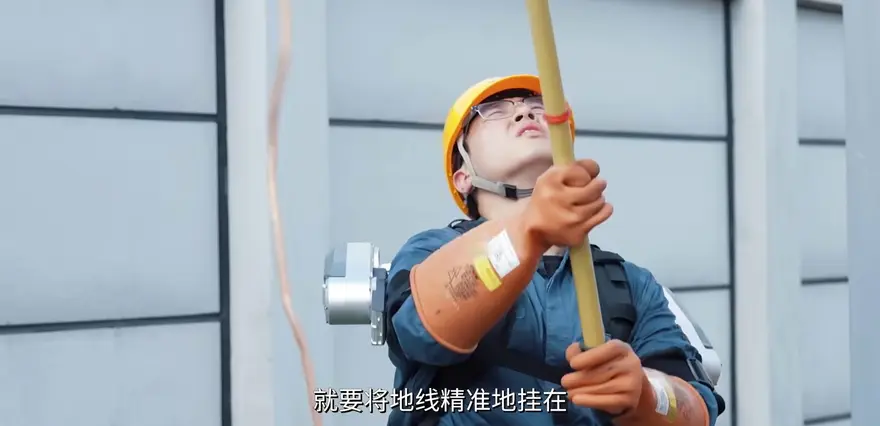
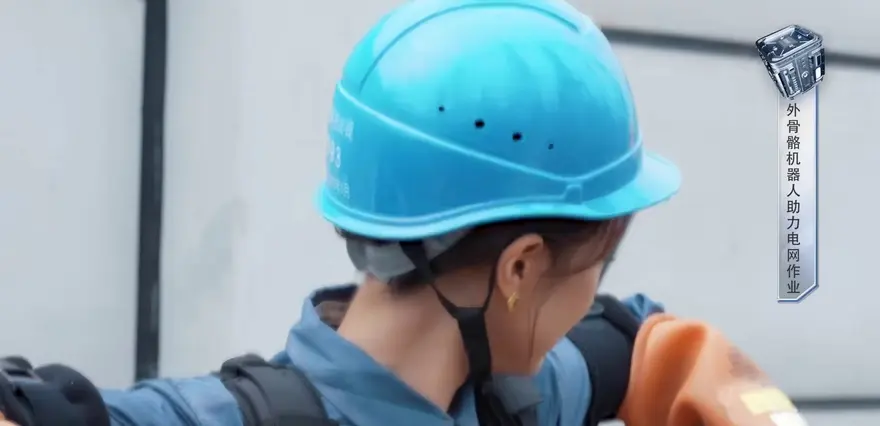
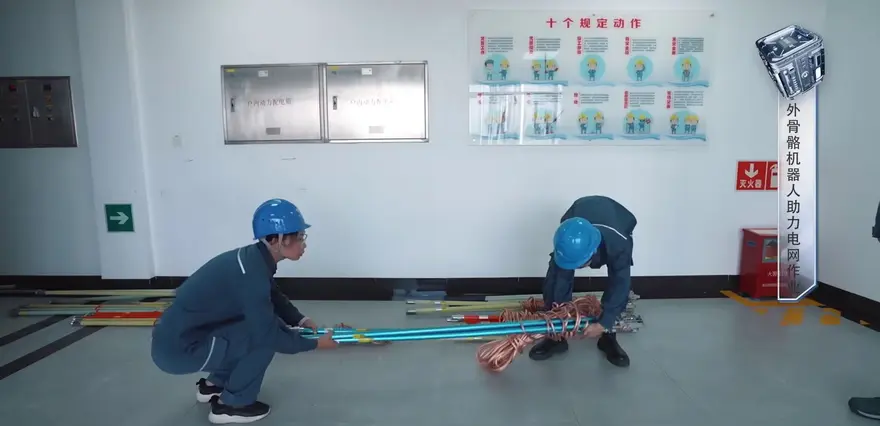
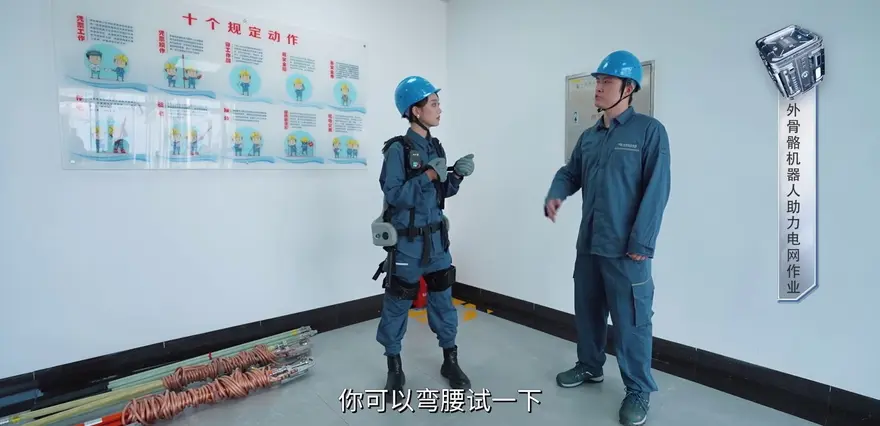
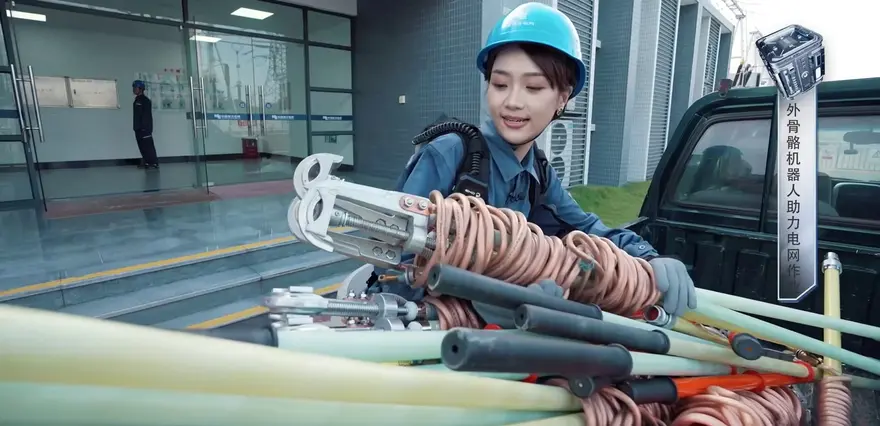
If military applications feel too distant, then industrial exoskeletons have already become an essential need for many workers. In the video, the host goes deep into a China Southern Power Grid operation site to experience firsthand the real power of live-line work exoskeletons.
The crew is executing a procedure to "remove grounding wires." The host initially thinks the pole is not heavy, but after attempting to lift it, he immediately apologizes: "Oh, I can’t lift it at all." According to on-site workers, this insulated weighs around 15 kilograms and must be lifted for about eight minutes during each operation.
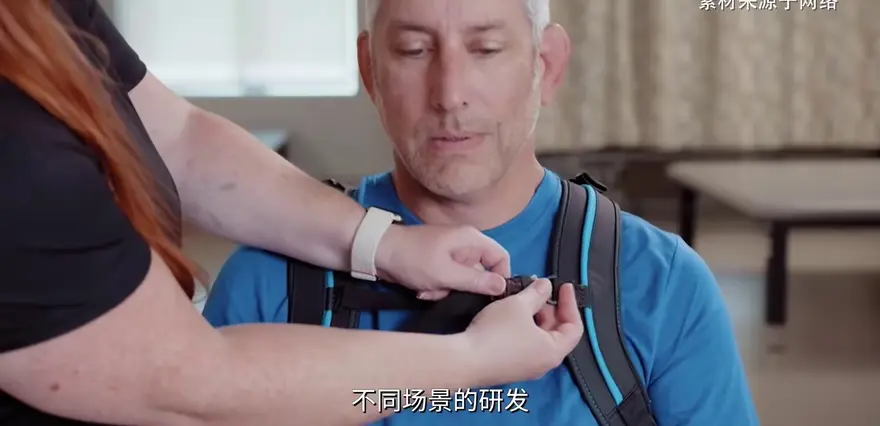
This is not symbolic manual labor but a real occupational pain point. After wearing the exoskeleton, the device provides substantial joint torque support when workers raise heavy objects overhead, effectively reducing muscle strain and lactic acid buildup from prolonged lifting.
From Factory Floors to Mountain Trails: The Eye-Opening Explosion of Consumer-Grade Exoskeletons
When discussing consumer-grade exoskeletons, the video highlights a hiking assist exoskeleton called Hypershell, which is currently one of the most representative products in this space.
- Core Specifications: With a price near 40,000 RMB, it incorporates precision mechanical devices. The manufacturer claims it can provide 40% strength assistance.
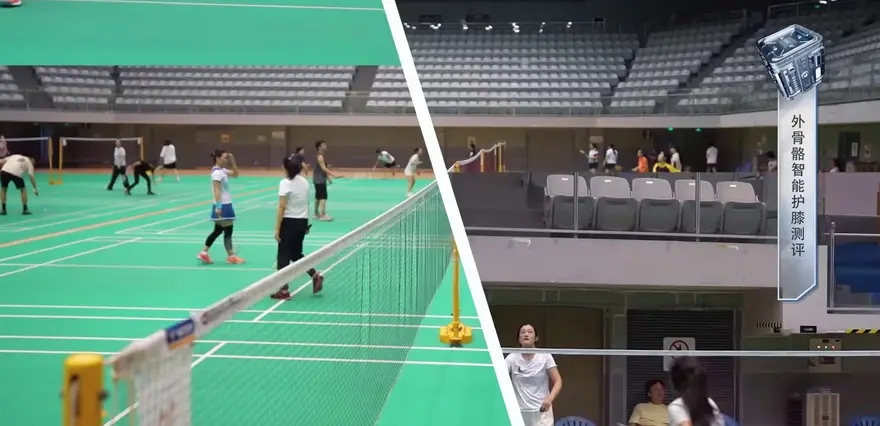
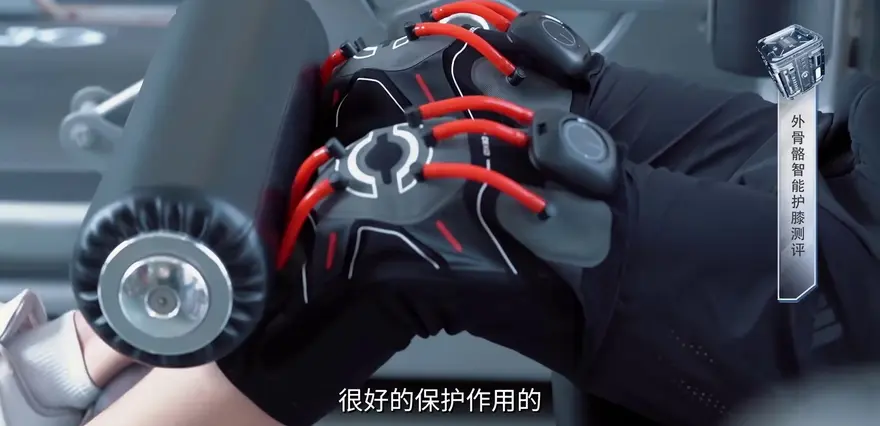
- Core Function: Its significance lies in utilizing a precision assistive system to directly reduce the burden on the quadriceps and hamstrings. As the slogan says, "Your legs won't tire climbing up, and your knees won't strain going down," greatly reducing the physical toll of outdoor activities.
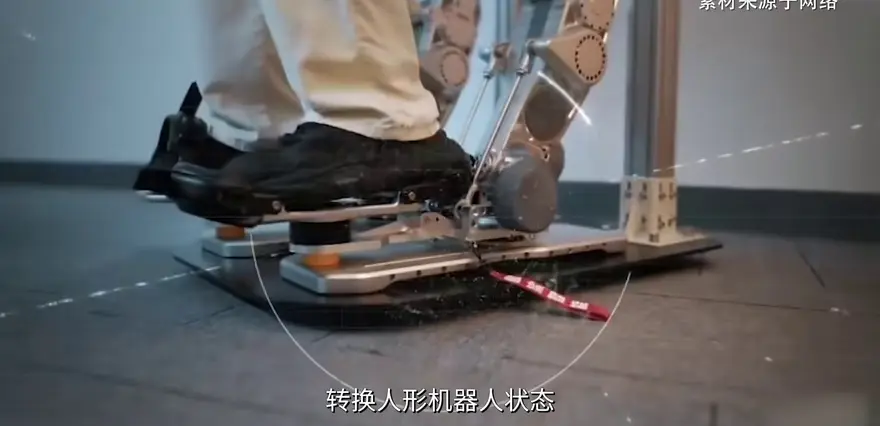
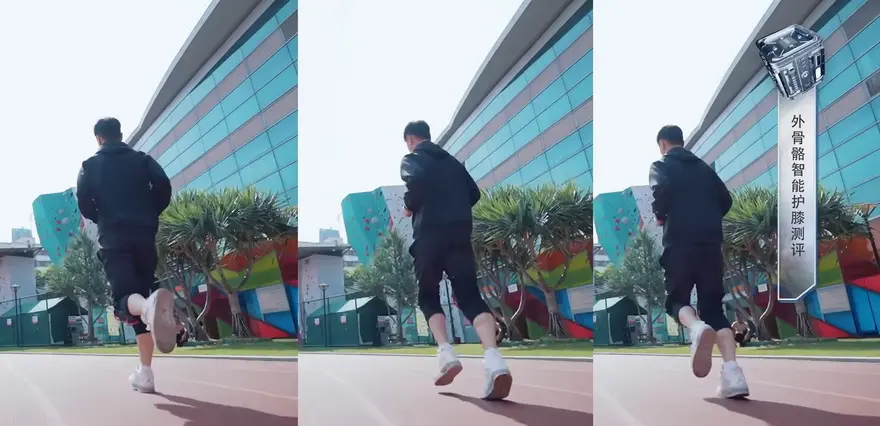
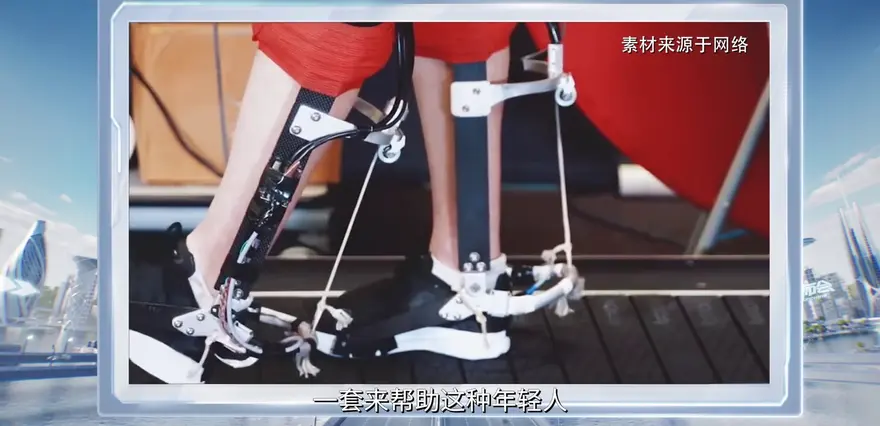
Beyond the "hiking boot" style, the video also features a leg exoskeleton that resembles "shoes." It can reach a top speed of 12 kilometers per hour (approx. 12 km/h), making the wearer feel like they're moving with the speed of wind and fire, walking as if flying. It is equipped with micro-motors and mechanical joints, making it not only suitable for running and fitness but also providing protection in scenarios like climbing.
"It can provide up to 40% strength assistance, with a top speed of 12 km/h."

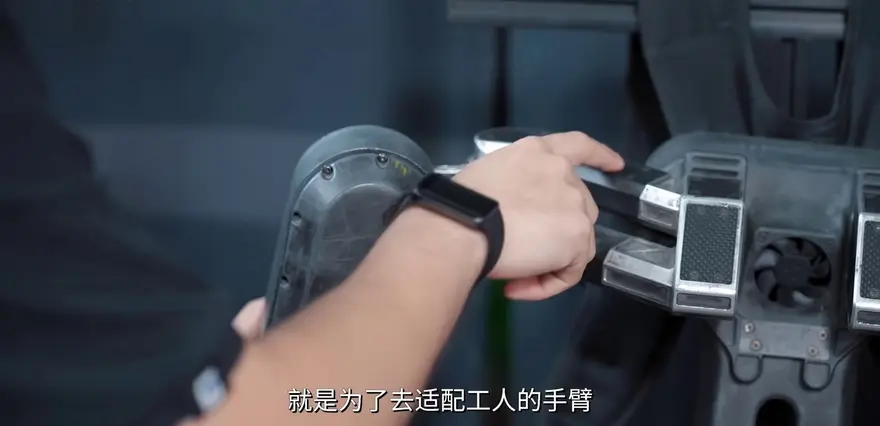
Core Reveals: The Symphony of Sensing, Computing Power, and Brushless Motors
Why can an exoskeleton keep pace with human movements? It relies on a sophisticated “neuron-plus-muscle” system.
Most of these “super shoes” or lower-limb exoskeleton devices come with built-in smart chips that integrate high-precision gyroscopes (IMU) and pressure sensors. They track the wearer’s motion in real time, instantly estimating your next muscle-effort intention, thereby automatically adjusting the tension at each joint to deliver walking assist.
Paired with lightweight materials such as carbon fiber, servo motors or brushless motors deliver precise joint torque. Such a structure not only enables multi-scenario versatility but also maintains portability. In these wearable devices, battery life and max payload are more than mere specs—they are the tangible physical boundaries that ultimately decide how high you can climb and how far you can run.
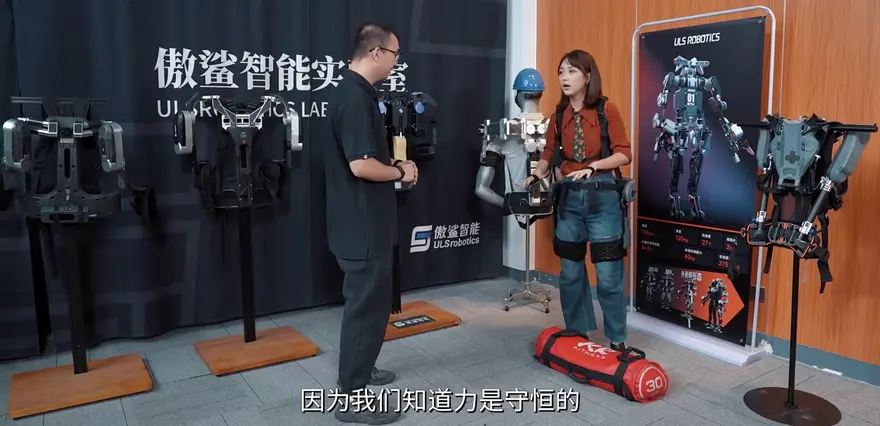
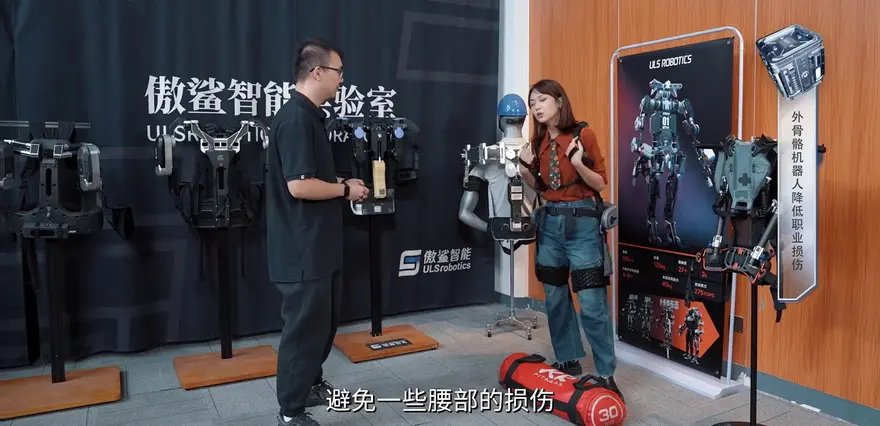
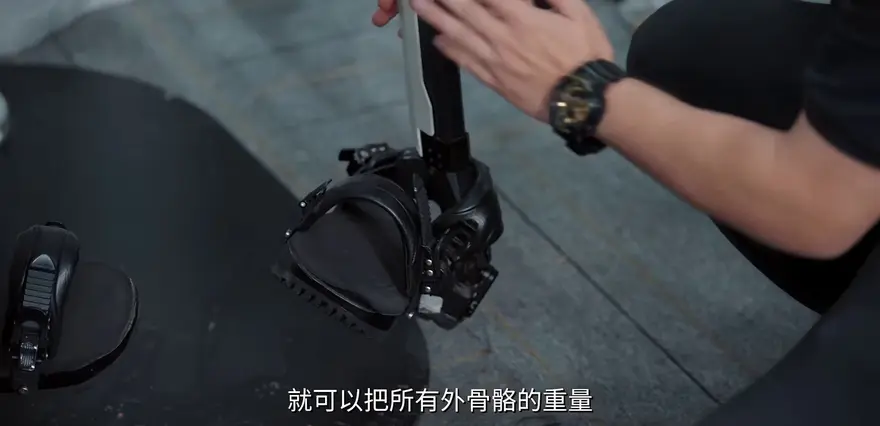
Opinion: The future of human-machine integration is far superior to fully autonomous robots
An interesting point was thrown out in the latter half of the video: given the rapid development of humanoid robots today, is the exoskeleton still necessary to develop? What is the fundamental difference between it and humanoid robots?
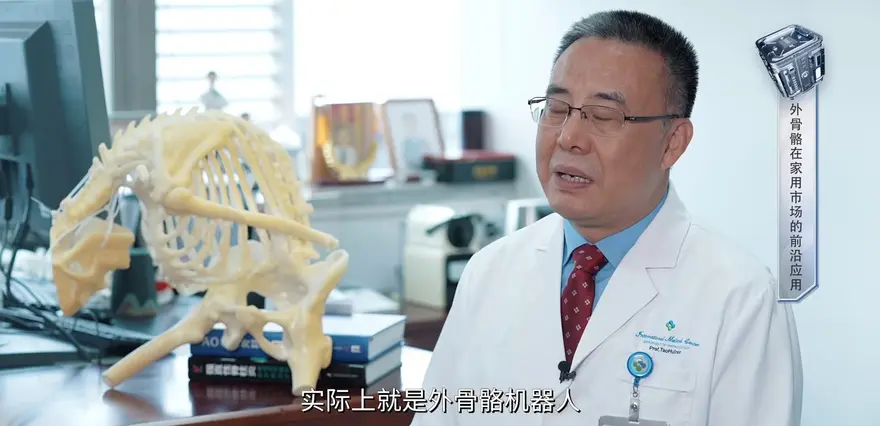
The expert's answer is: The human-machine integrated exoskeleton will coexist long-term with fully automated intelligent devices.
“Humans possess the ability to infer one thing from another, but current artificial intelligence cannot even achieve the opposite—inferring one thing from three. Letting an exoskeleton and a human climb a mountain results in a beautiful experience; whereas letting a humanoid robot climb a mountain is merely a test mission for the robot.”
The essence of the exoskeleton is not to replace humans, but to "extend" them. Future exoskeletons will understand you better; they can analyze your gait to identify deficiencies in your plyometrics and running, and formulate a feedback plan to enhance your athletic performance.


Conclusion: The Price Predicament, Mass Adoption, and a 190-Year-Old Illustration
The single greatest barrier to the widespread adoption of exoskeletons remains price. The price of a top-tier exoskeleton can easily reach hundreds of thousands, while relatively lightweight consumer-grade products on the market are also approaching the 40,000 mark.
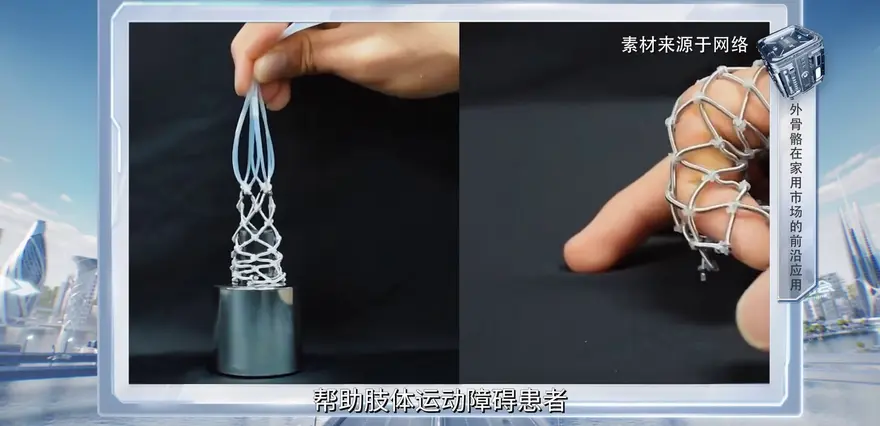
"The current price of exoskeletons is still quite high, costing hundreds of thousands or even millions for a single unit. However, flexible exoskeletons have begun to emerge in recent years, greatly lowering costs and offering a more promising future."
In fact, the very first vision of a "wearable mech" originated from the 1830 work Walking by Steam by British illustrator Robert Seymour. The character in the illustration was fitted with a steam-powered walking assist device.
From the age of steam to the era of brushless motors, from industrial-grade systems costing hundreds of thousands to consumer-grade models approaching 40,000 (such as Hypershell)—while we are still some distance from true "mass adoption," as experts note, with the proliferation of flexible materials and AI algorithms, we are indeed getting closer to the ultimate visions of "painless hiking" and the "super soldier."

Top Community Comments
@Fengyuhuangye: I live on the sixth floor, and I really wish I had a stair-climbing exoskeleton to help out.
- Takeaway: This reflects one of the most essential real-world scenarios for consumer-grade exoskeletons—home accessibility. For people with limited mobility or older adults, an exoskeleton can solve the “last few floors” of vertical movement more universally than any elevator.
@Tangpingkanshijiong: If you want an exoskeleton to truly hit bottom-line cost for commercialization, consider technology decomposition. Develop and control each human limb separately to manage costs—you could take a cue from the mechanical arm in a certain movie (Winter Soldier). Boston Dynamics’ robot dog is essentially technology decomposition, so think about why robot dog development has taken off these days.
- Takeaway: A highly product-minded comment. It points to a key path to cost reduction—modularization and single-joint motor control. Brands such as Aoshai have released lumbar / back assist and leg-assist modules, lowering full-stack R&D costs through split design and making consumer-grade adoption possible.
@Jinshibujian Gushiyue: Elderly people really need this.
- Takeaway: This goes straight to the core audience for assistive exoskeletons. As aging intensifies, exoskeletons with self-balancing and fall protection will become important assistive devices in an aging society.
@Moumingdanmu: I used to be unable to afford a car; now I’m thinking I’ll climb more mountains just to justify buying this.
- Takeaway: As a “new type of sports asset,” the exoskeleton is creating new consumer motivation. Its premium is no longer just about utility—it also carries added value for health, social signaling, and extreme experiences.
@Geek Laowang: Compared to the American military iron lumps, I prefer this kind of soft, flexible, comfortable domestic design.
- Takeaway: This shows diverging expectations for exoskeleton form factors. Compared with hardcore military/industrial rigid structures, consumer-grade products are indeed moving toward soft exoskeletons and wearable-garment styles to lower the barrier to wearing them.
@Kejiguanchayuan: If one day an exoskeleton can be put on casually like suspenders, that would be true cyberpunk.
- Takeaway: This calls for the ultimate form of “wearable.” When devices are light enough and battery life is long enough, exoskeletons will truly be embedded into the definition of clothing—shifting from “device” to “organ.”

One-Sentence Summary
From the nearly 40,000 Hypershell to 12 km/h mechanical running shoes, exoskeletons—after being toughened by military and industrial use—are charging toward the mass market through lightweight design and AI empowerment. They’re not just an affordable stand-in for the Iron Man dream; they’re also a true second skin of flesh and blood for workers and outdoor enthusiasts. If you love hiking and are willing to pay a premium for tech, this is the perfect moment to experience consumer-grade exoskeletons.
About this article: part of Chinese-Made Exoskeleton Review Archive — an independent, regularly updated English archive of reviews of consumer exoskeletons made in China, edited from publicly available video transcripts. Not an official manufacturer page.
For inquiries and purchasing, contact lonlonago@foxmail.com. More in Exoskeleton · All articles.