Aosha Intelligence Viatrix X-Lite Review: An Outdoor Power Exoskeleton That Doesn’t Steal the Show—Keeping Hiking Endurance Right by Your Legs
“Some gear only makes sense once you’re wearing it—then you understand what an ‘external assist layer’ is for. It doesn’t walk for you; it just stops every step from draining you as fast.”
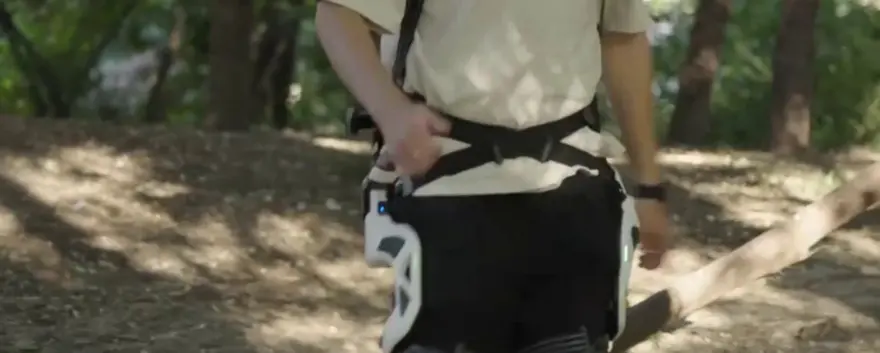
The first time I strapped the Aosha Intelligence Viatrix X-Lite onto my legs, I was testing it on a stone-step mountain trail: after a long stretch of rugged climbing, the calf soreness didn’t pile up as quickly as usual. On continuous ascents, the assistive rhythm delivered by the motor felt more like a companion that matched my cadence.
In this review, we’ll dig into real-world use and talk about this consumer-grade exoskeleton—now available on JD and built for outdoor scenarios—the X-Lite range-extended powered exoskeleton robot—and where its true strengths and honest shortcomings show up on complex mountain terrain. First, let’s place it on the broader industry map: this isn’t medical-grade (a rehabilitation exoskeleton), but an assistive exoskeleton aimed at outdoor hiking and mountaineering—closer to “performance-boost gear” for climbing.

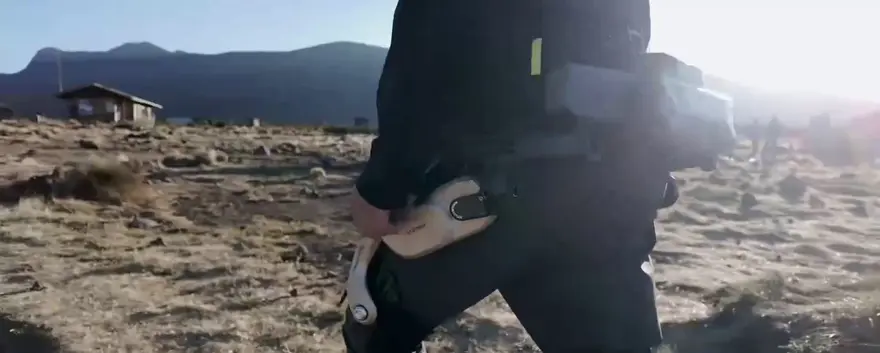
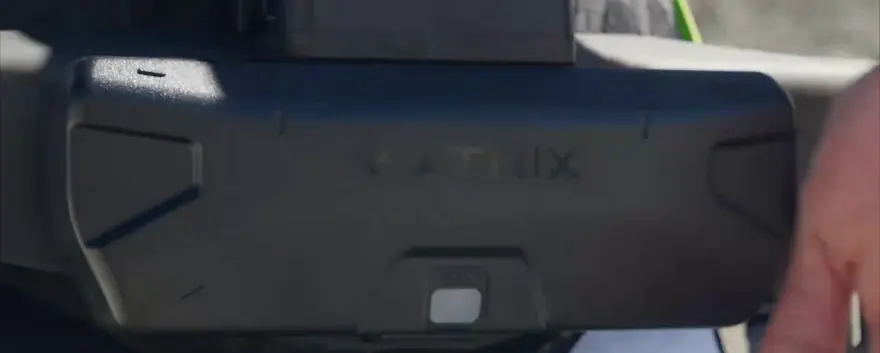
Let's Get One Thing Straight: The Aoshark Viatrix X-Lite is a Consumer-Grade Exoskeleton Designed for Mountain Outdoors
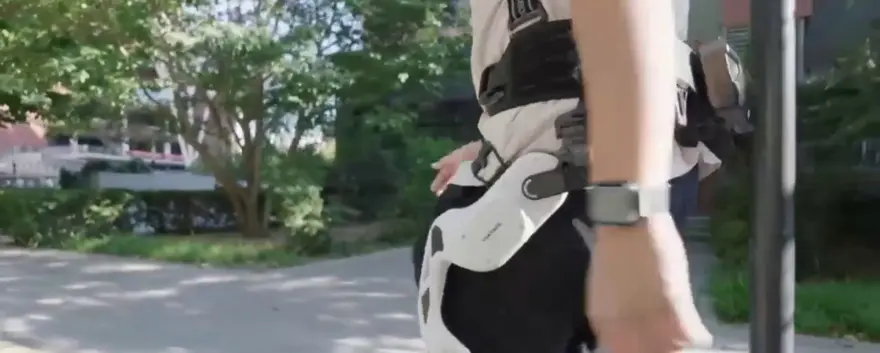
Aoshark has always emphasized "wearing the power" in the consumer-grade exoskeleton circle, and the X-Lite generation focuses on long-distance hiking, mountain climbing, and off-road trails. You can understand it as a "leg exoskeleton + hip assist" that provides additional power for high-energy-consuming slope walking.
Its fundamental difference from a rehabilitation exoskeleton lies in the goal: the former helps healthy or sub-healthy users "consume less and walk further" in real environments, while the latter is more focused on clinical training and recovery, requiring the collaboration of programmers, therapists, and process-driven evaluation. X-Lite is a consumer-grade exoskeleton that is ready to wear out of the box, assisted by an app, and serves the outdoors.


Are the Pain Points There? Traditional Rigid Exoskeletons Provide Assist, but Also Bring "Human-Machine Confrontation"
Early exoskeleton designs heavily relied on rigid structures and fixed joint trajectories. While the mechanical precision sounds cool on flat ground, the issues become glaringly obvious when navigating complex outdoor terrains: turning, stepping, lateral movement, and traversing loose rocks are all amplified into "human-machine confrontation" by "joint limits" and response lag. The result is that wearing some products for even a short walk can actually leave you more exhausted.
X-Lite's promotional context has always emphasized "not taking over." During this real-world test, that phrase truly resonates on complex terrain—when transitioning from stone steps to gravel slopes, the assist shouldn't forcefully push you forward, but rather seamlessly "fill the gap" in sync with your posture.


Float 360 Floating Wide-Joint Architecture: Testing "Follow-Through" on Complex Outdoor Terrain
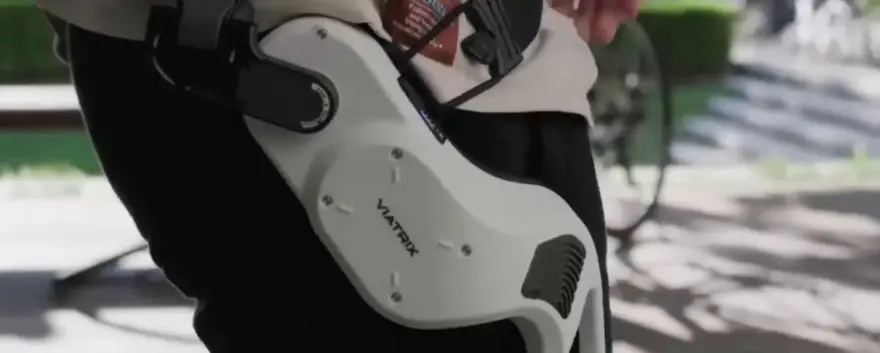
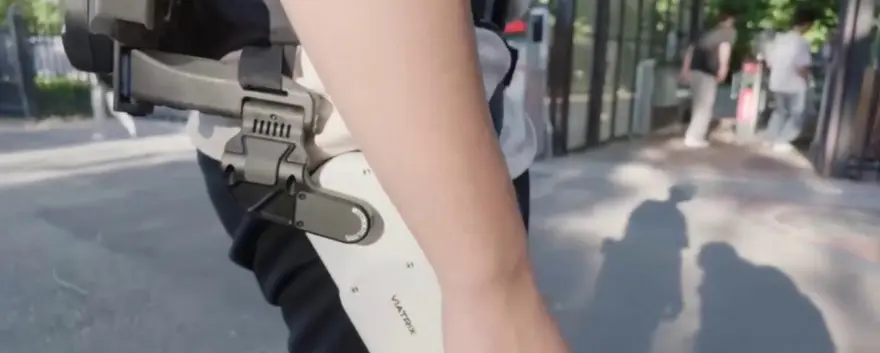
The X-Lite features the Float 360 floating wide-joint architecture. Unlike traditional rigid structures, the wide joints follow human posture in real-time to closely replicate natural movement trajectories. While the difference might not be deeply felt walking on flat ground, the true test comes outdoors:
- When leaning forward to climb slopes, requiring simultaneous hip assist and knee support;
- When turning sideways around poles or taking large strides, requiring lateral and rotational degrees of freedom;
- When descending steep slopes or navigating gravel and steps, requiring instantaneous joint torque and stable walking assist;
The advantages of this architecture are amplified in these scenarios, allowing your focus to stay on the trail beneath your feet rather than dividing it to worry about "whether the mechanism will jam."
Floating Joint Architecture = Less "Restrictive Feel", More "Responsive Feel"


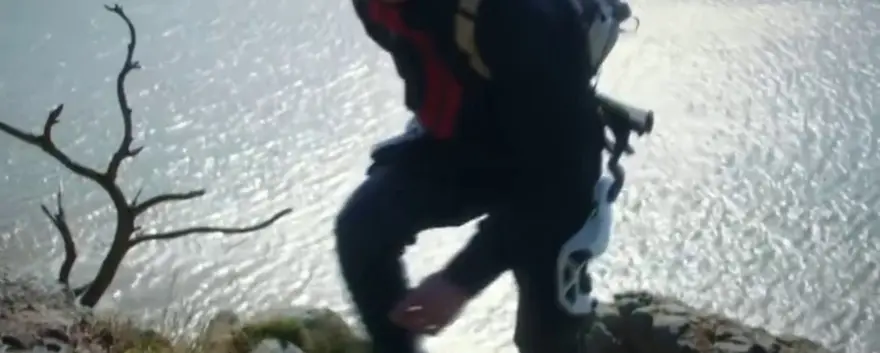
Assistive Performance: Is Peak Torque Enough? The "Burst" of BOOST Mode
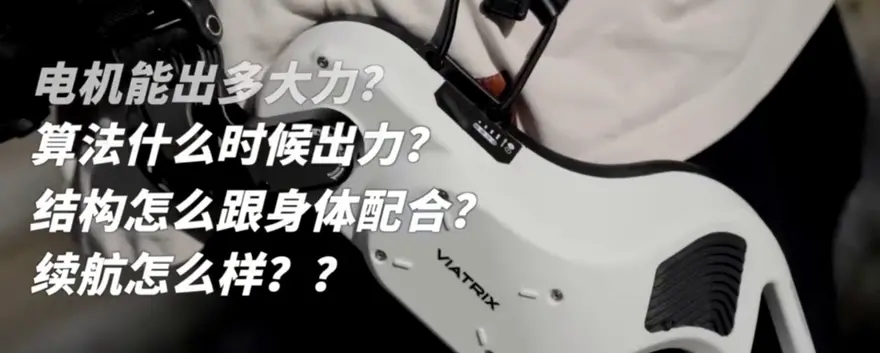
At the hardware level, the X-Lite adopts a flat-wire winding structure and a Halbach magnet array (referred to as the "Halbach magnet array chain" in the video), which is claimed to optimize magnetic field distribution, reduce magnetic leakage losses, and improve energy efficiency. In terms of data, the video mentions a peak joint torque of 50 N·m for both legs combined, which provides a tangible difference for instantaneous hiking / trekking assist.
A combined peak joint torque of 50 N·m for both legs (mentioned in the video)
The most distinctive feature is the BOOST mode: it "overclocks" gait recognition, breaking through the output limits of conventional motor control strategies. In scenarios requiring explosive power, such as steep slopes and steps, it delivers a more intense push-back sensation and makes climbing much more effortless.
BOOST mode: "Overclocks" gait recognition to make climbing steep slopes easier (mentioned in the video)


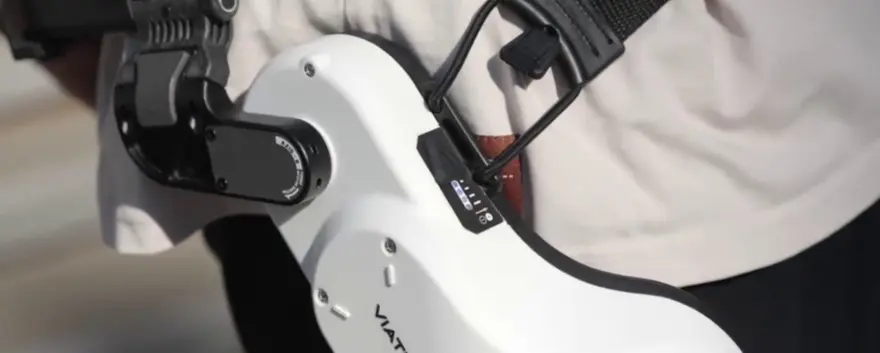
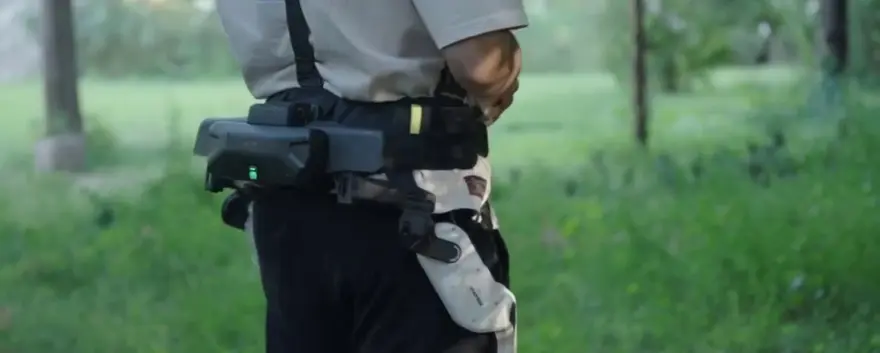
Three Modes Cover Common Outdoor Scenarios: AI-Adaptive, Damping, BOOST
X-Lite offers three modes; the AI-Adaptive mode suffices for everyday trekking: it automatically adjusts the assist level based on walking speed, slope, and terrain. Switch to damping mode on descents, using reverse torque to reduce knee impact. Open BOOST for sustained climbs or bursts on stairs.
AI-Adaptive Mode: Adjusts assist with walking speed and slope (mentioned in the video)
Damping Mode: Provides gradual assist to reduce knee impact (mentioned in the video)
BOOST Mode: Explosive power for extreme scenarios (mentioned in the video)
These three modes are key to sparing users constant manual tweaking. When your hands are on trekking poles and your eyes are on the ground, the simpler the mode switching, the better.
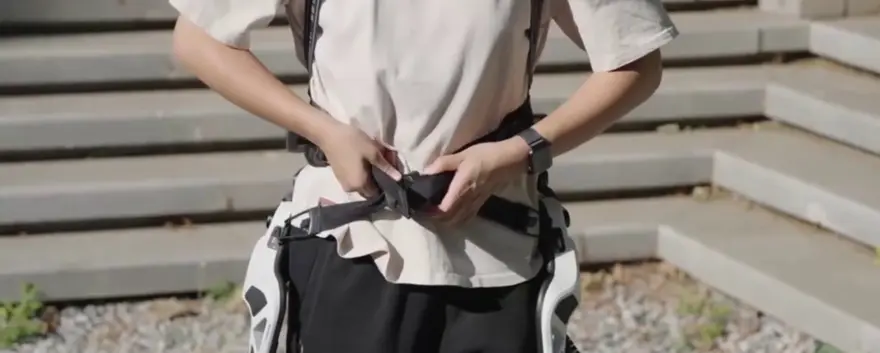
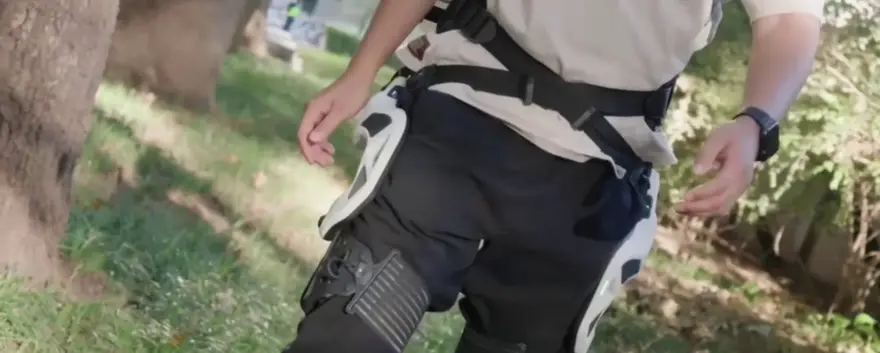
Dedicated Design for Outdoor Use: Heat Dissipation Without Degradation, Water-Resistant Protection, Impervious to Dust and Debris
The most realistic pain point in outdoor scenarios is not "peak joint torque," but continuous performance. Many exoskeletons lack a dedicated cooling structure; running for extended periods easily leads to heat accumulation, causing a power drop or even a shutdown. The X-Lite has upgraded its thermal design, and during testing, the heat was well-controlled during continuous operation, ensuring power delivery without degradation.
Upgraded thermal structure: Maintains stable output during long-term operation (mentioned in the video)
In terms of protection, the X-Lite features an IP54 dust and water-resistant rating (mentioned in the video) and supports 360-degree multi-directional anti-fall cables (described as "360-degree multi-directional anti-tangle cables" in the video, likely referring to the machine's anti-entanglement/anti-collision structure). This ensures that mountain drizzles, splashes from streams, or dust on mountain trails will not affect the stability of the motor and sensor.
IP54 protection rating (mentioned in the video)

```
Looks Great and Goes Anywhere: Lightweight Design and Adjustability Decide Whether You’ll Actually Take It Out
The top reason an exoskeleton gathers dust after purchase is that it’s too heavy and a hassle to tune. X-Lite brings weight into an almost acceptable range:
Approximately 2.58 kg without the battery (mentioned in the video)
Approximately 2.98 kg with the battery (mentioned in the video)
In terms of adjustability, X-Lite offers dual adjustments:
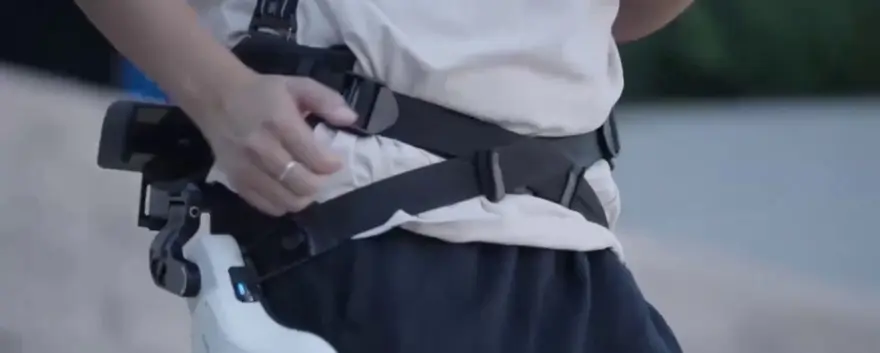
Waist circumference supports 55–130 cm (mentioned in the video)
Thigh circumference fits 30–70 cm (mentioned in the video)
Height coverage 155–200 cm (mentioned in the video)
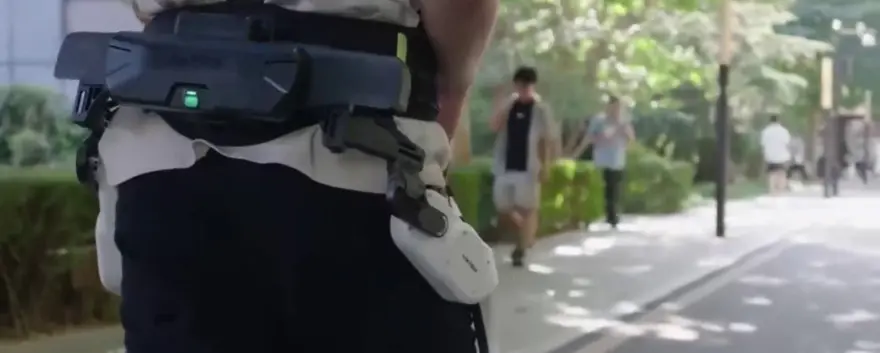
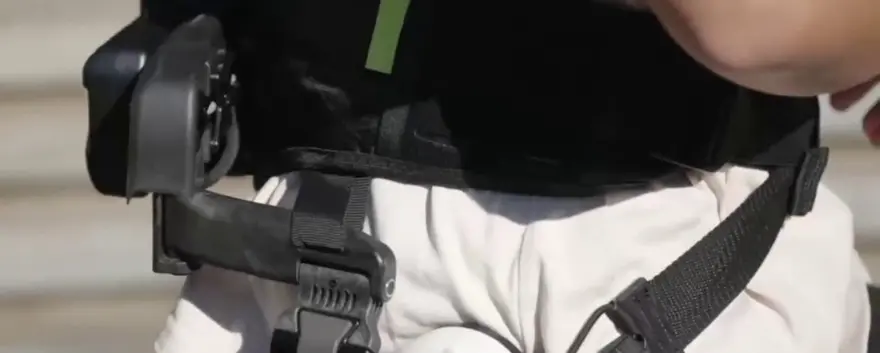
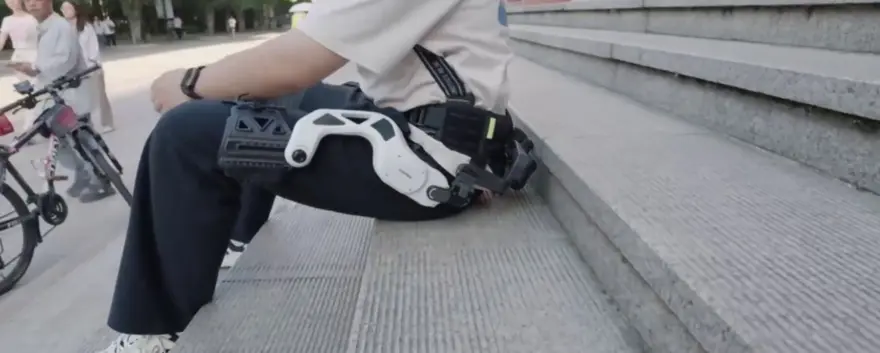
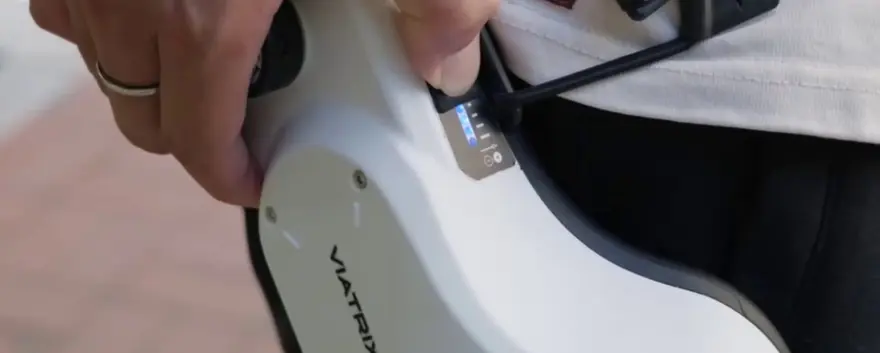
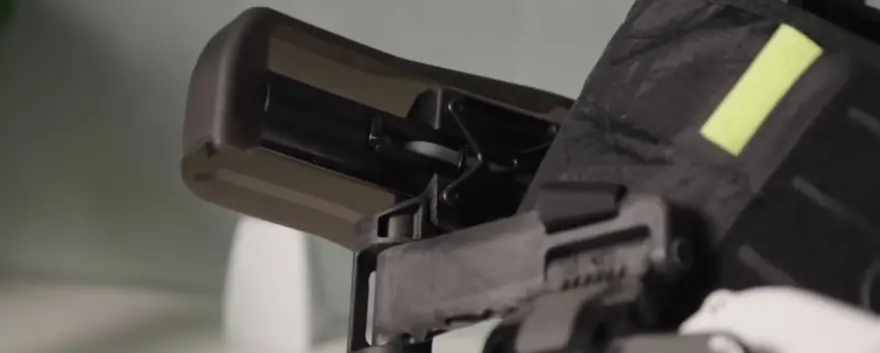
On the details, it’s compatible with a quick-attachment system so it can be mounted to outdoor backpacks for battle-ready use; a built-in handle makes getting in and out of vehicles and short transfers easier; and Type-C emergency charging is supported, so it can also add charge to a phone outdoors.

The "Invisible Performance" of Safety and Power Consumption: Wear Detection, Fall Protection, and Battery Management
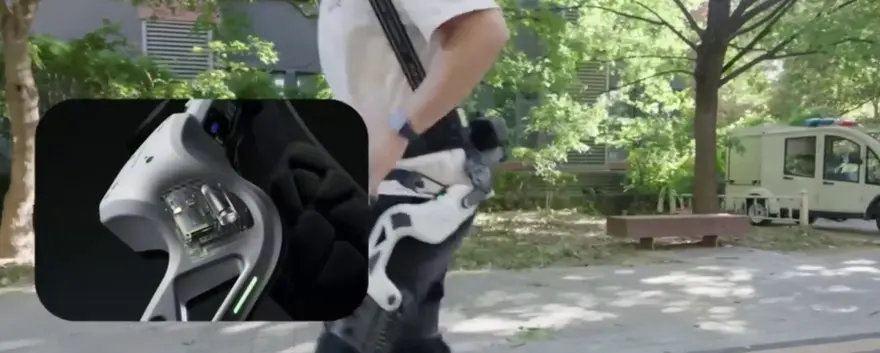
In outdoor scenarios, safety features are far more critical than an extra 2 N·m of joint torque. The X-Lite's aviation-grade color safety management allows you to visually confirm the wear status at a glance. It performs an automatic check on startup to ensure the device is properly fitted; if the leg strap unexpectedly detaches during operation, the walking assist stops immediately to prevent risks caused by erroneous actions.
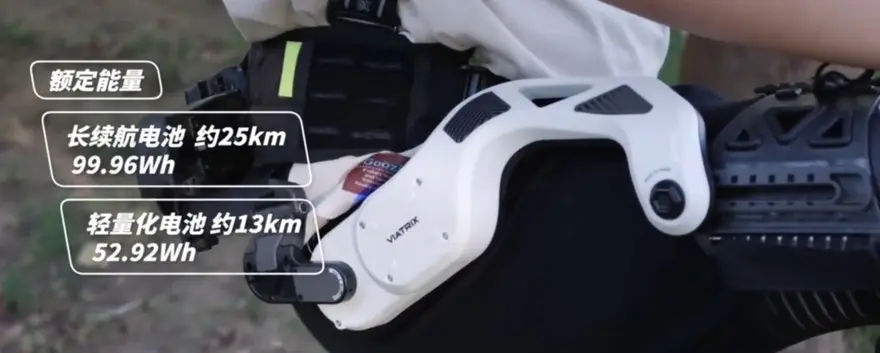
Regarding battery management, the auto battery management system monitors remaining battery life in real-time and selects the optimal assist mode. It automatically enters standby during rest and instantly wakes up upon a change in posture. This logic is crucial on the mountain trail: you won't have your rhythm abruptly disrupted by a "cold-start" assist after a break.
Fall protection: Assist stops immediately if the leg strap unexpectedly detaches (mentioned in the video)
Auto standby/wake-up: Smooth assist transitions (mentioned in the video)
Real-World Experience, Pros & Cons, and Who It's For: Battery Anxiety Persists, but the Core Experience Is Solid
Let’s return to the most straightforward questions:
- Endurance: the standard version delivers 3–4 hours (mentioned in the video)—just enough for a half-day hike on a single charge; longer treks require spare batteries, which is a real battery-anxiety trade-off.
- Ingress protection: IP54 (mentioned in the video) covers common outdoor conditions, but it isn’t rated for deep-water immersion or heavy mud. If your routes are wet, slippery, or muddy, check the Pro version in the same series (the video mentions IP65).
- Price: positioned close to the “external assist” tier of exoskeletons (the video says “close to external assist”); for casual outdoor users it’s not cheap, but it makes more sense for high-frequency hikers and trekking enthusiasts.
- Learning curve / setup: the first time you wear it, you’ll need time to adjust the waist circumference, leg circumference, and leg-cup height to achieve the best fit and walking assist effect. There is a learning cost, but that also means “once it’s tuned well, the assist feels right.”
In real-world use, X-Lite’s core value is highly focused: it minimizes any “mechanical feel” or “fighting-against-you” sensation, integrating the assist into the rhythm of your natural gait. This “doesn’t steal the show” experience is exactly what suits long hikes over complex terrain.
Standard version endurance: 3–4 hours (mentioned in the video)
Pro version in the same series: IP65 (mentioned in the video)
Industry Position: As consumer-grade exoskeletons seriously "take on the mountain," they part ways with medical-grade exoskeletons
Viewing the X-Lite from an industry perspective reveals a clear divergence in the consumer-grade exoskeleton market over the past two years:
- Medical-grade exoskeletons (rehabilitation exoskeleton) continue to focus deeply on clinical, rehabilitation, and assessment applications.
- Consumer-grade exoskeletons are moving into niche scenarios such as outdoor activities, logistics, exhibition guide, and home walking assist.
Hiking / trekking assist is emerging as a very tangible growth area: users are willing to pay for "less physical strain, more time to enjoy the scenery." Brands like Aoshuang Intelligence, Toread, Haier, Kenqing, Hypershell, and Dnsys are all making efforts in different market segments. By using a combination of "floating wide joints + AI gait recognition + BOOST," the X-Lite translates the use-case from simply "showing off on flat ground" to real environments on mountains, stone steps, and stream banks.
For the foreseeable future, the competitive focus in this sector will shift from "peak joint torque" to "sustained output + protection + wearing fit + real battery life / runtime." Whoever can maintain a natural following motion in complex terrain and implement smarter battery management will be more likely to make it onto the shortlist for hiking enthusiasts.



Top Community Comments
@Mengzhian (0 likes): [Same model as in the video—grab the coupon first] Tap here for the official deal
Interpretation: This comment has nothing to do with product experience. Readers should stay vigilant and avoid purchasing through non-official channels.
@The Wind From Afar (0 likes, comment body hidden): “I hope there will be a rental service someday to lower the barrier for trying it out”
Interpretation: This reflects users’ concern about the cost of trying the product—exoskeletons are high-ticket hardware, and rental or trade-in models could accelerate mainstream adoption.
@Mountain Roamer Wang (0 likes, comment body hidden): “3–4 hours of battery life isn’t enough for a full traverse; can I swap in a bigger battery?”
Interpretation: Battery-life anxiety is real; users are hoping for higher-density batteries or smarter power management.
@Hardcore Xiao Li (0 likes, comment body hidden): “It takes a long time to tweak the fit the first time—any quick-adjust tutorials?”
Interpretation: The learning curve for wearing and setup is unavoidable for consumer-grade exoskeletons; clear tutorials and first-time fitting services can significantly boost word of mouth.
@Designer Ah May (0 likes, comment body hidden): “The high-vis safety colors are good, but I’d like reflective strips for nighttime.”
Interpretation: Outdoor safety is top of mind for users; thoughtful, visible safety details can become a key differentiator.
@Big Waterfall (0 likes, comment body hidden): “IP54 is fine in light rain, but I’m still worried on muddy sections; thinking about the Pro.”
Interpretation: Ingress protection is a critical purchase factor; the Pro’s higher rating (IP65) can cover more extreme routes.
@Ten Years of Hiking (0 likes, comment body hidden): “The assist feels like an extra hiking partner, but don’t over-rely on it—leg strength still needs training.”
Interpretation: Users are taking a rational view of “performance-enhancing gear”: assistance is complementary, not a replacement.
One-Sentence Summary
If you’re a long-distance hiking or trekking enthusiast who often lets physical limits cut a trip short, and you want a consumer-grade exoskeleton that delivers natural walking assist without feeling overly strapped-in, Aoshark Viatrix X-Lite is a strong all-round contender right now—but you’ll still need to budget for and patiently account for battery life/runtime and the donning and fit learning curve.