From 553 to 92,199 RMB: A Hardcore Buying Guide to Exoskeletons During the 618 Shopping Festival—The War for the Ultimate Shopping Bargain Has Blown Its Horn. Are Consumer-Grade Exoskeletons Worth Buying?
The horn for the ultimate shopping battle has sounded.
I'm Ash. Having been in the tech scene for so many years, are you all ready to open your wallets? If heavy ordnance and tactical protective gear are the Chinese New Year for military enthusiasts, then this promotional carnival in front of us is an absolute milestone for all hardcore exoskeleton enthusiasts, caregivers for the elderly, and outdoor fanatics. Today, we aren't looking at smartphones or computers; today, we are looking at something truly hardcore—walking assist exoskeletons.
What's the first reaction when many people hear the three words "exoskeleton"? Iron Man armor? Or, "How much could this thing cost? Probably way more than it's worth, right?"
Don't rush. Let me first break down the current market of consumer-grade exoskeletons for you.
Science Fiction Meets Reality — The Daily Trend of Wearable Robotics


Whether you have elderly family members with mobility issues and want to take your parents hiking without worrying about their knees giving out, or you are an outdoor fanatic dying to explore breathtaking scenery but often held back by physical stamina—you need to watch this episode to the end. The exoskeleton devices of today are no longer mere tech showpieces; they are hardcore pieces of gear that truly integrate into your personal and family life.
Special Note: During the 618 shopping festival, price fluctuations for exoskeleton devices are more thrilling than a roller coaster. Without me pointing this out, you could easily fall into a trap. In this episode, we have put together a comprehensive roundup of the market—from passive mechanical legs costing a few hundred RMB to smart exoskeletons costing tens of thousands of RMB—covering a whopping eighteen popular items so you can make your money count, avoid common pitfalls, and make an informed entry into the market once you finish reading.
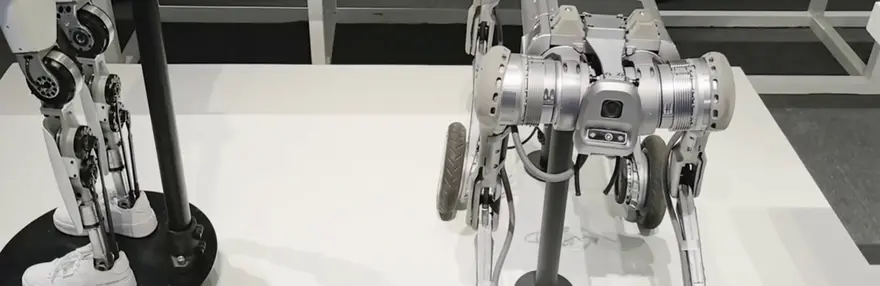
1. First, Master the Buying Logic: Three Golden Rules for Choosing an Exoskeleton
Buying one of these seemingly high-end exoskeletons actually has plenty of nuance. After testing more than a dozen of these devices, Ah Shan has distilled them into three key decision dimensions worth remembering:

First, look at the power source. Is it a purely mechanical-spring force-saving mode, or a powered mode driven by a servo motor? This directly determines the product price, the user experience, and, more importantly, whether it gives you passive "effort savings" or active "push-assist."
Second, look at the applicable scenario. Is it a medical-grade rehabilitation exoskeleton for stroke patients with hemiplegia during rehabilitation training, or a physical-performance booster for outdoor enthusiasts on hiking and trekking? Choosing the wrong type is not only useless, it can also be dangerous, potentially causing harm to both the user and the machine.
Third, look at wearing portability. This thing is worn on your legs, and if it's dead heavy you definitely won't be able to tolerate it. So total weight, battery life, and whether one person can put it on and take it off quickly — these three points must be checked rigorously.
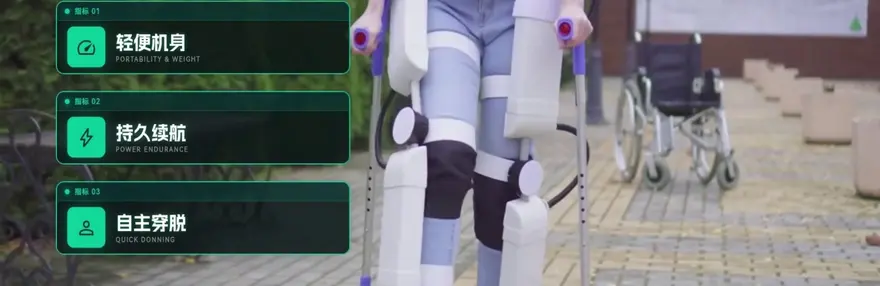
💡 Master these three dimensions, and you'll already surpass 80% of consumers who blindly follow trends when placing orders. Next, we officially dive into the hardcore hands-on testing and roundup of eighteen products.
II. Budget Entry Group: A 500-Yuan "Airbag" — The Ultimate Value of Passive Structures
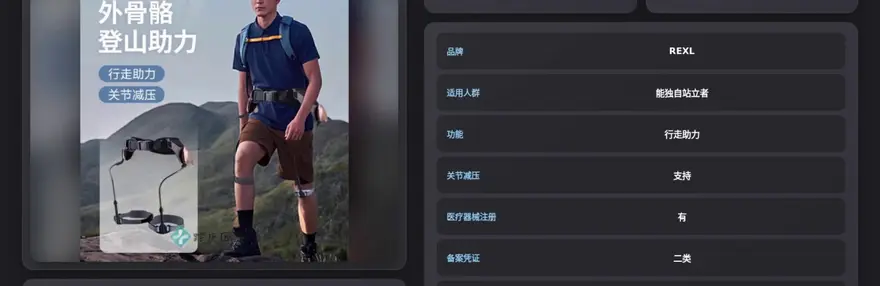
Let's start with this price disruptor—the universal RE-XL exoskeleton. During the 618 promotion, its price dropped straight down to 553 RMB. To be honest, my first reaction upon seeing this price was: Can this really be a robot?
But this is indeed a mature product from the German brand R-EXL. It focuses on being lightweight and passive. It contains no motor and no battery, relying entirely on a pure mechanical structure (spring damping) to provide physical support, qualifying it as a passive exoskeleton. Its weight is as light as a regular sports protector.
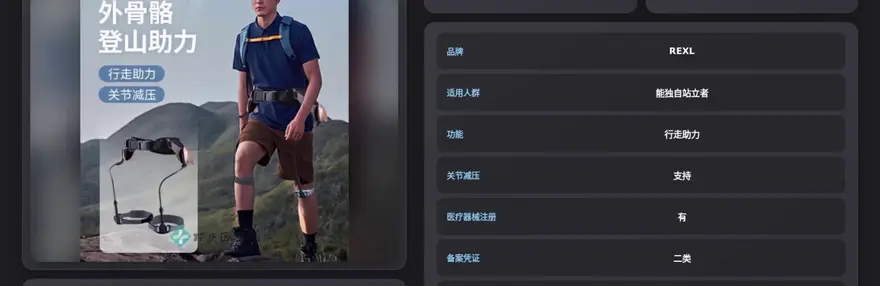
Its biggest highlight is full certification: the product not only holds a Class II medical device business filing certificate but is also a legitimate rehabilitation assistive device.
Price: 553 RMB (mentioned during the 618 period in the video)
Core Highlights: Class II medical device business filing certificate, compliant rehabilitation assistive device
This means it is absolutely not an industrial-style plastic toy. For households with elderly family members who have unilateral limb paralysis caused by cerebral infarction or weak legs but can still stand and exert force independently, this product acts like an "airbag" for their knees. For 553 RMB, buying a walking assist device with a major brand's medical device filing offers unbeatable value during a promotion.
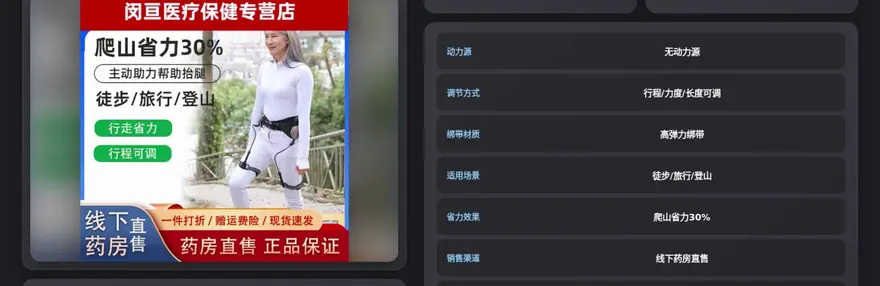
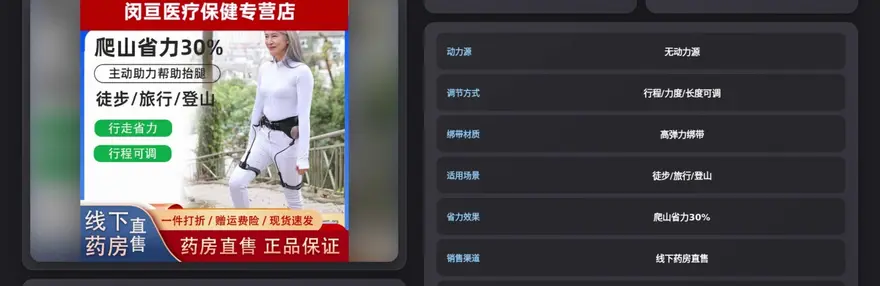
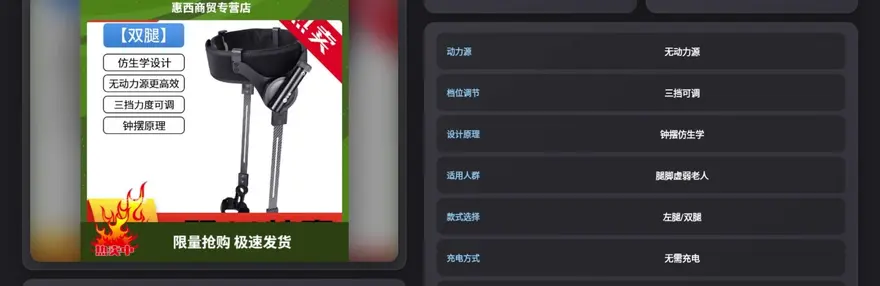
If your budget is extremely limited and you simply want to add a bit of safety to an elderly person's walking, don't hesitate—this is the top choice for an entry-level purchase. Next, let's look at a non-motorized assistive walking device priced at 727.66 RMB. With a price difference of just over 100 RMB, it sits on the other side of the experience curve. This model still features no power source but adds low-resistance, high-elasticity straps and a multi-level adjustable structure similar to a suitcase handle.
It can adjust travel range, force, and length—don't underestimate this adjustability. Everyone's leg shape, height, and knee stress angles are different. Adjustability means a better fit, which means more efficient force exertion and no causing additional soft tissue abrasion. The manufacturer claims that using it can "save 30% of effort when climbing mountains." Although we cannot conduct rigorous biomechanical testing right now, in actual trekking, saving 30% of physical energy consumption might be the key to whether you can persist to reach the summit.
Price: 727.66 RMB (mentioned during the 618 period in the video)
Application Scenarios: Saves 30% of effort when climbing mountains (official promotional data), suitable for light hiking
Furthermore, this model is exclusively supplied through offline pharmacy channels, ships free via SF Express, and includes free return shipping insurance. If you are a hiking enthusiast who doesn't want to be crushed by motors and heavy batteries but really wants to save some stamina for the stunning scenery, this mechanical lightweight exoskeleton is an excellent middle-ground choice.
3. Medical Advanced Group: The "External Crutch" for Forced Standing and Hemiplegia Rehabilitation
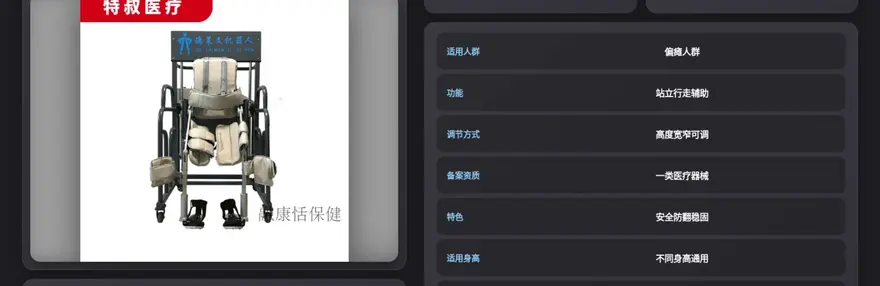
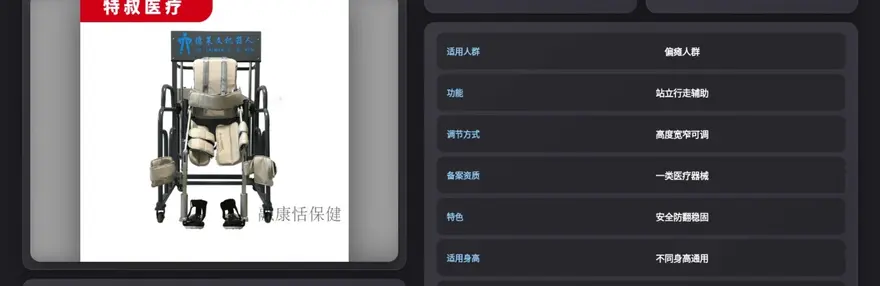
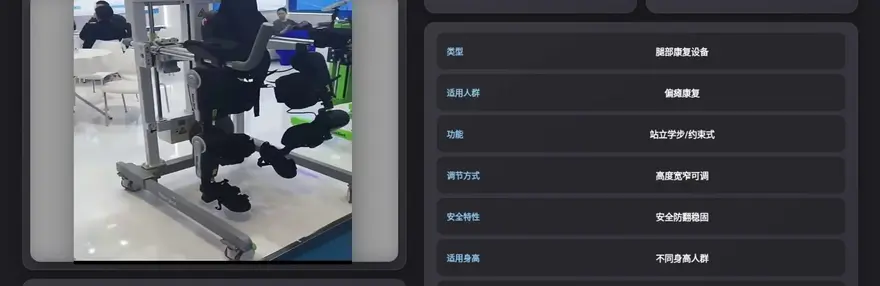
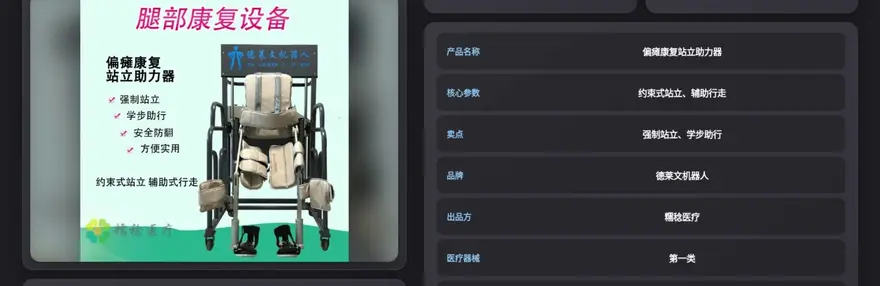
At the 1700-yuan price point, exoskeletons begin to reveal their serious medical attributes. Take the Da Ai assistive exoskeleton walker, priced at CNY 1759.2 (USD 245). Specifically designed for hemiplegia patients, it features an highly targeted function: Forced Standing.
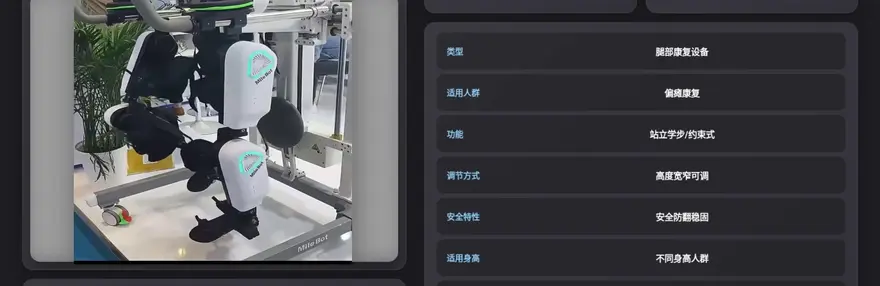
For many hemiplegia patients, standing up is incredibly difficult, as prolonged bed rest causes muscle atrophy. However, corrective rehabilitation often demands immense willpower from the patient. This device provides constrained standing and assisted walking. Once worn, it acts like an invisible professional rehabilitation therapist and nurse, physically constraining your center of gravity and supporting you as you take steps. Its height and width are adjustable to fit different body types; it also features a fall protection cushion design.
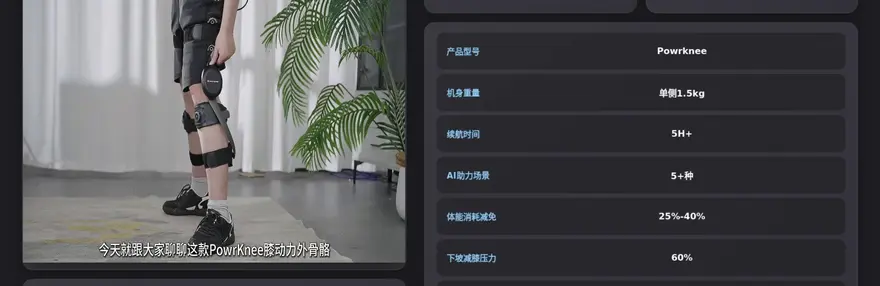
Price: CNY 1759.2 (during the June 18 promotion mentioned in the video)
Human-Machine Interaction: Constrained standing, assisted walking, the presence of an invisible nurse
For families caring for patients with severe stroke-induced hemiplegia who require daily, repetitive standing rehabilitation training, this certified Class I medical device is a remarkable item worth considering. If your rehabilitation needs involve rebuilding balance capabilities, traditional push-rod walkers can be exhausting. In contrast, devices that mechanically lock the torso to drive leg movement can significantly enhance the standardization of rehabilitation training.
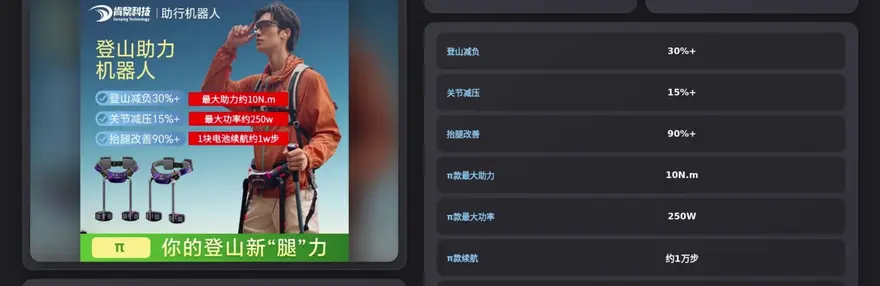
IV. Outdoor Action Group: Born for the Gobi and Snowy Mountains, How to Choose a Hiking Exoskeleton?
This group targets the request that excited Ash the most in the comments section: "UP, I want to trek the Gobi and climb snowy mountains. Is there any real 'Iron Man' gear with massive power and exceptional battery life? Can I get one for a few thousand yuan?"
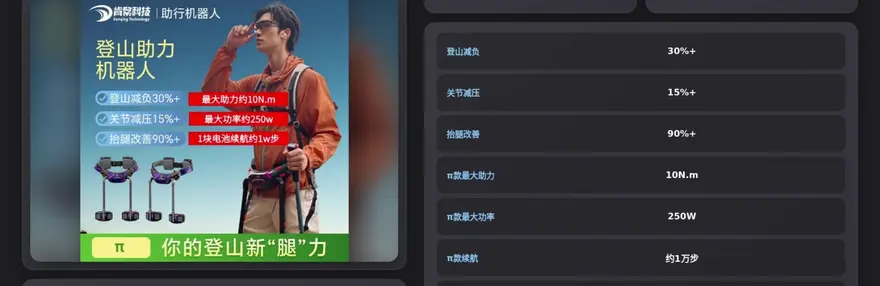
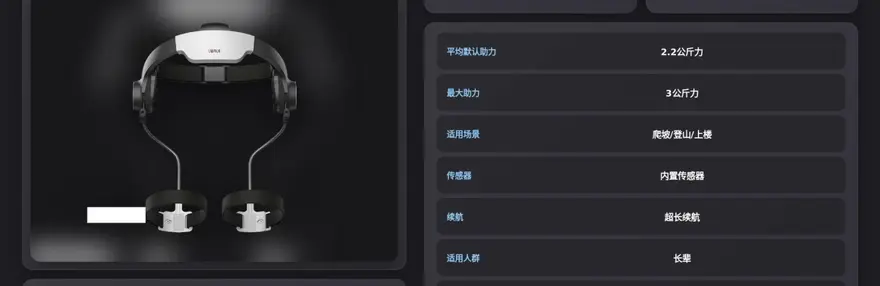
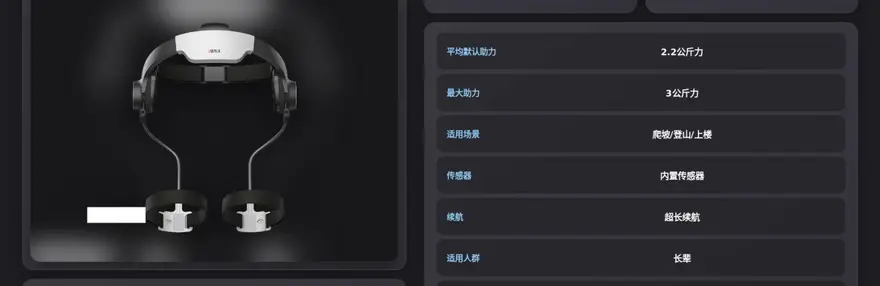
Bro, if you want an electric assistive exoskeleton with massive power that can handle the extreme cold of snowy mountains for just a few thousand yuan, the current consumer-grade market has no solution. However, passive structure products in the low price range focus on being lightweight, and some brands have achieved hiking / trekking assist through reasonable assist mechanism designs. If you want to experience a more tech-savvy, motor-driven product within this budget, you need to bump your budget up to the lower-thousands for the smart exoskeleton category (products in the 4,000-20,000 yuan bracket mentioned in the video).
In traditional unpowered hiking exoskeletons, the entire device has no motor. Through ultra-high-strength mechanical hinge mechanisms and biomimetic design, it utilizes the user's own gravity and leverage principles to provide strong support to the lower limbs, especially the knees when under load. When stepping, planetary gears or cam mechanisms generate assist. It has an extremely light weight but can genuinely offload 30% to 40% of the impact force on your knees when descending or trekking with a heavy load.
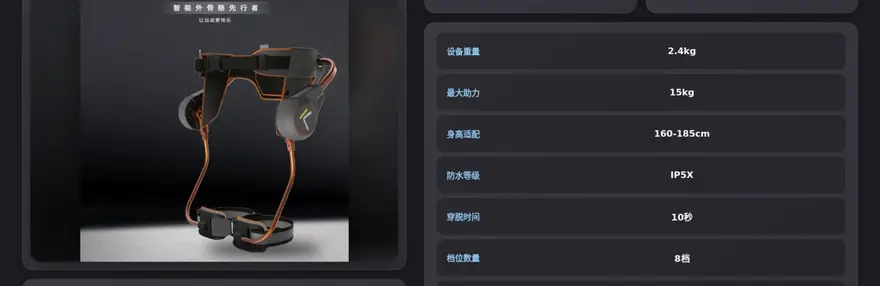
Additionally, if you are looking for a more comfortable product suitable for both daily use and the outdoors, we recommend checking out the smart exoskeletons launched by Aosha, Toread, and others. Targeting hiking scenarios, these devices adopt a torsion spring assist solution. The thigh portion typically stores elastic potential energy like a roller; when you lift your leg to step, the spring releases the force. The actual effect is equivalent to having a high-strength assist spring installed behind your leg. It can significantly eliminate thigh soreness after long-distance hiking.
Moreover, modern smart exoskeletons also have extremely high-spec products. For example, the high-end versions of the Hypershell series (Postdoc / Geek editions, etc.) are estimated to reduce muscle fatigue by 36% and feature a built-in AI terrain recognition module. Whether it's the gravel of the Gobi desert or the wet ski slopes of snowy mountains, the motor requires instant response.
Hardware reference (from parameters of high-end smart exoskeletons in the same category): Weight reduction of 35% to 47% (measured data from some brands); IP54 waterproof and dustproof; in extremely low temperature environments, the motor power will degrade due to battery discharge characteristics, so physical insulation for the device is required.
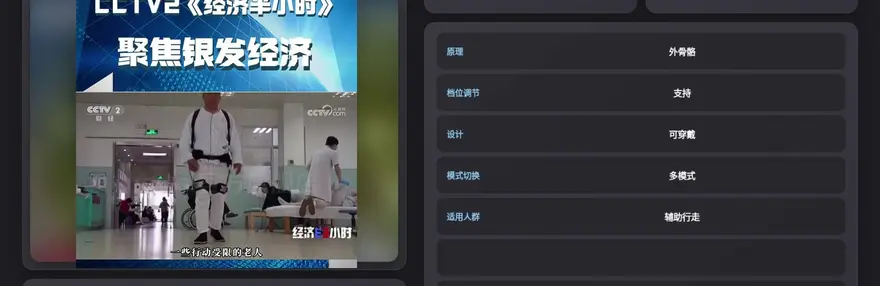
V. Mid-Range Power Players: Aoshark, Kenqing, and the “AI Brain”—Welcome to the Spring of Consumer-Grade Smart Exoskeletons
When the lens moves into the $600–$850 range, we officially step into the realm of powerful electric-drive “future armor.” The products here are no longer just protective gear—they’re wearable robots with real computational logic.

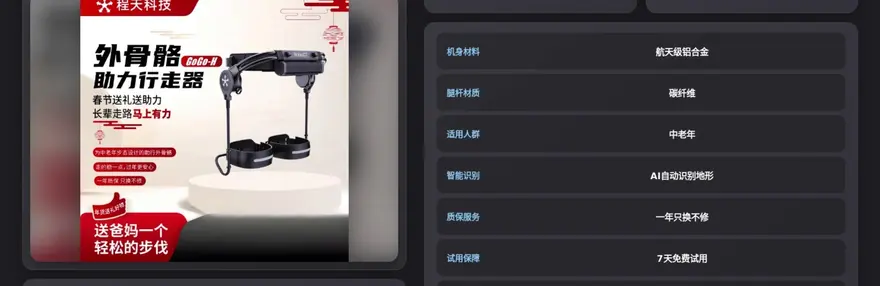
Representative examples include ChengTian’s lower-limb exoskeleton, along with consumer-grade products following suit from major manufacturers such as Haier. The core moat of these devices lies in their algorithms and sensing capabilities. With a full sensor array built in (IMU / pressure sensor), they can tell whether you’re going uphill, downhill, or on flat ground within milliseconds—and instantly allocate the joint torque output from the servo motors at the hip and knee joints.
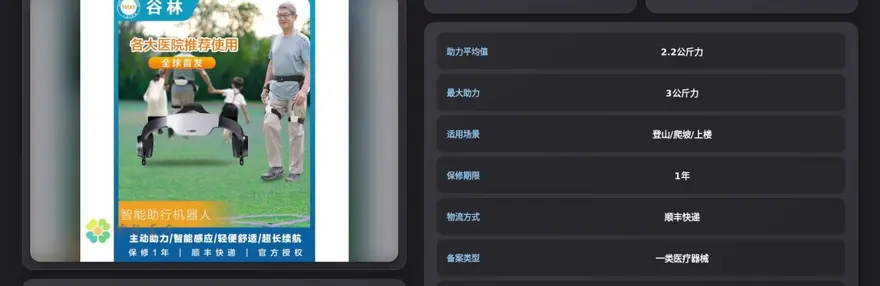
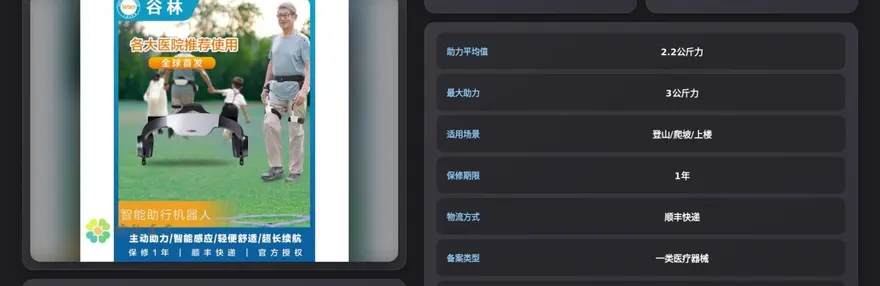
Think of it as moving away from the clunky, old-school “constant torque, constant effort” approach: when you head downhill, the assist is reduced so your muscles still get a sense of engagement; when you climb or lift your legs to clear obstacles, the motor instantly ramps up torque and pushes you forward.
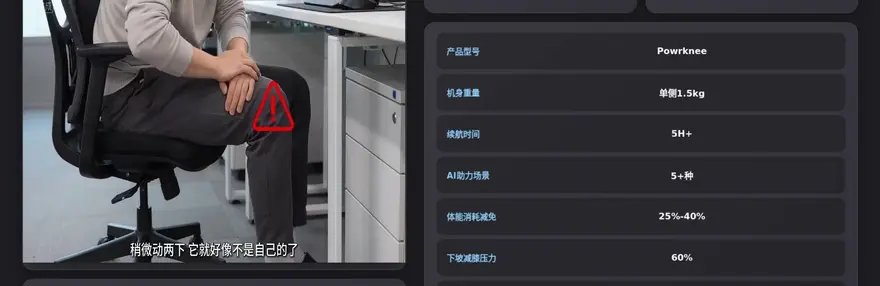
The solutions from Kenqing and Yuanye (Dnsys) push lightweight design and self-balancing to the extreme. Some full lower-limb assistive exoskeletons can weigh under 5 kg in total, don’t need tools to put on or take off in just 10 seconds, and use straps with a magnetic quick-release design—making independent wearing noticeably easier for users.
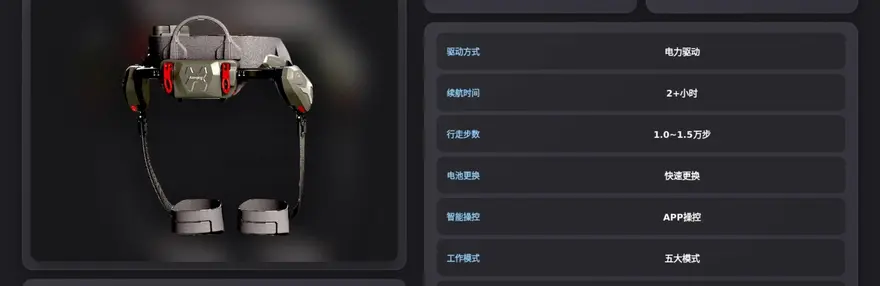
Core specs updated: built-in high-torque brushless motors, with peak assist efficiency improved by 40% or more; lightweight models are suitable for camping, hiking, going downstairs, and a variety of complex terrains. Expect dynamic endurance (in hours) of about 5–8 hours—enough for a full weekend of long-distance outdoor trekking.
VI. The Might of the Rehabilitation Exoskeleton: Nuoren Medical's "Dravyn" Heavy-Duty Defense
If the devices mentioned earlier are designed to help you go farther, the next scenario is about helping people stand up again.
Devices that once felt like sci-fi in Grade-A tertiary hospitals are now making their way into ordinary households. The 16th product is the Dravyn robot series produced by Nuoren Medical. At this level, the product falls under the category of Class I medical devices. For patients suffering from severe hemiplegia, ordinary manual walkers may no longer suffice. When both legs lose basic sensation (proprioception) and support strength, this type of professional-grade rehabilitation equipment is required for support.
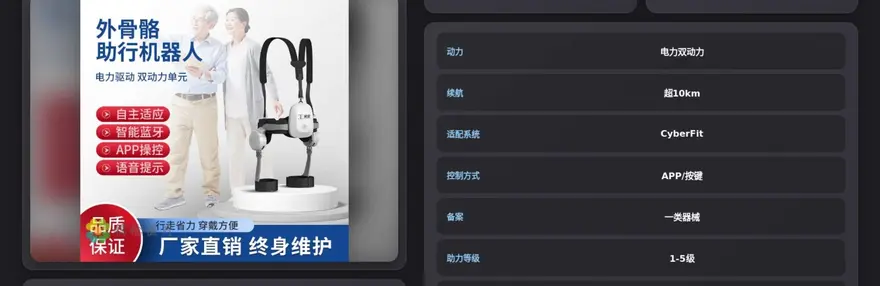
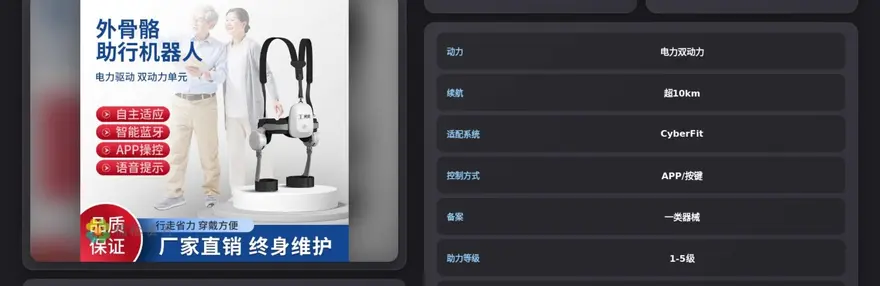
It features a full-wrap structure typical of an exoskeleton, driving leg joints with precise servo motor curves. It provides more than just walking assist; it offers strength-restoration training specifically for sequelae from spinal cord injuries and cerebral infarction. By controlling movement trajectories, this professional equipment can help patients' brains and muscles re-establish neural connections (motor memory).

If your family has severe injury rehabilitation needs and the financial means, this top-tier professional device can provide the patient with the most reliable and safe support.
However, I must advise everyone here: medical rehabilitation exoskeletons differ from consumer-grade products. They involve precise force feedback algorithms and customized training regimens. If you truly intend to purchase such equipment for home rehabilitation training, please be sure to consult your attending physician or a professional rehabilitation therapist, and follow medical advice regarding the purchase and wearing of the device. Technology is meant to help people stand up, not to cause secondary accidents in incorrect scenarios.
VII. Ultimate Form: Carbon-Fiber Mecha and Pediatric Special-Rehab, the 90,000-Yuan Option
Closing out the list with the final two models, the price tags have grown staggering. Yet this one-in-a-hundred-thousand indulgence mirrors the highest applications the industry can offer.
Model 17 is a general-purpose powered walking assist priced at ¥89,430.46 during 618. This is no longer a simple walking aid—it is a road-ready mech. The chassis is forged from aerospace-grade carbon fiber, delivering extreme lightness and relentless strength in one package. The electric drive system flows down to the knee joint, applying steady boosting force exactly at the knee’s load point.
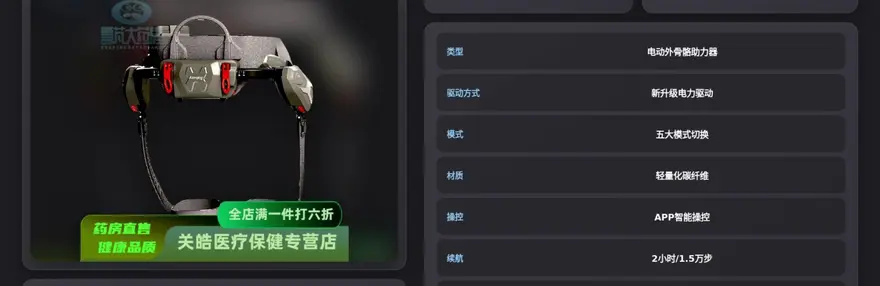
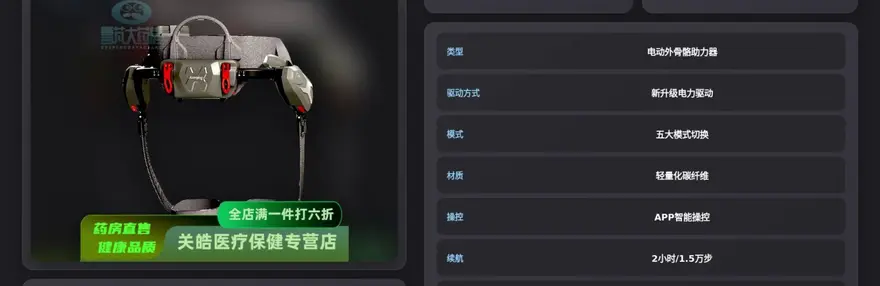
One-tap switching unlocks five modes: running, training, standard walking, fitness, and stair climbing. Beyond that, a smart app control unit is included, and the battery supports hot-swap quick replacement. This is a bona fide mech-style exoskeleton, so capable that even individuals with severe knee degeneration or degenerative arthritis can lace it up and sprint at striking speeds.
“Paying 90,000 yuan for a chance to return to the track—for some, that opportunity is priceless.”
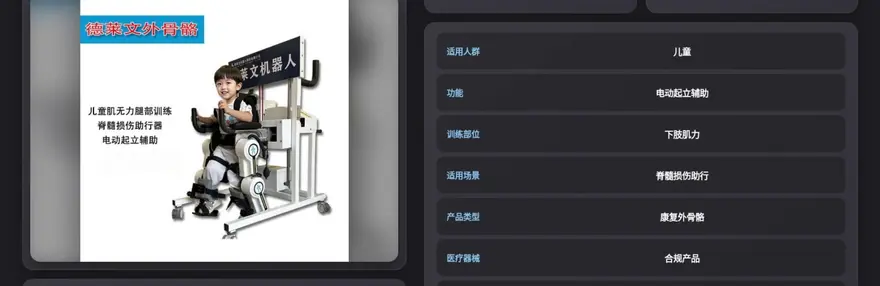
The final entry is also the priciest on our list: a professional, general-wellness walking assist device manufactured in Asia, tagged at ¥92,190 for 618. Engineered specifically as a pediatric lower-limb rehabilitation exoskeleton, it adapts to children’s body structures. The design integrates high-precision, multi-axis joint hinges and an electric stand-assist feature, addressing walking impairments caused by muscle weakness or spinal-cord injuries in young users.
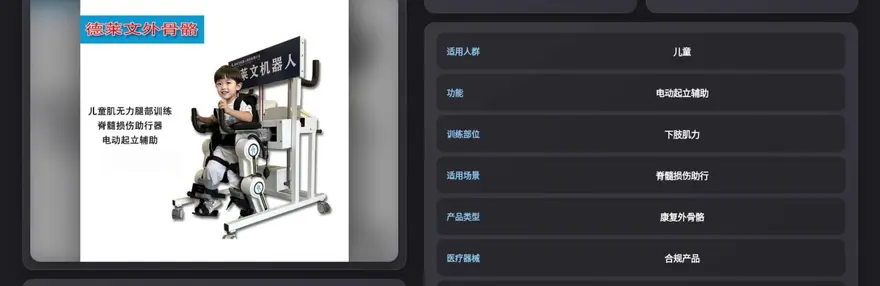

When Ashan trialed the prototype, the scene was unforgettable: at the soft hum of activation, a small body was lifted gradually by the mechanical power. The room felt hushed yet brimming with strength. Families will go to any length for the chance to let their child take that first step out the door again. As a certified Class-I medical device, this model—built for children with autism and cerebral palsy—is more than equipment; it embodies an entire family’s hope.
VIII. Closing: Bring the joy of walking back to nature
In one go, we’ve walked through a full lineup of eighteen different hardcore devices—from entry-level mechanical models (around 500 RMB) to carbon-fiber mech-style exoskeletons (close to 100,000 RMB) and top-spec devices for children’s rehabilitation. By now, you should have a much clearer picture of what’s out there.
No matter how fast technology advances, these devices are ultimately tools that assist you. As a final note from Ashan:
Technology is meant to make life better—not to fuel ego.
If your needs are medical, be sure to consult your primary physician for professional guidance. If you’re planning long-distance hiking / trekking assist, take it gradually—build experience with shorter trips and flat trails first, and slowly improve how you apply gait support.
Hopefully, you can find the exoskeleton that fits you best—and take your parents out to see the world’s greatest landscapes, while giving yourself the ability to go further in the wild. I’m Ashan—go enjoy the joy of walking.
Top Community Comments
@RoseBloomIntoFlowerDisaster: "UP, I want to walk the Gobi and climb snow mountains. Is there a real Iron Man-style setup with brutal power and serious battery life that a few thousand yuan can cover?"
A-Shan's take: This really reflects the biggest perception gap among the public. High altitude and Gobi extreme cold are a huge test for battery life; motor efficiency degrades in low temperatures. Snowy, wet, and slippery terrain also impose extreme demands on self-balancing algorithms and sensors. At the current few-thousand-yuan price point, a fully enclosed Iron Man experience is still hard to achieve, so a compromise between budget and power is necessary.
@AhWeiYouAreSurelyCharming: "UP, my grandpa is a bit unsteady on his feet at home, but I'm a student and don't have much money. Are there any sub-hundred-yuan affordable options that are genuinely serious, properly filed, and medically compliant?"
A-Shan's take: This is a very precise, real need. The market is full of plastic toys flying the flag of mechanical exoskeletons, while serious medical assistive devices need qualification backing. These passive products in the hundreds-yuan range with valid compliance filings are genuinely the best option for student budgets and family care.
@FitnessEnthusiastSun: "Price adjustment warning, the link is ready—remember to claim the coupon before ordering..."
A-Shan's take: This comment has a strong promotional sales vibe, but it also reflects the market's awareness. During big promotions, exoskeleton price swings are sharp and coupon stacking can get complicated. Always compare against the actual page price for that period, and don't impulse-buy blindly based on past impressions.
@AChaoWhoWantsToGoToTibet: "Does the '30% effort reduction' you mentioned have actual data support? Drop a biomechanical teardown."
A-Shan's take: This is also the pain point hardcore geeks care about most. Reducing effort with a spring mechanism is a physics-conservation story, but in the human gait cycle (e.g., stance phase, swing phase), the timing of force release and whether it perfectly matches human joint biomechanics is the real key. If the algorithm is wrong, it can actually cause compensatory injury.
@RehabNurseLi: "Just a reminder: if you're rehabilitating from an illness, follow the doctor's advice—don't blindly order some miracle prosthetic device yourself!"
A-Shan's take: This is a very valuable frontline professional voice. Neurological recovery such as after hemiplegia has strong medical seriousness, and rebuilding gait requires scientific physical therapy (PT). Don't blindly believe in universal add-on miracle devices.
@SnowMountainGuideOldZhang: "After guiding teams for so long, I genuinely need this. When my knees can't hold the force, nothing beats a reliable pair of leg armor. But battery life and weight are still issues."
A-Shan's take: This is a confirmed rigid need among professional outdoor users. During heavy-load expeditions, joint torque support is the safety baseline. That said, the heavy battery in electric models does add extra weight burden on climbs and descents, and current energy-density technology still has bottlenecks.
@WatchedItForNothing: "Hu Xueyan, twenty thousand—how much?"
A-Shan's take: Although it's teasing, the real price anchor remains the invisible hand holding back the broader push to consumer-grade exoskeletons. At present, fully electric devices still cost a lot, and there is still a long way to go for scaled production and domestic substitution of core components such as harmonic reducers and brushless motors.
One-Sentence Summary
This roundup not only showcases a comprehensive map ranging from passive protective gear to true "Iron Man" mech suits, but also charts a clear closed-loop path for users with different needs: check the budget, check the power source, and check the scenario tolerance. Match the most rational parameters to the most hardcore real-world usage scenarios—save on notebooks, and savor more soup.
About this article: part of Chinese-Made Exoskeleton Review Archive — an independent, regularly updated English archive of reviews of consumer exoskeletons made in China, edited from publicly available video transcripts. Not an official manufacturer page.
For inquiries and purchasing, contact lonlonago@foxmail.com. More in Buying Guide · All articles.