From the 680kg "Steel Beast" to tech armor that lifts seniors: Can consumer-grade exoskeletons open the door to Chinese homes?
Introduction: From "Super Soldiers" to the "Final Step" for Chinese Seniors
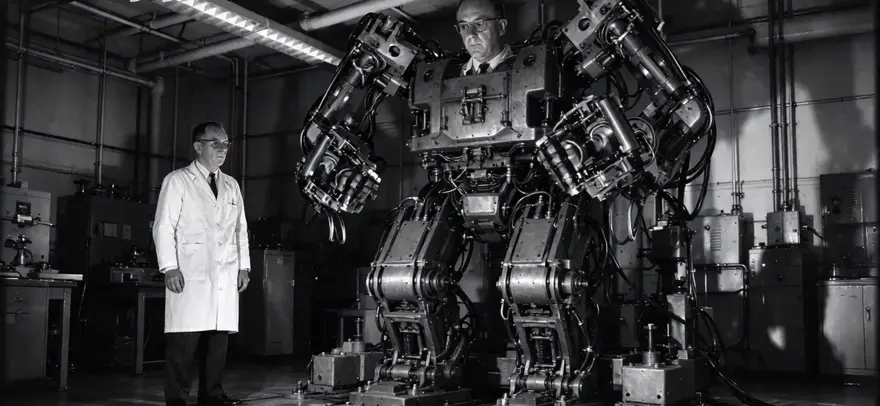
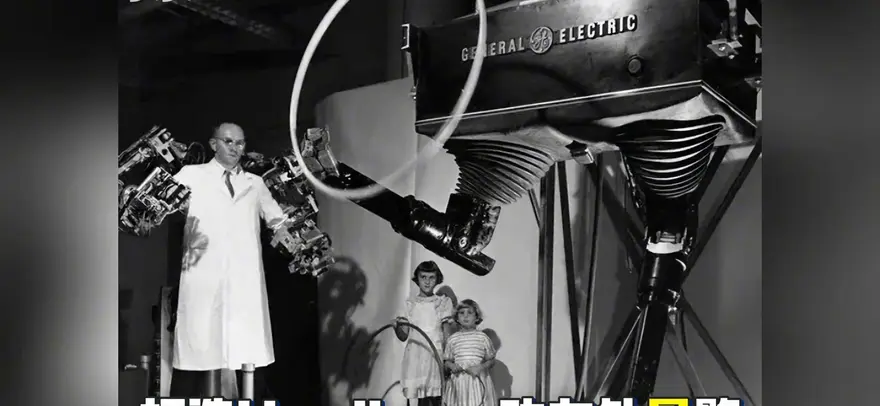
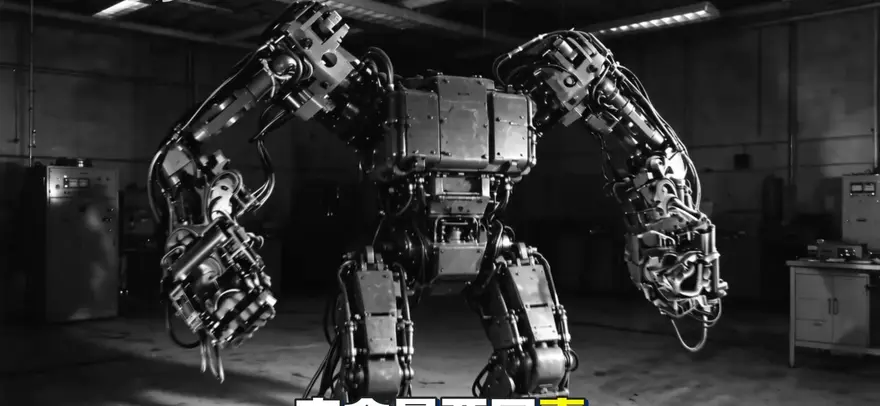
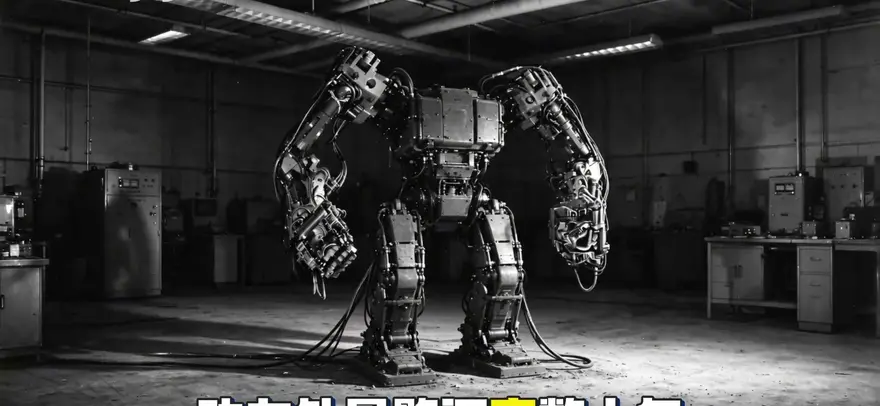
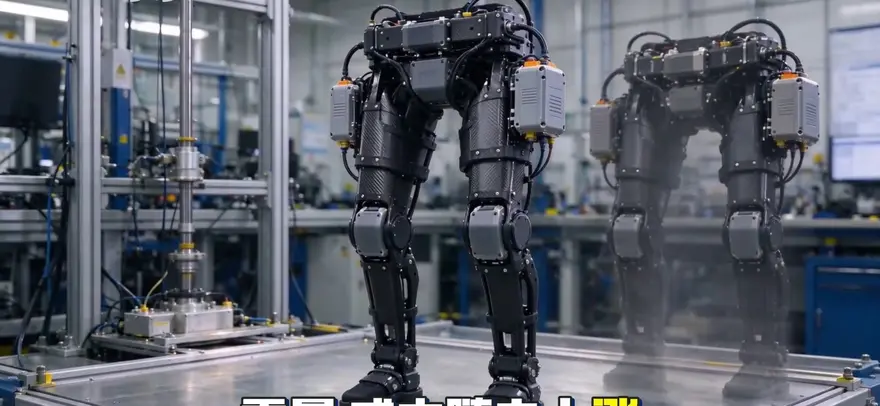
In 1965, the United States built a 680-kilogram war machine. Its robotic arms could effortlessly lift 340 kilograms, yet it could not move an inch on its own. Who could have predicted that the technology conceived for this WWII battlefield behemoth, after decades of iteration, would ultimately transform into a "gentle armor" safeguarding the walking of Chinese seniors?
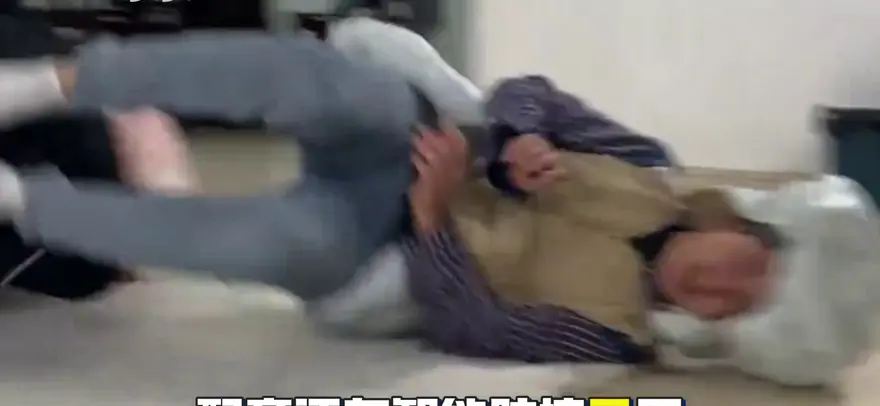
In China, over 40 million elderly people suffer from falls annually, making it the leading cause of injury-related deaths among those over 65.
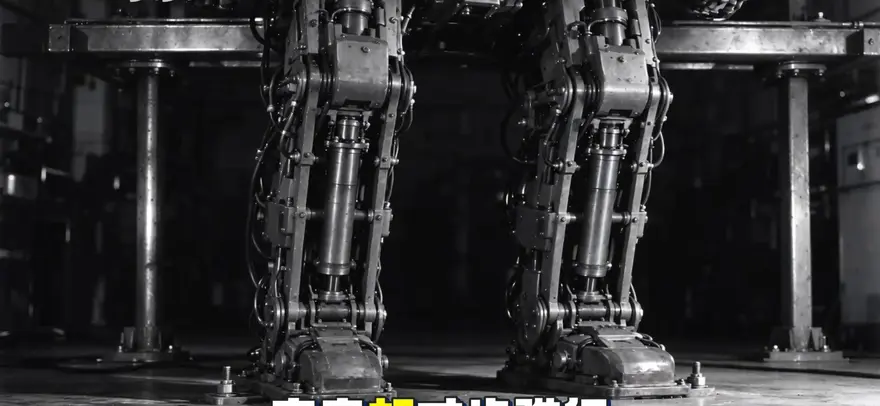
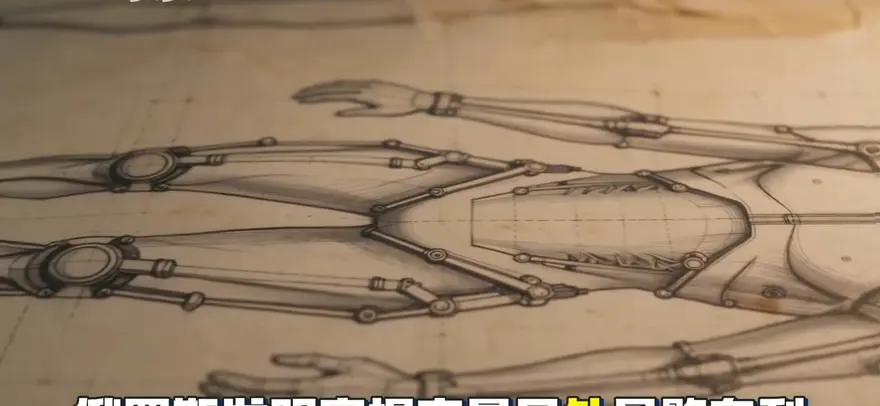
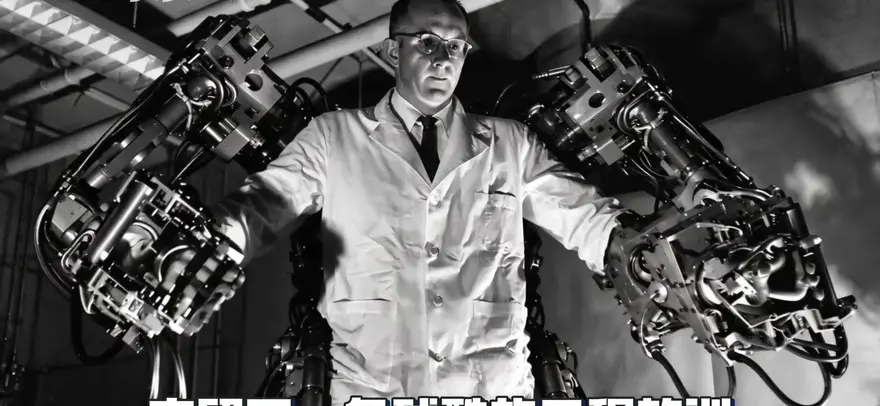
The concept of the exoskeleton has existed for over a century. In 1890, a Russian inventor submitted the earliest exoskeleton patent, but limited by the era, it remained permanently on paper. In the 1960s, General Electric took on a military project to build the Hardiman powered exoskeleton, aiming to create super soldiers on the battlefield. Although it possessed immense strength, its leg movements were violent and out of control, leading to the project's ultimate scrapping.
The engineering lesson left behind by Hardiman was brutally harsh, and it dictated the industry logic for the next half-century:
A machine's strength output and its ability to safely follow human movements are entirely different things. The larger and more powerful the machine, the more easily the control over its dead weight and center of gravity is lost.
This failure plunged powered exoskeletons into decades of dormancy. It was not until after 2000, with breakthroughs in micro-motors, IMUs, and lightweight materials, that the industry abandoned the "super soldier" fantasy and brought the technology into hospitals.
From Chasing to Running Side-by-Side: The "Overtaking" Logic of Domestic Exoskeletons
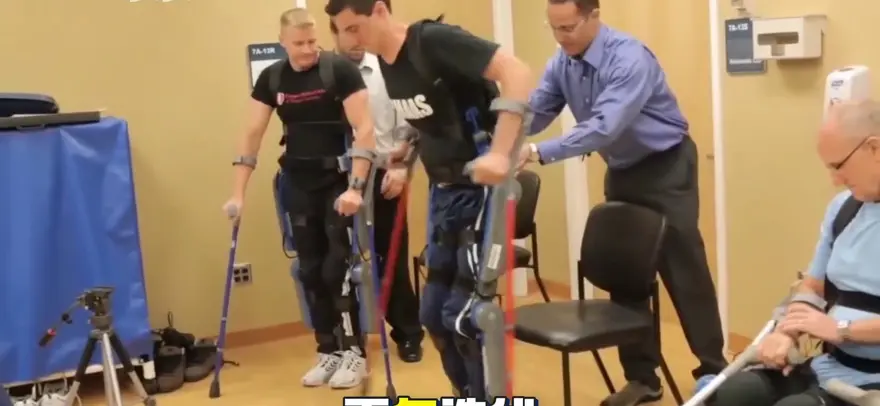
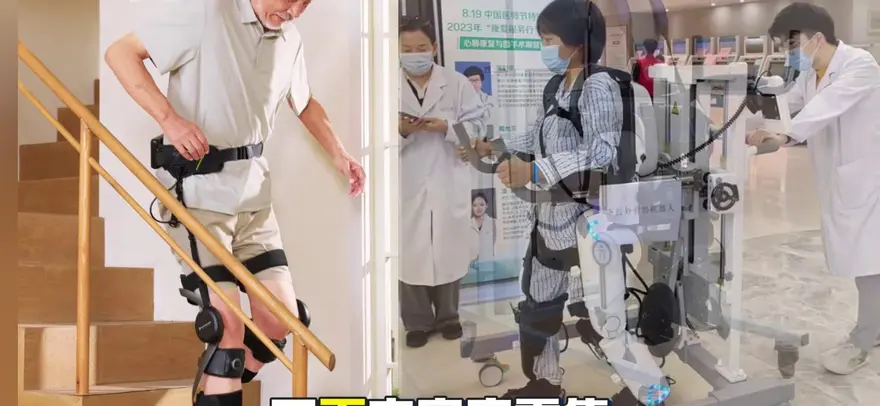
Although early medical exoskeletons originated in countries like Israel, the devices were bulky and had limited battery life. Consequently, they could only be used in hospitals under the constant supervision of rehabilitation therapists, keeping them far removed from actual home-based elderly care scenarios. For a long time, overseas companies monopolized the core technologies.
Domestic exoskeleton R&D started around 2010, but as of 2026, we have not yet achieved commercialization to run side-by-side or take the lead in niche scenarios.
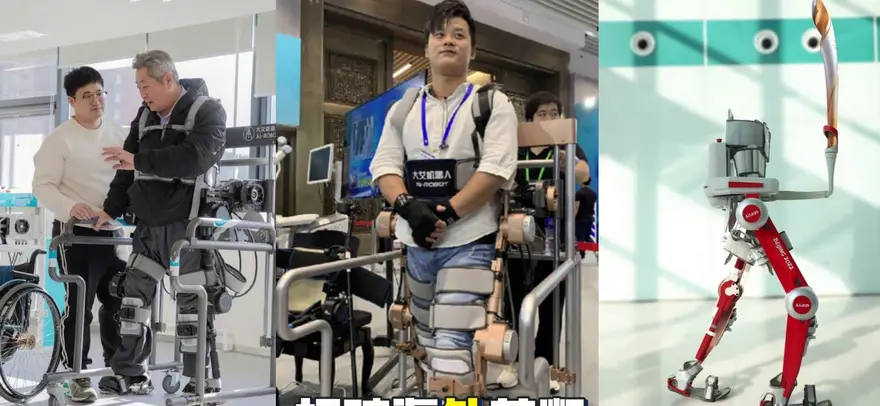
2017 marked a crucial turning point. That year, China's first batch of independently developed lower-limb exoskeletons received medical device registration, shattering the overseas monopoly. More importantly, domestic teams did not simply copy heavy overseas designs; they redeveloped the products tailored to the body types of Chinese users and the genuine needs of local elderly care.
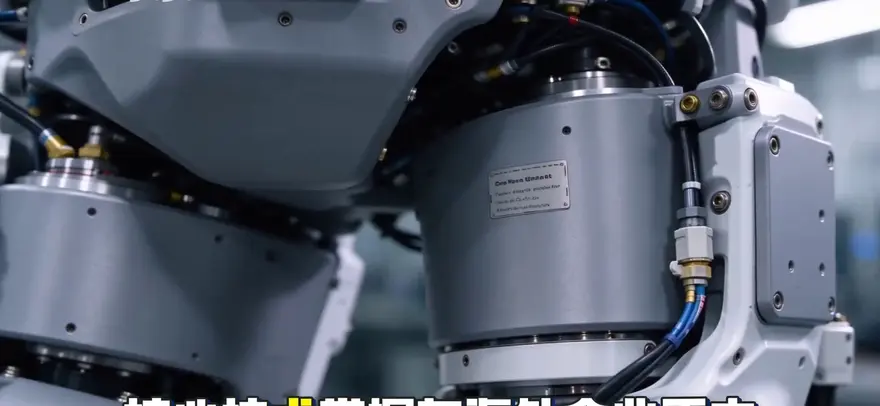
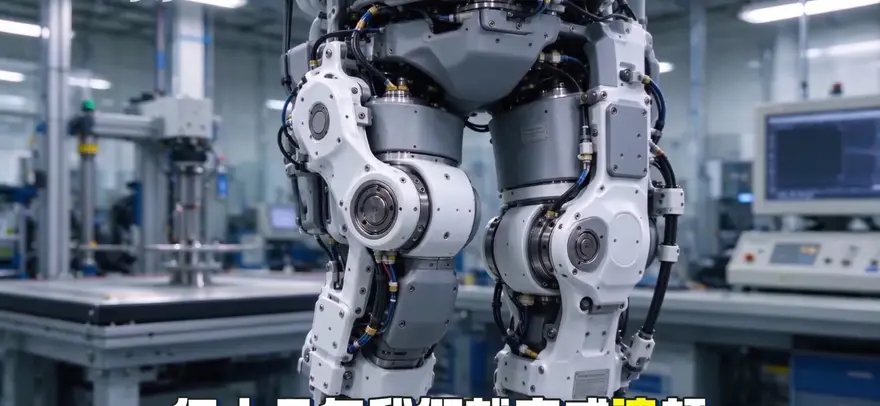
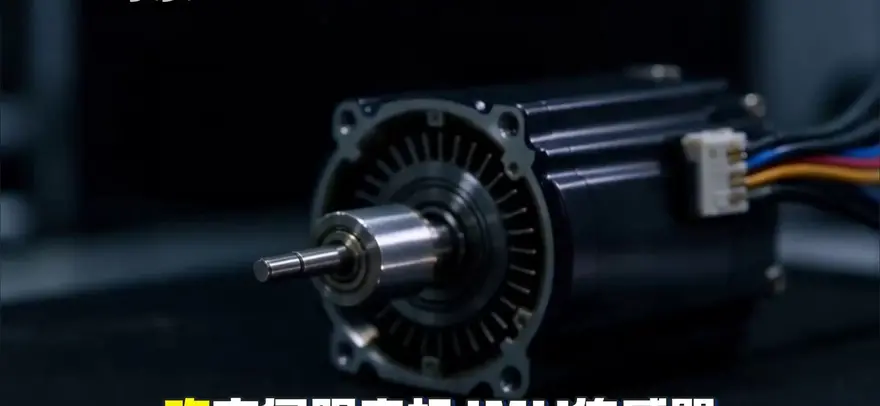
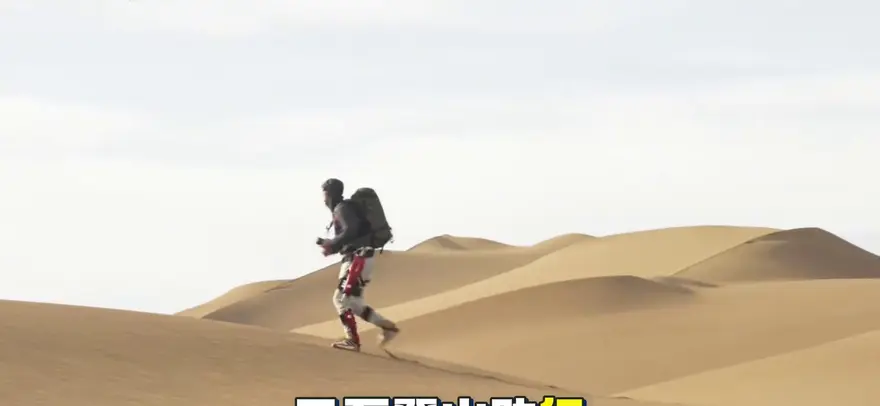
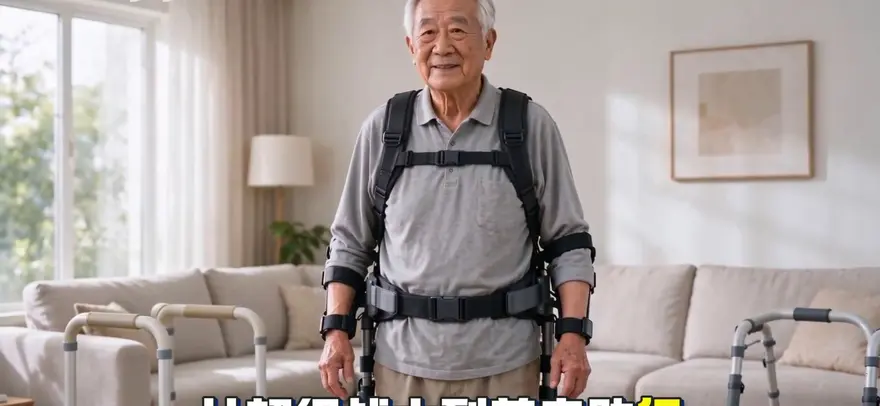
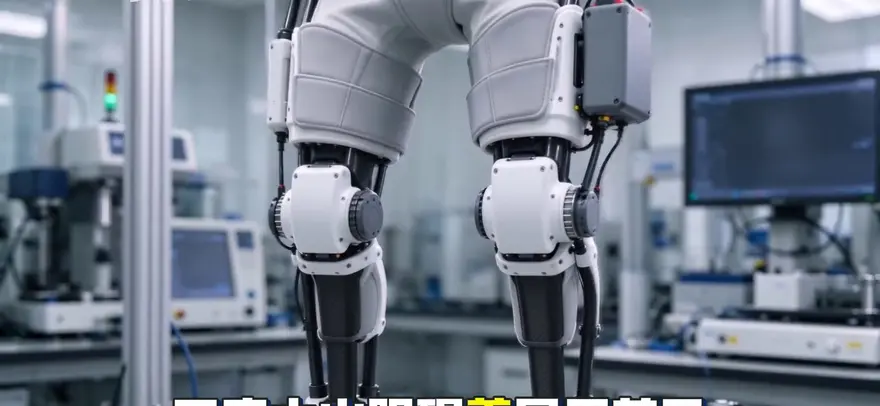
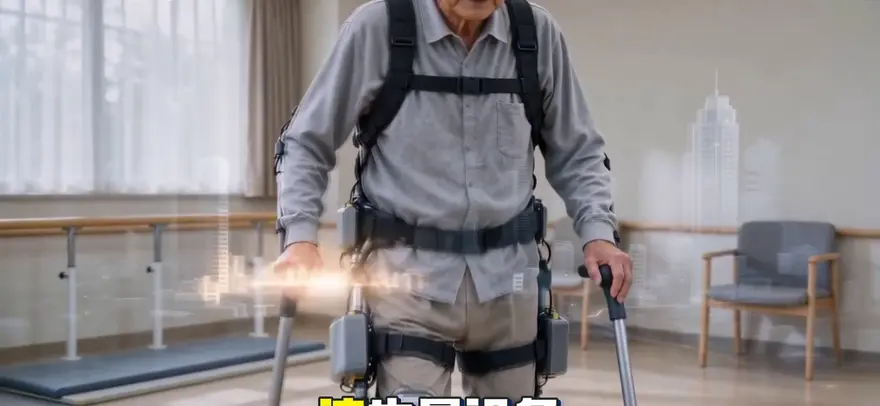
By mastering core components such as servo motors, IMU sensors, and carbon fiber frames, domestic companies have risen rapidly. The product applications have expanded from hospital rehabilitation to industrial assistance, elderly walking assist, and even hiking assist. Today, in domestic pilot programs for elderly walking assist equipment, domestically produced products have become the main force, with many devices even achieving mass exports overseas.
Divergent Technical Routes: Passive "Leverage" vs. Active "Prediction"
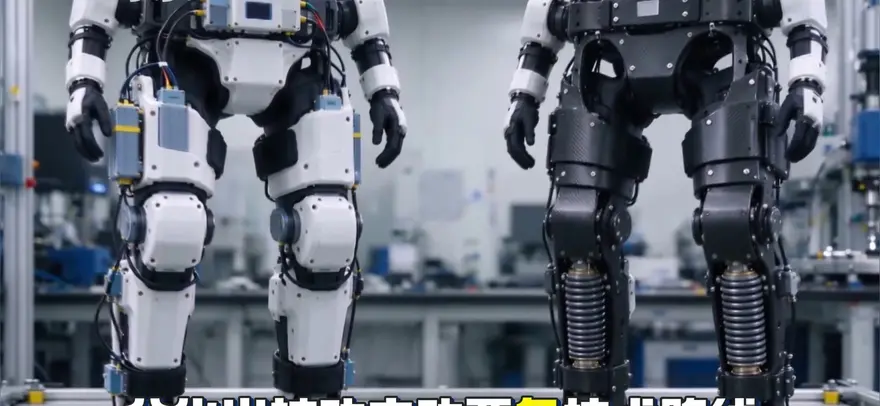
Currently, consumer-grade walking assist products on the market are primarily divided into two categories: passive and active.
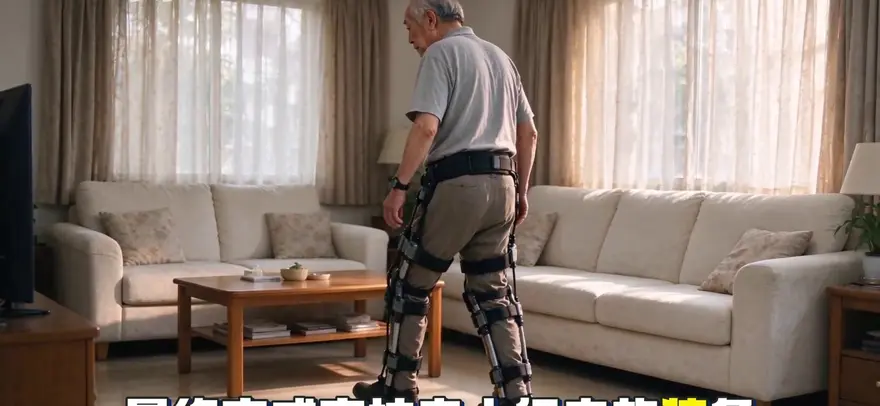
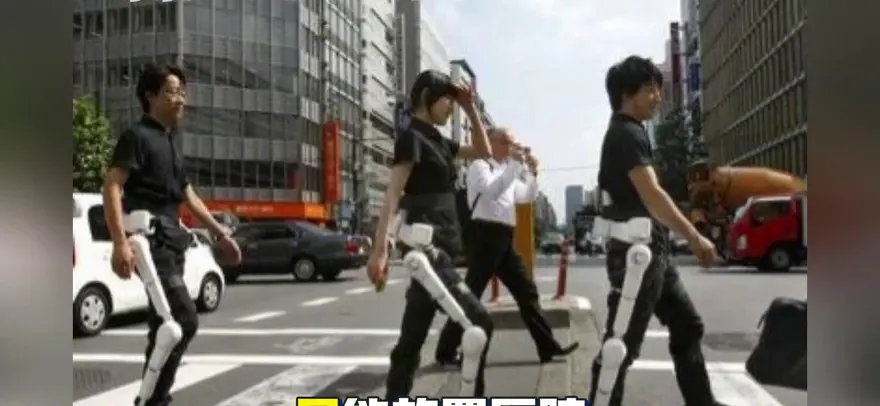
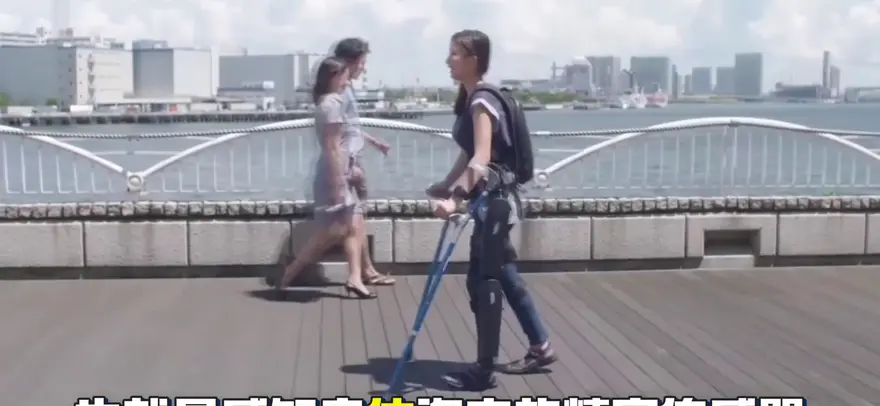
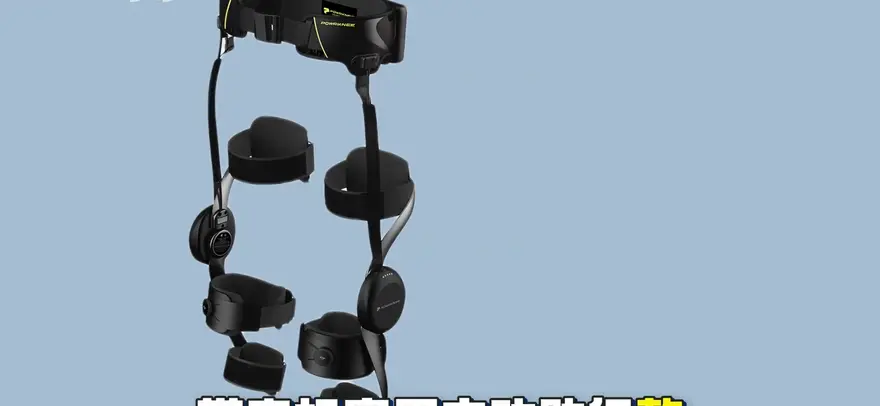
The first category is passive models. Lacking a motor, these products primarily rely on carbon fiber supports and spring structures for leverage. Their advantages include being lightweight and requiring no battery charging, making them highly suitable for seniors with mildly declining muscle strength to use daily on flat ground.
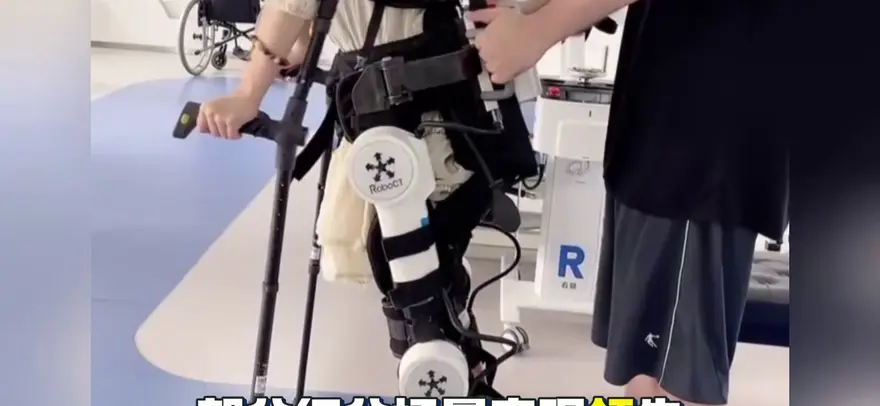
The second category is active exoskeletons. These products are equipped with an IMU (inertial measurement unit) sensor—acting as a precision "nerve" system to perceive body posture. It captures the wearer's joint angles and shifts in their center of gravity hundreds of times per second.
Algorithms predict walking intent; when an elderly wearer's leg strength is insufficient, the motor instantaneously outputs an assistive joint torque.
Here, a common public misconception must be corrected:
It does not replace a person's walking; instead, it assists in exerting force and stabilizes the center of gravity.
Built upon the advanced perceptual capabilities of active models, a golden rule has been crystallized through decades of industry iteration:
A good exoskeleton is not about being more powerful than a human, but about knowing how to work in perfect harmony with them.
Fall Protection Systems and the "Three Major Challenges"
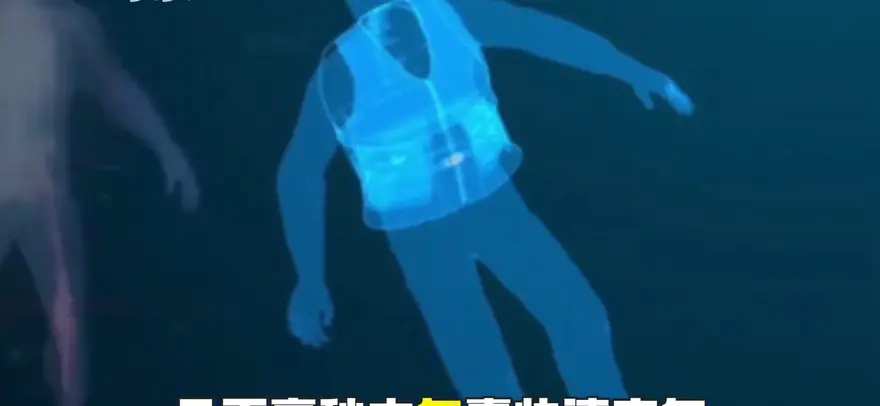
To address the fear of falling among the elderly, the accompanying smart fall-protection vest has emerged.
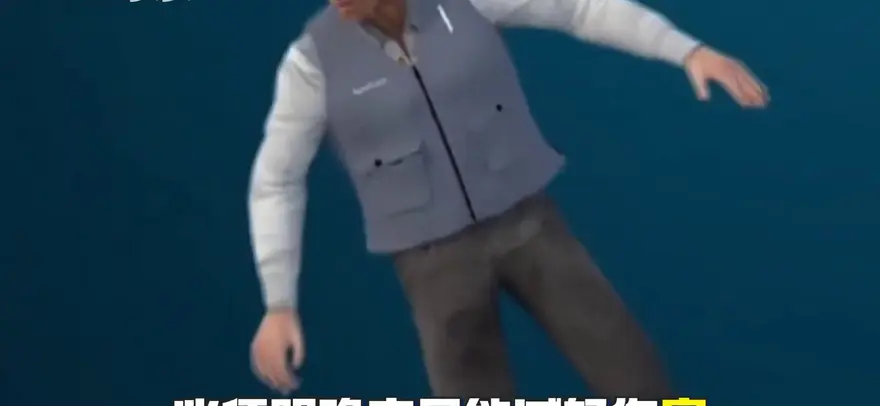
The vest features built-in posture sensors that continuously monitor the wearer's tilt angle and descent speed. When the system detects an imminent fall, an internal airbag inflates rapidly within a few hundred milliseconds to protect the pelvis, hips, and back, while simultaneously sending an alert to family members.
However, tech media must remain objective:
A fall-protection vest can only mitigate injuries; it cannot prevent a fall one hundred percent.
For over 130 years, expectations for this technology have steadily declined: from creating super-soldiers to assisting the elderly with walking. Yet, the oldest engineering physics contradiction continues to plague the industry: achieving stronger assist requires larger motors and batteries, which increase weight and cost; in contrast, pursuing a lightweight and affordable design demands compromises in assist performance.
Assist capabilities, self-weight, and cost—these three major challenges continue to hinder the widespread adoption of consumer-grade exoskeleton devices.
On the Horizon: Price, Subsidies, and the Eve of Household Adoption
After covering the technology, the most pressing question is naturally the price. The market tiers mentioned in the video are roughly as follows:
Passive spring models: 2,500–4,000 RMB (mentioned in the video)
Active walking assist models for home use with a motor: typically 6,900–14,000 RMB (mentioned in the video)
Hospital rehabilitation exoskeleton models: priced up to over 100,000 RMB per set, not available for retail to households (mentioned in the video)
Smart supplementary fall protection vest: approximately 3,700–5,300 RMB (mentioned in the video)
Currently, some cities have taken the lead in introducing subsidy policies for senior-friendly devices, but since nationwide rollout hasn't happened yet, the price barrier remains a daunting divide for most families. This is also a key reason why most devices currently remain confined to pilot programs in elderly care facilities.
Applicable Boundaries and "Rational Consumption"
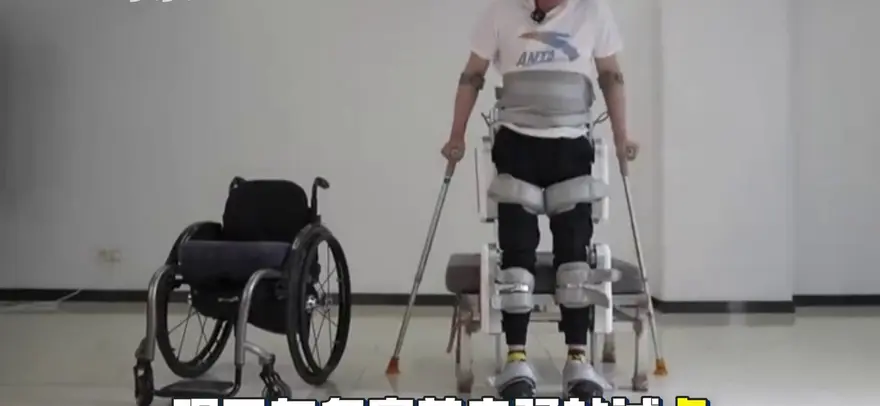
As a tech media outlet, we must remind consumers to view the boundaries of this product rationally. An exoskeleton is not a panacea; it has clearly defined conditions for use.
Users must retain basic physical mobility. Since current technology is not omnipotent, it is not suitable for individuals with severely damaged joints; professional evaluation is strictly required before use.
Furthermore, both industry practitioners and adult children purchasing these devices must establish the correct understanding:
It is merely an assistive exoskeleton and cannot replace daily care or professional rehabilitation training.
Conclusion: When Steel Learns to "Flow with the Human"
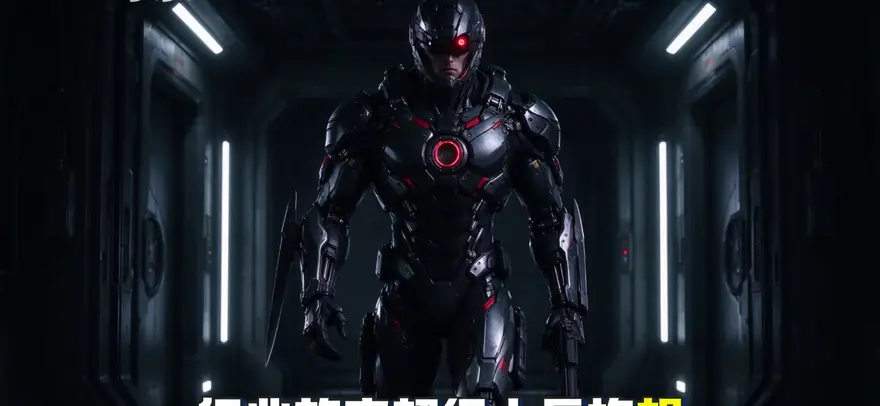
Tracing back this century-spanning journey, from the 680-kilogram, immovable steel behemoths to the modern assistive exoskeletons that gently support the elderly on their daily strolls, the exoskeleton appears to have mastered its most crucial lesson over a hundred years of technological iterations: it is no longer about unleashing blind mechanical brute force, but about harmonizing with the human body and "flowing with the wearer."
How much longer until assistive exoskeletons for the elderly truly enter the homes of everyday consumers? Perhaps that milestone will be reached when these devices are no longer glorified as magical "cyber muscles," but are instead embraced as standard, commonsensical assistive aids for aging.
Top Community Comments
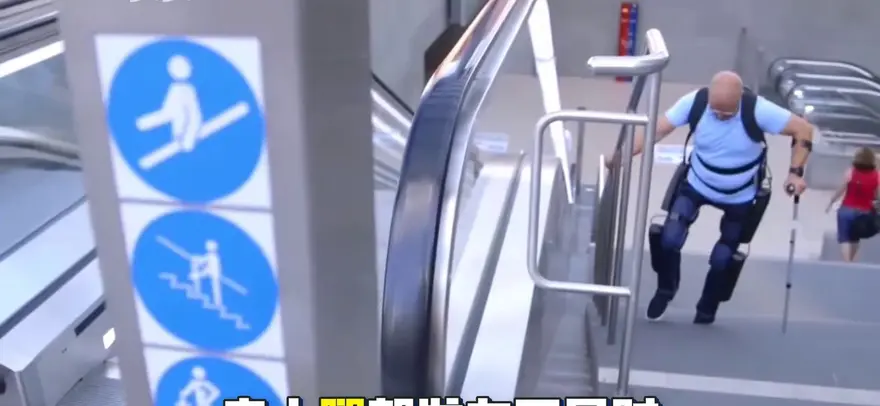
"I bought a similar passive model for the elderly person in my household. They overcame their psychological fear, but they still hesitate to walk when encountering stairs. Technology products cannot replace human companionship at this stage."
Interpretation: This comment highlights user concerns about the product's "psychological boundary." Fall protection for the elderly is not merely about physical support—it also involves building psychological safety. Current technology still has clear limitations in complex environments such as stairs.
"The price is still too high. A full set costs over 10,000 yuan, plus the vest adds nearly 5,000 yuan. It's difficult for the pension of an average retired senior to support this kind of expenditure."
Interpretation: This touches on the biggest barrier to market penetration—the price threshold. Without national subsidies for elderly-friendly technology, a device priced above 10,000 yuan is unlikely to achieve real breakthroughs in the consumer market.
"I hope the fall protection airbag vest can be sold separately at a reduced price. For very old seniors with limited mobility, this is even more important than the exoskeleton itself."
Interpretation: The user pinpointed the pain point of product unbundling. The fall protection vest appeals to a broader audience with lower adoption barriers. If it achieves an extremely high cost-performance ratio, it could become a breakthrough product in scenarios with very low penetration rates.
"Many people think the machine carries the person, but in reality, it's human-machine collaboration. Education on this point is crucial—otherwise, expectations management is likely to fail."
Interpretation: The general public often misunderstands that active exoskeletons are mobility aids that "carry you around." Without solid user expectations management, consumers are prone to feeling disappointed after purchase, concluding that "the product is useless.Medical-grade exoskeletons and home consumer-grade exoskeletons are two completely different things. I can't understand why some manufacturers still promote those bulky hospital-grade devices—it's outright misleading to consumers." Interpretation: This points out the chaos in D2C marketing within the industry. Some manufacturers blur the boundary between rehabilitation exoskeletons and consumer-grade exoskeletons, leading to a mismatch between supply and demand.*
"If a shared rental model with monthly billing is introduced in the future, it might first gain traction in high-end senior living communities."
Interpretation: This proposes a solution to break the business model deadlock. Given high hardware costs and rapid iteration, shifting beyond the buyout model in the consumer segment toward an innovative B2B2C rental model could be a viable path to improve penetration rates.
"ACG culture jokingly frames the exoskeleton as an adult version of the 'mecha warrior,' but in reality, many elderly people resist wearing the device because they find it conspicuous."
Interpretation: This reflects the aesthetic challenges inherent in product design. The industrial design of most exoskeletons leans toward a hardcore "heavy industry" style and lacks "invisibility." How to make seniors psychologically open to wearing such devices is a key UX challenge.
One-Sentence Summary
This episode offers an objective portrait of how consumer-grade exoskeletons have moved from the military pedestal to everyday aging-friendly use: it isn’t an Iron Man–style suit that manufactures myths, but a supportive brace for specific groups with functional limitations—best suited for viewers from households with older adults experiencing mild mobility decline, senior care facilities, and tech enthusiasts eager to enter the market and capture the upside in aging-friendly hardware.