Altitude Death Test: When Consumer-Grade Exoskeletons with "Spacesuit" Levels of Protection Hit the Ao-Tai Route, What Does 0.3 Seconds of Gyroscope Latency Mean?
The "Spacesuit" You Bought With Years of Savings: A Cyberpunk Polar Carnival
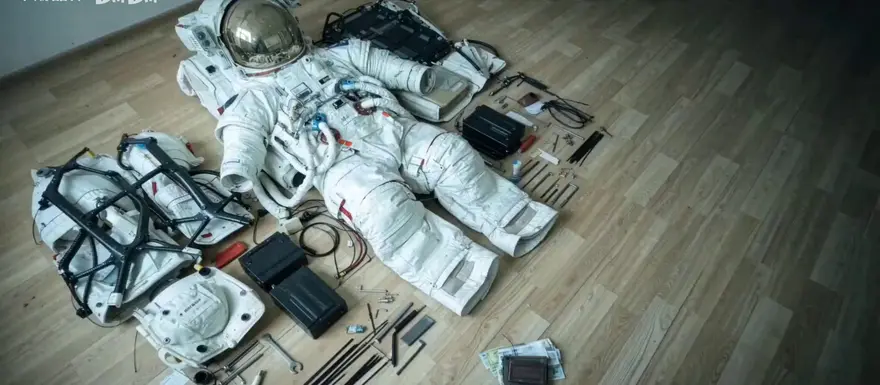
You spend every penny you saved from three years of work to buy a decommissioned "spacesuit"—which now bears a more commercial name: consumer-grade exoskeleton.
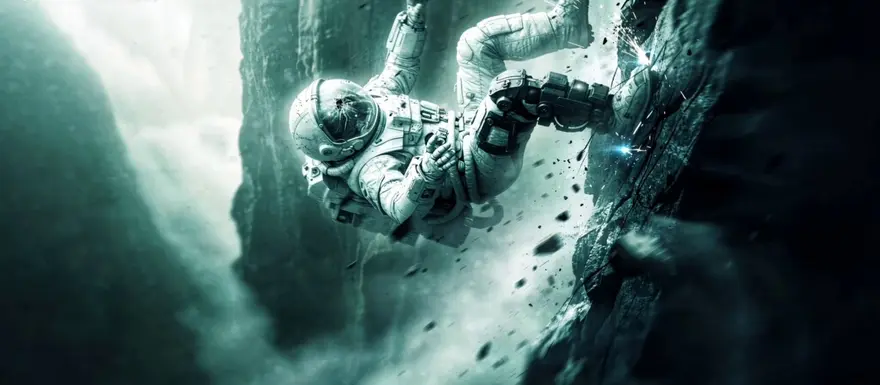
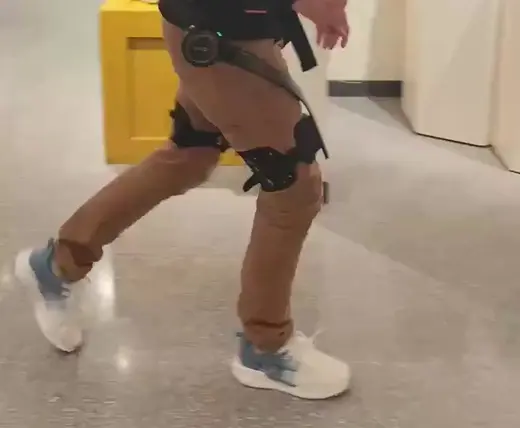
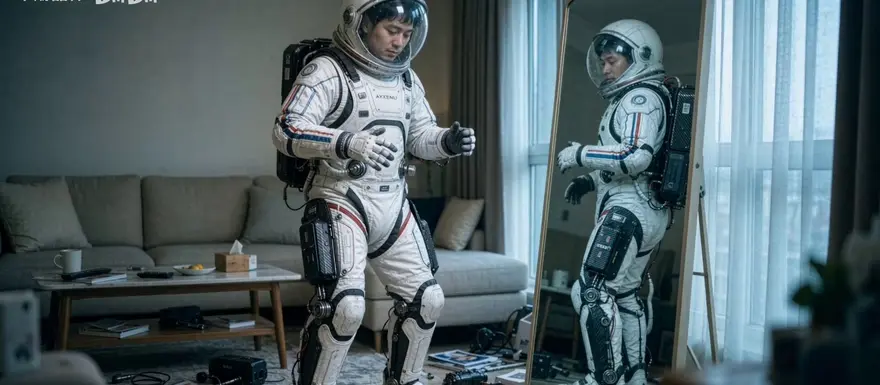
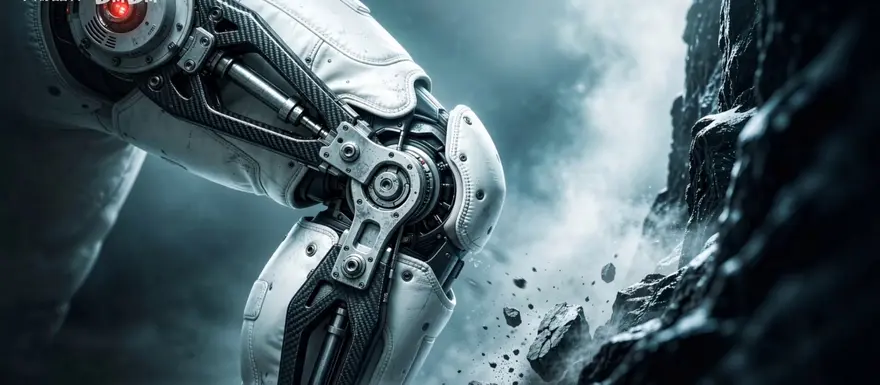
The engineering prototype that leaked from a PR-hungry startup is tossed straight into brutal high-altitude testing. With its full carbon-fiber frame and sci-fi-style shell, the unit looks nothing like the bulky industrial walking-assist machines of the past—it's closer to a futuristic soldier's combat suit. But does tossing a lab Demo into real-world karst and ice fields turn it into an assistive marvel, or just a cyber wheelchair with drastically reduced safety redundancy?
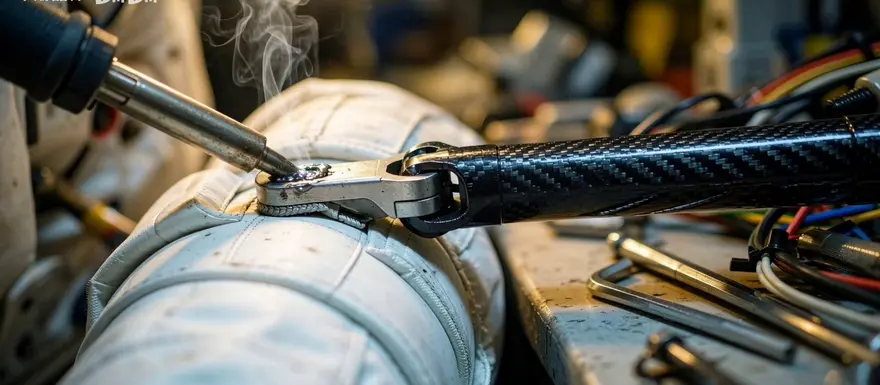
The Limits of a 72Wh Battery: Impressive Joint Flexibility, But You'll Have to Wait on Endurance
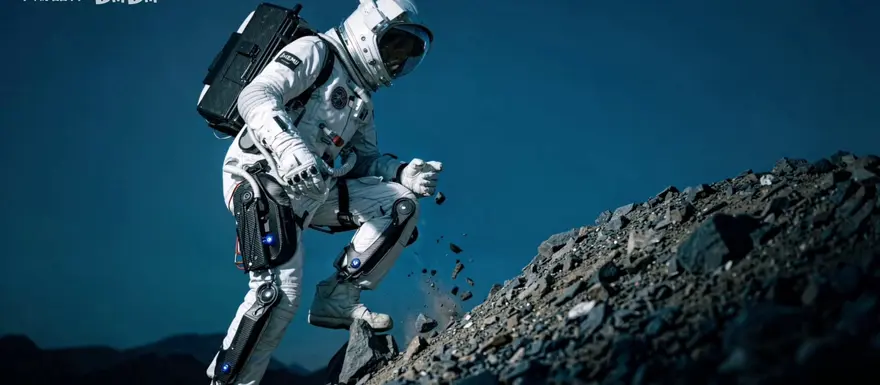
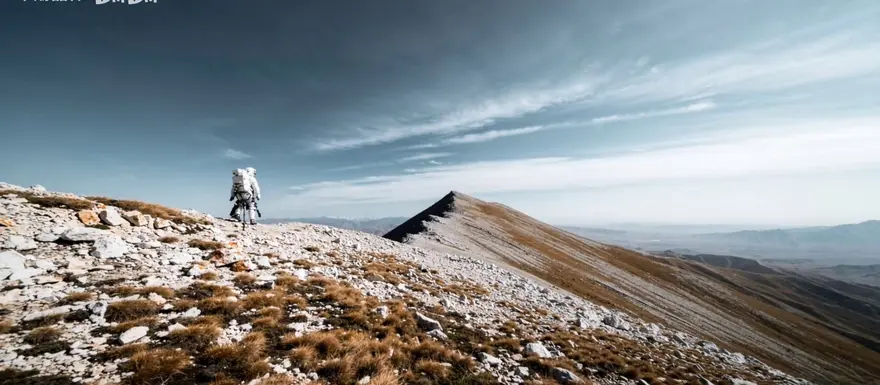
The test began in high-altitude rocky terrain at around 2,800 meters above sea level.
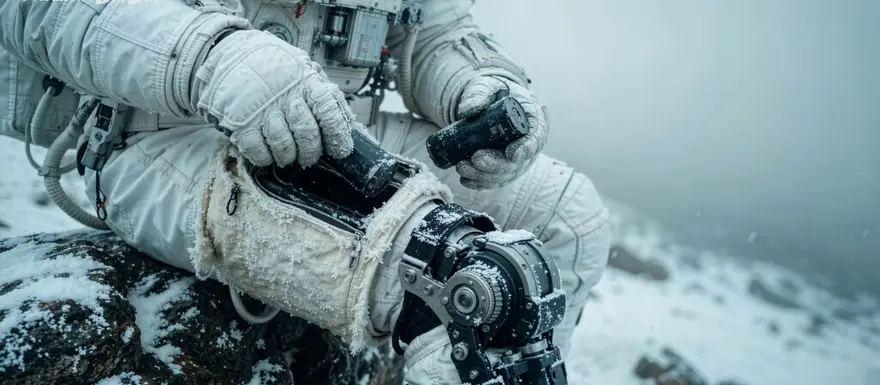
Continuous altitude ascent significantly impacted battery life (72Wh battery) and joint torque output from the motors (mentioned in the video).
In traditional tracked or fixed-gait exoskeletons, your legs are restricted by mechanical linkages. But this independent lower-limb exoskeleton demonstrates a completely different design philosophy.
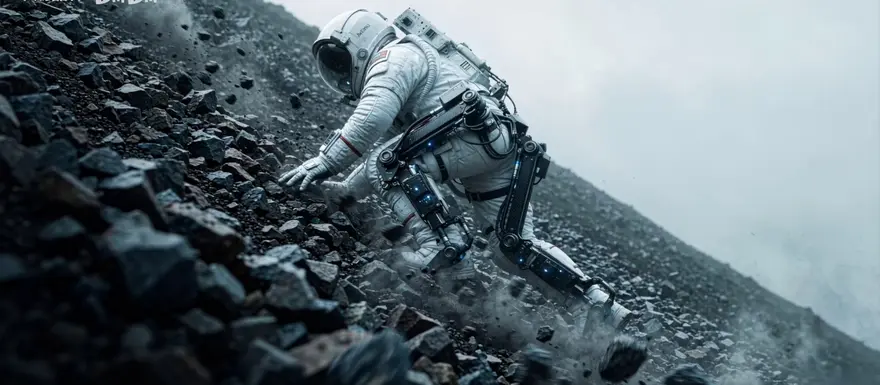
When climbing gravel slopes, its joint torque output was linear and smooth, with the servo motor feedback making it feel like you've gained an extra pair of mechanical legs with independent thinking. The most surprising aspect was its joint flexibility—the device's hip assist module and knee joint design are extremely free-moving, allowing complete deep squats and even stable single-knee kneeling support. This was unimaginable in previous consumer-grade products.
However, where there's a silver lining, there's often a catch—battery power became its biggest Achilles' heel.

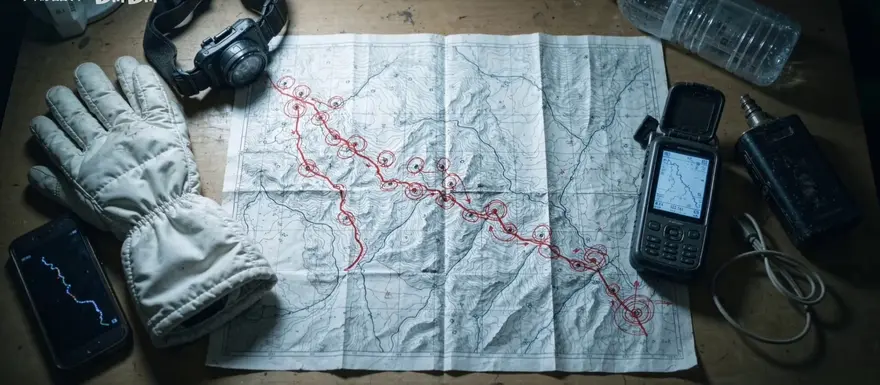
Venturing Deep into the "Gate of Ghosts": Half-Squat Scrambling and Unrecorded Postures
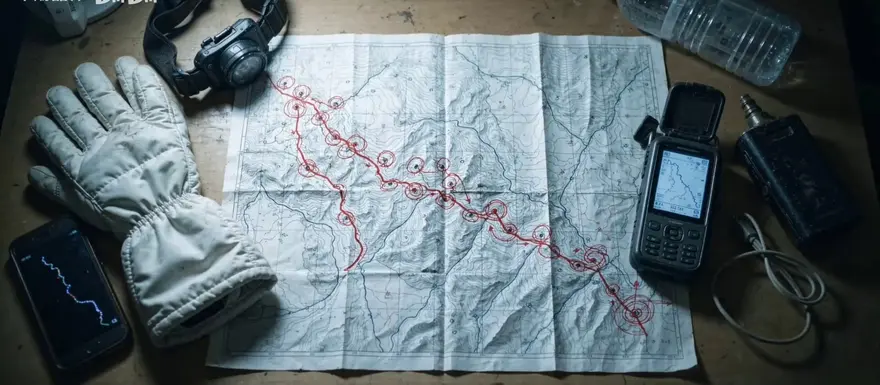
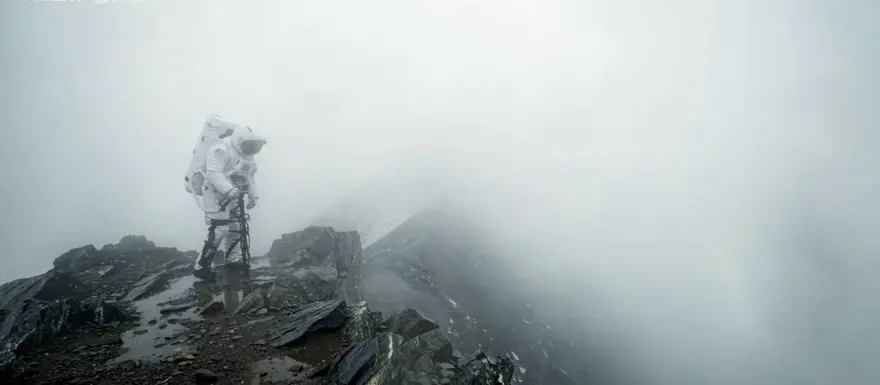
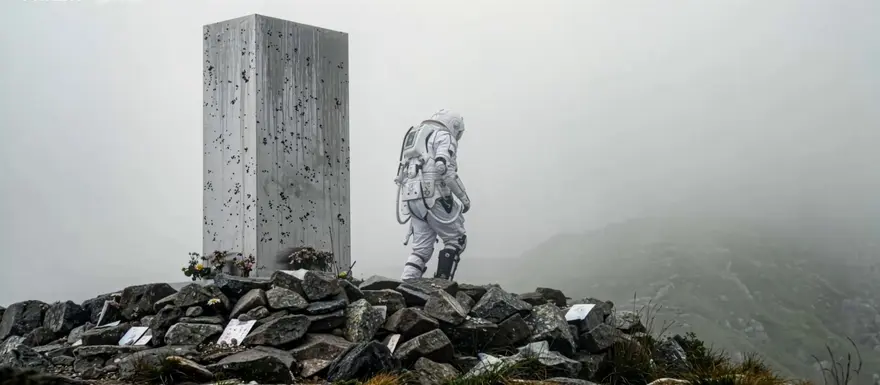
The testing team entered the most perilous section of the "Gate of Ghosts" along the Ao-Tai route. The mountain ridge was extremely narrow, with vertical cliffs hundreds of meters deep on both sides, and the path consisted of loose, unstable scree. Visually, the 72Wh battery was at a critical low state (as mentioned in the video), and at this point, the device's AI motion tracking system began to show signs of fatigue.
To maintain balance on the cliff edge, it was impossible to walk upright; one could only adopt a climbing posture—half-squatting, twisting sideways, and scrambling with both hands and feet.

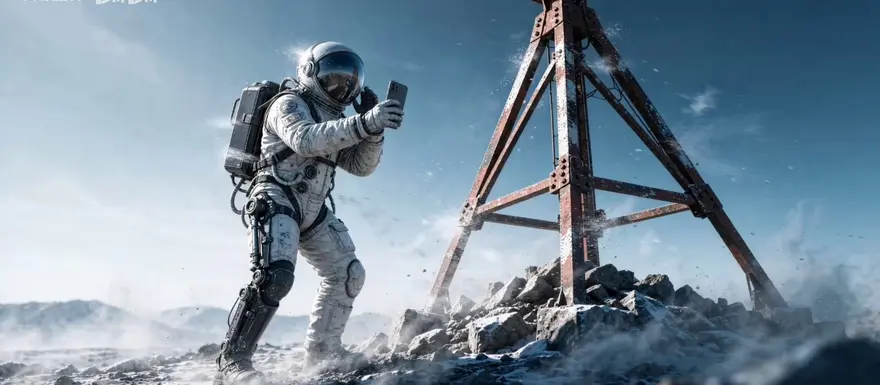
The Breached Algorithm Database: The Fatal Blind Spot of AI Motion Tracking
This moment exposed the most critical limitation of contemporary consumer-grade exoskeletons: the rigidity of AI.
The exoskeleton's sensor comes built-in with a massive gait database, where its AI algorithm has deeply learned normal human walking postures, ascending and descending stairs, and even minor adjustments using the IMU (inertial measurement unit) and the pressure sensor. But on the sheer cliffs of the Aotai ridge, you entered a bizarre climbing posture of a "leaning, side-shifting, half-crouching" state.
"This posture of yours is a movement pattern the AI has never encountered in its entire training dataset."
The data transmitted by the sensor plunged the control system into isolated calculation redundancy and massive matching failures. The exoskeleton's control system could not map the incoming neural commands to a corresponding smooth curve of assistive torque output; its core logic was, at this moment, effectively in a semi-blind state.
The "0.3-Second" Life-or-Death Threshold: The Tug-of-War Between Gyroscope Lag and Reverse Joint Torque
That's when the accident happened. The right foot stepped onto a seemingly stable rotting stone, which instantly flipped and gave way.
In that split second of weightlessness, the exoskeleton tried to use its gyroscope (IMU) to detect the shift in the body's center of gravity extremely quickly, immediately outputting a reverse joint torque to try and pull your center of gravity back.
"But it reacted with about a 0.3-second delay. In normal hiking, a 0.3-second delay is irrelevant; but on the cliffs of the Aotai route, 0.3 seconds is enough to let your center of gravity completely cross the point of balance, plunging you into the abyss."
This is the fatal physical paradox of pure electromechanical control systems in environments with an extremely low margin for error. The device's design logic is to help the user regain balance with a reverse joint torque upon a minor stumble. However, in extreme outdoor scenarios, when uneven pressure underfoot not only causes a shift in the center of gravity but also combines with unpredictable, hazardous external terrain, that counteractive push from the AI algorithm actually amplifies the original, subtle error. It completely disrupts the human body's center of gravity, becoming the fatal catalyst.

The Side Effect of Fall-Protection Mechanisms: A Biomechanical Catastrophe Triggered by Knee-Joint Lock-Up
The even more disastrous mechanical event occurs the moment the body pitches to the right.
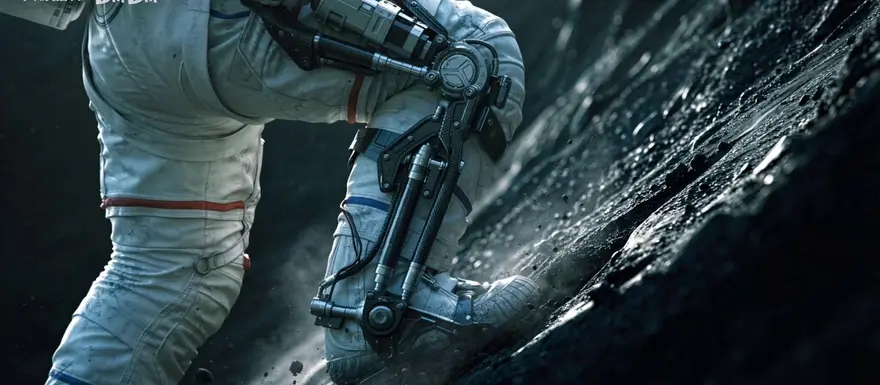
At the instant of impact, the exoskeleton’s built-in safety mechanism instantly locked the knee joint coupling—a preventative move designed to stop the rigid carbon-fiber frame from driving a severe hyperextension that could damage the wearer’s knee.
“The exoskeleton’s knee coupling locked at the moment of impact, pinning the off-balance left leg to the ground.”
This is a textbook example of the clash between mechanical design and human biomechanics. The mechanism in question is, on paper, a high-safety fall-protection (fall protection) feature, yet it ignores the drastic geometric shifts inherent in advanced rock climbing. With the left leg frozen in extension and unable to bend at the knee, the wearer loses virtually all room for adjustment. As a result, the upper body is forced to stay rigid and tip irreversibly to the right—toward the ominous chasm locally nicknamed “Devil’s Gate.”
Thanks to the device’s protective system, the user is transformed into a human bowling pin that cannot tumble but can only slam, perfectly straight, into the rocks below.



Carbon Fiber Shattering and the Search-and-Rescue Report: When Extreme Testing Turns into a Tragic Sacrifice
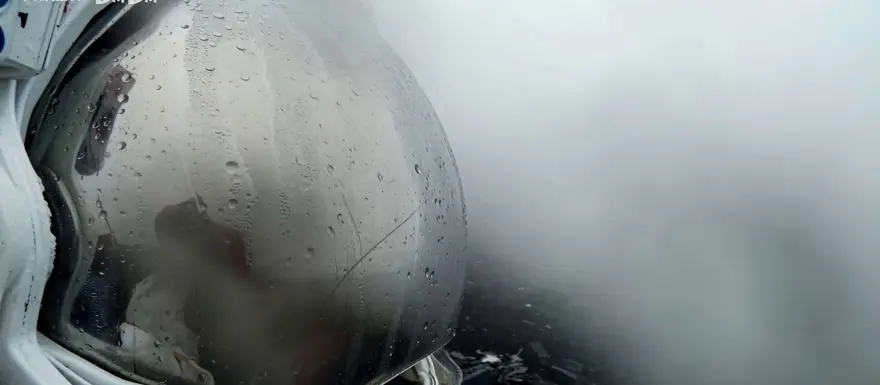
You tumbled twice, the hard shell of the exoskeleton scraping against the rocks with a jarring screech of metal on stone. On the third roll, a sharp rock outcrop struck and shattered the helmet visor. Together, you and the exoskeleton plunged roughly 80 meters to a rocky platform below the cliff.
In that fatal impact, the structural integrity of the device was completely compromised.
“The carbon fiber frame of the exoskeleton snapped into three sections in the impact, and a 72 Wh battery detached from the leg and rolled into the abyss.”
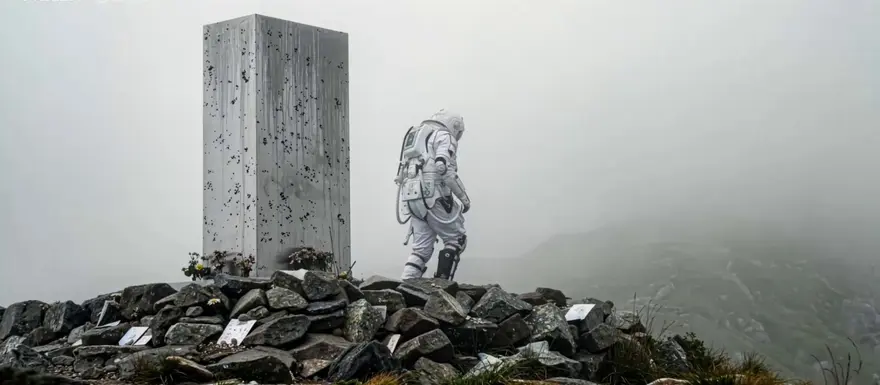
Dense fog on the Aotai Ridge then consumed everything. Three sections later, the rescue team found the wreckage at the base of the cliff. The official report stated coldly: “Multiple trauma resulting from the fall (mentioned in the video). The decedent had been wearing a non-standard moon-landing/sci-fi bionic exoskeleton (mentioned in the video); the massive impact force caused the equipment structure to shatter severely, with carbon fiber fragments, along with battery debris, embedded in the bones.”
This tragic accident is, in fact, an industry turning point that every startup claiming they can "revolutionize human mobility" is reluctant to confront. They have tried to package devices that once moved freely through laboratories as killer tech that would rescue outdoor sports, yet have failed to define a clear safety baseline for consumer-grade exoskeletons:
The iron law of physics dictates: it can save lives, and it can take lives.
When will we see truly mature, safe consumer-grade exoskeletons? Perhaps this is the painful lesson that consumer-grade exoskeletons must endure in their journey from gimmick to range anxiety and mass deployment.



Top Community Comments
This comment captures many people's views on extreme challenges and reflections on reverence for life.
Comment: @TuoXieShiJian (1 like): Speedrunning loses its fun; if you aren't overcoming fear, what is it? Staying overnight on Aotai Snow Mountain—the beauty of taking a walk is to be savored slowly.
- Interpretation: This comment reflects viewers' reflection on the "utilitarian" mindset and the obsession with metrics in extreme sports, calling for a return to the aesthetic experience of nature itself.
In the early stages of consumer-grade exoskeletons, many users expressed serious distrust regarding the lack of safety.
Comment: @JiKeLaoWang (45 likes): So the exoskeleton's fall protection mechanism can lock a person solid? If you trip on flat ground, wouldn't your leg be fractured on the spot? And the gyroscope delay—if you can't get the algorithms right before making a consumer-grade product, testing AI models with people's lives is a total fly-by-night operation!
- Interpretation: This comment reflects concerns about technology deployment, particularly stern warnings about the safety of anti-fall mechanisms in relevant products and the risk of fractures caused by algorithm latency.
As the incident continued to escalate, social media saw a flurry of discussions regarding brand responsibility and public relations maneuvers.
Comment: @LuRenJia (33 likes): Why test an engineering prototype from a startup team like a special forces soldier? Get some rest. Nowadays, a bunch of exoskeleton companies boast sky-high, but as soon as it comes to mass production, the truth comes out. It's purely a toy to trick investors, and yet when something goes wrong, PR is quick to delete the videos.
- Interpretation: This comment reflects skepticism toward the excessive marketing of startup companies, calling on consumers to view tech gimmicks rationally and focus on actual deployment performance, while criticizing the companies' mishandling of crisis PR.
Regarding the ethics of "benevolent" technology, users expressed concerns about rigid quality-control mechanisms and questioned the boundaries of corporate responsibility.
Comment: @SaiBoGangJin (28 likes): If AI doesn't recognize climbing movements, it should just shut up instead of forcefully outputting reverse joint torque and pushing the person off a cliff? What kind of reverse assist is that; the materials science is also a mess—if the carbon fiber breaks, so be it, why embed it in your legs? The ultimate responsibility lies with the tester, but this mecha the manufacturer built is criminal enough.
- Interpretation: This comment reflects concerns about rigid interventions by AI assistive algorithms, as well as questions regarding the safety of rigid carbon fiber materials causing secondary injuries in extreme circumstances.
From a mechanical structure perspective, some peers have noticed the limitations of mechanisms like buckle locking for protection.
Comment: @JiXieFeiShengPai (19 likes): Joint locking still needs to be used depending on the situation; this is another bloody lesson. (@ZhangBeiHaiZhangGuan, are you awake?)
- Interpretation: This comment reflects concerns over whether relevant product designs can properly balance fall protection with movement in complex environments, highlighting that current technologies still possess unresolved safety risks.
Beyond the serious analysis of the accident, there are also voices seeking to provide a rational explanation for the geek spirit behind extreme testing.
Comment: @TuiFaZiRanDeLvXingZhe (12 likes): Even though the fall was brutal, this is exactly the meaning of that power exoskeleton for those geeks; it's like they are using their own injuries to fill in data for the entire industry.
- Interpretation: This comment reflects that some core audiences value the contribution of high-risk testing to industry data and the geek spirit of exploration, providing an alternative perspective on extreme testing behavior.
One-Sentence Summary
In this early, exploratory phase of consumer-grade exoskeletons, mass-produced products that lean on a sci‑fi aesthetic and high-power motion as the main hook are better suited as an early-adopter gadget for walking on flat paths at typical tourist sites; buyers shouldn’t be expected to pay extra just because they’re being chased by hardcore, heavy-kit geeks.