In-Depth Review: Hypershell Consumer-Grade Exoskeleton—Is It a Cool Gadget for Geeks or an Ideal Walking Assist Device for Seniors?
[00:00] Hello everyone, I'm Maddie, and welcome to my channel. [00:01] This video is actually a process of first building up anticipation, and then evaluating it hands-on. [00:12] In this video, I want to share with you this Hypershell exoskeleton, which has a price of around thirteen thousand yuan. [00:16] Its Chinese name is Jike, which actually comes from Arc'teryx (Note: The original transcription contains an error: The Jike brand name may be derived from the literal translation of Hypershell. It is inferred from the context here that it may originate from a certain tech shell imagery, but in reality it refers to the brand name). Just remember it as Jike. [00:25] In this video, I will show you what features it has and how to wear it.
Appearance and Unboxing: First Impressions of the Hardware Under Minimalism
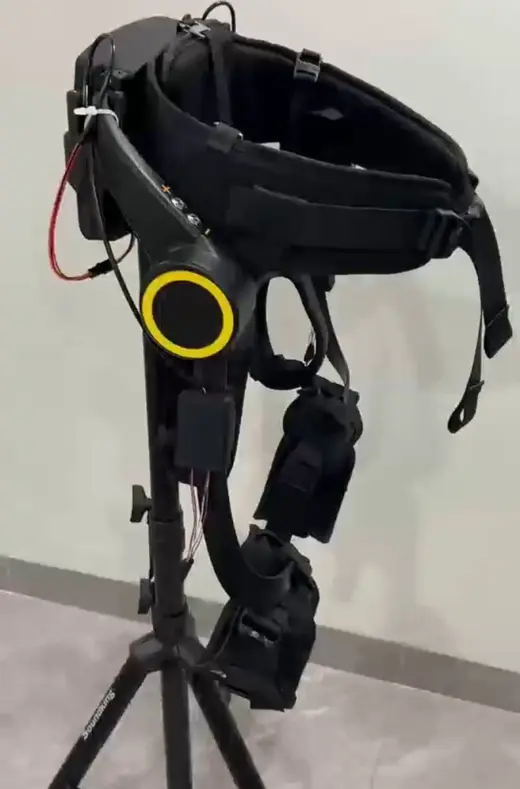
When you first get your hands on this product, the immediate impression is that it doesn’t look particularly large. I initially expected a bulky, heavy-duty device, but in reality it ships in a sleek, professional-grade carrying case. What you receive is a surprisingly compact package. Inside you’ll find an eco-friendly foam insert, giving it the unboxing feel of a consumer electronics product rather than traditional industrial machinery.


Wearing & Ergonomics: The Harness System and Load-Bearing Mechanics
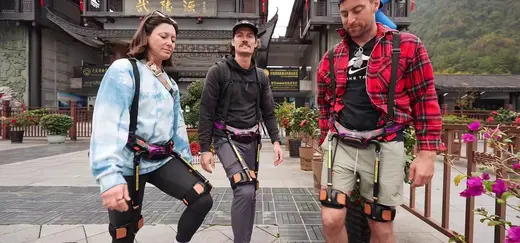
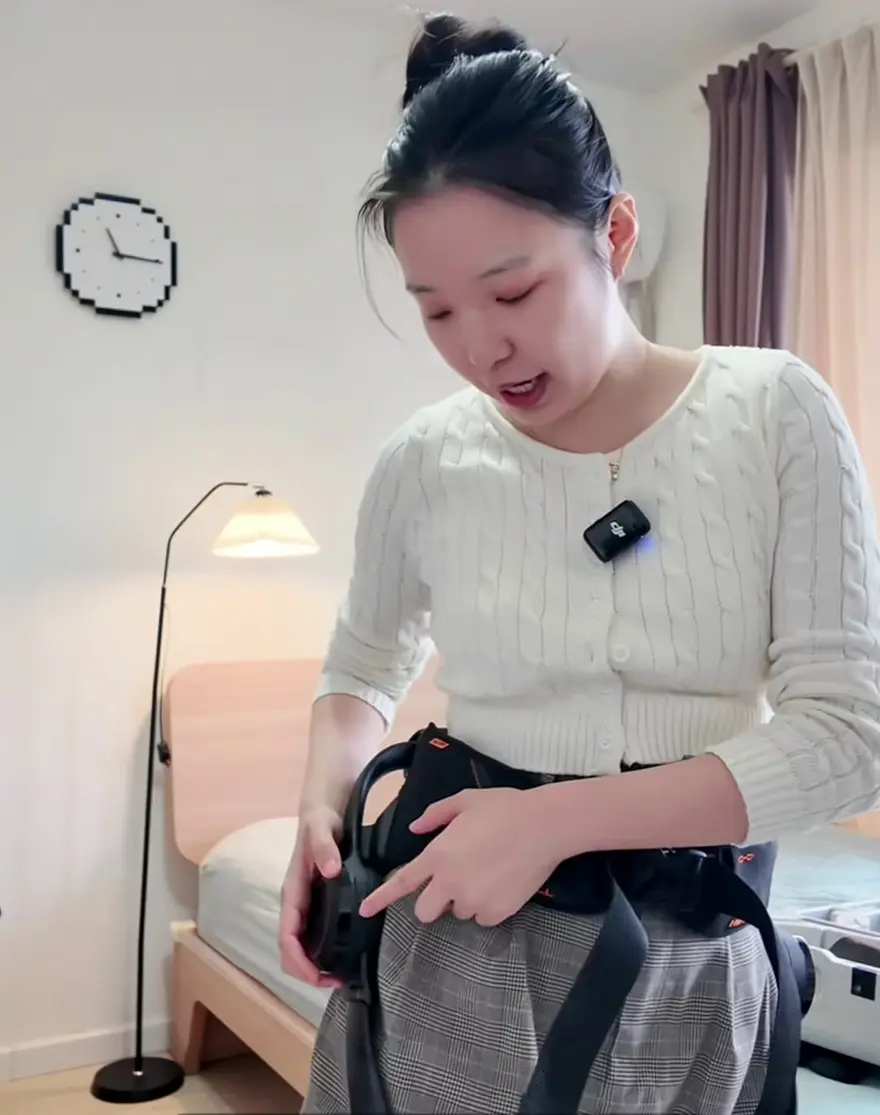
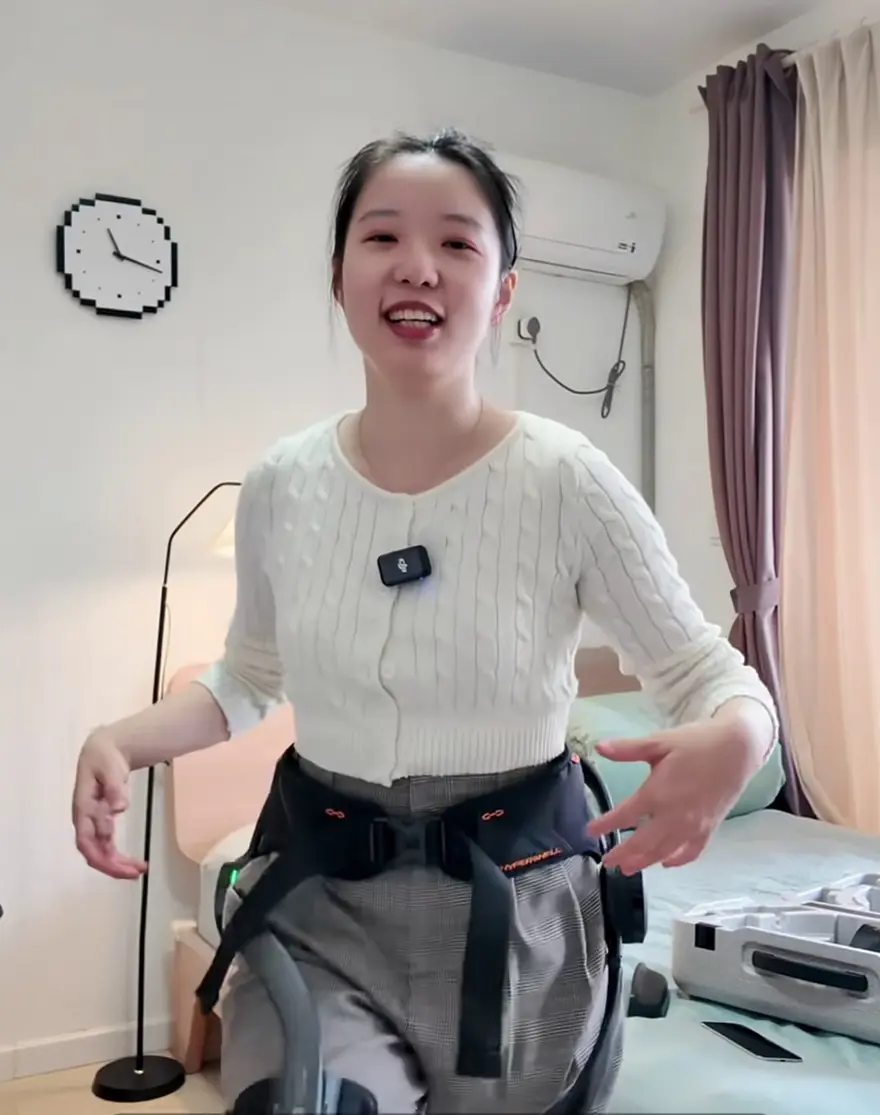
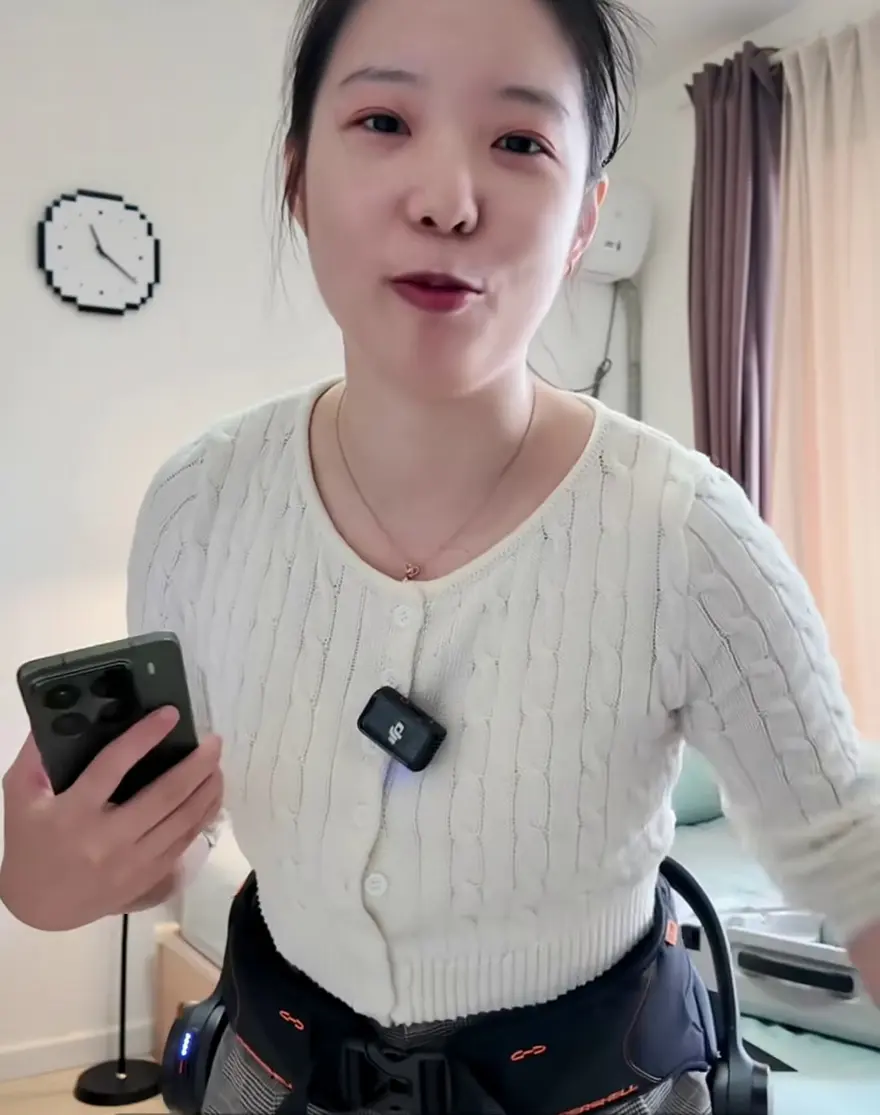
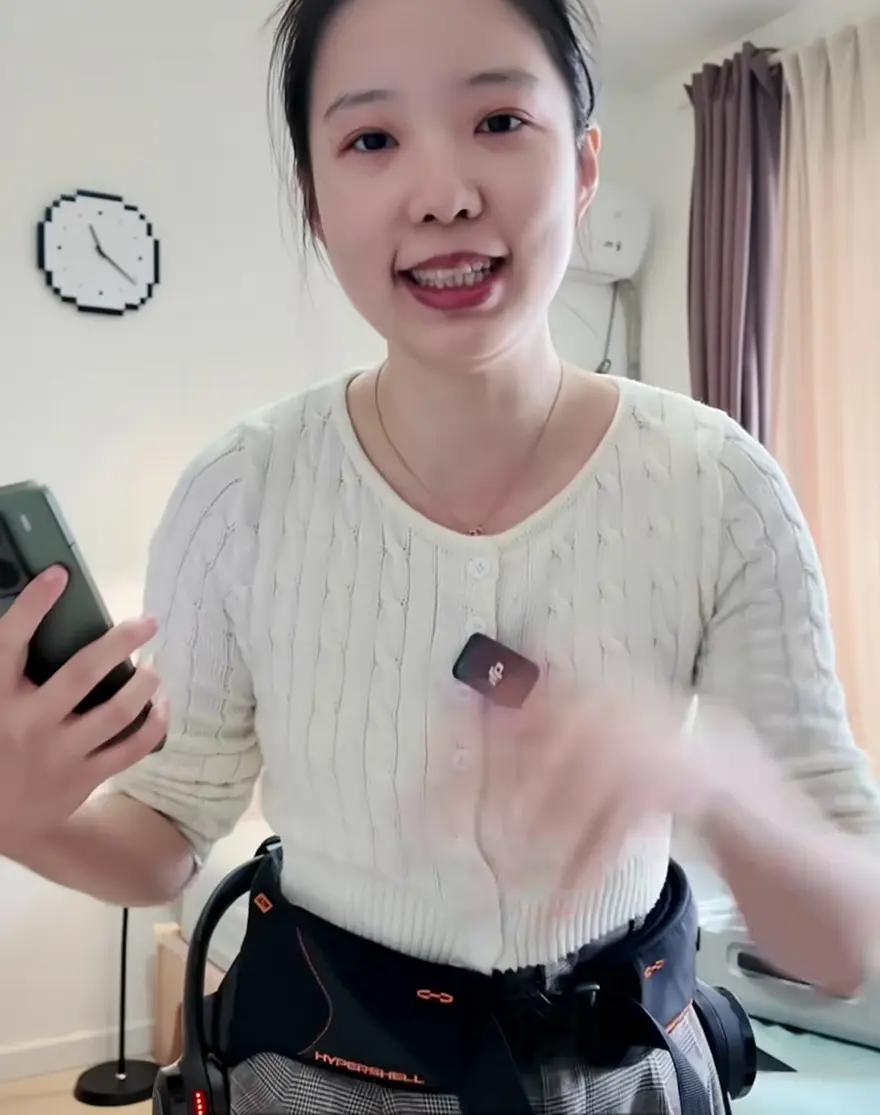
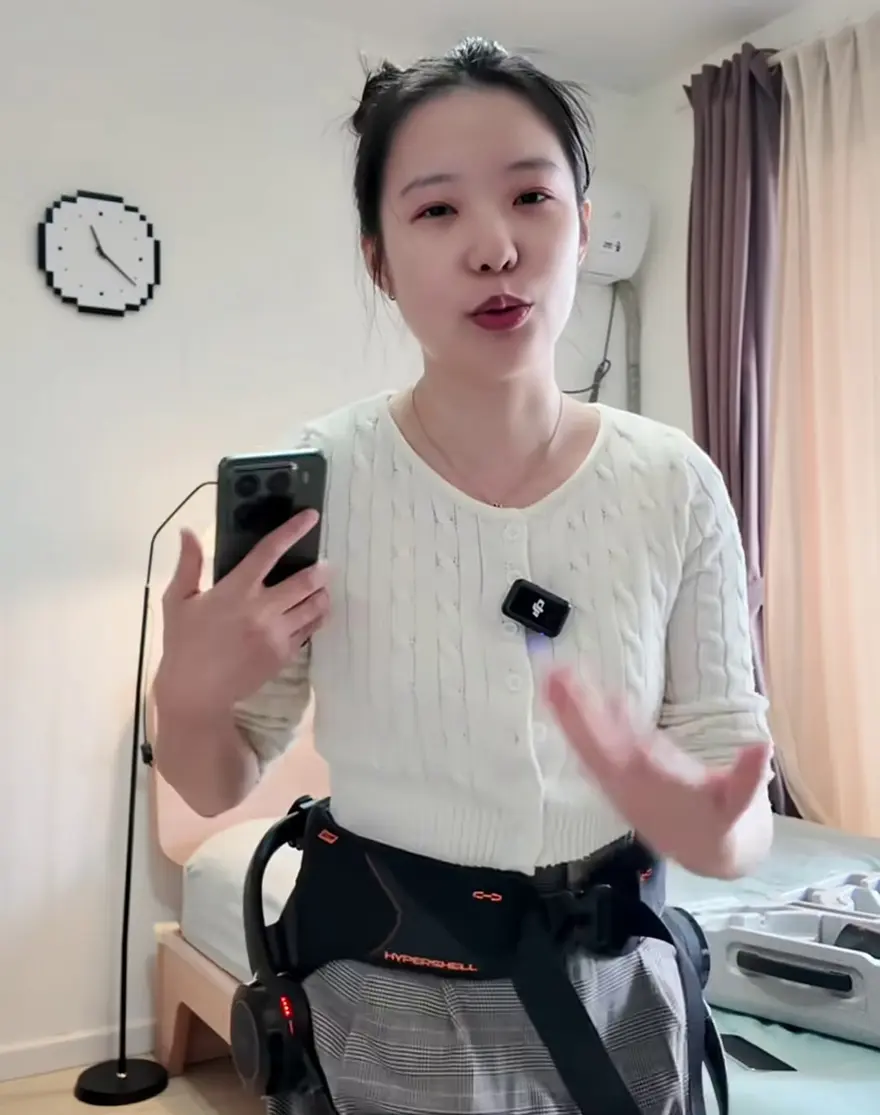
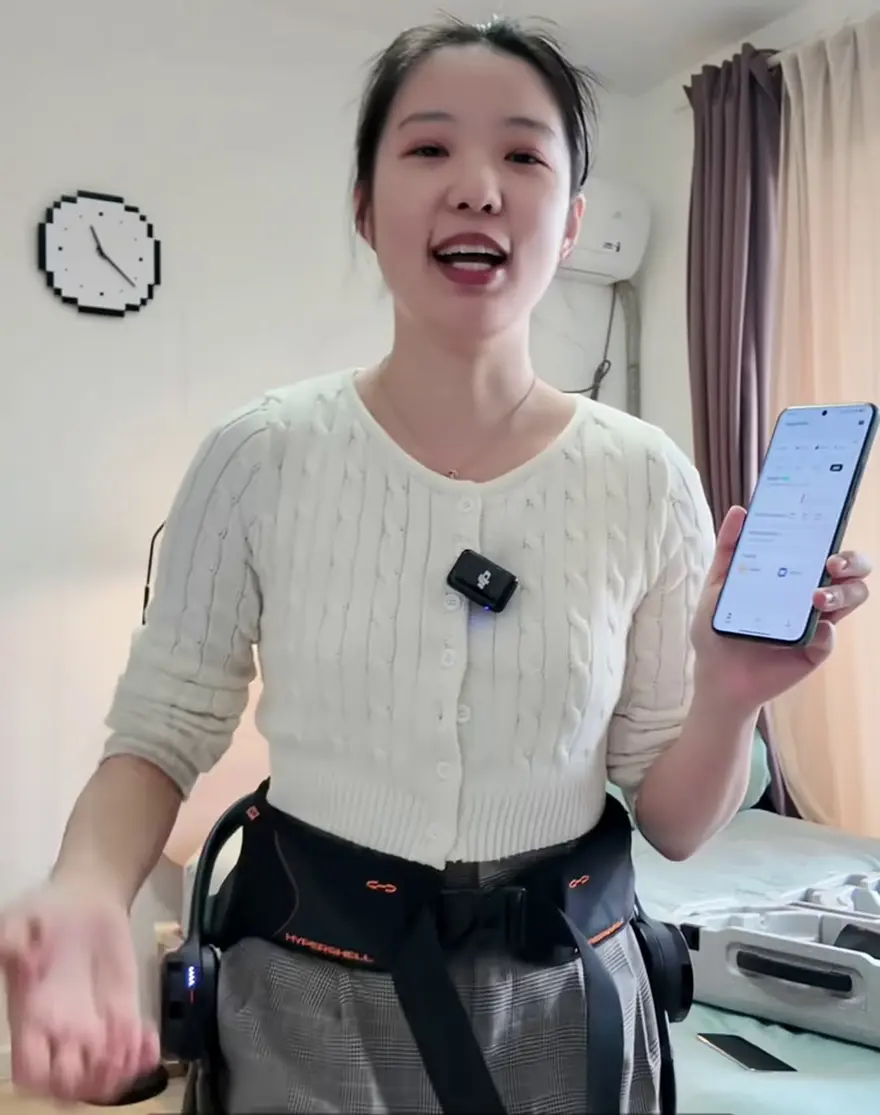
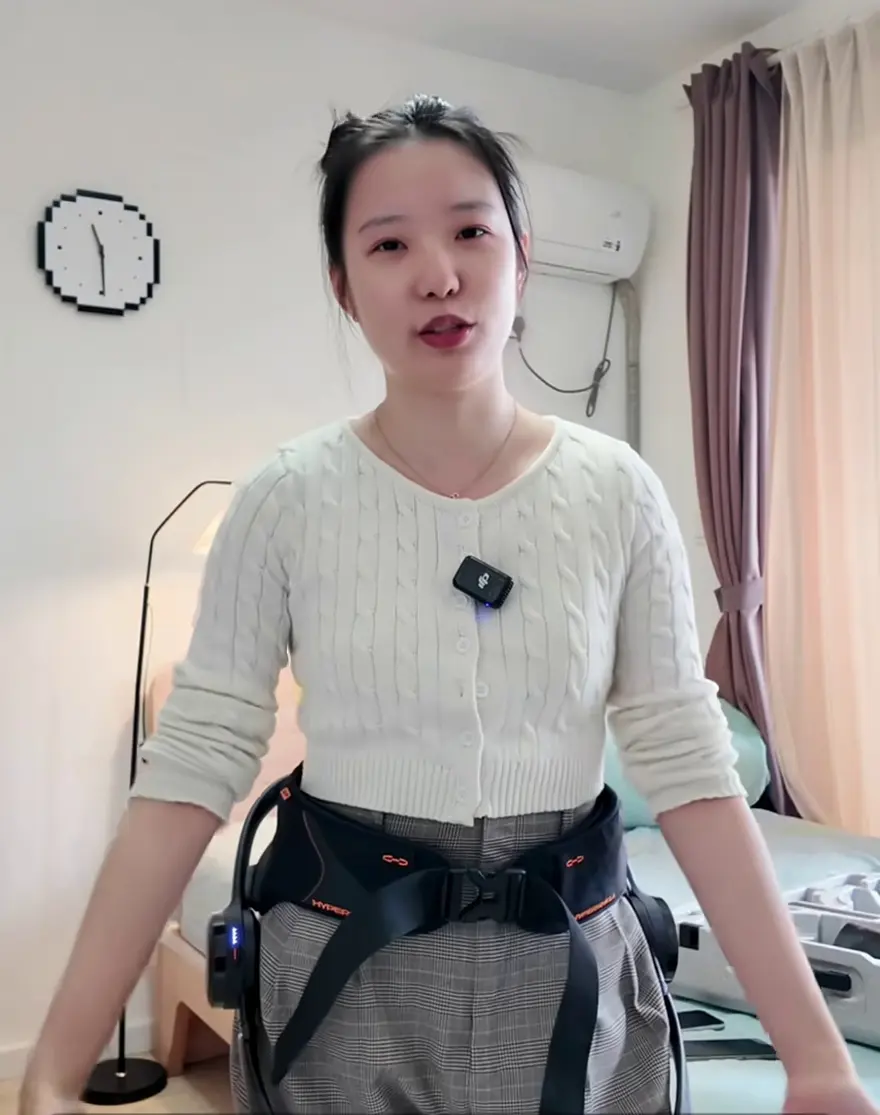
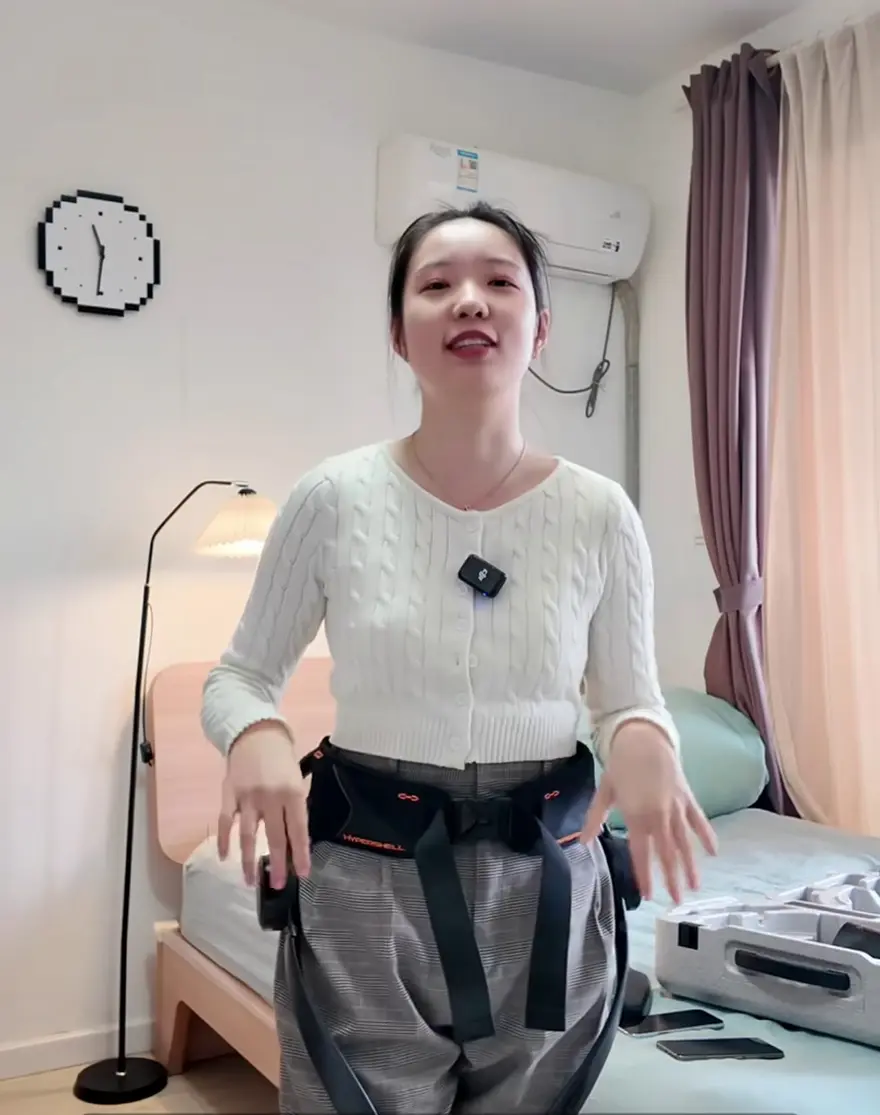
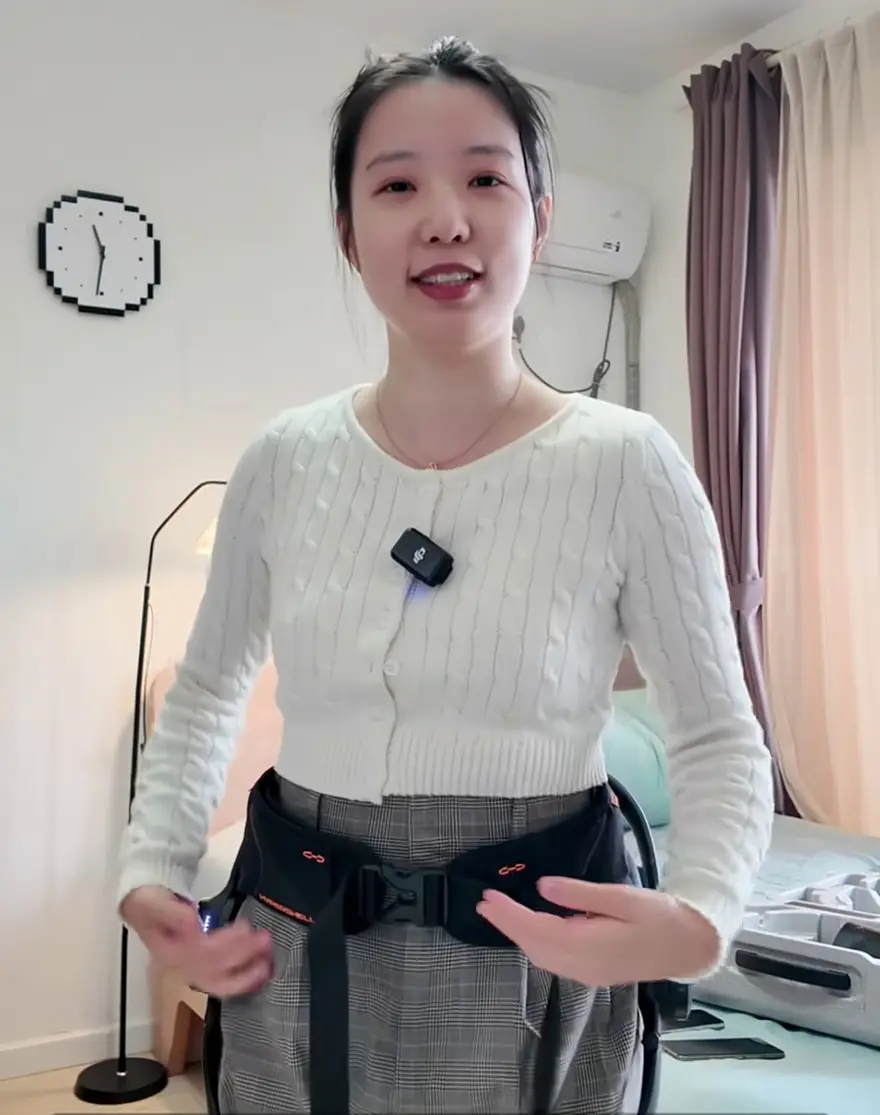
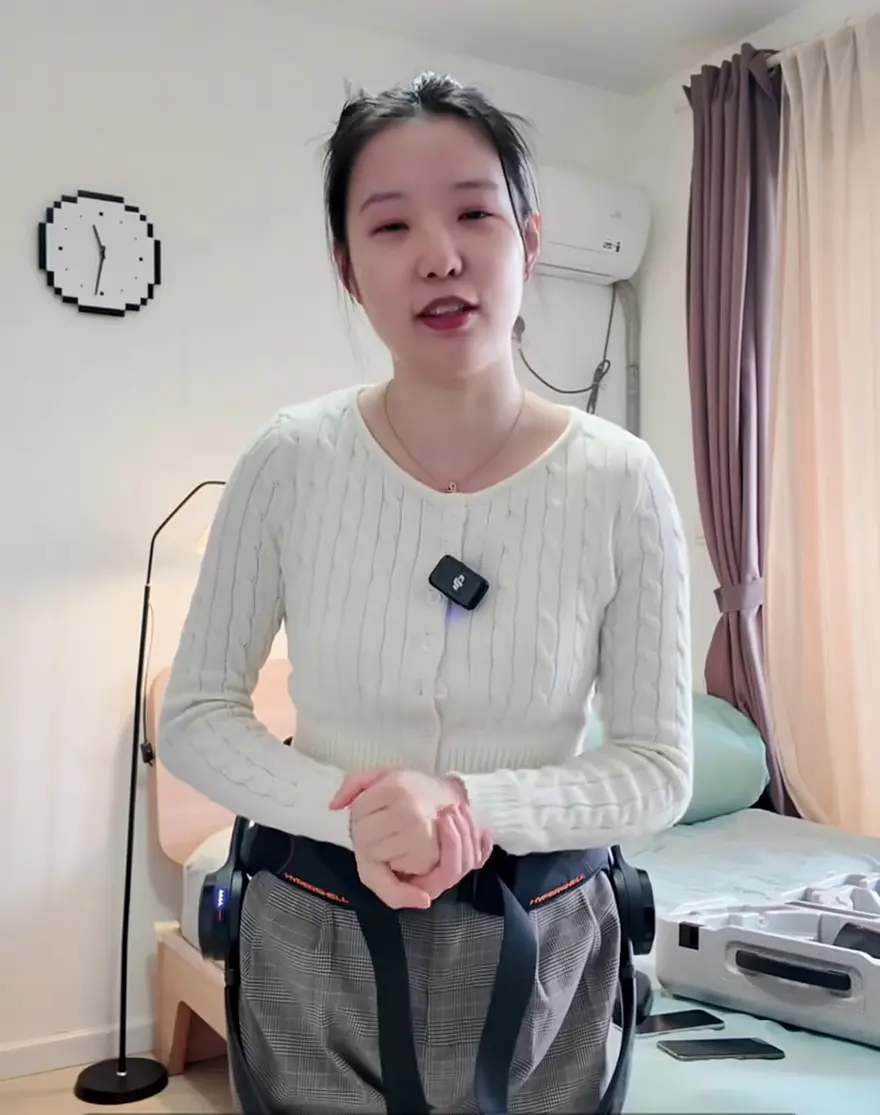
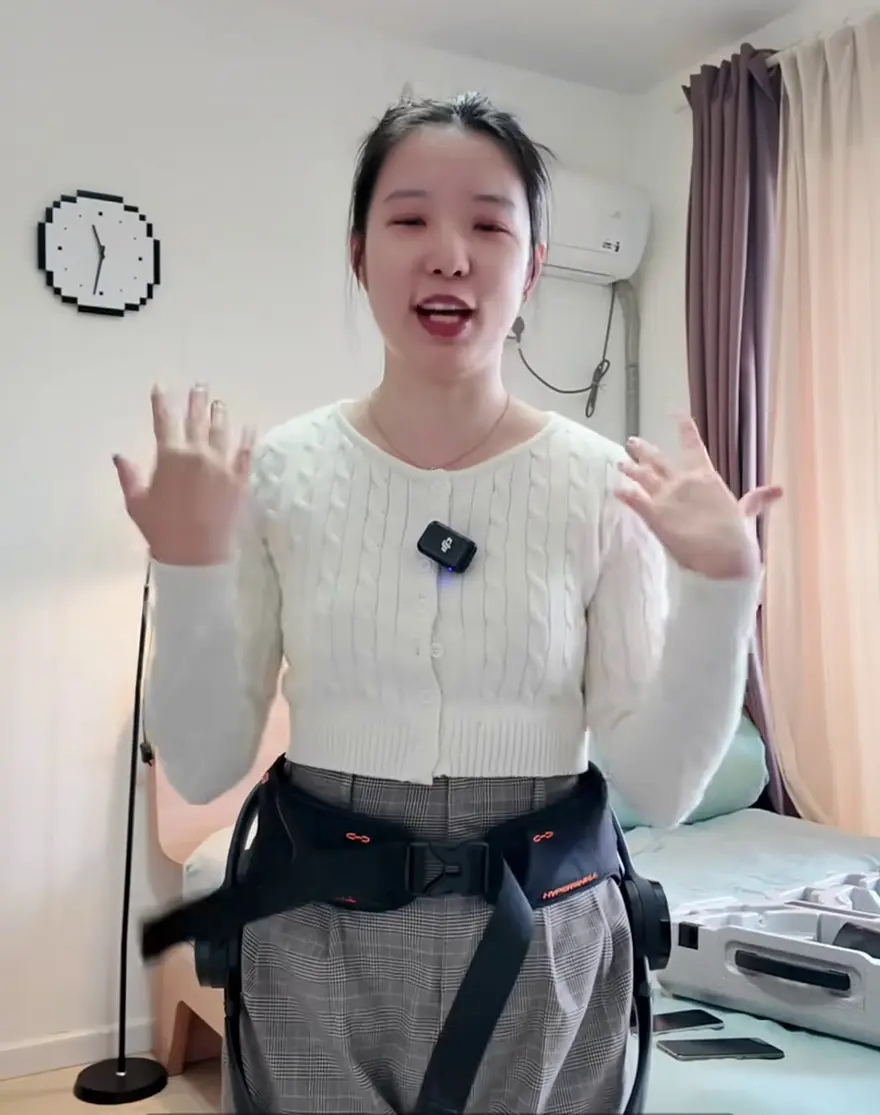
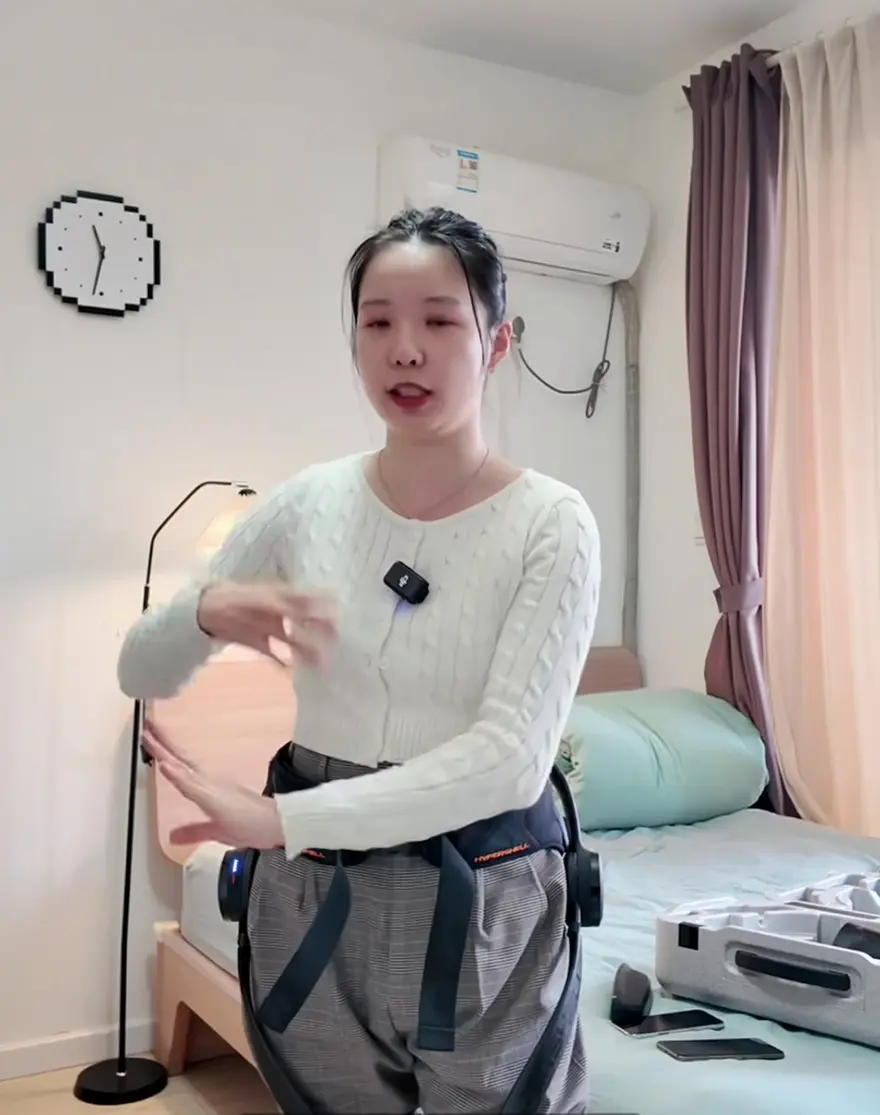
The core design features a main unit worn at the waist, connected underneath by two straps to leg modules secured above the knees. This system accommodates users with various waist sizes thanks to a clear physical scale adjustment mechanism. By sliding the main unit out to the corresponding scale position and fastening it, the system securely conforms to the body.
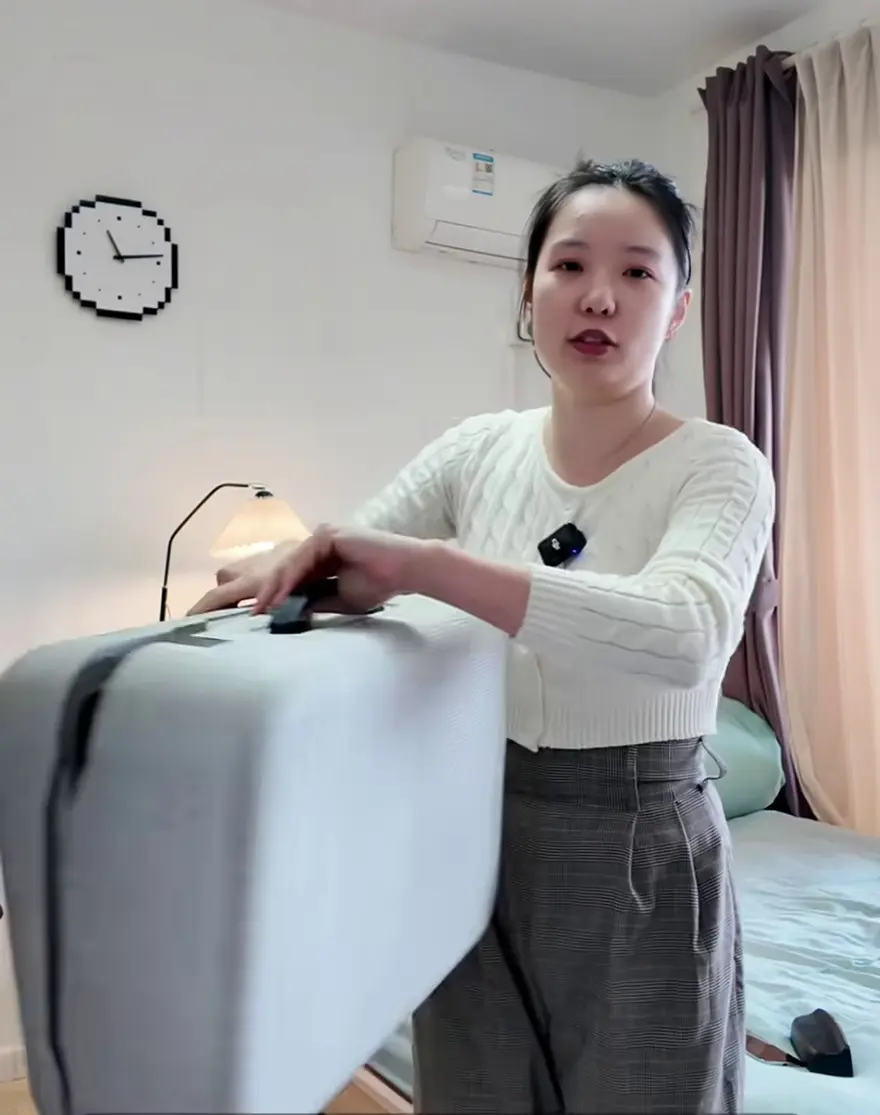
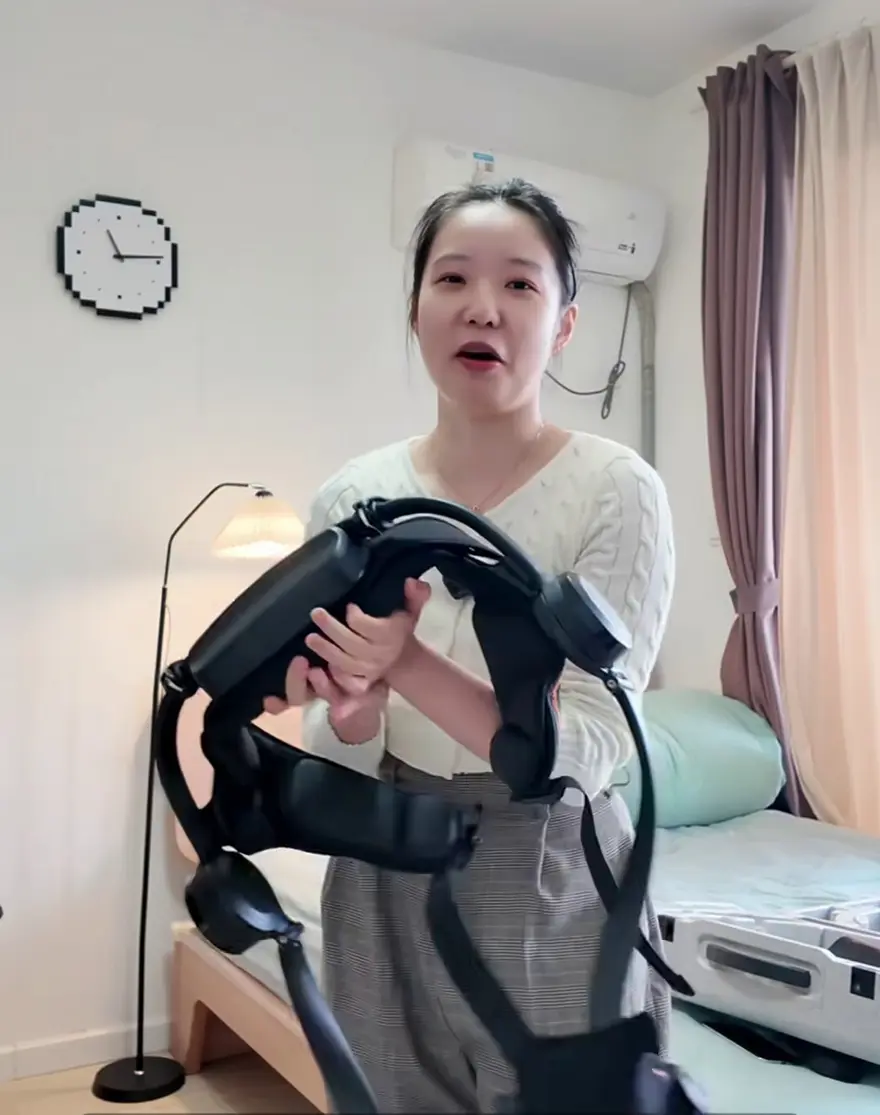
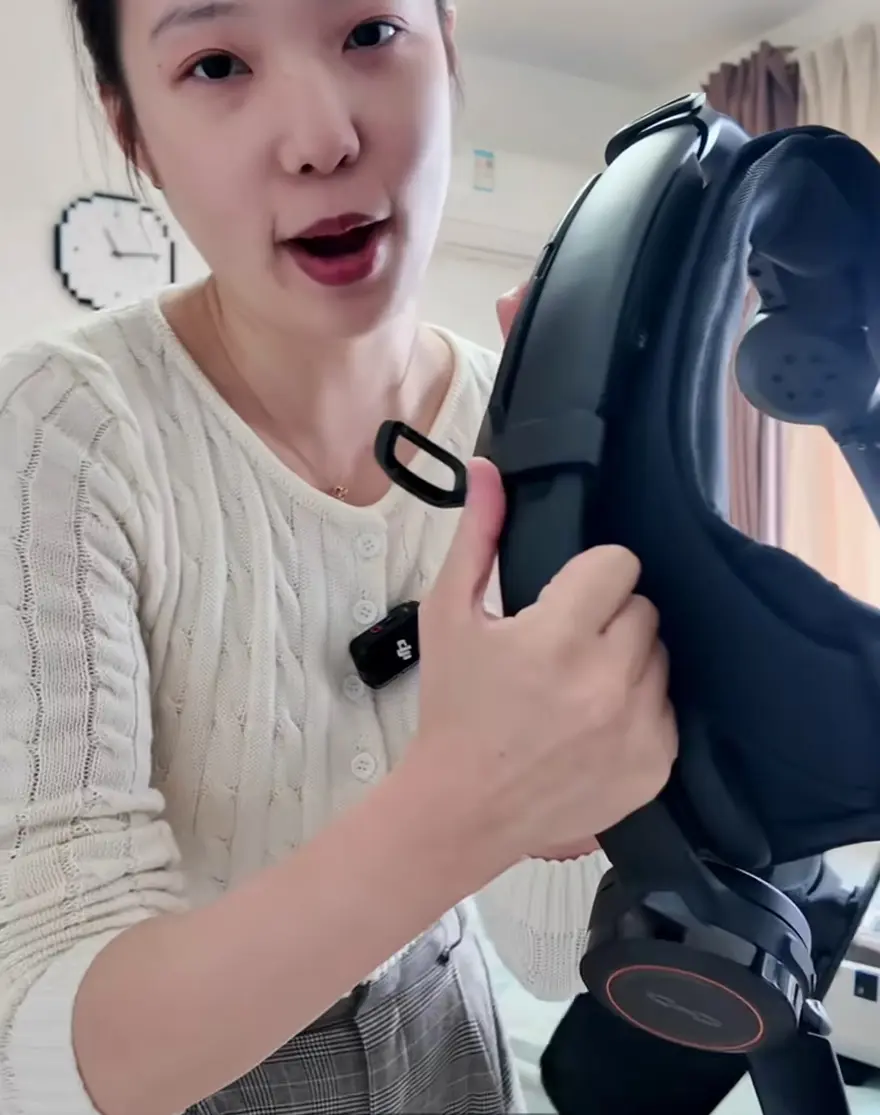
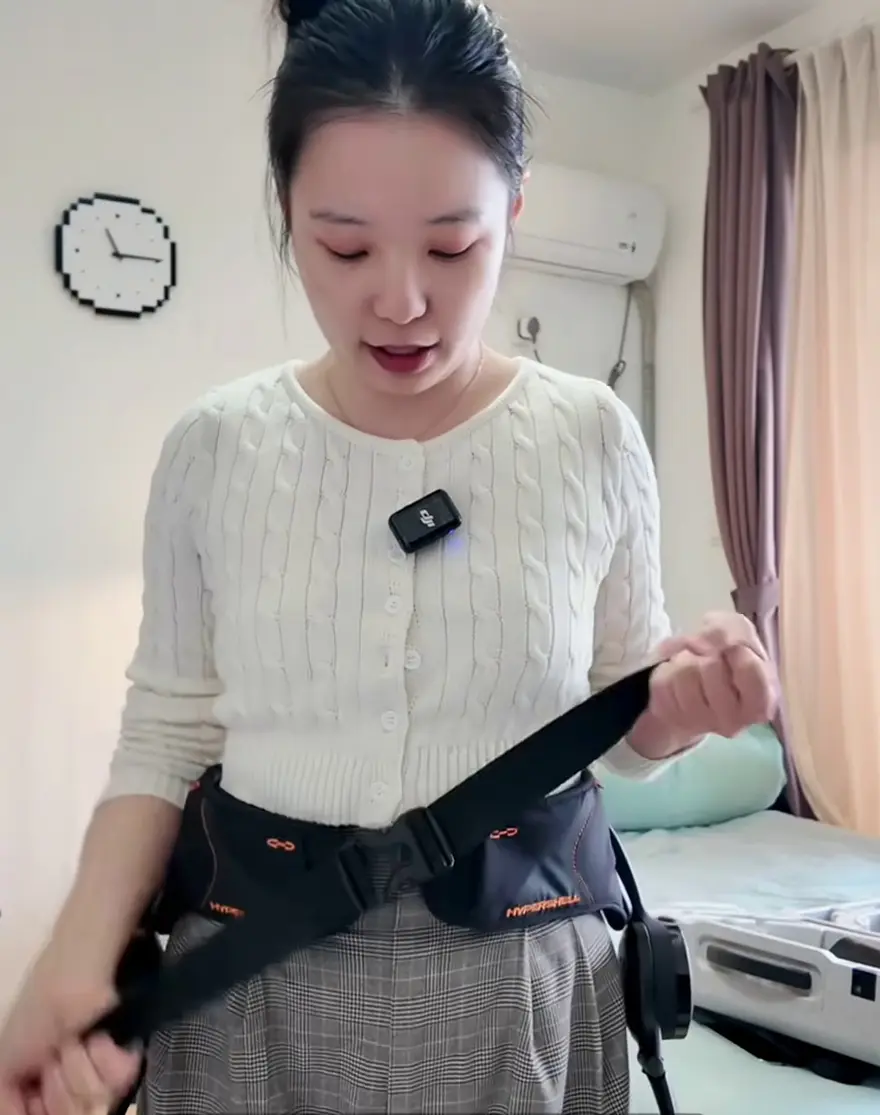
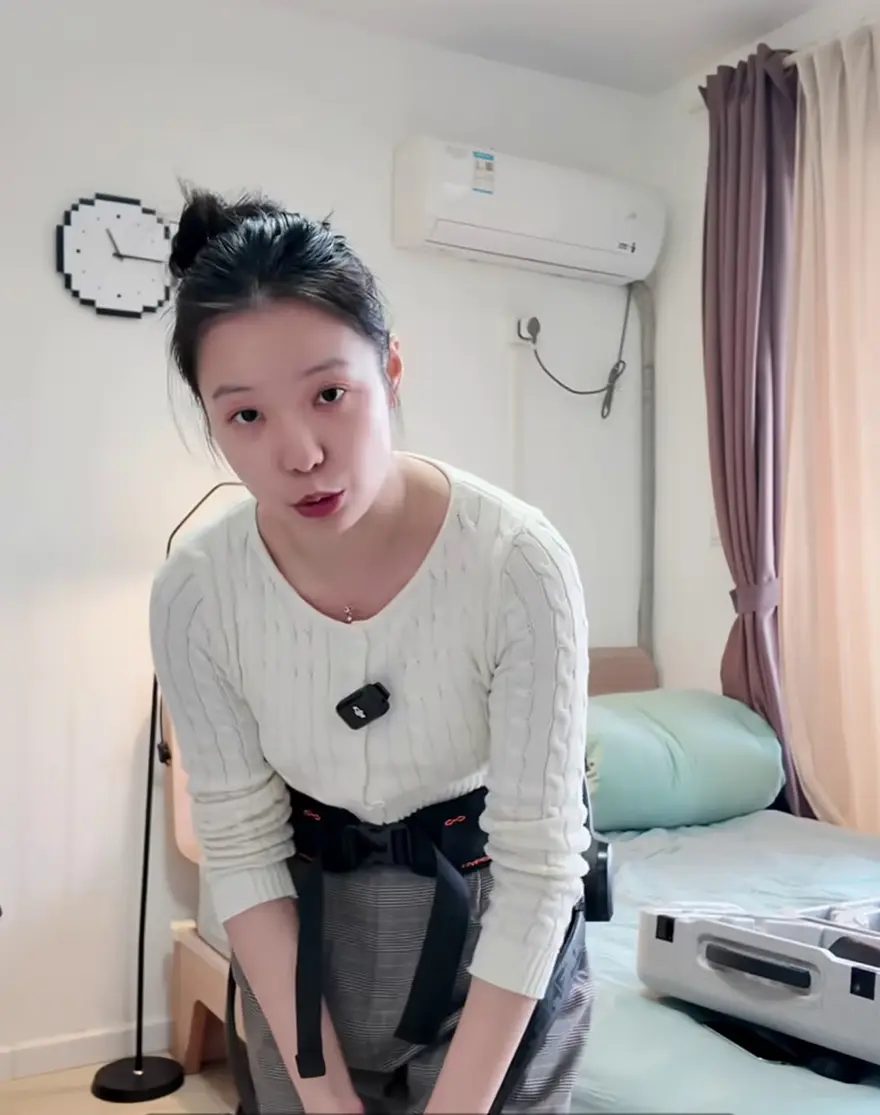
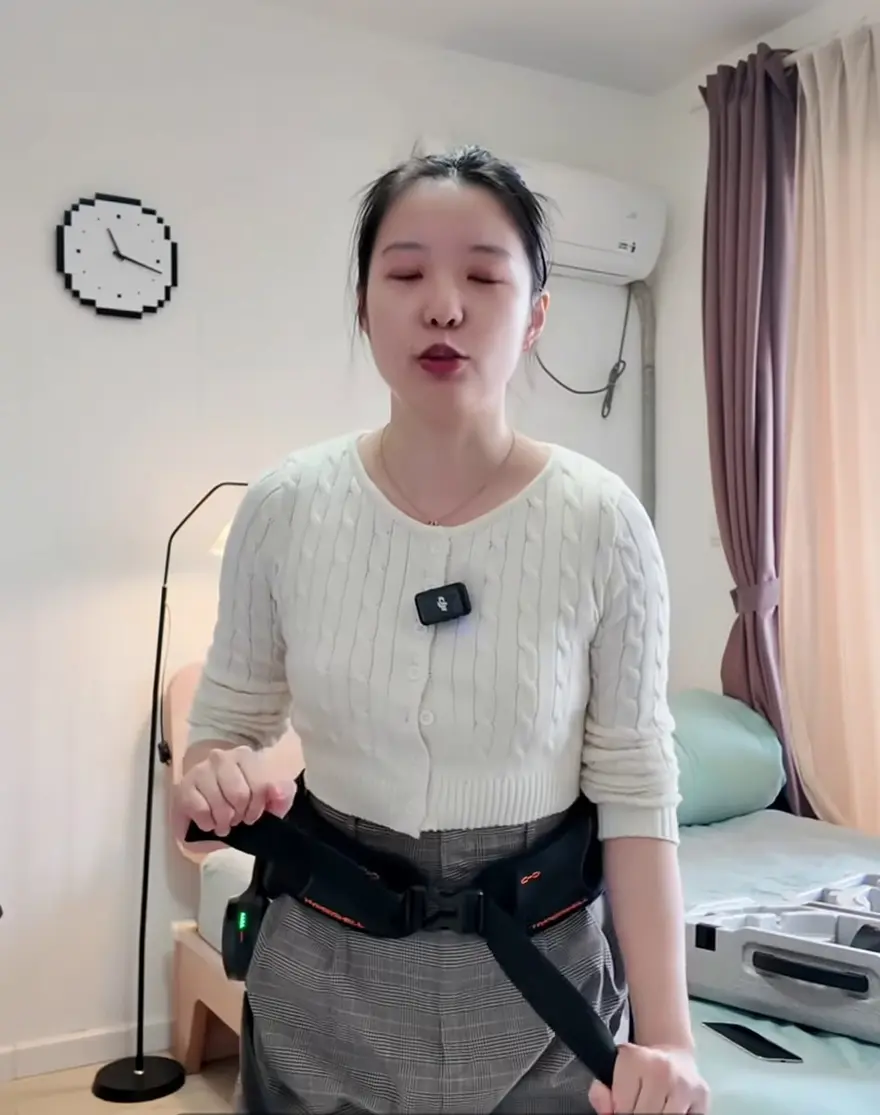
Fitting the device requires attention to detail: crucially, never cinch it at the narrowest part of your waist, as the true load-bearing support point is your hip bones. The first step is to fasten the waist ring tightly around the hip bones, which utilizes a cleverly designed central buckle. Once locked, the straps on both sides can be adjusted vertically to tighten the device and ensure a snug fit.

Rethinking Single-Button Interaction: Age-Friendly Pitfalls in Extreme Minimalist Design
This product takes an extreme minimalist route in its design, surprisingly featuring only a single red physical button located discreetly on the right side. The device's logic was even touted by its founder as "great minimalism," using this as a rationale to declare that it is no longer a medical assistive device or an assistive exoskeleton. A long press powers it on, while a single press toggles between different modes.
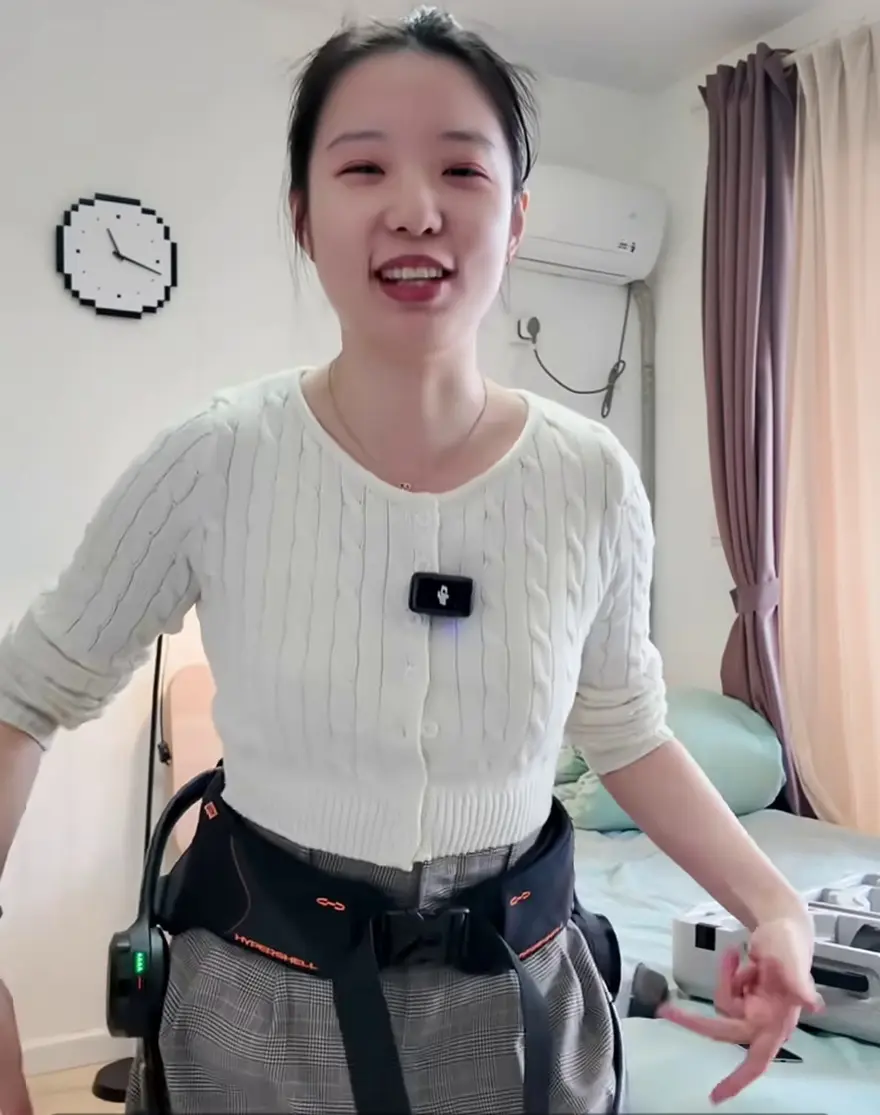
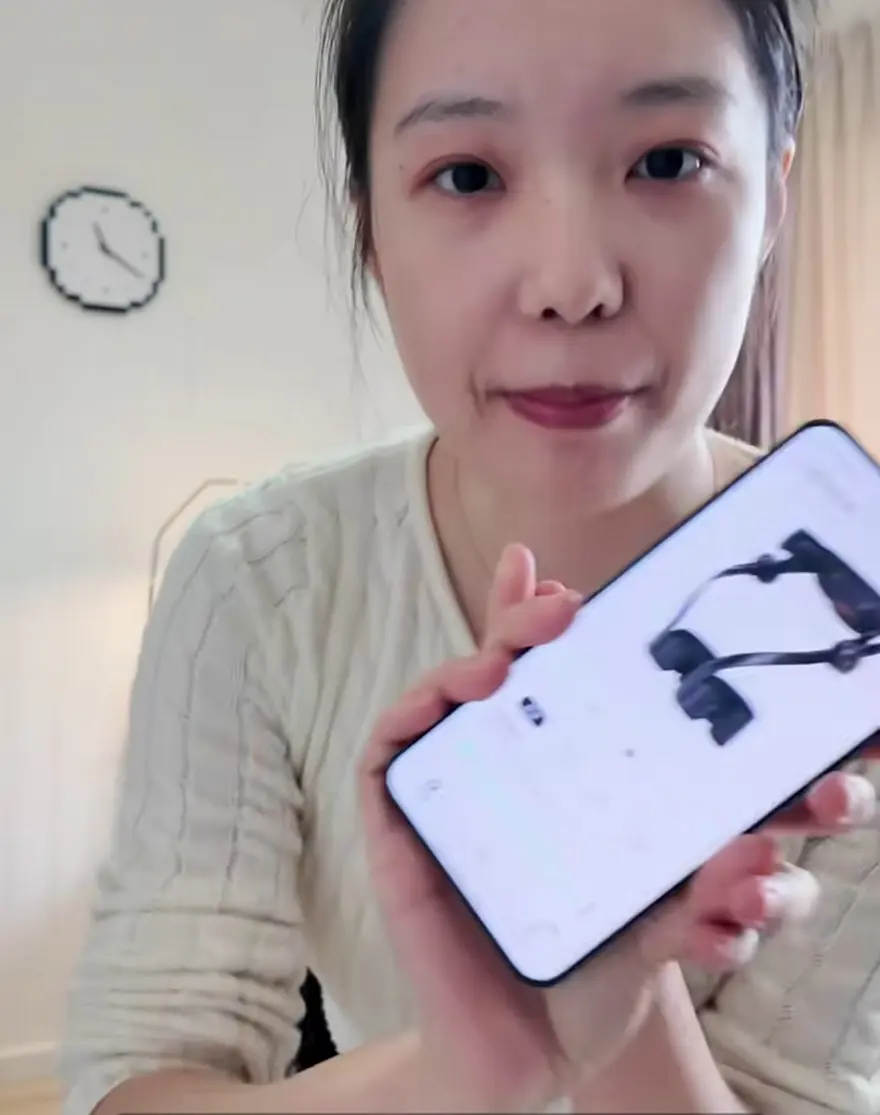
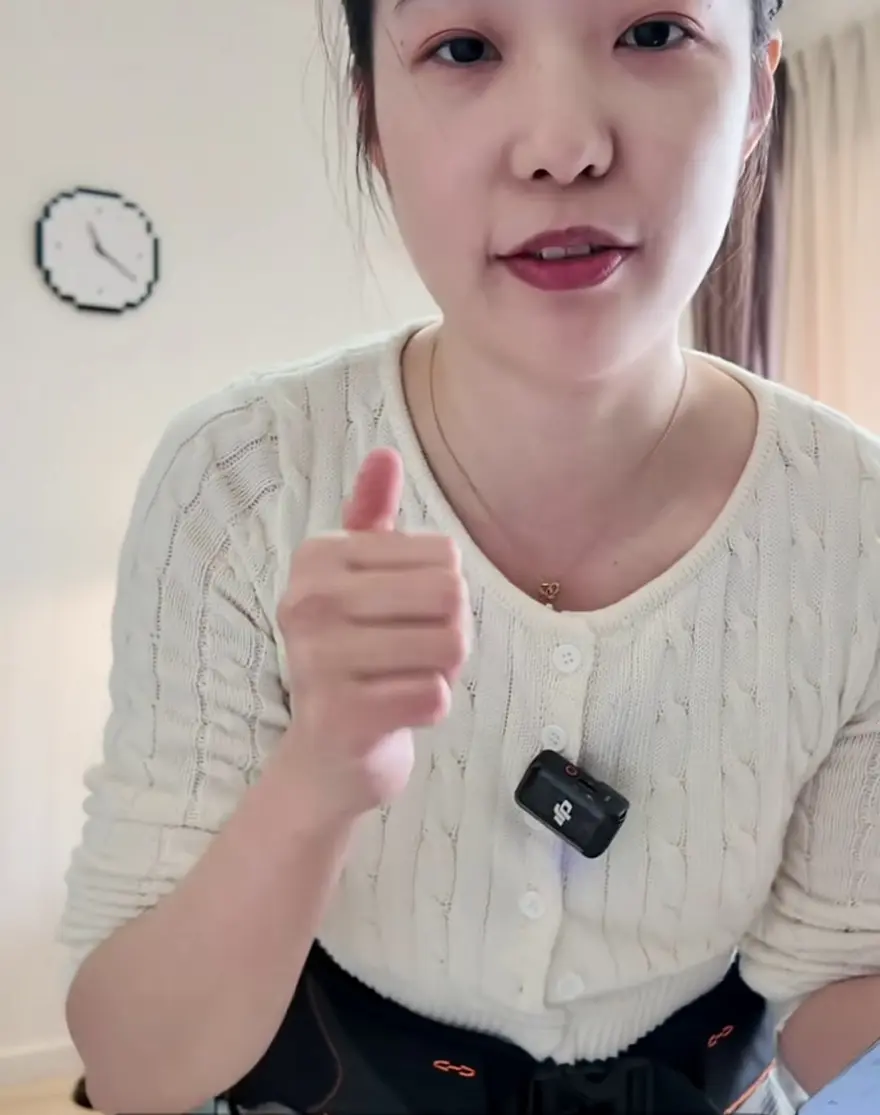
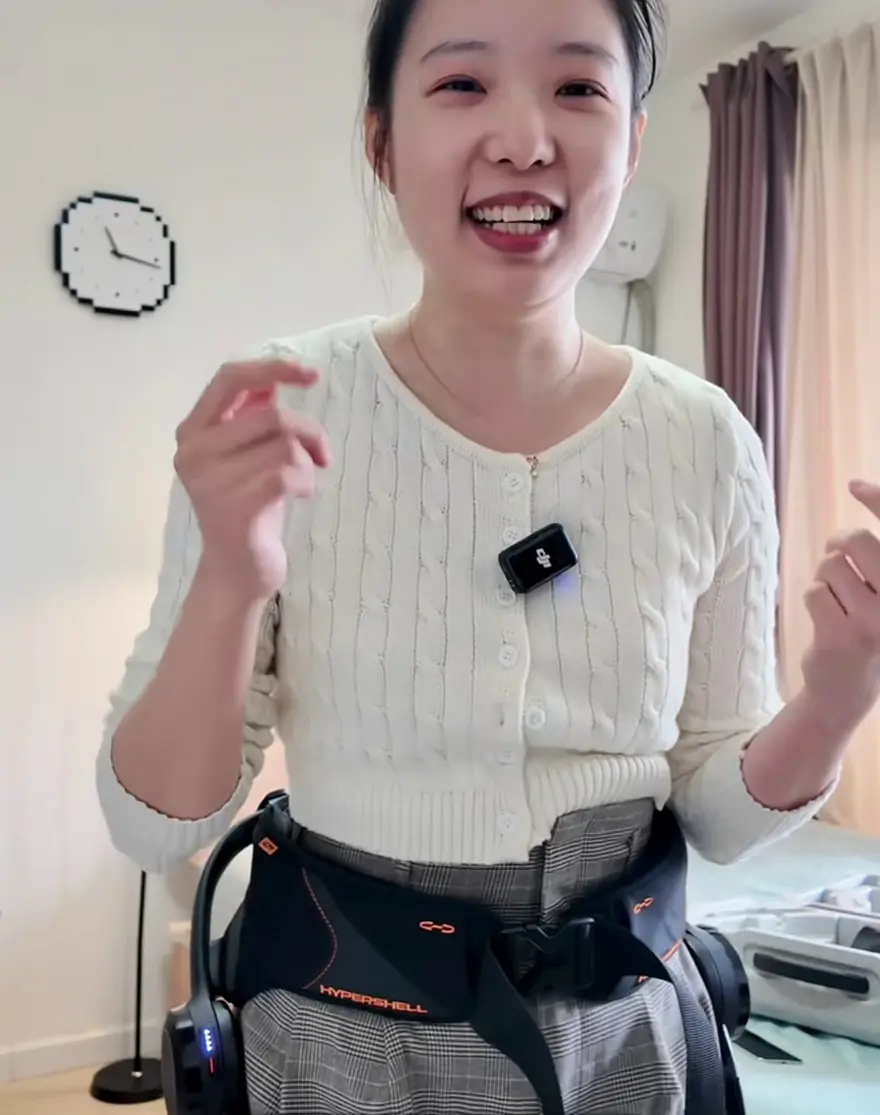
However, the interaction logic here is a major detractor in my experience. Especially when switching assist levels, you need to operate very quickly and precisely: a double-tap increases the level by one, while a triple-tap decreases it by one. Since this walking assist device is not used as frequently on a daily basis as a smartphone, the muscle memory for this button remained quite hazy. Every time I mispressed it, instead of achieving the intended adjustment, I was left with a strong sense of frustration.
Core Experience and Gait Recognition: Assistance Feel and Algorithm Performance
According to the official logic, Button 1 is the purely physical free mode (zero assistance), Button 2 is the walking assist comfort mode (independent joint torque), and Button 3 is the extreme mode with max payload. When you switch to the highest gear, you can hear the servo motor operating, while your thighs experience an upward lifting assistance sensation, akin to performing high knee lifts.
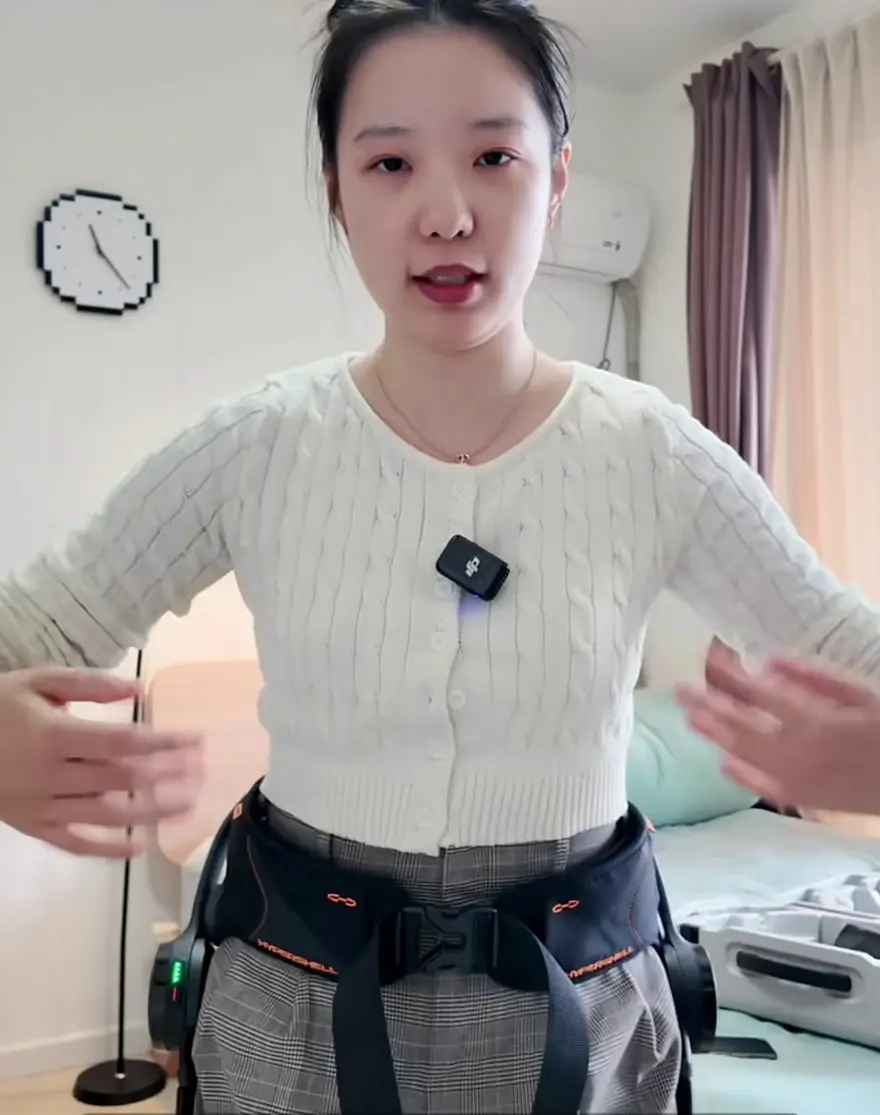
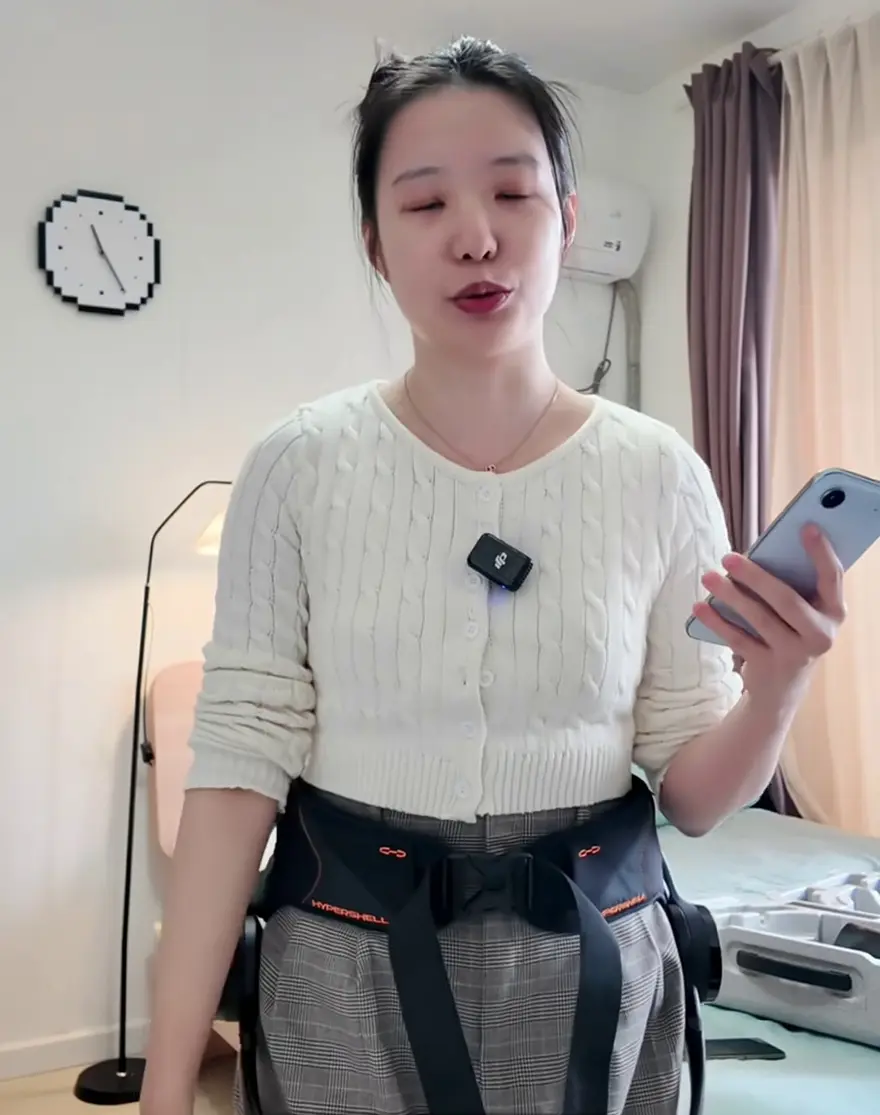
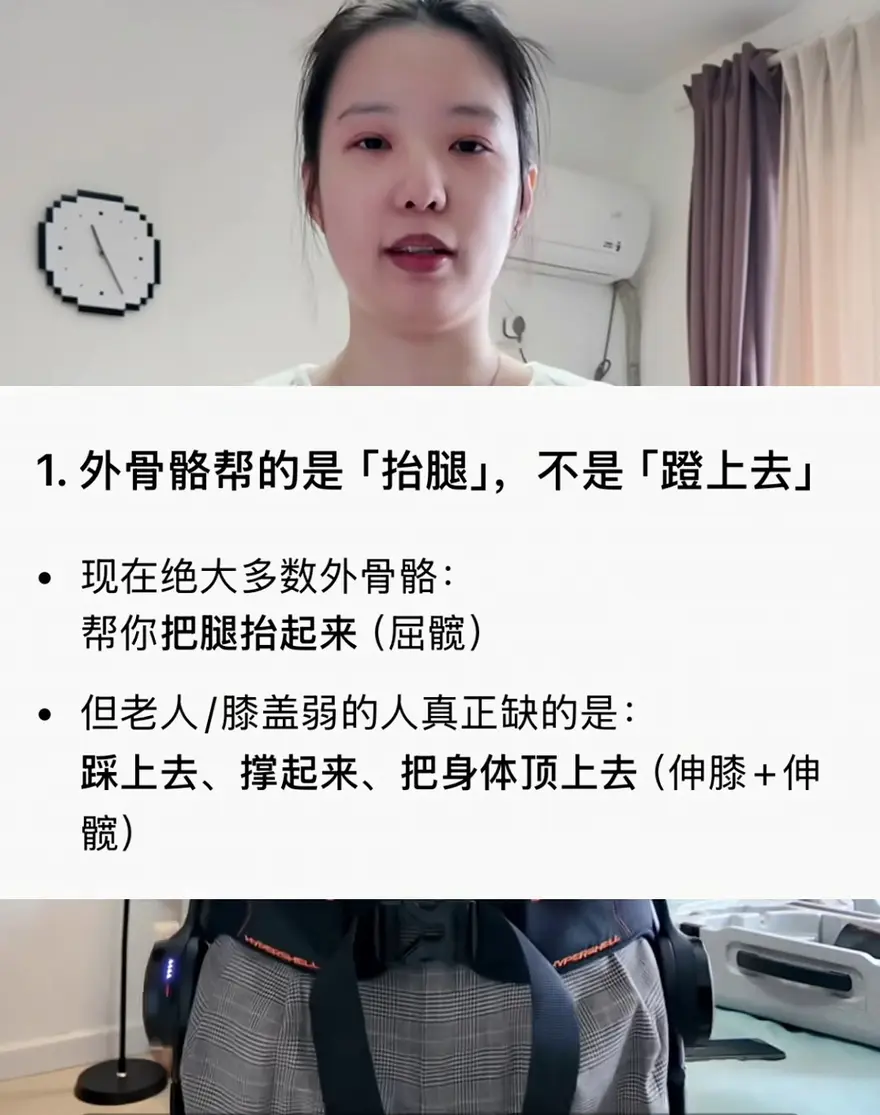
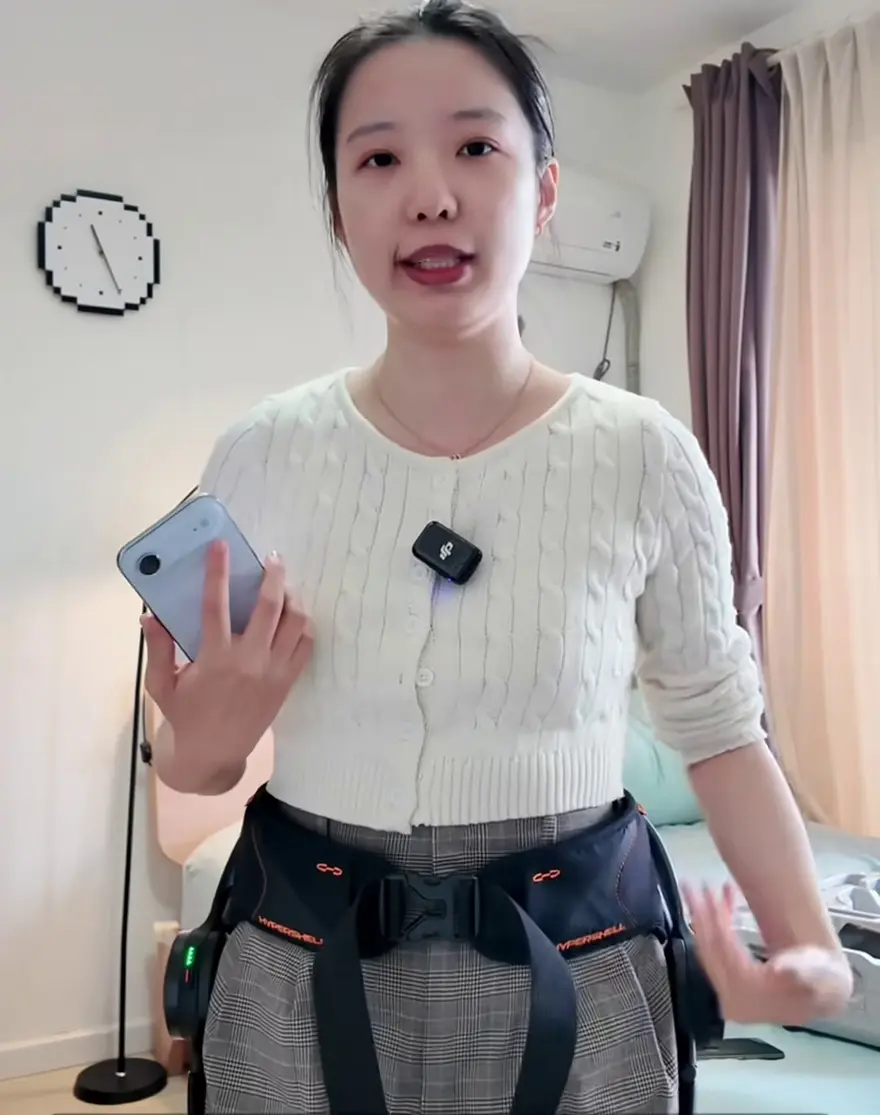
For general users (especially women), level 4 assistance in the comfort mode is already more than sufficient. However, this product actually features another built-in function used to showcase its "black tech": a resistance training (fitness) mode. Once enabled, it applies reverse resistance to press against your legs. It relies on sensor algorithms to identify whether you are going uphill or downhill. When your gait differs while going downhill or walking on flat terrain, the assistance level is dynamically adjusted accordingly, which is highly practical for outdoor hiking.
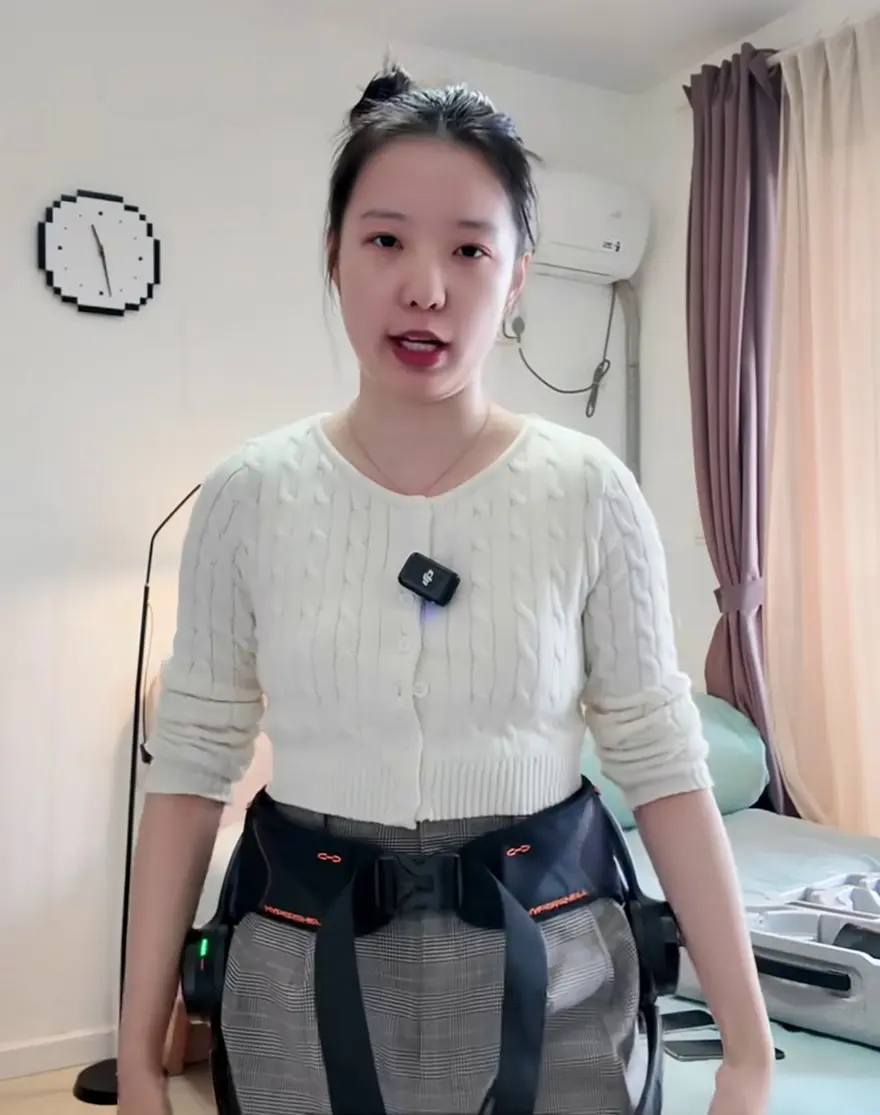
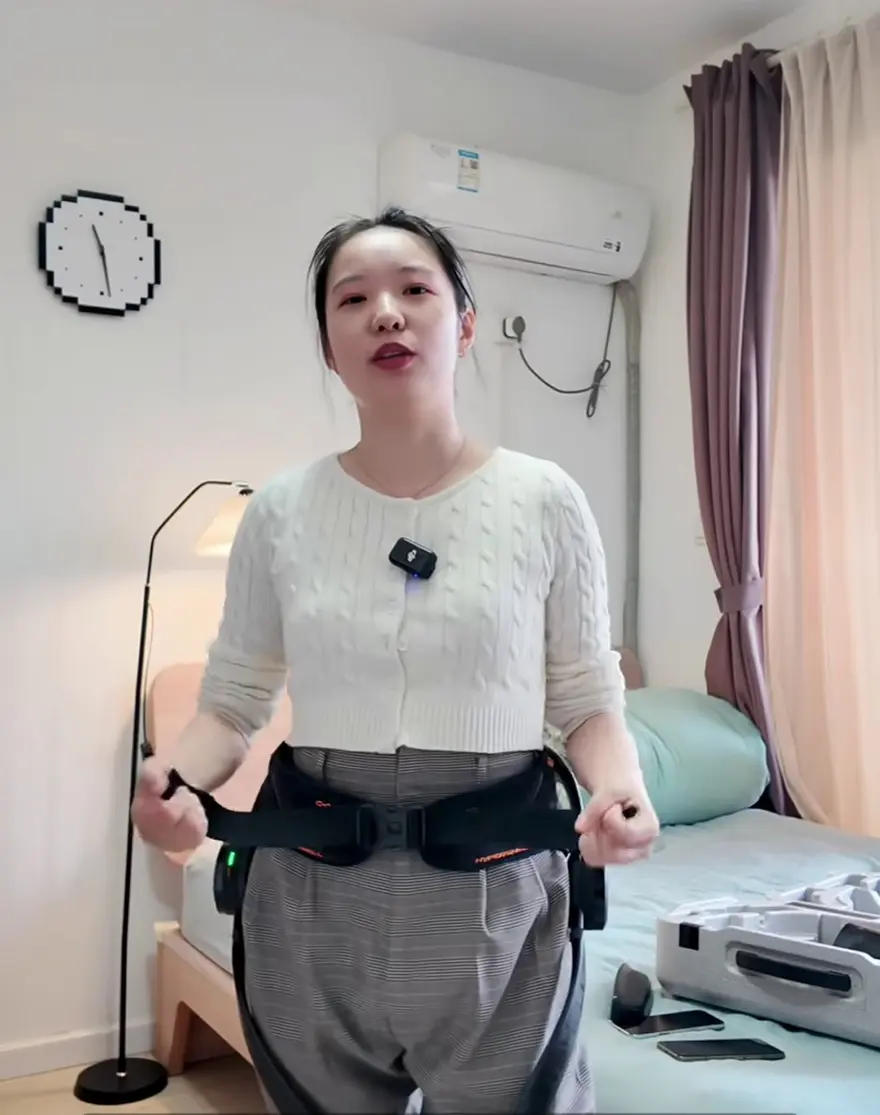
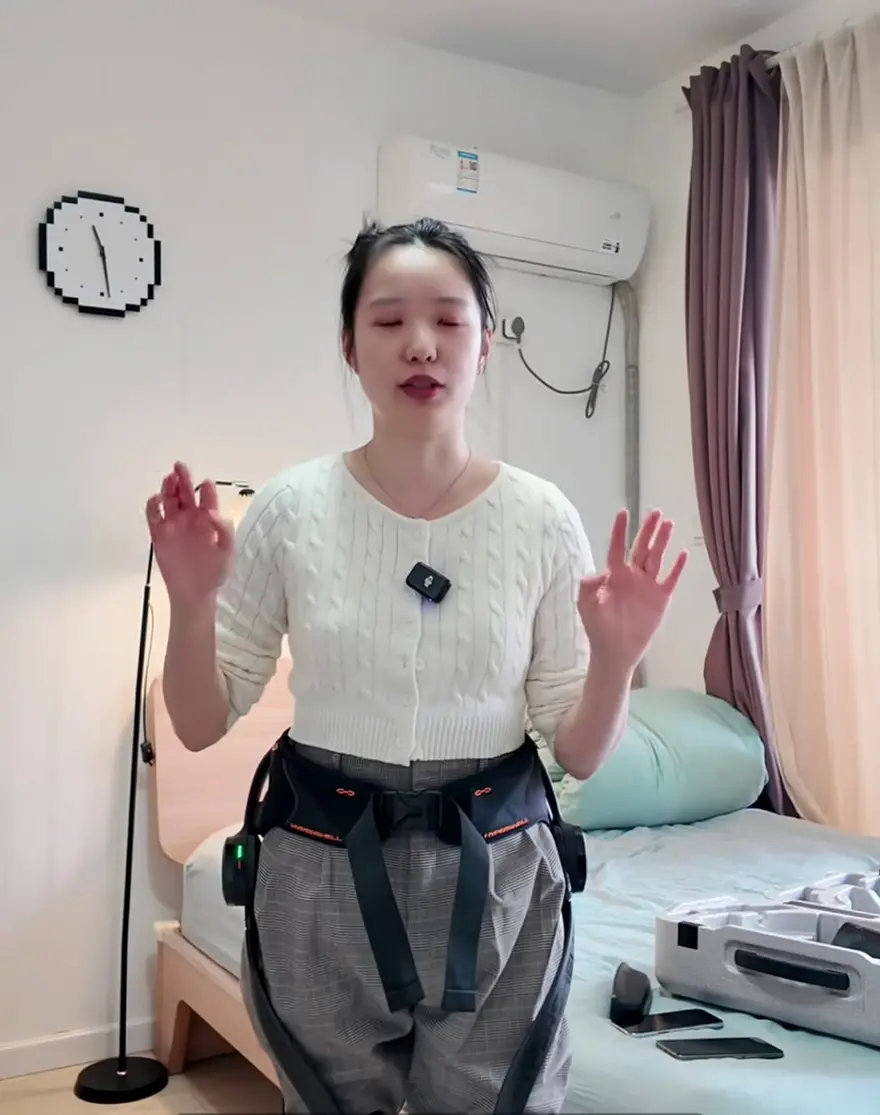
Rethinking the Demographic: Why This Device May Not Be Suitable for Seniors?
Do elderly family members really need this device to relieve the fatigue of climbing or descending stairs? The answer may be negative. From a product positioning standpoint, it is currently tailored mainly for hiking enthusiasts or users engaged in heavy physical labor. Many seniors find stair climbing tiresome often because they must support too much weight; in short, their lower-limb strength is insufficient.
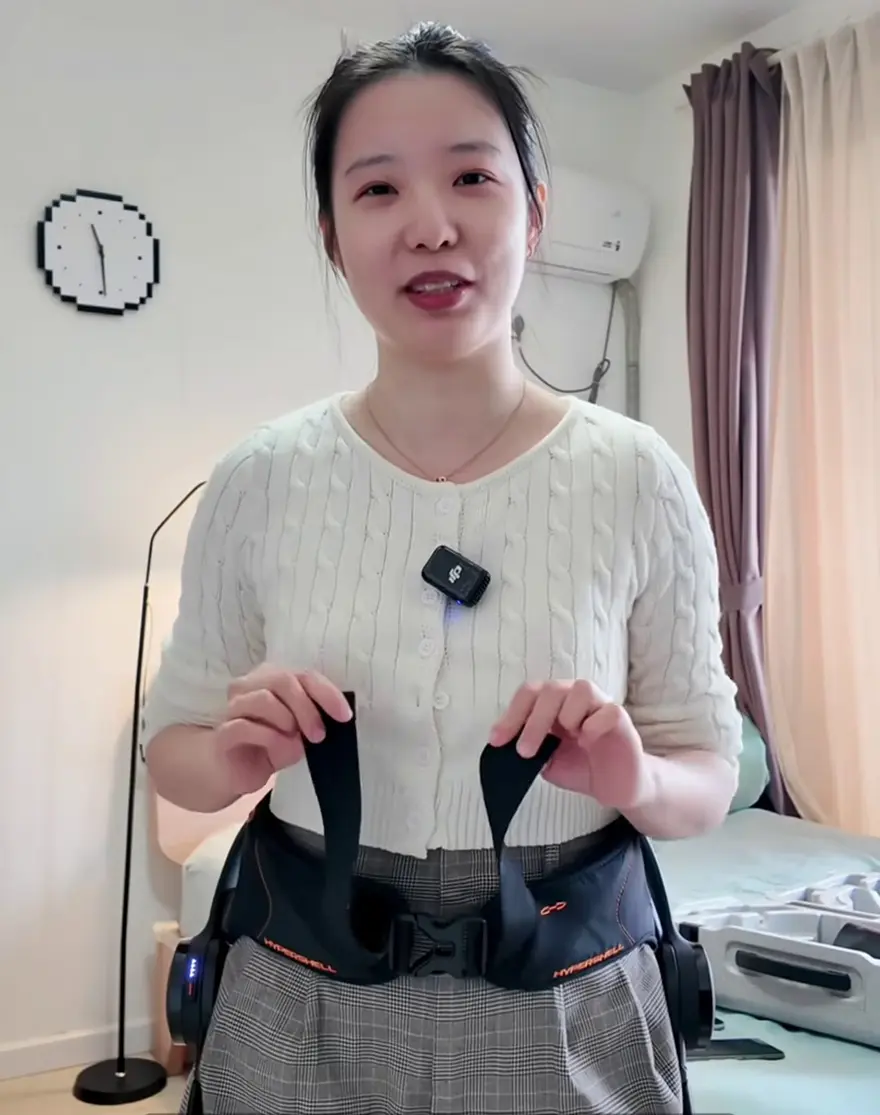
If your sense of balance is only average, using a machine that requires you to resist loads and adapt to external forces can actually increase the fall risk for seniors. The company’s customer-service team sends a pre-delivery assessment form to each tester; if the score falls below the specified standard, they do not recommend purchase.

Use Cases and Commercial Vision: From Geek Circles to Industry Depth
Although no flashy official data has been released, the promotional materials point to two highly representative application scenarios: first, at Walmart in the United States, a young man wears the device every day to push heavy shopping carts at the store entrance; second, in extreme rescue situations without power, firefighters in Hong Kong are also equipped with this product for operations. In these specific scenarios, it truly delivers on its promise of significantly reducing the load on the legs.
Industry Observations and Product Philosophy: When Will the "AirPods Moment" Arrive for Consumer-Grade Exoskeletons?
On an industry level, I have always believed that this type of product would struggle to see price reductions. However, we recently witnessed the rapid rise of the consumer-grade Hypershell exoskeleton market. You can rent them at scenic spots or purchase them directly from websites. The perspective of Hypershell's founder is profound; he envisions the product design to sit somewhere between an assistive exoskeleton and a cyberpunk tech suit of armor.
He does not want the product to draw undue attention or garner strange looks when worn outside. Instead, he hopes it becomes a cool, everyday consumer product. Inspired by this, I compare this phenomenon to Apple's AirPods: AirPods successfully persuaded many elderly individuals who originally resisted hearing aids to gladly embrace headphones featuring hearing assistance, significantly boosting social acceptance.
At this current stage, however, we must acknowledge a reality: Hypershell has not yet perfectly aligned with the actual needs of the general public. Right now, it feels more like a toy tailored for Early Adopters (tech-savvy early adopters). In the future, only by launching more universally applicable, lower-priced products can the brand truly appeal to a broader user base.
Alright, this concludes this deep dive review of Hypershell.
Top Community Comments
@Shen's Bathtub (13 likes): I'm still more concerned about how effective it is for older adults.
This comment directly reflects the deeper expectations of the public as consumer-grade exoskeletons enter an aging society. But based on the testing experience above, it's still too early to conclude that it can replace a daily walking assist device.
@Xinxu's Infinity (11 likes): A rotary dial might feel more intuitive—the more resistance, the more power being delivered.
This points to an excellent direction for interaction improvements. Compared with multi-tap controls that are hard to turn into muscle memory, the damping feel and visual feedback of a physical knob are clearly more intuitive and can greatly lower the learning curve for older users.
@wmither (8 likes): [clap] Your delivery is so organized and clear. I originally followed you from your workplace videos because you explained things so well. Now that you've switched to a new track, your explanation is still super clear. Great communication skills.
This shows viewers' welcome and recognition of a high-quality creator moving into hardcore tech reviews. It also highlights that consumer-grade reviews need to distill complex technical logic into accessible, well-structured expression.
@IT Big Boss (7 likes): Fewer buttons definitely looks cleaner, but on a device that really needs high fault tolerance, is cutting buttons putting the cart before the horse? Is it worth sacrificing usability for minimalism?
This comment isn't just about exoskeletons—it touches the underlying design philosophy of all consumer electronics: how to balance a product's "flex appeal" with its "utility." In high-load or critical scenarios, interaction fault tolerance is clearly more important than minimalist lines.
@Crazy Old Wang (6 likes): Starting around 7,000 and topping out at 13,000 for the high-end config—if it's just a toy I can't bring myself to buy it, but if it can handle heavy work, I'd consider it.
Consumers are still in a wait-and-see mode on the price band of consumer-grade exoskeletons. The product must prove it can deliver more than a "cyberpunk cool factor"—it has to genuinely address pain points of high-intensity labor like heavy load carrying and long periods of standing to win people over.
@Electric Wheelchair Coach Chen (4 likes): Back when I reviewed wheelchairs I also wondered whether future walking assist devices might evolve into an airbag you wear on your legs. Now it seems the motor approach is indeed more mainstream.
Strongly agree. The motor approach not only means more precise gait sensor algorithms and real-time joint torque adjustment, but also means what you really need when climbing a hundred steps in one go is instant bursts of mechanical assist—not a sluggish compressed airbag.
@Industrial Design Addict (5 likes): I hope future designs can fully integrate the carbon fiber frame into everyday clothing. The fact that you still have to strap on a bunch of straps today already turns half the people off.
The last mile for exoskeletons is complete invisibility. How to integrate the carbon fiber frame and flexible synthetic fibers into everyday apparel—and eliminate the entrenched impression that ergonomic harnesses are bulky, messy, and unwieldy—is a key challenge every startup needs to solve.
One-Sentence Summary
Leveraging carbon fiber weight reduction and servo motor assist technology, the Hypershell consumer-grade exoskeleton successfully captures the aesthetic of a "cool product" in its exterior and form. However, constrained by its still-unaffordable price point, an overly minimalist single-button interaction design, and a high threshold for gait adaptation, it currently remains a niche gadget for Early Adopters in outdoor and specific labor scenarios. It still has a long evolution road ahead before it can become a true "mass consumer product that can be barrier-free for the elderly."
About this article: part of Chinese-Made Exoskeleton Review Archive — an independent, regularly updated English archive of reviews of consumer exoskeletons made in China, edited from publicly available video transcripts. Not an official manufacturer page.
For inquiries and purchasing, contact lonlonago@foxmail.com. More in Reviews · All articles.