2kg "Steel Legs": How HyperShell X Pro Brings Exoskeletons from the Lab to Hiking and Trekking?
A sci-fi obsessed entrepreneur born in the 1990s spent four and a half years turning an Iron Man-style exoskeleton into a consumer-grade product, and in the process, built a company with a post-money valuation of $400 million.
This isn't J.A.R.V.I.S. from Iron Man reciting lines; it is the most noteworthy product launch and funding event recently in China's consumer-grade exoskeleton sector. The company, Hypershell, along with its HyperShell X Pro, is attempting to answer a very practical question:
Can an exoskeleton, much like a good pair of hiking shoes, become equipment that everyday consumers are willing to pay for and take outdoors?
Starting with a 2kg Leg exoskeleton
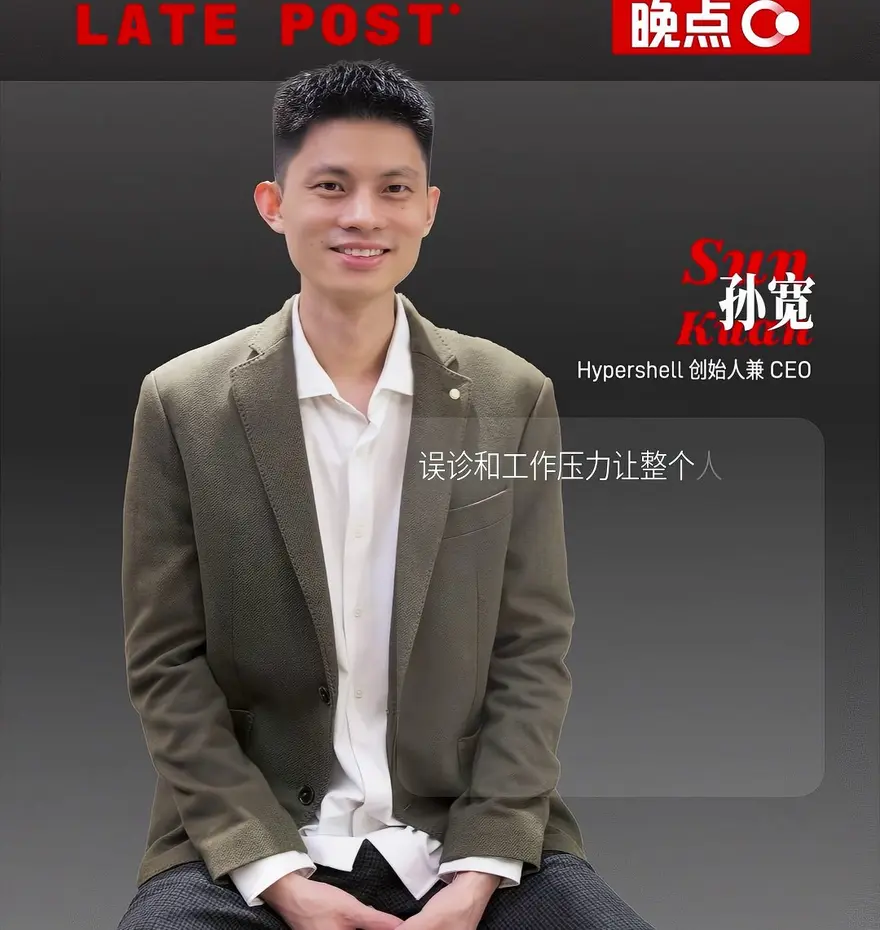
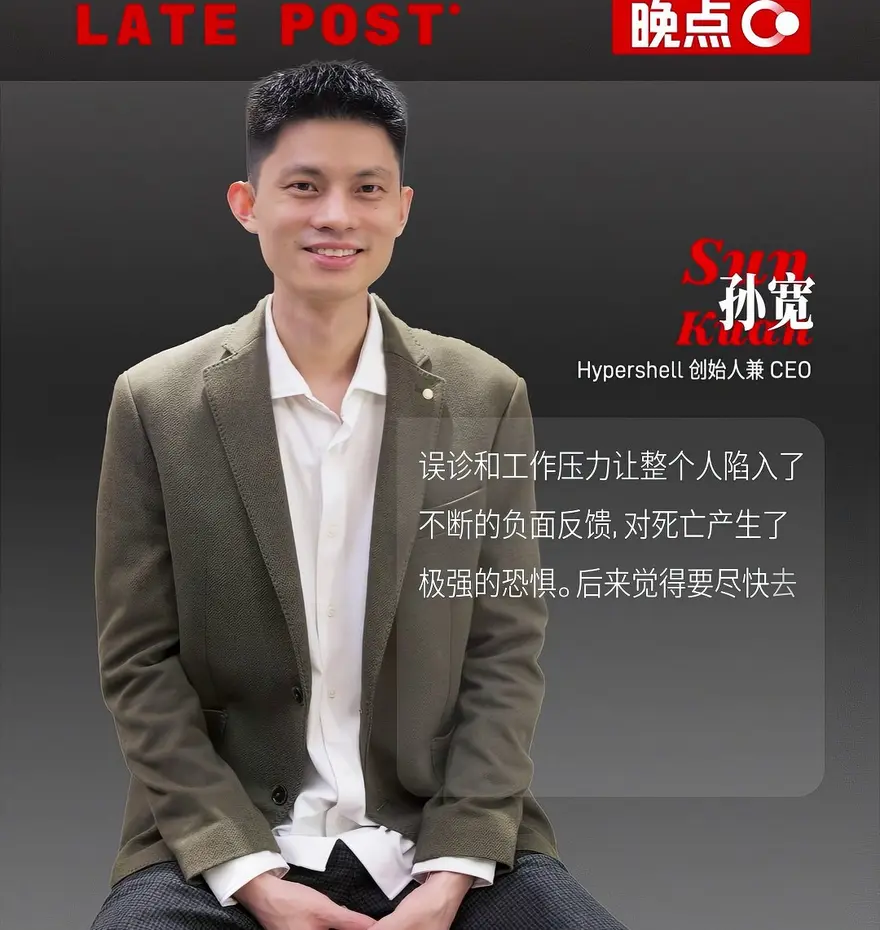
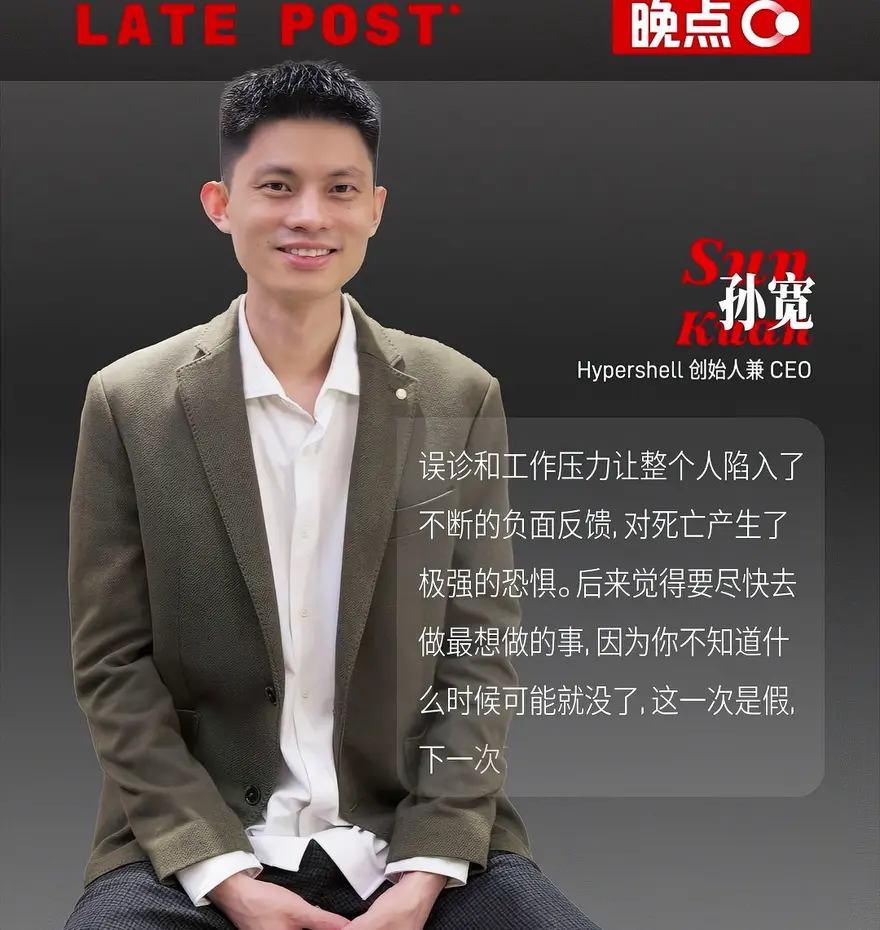
Sun Kuan, founder of Hypershell, is a classic tech guy. Because he loves the mechas and exoskeletons in anime, he named his company "Hypershell". Behind the name is a fondness for "human-machine fusion": not about stuffing a human into a machine, but making the machine an extension of the human body.
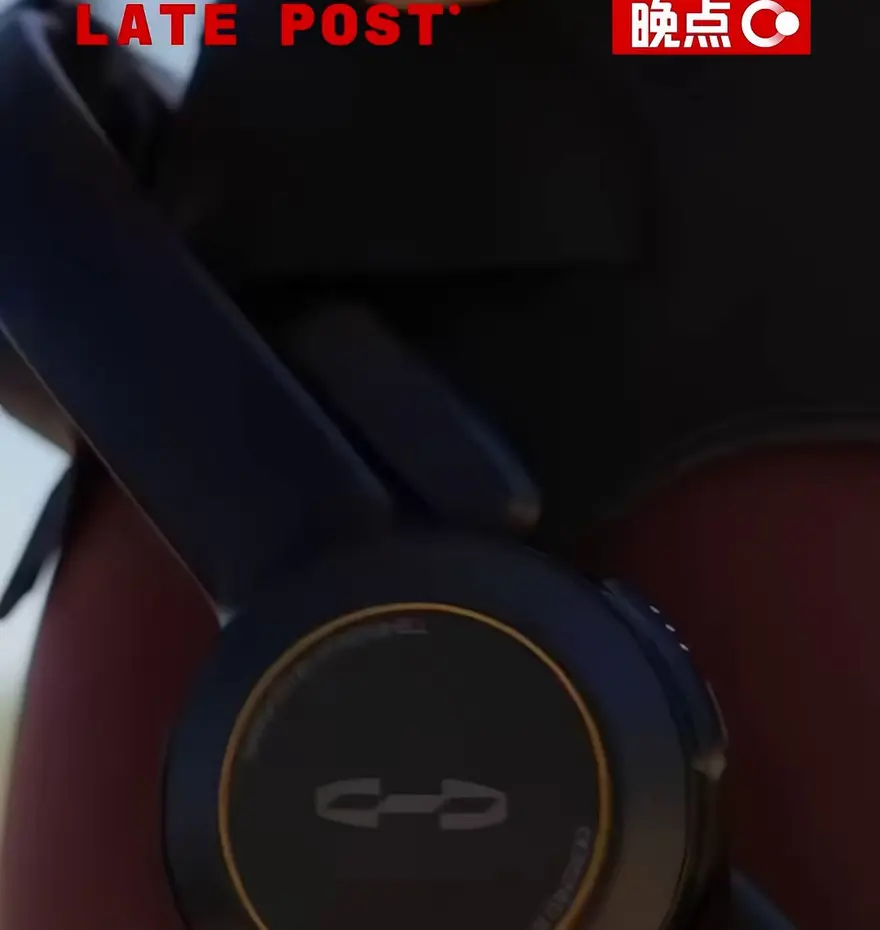
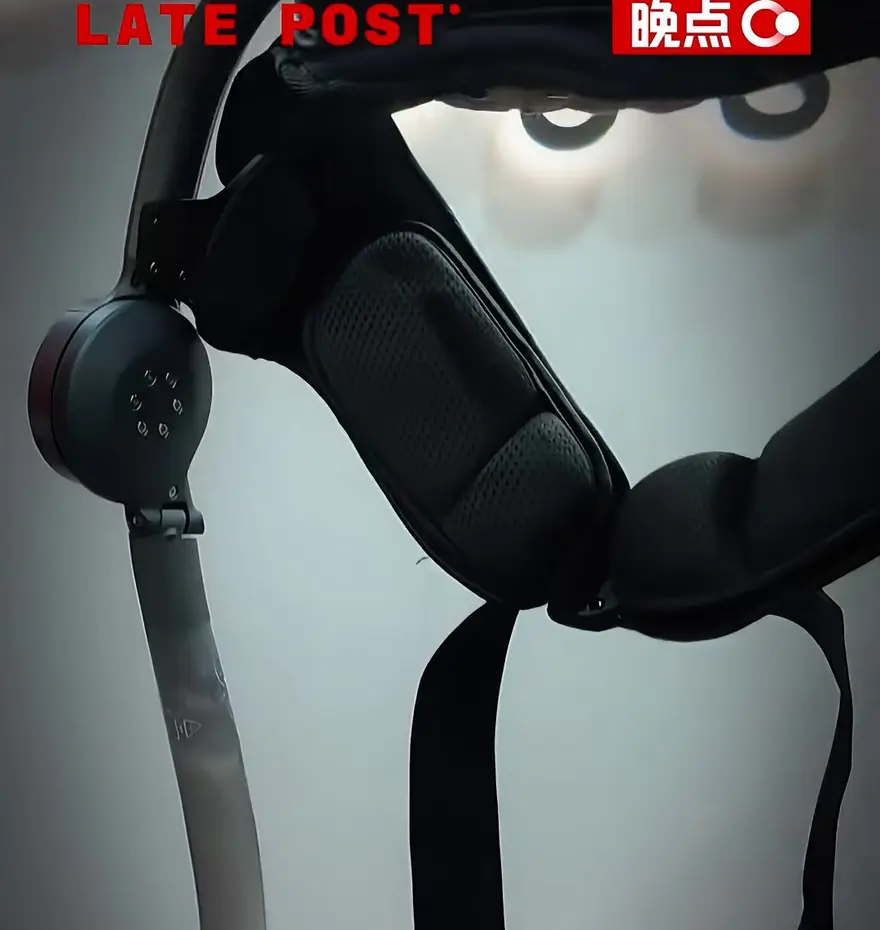
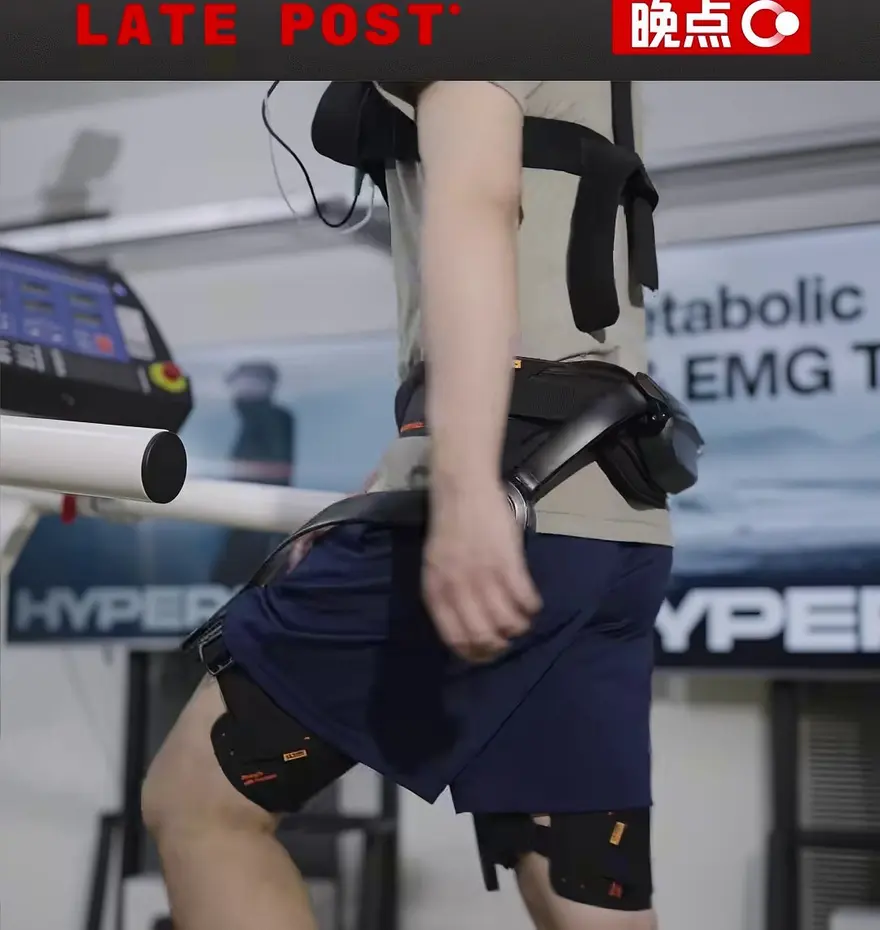
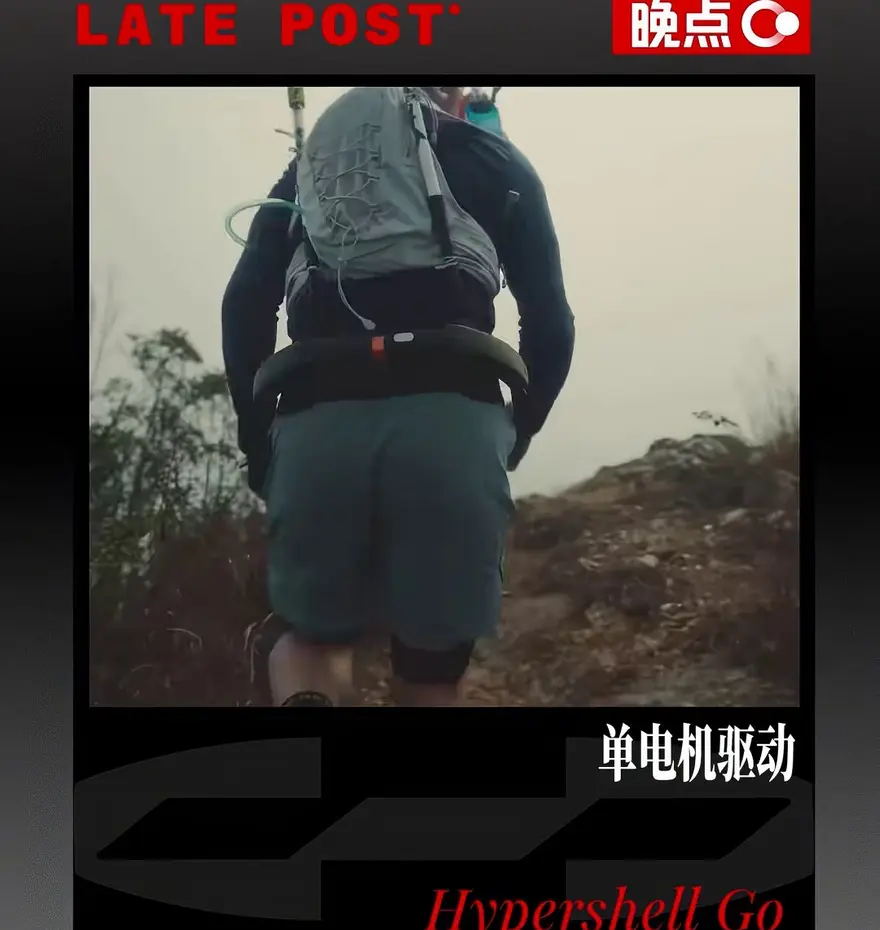
This time, the HyperShell X Pro they've presented doesn't go for a "sci-fi feel" with red and blue LEDs or thick armor. Instead, it's a lower-limb exoskeleton system weighing only about 2kg.

Overall weight: ~2kg (mentioned in video)
Output power: 800W
Joint torque: 32N·m
Counteracted load: up to ~30kg
Reduced muscle effort: ~30%
The significance of these numbers cannot be overstated: traditional industrial or medical-grade exoskeletons often weigh 10kg+, are equipped with high-torque servo motors and a host of sensors, and come with a sky-high price. What the HyperShell X Pro aims to do is "bring it back to consumer-grade":
- Being light means it can be taken to mountains, hiking trails, or up and down stairs.
- Counteracting a 30kg load means it can "support" a fully-packed hiking backpack, a 30L water bladder, or even a child.
- Reducing muscle effort by about 30% means the feeling of sore legs during long-distance trekking will be significantly delayed.

The Real Experience: Unveiling the "Invisible Hand"
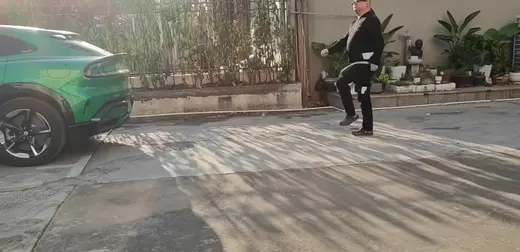
During our hands-on test of the HyperShell X Pro—walking on flat terrain and navigating staircases—the most striking takeaway was clear: unlike many exoskeletons that feel like they are "fighting you for strength," this device gently "lifts and pushes" you at critical points within your gait cycle.
- Flat Ground Walking: A subtle "pulling" sensation around the ankles and calves makes it effortless to extend your stride.
- Stair Ascent: Your thighs and hips feel as though they are being propped up by a hand, akin to having someone behind you giving your leg a helpful boost.
- Stair Descent: The extension feels more pronounced, while the load on your knees is kept well within an acceptable range.
Cranking the assist level to the maximum makes the sensation significantly more intense—evoking a feeling of "being let go" with a slight, almost floating drift. While your legs are still engaged, the primary propulsion has subtly shifted to the motor and algorithms. This is exactly the kind of experience a consumer-grade assistive exoskeleton should deliver.
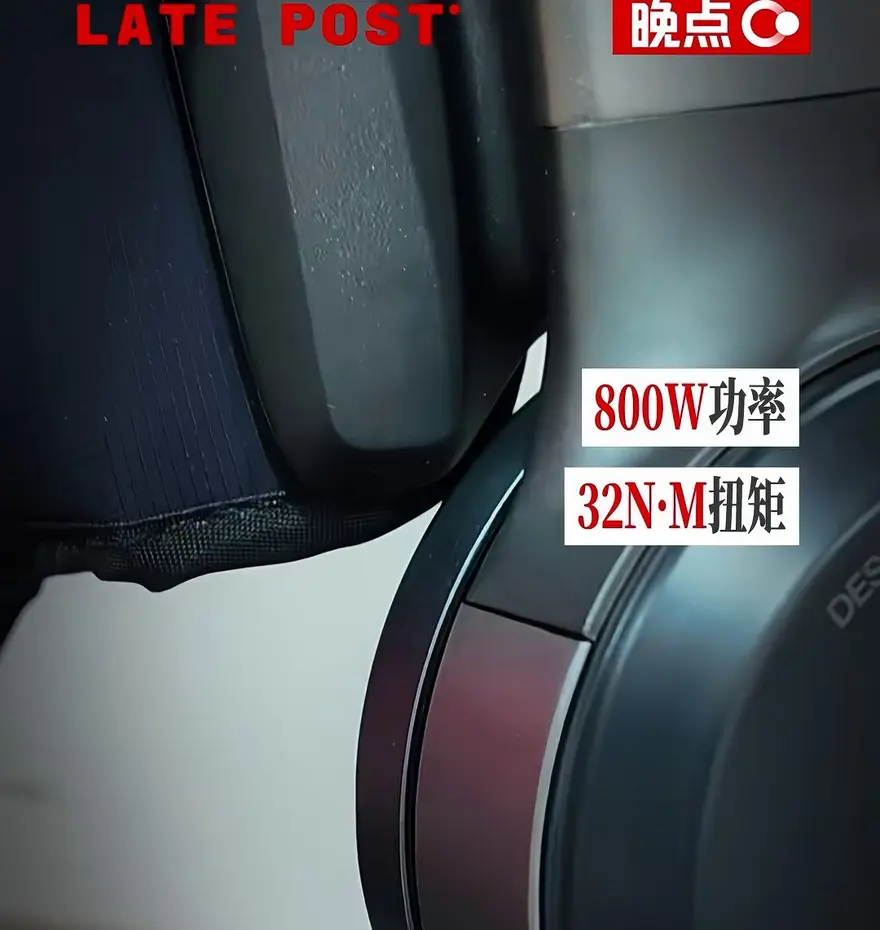
"Climbing the stairs feels like getting a boost from someone behind you, and the pressure on the knees is noticeably reduced when going down."
Why Hiking and Trekking: From "Sports Assistance" to "Seeing More Scenery"
When it comes to product positioning, many hardware companies talk about parameters first and scenarios second. Hypershell is clear about this: the first wave of users for HyperShell X Pro are hiking enthusiasts, trekkers, and outdoor photographers.
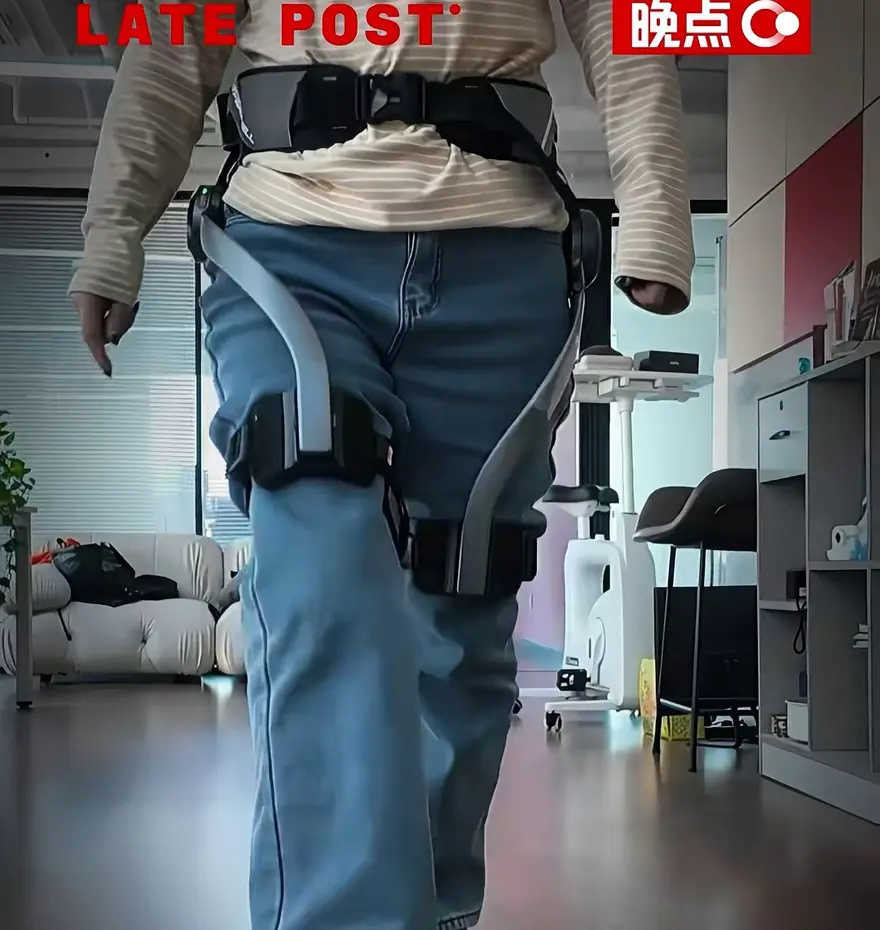
This is both a smart and a pragmatic choice:
- Hiking and trekking are classic scenarios of "high frequency, long battery life, and severe knee strain"
- Outdoor users have a natural willingness to pay for "helping me go further"
- The product can gradually evolve from a "sports assistance device" into an "outdoor exploration tool"
Sun Kuan's words are particularly thought-provoking: they hope to help users "go further and see scenery they have never seen before." This sentiment may sound idyllic, but behind it lies a hard-nosed product rationality: first capture users' minds with the most direct, easiest-to-perceive value — "walking a few more steps."
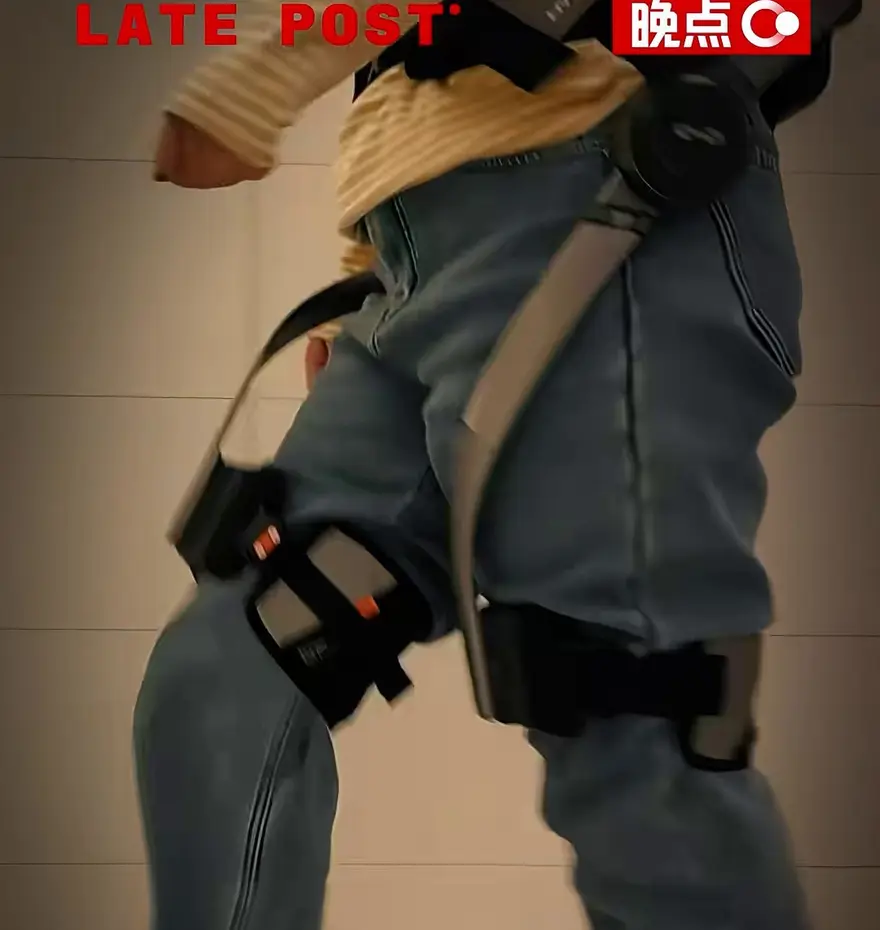
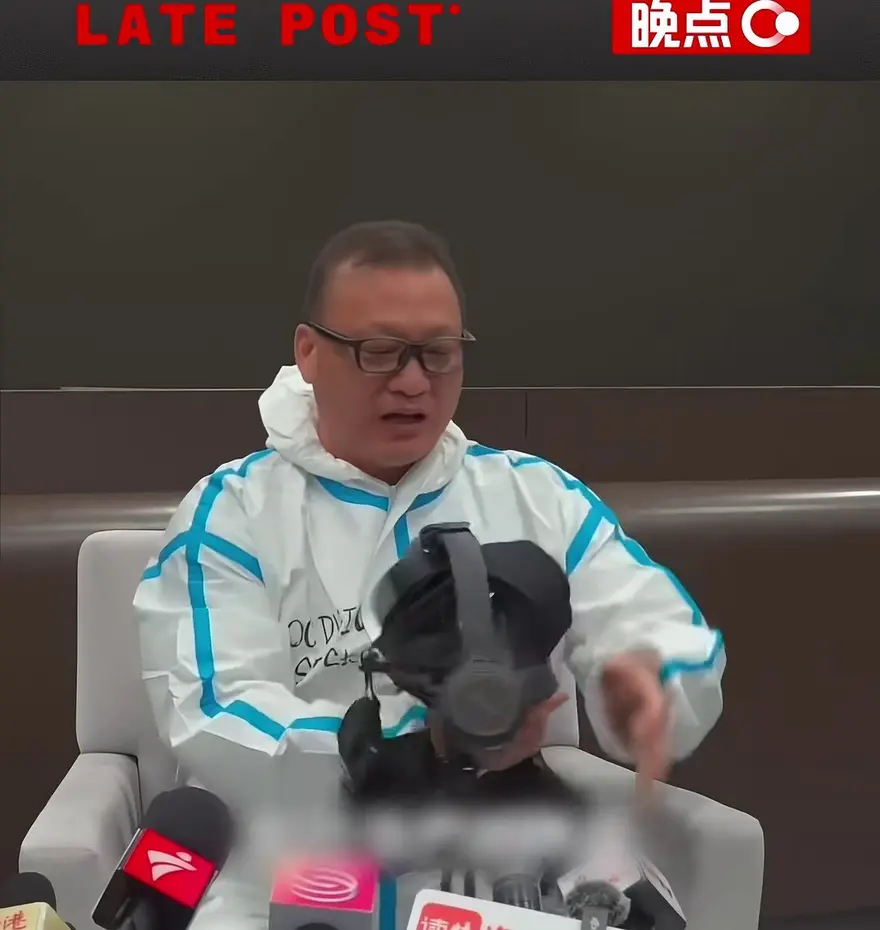
Beyond outdoor sports, Hypershell has made an attempt of even greater public significance — donating 200 exoskeletons to Hong Kong in support of frontline search and rescue personnel, and receiving a letter of gratitude from the Hong Kong Police Force. This is both a brand statement and a signal to broader application scenarios such as medical care, emergency response, and elderly care.
A Highly Counterintuitive Methodology: Skipping the Clinic to Build a "Digital Twin" First
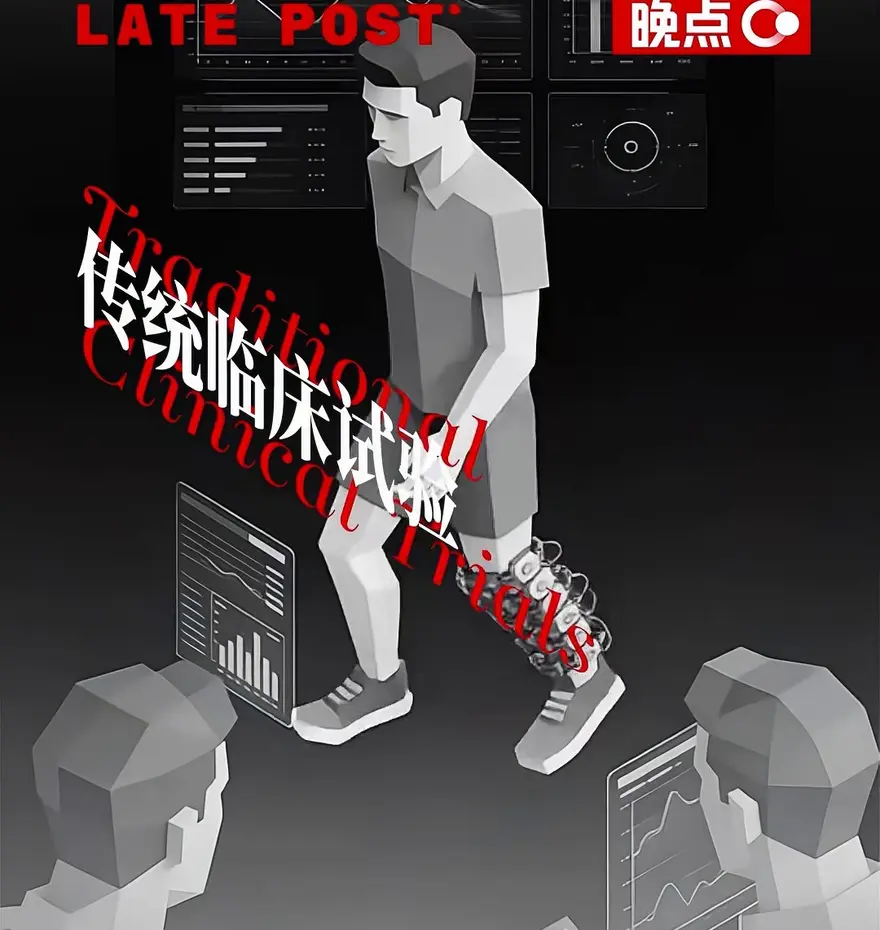
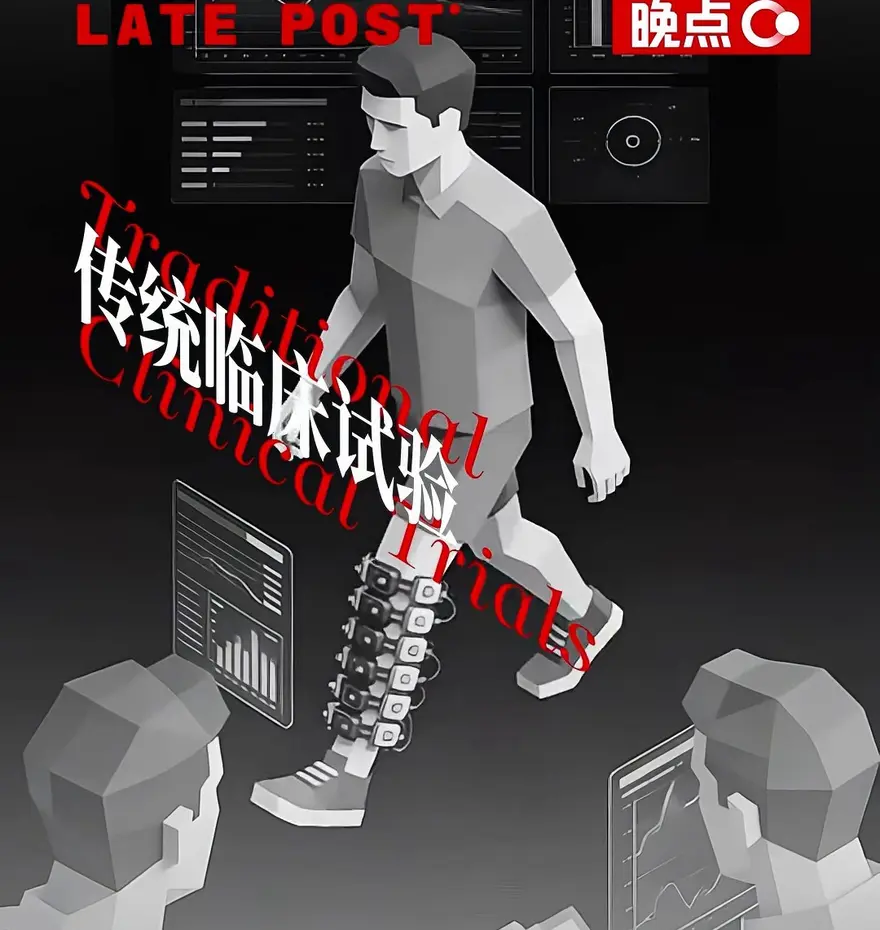
When discussing the methodology behind the product, Sun Kuan didn't dwell much on the traditional path of "how muscles exert force." Instead, he provided a highly counterintuitive answer: they heavily utilize digital models/physical simulation (digital twin) to validate designs, rather than first building a pile of prototypes, purchasing a bunch of sensor (IMU / pressure sensor), and recruiting a group of people for clinical trials.
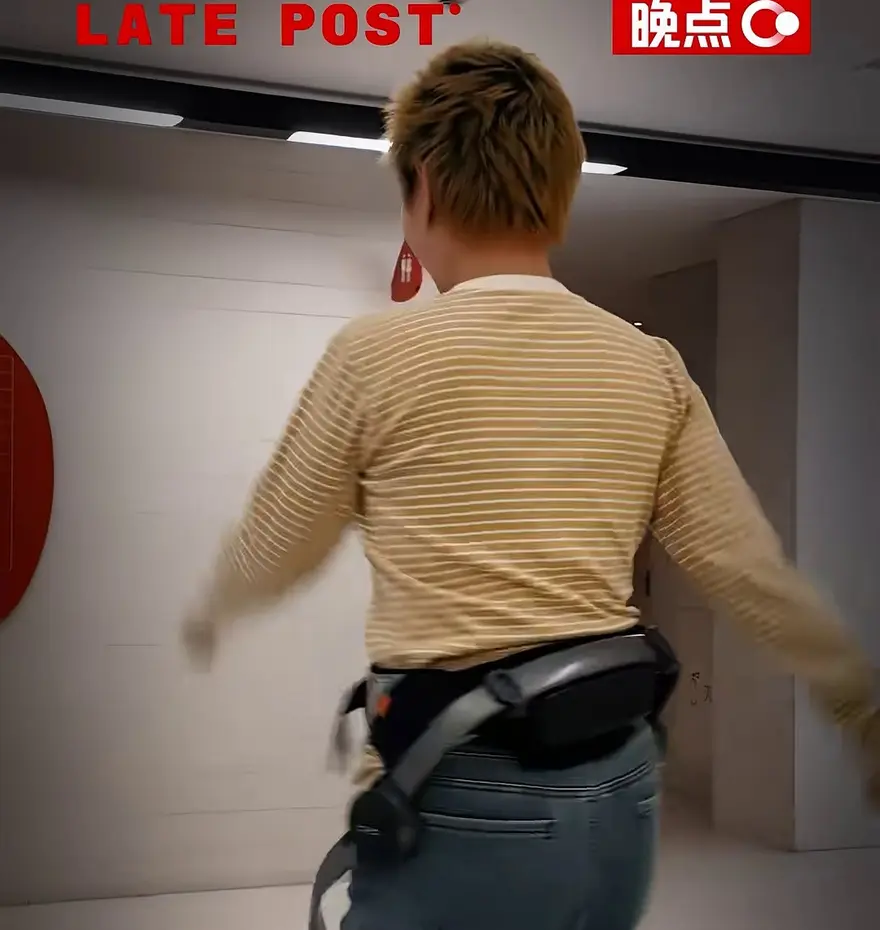
The industry-standard approach typically goes like this:
- Install a large number of sensor (IMU / pressure sensor)
- Collect human motion data
- Conduct clinical validity verification
- Adjust the design based on the results
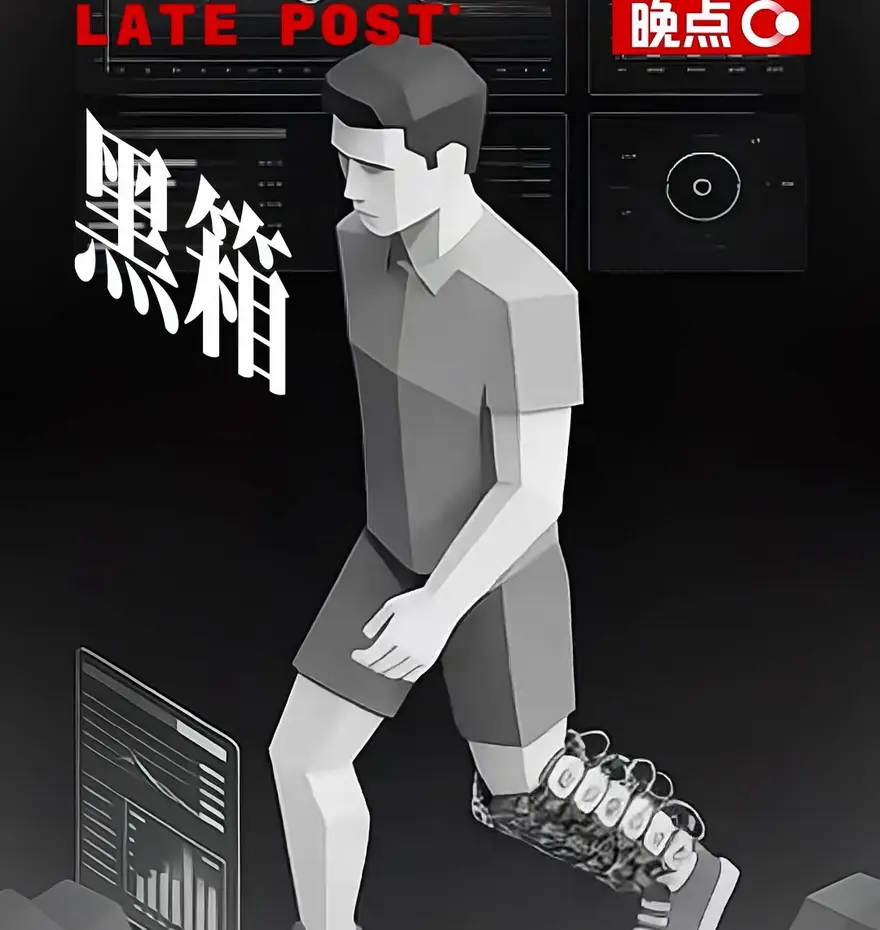
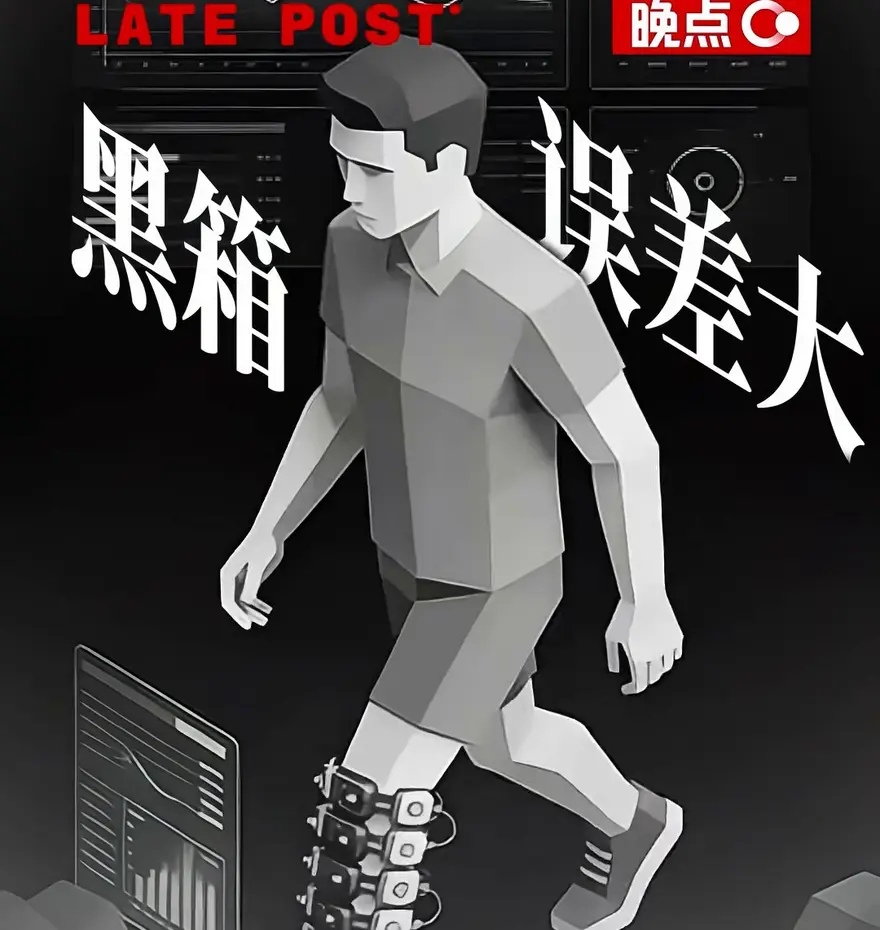
Sun Kuan argues that this path takes too long and is highly inefficient. The human body is a highly complex system, and errors at the sensor (IMU / pressure sensor) level can easily mask genuinely effective information. A more efficient approach is to use simulators to test different structural designs and assistive exoskeleton strategies thousands of times first, and then work backward to determine the most logical physical prototype.
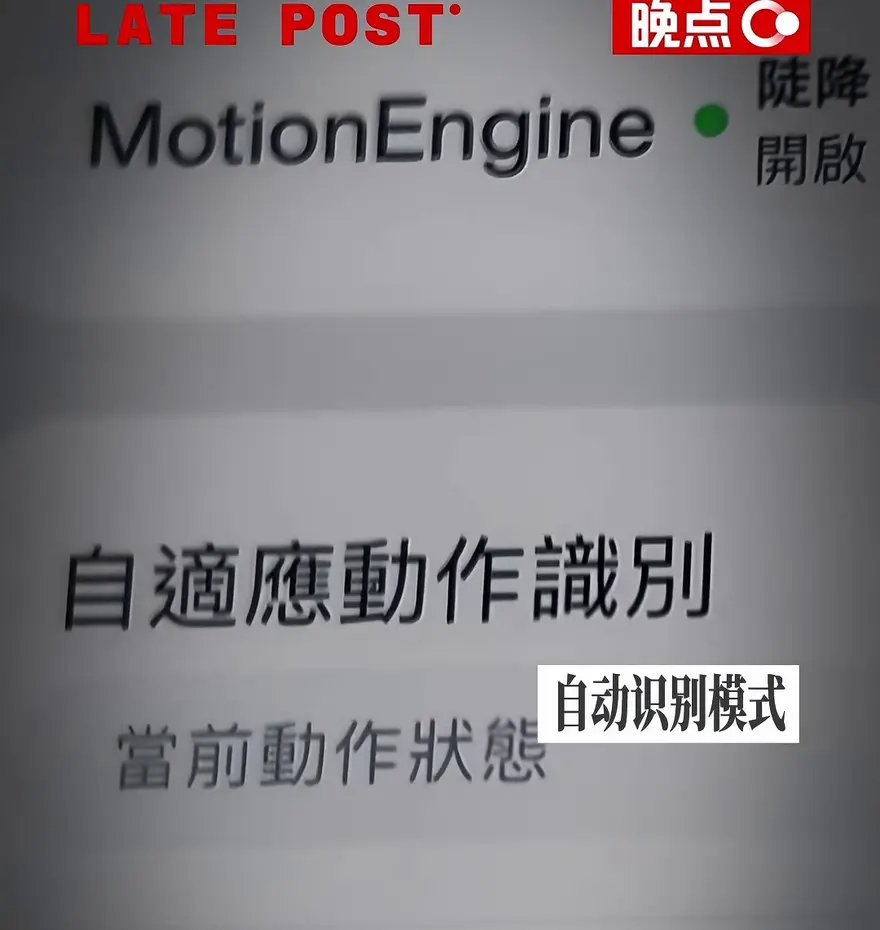
This methodology also explains a crucial product fact:
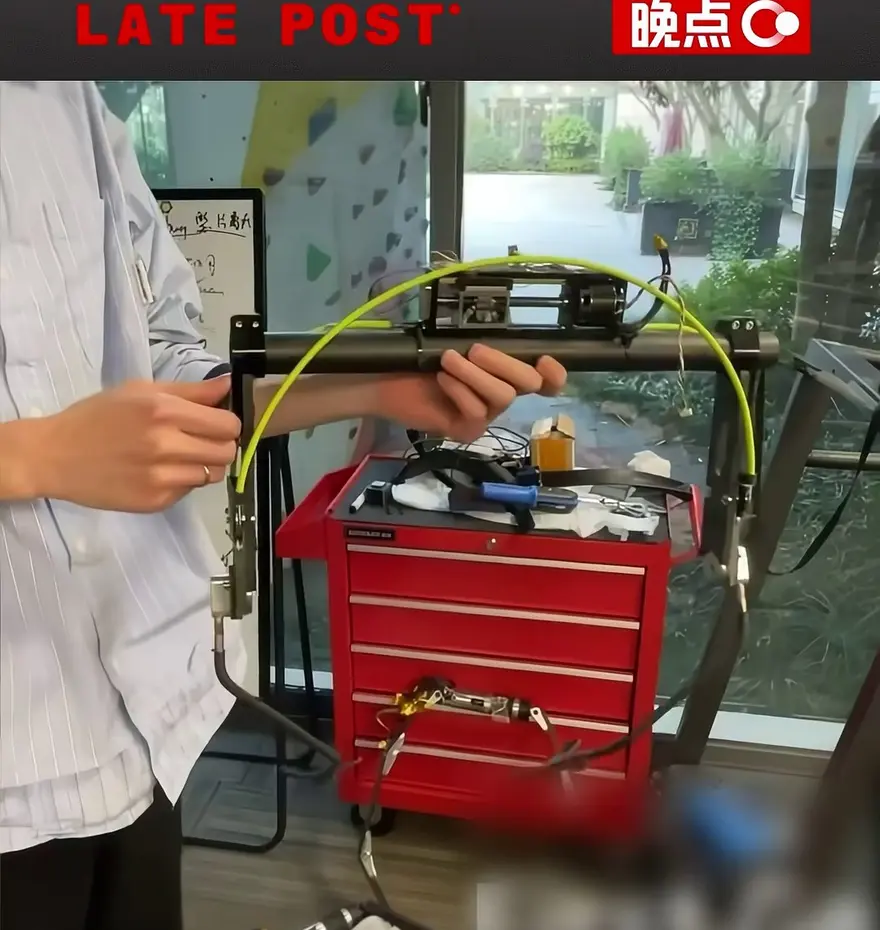
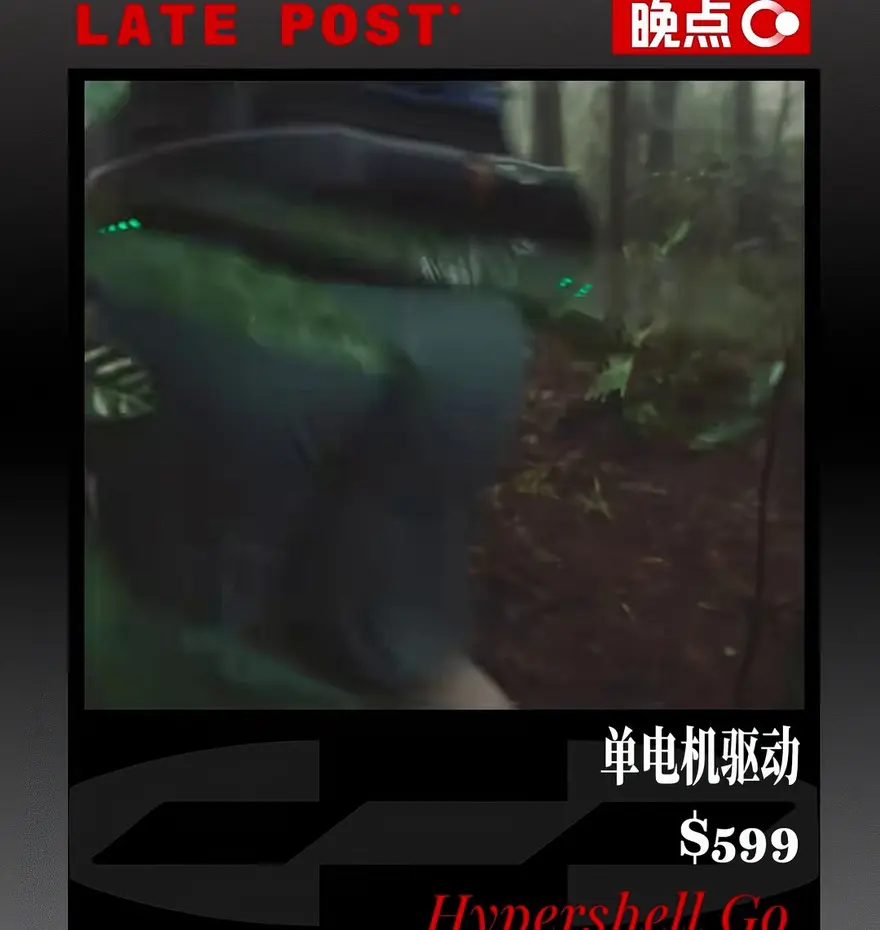
The first-generation product optimized the complexity of the entire lower-limb exoskeleton through a "single motor drive system," while also drastically reducing costs.
This decision might sound like pure "engineer's thinking," but it directly dictated two things: first, the product could be engineered into a 2kg consumer-grade exoskeleton form factor; second, the price wouldn't be prohibitively high like surgical-grade exoskeletons.
Conclusion: The Next Stop for the exoskeleton Is Not About Being Harder, but Smarter
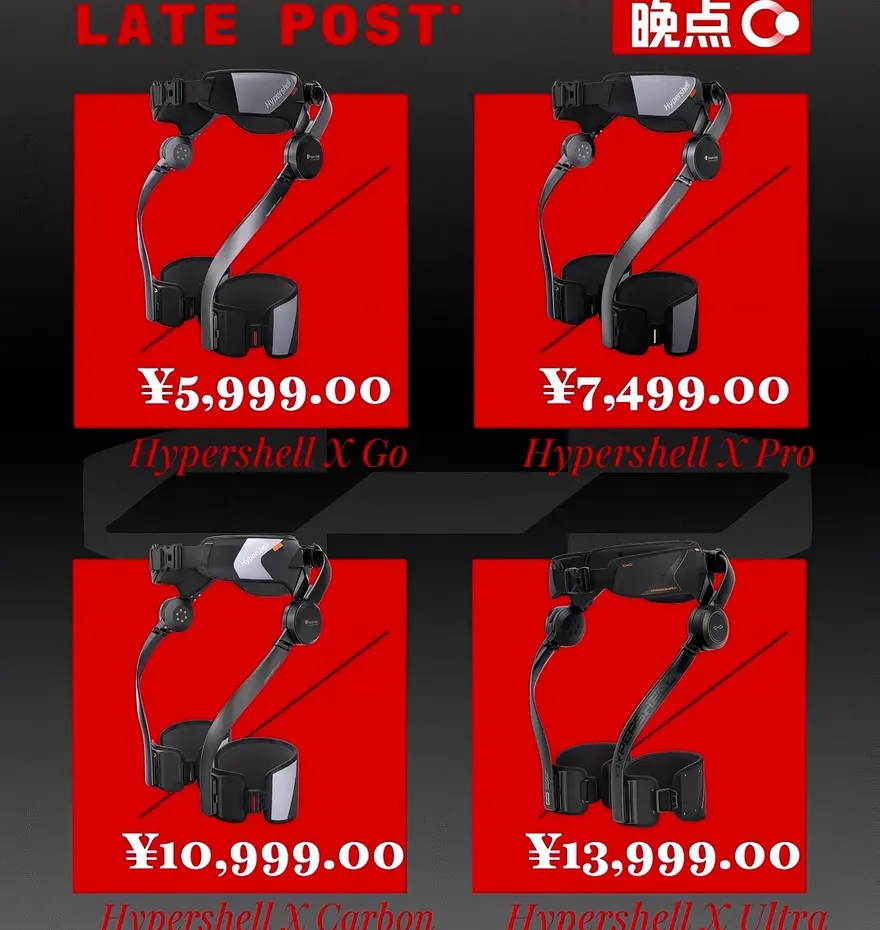
The Hypershell X Pro is not a perfect product; it still suffers from battery life anxiety, price hike controversies, and usage boundary issues. However, it clearly answers an industry question: an exoskeleton should not just be a massive piece of equipment inside a medical rehabilitation room; it can also be a pair of "metal calves" you can easily bring along for urban commuting, countryside trekking, hiking, and camping.

Through the approach of "simulators + minimalist hardware + scenario-based refinement," Hypershell has pulled the exoskeleton away from being "heavy armor" and brought it back to being "lightweight assistive equipment." The significance of this is not merely about whether a specific product fails or succeeds, but rather that the entire consumer-grade exoskeleton track has finally begun to seriously consider the real-world usage scenarios of ordinary people.
One day in the future, if you are heading down a mountain and feel that your knees are no longer aching, and you find you can take slightly bigger strides, it isn't because you have become stronger. Instead, that "invisible hand" has finally walked out of the laboratory to quietly support you.






Top Community Comments
“Great product. It has application scenarios for both sports assistance and elderly care.”
This shows you are looking at the "future scenarios," not just the "features of today." Beyond sports, walking assist for the elderly and community rehabilitation are the next long-term tracks for consumer-grade exoskeletons.
“If an elderly person wears this, will it prevent falls?”
This is one of the most overestimated capabilities of consumer-grade exoskeletons. Fall protection isn't solved simply by a lightweight assistive device; it requires a combination of gait recognition, electronic control strategies, adaptive protection, and even airbags. Current products are better suited for "helping the elderly walk more easily" rather than "guaranteeing they won't fall."
“@Hypershell”
This comment is light, but it demonstrates a fact—when users start searching directly with the brand name for everything from the price to the experience and real reviews, the consumer-grade exoskeleton category can truly be considered to have moved from "geek toys" to having real "product power."
One-Sentence Summary
HyperShell X Pro embodies a crystal-clear product philosophy: rather than building the heaviest, most powerful exoskeleton on the market, it focuses on crafting an exoskeleton that simply lets you "walk a few more steps." For outdoor hiking and mountaineering enthusiasts, as well as "early adopters" looking to seriously dive into a consumer-grade assistive exoskeleton, this video is definitely worth a watch.
About this article: part of Chinese-Made Exoskeleton Review Archive — an independent, regularly updated English archive of reviews of consumer exoskeletons made in China, edited from publicly available video transcripts. Not an official manufacturer page.
For inquiries and purchasing, contact lonlonago@foxmail.com. More in Exoskeleton · All articles.