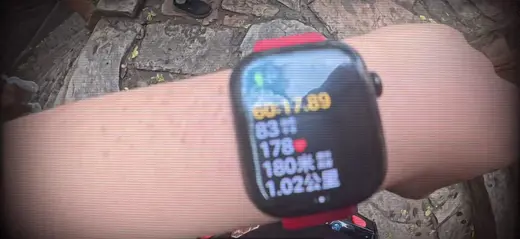
6-Level AI Assist in the Wild: How Hypershell's Consumer-grade Exoskeleton Makes Lifting Your Legs Feel Effortless
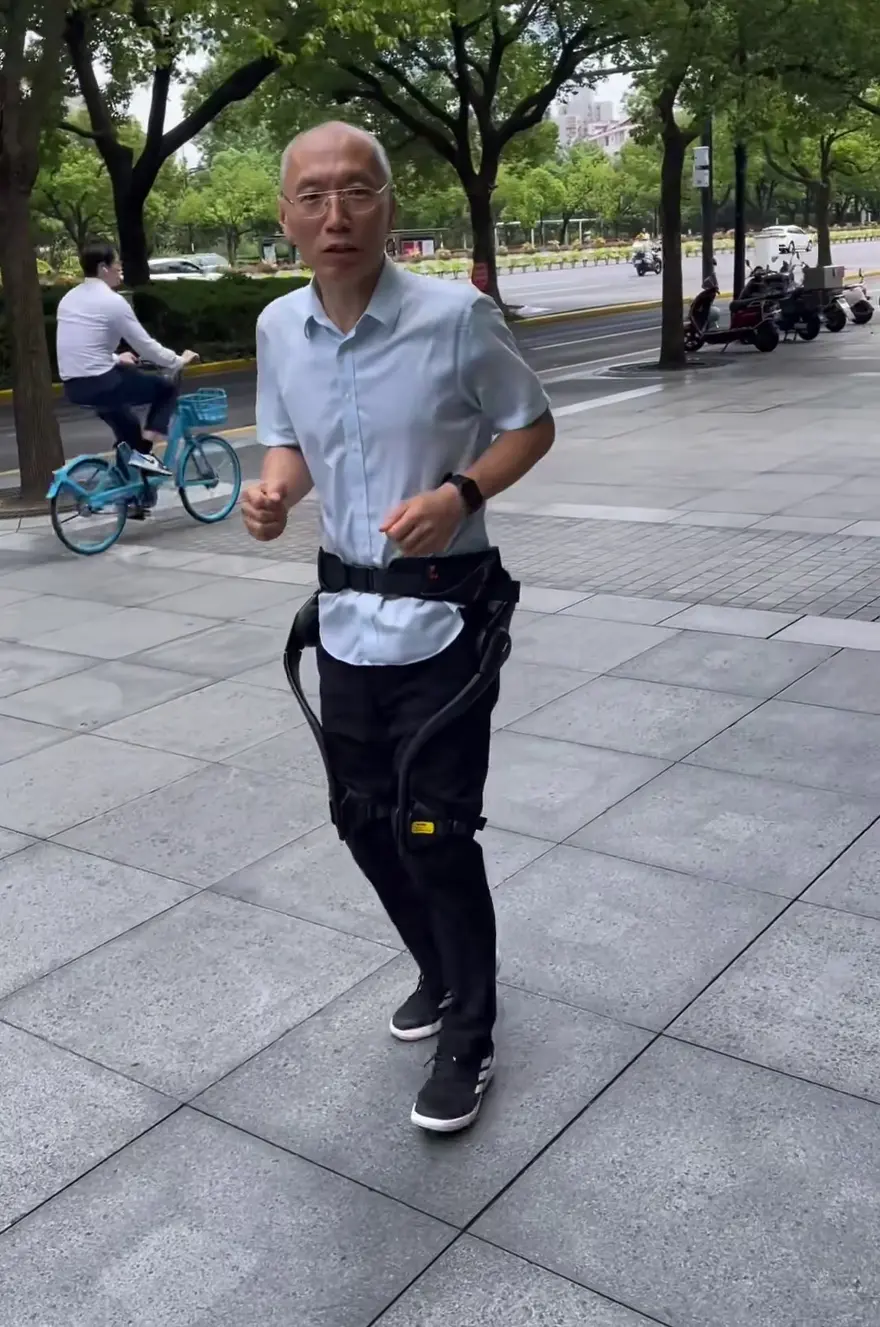
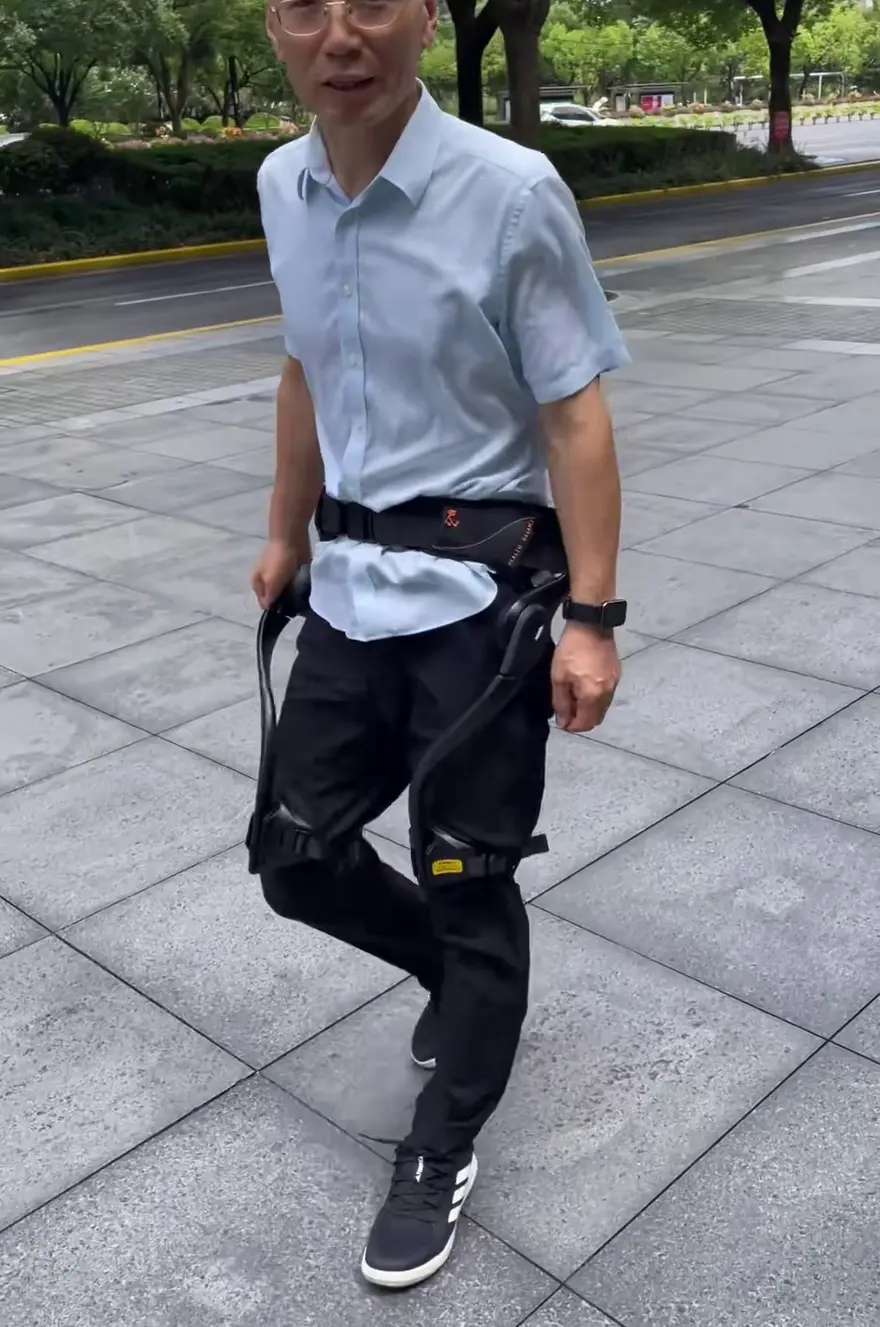
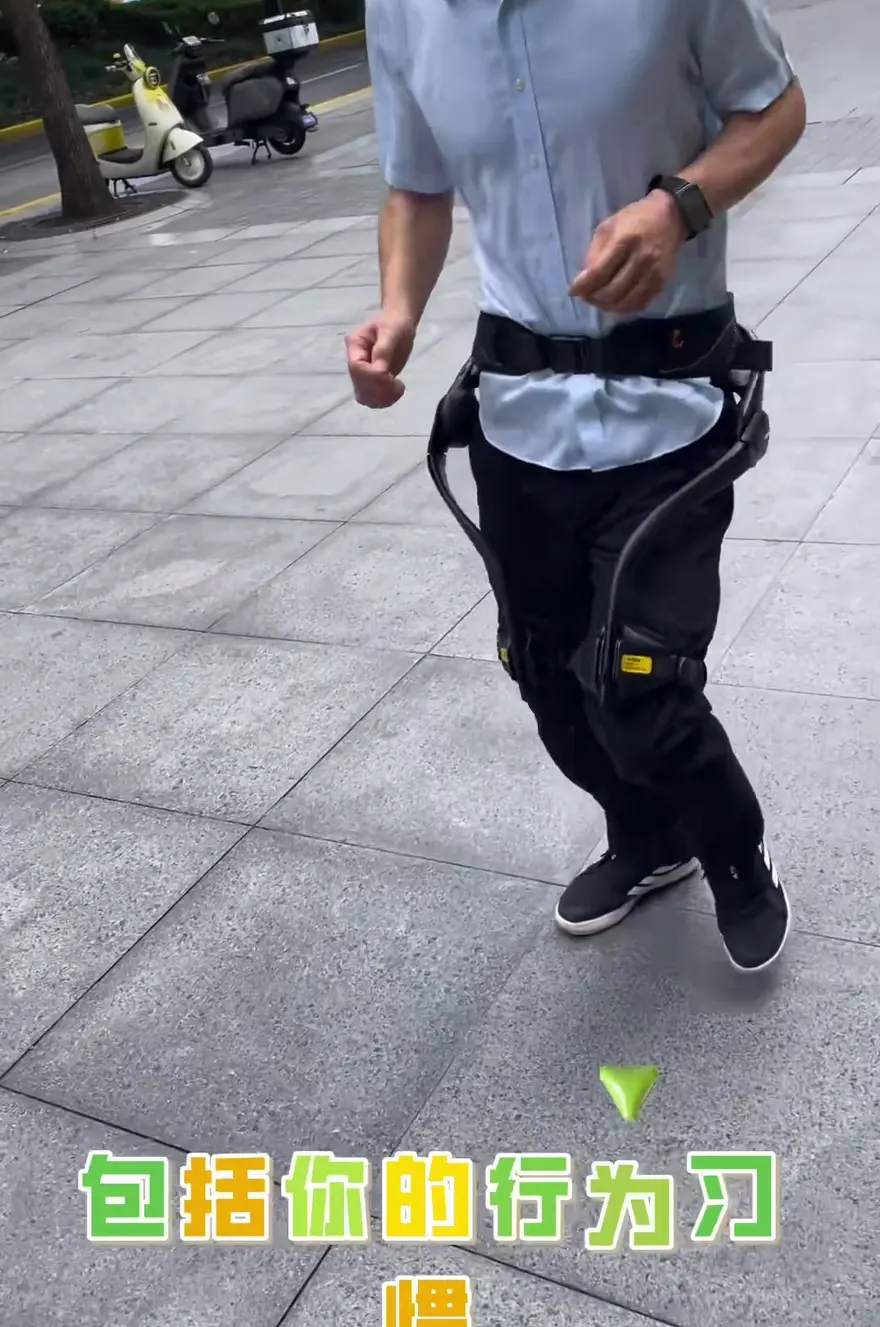
In a recent review video online, the creator unboxed an assistive lower-limb exoskeleton from Hypershell. Unlike the bulky rehabilitation exoskeleton we're used to seeing in clinics—tethered to heavy gear—this one is built for consumer-grade use. Its core promise is razor sharp: it won't walk for you; it helps you lift your legs.
From a gentle start to peak boost, it’s a wearable robot that takes assistive muscle support to the next level.
Unboxing First Impressions: What Is a "Consumer-Grade Exoskeleton"?
Right at the beginning of the video, the host explains the working logic of an exoskeleton to the testers.
The purpose of an exoskeleton is not to restrain you, but to coexist with you. You need to adapt to it, and it is also learning your gait.
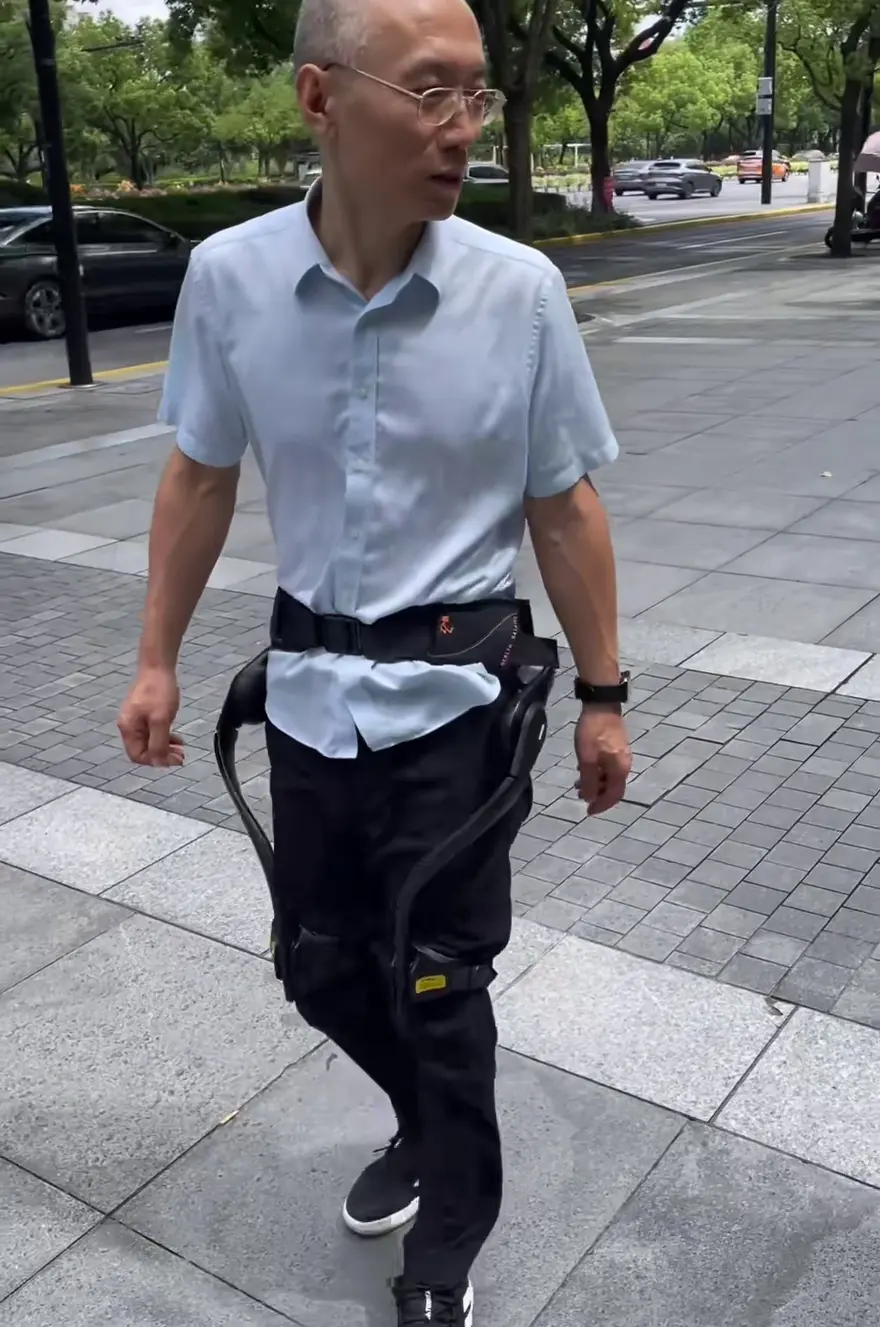
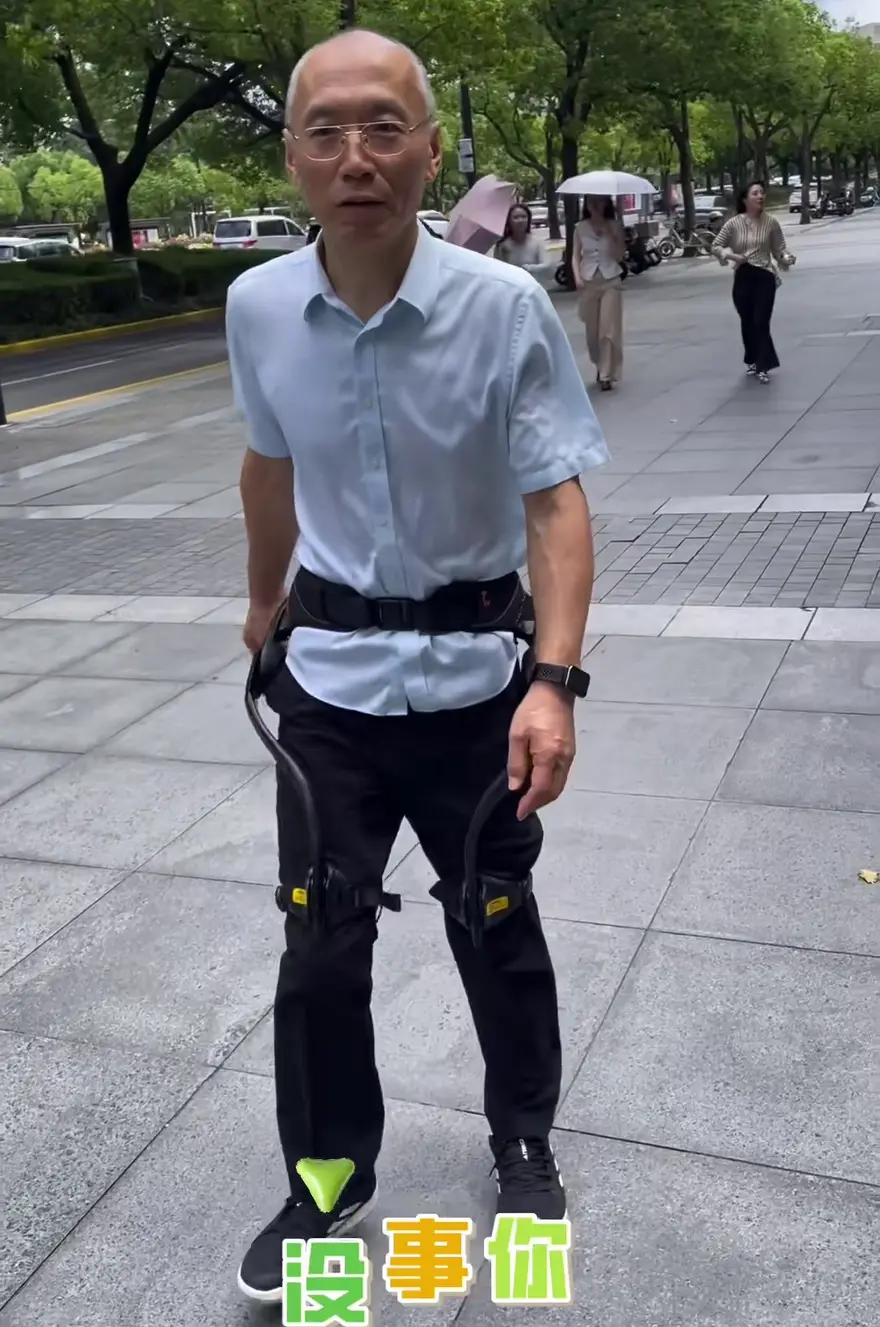
The design of this Aoshuai exoskeleton abandons the complexity of medical devices and leans more towards a sports-tech product. It is a typical assistive exoskeleton / walking-assist exoskeleton (assistive / walking-assist exoskeleton), primarily targeting individuals with difficulty exerting force in their lower limbs who require hiking / trekking assist.

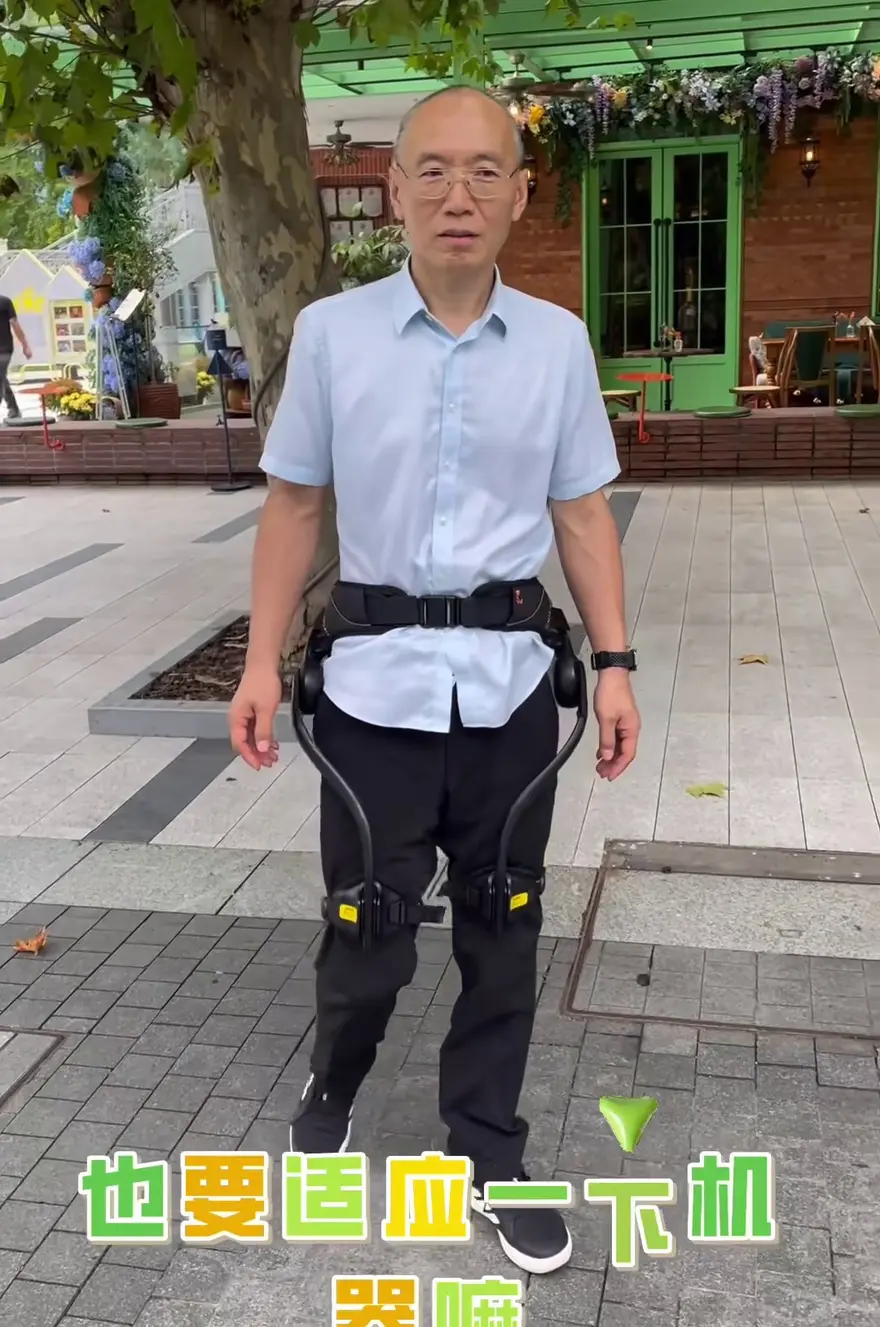
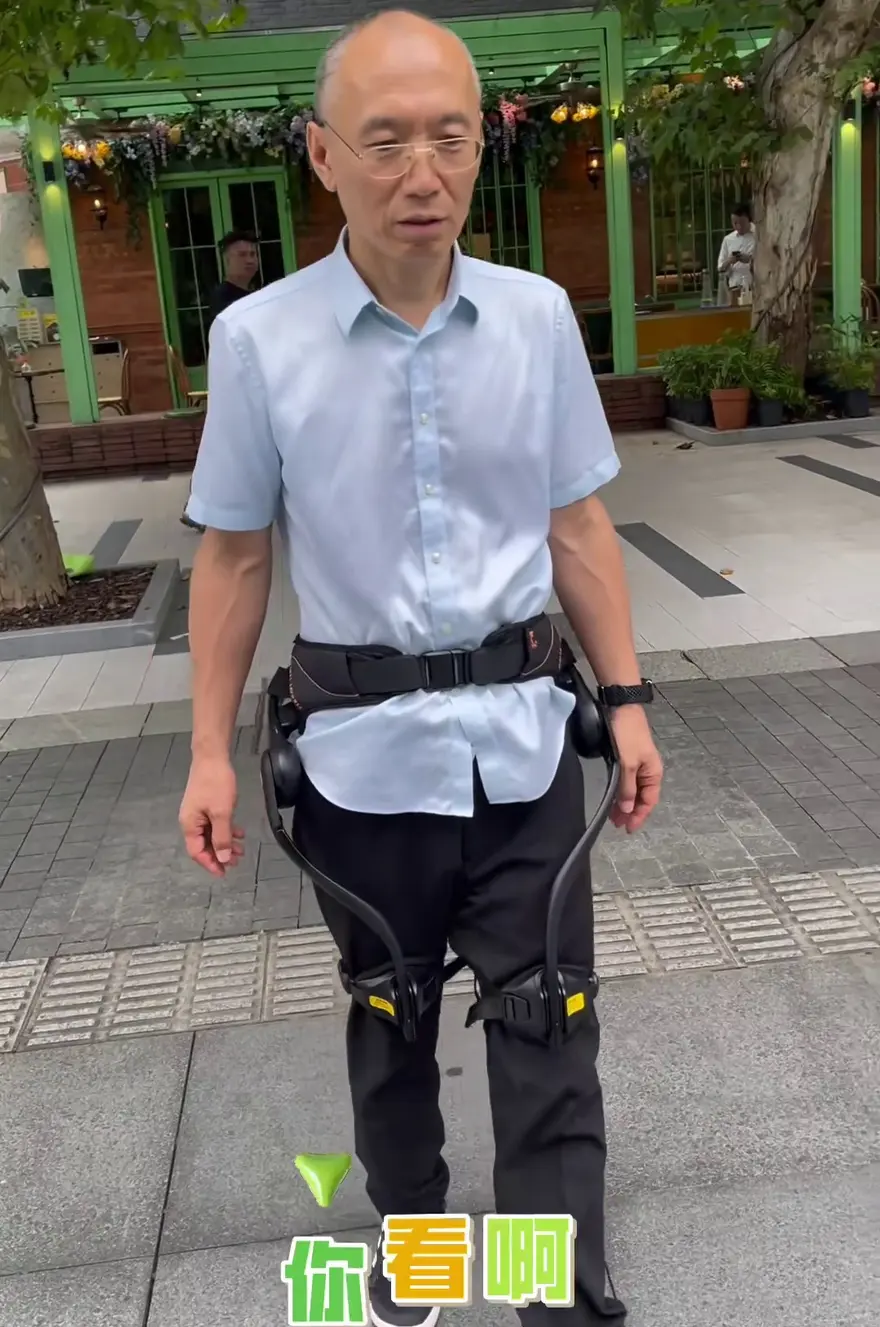
By comparison, what we typically see in hospitals are rehabilitation exoskeletons (mostly medical-grade), mainly used for gait reconstruction in paralyzed patients. They are not only expensive but also require a body-weight support suspension system. This product, however, is a consumer-grade exoskeleton (consumer-grade exoskeleton) focused on "wear and go" convenience, providing real-time assistance for daily commutes and sports.
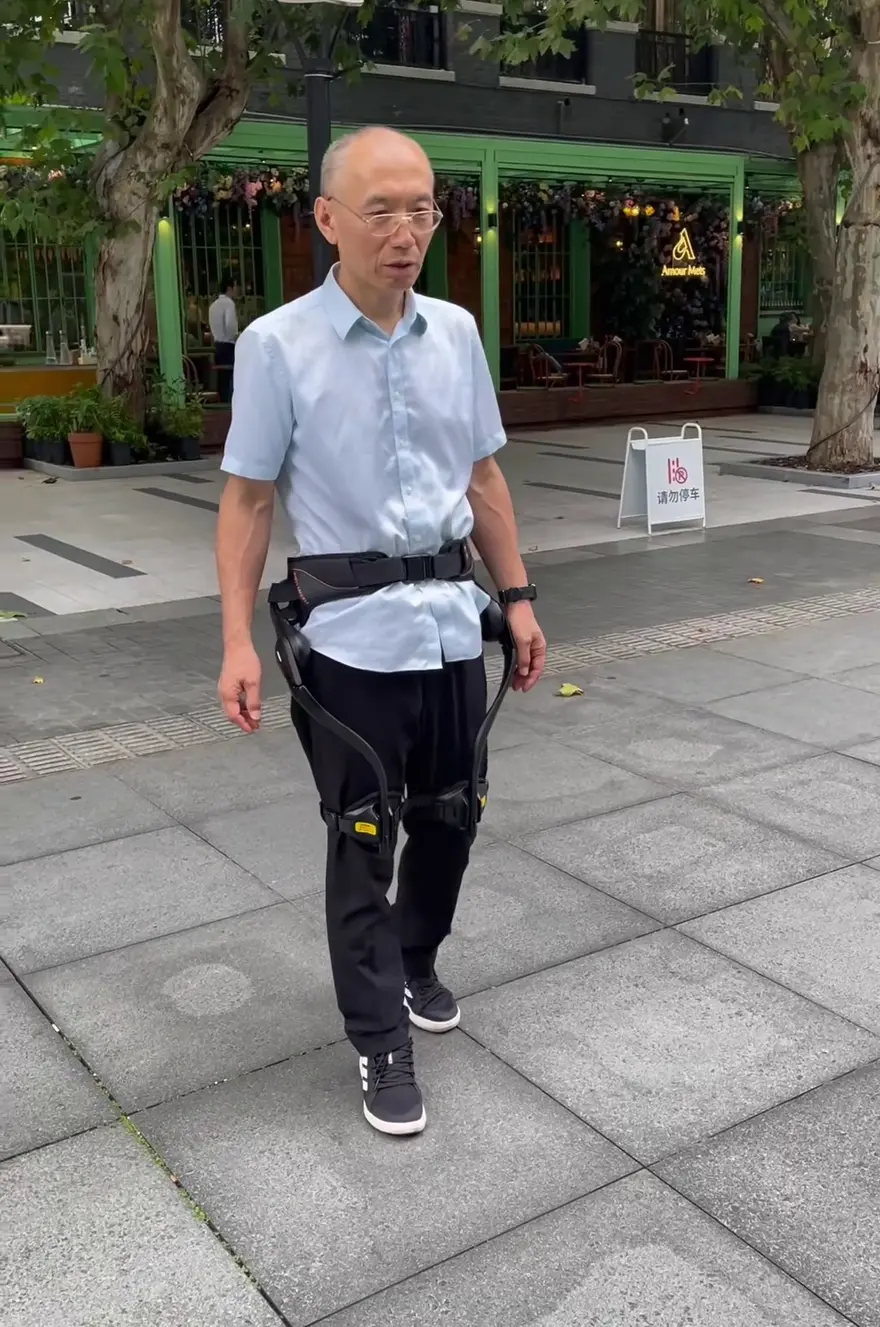
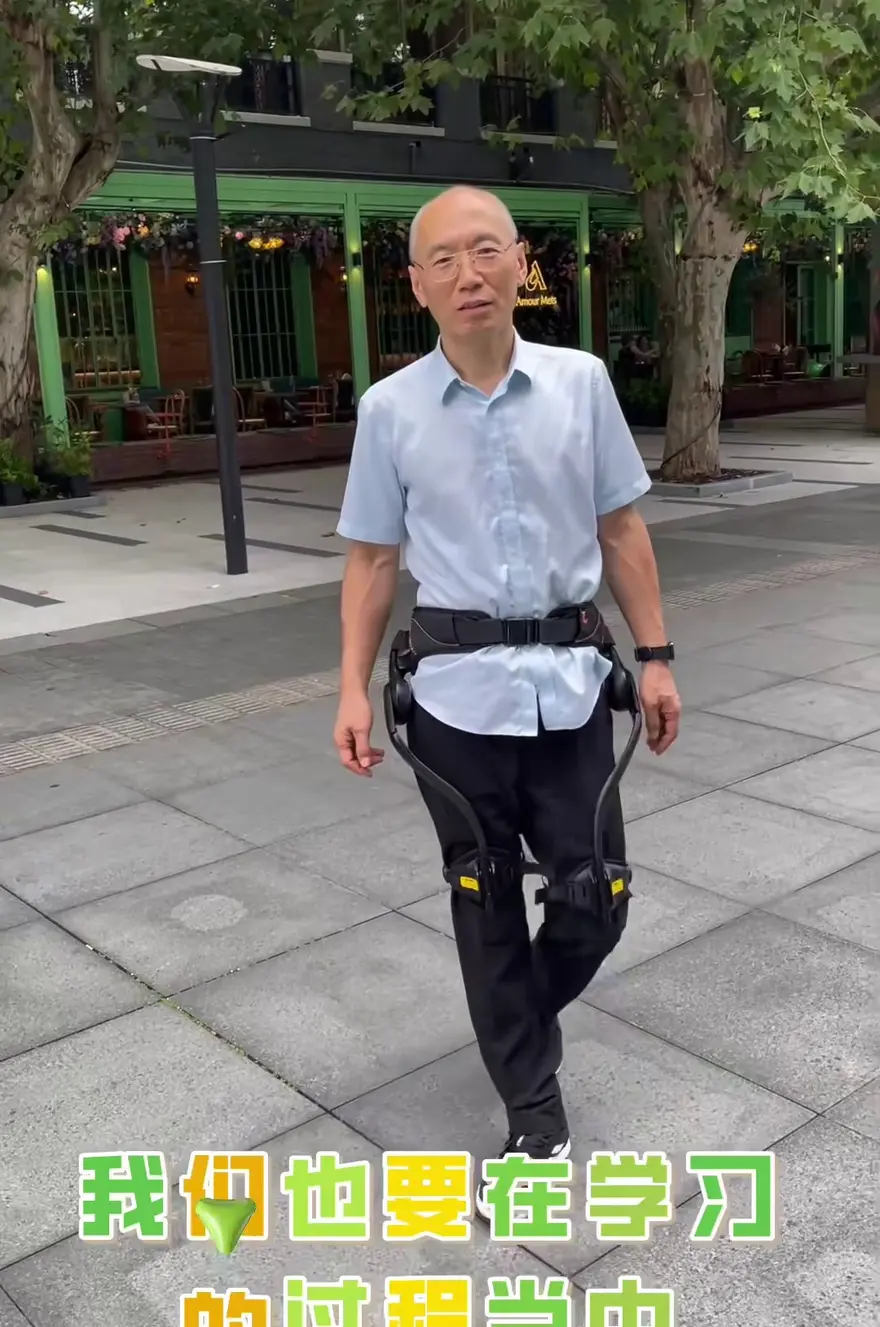
Core Experience: Assistive Leg Lift and Tier Adjustment
When the tester took the first step indoors, the first thing they felt was the assistance from the device.
“It definitely helps lift the leg and provides assistance.”
“We are currently running a low gear. The strength hasn't peaked yet.”
The most critical value of an exoskeleton for walking assist is providing a "lifting force". For those with easily fatigued thigh muscles and an unstable gait, this upward lifting force significantly reduces the energy expenditure of walking. The device utilizes a servo motor to provide upward thrust at the knee and thigh.
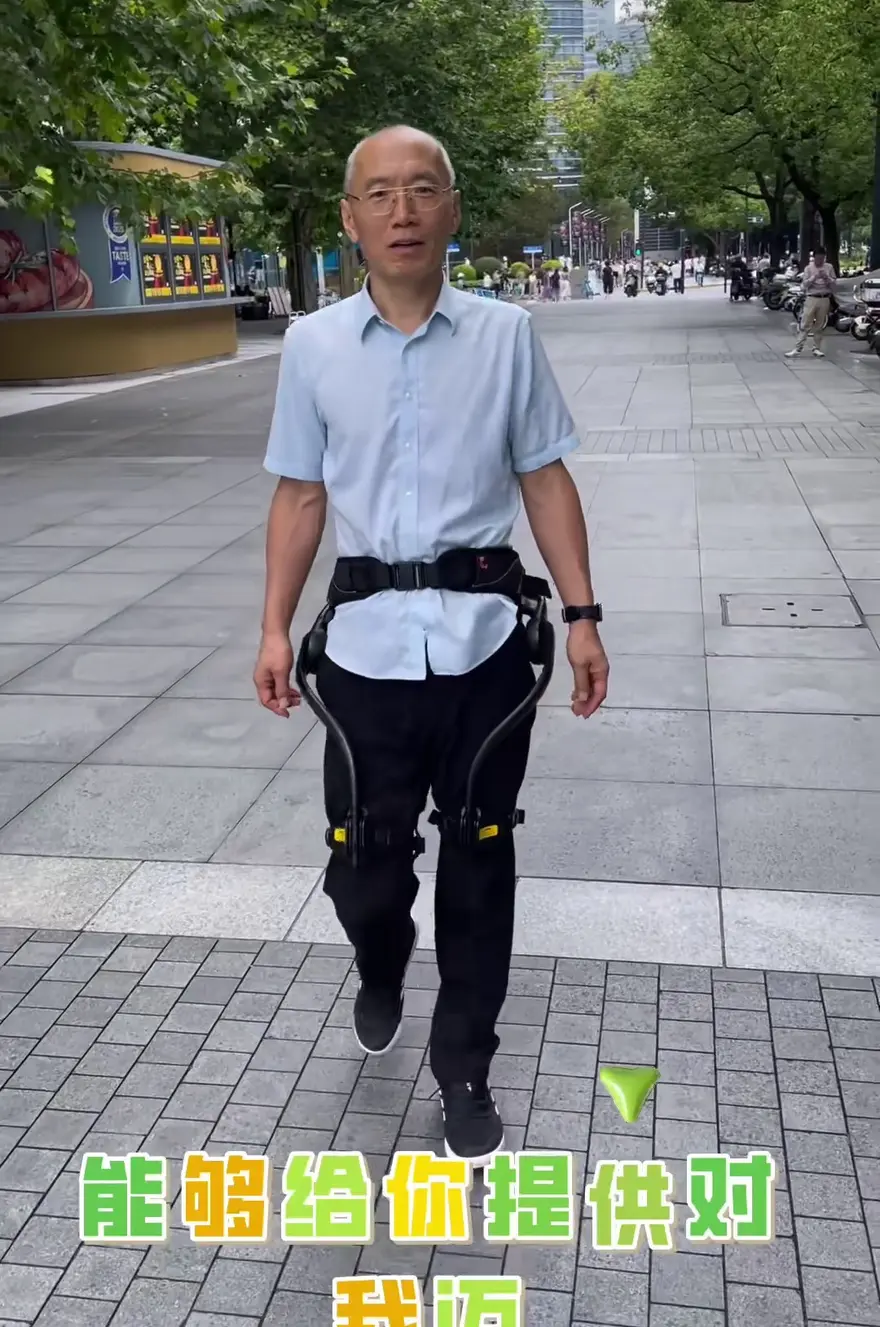
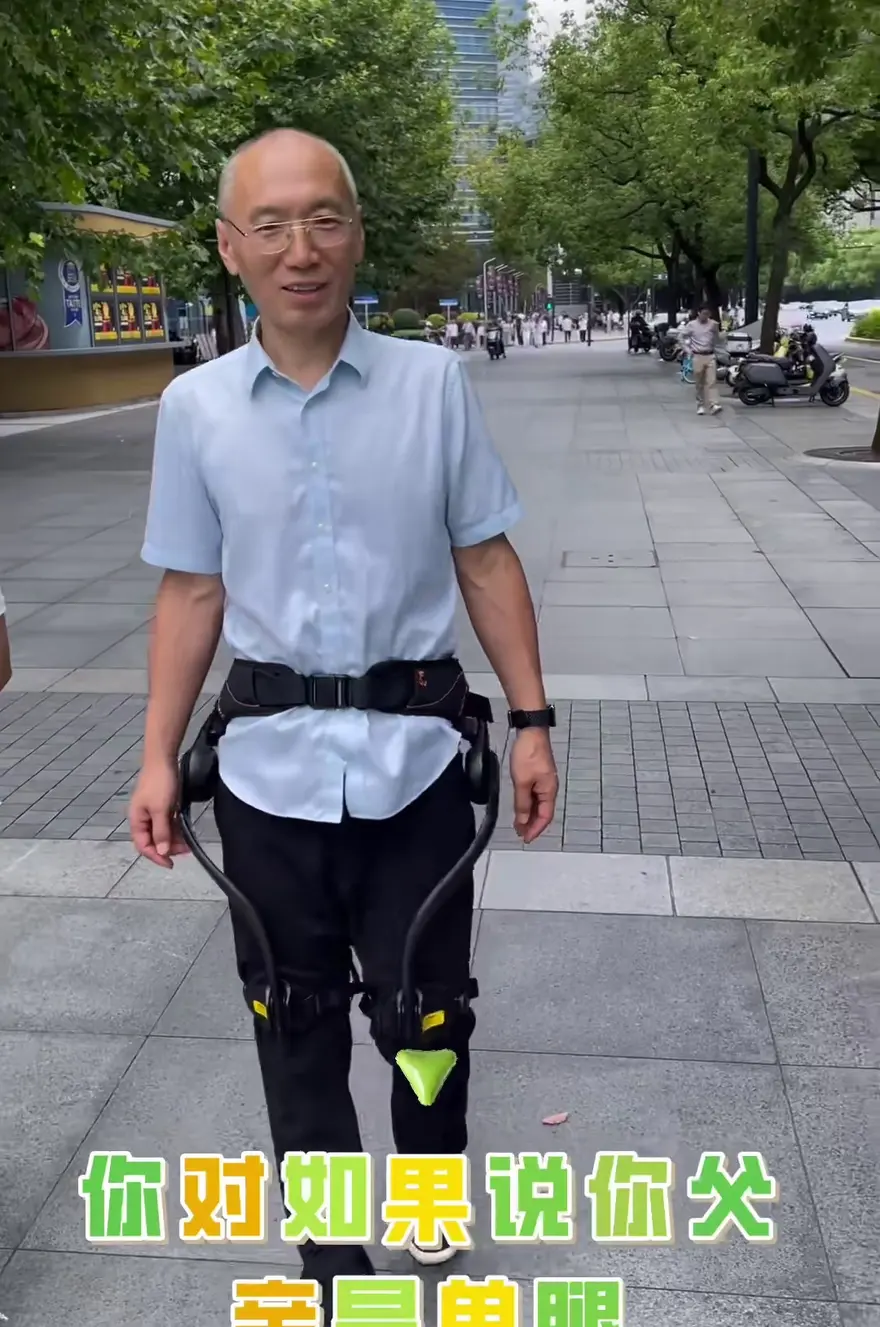
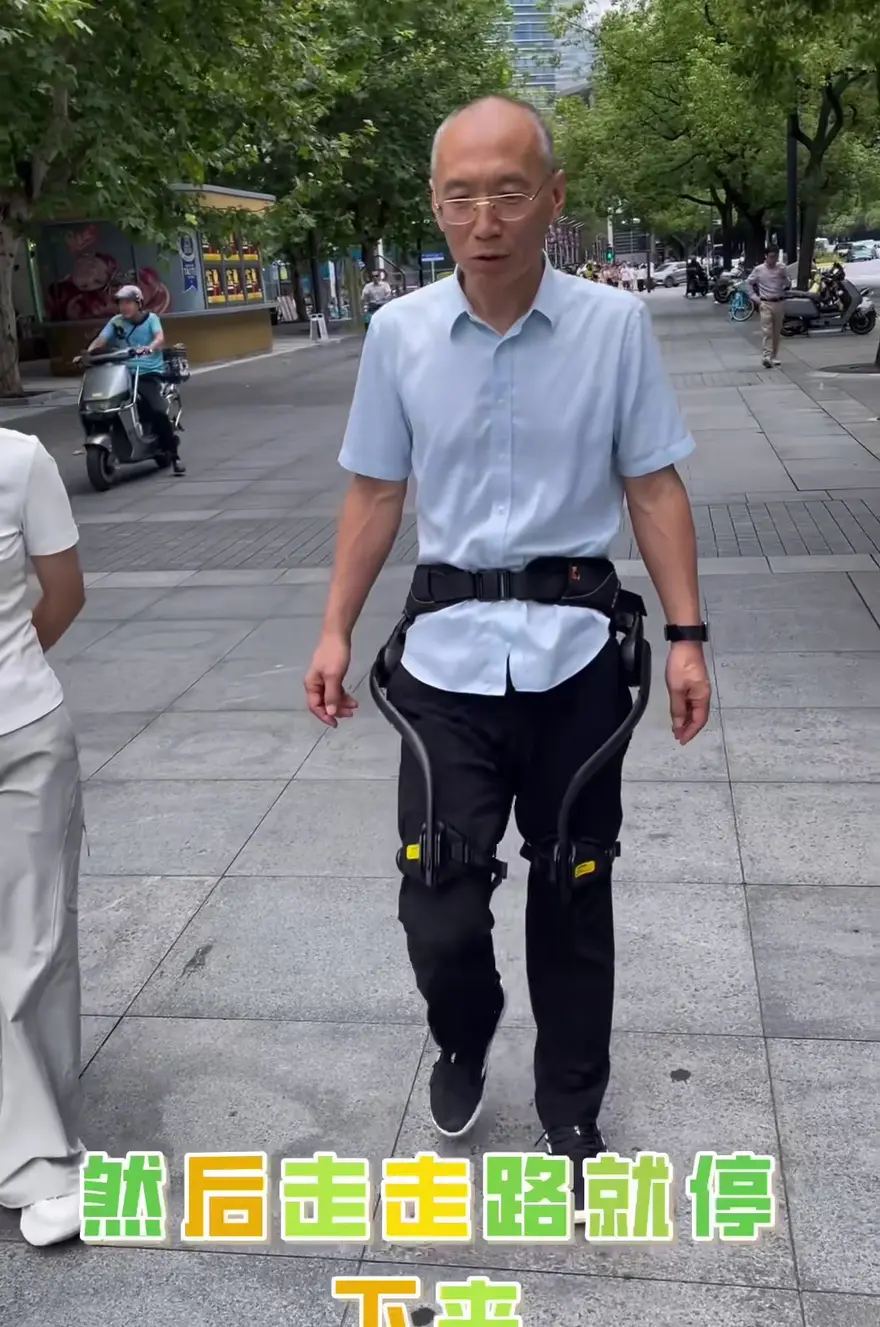
As the experience progressed, the reviewer adjusted the device's maximum assistive tier on-site.
“I’ll bump the gear up for you. We are at gear three right now; the maximum is gear six.”
“Normally, [the device] hits the peak assist at gear six.”
Adjusting the tiers is highly intuitive, and the assistive effect is immediate. At low tiers, the device feels almost like a gentle, sweeping push; but when you crank it to the maximum, the explosive joint torque makes you distinctly feel your thighs being forcefully lifted.
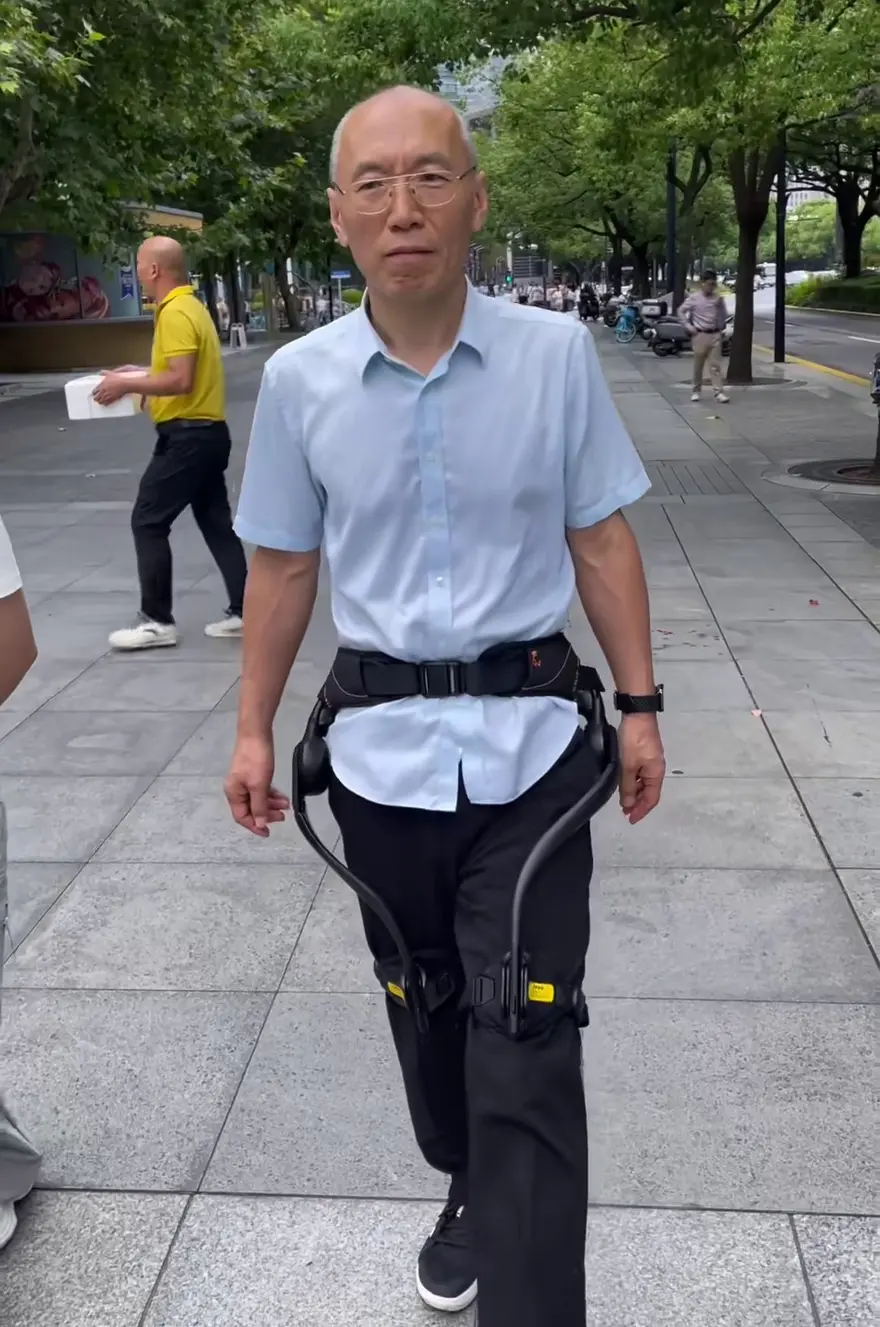
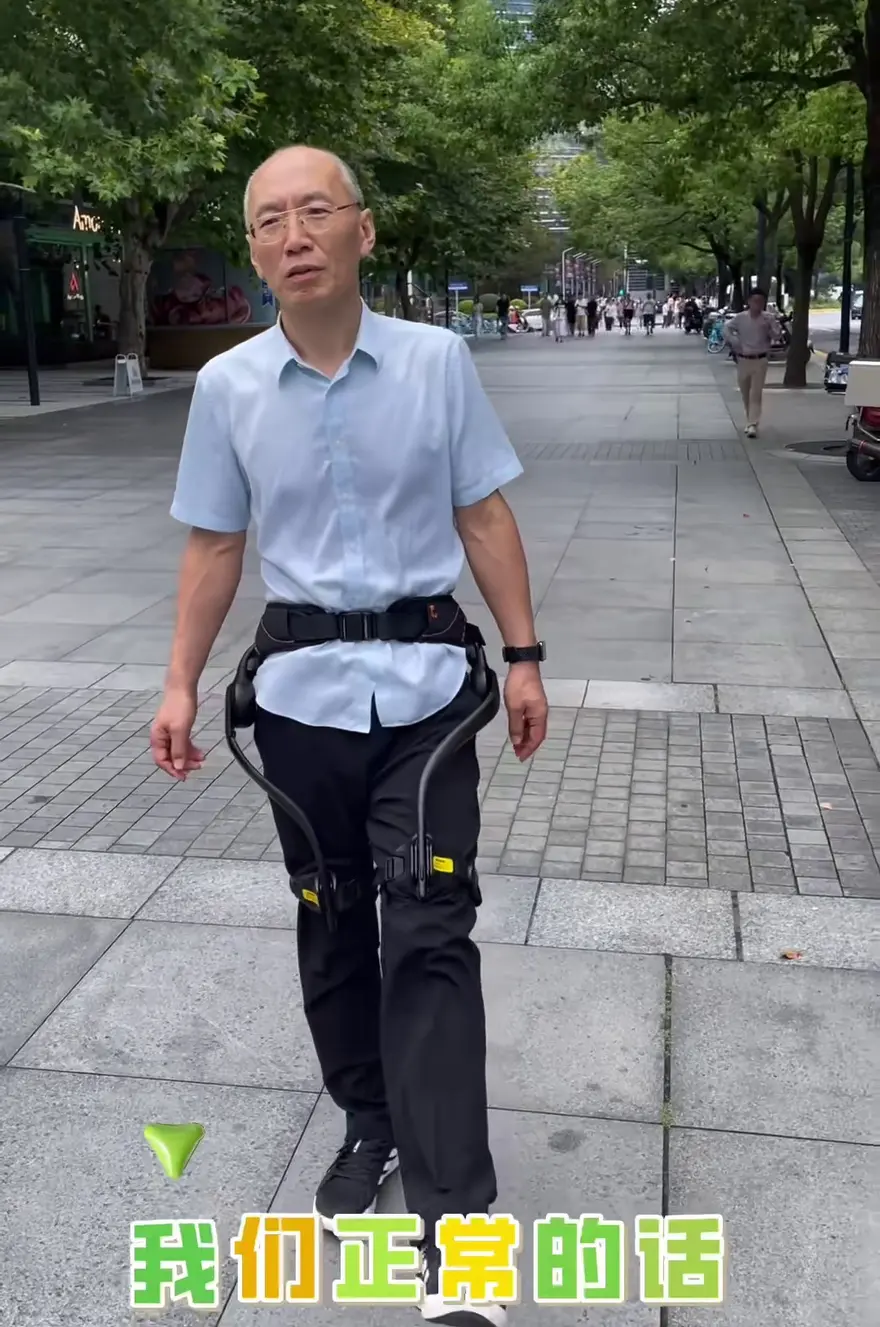
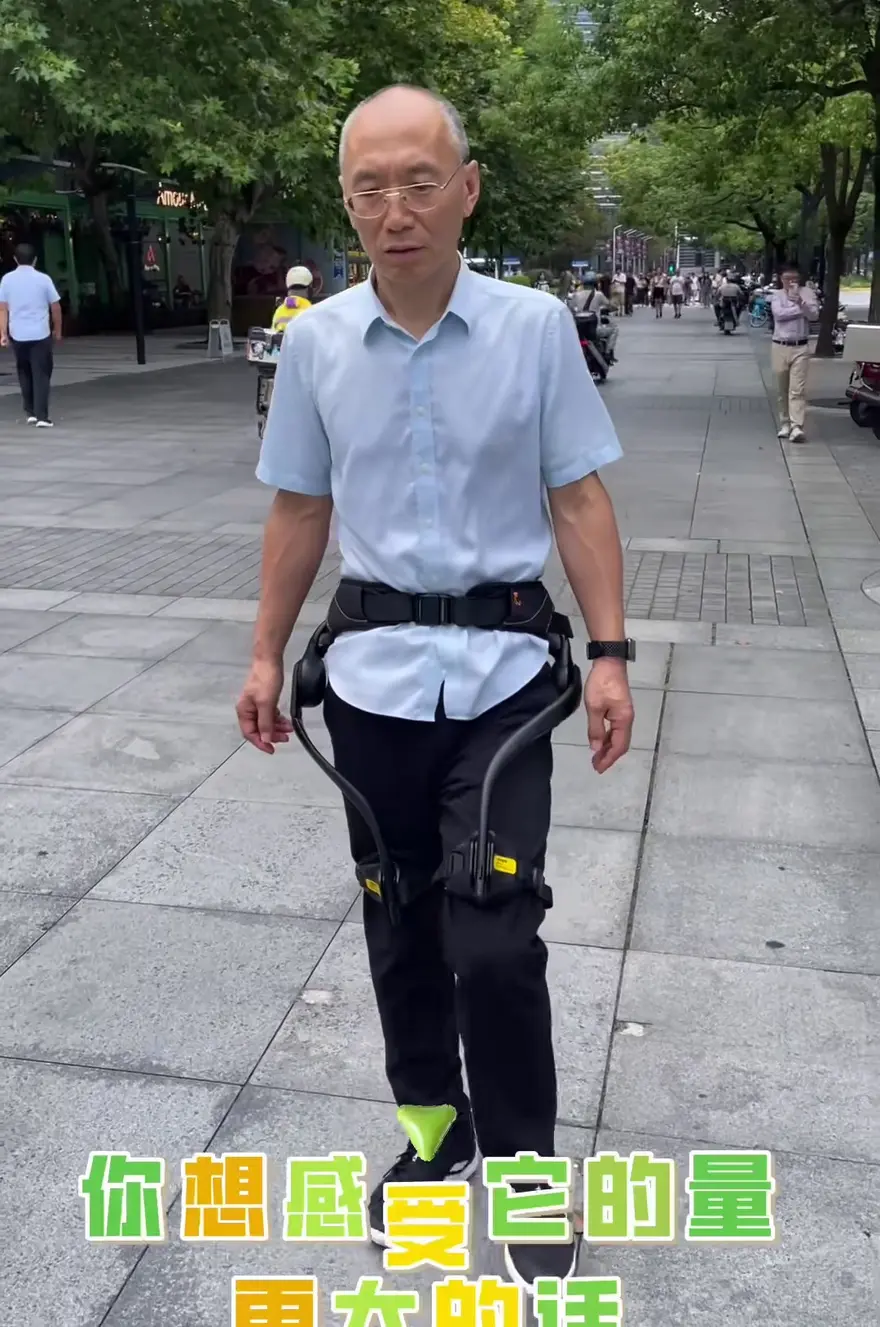
AI Computing Power and Adaptive Learning Mechanism
What sets this product apart from standard mechanical assist devices is its “brain.”
“We collect data through sensors (sensor: IMU / pressure sensor).”
“Its AI computing chip can tailor an assist mode based on your gait.”
This is essentially the “human-machine synergy” philosophy in the exoskeleton field. To demonstrate the intelligence of this device, the creator shows the most critical technology: it learns your behavioral habits and the terrain.
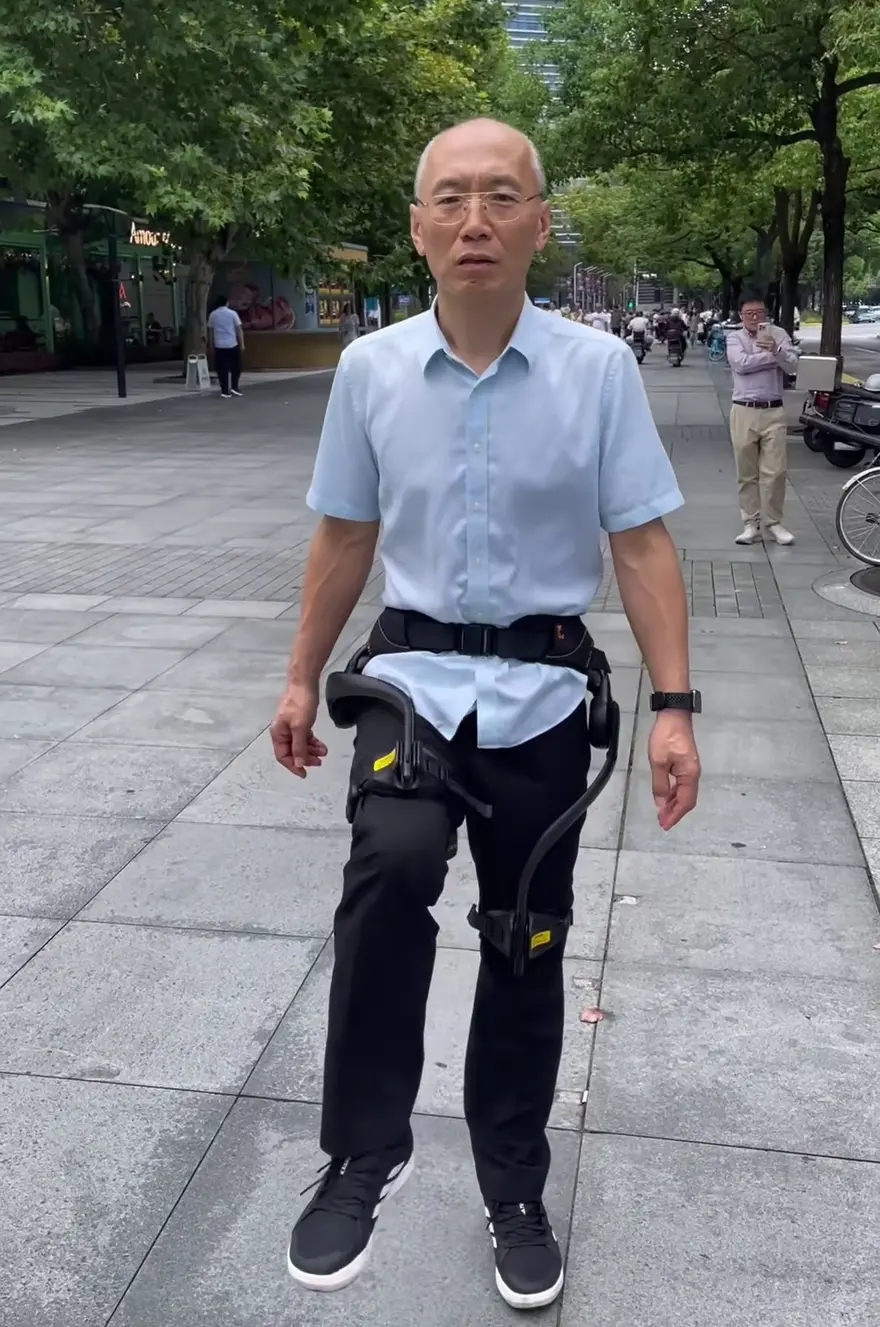
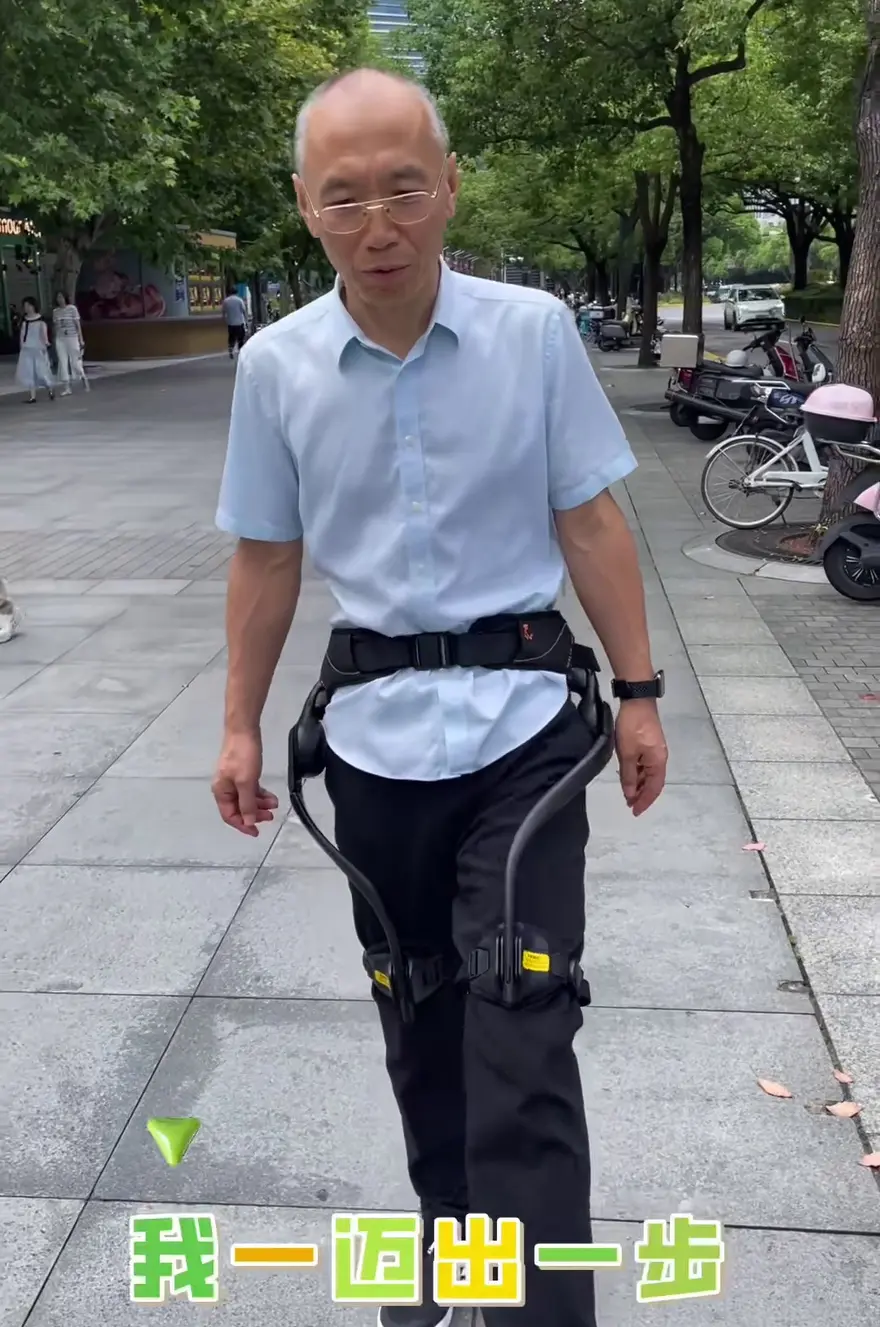
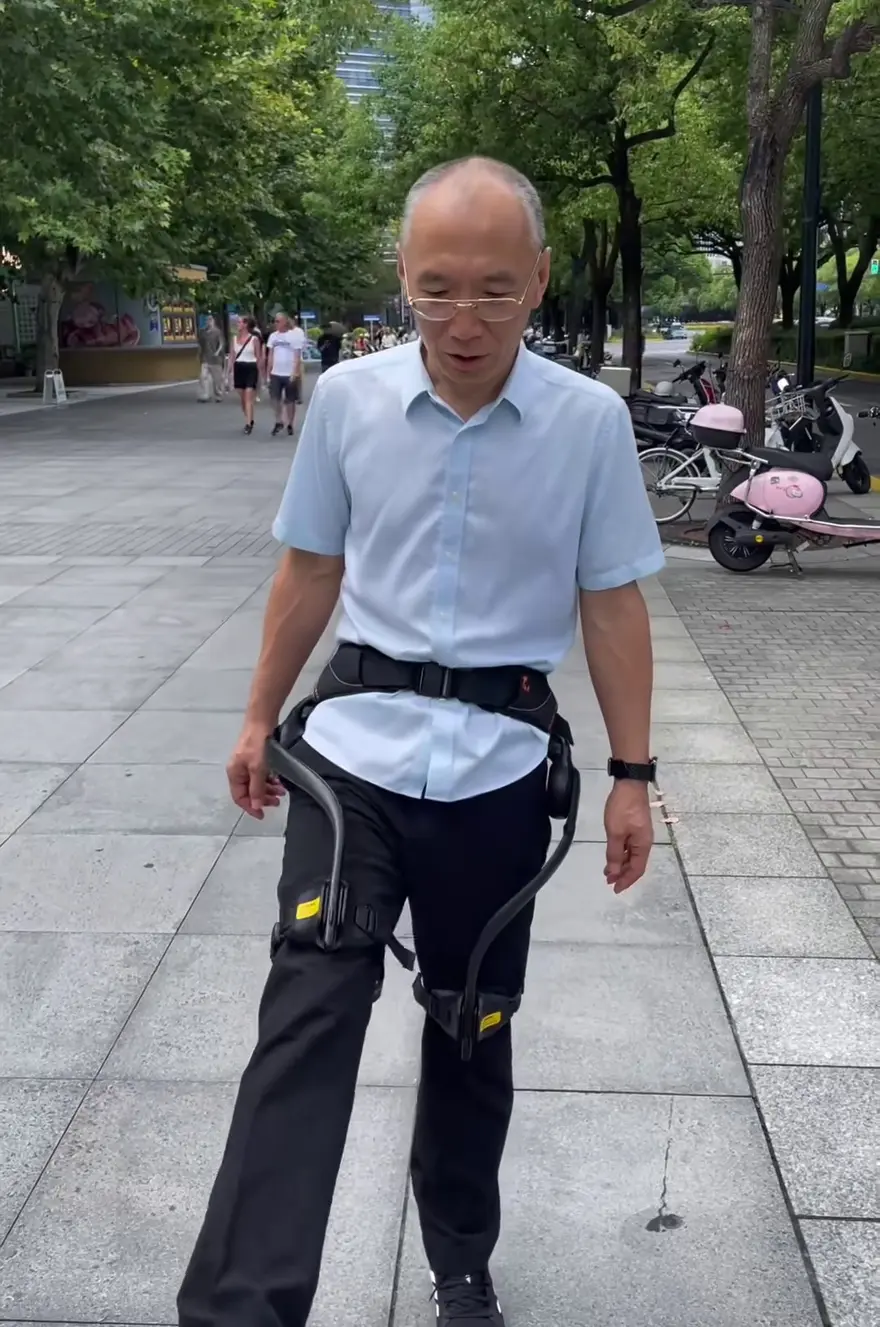
At every power-on, the device runs a brief self-learning routine (the original note was a speech-recognition error; it means self-learning or online learning). During this process, the internal AI algorithms record the wearer’s muscle activation patterns.
“Every time you power up, it learns first; the more you wear it, the better it works with you.”

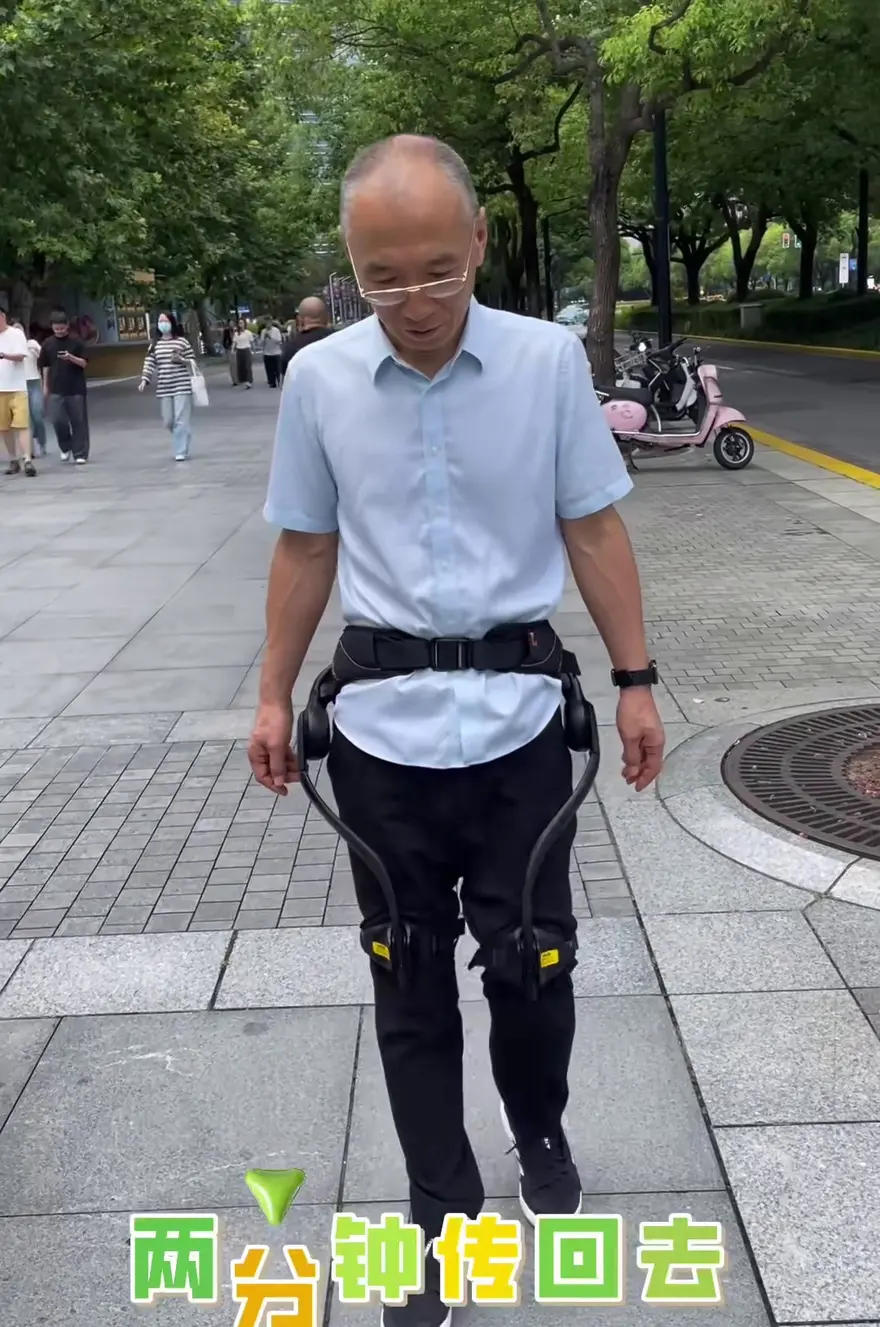
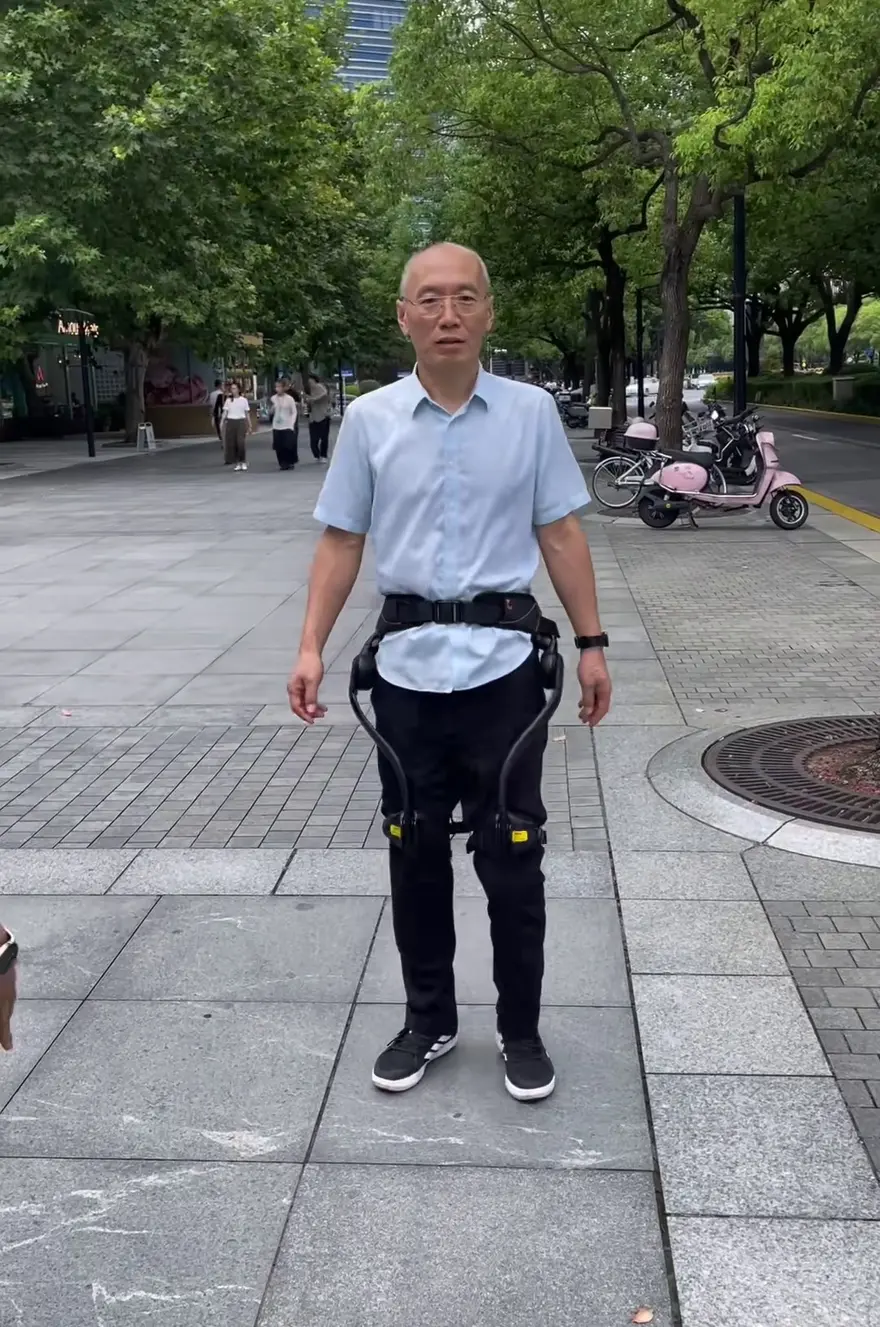
This means the exoskeleton is not rigid. If the same customer tries it repeatedly, the device already holds extensive stored data for that user; if it’s a brand-new unit, it starts from scratch and takes a little time to adapt to your walking style. This adaptive learning mechanism significantly lowers the barrier to adopting the device.
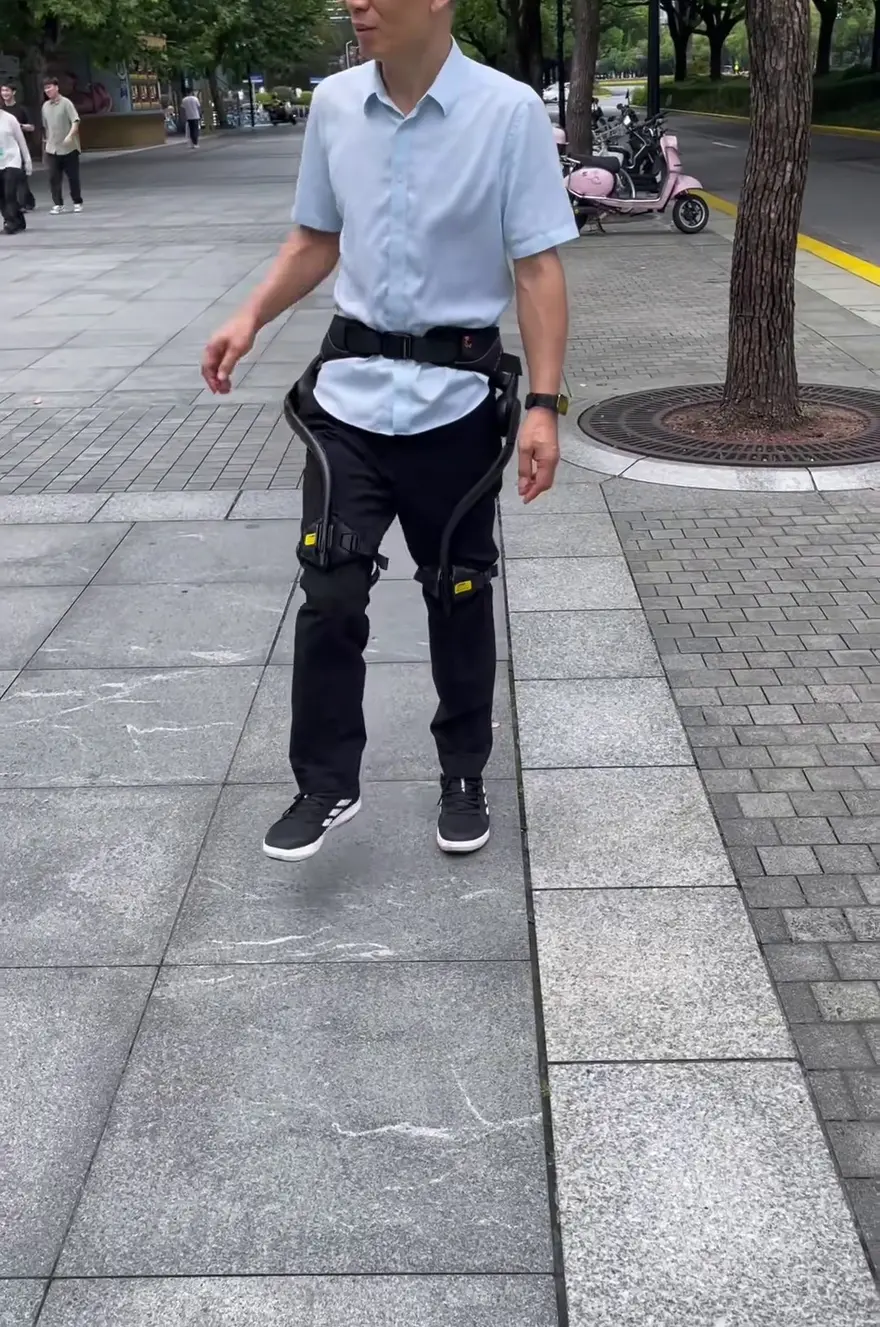
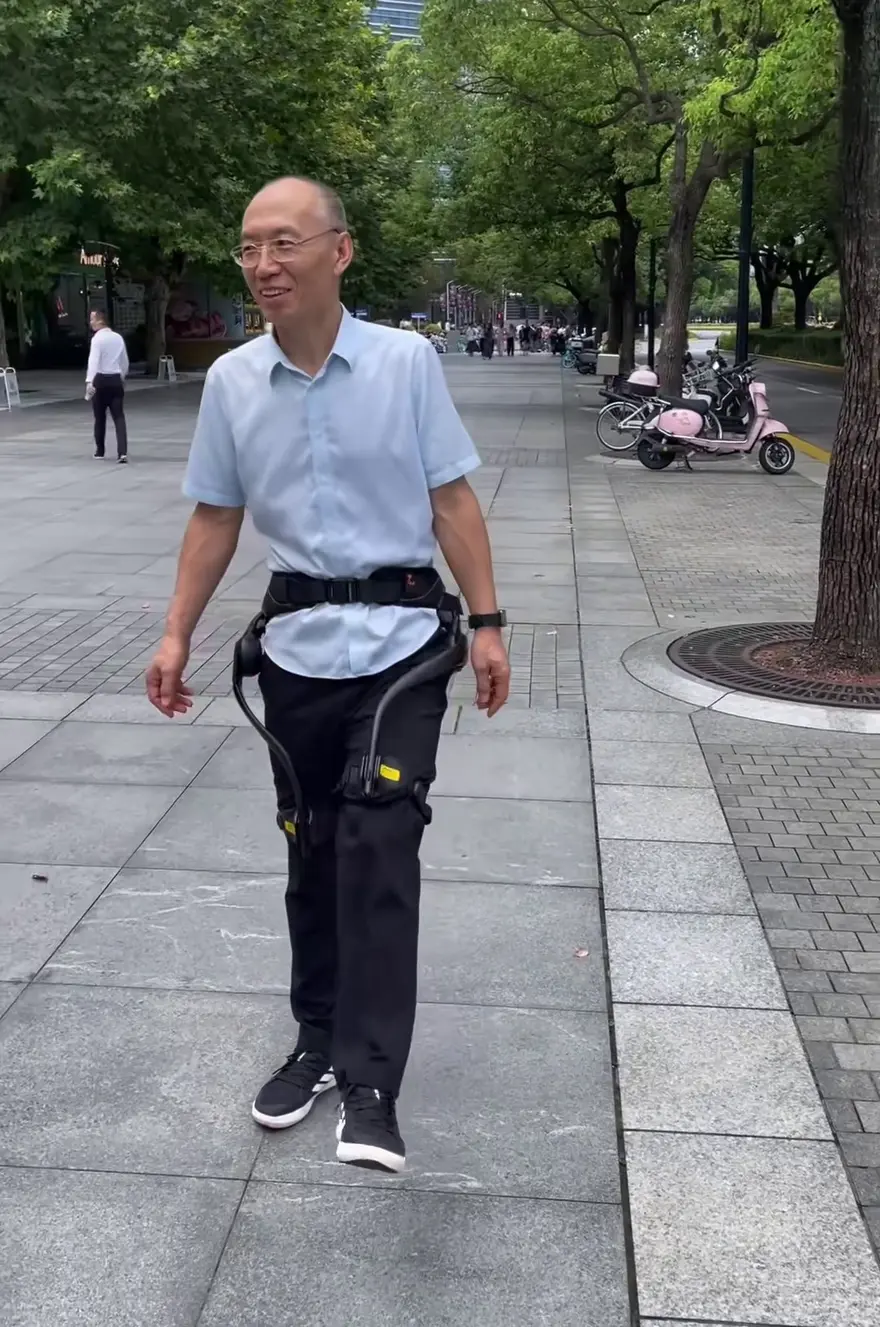
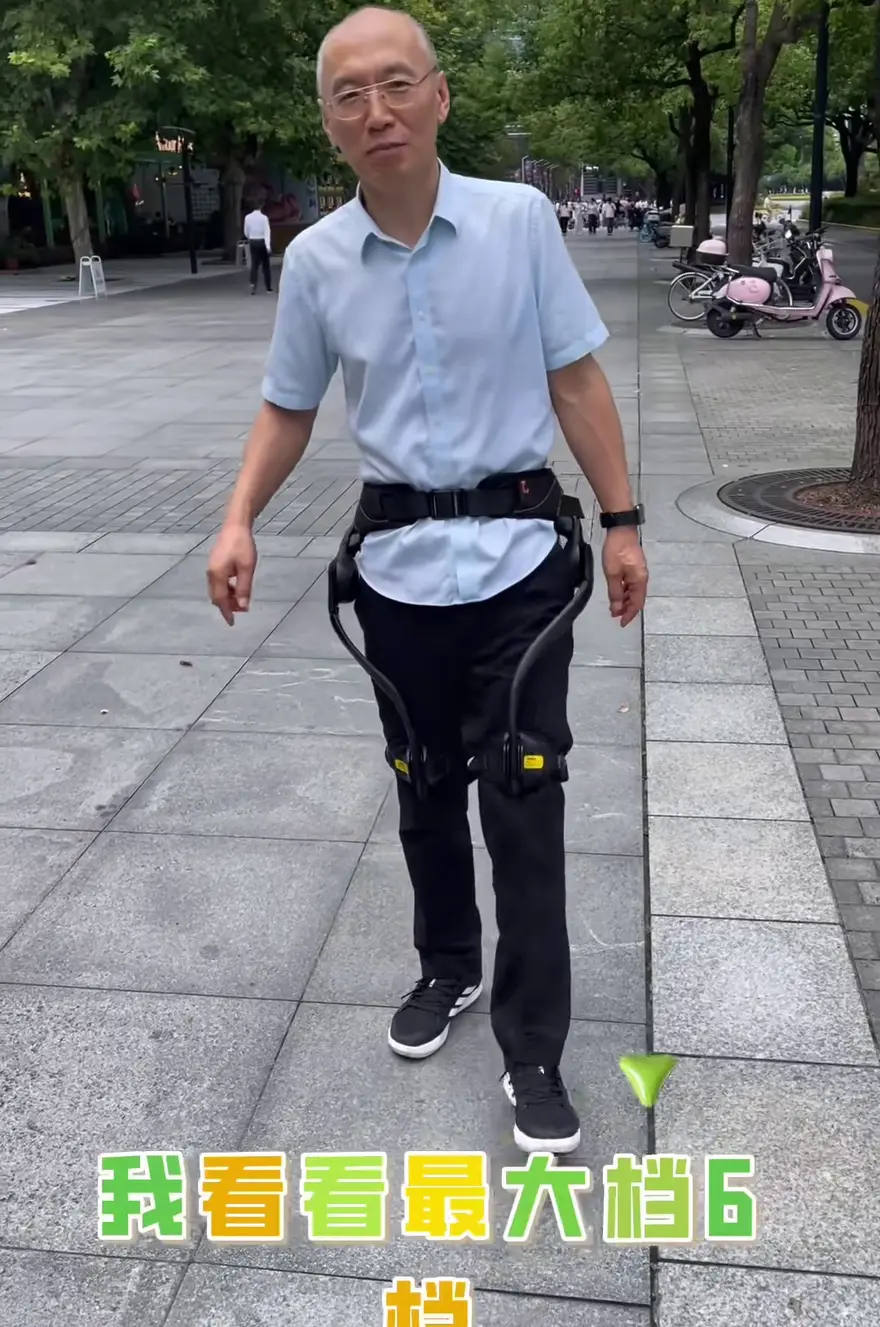
Demo at Max Gear: Experiencing the Ultimate Output of High Knees
The video features a hardcore test segment. When the tester asked about the ultimate performance of the "max gear," the creator instructed the tester to perform high knees in place.
At a low gear, high knees were quite strenuous. However, when the creator switched to the max gear (Level 6), the effect underwent a qualitative change:
"High knees in place... do you feel the walking assist? Yes, it's very obvious.On the next step, it helps me lift. The force of this walking assist is very obvious."
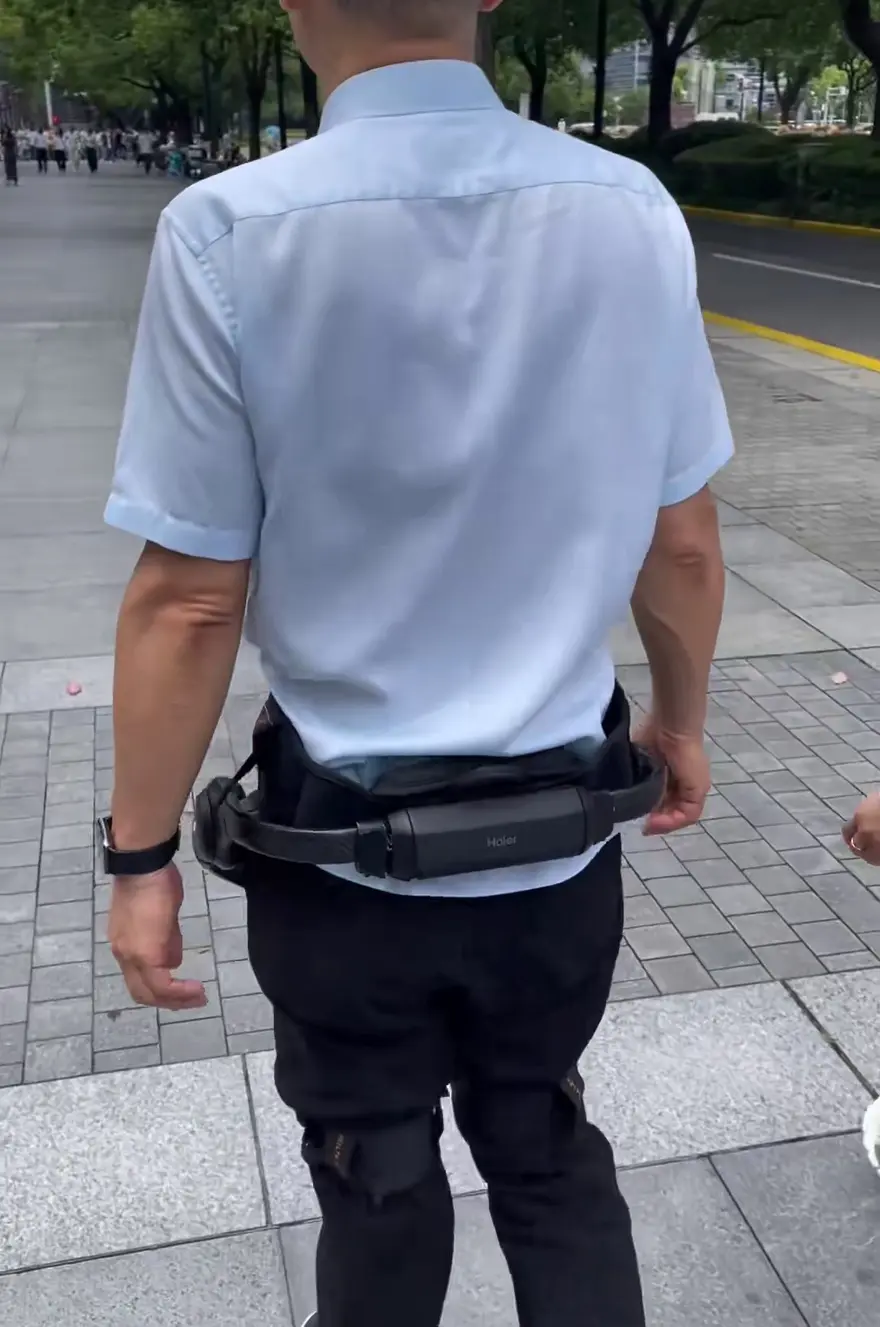
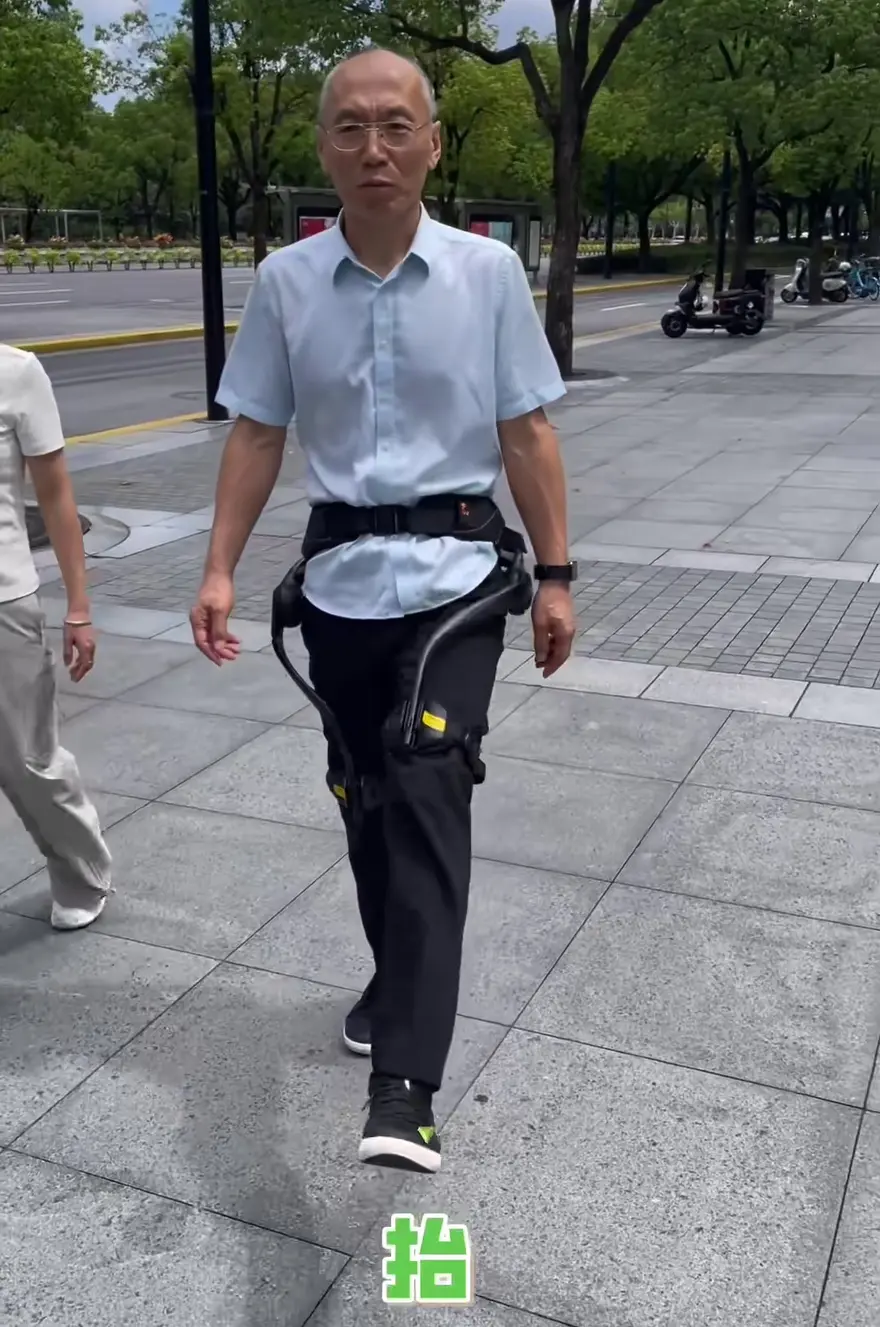
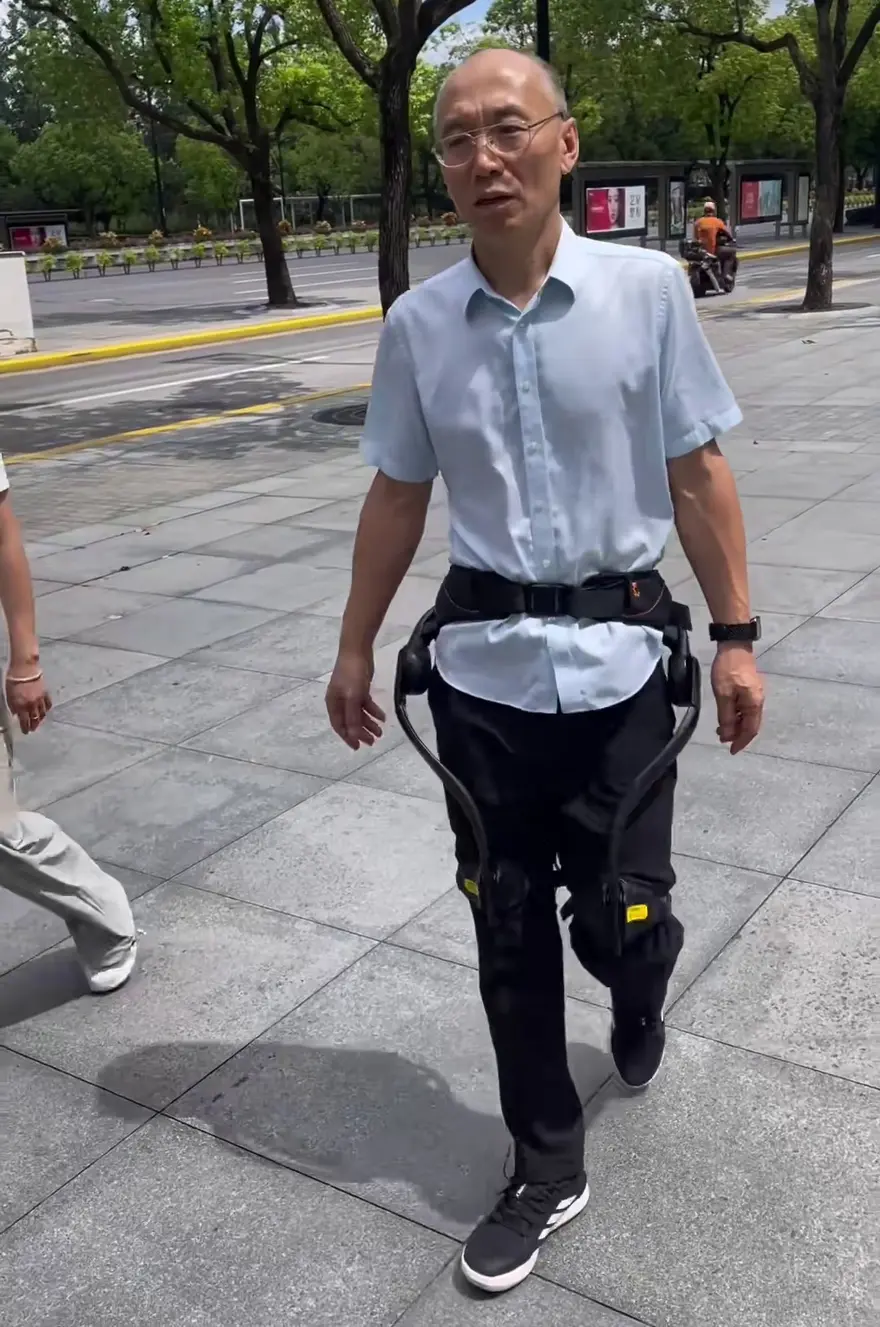
This tactile feedback of instantaneous burst power is the most fascinating aspect of the exoskeleton. The built-in brushless motor responds instantly, providing a strong upward thrust when the leg reaches its highest point. Physically, this greatly alleviates fatigue in the front of the thighs (quadriceps).
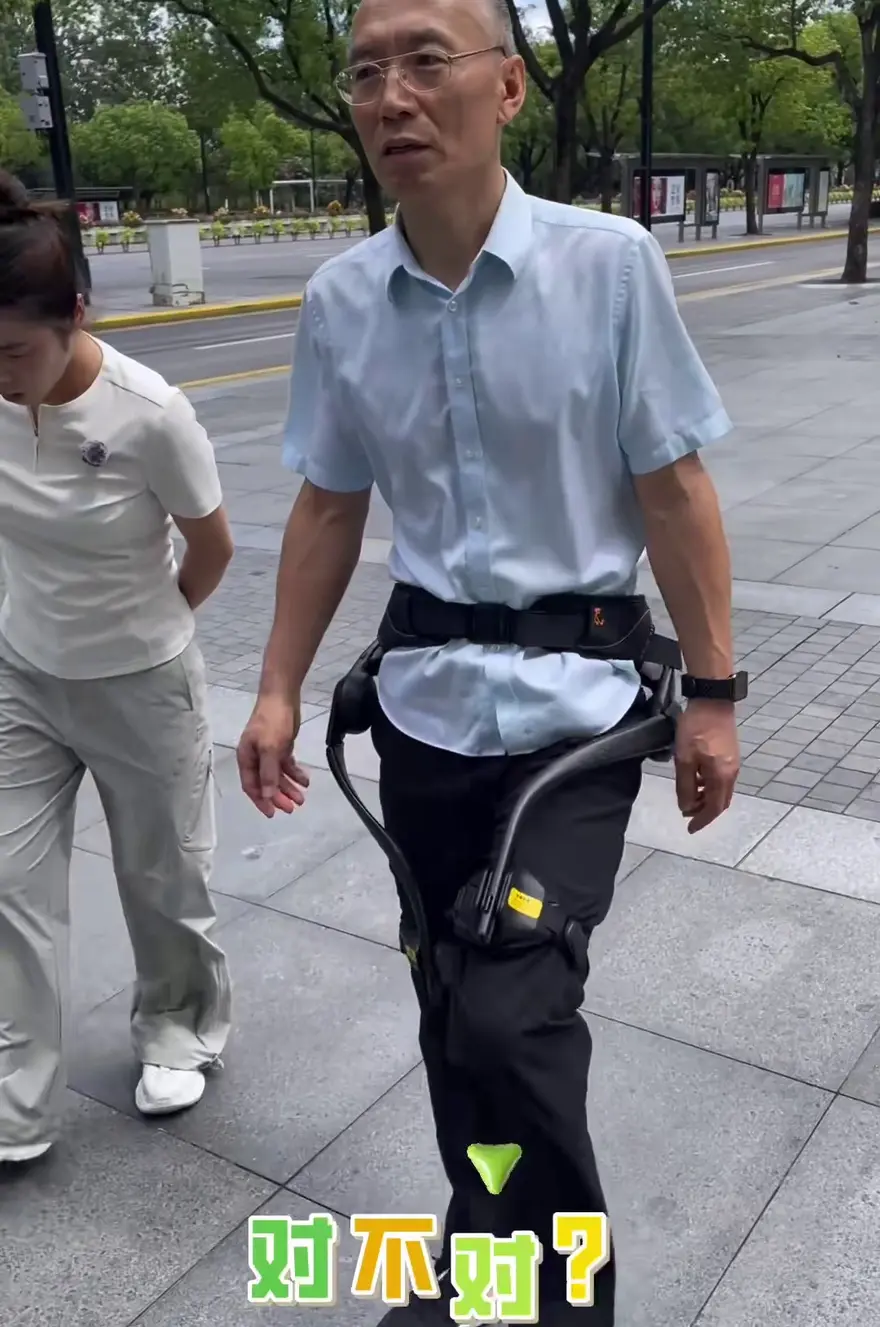
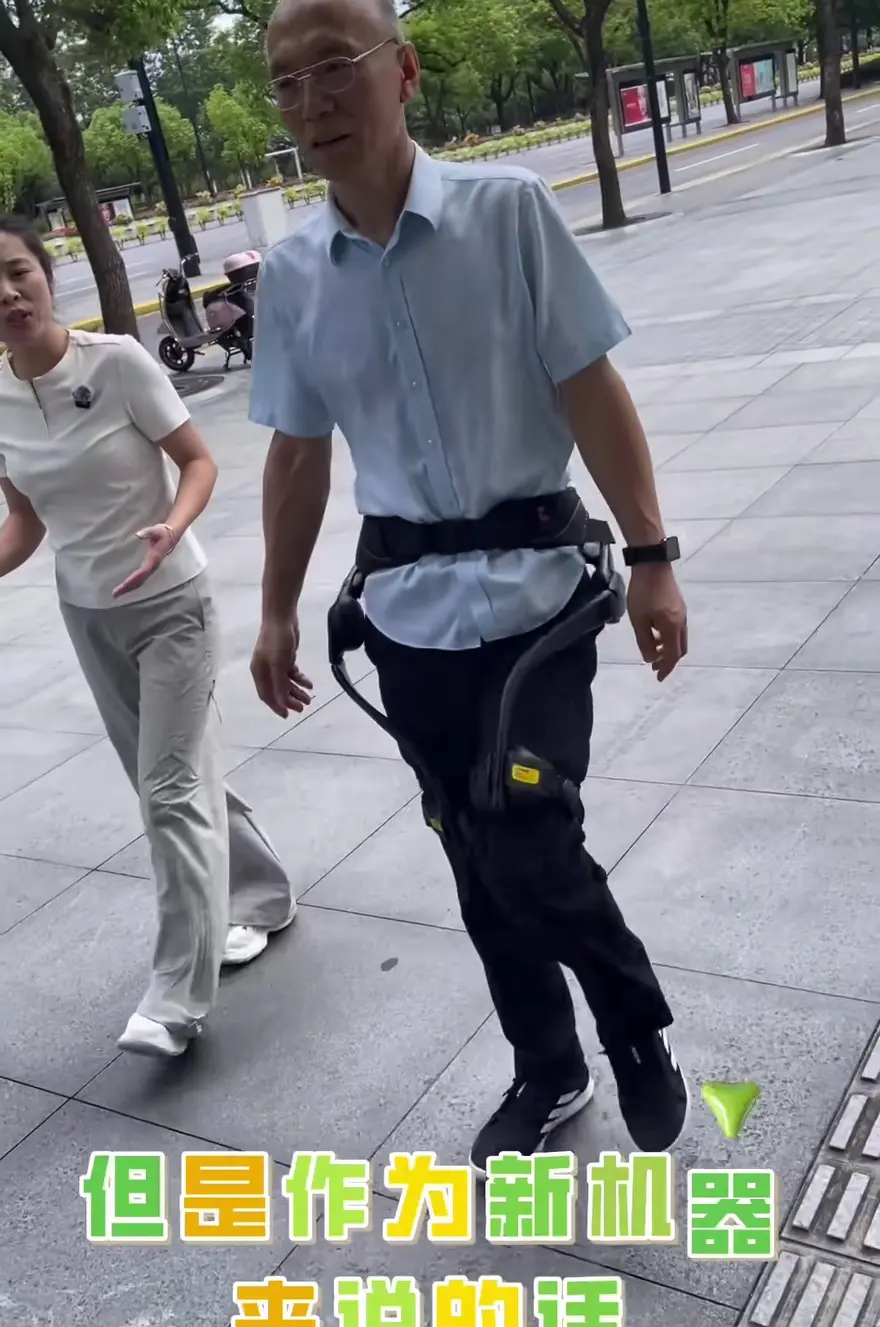
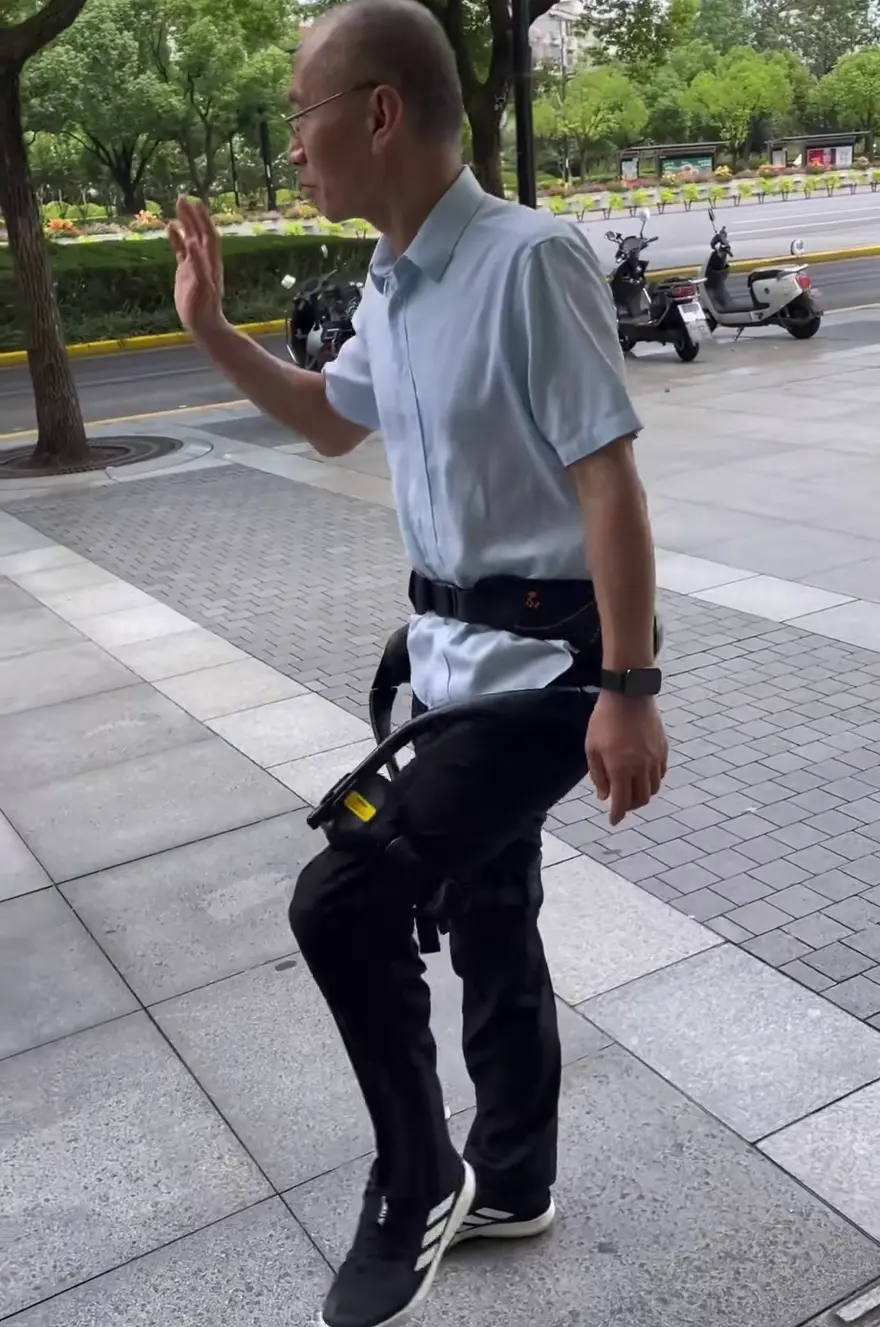
During the demonstration, the creator also specifically mentioned the device's intelligent limit protection. At the max gear, although the assistive exoskeleton provides aggressive support, algorithmic control ensures that the gait will not deform due to excessive walking assist, demonstrating thoughtful safety considerations.
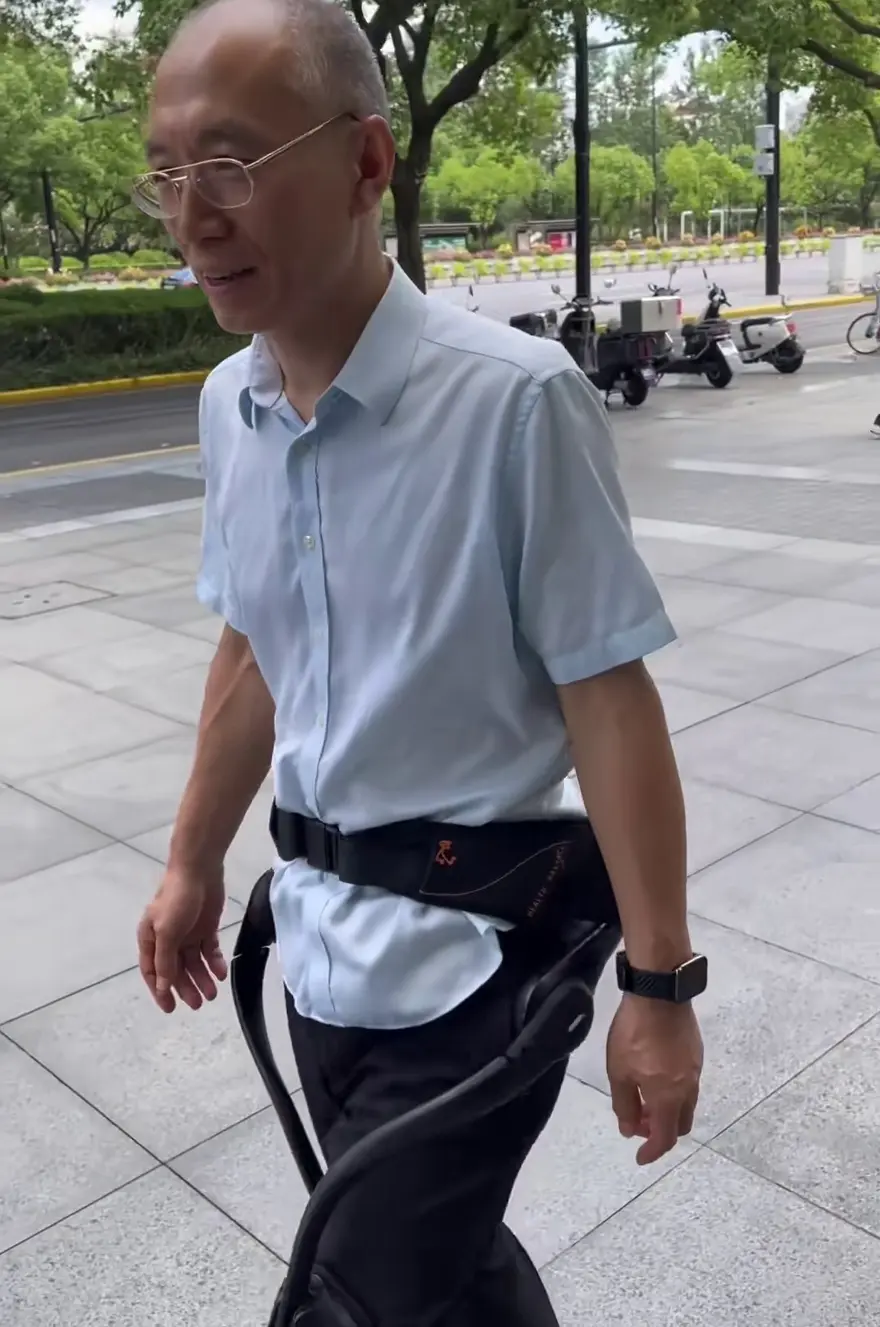
Parameters and Tech Stack: More Than Just a Hardware Checklist
Although the creator in the video didn’t read through the entire manual, we can infer the product’s tech foundation through hands-on experience and side-by-side introductions:
- Core Materials: To stay lightweight, this consumer-grade device likely uses extensive carbon fiber. That cuts down the additional load on the wearer’s legs while maintaining a natural gait.
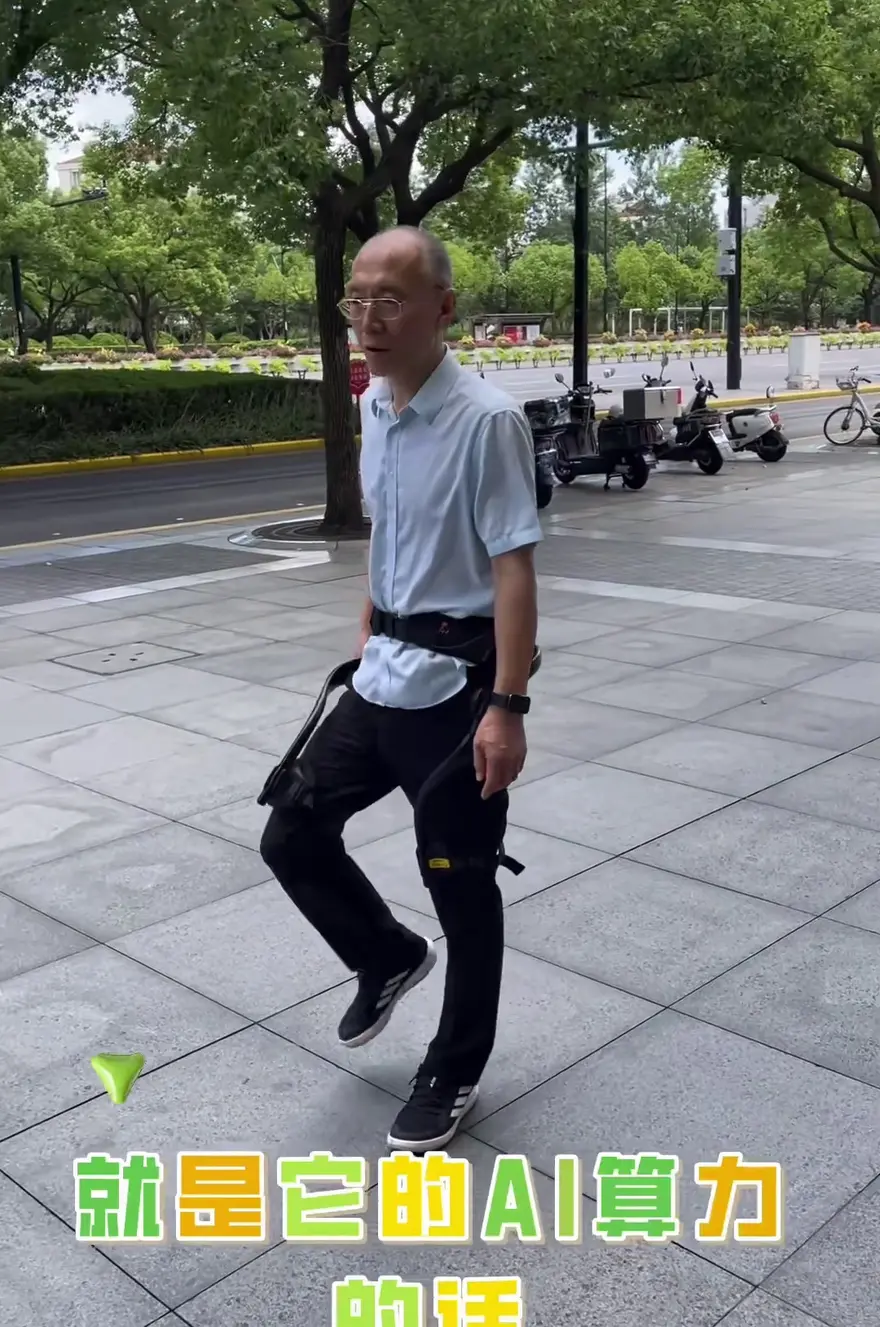
- Power System: High-power-density servo motors deliver strong joint torque, while a precision algorithm delivers a silky-smooth assist.
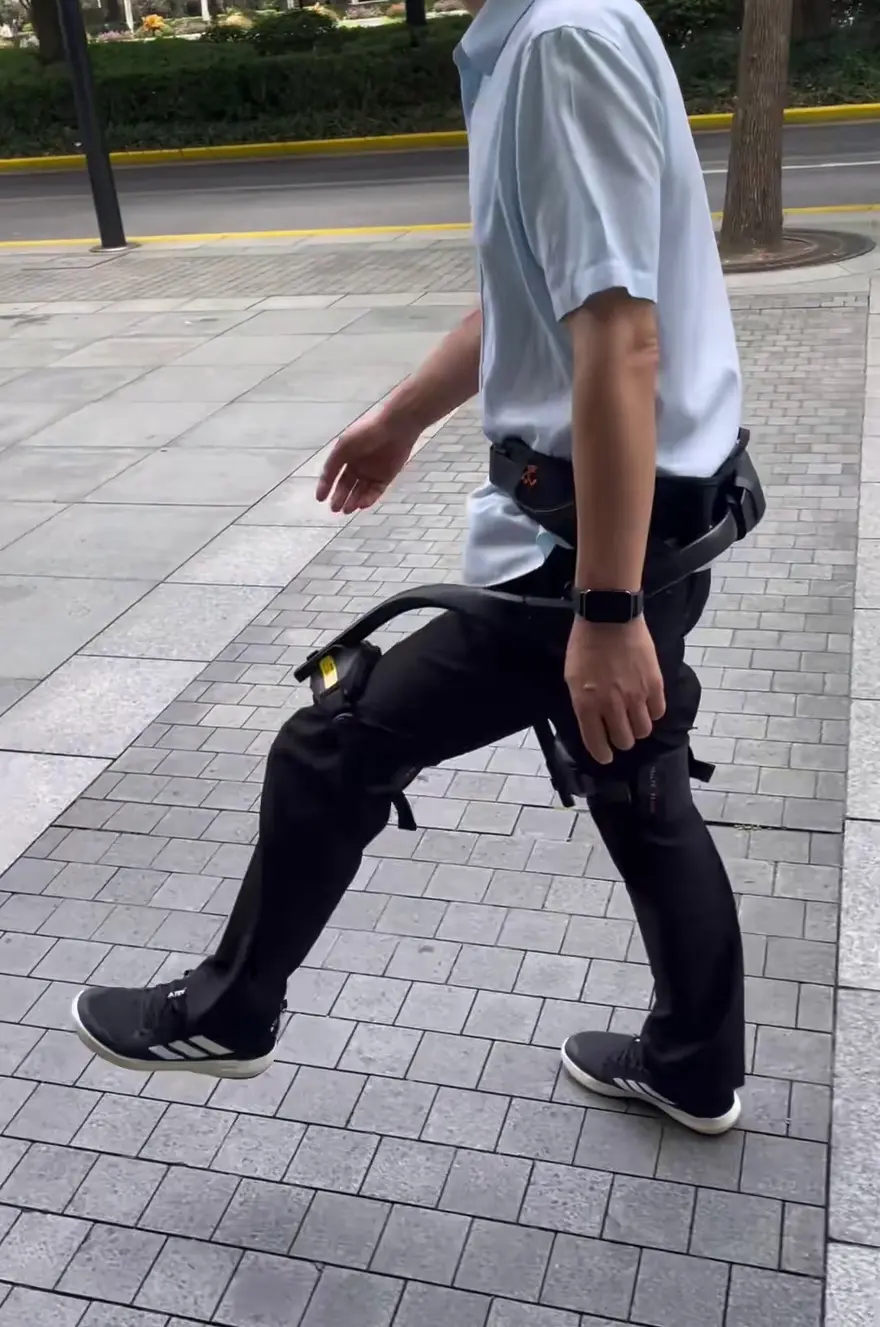
- Core Compute: An AI compute chip (the video mentions version 3.0) processes gait information collected by sensors to achieve millisecond-level response.
“AI chip Version 3.0 provides different peaks tailored to habitual changes in slow walking and fast walking.”
Analysis of Advantages, Limitations, and Application Scenarios
When using this Aoshuang exoskeleton, its product characteristics are particularly striking:
Advantages:
- Strong learning capability: By combining hardware and software, the device becomes increasingly tailored to the user’s unique movement patterns over time.
- Immediate walking assist: When lower-limb strength is insufficient, or during marathons or heavy-load trekking, the six-level peak assist effectively reduces muscle strain.
- Terrain recognition: More than just basic walking aid, it detects different environments such as walking, climbing stairs, and hiking, and dynamically adjusts its output accordingly.
Limitations:
- Requires an adaptation period: First-time users may need time for the brain to relearn the coordination involved in gait, otherwise inconsistencies may occur.
- Hardware dependency: Although it belongs to the consumer-grade category, its weight and motor noise are still noticeable, so it cannot be worn entirely unnoticed.
One-Sentence Summary:
The Aoshuang wearable robot provides noticeable walking and hiking assist, yet it still requires some time to adapt and carries noticeable weight.
Aoshark exoskeleton,,.
Top Community Comments
No comments available in the comment section at this time. To fill the gap, here are the simulated viewer reviews generated by an AI assistant for the video:
“My thighs felt like they were filled with lead, and by halfway up the mountain I couldn't move my legs. This type of exoskeleton is truly a godsend for people with disabilities, but I also hope the price can come down.”
Interpretation: This comment highlights audience concerns about the product's price threshold, as well as the core demand for portability and practicality in walking assist devices.
“That high-knee test is impressive. If I wore this, could I also kick the pull-up bar from a standing position?”
Interpretation: Users show a strong interest in the explosive power of the 6-level max peak assist, demonstrating their imagination for extreme scenarios.
“Let the machine learn my steps first. This design is quite smart. Previous exoskeletons just forcefully pulled your legs, but this one actually remembers my walking habits.”
Interpretation: It proves that the selling point of 'AI chip gait learning' mentioned in the video left a deep impression on the audience.
“Could the creator try climbing stairs with this? I feel like this joint torque might be even more powerful going up and down the stairs than on flat ground.”
Interpretation: The audience has a strong desire to explore the exoskeleton's exertion performance across different terrains, such as climbing stairs or hiking.
“It sounds like an intelligent spring attached to your legs. Every time you lift your leg, it gives you a boost. It feels very suitable for someone like my mom who has knee pain when climbing stairs.”
Interpretation: It points out the altruistic value and practical application scenarios of the assistive exoskeleton in relieving joint pain.
“I saw the device being stored and charged. If this is for heavy-duty hiking, is the battery life / runtime really enough?”
Interpretation: As a wearable device, battery life / runtime and the power supply solution are among the most critical pain points for users before making a purchase.
One-Sentence Summary
Through detailed gear adjustments and AI-adaptive demonstrations, this video showcases the practical value of the Aoshuang exoskeleton in the "consumer-grade walking assist" sector. Acting more like an intelligent external spring that intuitively understands your needs, it is perfectly suited for individuals with insufficient leg strength or for those requiring extreme energy conservation for long-distance hiking and trekking.
About this article: part of Chinese-Made Exoskeleton Review Archive — an independent, regularly updated English archive of reviews of consumer exoskeletons made in China, edited from publicly available video transcripts. Not an official manufacturer page.
For inquiries and purchasing, contact lonlonago@foxmail.com. More in Exoskeleton · All articles.