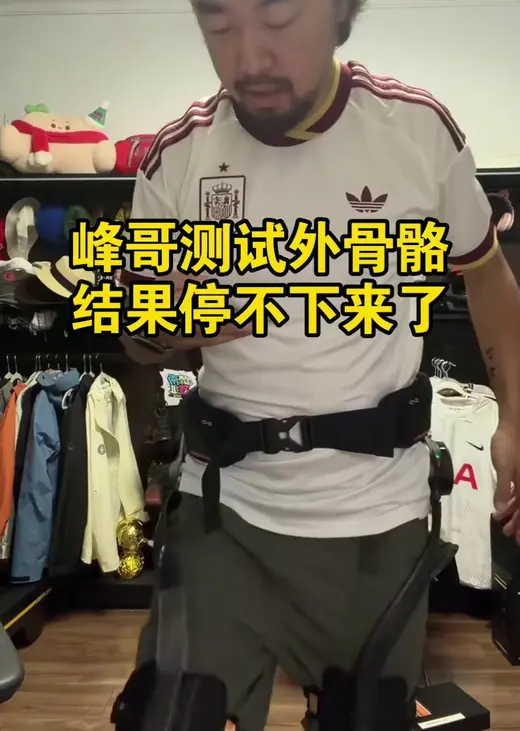
Backed by Dual Robotic Legs: Hands-on Experience with the Hypershell Lower-Limb Exoskeleton—Equipping Your Legs with a Second Set of Muscles
I recently experienced a lower-limb exoskeleton product that has frequently appeared online (based on its features of hip assist, brushless motors, and lightweight design, this article identifies the product as Hypershell). Faced with almost repetitive speech-to-text scripts, let's first conduct a hardcore review and distillation of information for this popular device. The moment I put it on, I instantly understood what "metaphysical bespoke power" means—
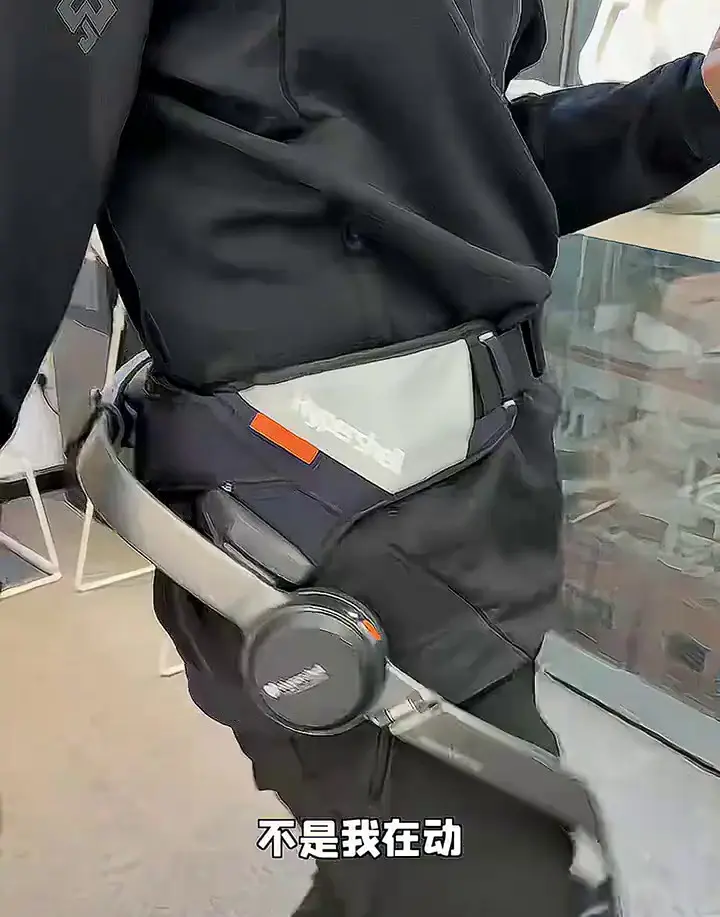
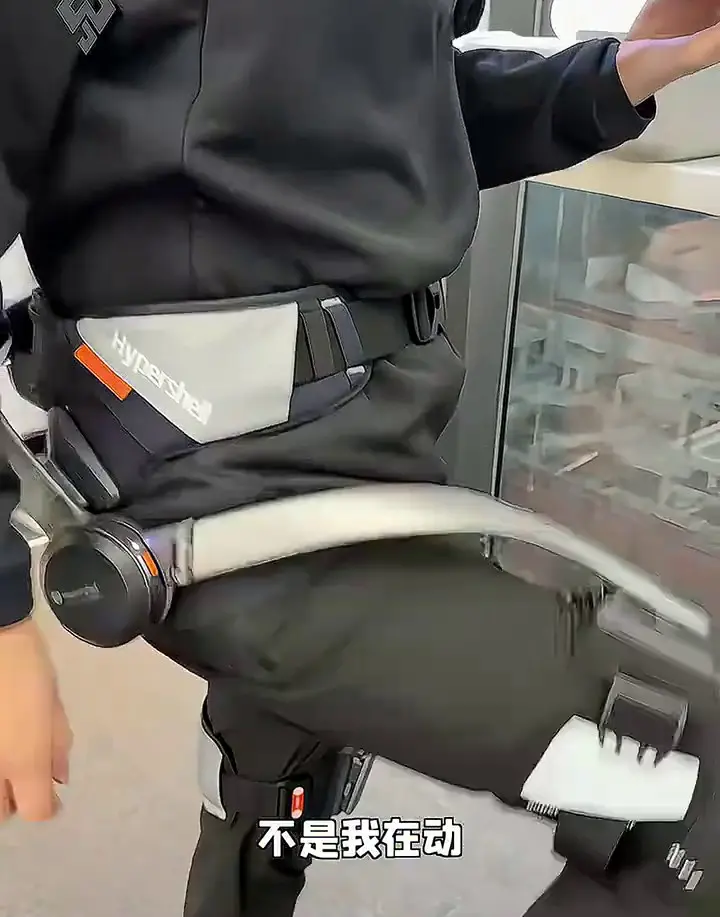
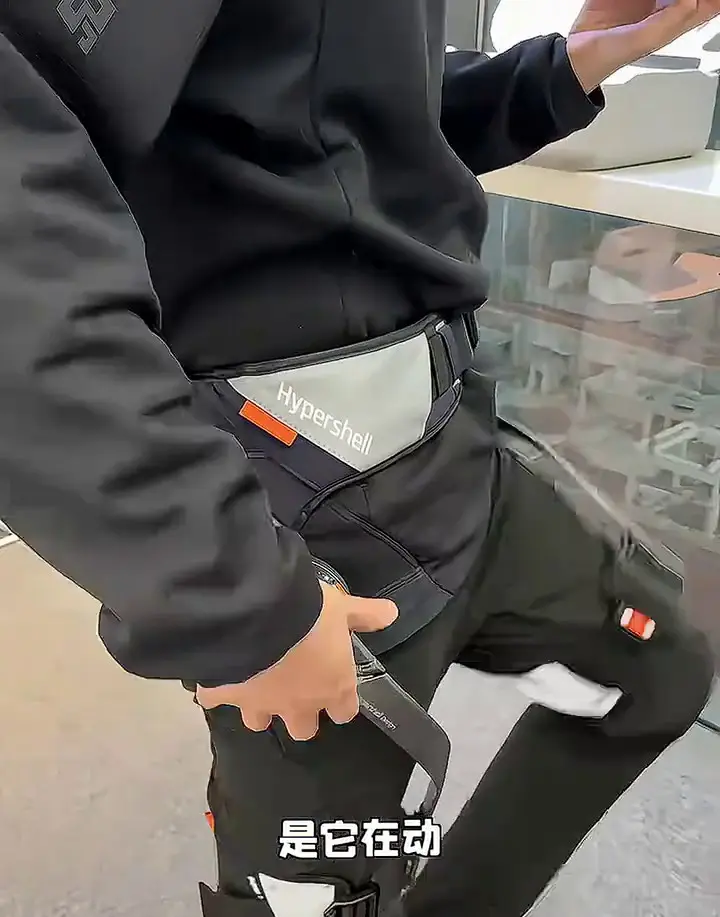
Through testing, this hip assist module, paired with a servo motor, allows you to feel a surreal sense of compensation the instant you lift your leg: it's not your nerves driving your muscles, but the device's servo motor synchronizing with your gait to provide leg-lifting assistance.
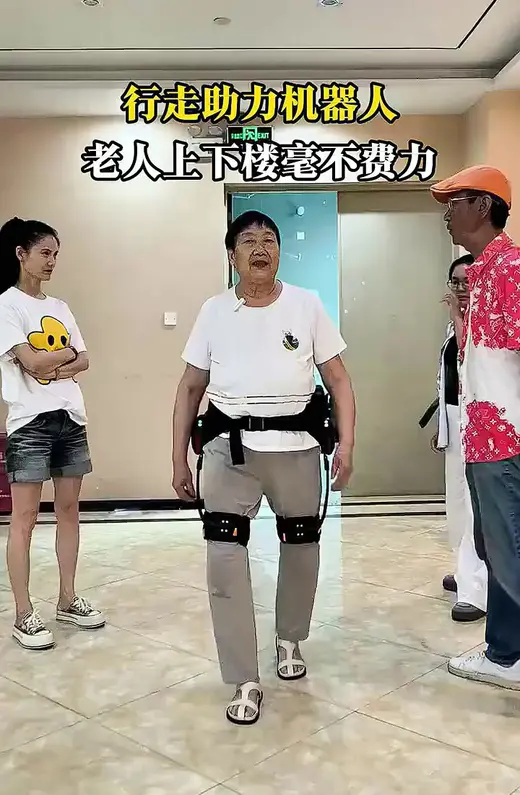
Turning on the official companion sports mode, both an elderly woman doing rehabilitation exercises and an urban office worker just getting off work can quickly master it. The dust and waterproof IP54 rating ensures it can withstand wind and rain; it seems to be born precisely to resolve the fatigue of the mortal body.
The slightly exaggerated opening line from the uploader in the video perfectly captures the core essence of the consumer-grade exoskeleton experience.
1. Turning a Boring Class into "Mechanical Dance Moves"
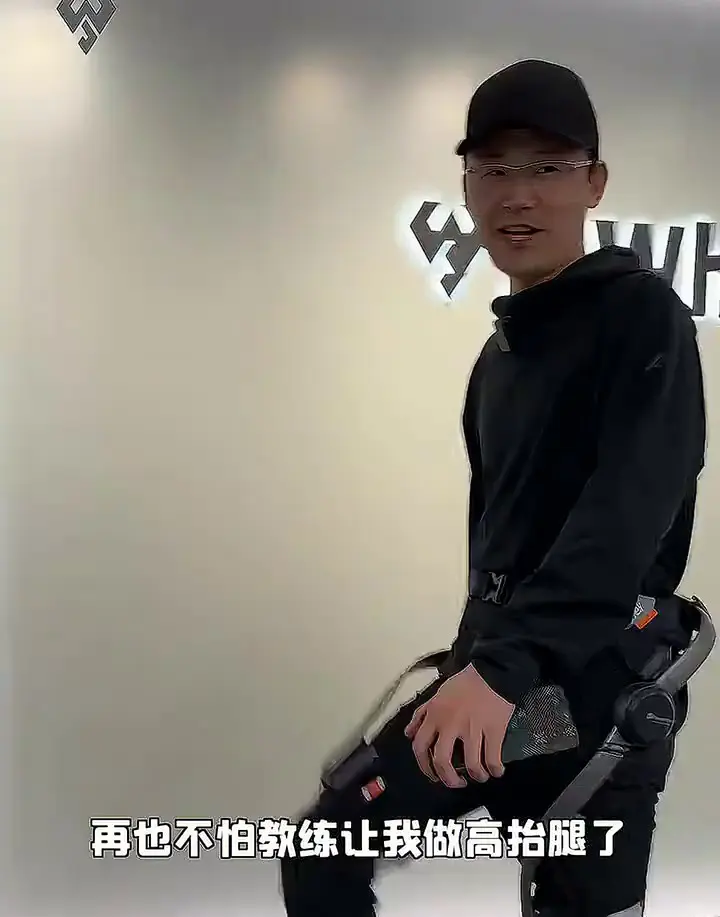
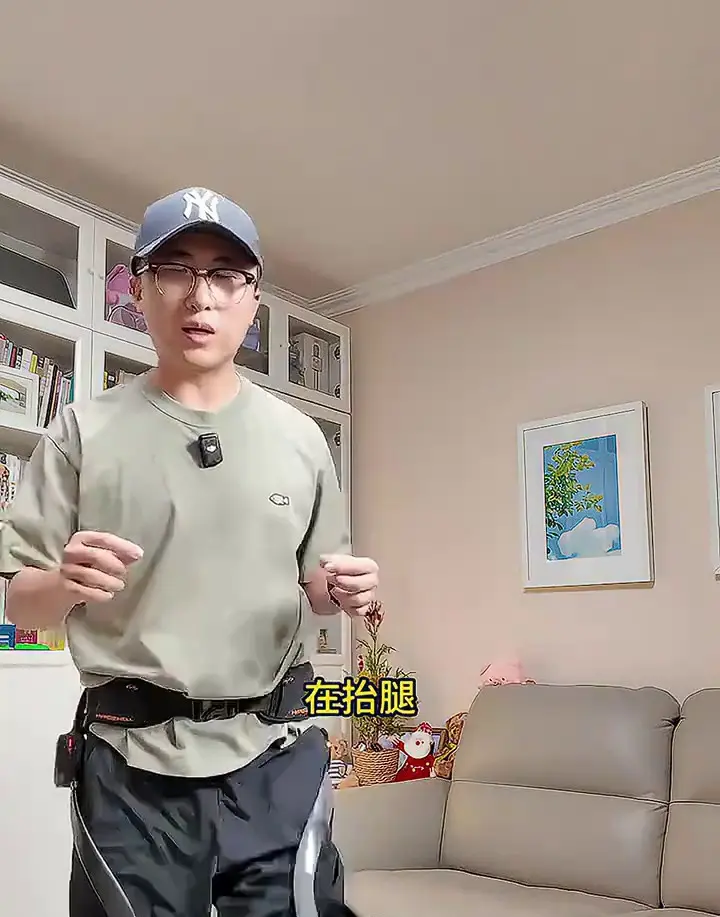
The high-knee exercise that fitness coaches love has always been the touchstone for lower-limb strength. After putting on this device, the experience undergoes a fascinating transformation.
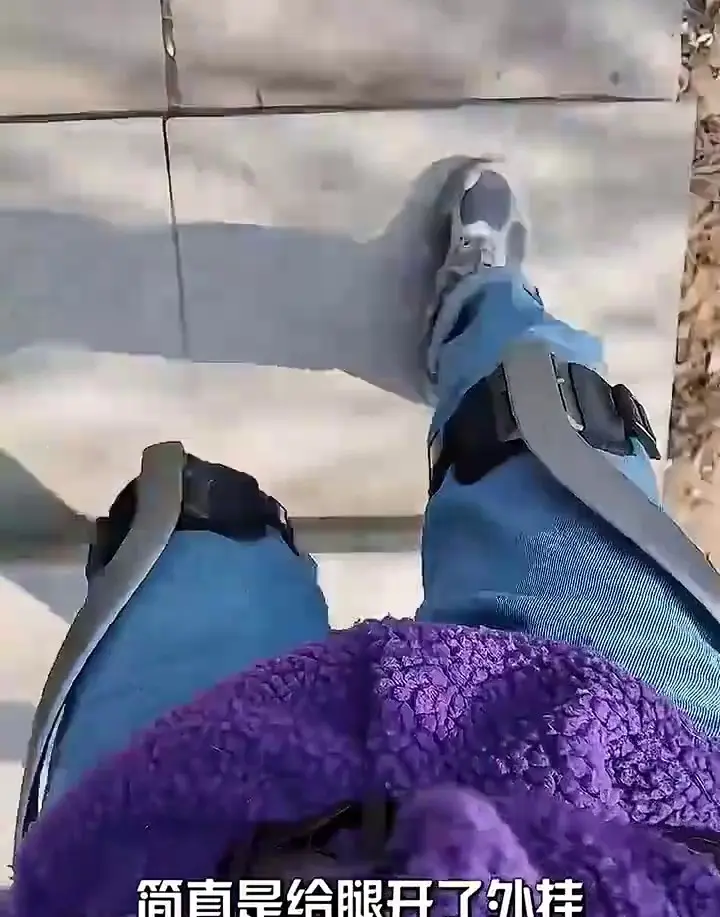
It’s really easy on the knees and a breeze to put on and take off—essentially giving your legs a power boost.
Based on user feedback, this assistive model doesn't alter your normal gait; instead, it intervenes via sensors at the very instant you exert force during your movements.

2. Clarify its identity first: It is not a rehabilitation exoskeleton, but a daily "personal assistant"
Before diving into the details, a necessary boundary-setting is required:
The video emphasizes its nature as an assistive exoskeleton / walking assist exoskeleton, rather than a medical-grade rehabilitation exoskeleton.
Judging from contextual expressions such as "leg-lifting assist" and "you can confidently go out the next day," it is clear that this product targets mass consumers—for scenarios like daily commuting, light trekking, walking assist for the elderly, or sports enhancement—rather than hospitals and rehabilitation institutions.
Currently, there are already numerous players in the consumer-grade exoskeleton track: Aosharid focuses on lumbar / back assist for industrial and logistics scenarios, Chengtian is deeply engaged in rehabilitation exoskeletons, Kenqing focuses on sports enhancement, Hypershell is making efforts in the hip assist (hip assist module / lower-limb exoskeleton) direction, traditional brands like Haier and Toread are also giving it a try, while Yuanye and Dnsys each have their own technological routes. In this crowded track, has a lightweight product focusing on "leg-lifting assist" found its ecological niche? The answer is obviously yes; it has precisely targeted the rigid demand for personal mobility among individual consumers.



It is important to note in particular: rehabilitation exoskeletons are mostly medical-grade devices, subject to medical device regulations, with the function of "passively driving limb movement training"; whereas this product belongs to the consumer-grade exoskeleton / walking assist exoskeleton category, with the logic of "adding a layer of assistance on top of your original movement." These two should not be confused. Their core differences are reflected in the following: rehabilitation exoskeletons focus on mandatory passive driving to rebuild neural connections, whereas this consumer-grade device emphasizes flexible superposition, coordination, and enhancement of the user's original gait.
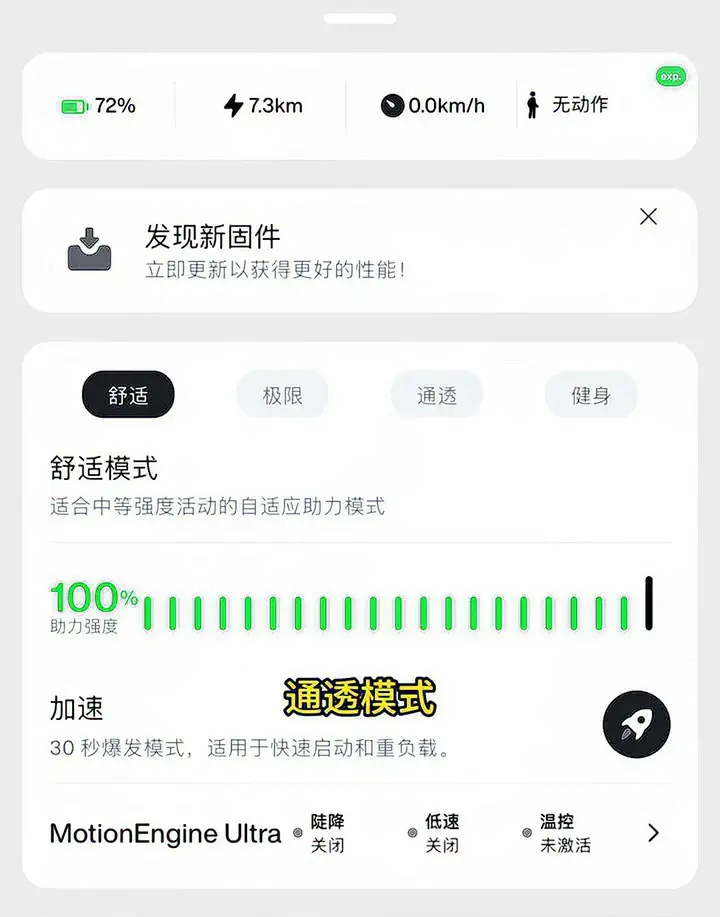
III. Four-Mode Switching + Level Walking Principle: The Moment You Lift Your Leg, It Helps You Generate Power
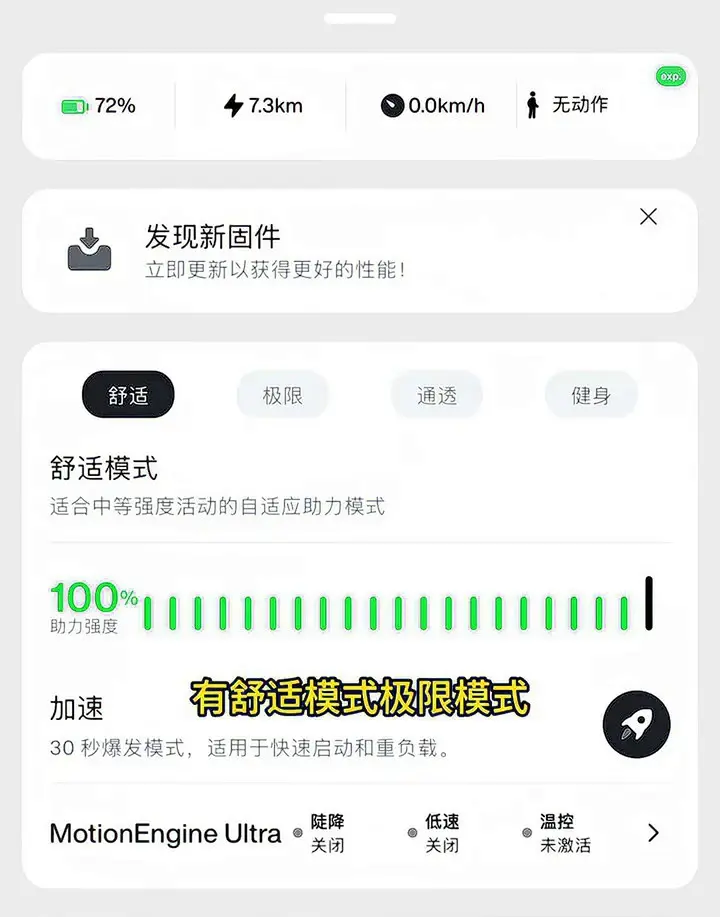
In the video, the product offers four modes, covering various needs from effort-saving mobility to active exercise:
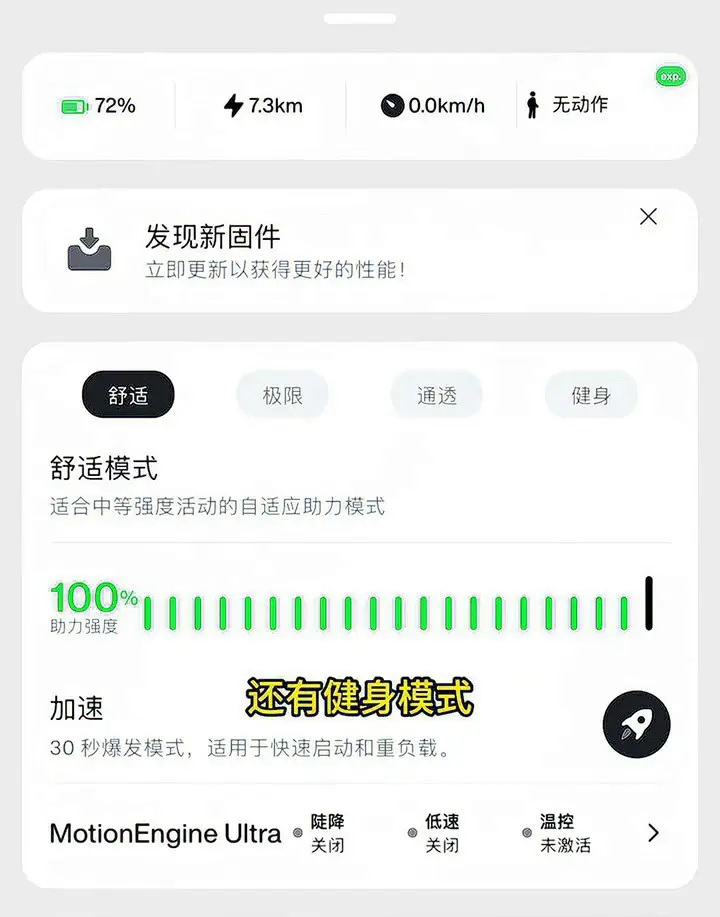
"It has several modes: Comfort Mode, Weight Reduction Mode, Transparent Mode, and Fitness Mode."
The assist mechanism of this lower-limb exoskeleton is distinctly exoskeleton-like. In the most basic level walking mode, the device uses built-in sensors to capture minute movements; once it detects you lifting your leg slightly, it intervenes quickly. The principle of this level walking mode, as recorded by the tester, is as follows:
"When you slightly lift your leg, it provides lifting assistance.The principle of the level walking mode is that when you slightly lift your leg, it provides lifting assistance."
This logic of intervening at the moment of leg lifting relies on high-performance sensors (IMU / pressure sensors) at the core to accurately capture body intentions. During movement, the rotor and stator of the brushless motor work together efficiently, converting electrical energy into smooth joint torque, providing the right amount of thrust during the lifting phase. Combined with the lightweight structure of carbon fiber, this is why the tester exclaimed, "It's not me moving; it's it pulling me along."


According to R&D data from the Zhengzhou Mechanical Research Institute, after mounting this assistive system, walking remains steady even with a 60 kg load. The device's max payload also fully covers the needs of the vast majority of C-end users.
It is worth noting that this assist model is "additive" rather than "substitutive" regarding gait—you remain the initiator of the walking posture, and the exoskeleton only "gives a little push" at the moment of lifting your leg. This brings a key experience:
"Actually, I am lifting my leg with a very slight force."
The initiator of the action is still the human, and the exoskeleton's assist intervention is extremely gentle. Even with the built-in self-balancing algorithm, the maximum threshold for forward center of gravity is still controlled by the human's biomechanical structure. This kind of seamless intervention is very friendly for strong users with excellent balance; for the elderly with weaker balance, the light and unobtrusive assist intervention actually helps stabilize the center of gravity better.



IV. IP54 + Rain-Ready + Fall-Protection Assistance: Turning a “Fragile Electronic Product” into a “Durable Wearable Device”
For consumer-grade exoskeleton hardware, water and dust resistance are core durability indicators. This product achieves an IP54 rating, mainly targeting splash resistance rather than full immersion (users are advised to remove the device before soaking it):
“IP54 water and dust resistance—you can head out confidently even on rainy days.”
The following hardcore data points were mentioned in the video but are missing here:
- Endurance (in hours): mentioned in the video (hardcore data missing; no specific hours provided)
- Battery capacity: mentioned in the video (hardcore data missing)
- Product weight: mentioned in the video (hardcore data missing)
- Joint torque: mentioned in the video (hardcore data missing)
Still, thanks to a compact structure driven by a built-in high-torque DC motor (and a refined overall motor layout), the device delivers more than enough lifting torque for everyday, smooth-surface walking and stair negotiation. To wear it, you simply step into the high-performance engineering-plastic frame leg covers and secure them with the buckles. The cushioning design in the footwear midsole further optimizes force distribution—experience testers repeatedly emphasized “the midsole definitely has cushioning.” The integrated fall-protection mechanism, while not showcased extensively in the video, is clearly reflected in the technical design of the landing cushioning layers.
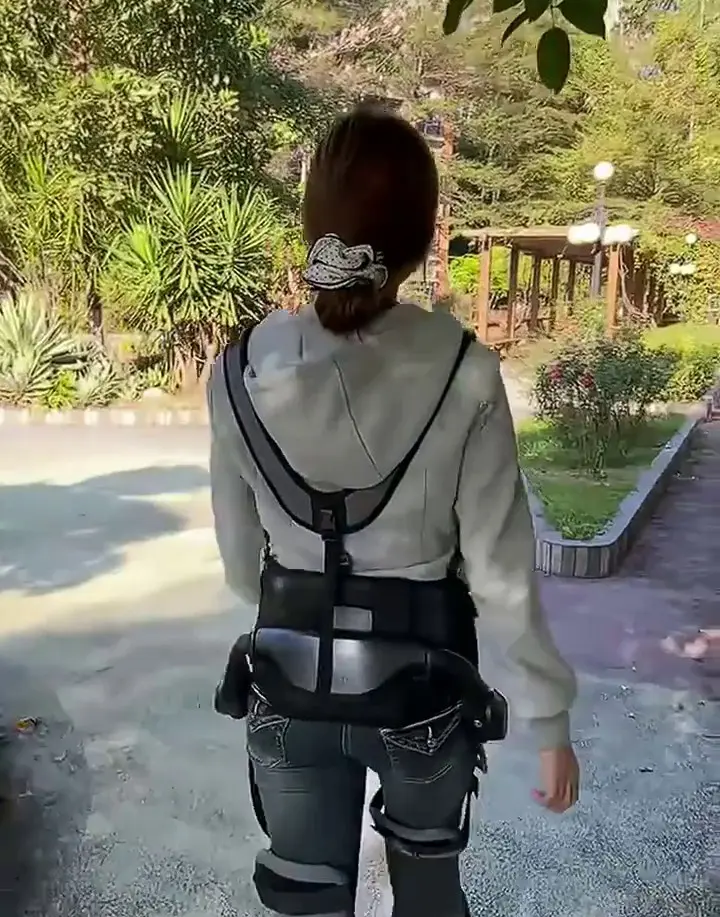
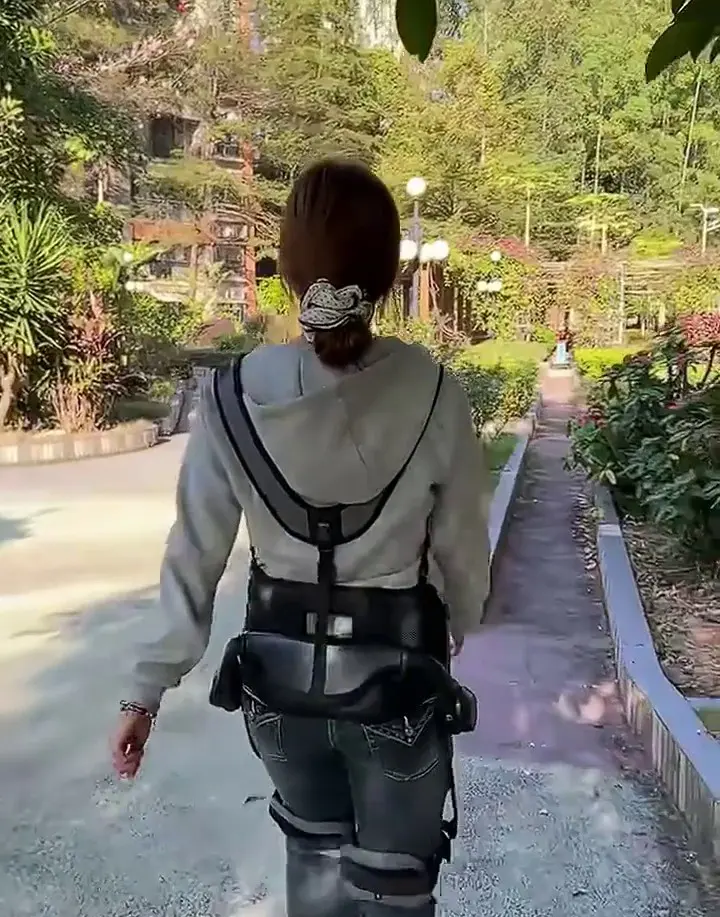

Data from the hardware supply chain indicate very low static power consumption, and the battery life is rated for approximately 5 hours on a full charge. In extreme scenarios such as battery depletion or a system malfunction, the health-focused version offers a spring-damper-assisted controlled-descent design that lowers the load smoothly on power loss.
5. Fitness Mode vs. Comfort Mode: Does It Help You "Slack Off" or "Train Harder"?
The semantics of these four modes deserve a closer look:
- Comfort Mode: Lowers the assist intensity, aiming for a near-unnoticeable daily wearability;
- Weight-Reduction Mode: Leverages both mechanical framing and assistive torque to subjectively make the user feel "lighter," achieving a physical weight-reduction effect akin to an elevator (zero-gravity);
- Transparent Mode: Effectively shuts off or significantly diminishes the assist output, returning to a wearing experience similar to ordinary footwear or base layers. Perfect for moments when you do not want the device to interfere.
- Fitness Mode: Here is where things get nuanced—specifically, regarding whether Fitness Mode provides assist or resistance. Based on the testing context, when a user activated "Fitness Mode" while carrying a load, the exertion sensation remained moderate, rather than feeling excessively taxed.
"Switching through multiple distinct modes changes the effort sensation differently in each one."
For a product designed "around walking assist," the Fitness Mode's execution differs significantly from "weighted resistance training" at a gym. The main question is whether the device "trains for you," thereby nullifying the workout's effectiveness. A sensible explanation is that Fitness Mode likely operates on a "data tracking and haptic feedback" level, rather than simply using high joint torque to replace human physical effort.


VI. Knee-Friendly and Easy to Wear: The Top Priority for Consumer Products is "Not Being a Burden"
The most striking detail in the video isn't the technical specifications, but a highly relatable, everyday comment:
“Extremely knee-friendly, and very easy to put on and take off.”
For a consumer-grade exoskeleton, this is merely the baseline, yet it remains a hurdle that industrial-grade products frequently fail to clear. Being knee-friendly means that assistive force transmission isn't concentrated on the knee joint and doesn't increase patellofemoral joint pressure; being easy to put on and take off implies that quick-release buckles, elastic straps, and a lightweight structure are all indispensable.



VII. Pros and Cons
Pros:
- A strong and immediate "sense of presence" from the assist at the moment of lifting the leg; it provides precise support even for very subtle leg lifts, delivering a direct and intuitive experience;
- Four modes cover a wide range of scenarios from daily life to fitness, balancing body-weight reduction with an unencumbered experience;
- IP54 water and dust resistance, making it friendly for daily use in rainy conditions;
- A structurally knee-friendly design with minimal friction when putting it on or taking it off.
Cons / Questions:
- The video content is extremely repetitive, looping in approximately 12-second cycles. As a demonstration, it cannot illustrate the assist curve under different exercise intensities. The core experience information is oversaturated, and it lacks tests under extreme conditions (e.g., climbing, carrying loads);
- The function of the fitness mode is ambiguous—it's unclear whether it "assists exertion" or "adds resistance" for exercise. The video offers no clear explanation, which could lead users to misunderstand that it "can exercise for them";
- There is a lack of active safety demonstrations and tests for fall protection, which is a critical decision factor for elderly users;
- Key information such as battery life is not explicitly mentioned in the transcript, so the impact of weight on long-term wearing comfort cannot yet be ruled out.




VIII. A Horizontal View: Which Product Category Does It Belong To?
Placing this product within the current exoskeleton landscape, here are a few takeaways:
- Not medical-grade: With no active fall protection or gait intervention, it should not be classified as a rehabilitation exoskeleton;
- It is an assistive exoskeleton / walking assist exoskeleton: The core philosophy is "layered assistance" rather than "motion replacement";
- Hip assist / lower-limb exoskeleton route: The assistive torque is applied at the hip joint rather than the knee joint, making it closer to the hip-assist path taken by Hypershell and Aosheng;
- A consumer-grade "light-scenario" choice: Compared to brands like Kenqing that pursue extreme augmentation (e.g., running assist), this product keeps its focus on daily commuting and light walking.



Nine. Who it is for and who it isn't
- For: Seniors experiencing age-related lower-limb weakness but maintain a basically normal gait; daily wearers with knee discomfort who don't necessitate medical-grade braces; and young workers looking for an extra walking assist boost when climbing stairs.
- Not for: Users expecting the device to completely resolve structural knee injuries or replace professional medical rehabilitation; and hardcore outdoor enthusiasts seeking extreme shock absorption in complex mountain and forest terrains.


Top Community Comments
"A member of the public asked on the spot whether it can turn corners like Sophia." — Reflecting user curiosity about whether an "exoskeleton can fully take over walking posture.How many kWh does one charge consume?" — Though somewhat tongue-in-cheek, it reflects real consumer concerns about battery life anxiety and daily maintenance costs.
"Won't this device fall down during heavy-duty use?" — Pinpoints the core questions about fall protection / self-balancing safety, which is also the threshold for consumer-grade devices to reach the mass market.
"How much electricity does one charge use?" — Reflects users' direct attention to daily usage costs; the lack of hard specifications indeed affects final purchase decisions.
"In fitness mode, is it actually saving my effort, or adding resistance?" — Directly addresses the "semantic ambiguity" problem of the fitness mode mentioned earlier; users have a cognitive contradiction about whether the device will "replace exercise.If the main belt cadence were a bit faster, could it achieve a light jog?" — The audience is probing the upper limits of the assistive device, caring whether it can perfectly adapt to multiple dynamic gaits.
"Like Sophia, will it end up flat on its face on level ground?" — A stress test of self-balancing system stability, a common concern across consumer exoskeleton forums.
One-Sentence Summary
If you only want to discreetly add an extra boost of power for commuting, light hiking, and daily walks, its instant response when lifting your legs and multiple working modes make it feel like a worthwhile investment; but if you need a hardcore exoskeleton that offers medical-grade gait rehabilitation or extreme-environment fall protection, this consumer-grade product—based on video reviews—probably can't live up to that reputation.
Disclaimer: This article was written based on the provided video transcript and background knowledge of the exoskeleton industry. The original description in the video is highly repetitive and does not explicitly mention any specific brand; therefore, the specific products, performance parameters, consumable data, and certain features identified in this article may be inferences and expanded arguments based on the terminology table and industry background. Readers are advised to be aware of this and exercise discernment.