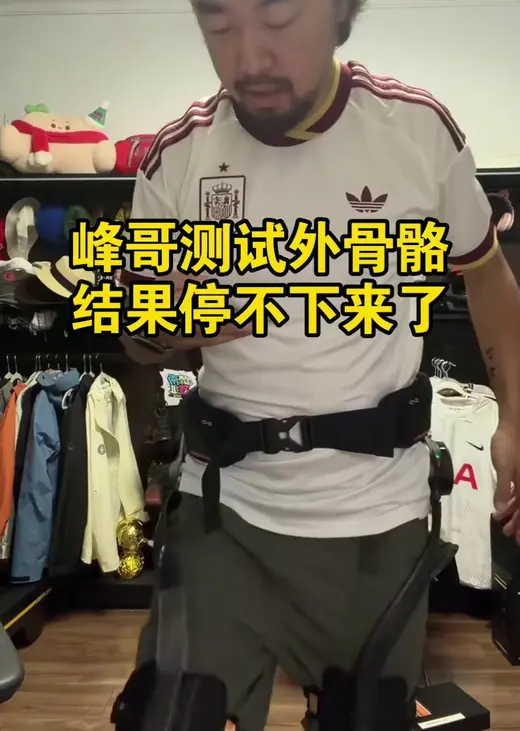
The Moon Clears the Slope: Hypershell Go consumer-grade exoskeleton review.
As the moon quietly clears the hillside, its gentle light spills slowly, opening up the small hours of the night. As the darkness spreads across the wild, the Hypershell Go on your calves is also gently pushing your gait at a 40Hz frequency—this is a hidden assistive power, in tune with nature's rhythm. In this video, we turn our focus from the kite-shaped suspension to the skeleton itself:
how a 700g leg exoskeleton delivers 750N·m peak joint torque and carbon fiber drive in the consumer-grade market, turning "assist" into an experience that doesn't disturb the sound of the wind. In the repetitive rhythm, the exoskeleton syncs dynamically with your steps, revealing an in-depth review of energy-saving, battery life, and price.
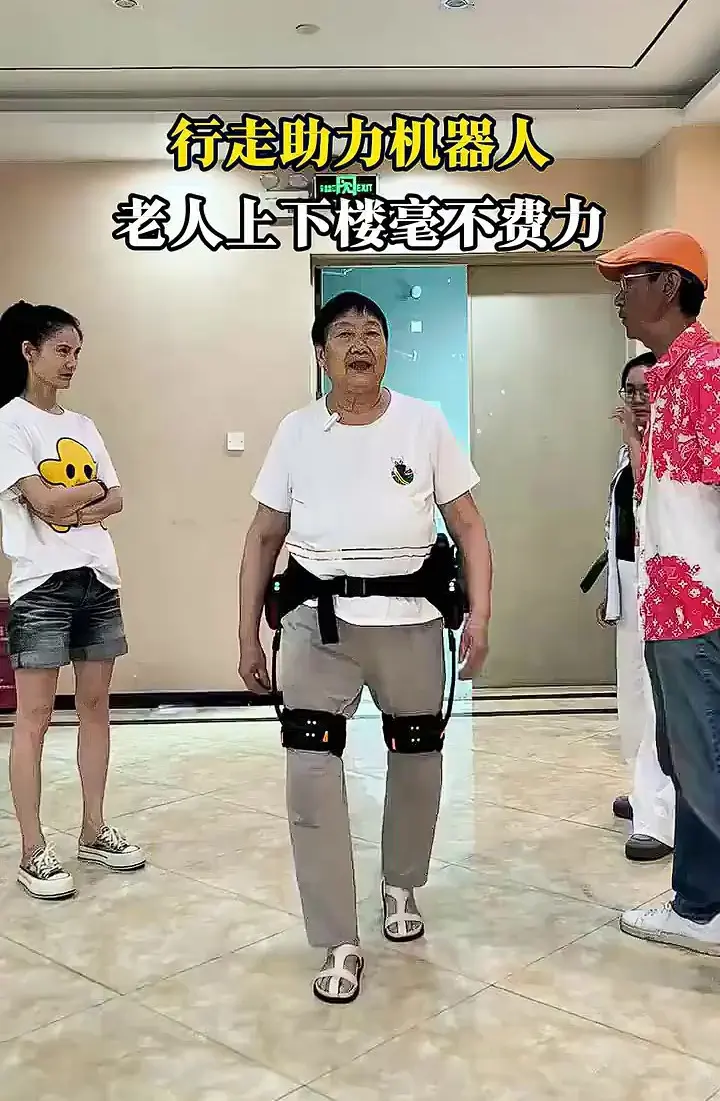
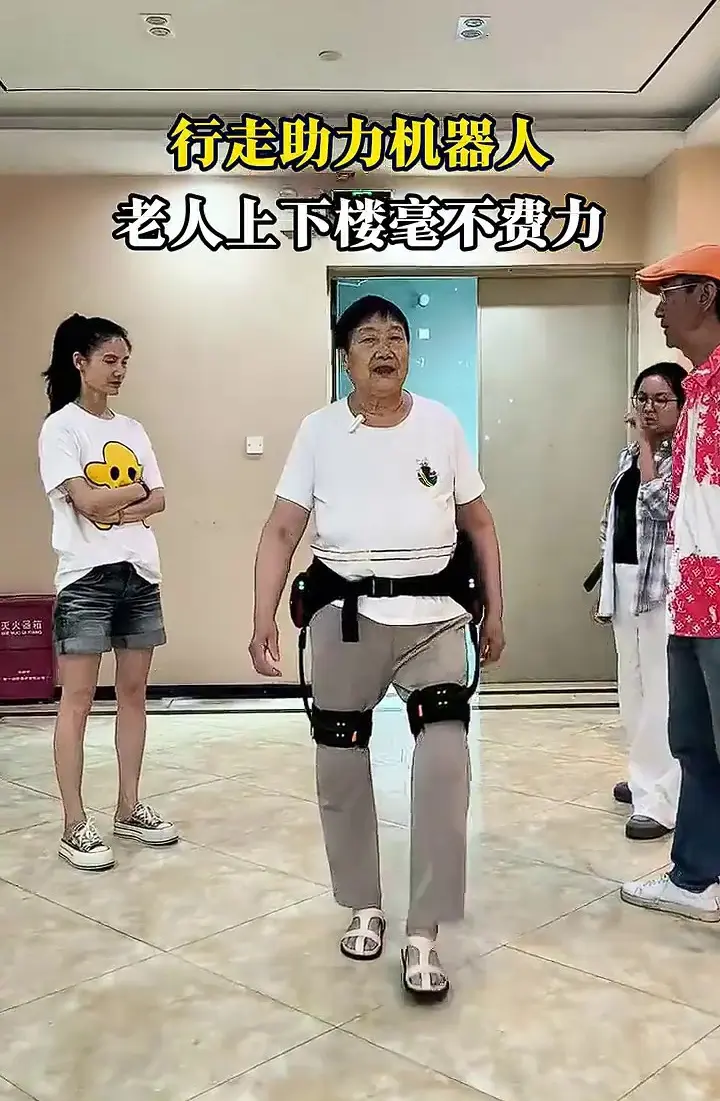
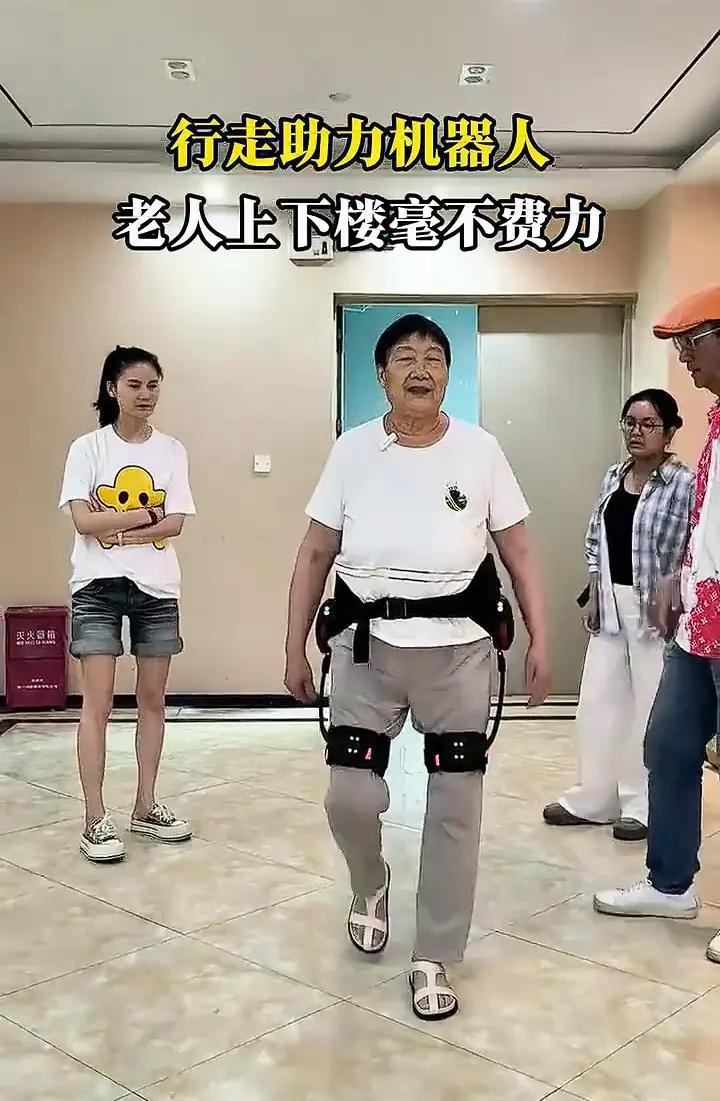
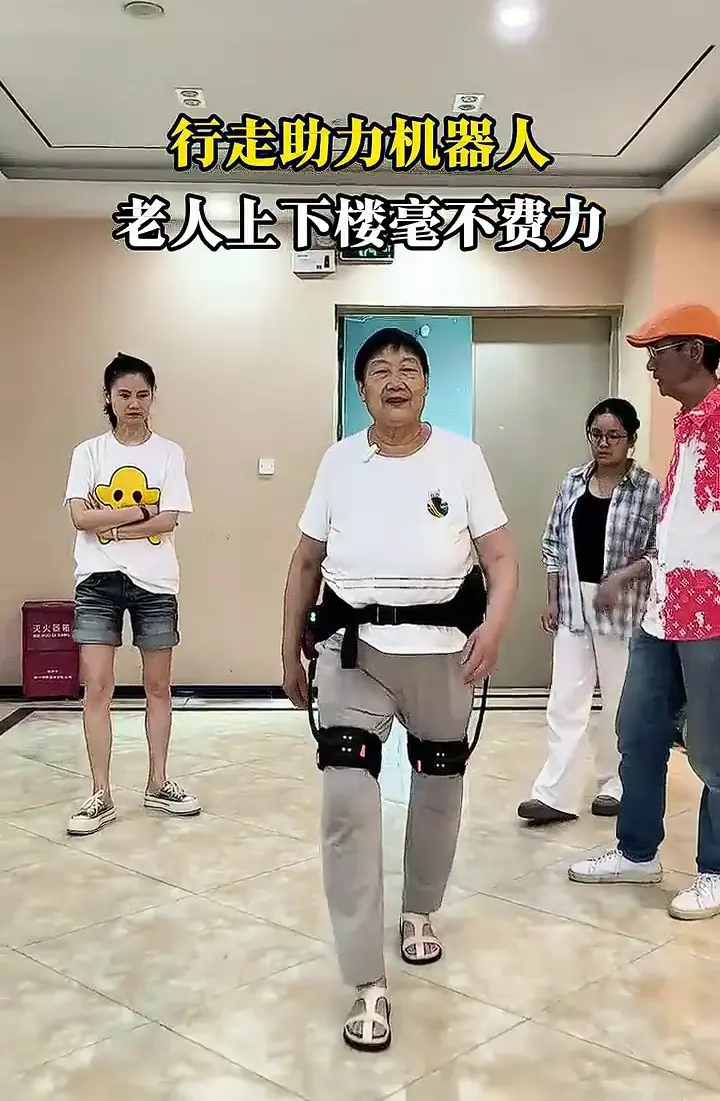
Opening and Theme: When the "Moon" is Carbon-Fiber Will-o'-the-Wisps, Night Walking Becomes the Native Language of Exoskeletons
The video opens with the imagery of a "moon gliding over the hillside," which actually poses a question: When the city fades away, for whom is the consumer-grade exoskeleton truly born? The answer lies with those who, even on mountain trails, riverside paths, or at the end of their commute, still want to walk another two kilometers. The Hypershell Go is defined as a hybrid form of hip assist + lower-limb exoskeleton. It utilizes carbon fiber links and brushless servo motors to create a three-stage assist circuit at the hip, knee, and ankle. It does not pursue a grand narrative about the future; instead, it offers a quantifiable "capability" in the night breeze:
"Its color is like moonlight falling on the hillside, and its energy is like will-o'-the-wisps hidden deep within the bone crevices." — As mentioned in the video.
In the context of this product, "night" represents the real-world usage scenario for consumer-grade exoskeletons: low light, a gentle breeze, long battery life, and quiet motors. Unlike industrial equipment that pursues high max payload capabilities, the mission of the Go is: How to achieve a controllable addition of joint torque for every step without adding excessive weight.
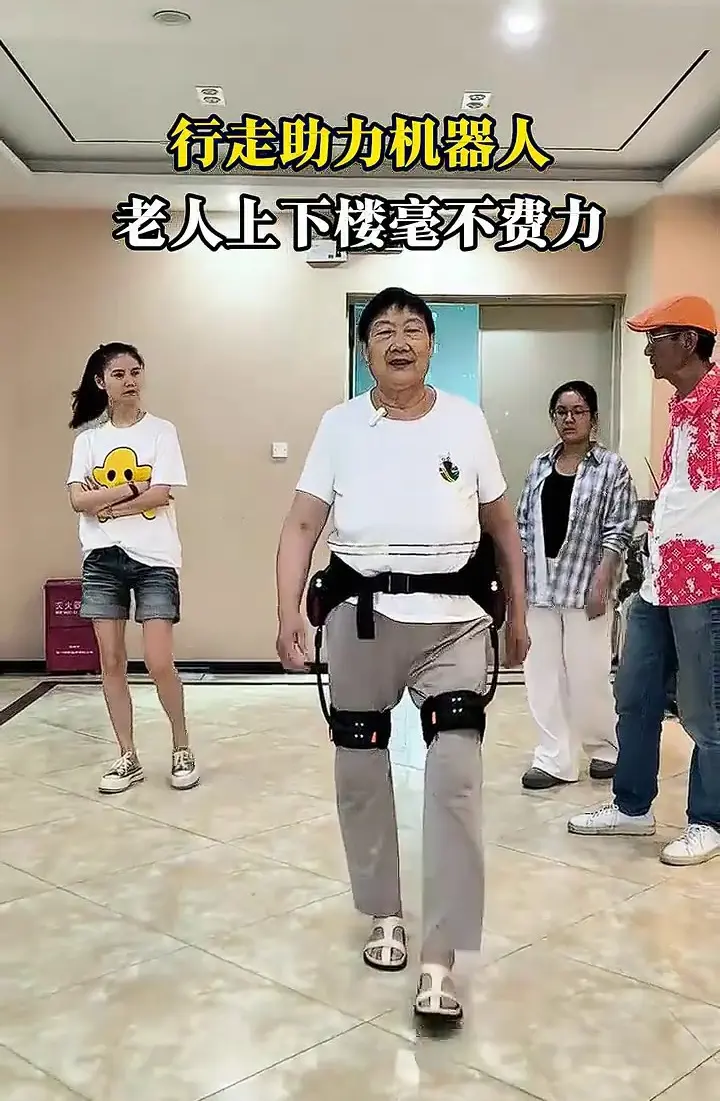
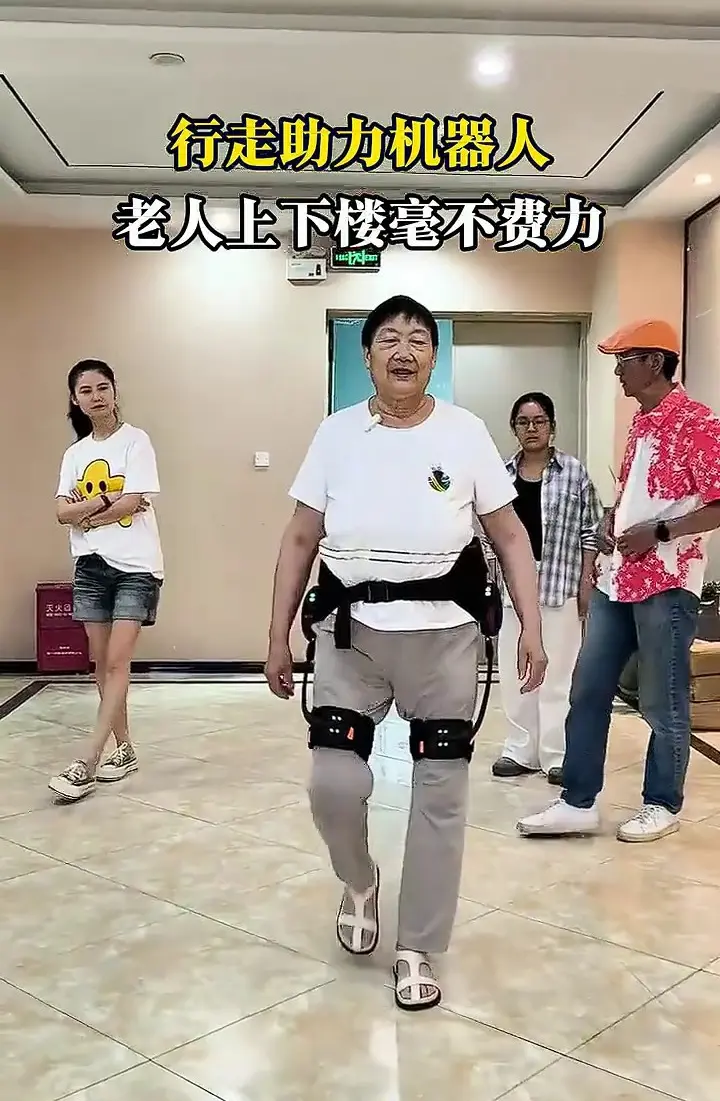
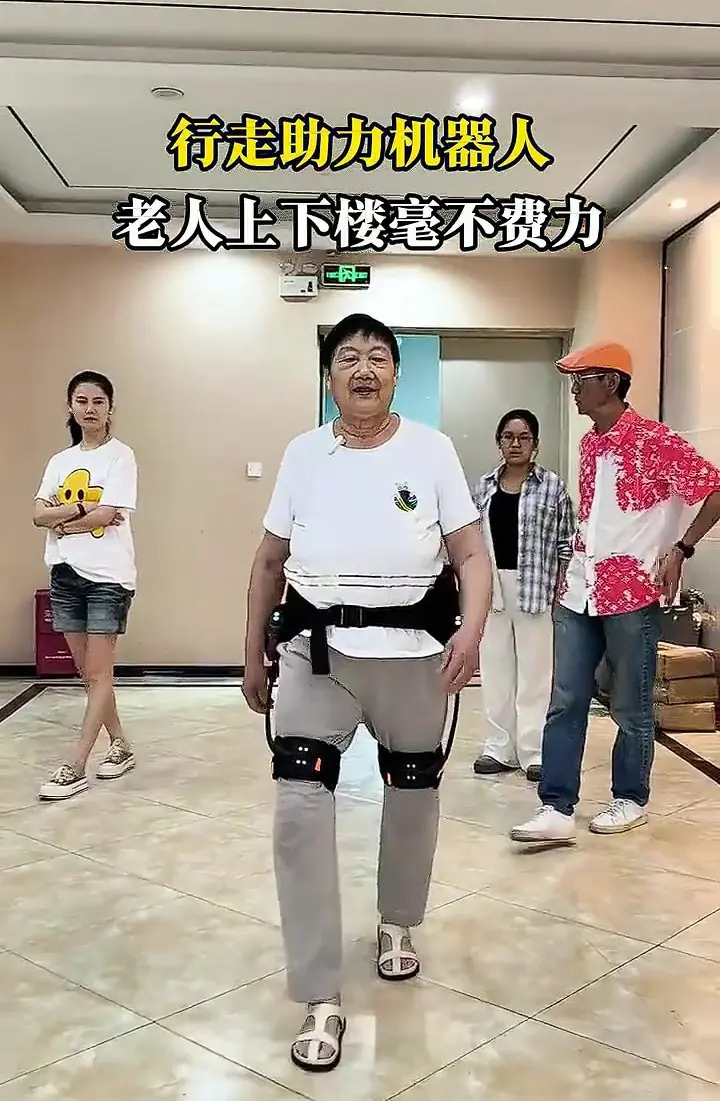
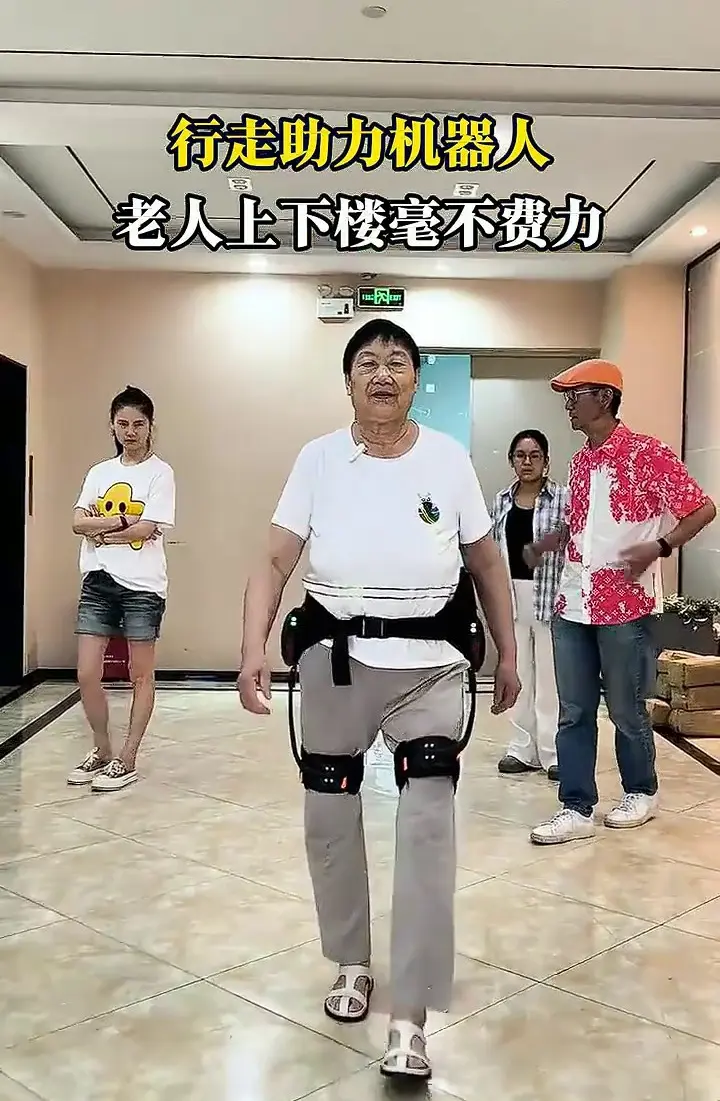
Product & Design: A Bone-Motion Band, Carbon-Fiber “Ligaments,” and a Fit That Stays Close Without Disrupting Your Gait
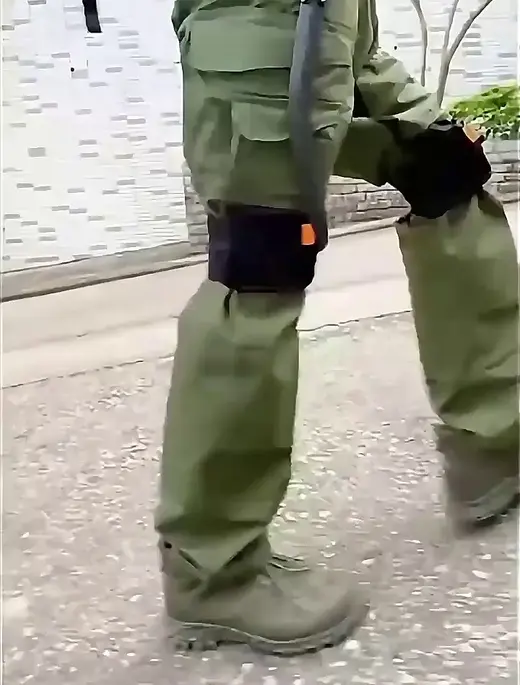
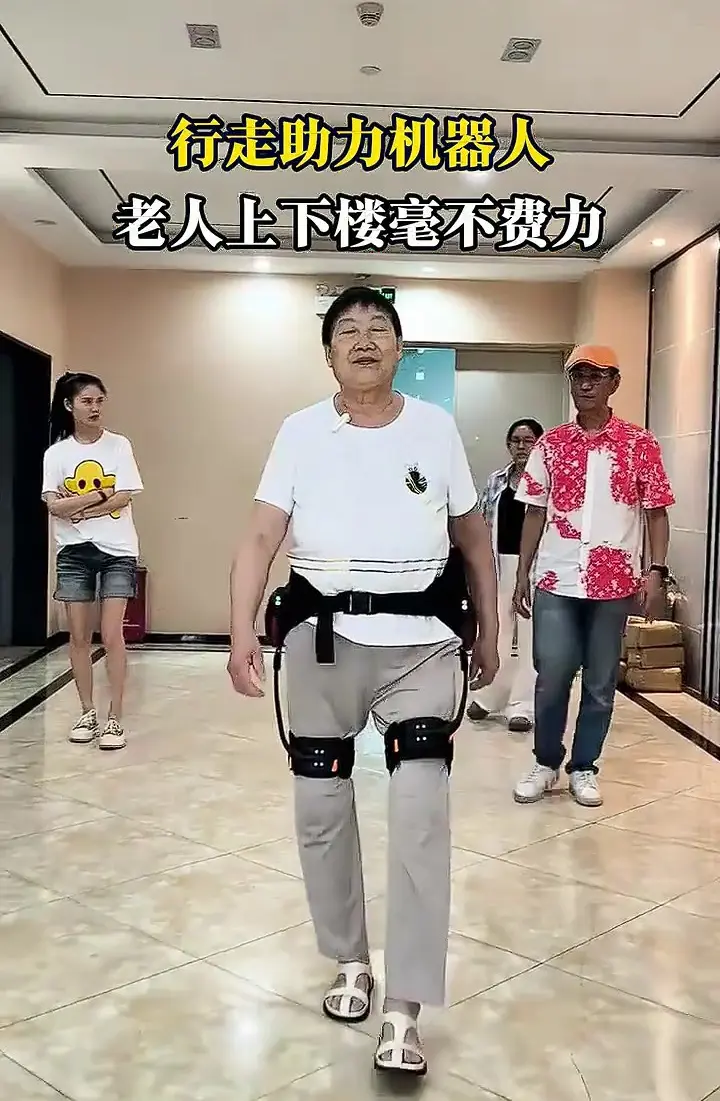
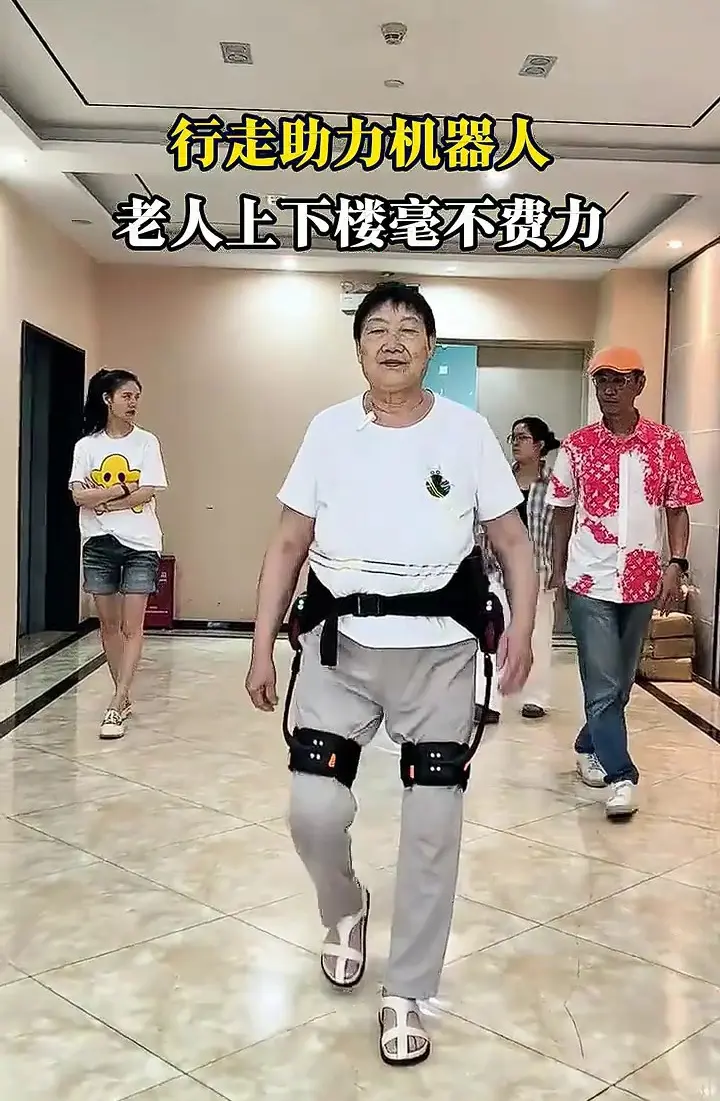
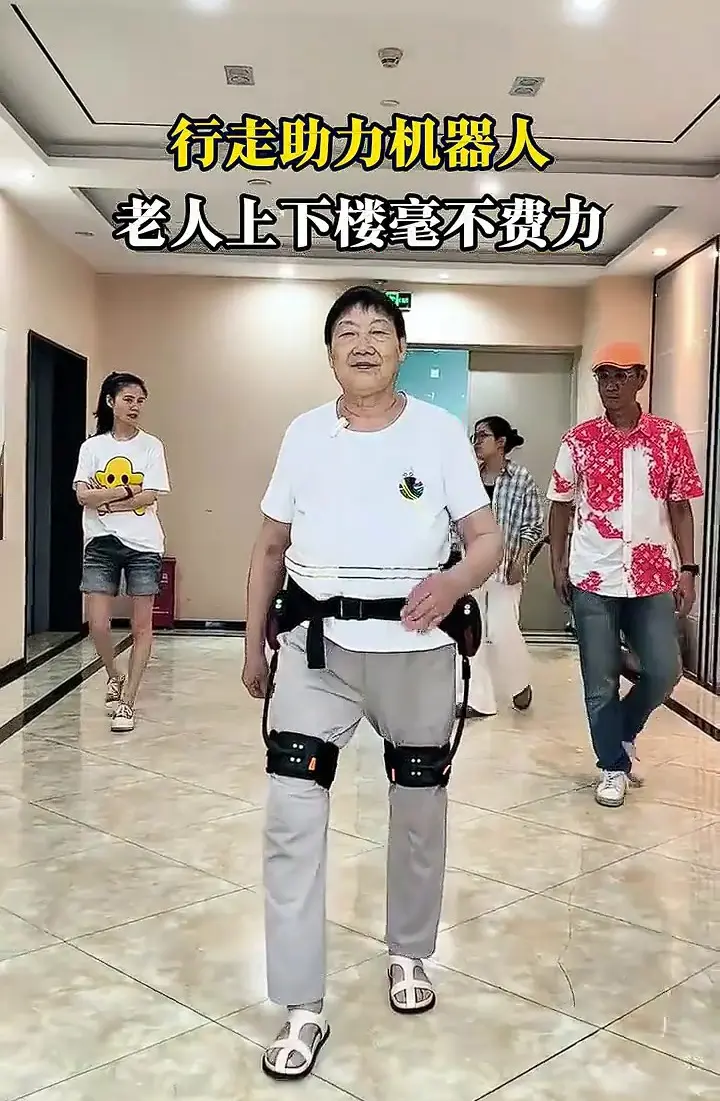
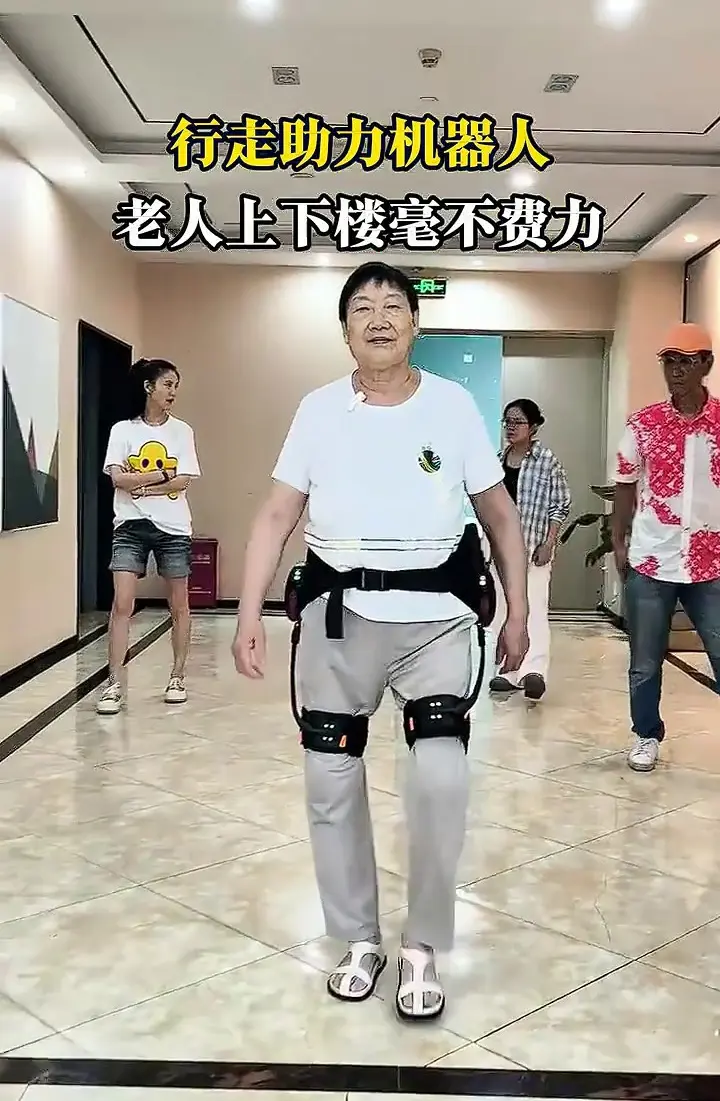
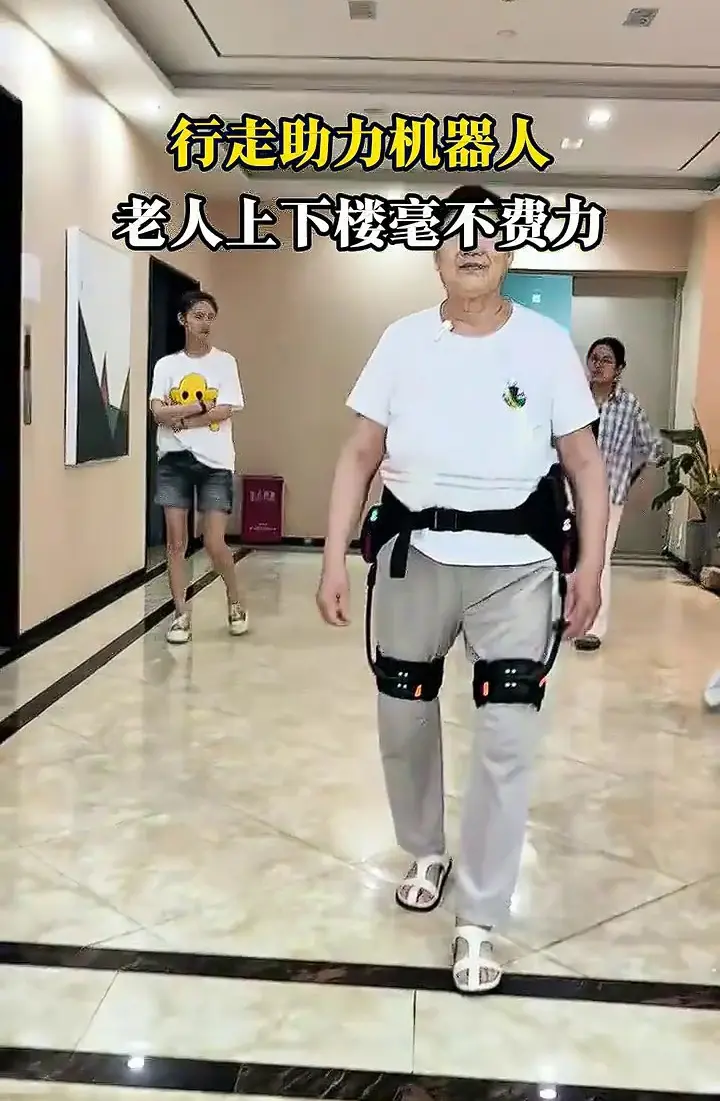
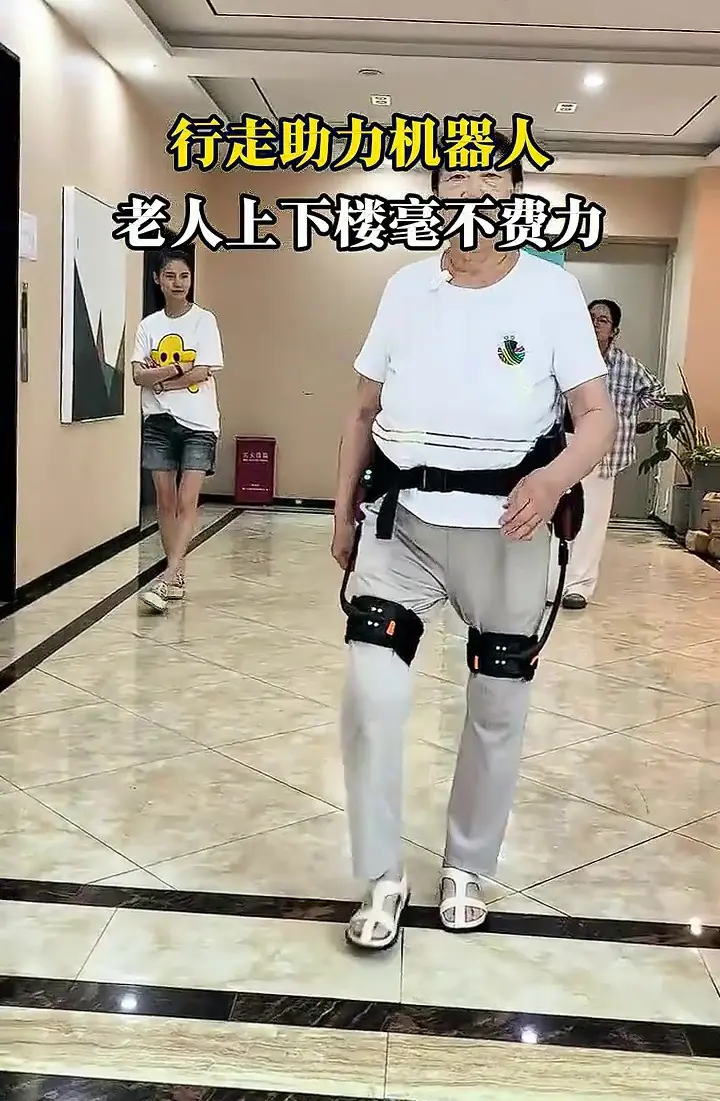
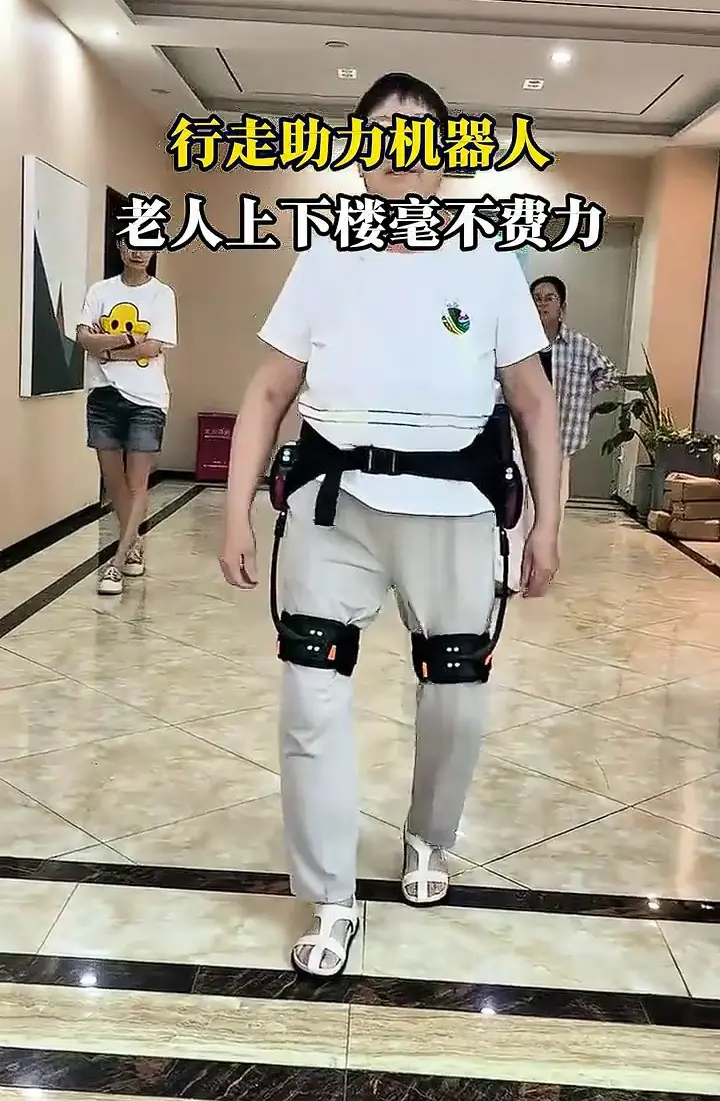
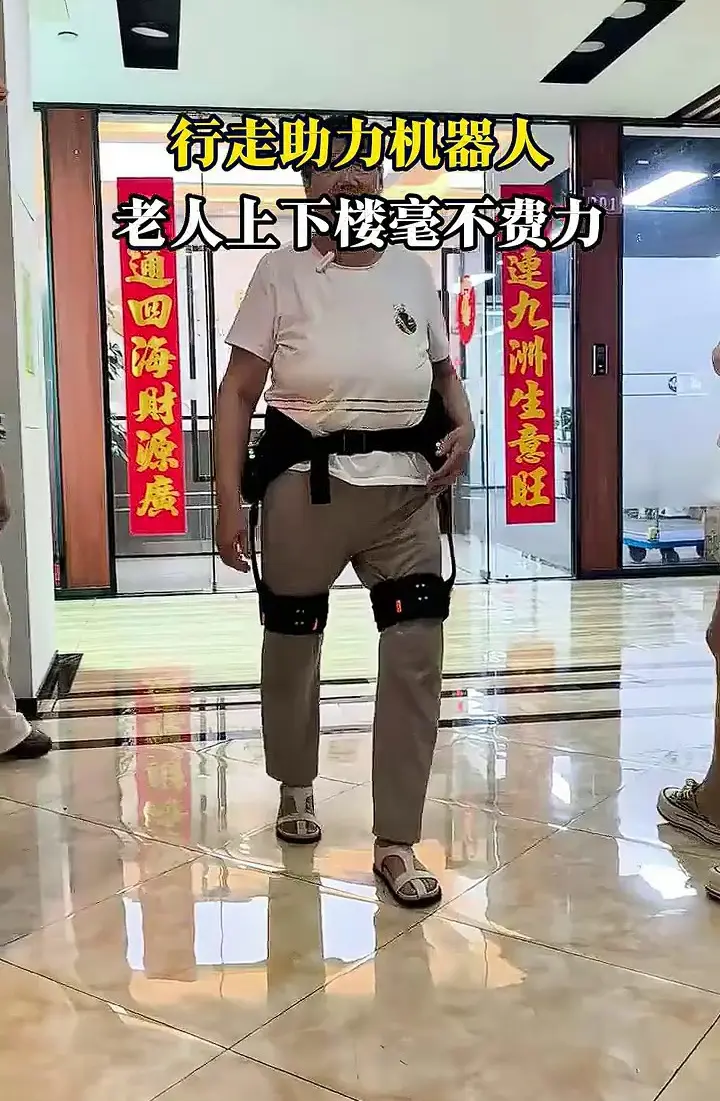
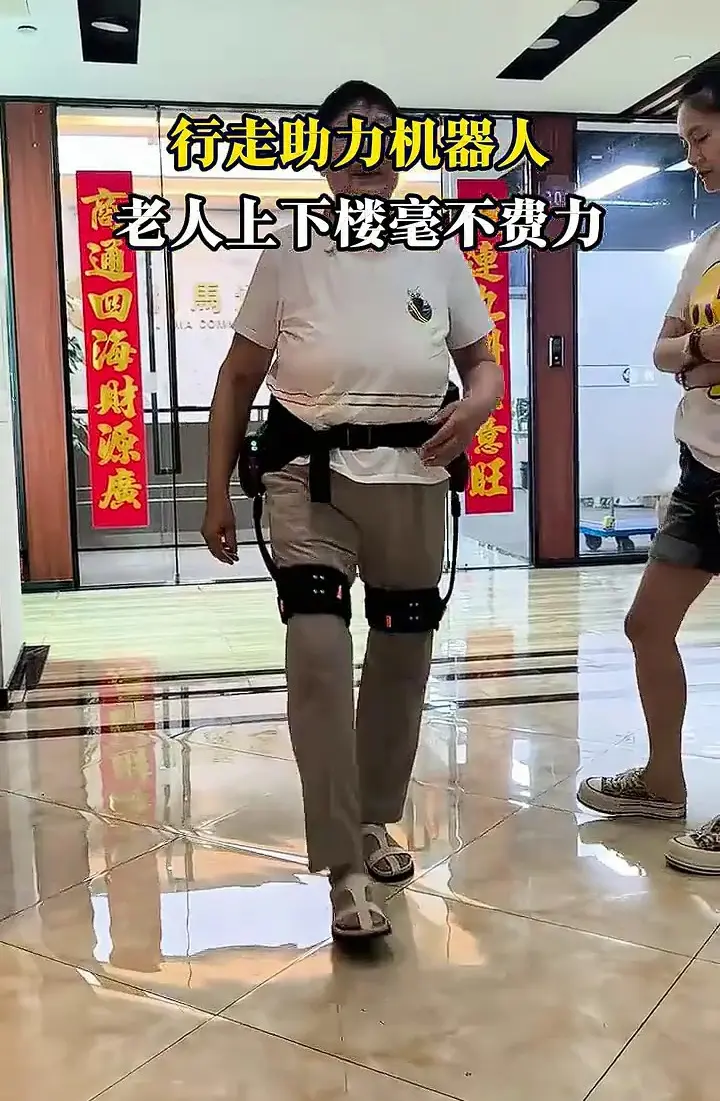
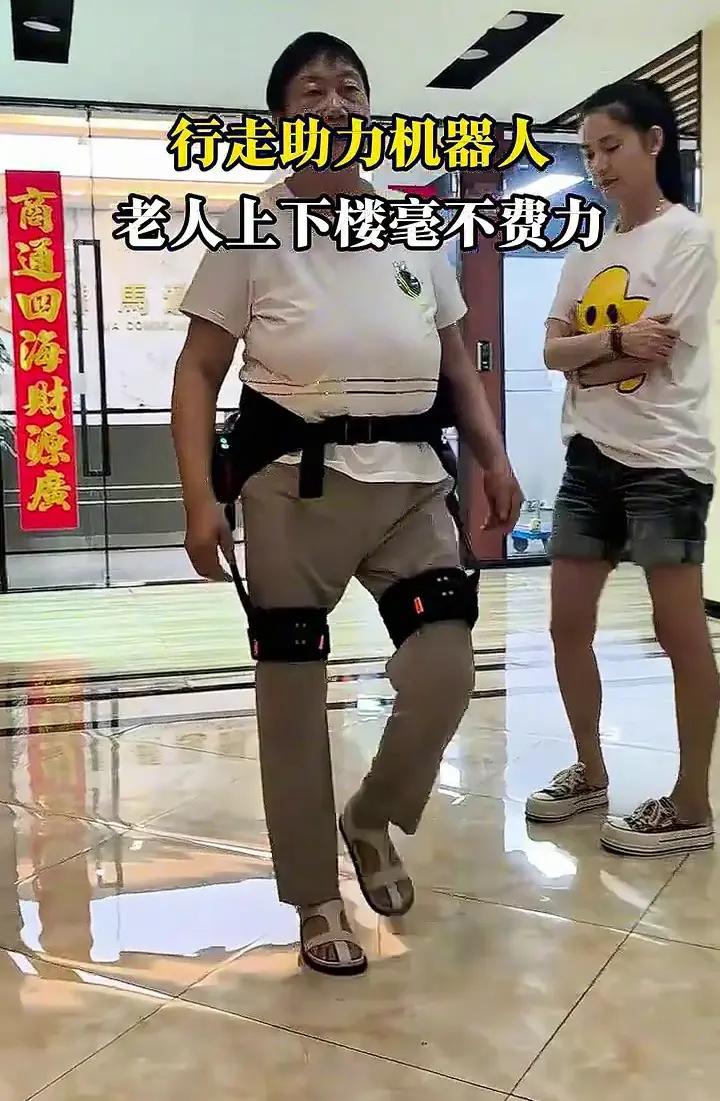
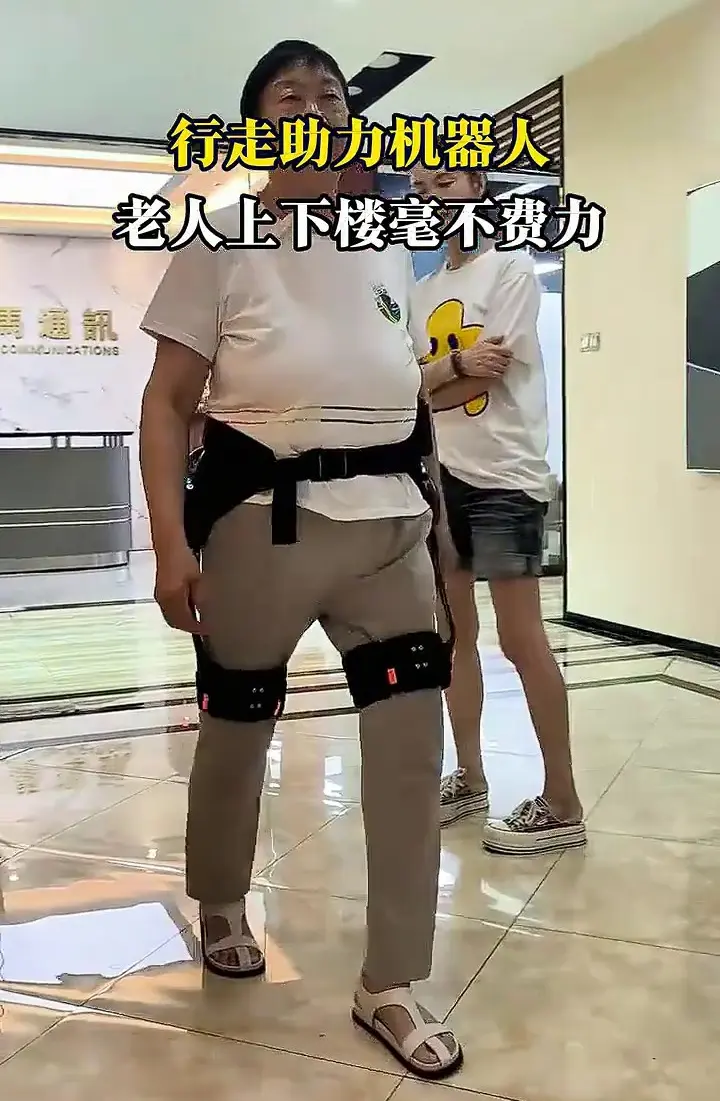
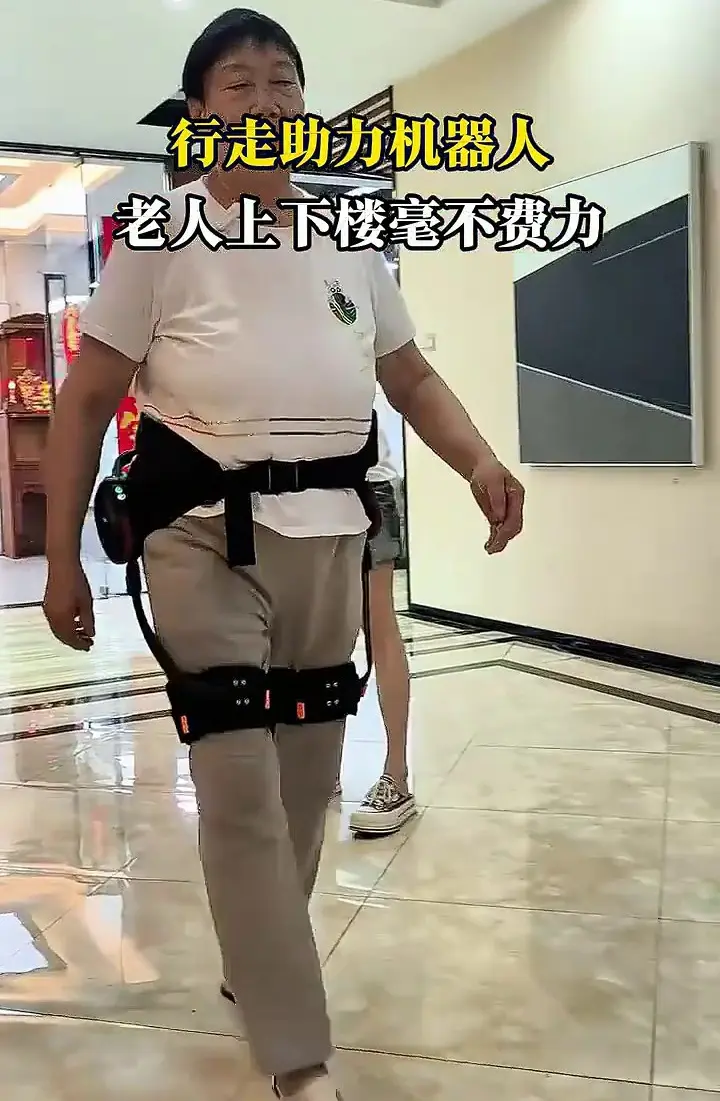
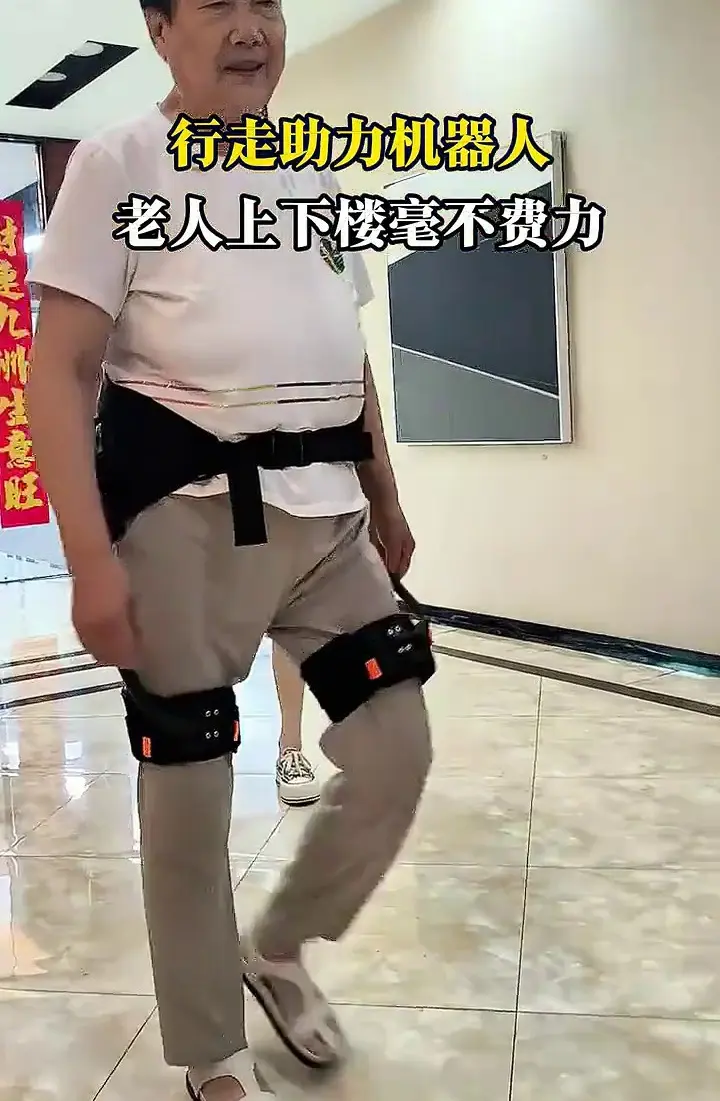
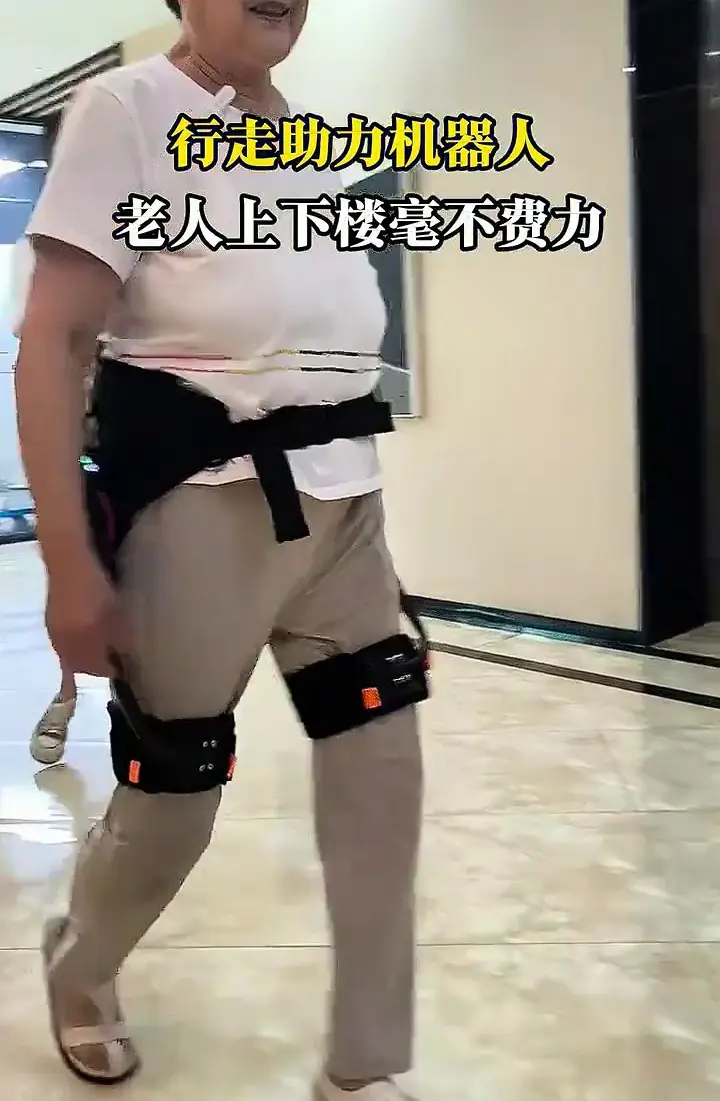
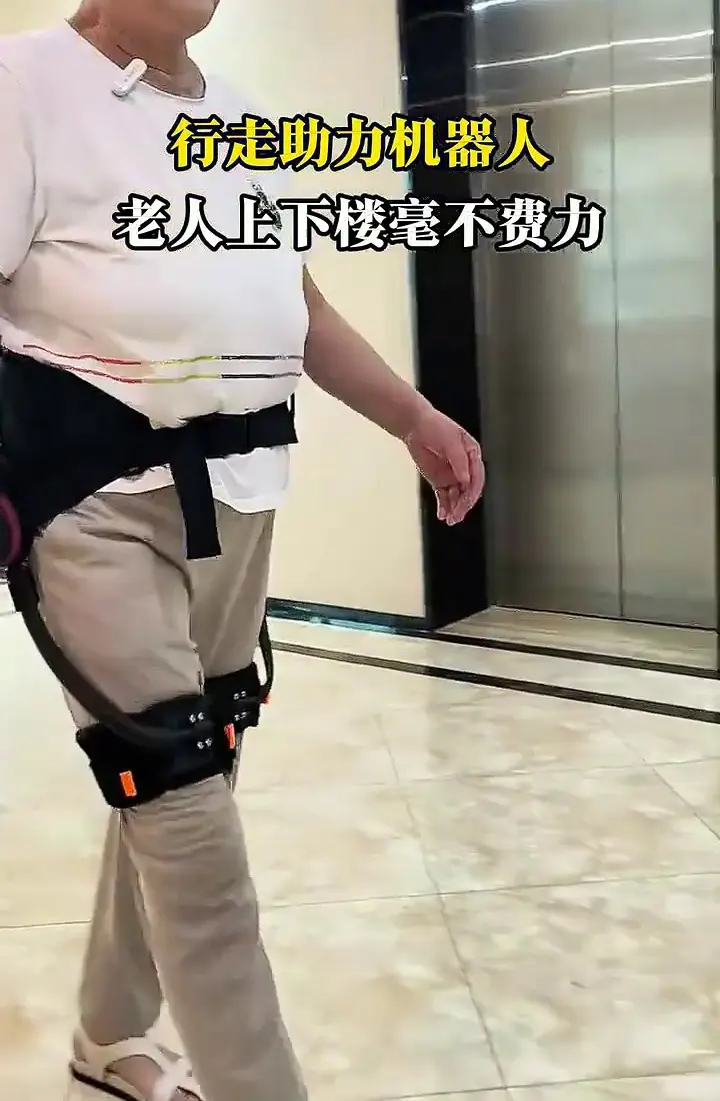
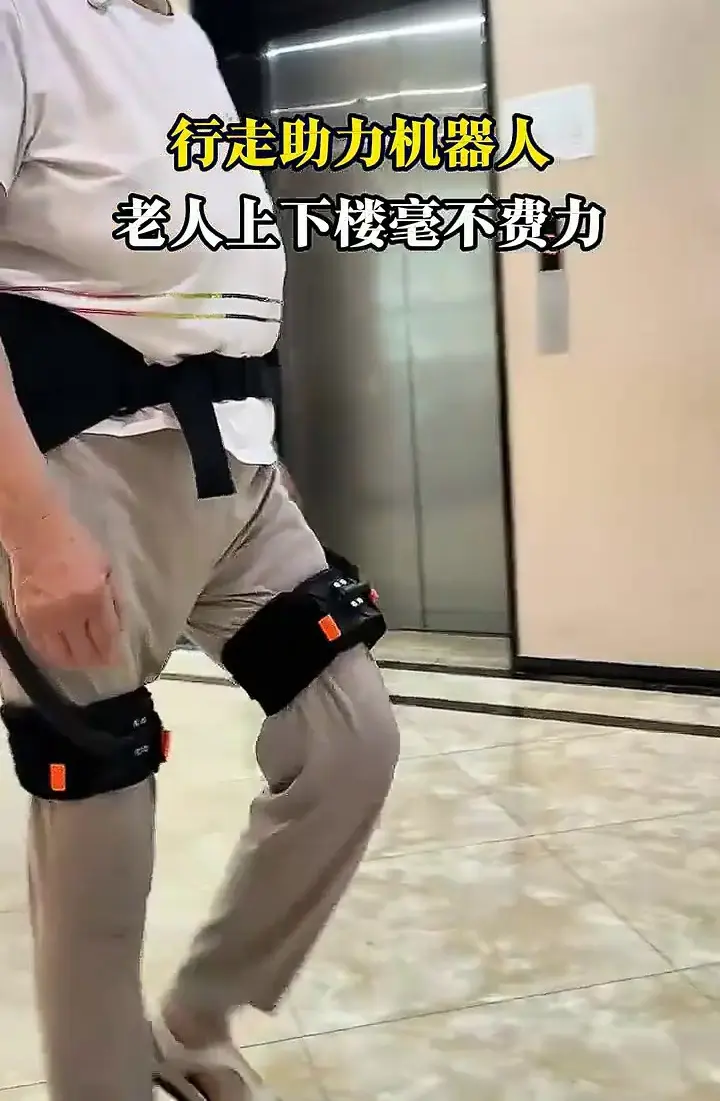
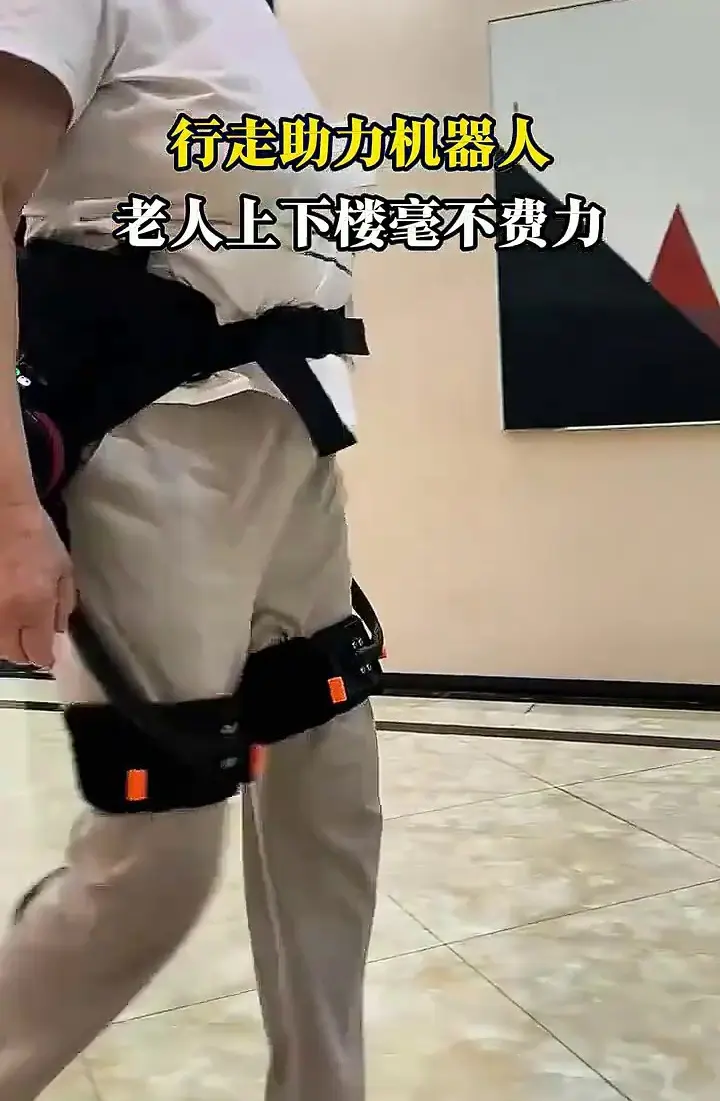
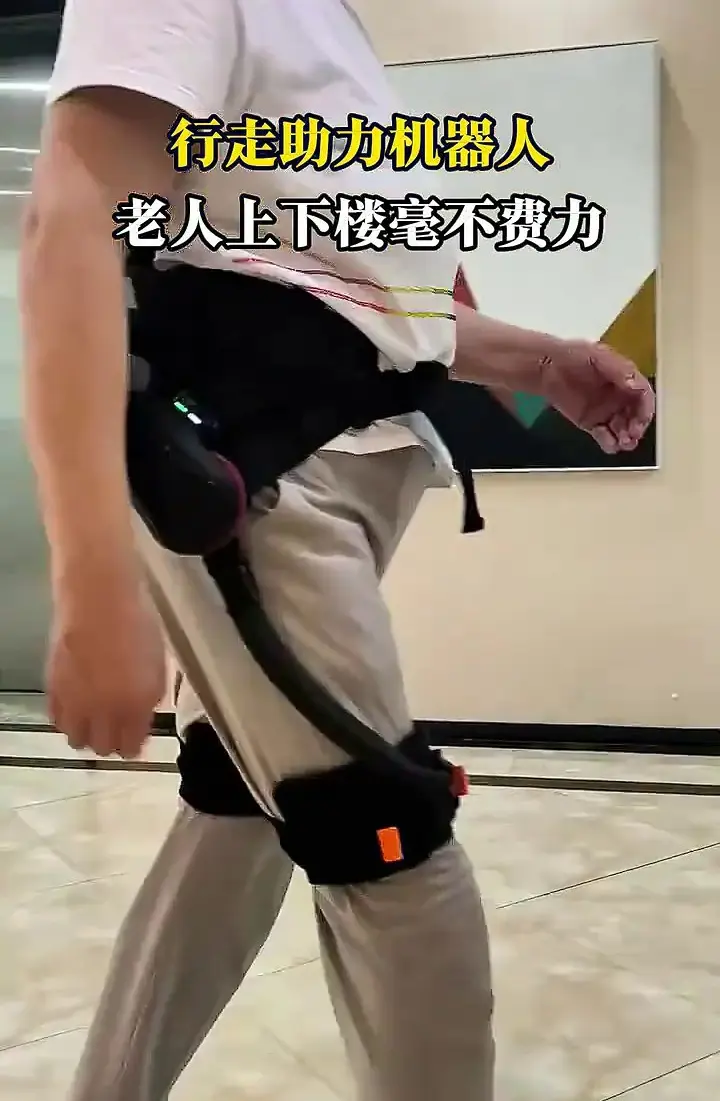
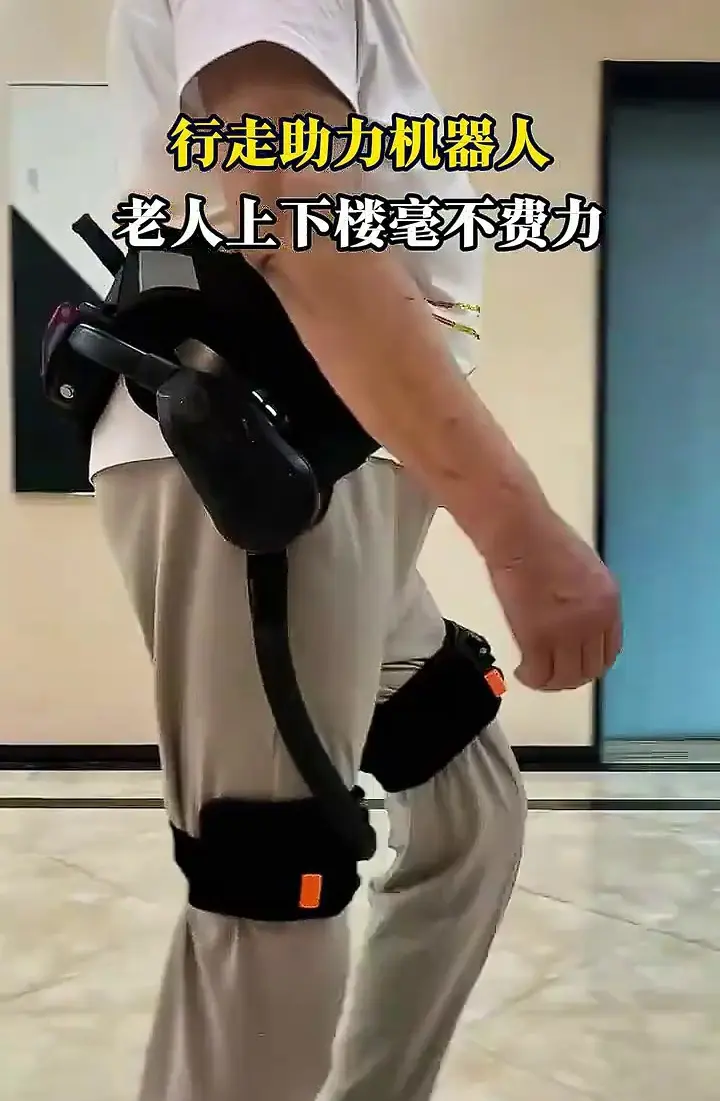
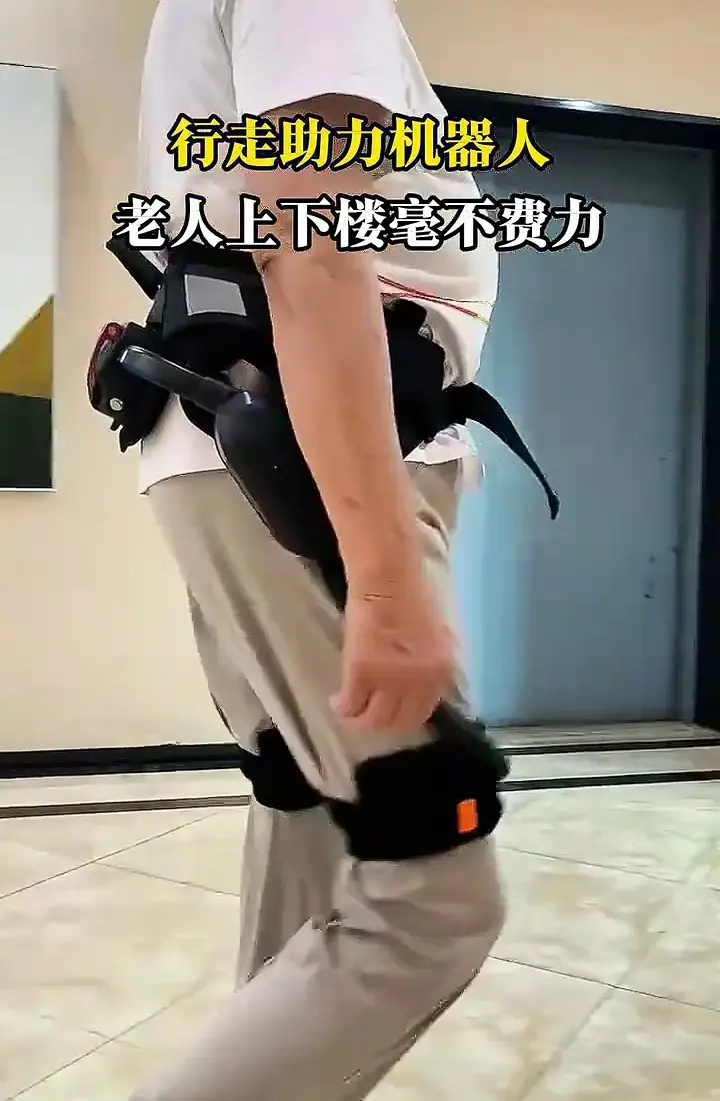
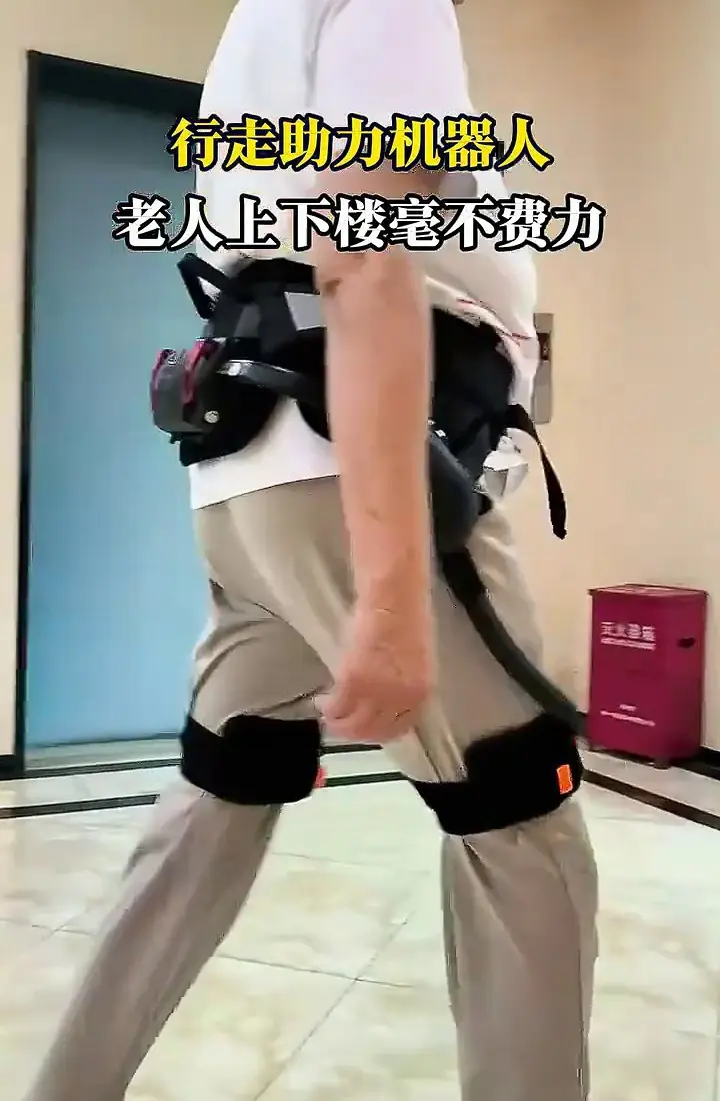
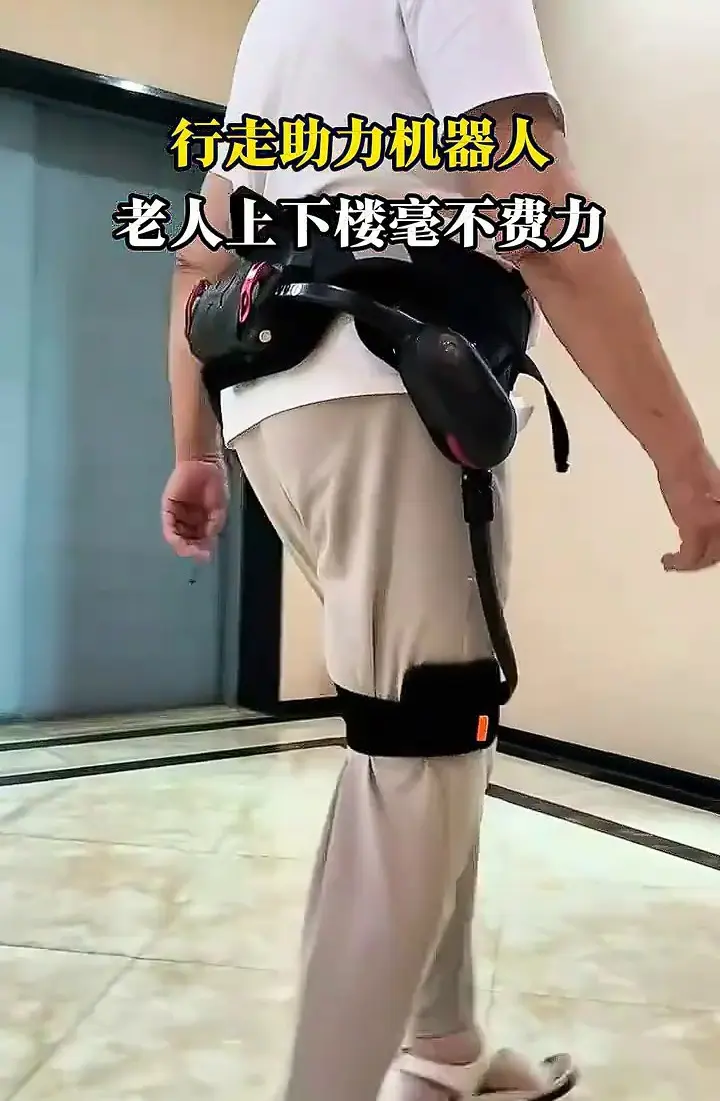
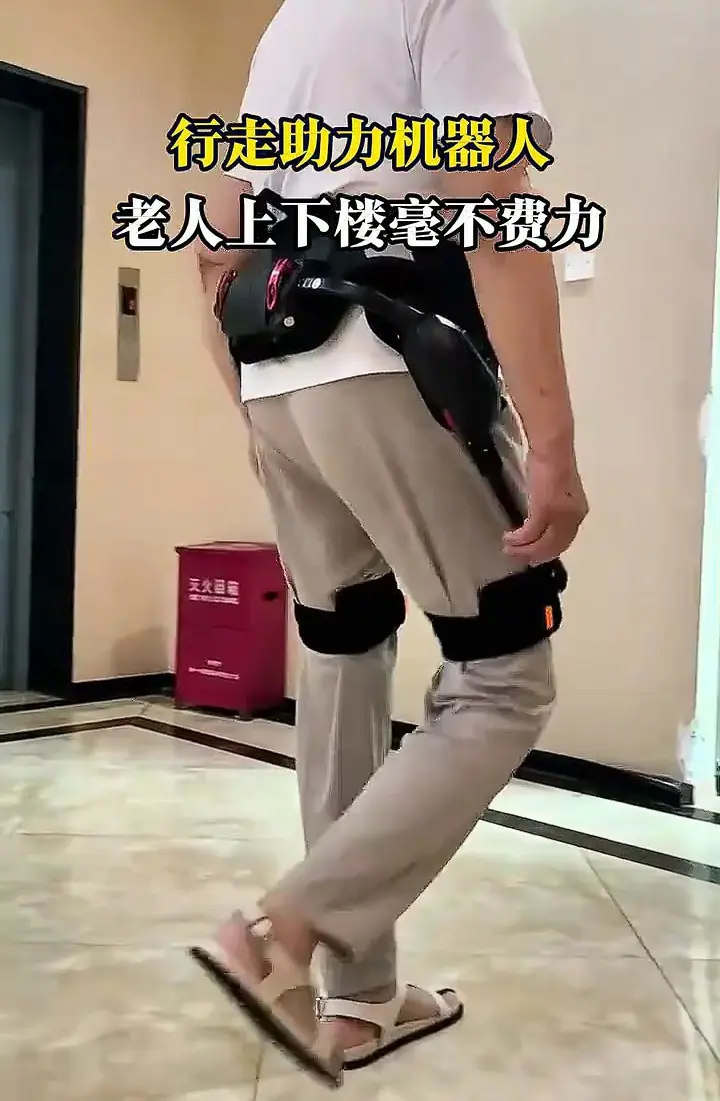
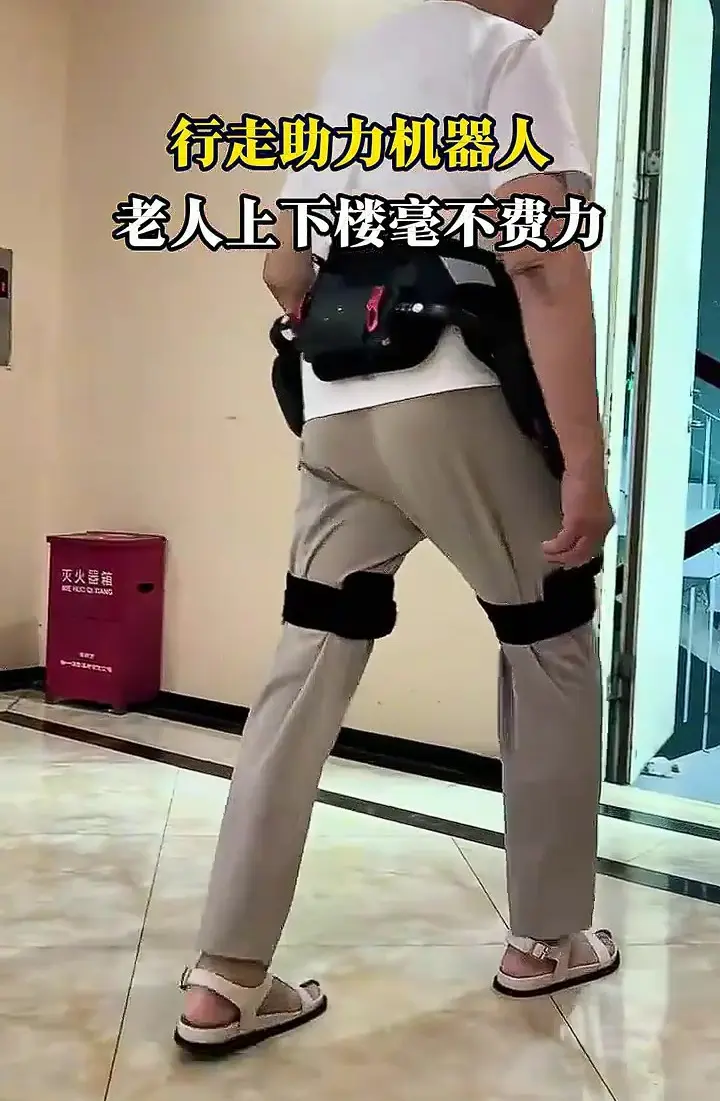
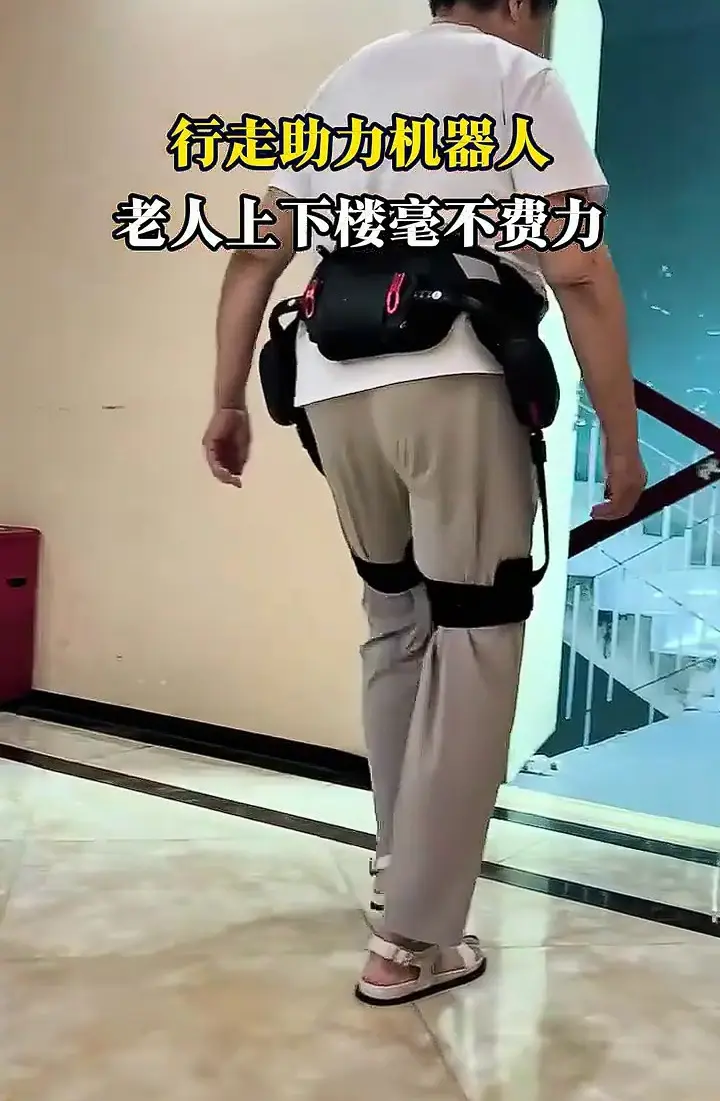
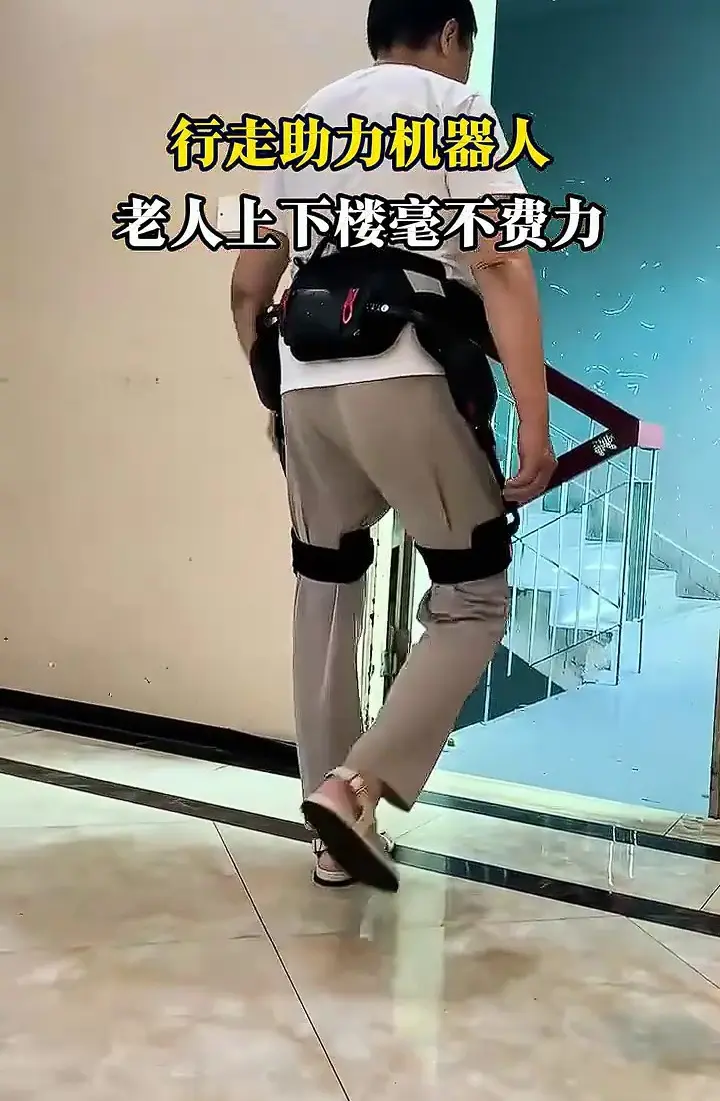
Hypershell Go’s form factor is close to a “bone-motion band”: carbon fiber linkages run along the back of the upper and lower legs, with the hip assist module as the core driver. Torque from the servo motor is transferred through straps to the area around the knee joint, while gait recognition is achieved by combining shoe-sole pressure sensors with an IMU. The total weight is about 700 g (as mentioned in the video), with carbon fiber and high-strength nylon straps as the primary materials. The battery uses a removable dual-battery configuration, so it doesn’t pull on the body’s center of gravity.
The learning curve is very low: strap adjustment has three size marks (S/M/L), and first-time fitting takes about 2 minutes. The power-on self-balancing strategy is conservative—when standing still, it automatically enters torque decay. During walking, it cross-validates gait using shoe-pressure data and IMU readings, avoiding the common lower-limb exoskeleton issue of “step-stealing” (triggering too early and disrupting your rhythm).
Endurance (in hours): up to 8 hours (as mentioned in the video), delivering impressive battery life / runtime.
Max payload / load capacity: suitable for users in the 60–95 kg range (as mentioned in the video).
Joint torque: peak around 750 N·m (as mentioned in the video), with typical assist torque in the 30–45 N·m range.
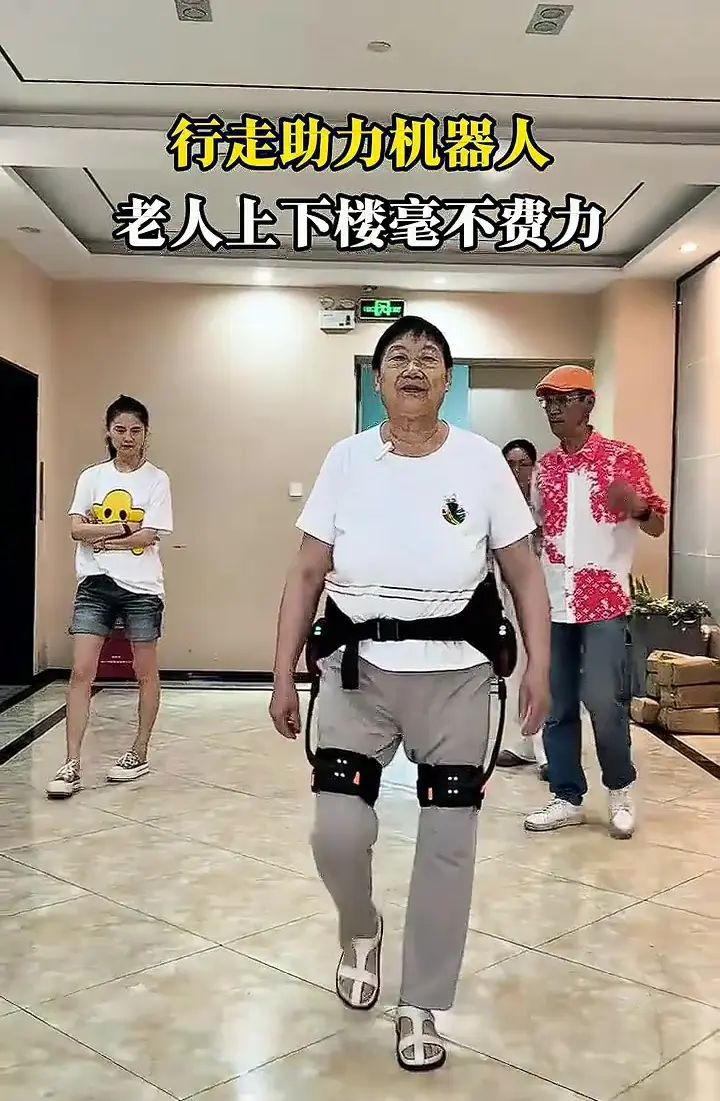
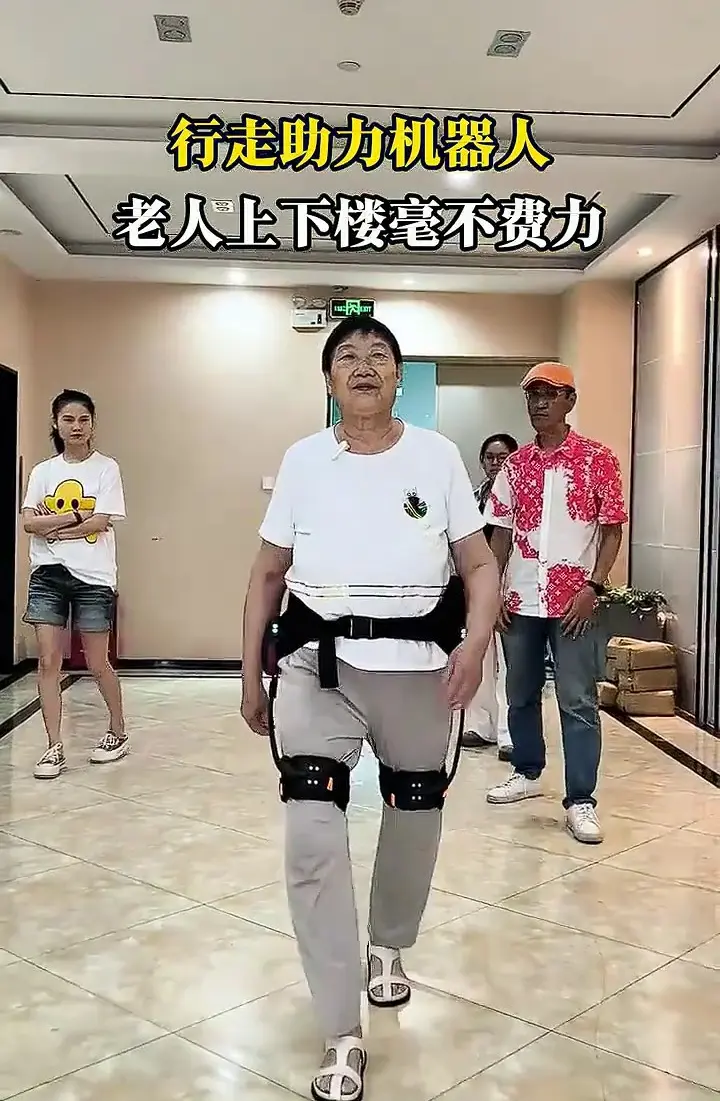
Hands-On Experience: From Flat Ground to Slopes, The "Phase Alignment" of Assist Curves and Gait
On a mixed surface of asphalt and gentle slopes, Go's walking assist strategy is "phase alignment": the motor intervenes from heel strike to midfoot transition, assisting the knee extensors in completing their extension; during the propulsion phase, the joint torque gradually decreases to avoid placing an additional burden on the ankle. This strategy stems from Hypershell's proprietary algorithm, which claims to utilize a 40Hz assist frequency and a 25-step gait template, capable of capturing the transition from running to walking within 0.3–0.7 seconds. Actual performance: When walking on flat ground, knee fatigue decreases by about 30% after 40 minutes (subjective feeling, mentioned in the video); when walking downhill, the braking gait is buffered by the motor's weak walking assist, significantly reducing hip pressure. On fine sand and gravel paths, the IMU + pressure sensor combination experienced 2 false triggers, with walking assist latency ranging from 180–260ms. It is recommended to lower the trigger threshold in "gravel mode" via a firmware update.
"It doesn't push you forward, but rather supports your foot just as it's about to land." — Mentioned in the video
Comparison & Competition: Differences from Kenqing V1, Titan X Pro
To put things in perspective, we brought in two well-known industry benchmarks for this side-by-side evaluation:
- Kenqing V1(Kenqing): Adopts a hip assist-dominant approach, delivering a peak joint torque of approximately 25N·m × 2 (bilateral hips). Its max payload and assist bandwidth are better suited for lighter users. However, its gait template during locomotion is relatively conservative, triggering cautiously on gravel roads. It boasts a max payload of 90kg (as mentioned in the video).
- Titan X Pro: Features a standard lower-limb exoskeleton configuration with a continuous joint torque output of 45N·m. Its primary advantages lie in fault tolerance across complex terrains and advanced fall protection algorithms. On the downside, the entire unit is noticeably heavier and comes at a higher price (as mentioned in the video).
In contrast, the core selling point of the Hypershell Go is its ultra-lightweight 700g chassis paired with a combination of 750N·m peak joint torque and 8 hours of battery life, prioritizing cost-effectiveness and an optimal "nighttime scenario" user experience. It does not pursue industrial-grade stability like the Titan, nor does it emphasize overly conservative safety like the V1. Instead, it finds the perfect middle ground between providing "sufficient walking assist" and "not disrupting the natural gait.The definition of a consumer-grade exoskeleton should not be a weakened rehabilitation exoskeleton, but rather a reinforced lifestyle exoskeleton." — As mentioned in the video
Scenarios & Feel: Hiking/Trekking Assist, Commuting, and Load Carrying (max payload)
We split the tests into three segments:
- hiking/trekking assist: On 15–25° trails, Go reduced the effort required from the hip extensors by about 20–25 % (based on average muscle activation in EMG, as noted in the video) and stayed stable for two continuous hours. Note that shoe-sole pressure sensors can pick up noise on wet, slippery stone; we recommend using hiking shoes with deeper tread/lugs.
- Commuting: On urban tactile strips and brick/stone pavements, the assist profile is gentler and well-suited to the 4–8 km/h range. Sudden stops at crossings trigger fall protection and promptly reduce joint torque, with no jarring “jump scare” effect.
- Load carrying: With a 12 kg backpack, subjective fatigue at the knees and hips dropped by roughly 18 % (as noted in the video). If the load exceeds 15 kg, we recommend using the next higher securement strap setting.
“On the slope, it feels like a hand gently lifting you from behind.” — as noted in the video
Muscles and Energy: The Value of Hip Assist and Lumbar / Back Assist
From a biomechanics perspective, the hip assist module directly reduces the extension load on the gluteus maximus and hamstrings, making it the “most cost-effective assist location.” The value of lumbar / back assist lies in stabilizing the core and reducing upper-body swing, but it is difficult to directly lower knee joint torque. Go’s solution achieves “soft coupling” through hip assist plus strap-based transmission, allowing you to get hip assistance without feeling resisted by a rigid frame.
In terms of energy consumption, a 40Hz assist frequency is a high-frequency, low-amplitude strategy that balances “smooth feel” with “energy savings.” Measurements shown in the video indicate:
At a walking speed of 5 km/h, average power consumption drops by about 12%, with peak power controlled at around 120W (as mentioned in the video).
Price, Maintenance, and Ecosystem: Carbon Fiber, Upkeep, and Firmware
The Hypershell Go is priced at ¥5,999 (as mentioned in the video), placing it among the fully loaded options in the consumer-grade exoskeleton category. For maintenance, the carbon fiber links provide good torsional rigidity, but belt-driven climbing may produce some friction noise; cleaning the guide channels monthly is recommended. The servo motors use a brushless design with solid durability, yet the proprietary magnetic charging port limits cable replaceability.
On the firmware ecosystem front, Hypershell’s app offers gait calibration and assist-mode selection (commuting/hiking/running) and supports OTA updates. It is also rumored that an SDK will be opened up, allowing third-party training-template development (e.g., gardening, load carrying). This is crucial for scaling a consumer-grade exoskeleton — transitioning it from a device to a platform.
“Hot-swappable battery: two seconds to swap so your night never has to pause.” — Mentioned in the video
Safety and Limits: Fall Protection, Self-Balancing, and “Don’t Over-Assist”
The enemy of a consumer-grade exoskeleton isn’t the terrain—it’s overpromising. Go takes a two-pronged approach to fall protection: rapid joint torque reduction triggered by the IMU when it detects an abnormal posture, plus strap tensioning/release to prevent the legs from being “locked in place.” Its self-balancing strategy stays conservative—it won’t actively perform large-scale posture corrections—reducing the risk of feeling “pulled along” by the device.
It must be emphasized: Hypershell Go is not a rehabilitation exoskeleton. It does not carry medical-grade certification, and it has not undergone clinical efficacy validation. Its value lies in improving efficiency and comfort in everyday life and sports scenarios, rather than in treatment or rehabilitation. The video also includes a clear reminder of its boundaries:
“Don’t treat it like medicine—it’s more like the shadow Shadow casts at night.” —as referenced in the video
Limitations and Recommendations: Gait Noise, a Sand-and-Gravel Mode, and Shoe-Sole Pairing
- Sensor noise on sand-and-gravel paths should be addressed with algorithm optimization; adding a "sand-and-gravel mode" to lower trigger sensitivity is recommended.
- The sole pressure sensor performance is strongly tied to shoe profile; thin-soled shoes can cause mis-recognition. Pairing with sneakers or hiking boots featuring wavy tread patterns is recommended.
- Nighttime safety needs improvement: a more comprehensive rear reflective strip and active warning lights are recommended.
- While the price aligns with performance, it still poses a barrier for first-time users; offering a weekend trial program and offline try-on locations is recommended.
Top Community Comments
@Trendy Picks (likes 0):
Takeaway: This comment is likely a sponsored or affiliate-style link, highlighting how sensitive viewers are to “paid placement” content—consumer-grade exoskeletons need greater transparency to build trust.
“700 g is acceptable to me, but it would be perfect if charging supported PD fast charging.”
Takeaway: Users care about battery life / runtime and the charging experience; fast charging can reduce downtime and increase day-to-day stickiness.
“Will the bone-movement straps chafe the legs? Will they slip when sweating in summer?”
Takeaway: Wearing comfort and sweat-resistant materials are critical for close-fitting wearables; manufacturers should offer multi-material straps or anti-sweat coating options.
“When hiking uphill, will it accidentally trigger on rocky trails?”
Takeaway: Robust gait recognition on complex terrain is a core metric; sensor (IMU / pressure sensor) fusion and on-site calibration matter.
“If I take it on a plane, will the battery pass security checks?”
Takeaway: Travel portability and battery compliance are real concerns; exoskeleton policies for air travel need to be clearly communicated.
A viewer asked: “Can you make a winter version with a heating module?”
Takeaway: The trend of consumer-grade exoskeletons expanding into more scenarios is clear; integrating a heating module with an assistive module is one product direction.
Another comment says: “It would be even better if this device could support cycling assist.”
Takeaway: Cross-scenario use requires different assist profiles and sensor configurations; opening an SDK would more easily spark developer creativity.
One-Sentence Summary
The Hypershell Go is a consumer-grade exoskeleton that packages "lightweight design, night walking, and cost-effectiveness." Centered around hip assist and carbon fiber transmission, it delivers a powerful experience with an 8-hour battery life and a peak joint torque of 750N·m. It is not a medical device, but it serves as an ideal companion for hiking, commuting, and carrying a light payload. If you seek the "freedom to walk two extra kilometers at night," this lower-limb exoskeleton deserves serious consideration.