Chengtian GoGo H Pro vs. GoGo H: A Decade of Medical Tech Going Mainstream—How Is It Reshaping Our "Legs"?
If you’ve been scrolling through the platform’s tech section recently, chances are you were drawn to various exoskeleton review videos. Once confined to major corporate labs or high-end rehabilitation centers, these devices have quietly crept into the shopping carts of ordinary consumers in 2026.
Fans have been frequently asking us in our DMs lately: "I want to buy an assist device to help the elderly in my family walk up and down stairs. With consumer-grade exoskeletons emerging one after another on the market, how exactly should I choose?"
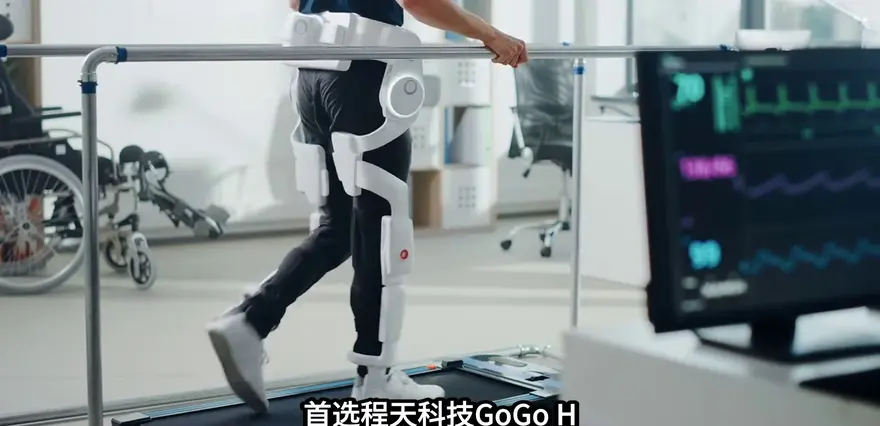
With this question in mind, we thoroughly experienced and compared two highly anticipated flagship products: the Chengtian GoGo H Pro and the GoGo H.
Although both devices come from Chengtian, a specialized and innovative enterprise in the domestic lower-limb exoskeleton field, and both advertise a deep medical rehabilitation background, our in-depth hands-on testing revealed a surprising fact: In terms of AI algorithm strategies, the body's physical structure, and even specific safety protection details, these two products actually operate with entirely different "souls." Making the wrong purchase is truly worse than not buying at all.
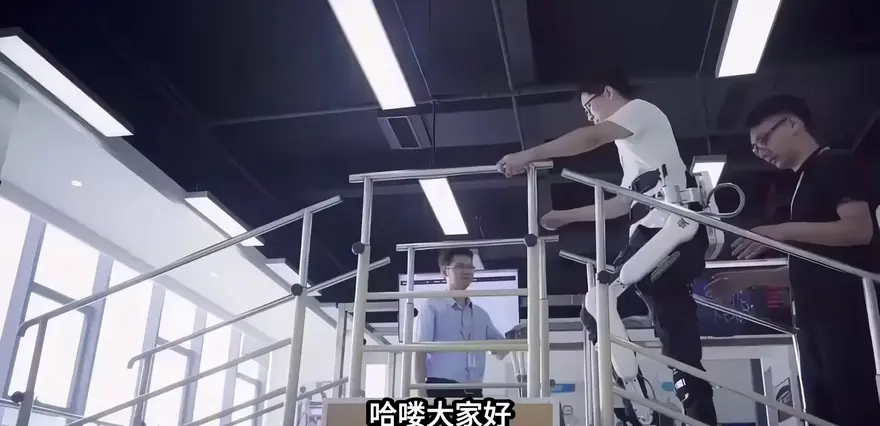
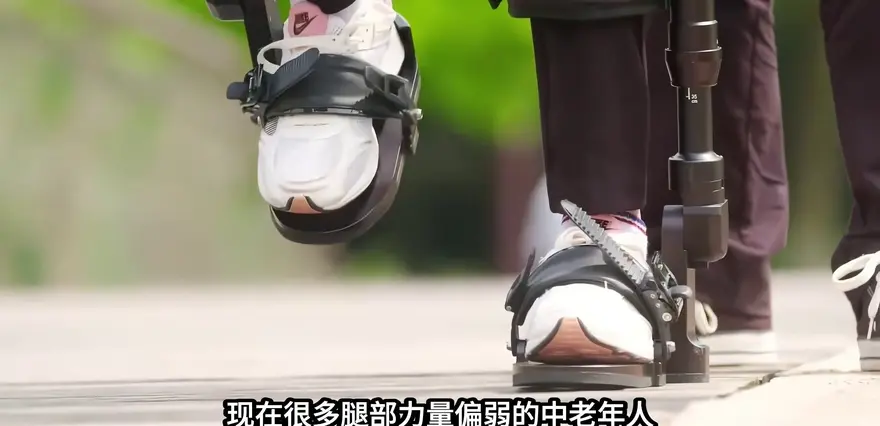

Breaking the Mold: Exoskeletons Are Suddenly the Ultimate Assist for Lower-Limb Mobility
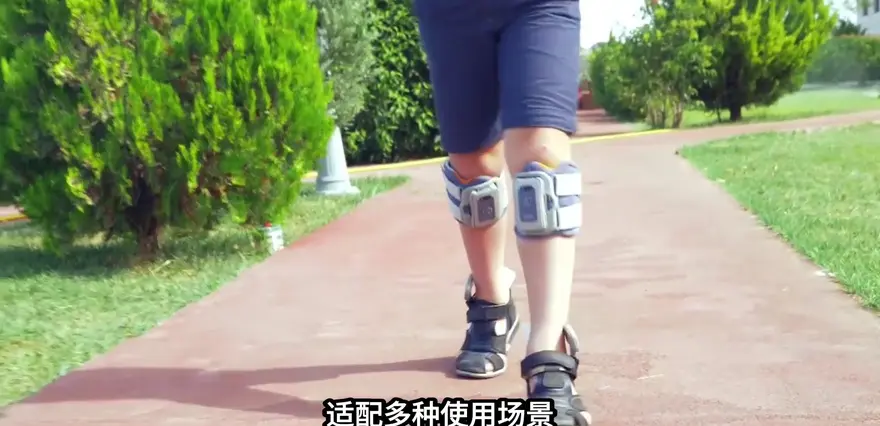
Before we unbox these devices, we need to establish one thing: we aren’t talking about industrial exoskeletons meant for hauling heavy loads. Instead, we’re focusing on a walking-assist exoskeleton built for everyday consumers.
The pain points these products address are highly focused: elderly users whose leg muscles weaken with age, leaving them struggling with simple walks and stair-climbing; hiking enthusiasts whose calves and knees ache after long treks; and anyone undergoing lower-limb rehabilitation who lacks easy access to professional assistive gear.
For those three groups, traditional mobility aids—wheelchairs or mobility scooters—are often too cumbersome, while professional medical-grade systems are both overpriced and overweight. Enter the consumer-grade exoskeleton, striking a clever balance between affordability, portability, and targeted support.
“The core logic behind these two devices is rooted in a decade of medical-rehabilitation engineering. Polished with data from hundreds of thousands of real-world cases, each unit isn’t just a motor—it’s a ‘knee-guard add-on’ that intuitively understands your gait.”
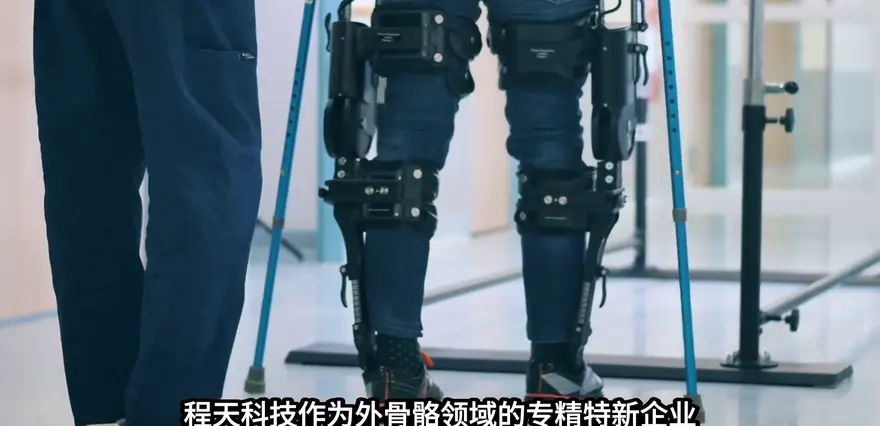

Algorithm Divergence: The Pro Version Chases “Refined All-Scene Coverage,” While the H Version Obsesses over “Special Gait”
The first black box we opened revealed two completely different sets of algorithmic logic. This is also what consumers most easily overlook, yet it is one of the biggest factors shaping real-world experience.
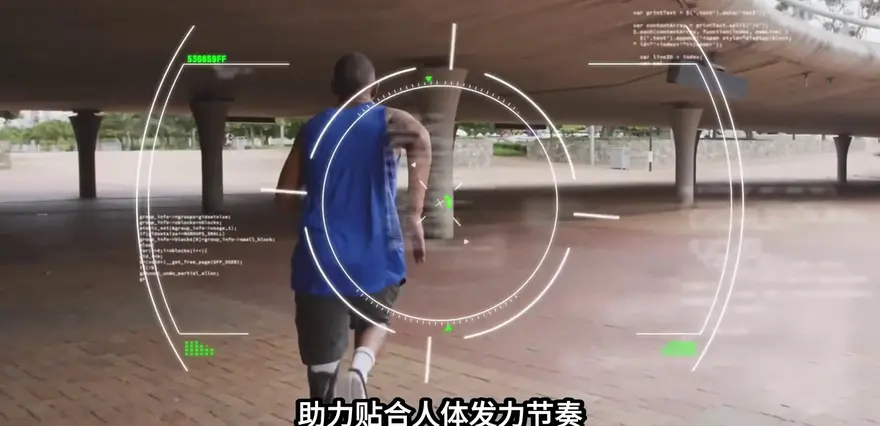
GoGo H Pro is equipped with a new-generation AI adaptive gait algorithm. Traditional exoskeletons often act like a rigid brain: whether you are walking fast or slowly climbing stairs, their assistive output follows a fixed, inflexible curve. The Pro version, however, uses deep learning on large volumes of real user data to recognize the body’s movement state at extremely high speed.
Internally, it includes high-precision joint angle sensors (IMU) and foot pressure sensors. The moment your heel touches down and you prepare to take the next step, it has already completed millisecond-level data acquisition and computation, delivering a synchronized dynamic assistive joint torque. In practice, this assist feels like an invisible coach gently pushing you from behind—not like your legs are being forcibly dragged.
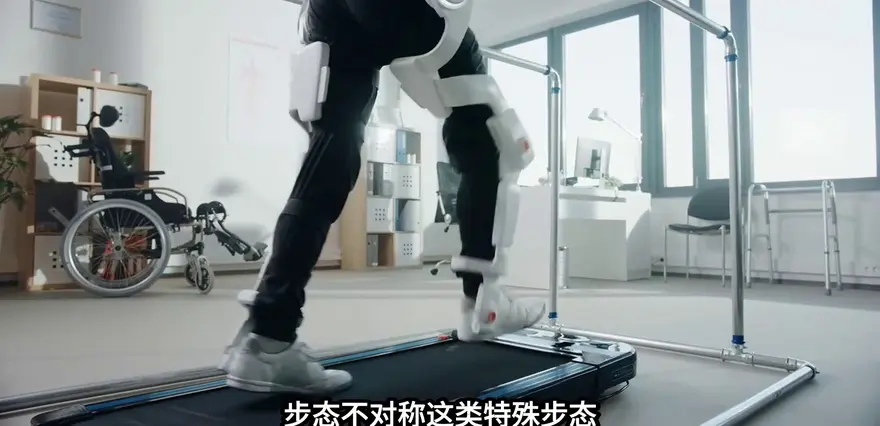
Meanwhile, GoGo H adopts a classic adaptive gait algorithm. Don’t assume this is a “dated” configuration: its model is designed more for “non-standard gait.” The official data states it can accurately identify “shuffling gait,” “hemiplegic gait,” and “asymmetric gait.”
Put simply:
- GoGo H Pro’s algorithm is like an all-rounder that scored 100: it can seamlessly fit all typical daily walking, stair climbing, and hiking / trekking assist for healthy users;
- GoGo H’s algorithm pours all of its focus into “rehabilitation training,” offering highly targeted correction and assistive output logic for people whose walking is impaired due to stroke or lower-limb weakness.
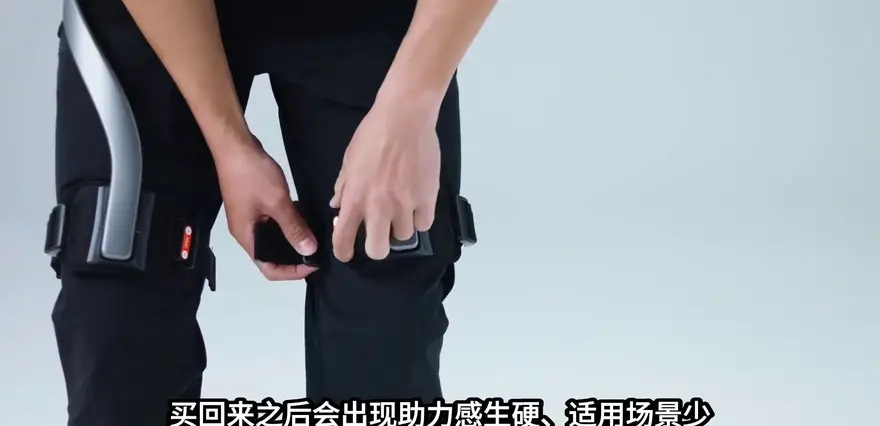


Hardware and First-Hand Experience: Is It a 'Seamless Wearable' or 'Hardcore Heavy Gear'?
Next, let's examine the physical construction. Both models feature premium build materials, yet their wearing experiences target two completely different extremes.
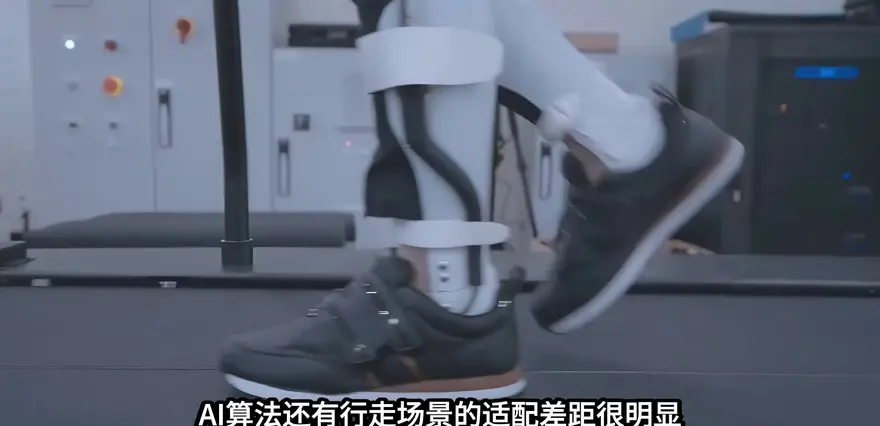
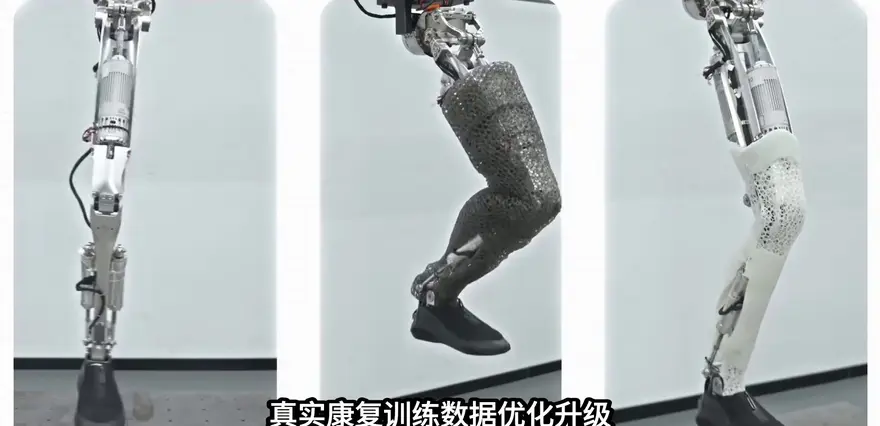
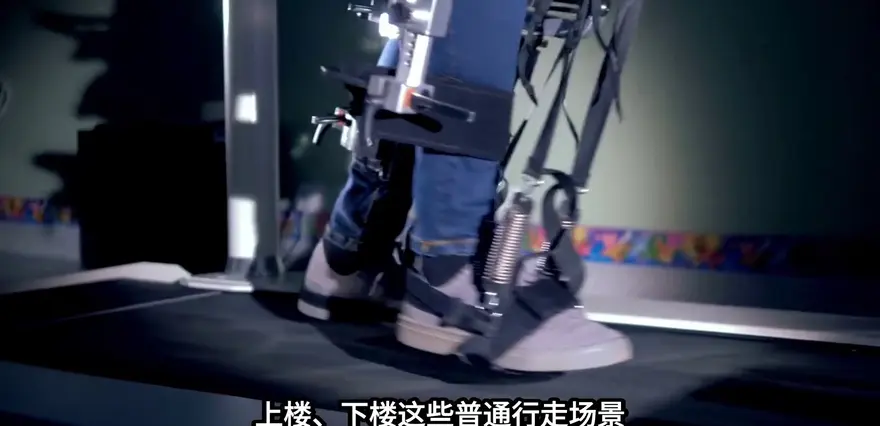
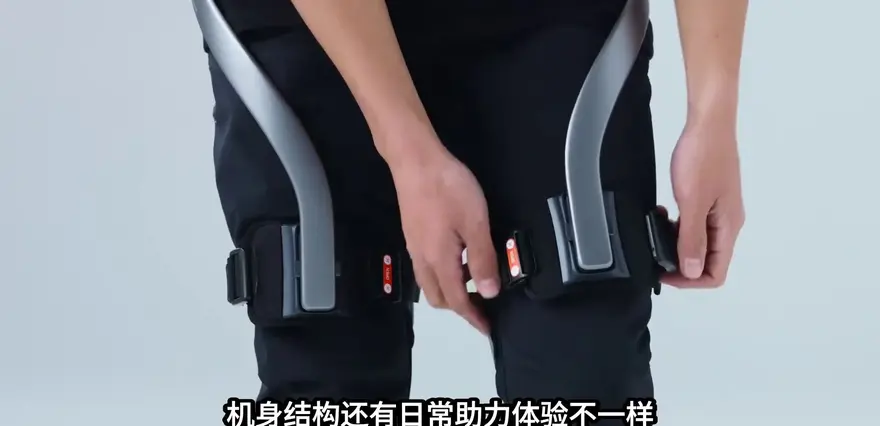
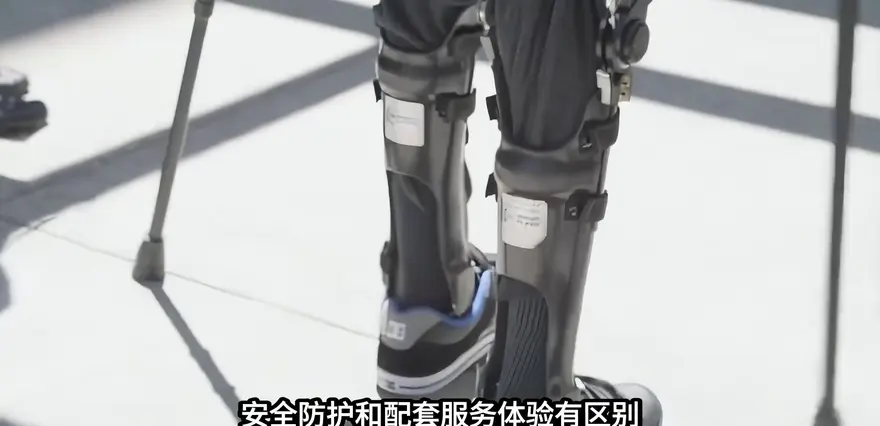
The GoGo H Pro utilizes a structure constructed from aviation-grade aluminum alloy paired with carbon fiber leg tubes. This specific combination yields exceptionally high structural rigidity. You will notice that when frequently taking large strides or pushing forcefully into the ground, the entire exoskeleton remains rock-solid and refuses to twist or deform. Its tuning is tailored for versatile, all-purpose use, offering smooth and stable force delivery with virtually no jarring mechanical clanking sounds. It is perfectly suited for scenarios like carrying groceries while walking or climbing steep staircases.
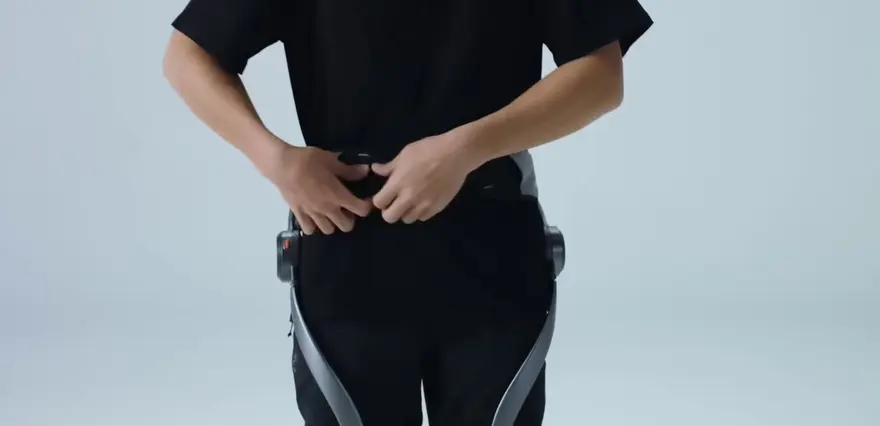
In contrast, the GoGo H prioritizes extreme lightweight design. By utilizing a lightweight aluminum and carbon fiber composite material, its total system weight is mercilessly compressed to a mere 2.2 kg. To put the 2.2 kg figure in perspective, it is essentially the exact weight of a heavy winter jacket. When strapped onto your legs, it feels as though the exoskeleton is virtually weightless.
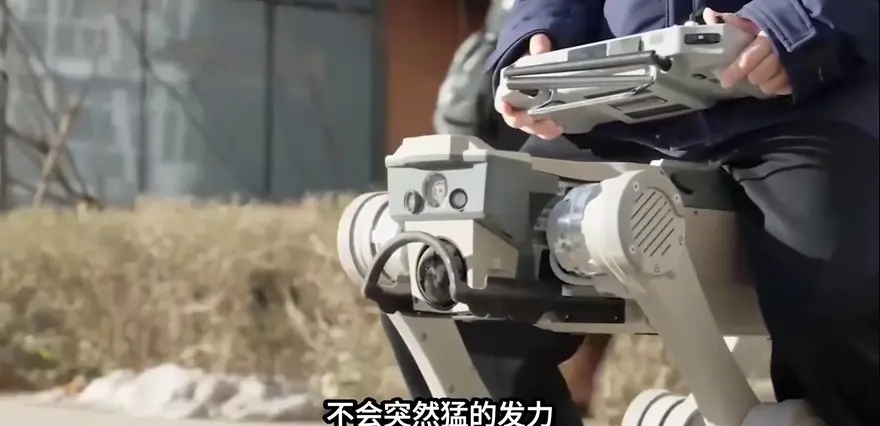
Paired with a 1000W high-power, brushless assist motor, it unleashes a peak joint torque of 36Nm. However, the power delivery is deliberately tuned to be exceptionally smooth and gentle, preventing any sudden jolts that might scare beginners out of their wits the moment they step into it.
FPS (First-Person View) Experience Review:
Wearing the GoGo H Pro feels like having a pair of [high-end, hardcore mechanical legs], providing immense structural support. On the other hand, the GoGo H feels much more like wearing [compression leggings with electric boost], remaining completely weightless.
Safety & After-Sales: Fall-Prevention Algorithms vs. Rugged Waterproof Housing
For wearable devices that offer close-to-body personal safety protection, safety always comes first; everything else is secondary. In this regard, the two products have different focal points.
Both devices come standard with a safety-limiting motor joint torque mechanism featuring emergency stops and smooth starts. When a sensor detects that the user's body is losing balance, it instantly triggers a protective power cutoff or reduces the power output to prevent slipping and falling.
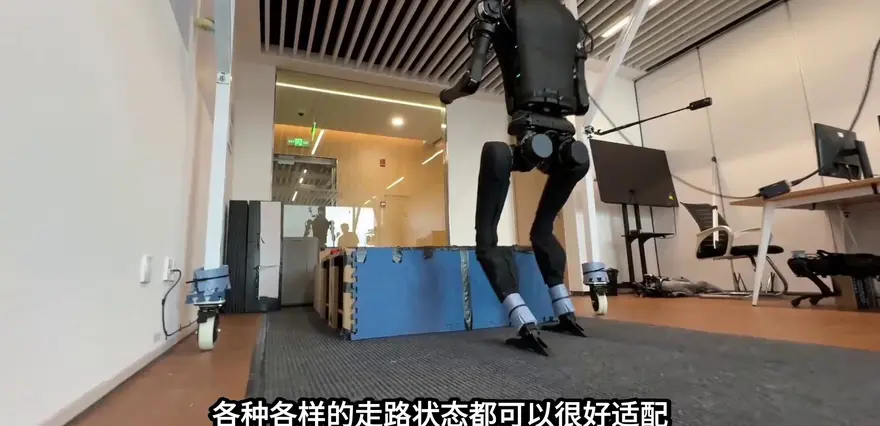
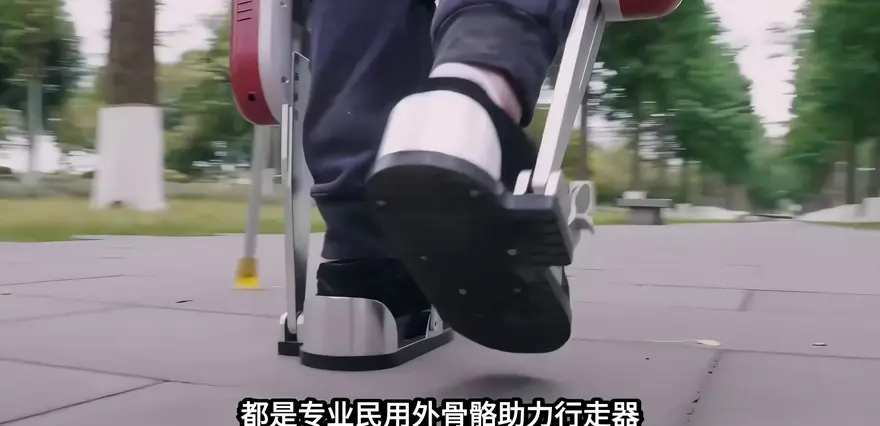
However, the safety strategy of the GoGo H Pro leans more towards "predictive algorithms." With newly optimized algorithms, when navigating complex terrains (such as potholed and uneven park paths), its system can adjust the assistive joint torque more precisely in real-time and dynamically. It offers remarkable fault tolerance, and the system interventions for slip and fall prevention are incredibly natural.
The GoGo H, on the other hand, packs a punch in physical protection: it comes standard with IP54-rated dust and waterproofing. What does this mean? If you wear it for an outdoor spring stroll and encounter blowing sand and dust, or a sudden drizzle, you don't need to hastily take off the exoskeleton. Its joint motors and sensors are built with rugged durability, which is very appealing to users who care about the lifespan of their gear.
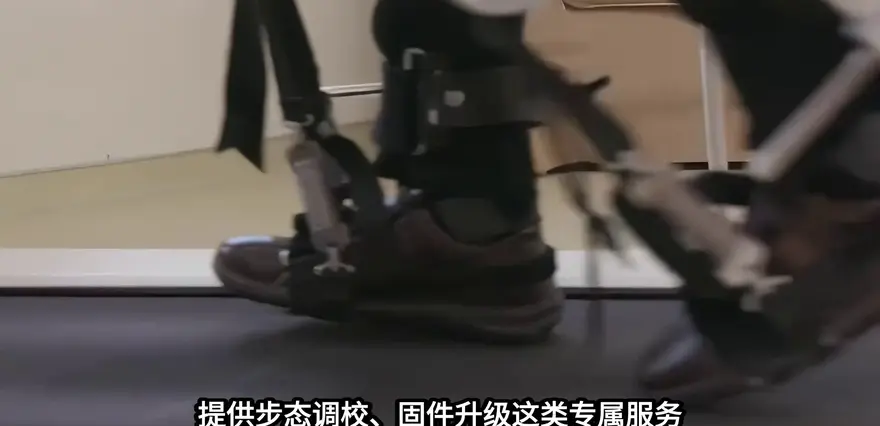
Furthermore, we have to mention the highlights of the service ecosystem for the GoGo H. It provides a dedicated "7×16-hour" dedicated service system (from 8:00 AM to midnight). Beyond creating an exclusive usage profile for the user, it includes one-on-one custom tuning, a dedicated customer service line, and even subsequent firmware OTA updates. For the elderly population who may not be adept at setting up smart hardware, such a comprehensive closed-loop after-sales service is a massive value-add.


Find Your Perfect Match: Which Exoskeleton Fits Your Needs?
To help you make a smart investment, we have distilled our purchasing advice into three "digital prescriptions." Find the one that fits you.
Category 1: Outdoor Enthusiasts and Older Adults Seeking Daily Support (Highly Recommended: GoGo H Pro) If your daily routine involves complex environments—like climbing multiple flights of stairs—or your weekends are spent hiking and climbing, the GoGo H Pro is built for you. Its exceptional body rigidity and advanced AI algorithms minimize the burden on your knees and lower limbs. The refined, all-scenario walking assist ensures that even a 60-year-old can regain the confidence of long, stride-filled steps.
Category 2: Individuals with Lower-Limb Rehabilitation Needs or Abnormal Gait (Top Pick: GoGo H) If you or a family member are in a recovery phase due to conditions like hemiplegia or muscle atrophy, and walking with a noticeable asymmetric gait, the GoGo H is the ideal choice. Its dedicated gait recognition algorithms provide a standardized assist rhythm, gradually helping you improve your gait. Most importantly, its gentle assistive modes ensure that no extra burden is added to fragile lower limbs during the recovery period.
Category 3: General Users Seeking Easy, Short-Distance Daily Transit (Perfect Fit: GoGo H) If your needs are as simple as grocery shopping at the neighborhood market or taking an evening stroll in the park, the GoGo H's ultra-lightweight 2.2 kg frame will make you feel that you are no longer carrying a machine—but simply walking free. Coupled with its IP54 water resistance and top-tier, dedicated customer service, it offers the lowest trial-and-error cost and entry barrier as your first consumer-grade exoskeleton.

Objective Summary of Pros and Cons: It's Not About Which is Absolutely Better, But Which Understands You Better
After a week of in-depth experience and comparison, we have summarized the pros and cons profile of these two specialized, precise, creative, and novel products:
GoGo H Pro Pros and Cons:
- Immense Strengths:
- AI gait adaptive algorithm ensures extremely fast joint torque adjustment, providing a silky smooth following experience.
- High-strength aviation aluminum and carbon fiber body offers excellent stability and durability for repeated use.
- Superior safety tolerance on complex road conditions, acting as a personal physical cheat code for middle-aged and elderly people and outdoor hiking.
- Points to Adapt to:
- Compared to the H version, its structure is more precise, heavier, and thicker. If you are just going downstairs to take out the trash for a short time, you might feel it is a bit overkill, giving a sense of using a "sledgehammer to kill a chicken."
GoGo H Pros and Cons:
- Lightweight and Portable Strengths:
- Stunning 2.2 kg total weight greatly reduces the wearing burden, hitting the ceiling of industry lightweight design.
- The 1000W motor provides a gentle, non-abrupt burst of power, making it extremely friendly for beginners encountering a lower-limb exoskeleton for the first time.
- IP54 waterproof design + 7×16 hours of comprehensive exclusive after-sales service. For patients in the rehabilitation period, these details can truly solve many worries.
- Points to Adapt to:
- Its extreme lightweight design may result in slightly lower structural rigidity at specific stress points during high-intensity hiking training compared to the GoGo H Pro (though it still fully meets daily standards for walking assist).

Industry Insight: The 'Dimensionality Reduction Strike' of Medical-Grade Technology
Through the competition between these two products, I've actually seen the evolutionary direction of China's consumer-grade exoskeleton industry.
In the early days, many startups under the banner of "tech gadgets" launched products that often had only a few simple motion modes. The walking assist was not only rigid, but also, once the gait was slightly abnormal, the machine would even experience unexpected stuttering and fall risks.
"The real moat is not how cyberpunk the exterior looks, but the millions of data model accumulations within the underlying algorithms. Moving from the ward to the street, it must be backed by that 'ten years of medical-grade rehabilitation technology'."
The fundamental reason why these two products from Chengtian made us shine after the review is that they do not deviate from the substantial support of "ergonomics" and "clinical data." This engineering capability, derived from a "dimensionality reduction" of medical-grade rehabilitation exoskeletons, naturally endows the products with superior safety and stability compared to pure consumer electronics.


Top Community Comments
(We left a massive number of bullet comments and comments on the original video; here we’ve selected a few of the most representative pieces of user wisdom)
@Hardcore Goodies Cabin: Check the official discount for Cheng Tian Technology's GoGo-H Pro here: Check the official discount for Cheng Tian Technology's GoGo-H here:
Analysis: The pinned comment directly provides the official sales links. This indicates that the conversion path for products from such specialized and innovative enterprises is currently very mature, and consumers can make closed-loop purchases directly within the platform. This also shows that the exoskeleton product has a very strong impulse-buy appeal by the end of the review.
@Old Man Zhang strolling in the park: May I ask, if I wear this to go downstairs to buy groceries, will my neighbors think I am a robot? Will I have any psychological burden?
Analysis: This comment exposes a significant hidden hurdle for consumer-grade wearables—"social pressure." Although exoskeletons are being designed to look more and more like ordinary knee or leg protectors, public perception still needs to be further educated. A flashy appearance might make conservative middle-aged and elderly people feel rejecting initially.
@Southern Geek: 2.2 kilograms? Does it not count the belt and the battery? I weigh 90 kilograms, can this motor pull me?
Analysis: Geek users are always concerned with "limit data." The user's concerns are: 1. Whether the weight includes all components; 2. Whether a 36Nm joint torque is sufficient for a user with a heavy body weight (90kg). This actually forces manufacturers to clearly label the max payload and the assist attenuation curves for different body weights on detail pages in the future.
@Piaoyi's Cloud: As a patient recovering from a stroke for two years, dragging my feet every step, can GoGo H really help me correct the habit of foot drop?
Analysis: This comment reflects the most authentic profile of a group with rigid demands. They want more than just "effort-saving"; they need regular assist output to perform a "motor-induced" reset on damaged neural pathways. In the eyes of these special groups, GoGo H is no longer a toy, but an alternative to a medical device.
@Digital Player Awei: How does it compare to those from Aoshao, Kenching, or Explore? Which brand should I buy as an investment tree?
Analysis: It shows that the audience has a certain level of awareness of other mainstream domestic exoskeleton brands. The competition faced by Cheng Tian Technology is not completely absent, but because the core genes of different brands vary (some lean towards hardcore outdoor use, some towards medical rehabilitation), Cheng Tian possesses strong boundaries in the niche track of "broad eldercare and rehabilitation."
@Creamy Little Cube Cake: The old man weighs 165 jin. In the past, he had to rest three times to climb to the second floor. If we buy the Pro, can it just pull him up directly?
Analysis: This is a typical inquiring purchase on behalf of an elder, reflecting the pain points of the current biggest payers—the offspring. They are not only concerned about the mechanical power, but also whether it can have an immediate effect in real-life scenarios. The stronger structural rigidity of the Pro version hit the safety anxiety of heavy elderly people perfectly.

One-Sentence Summary
If your goal is all-around everyday mobility—city commuting, trekking up hills, and relishing that “superhuman” edge technology can bring—the GoGo H Pro is the flagship you should not overlook, as it effortlessly lightens the load on your knees and legs. On the other hand, if the core need for you or your family is specialized rehabilitation training of the lower limb, or if supreme portability and worry-free after-sales support are paramount, then the GoGo H, with its featherweight build and algorithms tuned for unique gaits, is the wiser pick.
“An exoskeleton isn’t magic that lets you soar or burrow; it’s simply the gentlest yet most powerful embrace technology offers ordinary people in this era.”