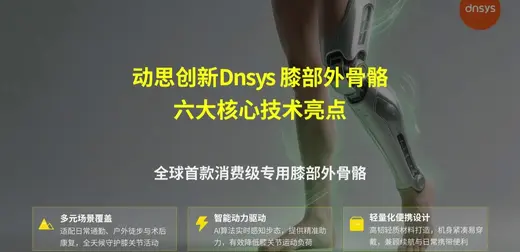
Chengtian Technology exoskeleton Review: An Affordable "New Species" for Assisting the Elderly—Can It Truly Save Our Parents' Knees and Dignity?
I. From "Passive Support" to "Active Assistance": Redefining Mobility for the Elderly
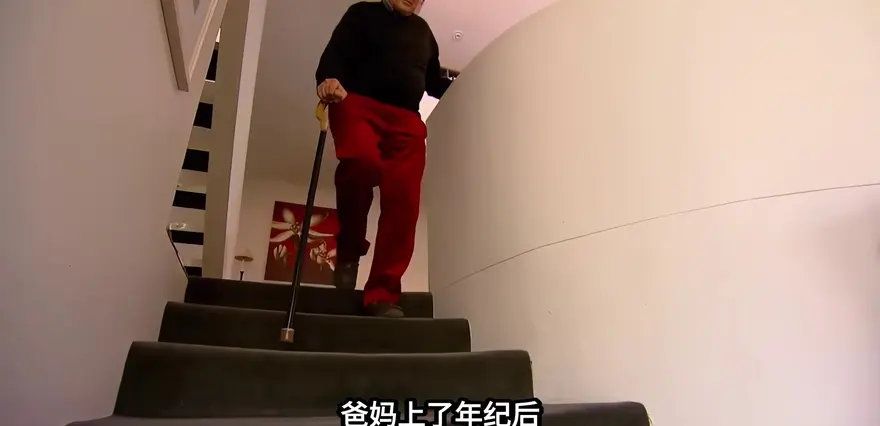
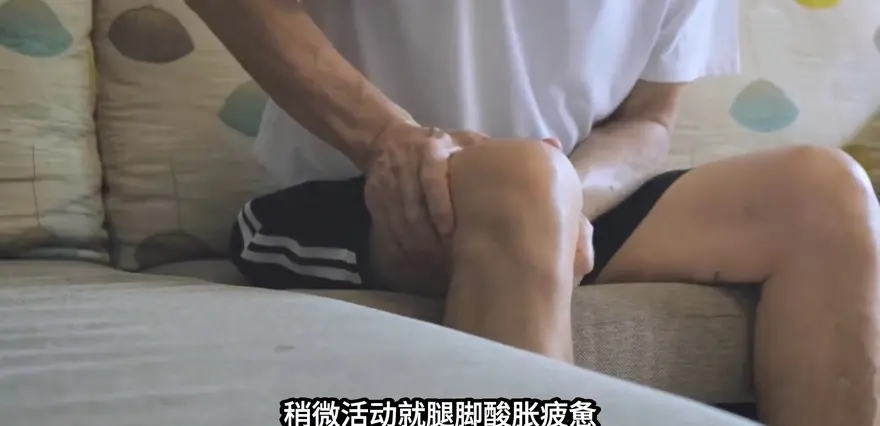
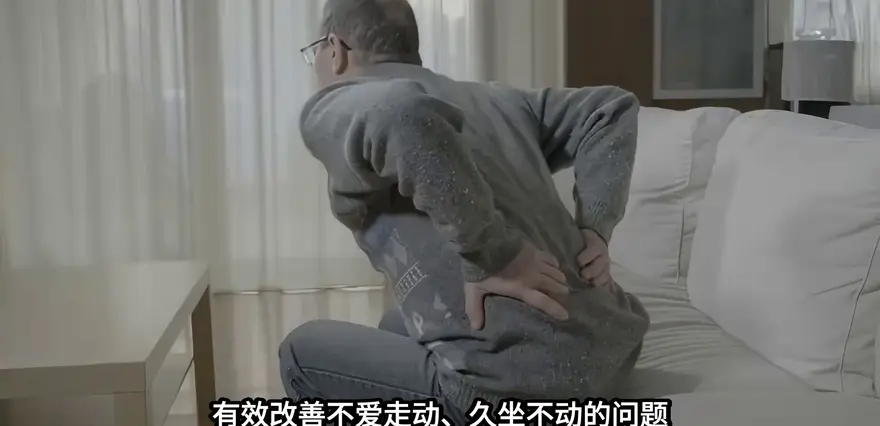
With the arrival of an aging society, the scenario where "our parents struggle with their legs" has become a hidden heartache for countless families. They get exhausted easily walking on flat paths, and their legs tremble when climbing up and down stairs. Not only does going out for groceries become a burden, but family members also constantly worry, fearing an accidental fall.
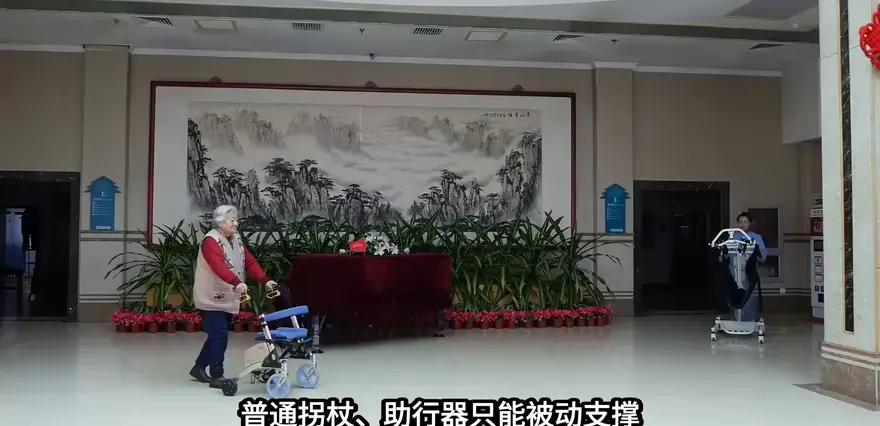
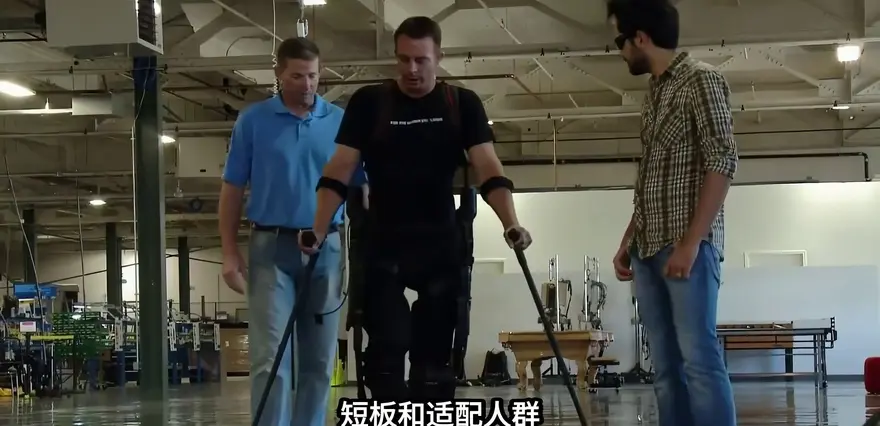
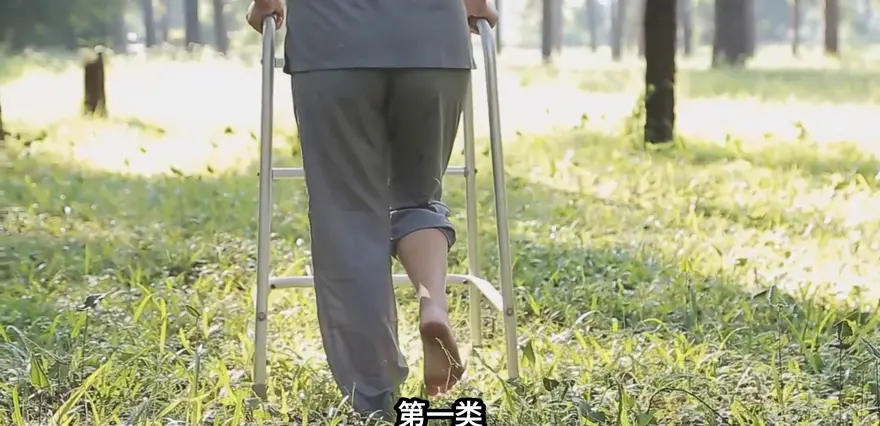
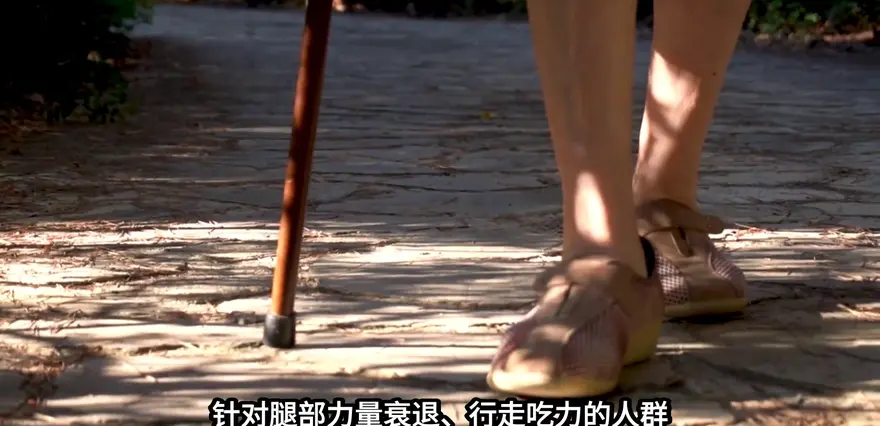
Traditional canes and walkers essentially provide only "passive support." They cannot truly help the leg muscles generate force, meaning they merely treat the symptoms rather than the root cause. Today, we are diving deep into a review of a trending "filial technology" device—the Cheng Tian walking assist exoskeleton. It claims to solve the pain points of elderly walking through active force generation. Is it just a marketing gimmick or a truly practical gadget?

Core Highlights: Intelligent, Flexible Assistance with up to 50% Effort Reduction
The biggest ace up the sleeve of this consumer-grade exoskeleton is its high-precision gait perception system. Unlike ordinary mechanical supports on the market, it is built with advanced sensors capable of identifying the walking rhythm of the elderly at a millisecond-level speed.
Core Data: When walking on flat ground, the device actively assists in lifting the leg, with the manufacturer claiming an assistance magnitude of up to 40%; when climbing stairs or going uphill, it can reduce effort by up to 50%. (Data source: Mentioned in the video)
In actual experience, the 'slight push on the back' and 'lifting sensation' provided by the device the moment the leg is lifted are incredibly natural and smooth, with absolutely no jerky mechanical noise. This active assistance greatly alleviates the pressure on the kneecap and joint, allowing elders who used to pant after just a few steps to complete daily walking tasks with much greater ease.
II. Aerospace-Grade Materials and Ergonomics: Breaking the "Clunky" Stereotype
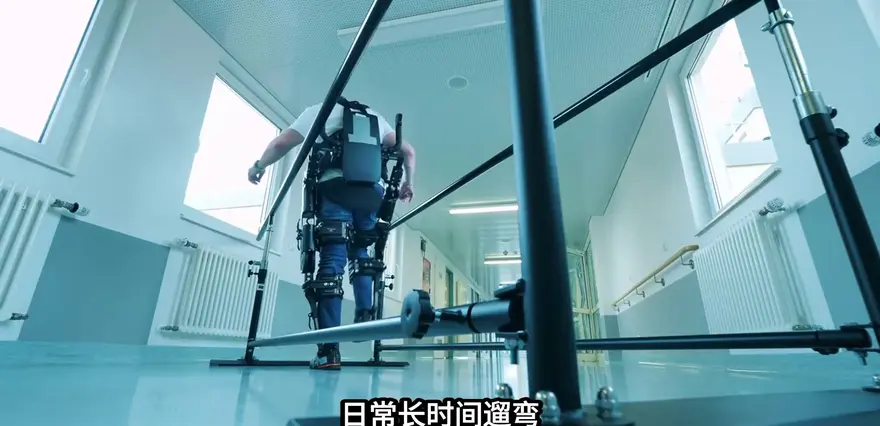
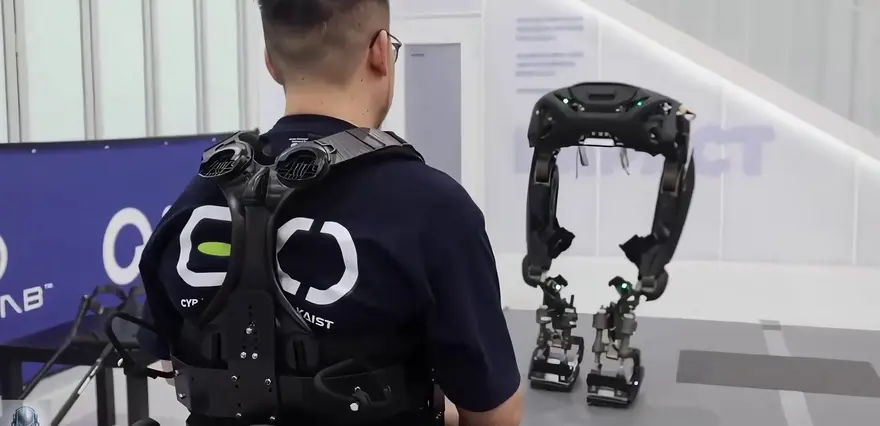
Historically, the mention of an exoskeleton often evoked images of heavy, rigid metal machinery straight out of Hollywood sci-fi films. However, as a device targeting the consumer-grade market, Cheng Tian Tech has invested significant effort into a lightweight design.
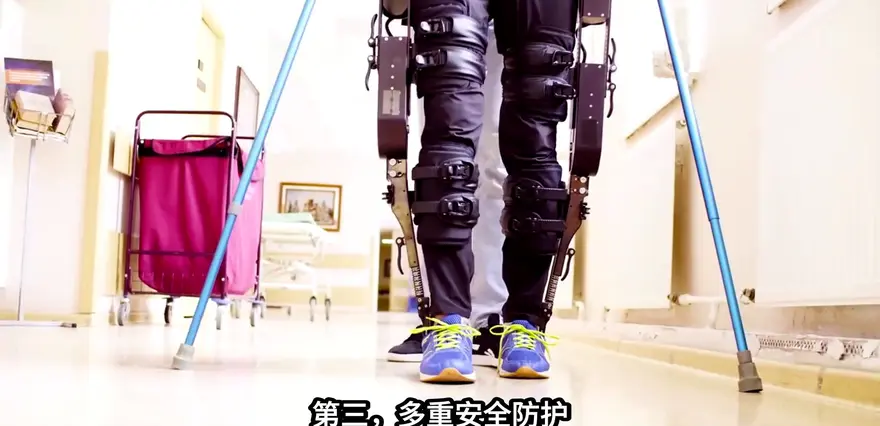
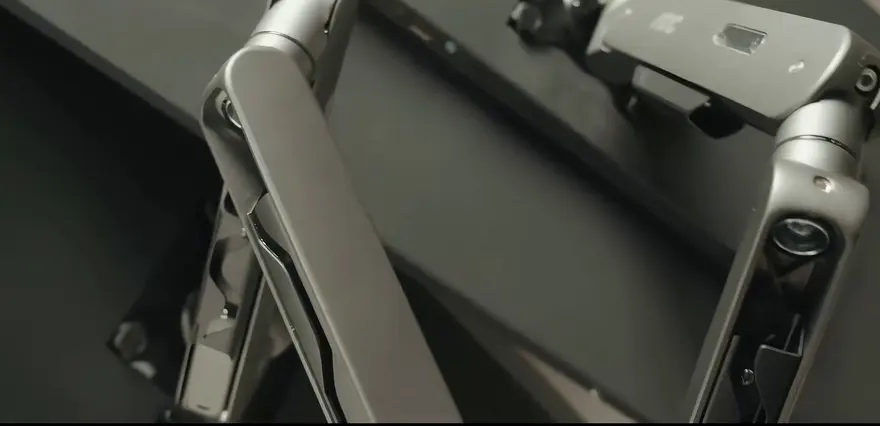
The main body utilizes aerospace-grade aluminum alloy and carbon fiber, significantly reducing its weight while ensuring optimal joint torque and structural integrity. The straps feature an ergonomic curved design that conforms to the leg's profile, preventing skin compression during prolonged wear.
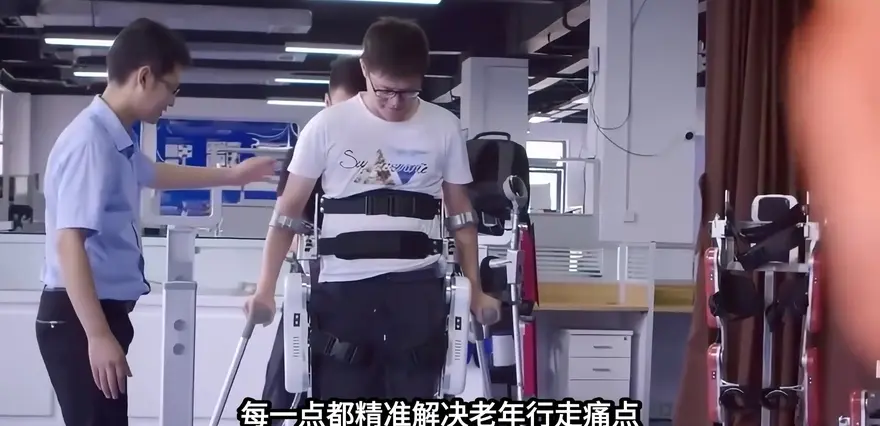
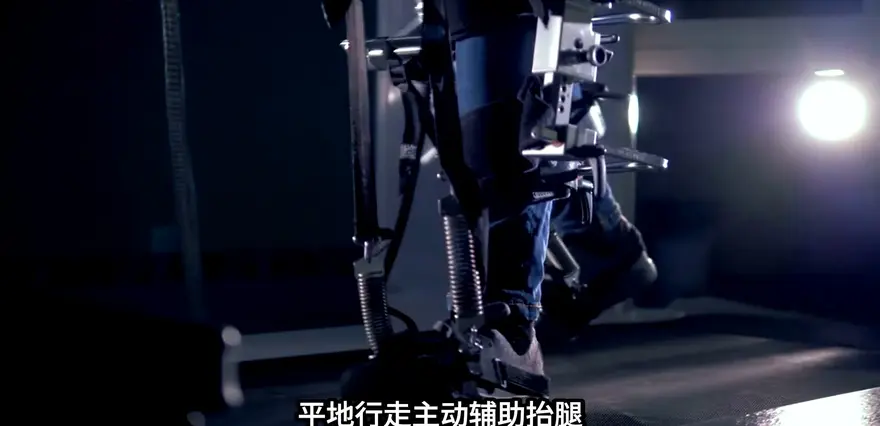
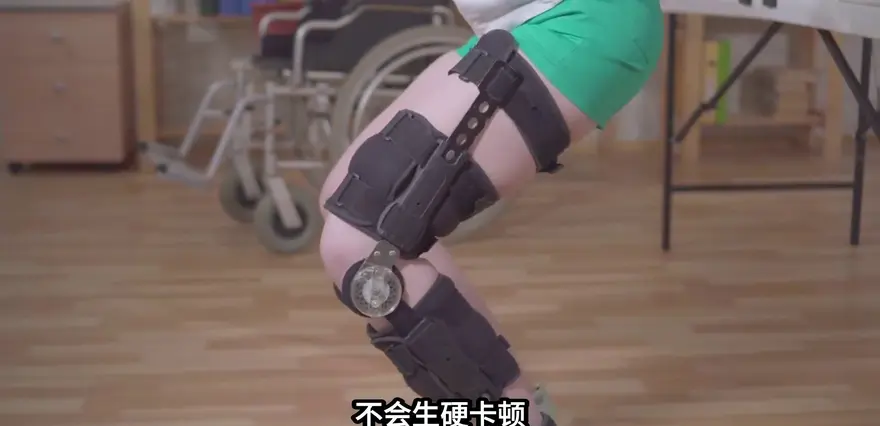
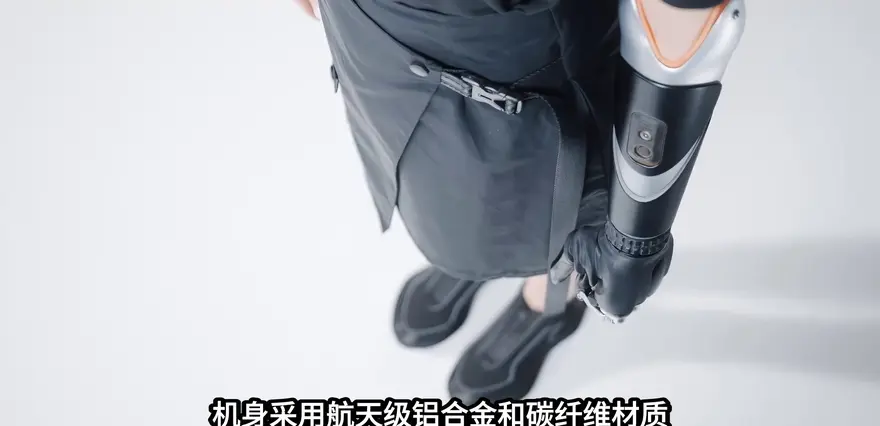
Notably, it supports adjustable fitting for various heights and body types. While first-time users may need assistance from family members to adjust the strap tightness, once fitted, subsequent wearing and removal are as simple as putting on a pair of pants. For seniors, the absence of a "pair of iron pants" burden reduces the psychological weight, while the lightweight design ensures a solid foundation for daily, short-distance mobility.
Guarding the Safety Baseline: Multi-Sensor Array and Real-World Battery Performance
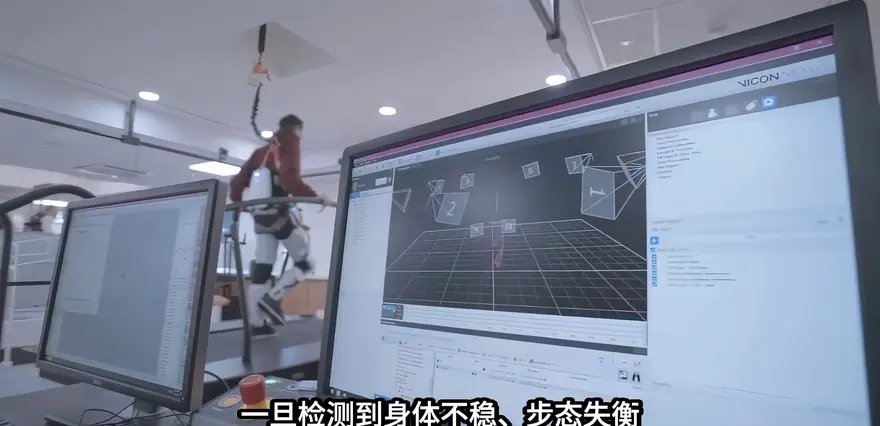
For elder-care products, "safety" is the non-negotiable bottom line. The Chengtian exoskeleton incorporates a suite of multi-dimensional smart sensors that monitor the user’s walking posture and center of gravity in real time.
If the system detects body tilt, an unsteady gait, or a looming fall, the controller instantly intervenes, modulating servo motor torque to stabilize the body’s center of gravity. This acts as a 24/7 invisible companion for the elderly user. Furthermore, the device features fall protection mechanisms that further mitigate risks during domestic and outdoor activities.
An Objective Assessment of Battery Life
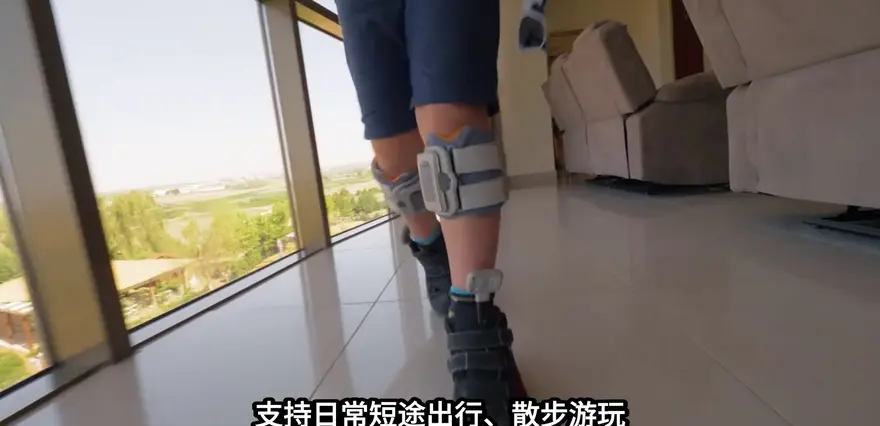
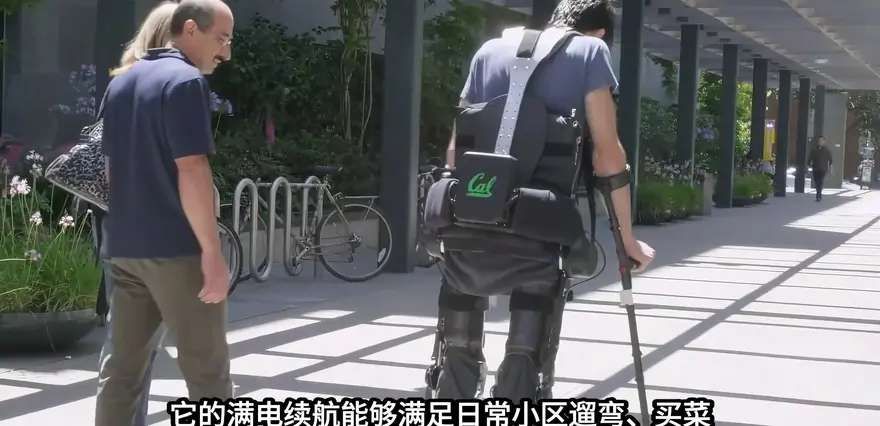
Many consumers are concerned about battery life. In real testing, its full-charge runtime comfortably covers everyday home-based scenarios such as strolling around the neighborhood, going downstairs to buy groceries, or taking short outings. The device charges easily and features intelligent energy-management; users won’t experience the embarrassment of a sudden mid-trip power failure.
However, it should be noted that for seniors accustomed to all-day outdoor hikes or long-distance travel, the battery may not last the entire journey. Considering today’s technical limits of energy density, users engaging in high-intensity, prolonged outdoor activities will need to carry a portable power bank for emergencies.
Industry Observation: In the current consumer-grade exoskeleton market, striking the right balance between lightweight design and battery life remains a common technical bottleneck for manufacturers.
IV. Objective Breakdown of Shortcomings: Learning Curve, Battery Limits, and Medical Boundaries
Before praising this product to the skies, we must coolly point out three shortcomings that cannot be ignored.
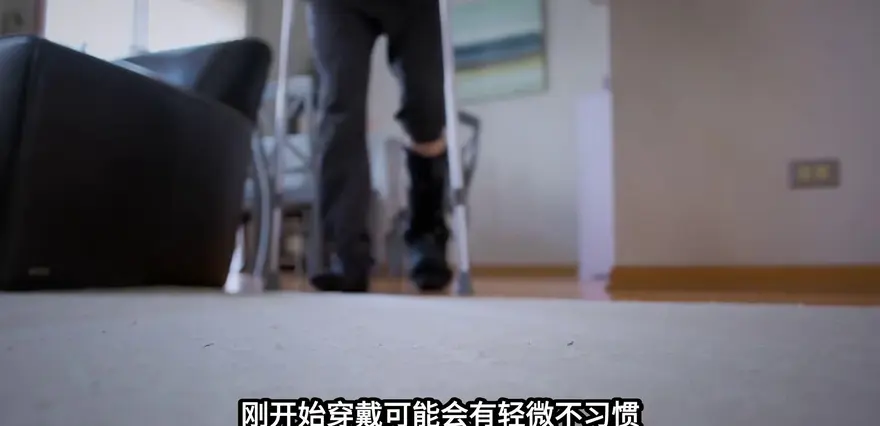
First, it cannot achieve true "ready-to-use out of the box." Although operation is incredibly simple—starting with just a single button press—there is still a learning threshold. Seniors need a brief period to adapt to this "external device" rhythm of exertion. When first wearing it, they might feel slightly uncomfortable, requiring their children to patiently accompany them through a few practice sessions to achieve proficiency.
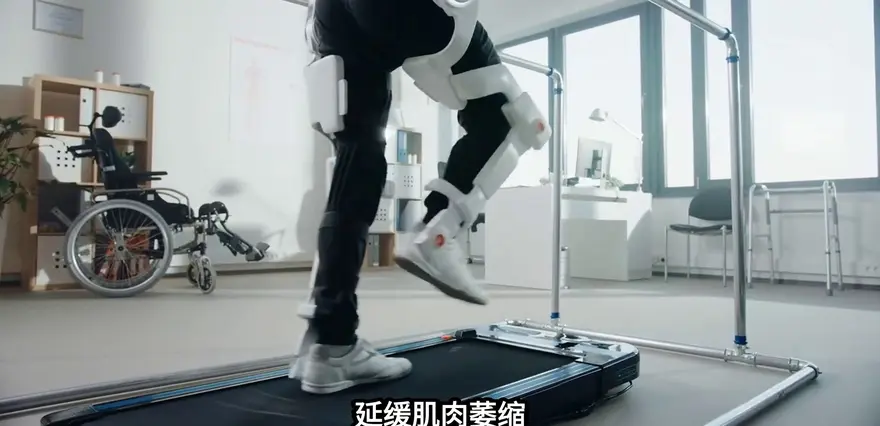
Third, it is not a medical rehabilitation device and cannot cure diseases. This is an extremely important cognitive boundary. The exoskeleton can only utilize external physical force to assist leg muscle exertion, serving to protect the knees, delay muscle atrophy, and alleviate the strain of walking. It absolutely cannot repair a worn meniscus, nor can it eradicate osteophytes or other degenerative joint diseases.
Key Insight: It is a "smart walking assist device," not a "leg-rejuvenation machine." Only by viewing it rationally can you avoid disappointment after bringing it home.
V. Targeted Consumer Profiles: Who Should Buy? Who Should Avoid?
When faced with cutting-edge tech products like this, consumers often fall into extremes—either blindly following trends or dismissing them entirely. Based on our testing, we've compiled this buyer's guide to help you make an informed decision:
👍 Three Groups We Strongly Recommend Buying:
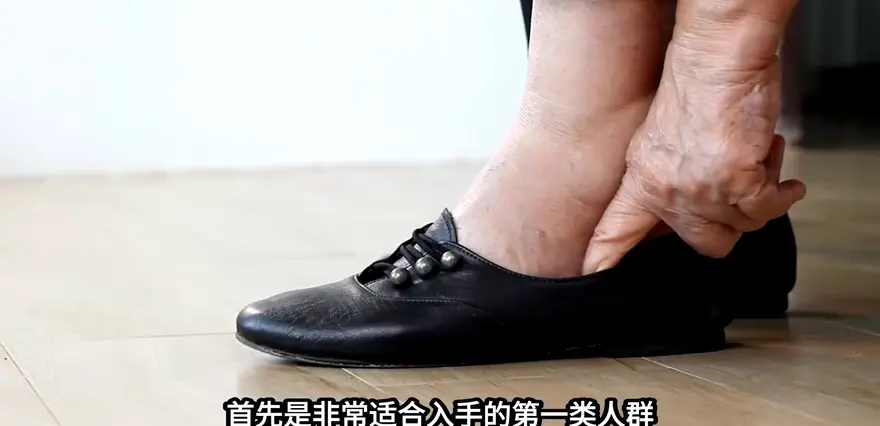
- Elderly with leg weakness and difficulty lifting legs: As muscle strength declines, walking becomes slow and limited, with fatigue and discomfort setting in quickly. This device provides continuous hip assist and leg support, helping seniors regain their independence in mobility.
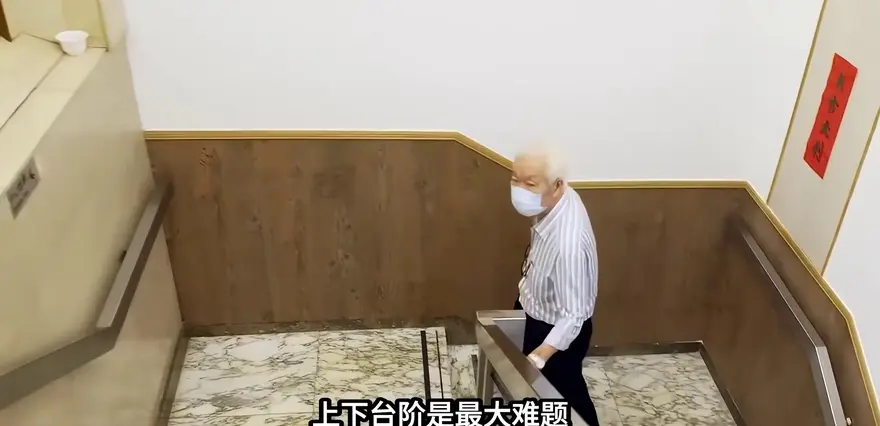
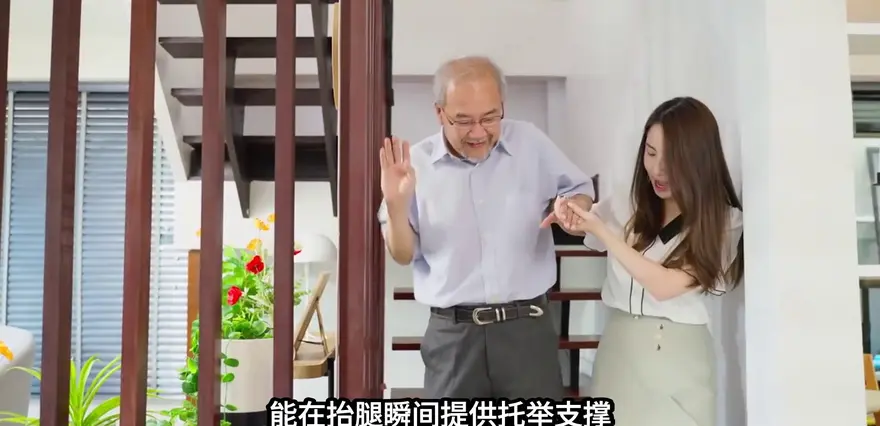
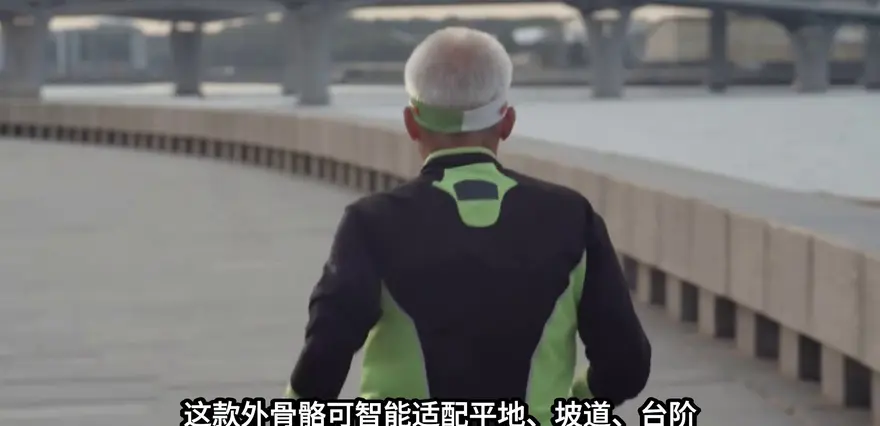
- Residents of older buildings without elevators: Stairs are a major challenge for elderly residents with mobility issues, placing extreme pressure on knees. Select models feature a dedicated stair-climbing assist mode that provides lifting support at the moment of leg elevation, reducing knee strain.
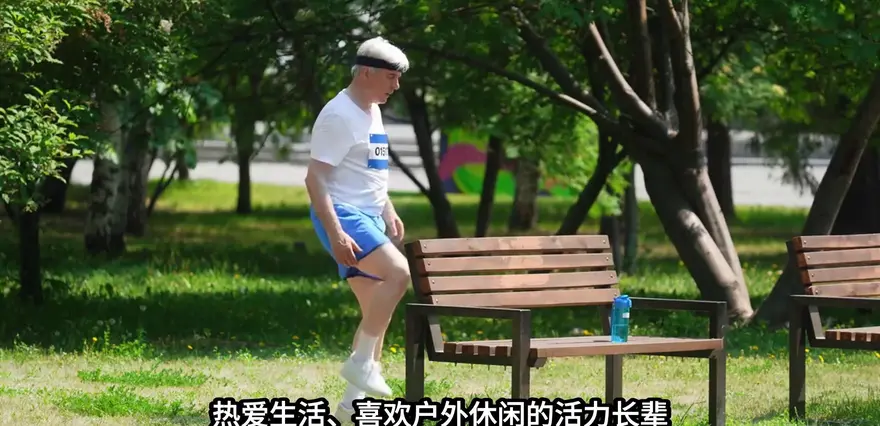
- Active, life-loving seniors: Retirees who enjoy park visits and short trips but hesitate to venture far due to leg limitations. This exoskeleton serves as their "physical power-up" for exploring outdoor enjoyment.
👎 Three Groups Who Should Absolutely Not Buy:
- Healthy young and middle-aged adults: If you're buying for parents who are physically robust and walk with ease, this would be a waste of money—the assistive functions would remain completely unused.
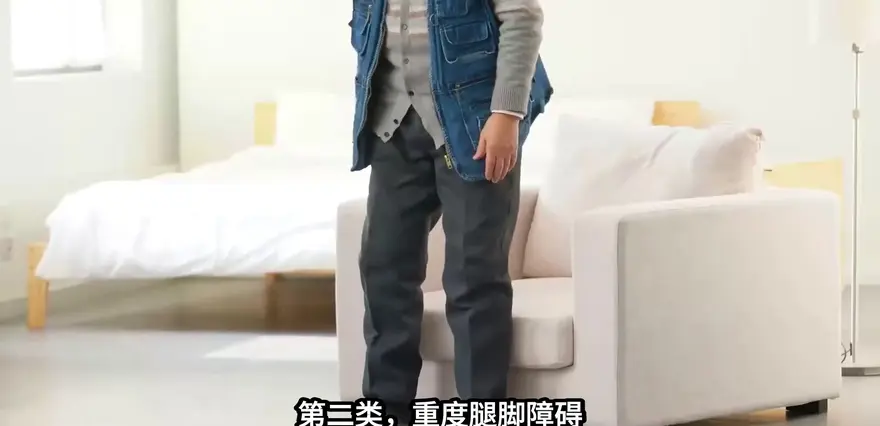
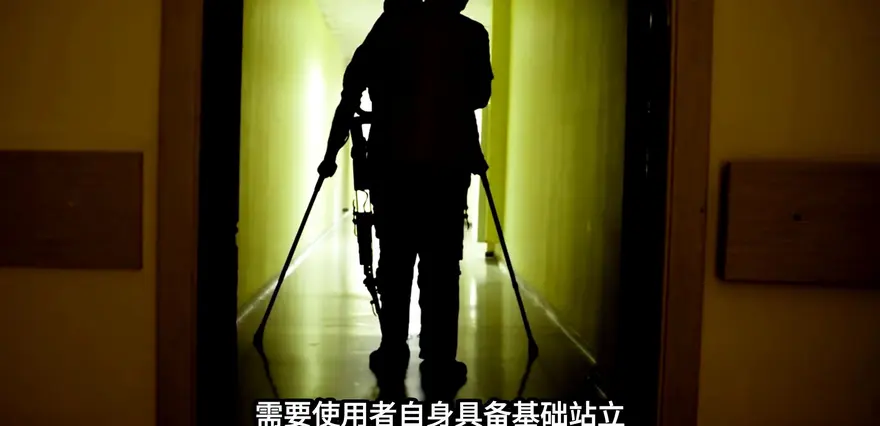
- Elderly with severe mobility impairments who cannot stand independently: If your parents are bedridden or require full physical assistance from others, this device is not suitable. Users must possess basic standing and walking balance capabilities. For such cases, professional medical rehabilitation exoskeletons would be the appropriate choice.
- Those expecting to cure "old leg problems" or bone spurs: If you approach this with medical expectations that wearing it will "cure" joint diseases, you're likely to find the product ineffective.
VI. Review Summary: Restoring Elders’ Dignity in Mobility
In the consumer-grade exoskeleton arena, Chengtian Technology’s walking assist device represents a remarkably practical commercial foray.
Instead of chasing the all-powerful mechs of sci-fi fame, it pinpoints the high-frequency pain point of “walking under load” for seniors. Smart walking assist, safety safeguards, and lightweight wearability directly address the three core needs—fatigue while walking, difficulty on stairs, and fear of falls.
Admittedly, the device requires an adaptation period, offers limited short-trip battery life, and cannot treat medical conditions. Yet for its target users, its practicality and value remain outstanding. What it liberates is not just the legs; it restores freedom of movement in later life, ensuring seniors need not surrender their dignity or retreat from social engagement simply because physical strength has declined.
If you’re seeking a solution to enhance your parents’ walking confidence and bolster home safety, this product merits a closer look.
Top Community Comments
@JingDiaoJingXuan: Check out the promotional offer for the ChengTian Tech assistive exoskeleton walking assist device
Interpretation: This comment directly links to the product purchase page, reflecting that such devices have achieved commercial availability through online channels. Interested consumers can place orders via an official entry point, avoiding a blind, site-wide search.
@InsightfulLaoLi: This model is truly impressive. I bought one for my mom last month, and after wearing it to the market for groceries, her energy noticeably improved!
Interpretation: This comment offers genuine user feedback that leverages the high-frequency 'grocery shopping' scenario for seniors. It indirectly validates the product’s real-world acceptance, helping consumers imagine daily-use benefits.
@JingDiaoJingXuan: Do you think this exoskeleton is worth its price?
Interpretation: This comment highlights the key concern among potential buyers before making a decision: value assessment and price threshold. For these thousand-yuan 'new species' aimed at elder care, deciding whether the mobility gains delivered by hard-core technology justify the budget is a crucial factor that either or encourages purchase.
@UpstairsStopHating: Elder care and rehabilitation are two different tracks. This is just an assistive device; if you’re truly ill, you still need to go to a hospital.
Interpretation: This comment keenly points out the product category positioning issue, clarifying the blurred boundary between consumer-grade protective gear and medical-grade rehabilitation devices, reminding people not to fall for the 'cure-all' marketing myth.
@LifeGeek: Taking my senior for a walk in the park feels much easier; when climbing uphill, it really feels like someone gave me a push.
Interpretation: The user’s first-hand experience confirms the practical value discussed earlier for fatigue-relief scenarios. This timely, tangible physical support represents the core emotional value delivered by an assistive exoskeleton.
One-Sentence Summary
The Chengtian exoskeleton is a precisely positioned consumer-grade elderly care device, ideal for seniors with leg weakness but independent walking ability as a "physical enhancement" for daily short-trip outings, grocery shopping, and climbing stairs, but it should not be misconstrued as a medical rehabilitation device that treats diseases.
About this article: part of Chinese-Made Exoskeleton Review Archive — an independent, regularly updated English archive of reviews of consumer exoskeletons made in China, edited from publicly available video transcripts. Not an official manufacturer page.
For inquiries and purchasing, contact lonlonago@foxmail.com. More in Reviews · All articles.