Claims 40% Energy Savings: Nearly 2,000m of Elevation Gain in Kangding — Hands-On Test of Yunye Technology's "Xidong" Consumer-Grade Exoskeleton
Consumer-grade exoskeletons are evolving from sci-fi props into outdoor gear you can actually wear into the mountains. And this time, the test ground was chosen with real brutality: Kangding, in Sichuan's Ganzi Prefecture. Setting out from Kangding city at roughly 2,500m above sea level, the route climbs to a ridge over 4,000m, racking up nearly 2,000m of cumulative elevation gain. On this high-altitude route, outdoor blogger Xiaozhu put Yunye Technology's "Xidong" exoskeleton to the test — a hiking / trekking assist device he calls a "mountain-climbing weapon," one that claims to cut physical energy expenditure by 40%.
High altitude, massive elevation gain, long descents — plus March spring snow and dense fog. This single route threw nearly every question a consumer-grade exoskeleton dreads. The verdict can come first: on the two most painful scenarios — steep climbs and long descents — the assist you can feel is real. But behind that "40%" figure, there are a few things you need to know.
01 Test Route: A "High-Difficulty Exam" for the Exoskeleton
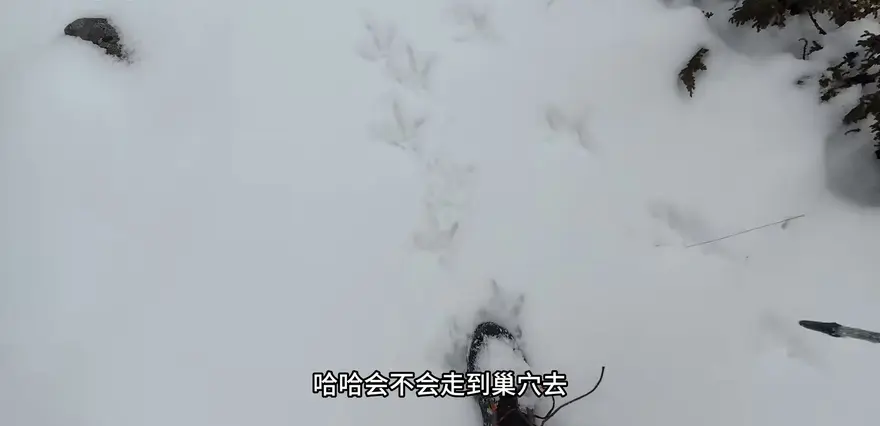
The Kangding route is a hardcore exam paper in its own right: on clear days you can see eight snow-capped peaks up close, including Mount Gongga; the valley is flanked by the dragon-head-shaped ridges of Longtou Gou; in the distance, thirteen alpine lakes around Jiuhaizi chain together one after another; and in May and June the slopes erupt in rhododendron blooms. As Xiaozhu put it, "basically every mountain in this range has a den of black bears" — luckily we stuck to well-established trails, so a few loud shouts into the woods were enough.
Key info for this episode: the product is the Yunye Technology "Xidong" exoskeleton (lower-limb / hip assist configuration); it claims to reduce physical exertion by 40% (mentioned in the video); the tested route runs from Kangding city (~2,500 m) to a ridge above 4,000 m, with nearly 2,000 m of cumulative elevation gain (mentioned in the video); price range: RMB 8,000–20,000 (mentioned in the comments).
For an exoskeleton, the value of this route lies in its "complete set of exam questions":
- Sustained steep climbs: the first leg to Lamaya at 3,700 m is only 3–4 km long but packs in 1,200 m of elevation gain (mentioned in the video) — a test of assist output;
- Long descents: reaching the summit is only half the journey, and steep downhills are the cruelest on the knees — a test of cushioning and support;
- Volatile high-altitude weather: in March, Kangding's spring snow and dense fog take turns rolling in — a test of reliability and battery life.
"Today's hiking route is all about high altitude, big climbs, and long descents — let's see how it performs." (mentioned in the video)
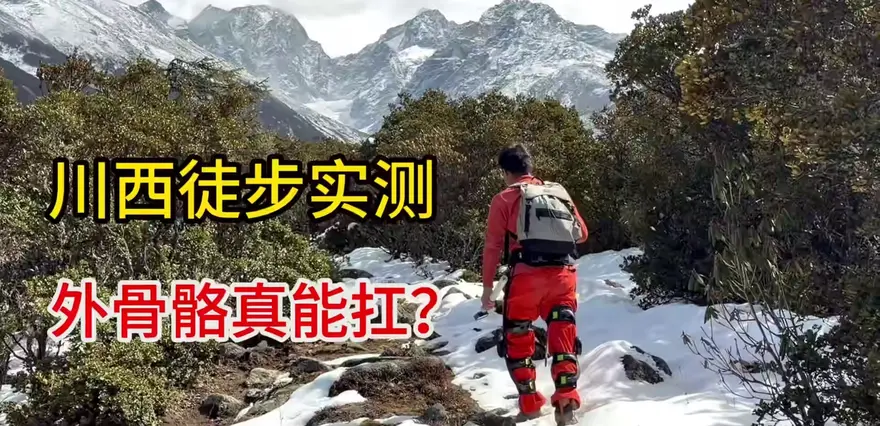
Image: Panorama of Kangding city with the snow-capped range behind
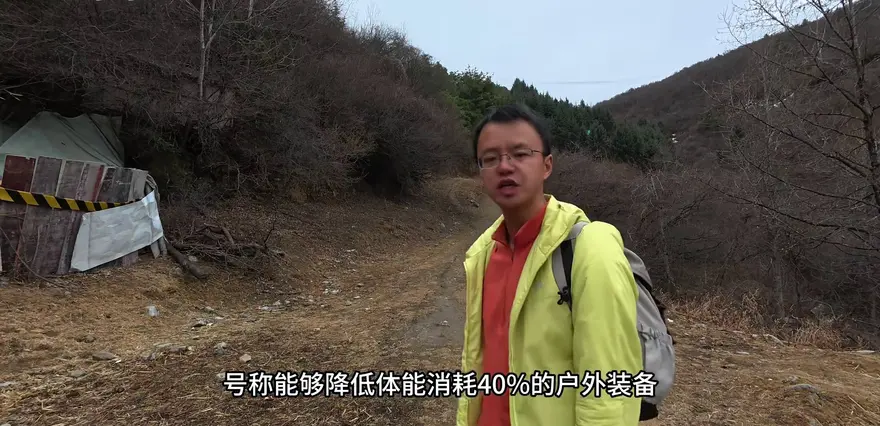
Image: Tested route overview — Kangding city → Lamaya → 4,000 m-class ridge
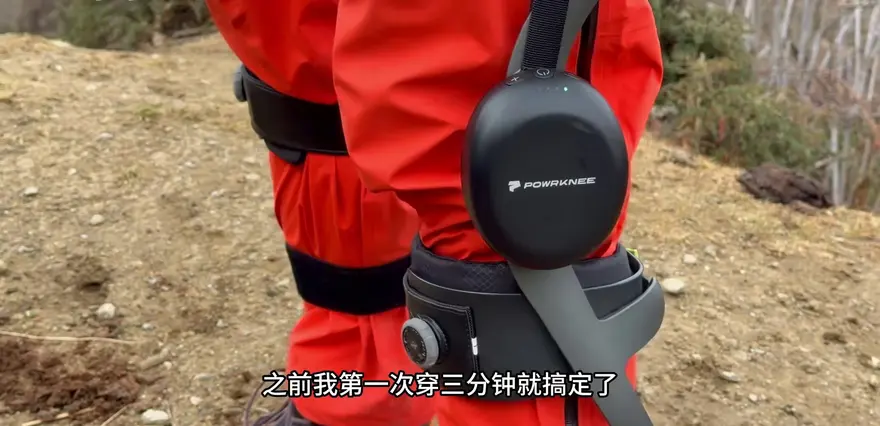
Image: Longtou Gou valley with the ring of distant snow peaks
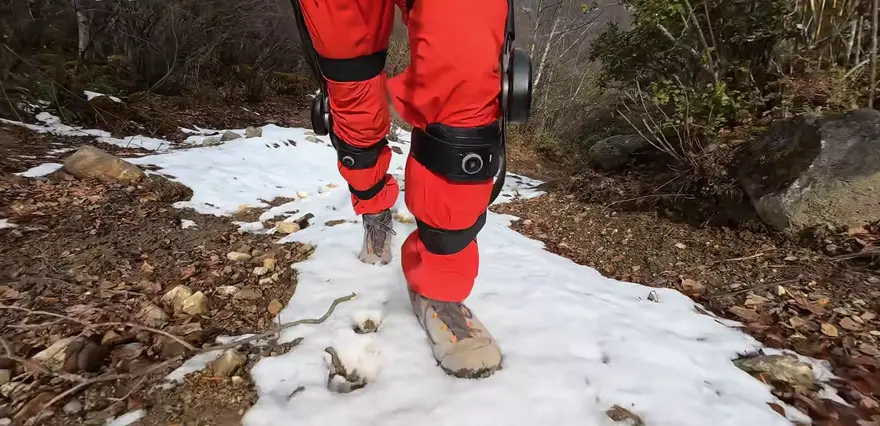
Image: Pre-departure gear check, with the "Xidong" exoskeleton worn on the body
02 Putting It On: Straps and Buckles, Ready to Go in Three Minutes
For many people, the first concern about an exoskeleton is that "putting it on and taking it off is a hassle." Xidong's answer is to strip things down: a few straps plus buckles, and none of the complicated adjustment mechanisms.
"Honestly, it's not much of a hassle — just a few straps and buckles. The first time I put it on, I was done in three minutes." (As mentioned in the video)
What does three minutes mean? It means this can be treated as everyday gear rather than a special-occasion prop. For a consumer-grade exoskeleton, the effort of putting it on directly determines how often it actually gets used — if every trip into the mountains means an extra ten-plus minutes and finding someone to help, then no matter how impressive the assist specs look on paper, they'll lose their value while the unit sits gathering dust. Judging from the on-body experience shown in the video, leg movement isn't restricted once it's on — long strides across snow and steps over loose gravel produced no noticeable interference.
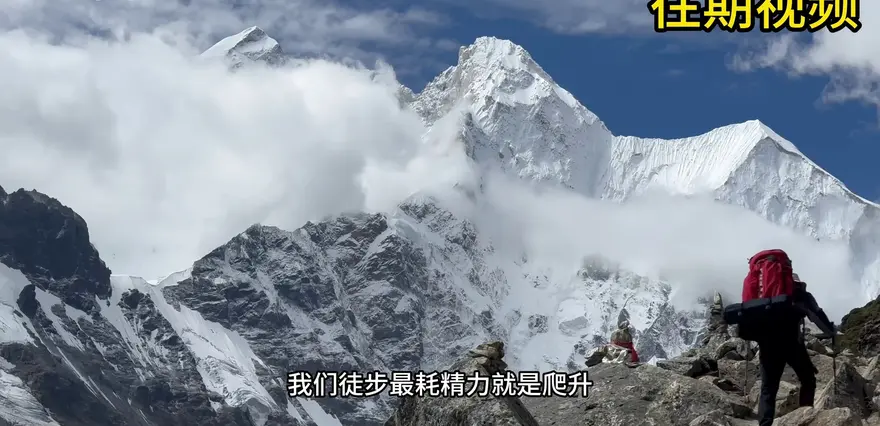
Image: Donning steps — securing the waist belt
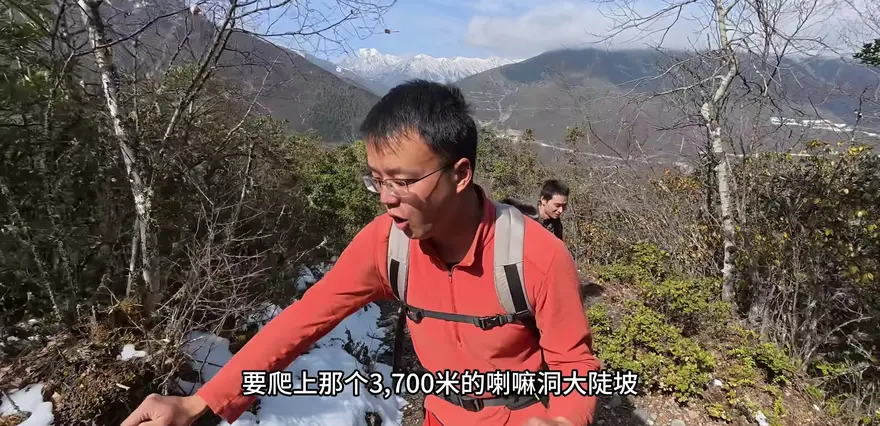
Image: Strap and buckle details
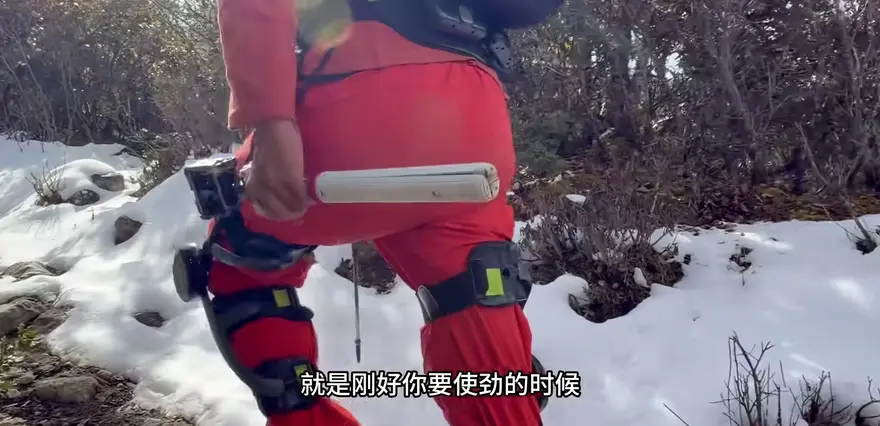
Image: Close-up of the thigh strap fastening
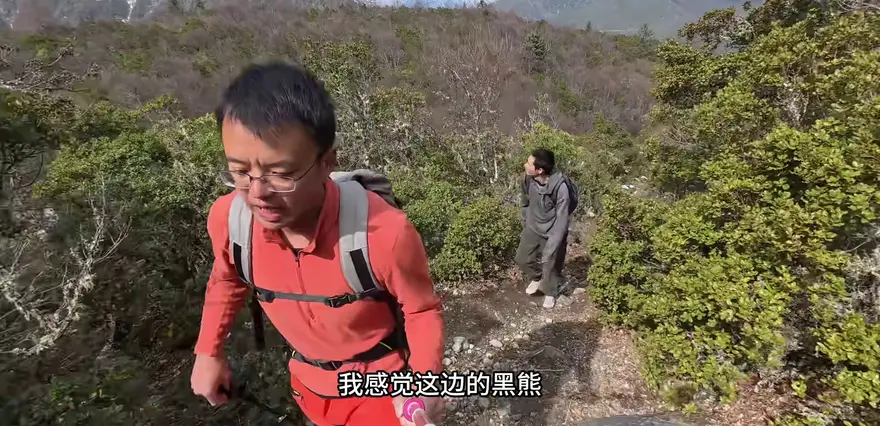
Image: The complete unit worn — final on-body look
03 Climbing Steep Slopes: Assist That Feels Like a "Helping Hand" — Uphill That Feels Like Flat Ground
The real test began once we left town. The stretch to Lamaya covers three to four kilometers with 1,200 meters of elevation gain — a formidable gradient. In Xiao Zhu's experience, on a big climb like this, "even people who are regularly active at high altitude have to stop and rest several times," and for most folks, a few dozen meters is enough to force a pause to catch their breath. But with the "Xidong" on, the description changed:
"Uphill now feels pretty much the same as walking on flat ground. Lifting my legs takes almost no effort, and my thigh muscles stay relaxed. I can clearly feel a strength in my upper and lower legs lending a hand — right at the moment I need to push hard, it gives me a lift." (mentioned in the video)
"Now, when I keep up a fast pace uphill, the only thing I feel is my heart rate climbing — my legs don't fatigue, and I'm not too out of breath." (mentioned in the video)
Here's a detail worth underlining: your heart rate still goes up. That tells you the exoskeleton is saving muscular effort, not cardiovascular work — conservation of energy doesn't lie; it simply shifts part of the load off your thighs. For hikers who "want to go far but accept some cardio intensity," this is exactly the ideal balance: your legs don't get wrecked, but your body still feels like it trained.
The details along the route are worth noting too: spring snow had already started falling in Kangding in March; prayer flags and mani stone carvings stand before Lamaya; and the boulder-strewn slopes are classic glacial remnants. Climbing continuously over this snow-mixed gravel, the assist timing still matched the gait naturally, with none of that "half a beat behind" dragging sensation.
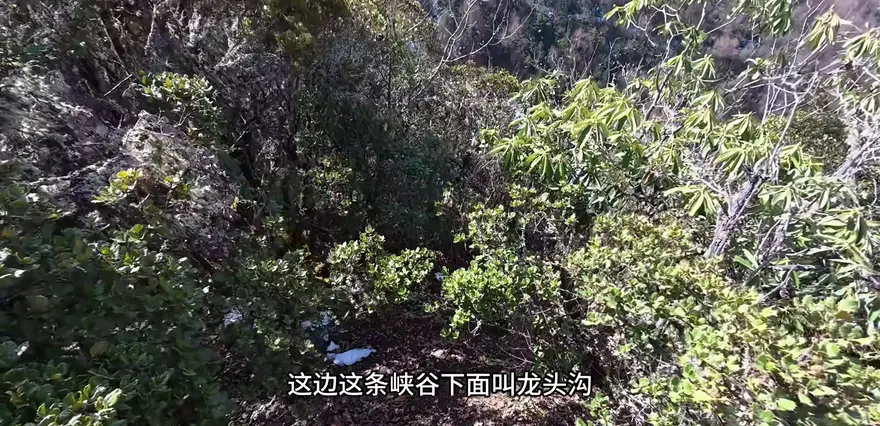
Image: The steep slope leading up to Lamaya
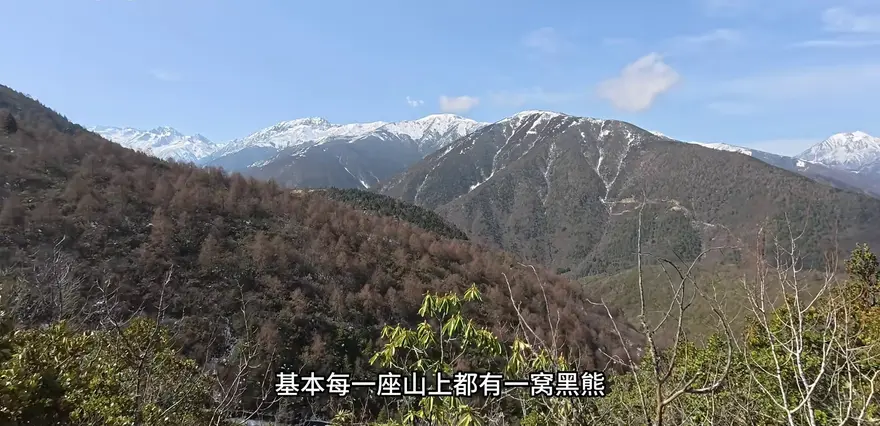
Image: The hip motor and transmission structure in motion
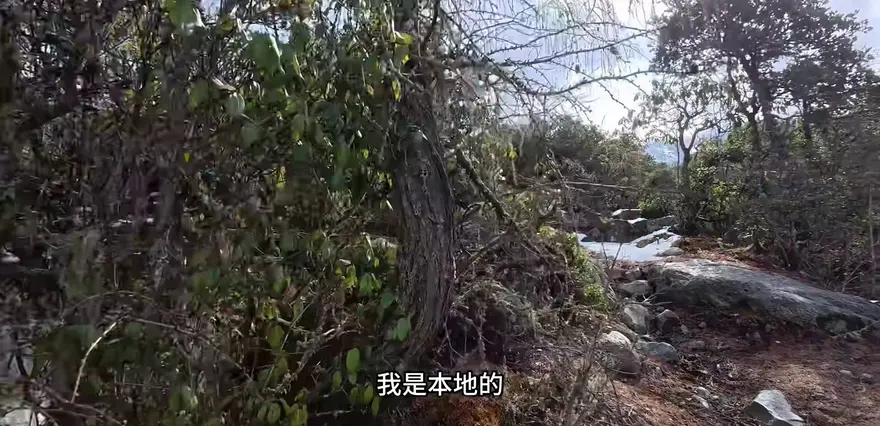
Image: Prayer flags and mani stone carvings at Lamaya
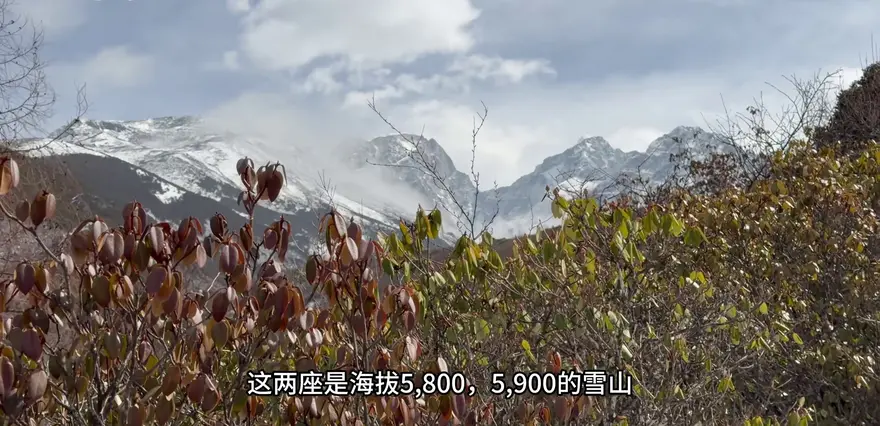
Image: A gravel slope covered in spring snow
04 Flat Terrain and Pacing: It Walks With You, Not Drags You Along
"Won't wearing this thing feel weird? Like being hauled around by a machine, like some robot?" — Xiaozhu asked this question on behalf of viewers in the video, and the answer is no:
"It actually just follows your rhythm. Walk faster and it speeds up; slow down and it slows down too. It never rushes your pace, and it never feels awkward." (as mentioned in the video)
On relatively gentle stretches, the sensation is "pretty much like walking normally," yet a certain level of assist is still maintained. Behind this lies the universal working logic of hip assist exoskeletons: sensors such as IMUs capture gait phase, algorithms identify when you're swinging your leg and when you're pushing off, and then the motors (typically servo/brushless motor setups) deliver joint torque at precisely the right moment. If the assist timing is off by even half a beat, "assist" turns into "resistance." Judging from the sensory descriptions in this video, the Xidong's gait following feels quite natural — and that's also the most intuitive dividing line between consumer-grade products and "lab prototypes."
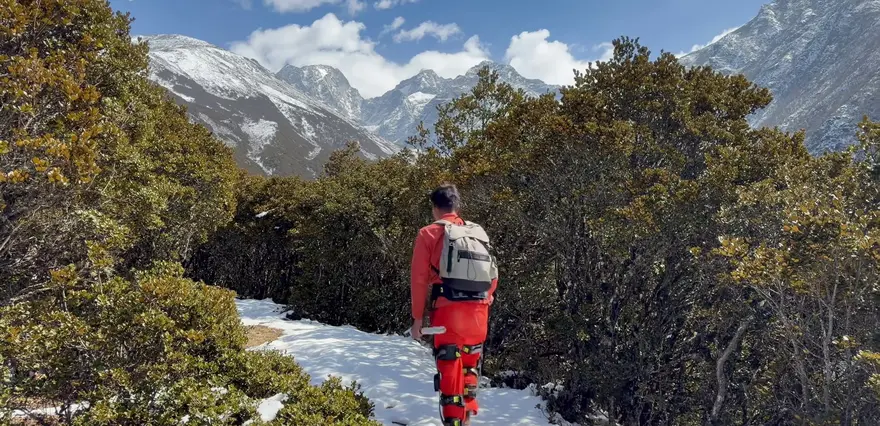
Image: Walking posture along a gentle ridge section
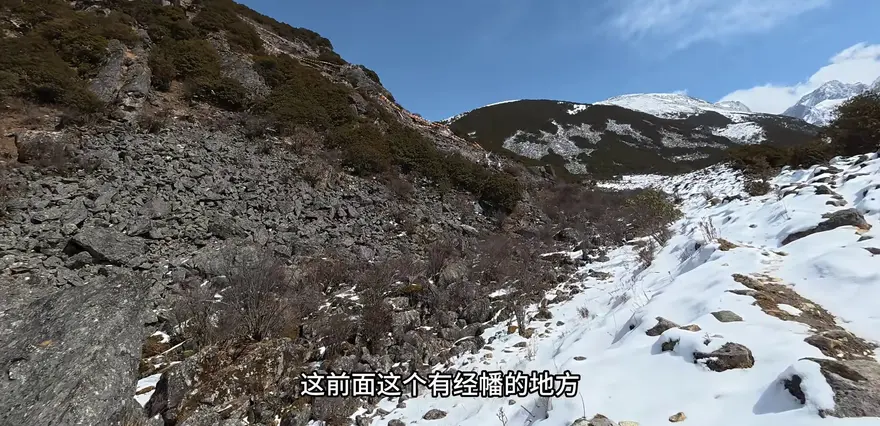
Image: A stretch of ankle-deep snow
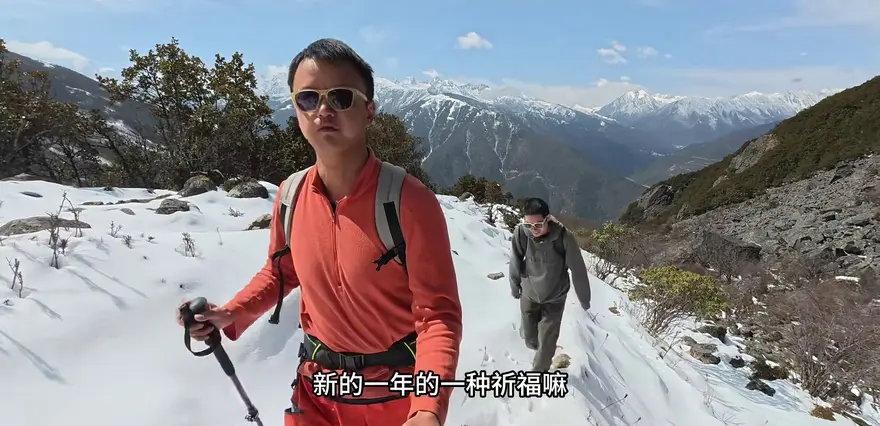
Image: Close-up of the exoskeleton joint unit
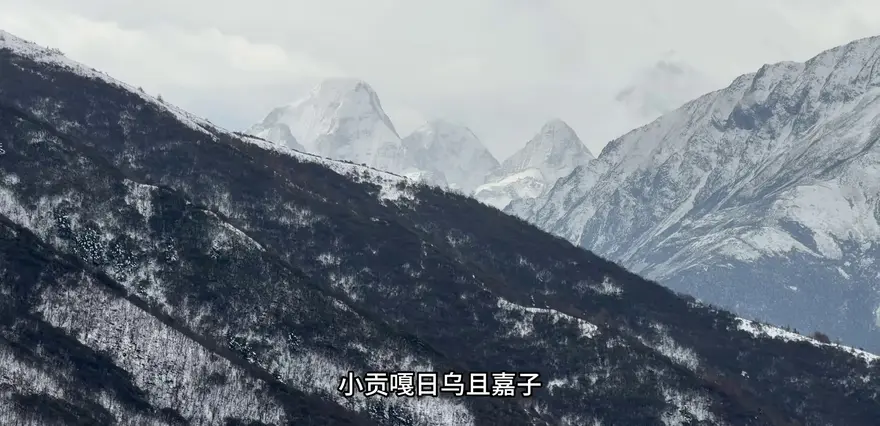
Image: Moving across flat terrain with a natural gait
05 Sudden Weather Shift: A Full Day of Reliability Testing in Spring Snow and Dense Fog
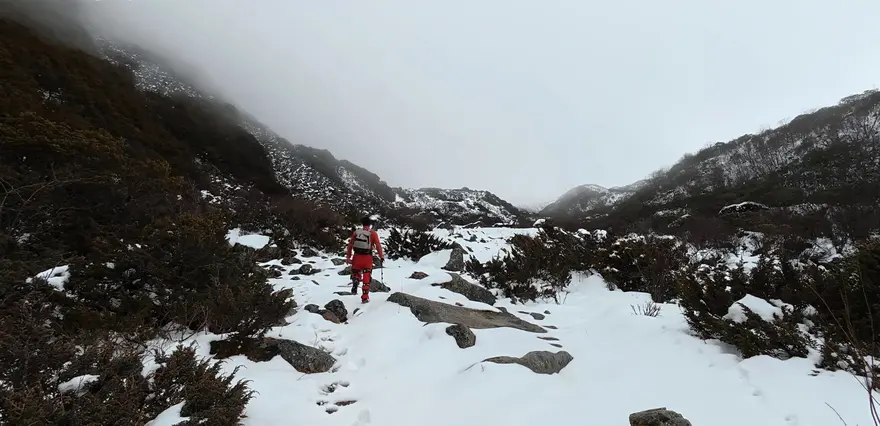
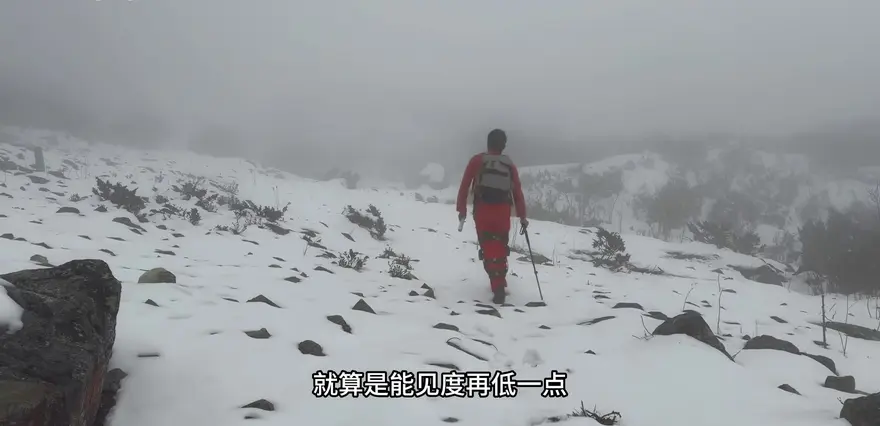
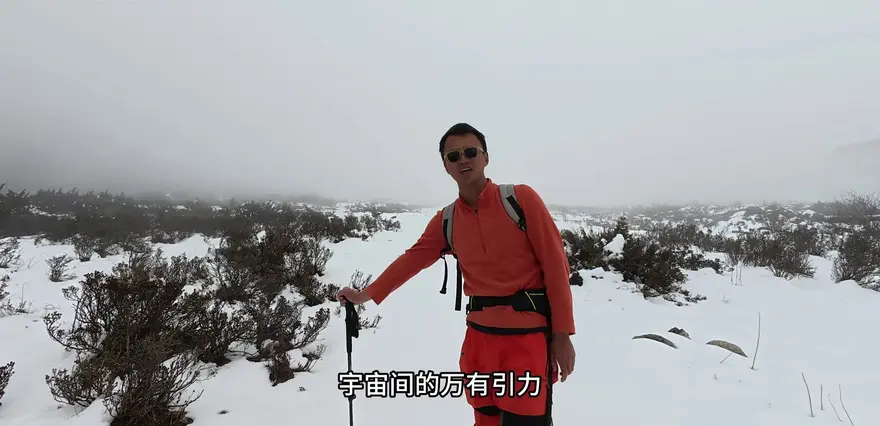
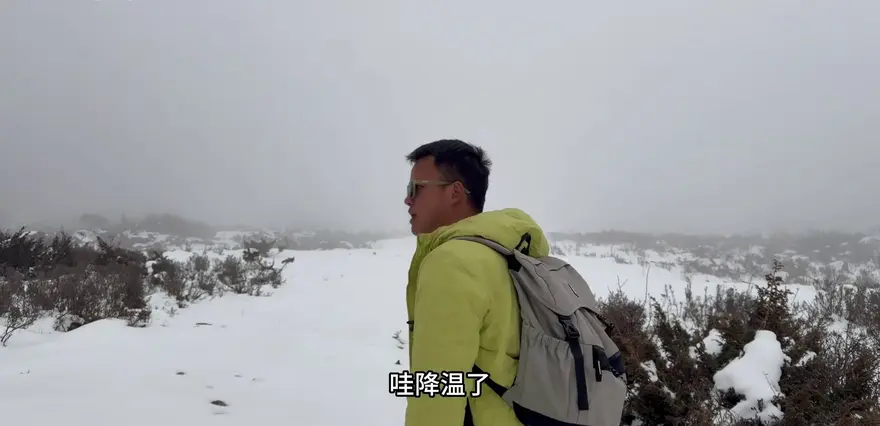
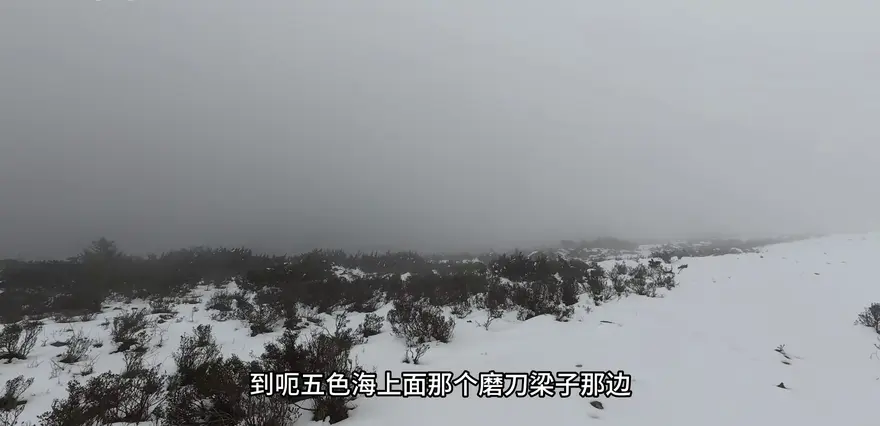
March weather in Kangding was a total free-for-all: this winter, hardly any snow fell through November and December — "even the black bears barely bothered to hibernate" — so the spring snow arrived fast and heavy. Daytime temperatures could reach the teens (°C), and the dense fog was laced with moisture — "my hands were frozen stiff." The original plan to climb another ~300 meters from the viewing platform up to the ridge was scrapped because of the weather too — "pushing on might not have been safe.Daytime temperatures can reach the teens (°C)... the higher you go, the deeper the snow gets — it was already past my ankles." (mentioned in the video)
"I overcame the Earth's gravity and finally made it to the top of this great snow mountain at an altitude of 400,000 centimeters (that's over 4,000 meters)." (mentioned in the video — the creator's own running gag)
Throughout the day, the "Xidong" went through an all-weather trial of spring snow, dense fog, high humidity, and low temperatures, and Xiaozhu never mentioned a single malfunction, odd noise, or unexpected power-off along the way. For outdoor gear, this kind of "just works, no drama" reliability matters more than peak specs. That said, it's worth pointing out: the video never mentions its operating temperature range, ingress protection (IP) rating, or battery life performance in cold conditions — and high altitude is precisely the scenario that stresses lithium batteries the most. We recommend confirming each of these with the manufacturer before placing an order.
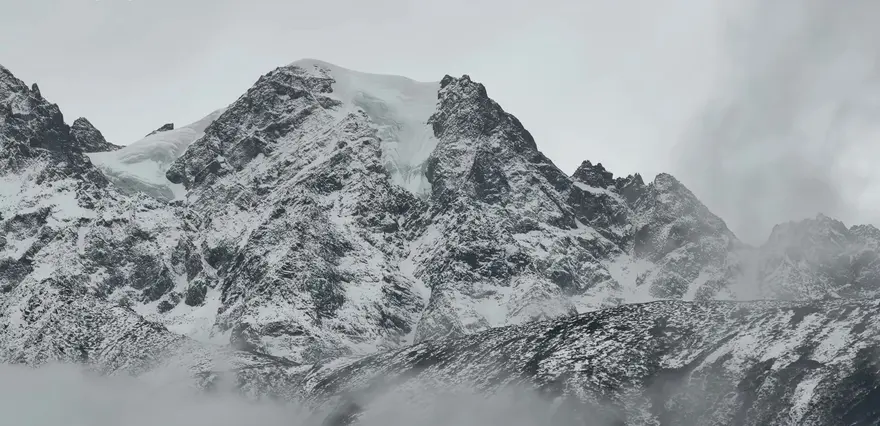
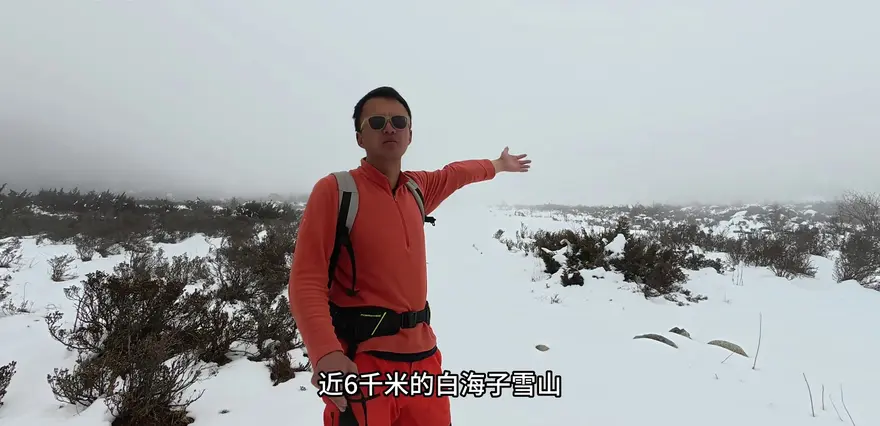
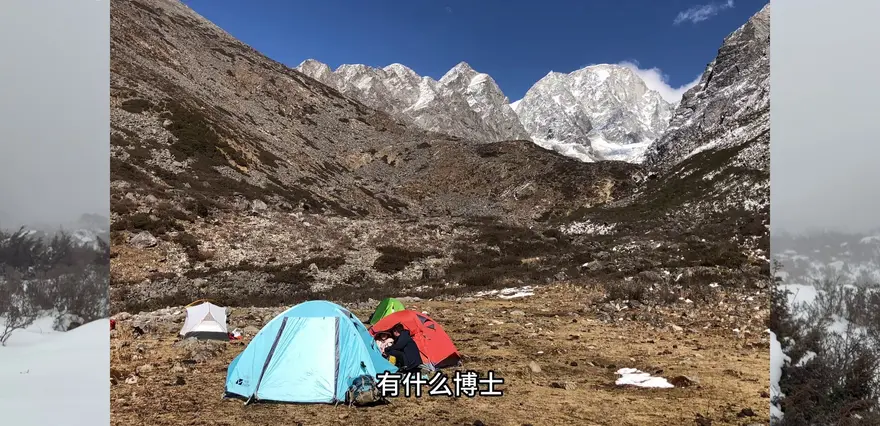
A quick word on the scenery: the viewing platform normally offers a spectacular vantage point. Biya Mountain (5,900+ m), Shanhaizi Snow Mountain (5,800 m), and Baihaizi Snow Mountain (nearly 6,000 m) line up in a row just two to three kilometers away in a straight line, and along the way you can see vast moraine fields pushed up by ancient glaciers. Xiaozhu often camps here to watch the sunrise turn the peaks gold. This time, the snow peaks never showed — "the scenery is saved for you to come see for yourselves next time" — but the exoskeleton testing, ironically, became all the more complete because of the bad weather.
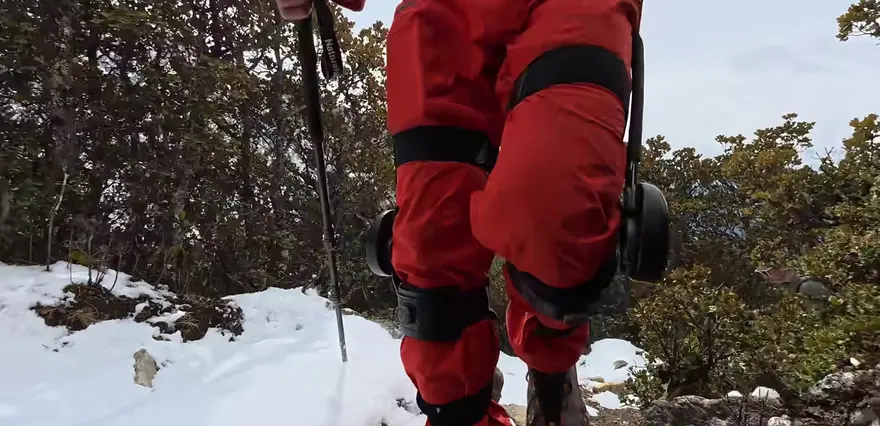
Image: The ridge in dense fog
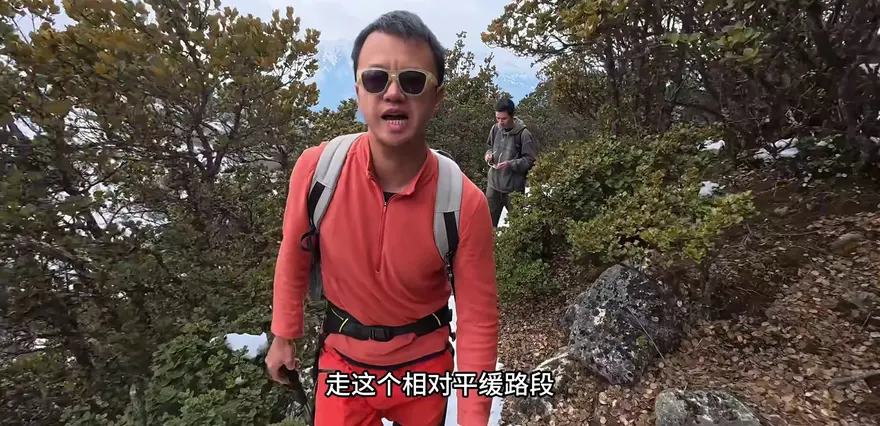
Image: The Biya, Shanhaizi, and Baihaizi snow peaks through gaps in the fog
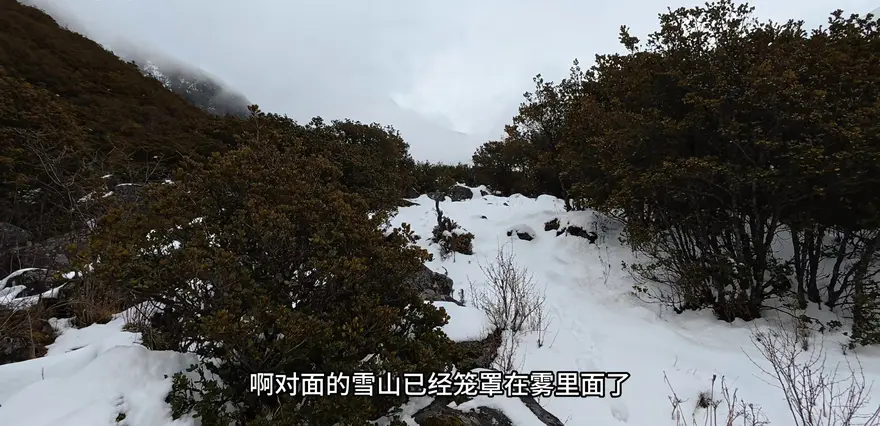
Image: Moraine terrain pushed up by ancient glaciers
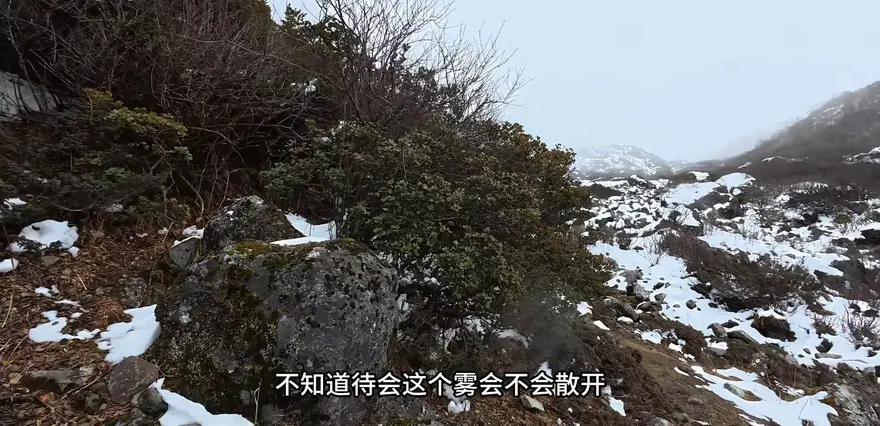
Image: Resting at the viewing platform, waiting for the fog to lift
06 Long Downhills: Crank Up the Assist Level and Hire a "Shock Absorber" for Your Knees
As the saying goes, going up the mountain is easy — coming down is hard. Descending doesn't drain your energy much, but the pounding that steep slopes put on your knees is very real. Xiaozhu's technique for tackling downhills without an exoskeleton is "keep your knees slightly bent, drive with your thighs, and go as slowly as you can," which helps reduce the impact on your knees. But after putting on the "Xidong," he bumped the assist level up one notch and noticed two things right away:
"One is that your footing feels solid, and the other is knee protection. With it on, it feels like your knees and legs have support, your center of gravity is steadier, your legs don't have to work as hard on the way down, your feet land more lightly, and the impact on your knees is dramatically reduced." (mentioned in the video)
This is, in my view, the most valuable scenario in the entire video. When promoting consumer-grade exoskeletons, manufacturers almost always talk about "saving effort on the way up," but when it comes to hiking
About this article: part of Chinese-Made Exoskeleton Review Archive — an independent, regularly updated English archive of reviews of consumer exoskeletons made in China, edited from publicly available video transcripts. Not an official manufacturer page.
For inquiries and purchasing, contact lonlonago@foxmail.com. More in Reviews · All articles.