Smashing Servo Motors for N20 Motors: A Geek's "Linkage Revolution" in Exoskeleton Gloves
Commissioned for this feature, and as a writer focused specifically on the consumer-grade exoskeleton field, I present to you this in-depth review and photo essay embodying a hardcore geek spirit.
A Critical Flaw That Renders the "Robotic Hand" Inoperative: The Bulkiness and Compromises of an All-Hinge Structure
In the realm of consumer-grade exoskeletons, the development of wearable hand/upper-limb devices has always been the hardest nut to crack. Most people's attention is drawn to lower-limb assistive exoskeletons, overlooking the extremely high demands that the complex biomechanics of the human hand impose on hardware structures.
The "modified version differs from the original" mentioned by the creator in the video actually reveals a pain point that plaques exoskeleton developers: as the exoskeleton glove seeks a balance between consumer-grade and rehabilitation exoskeleton applications, the requirements for precision and degrees of freedom in human-machine coupling are extremely stringent.
Early mechanical linkages often relied on single-hinge mechanisms. Once the exoskeleton is taken off in this structure, the fingers simply dangle helplessly under gravity, completely losing their bending capability. To solve this problem, the creator decided to scrap the design and start over.
Audiences may not realize that designing an exoskeleton glove that can be seamlessly put on while allowing flawless 90-degree bending means the thumb's linkage mechanism requires a thoroughly evolutionary design; this is by no means a simple process of just "adding a motor". This marks a shift in hand exoskeleton development, transitioning from purely "increasing power output" to "adapting to bioengineering".
]
The Birth of the Multi-Link Back of Hand: Single-Motor Obstacle Traversal Test Breaks Conventional Limits
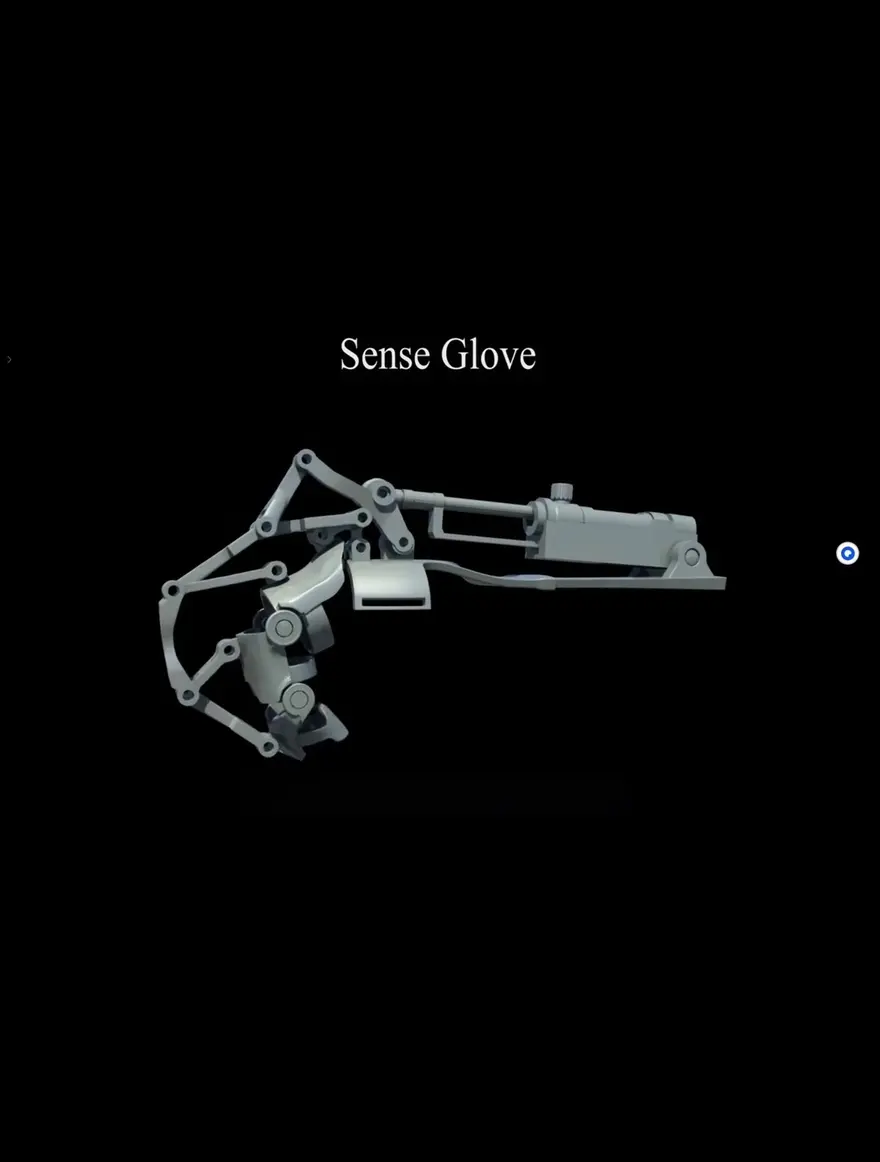
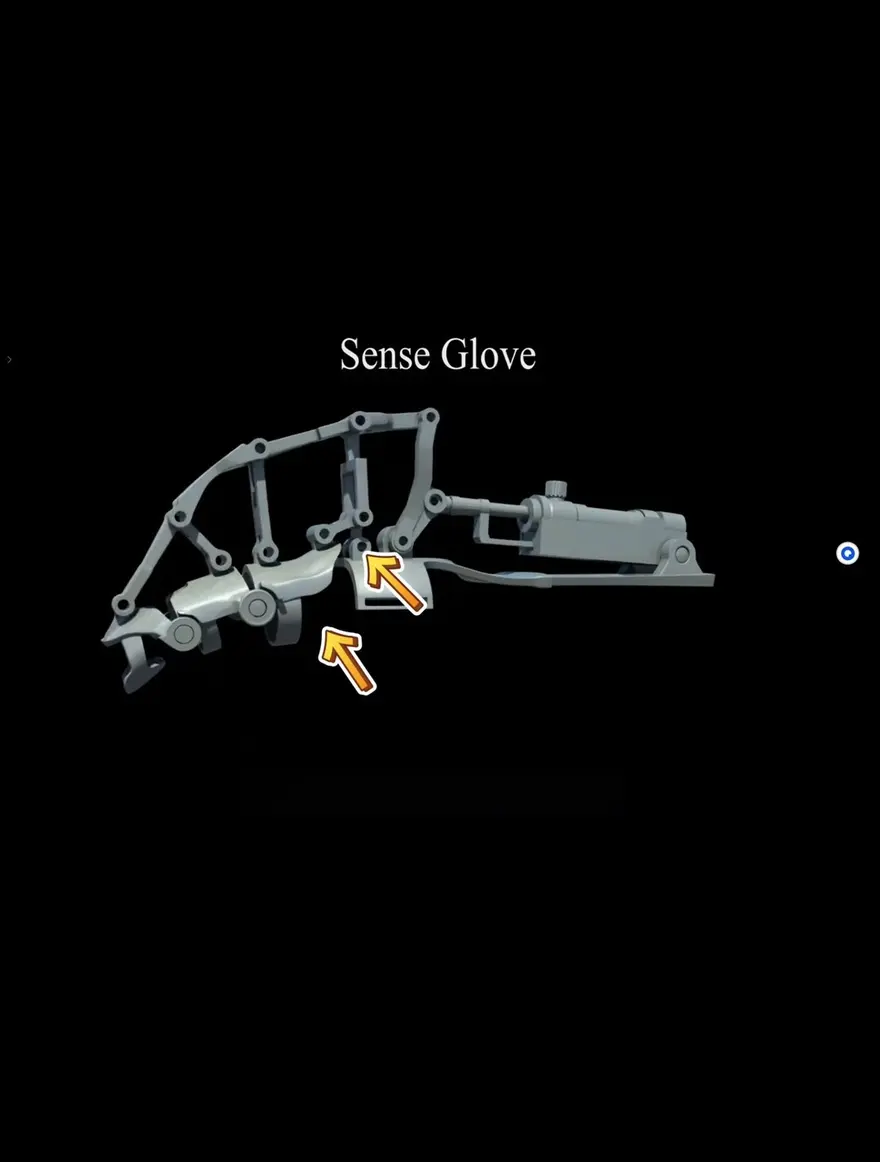
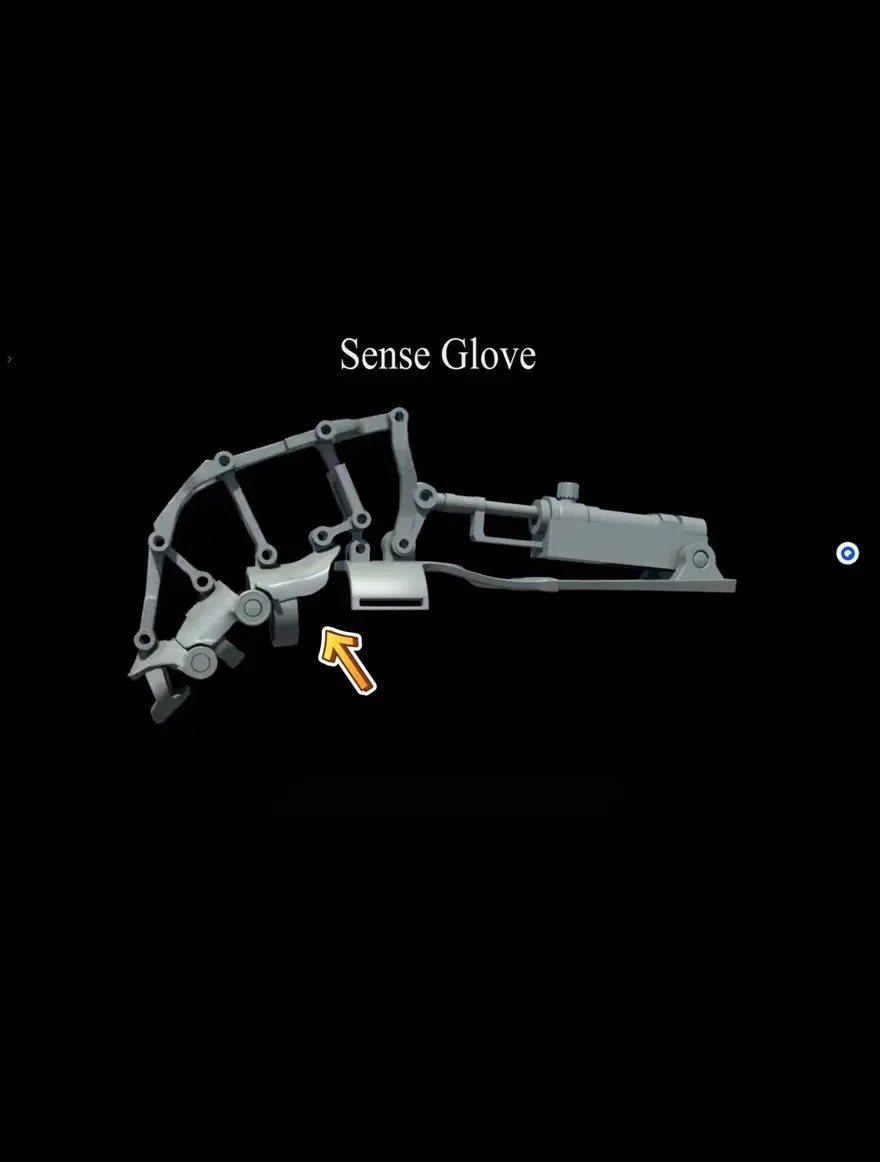
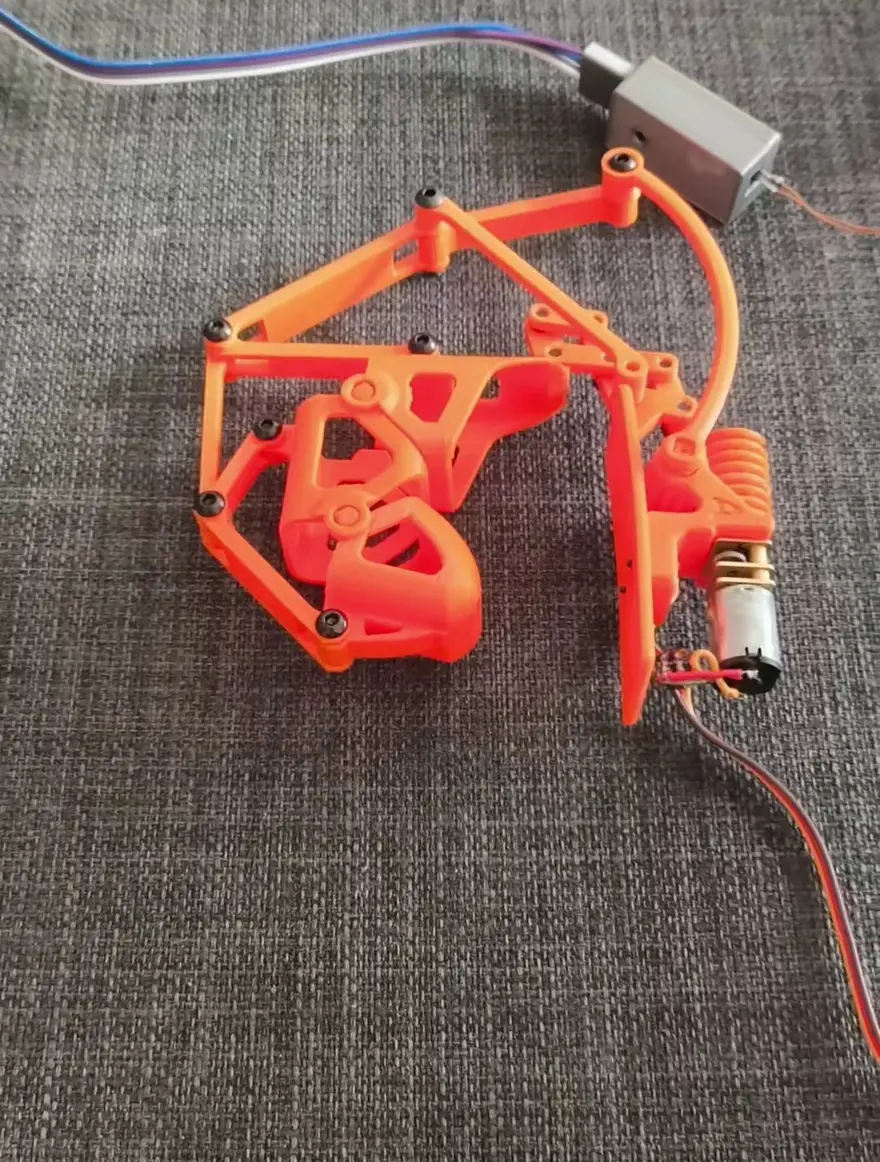
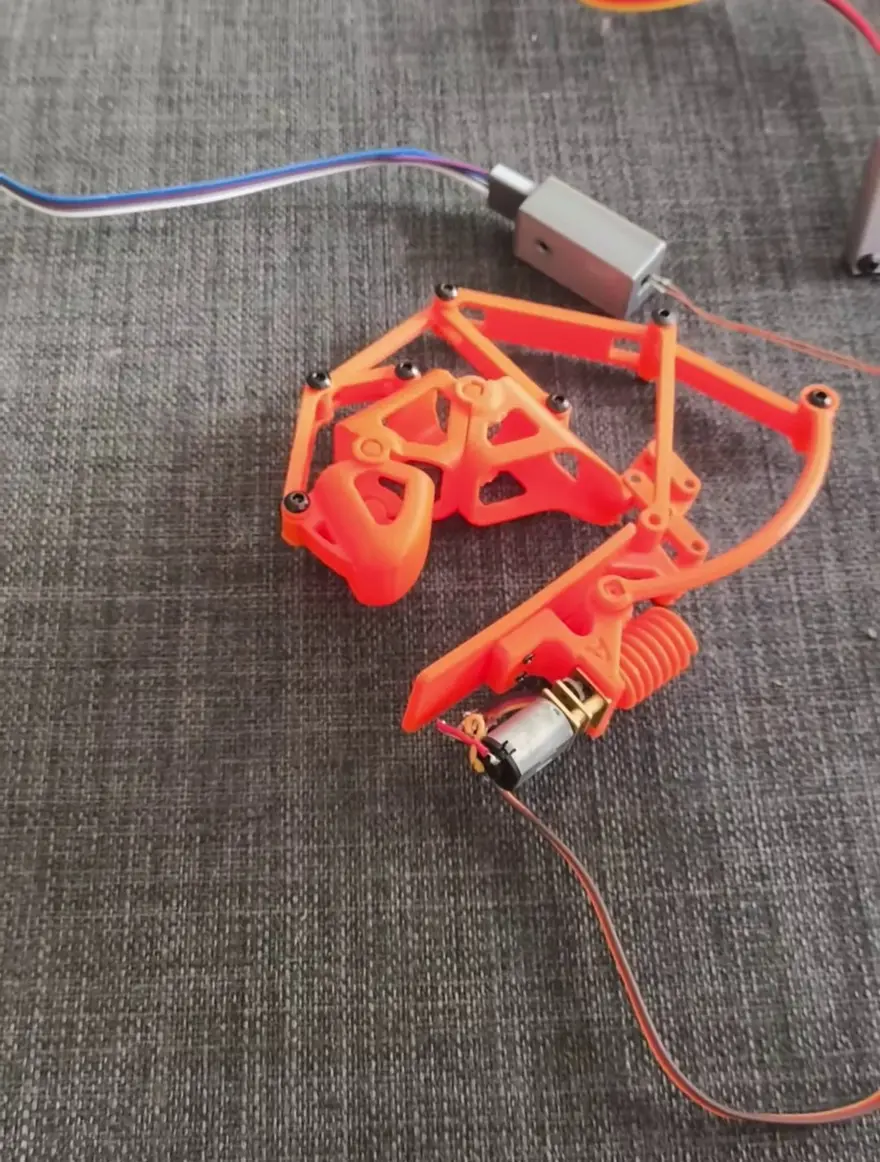
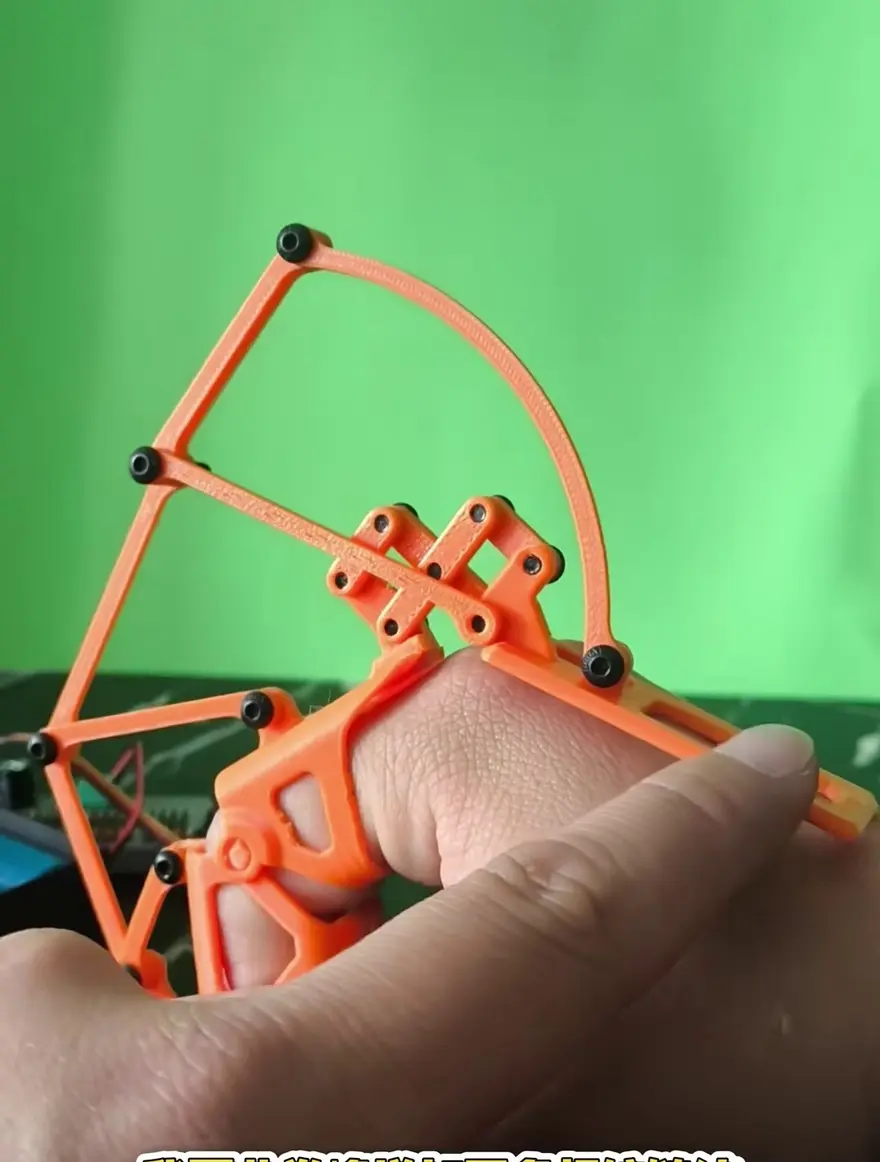
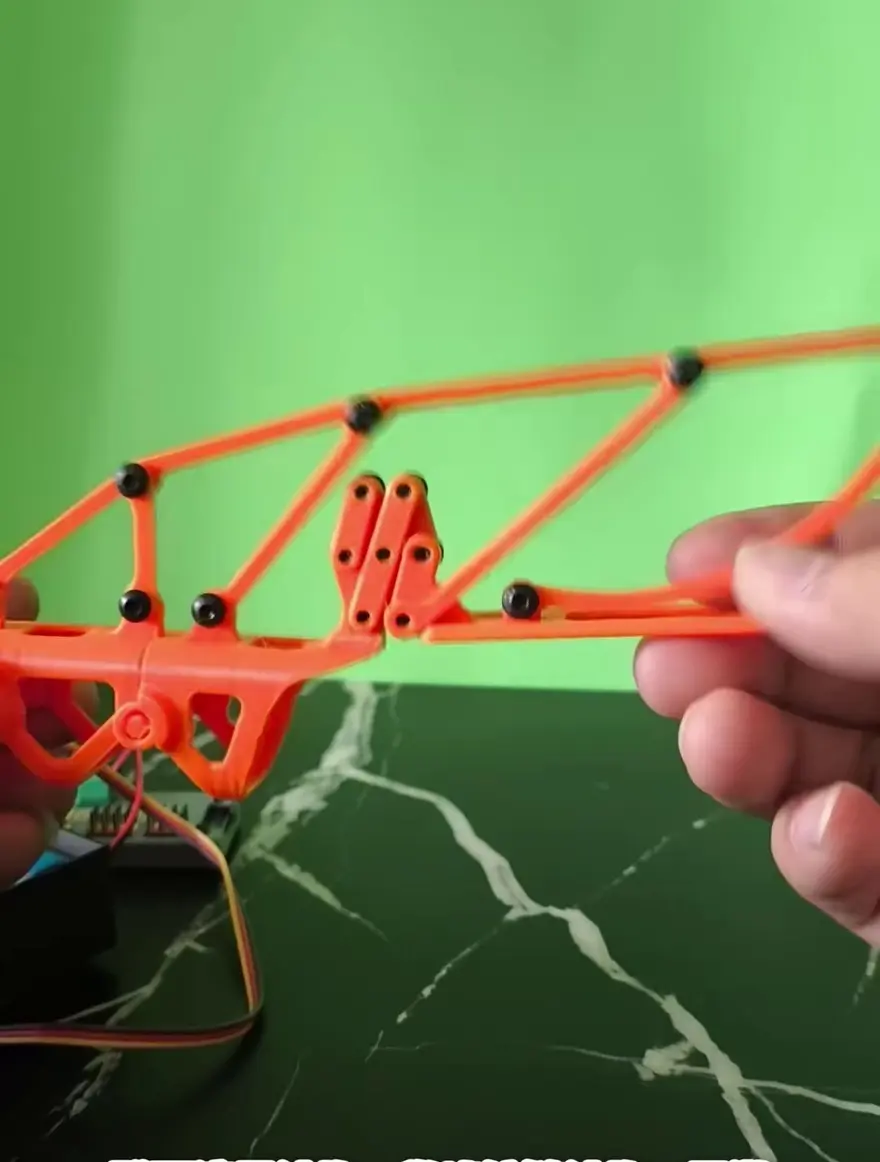
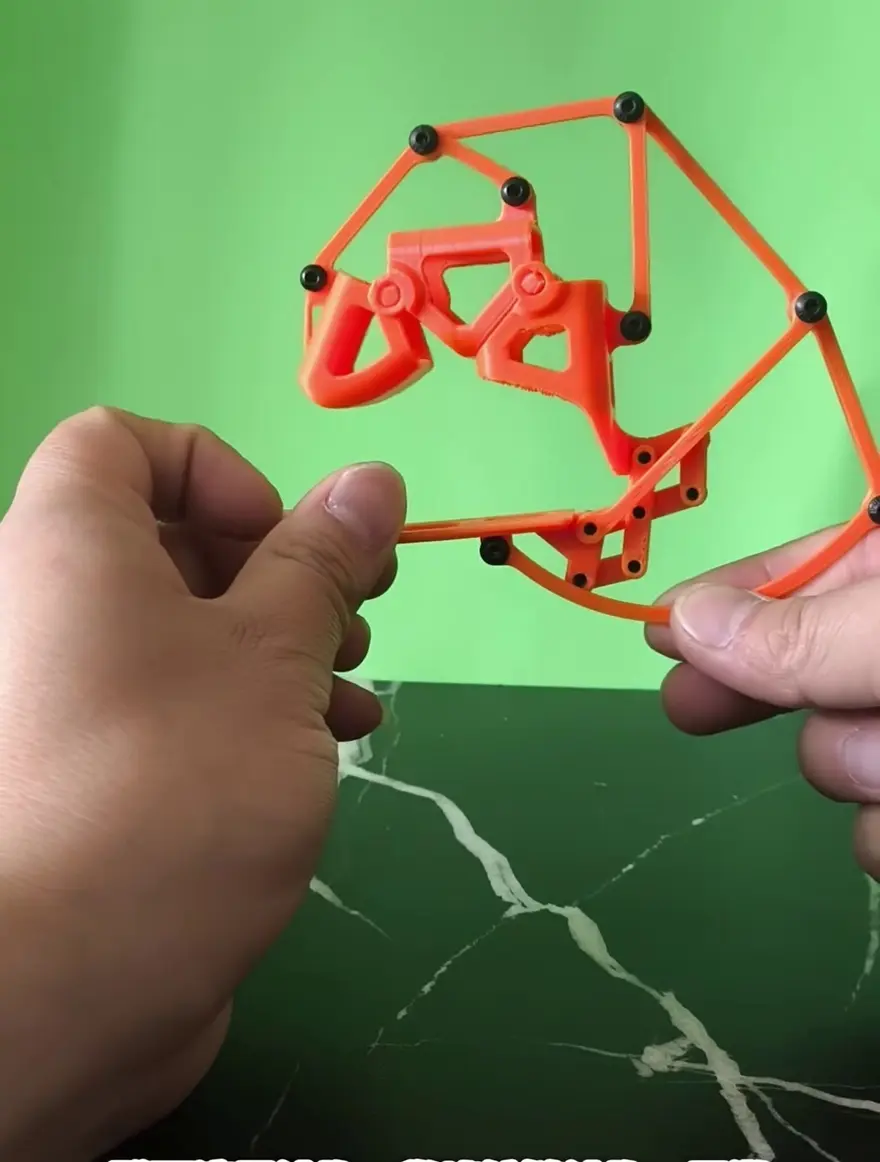
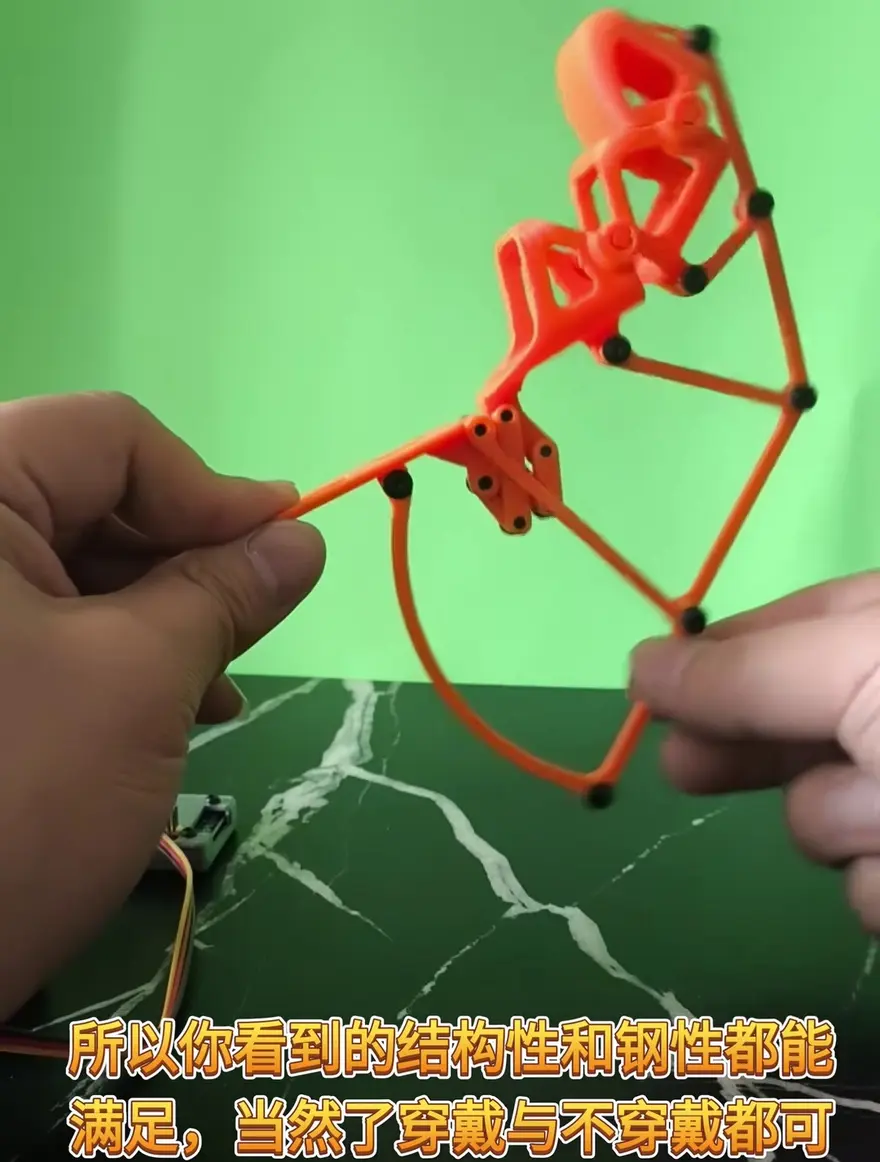
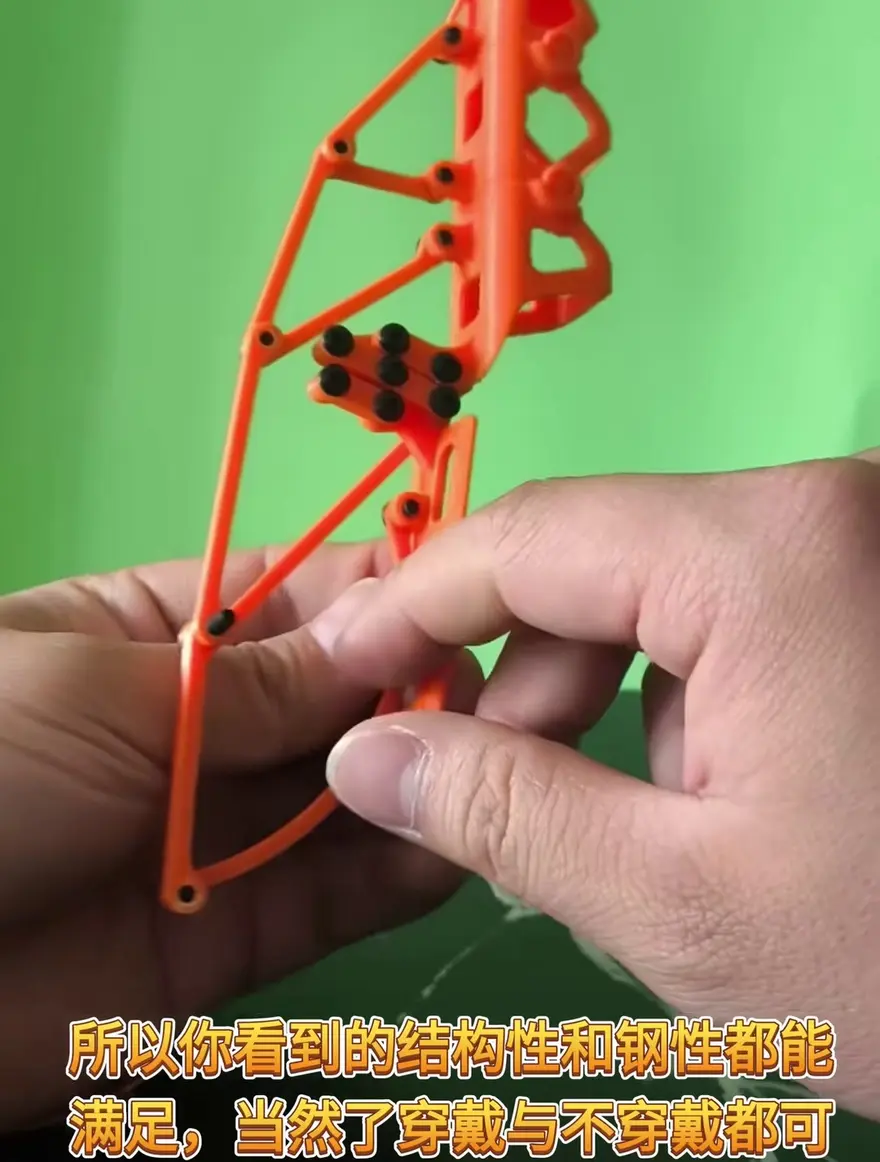
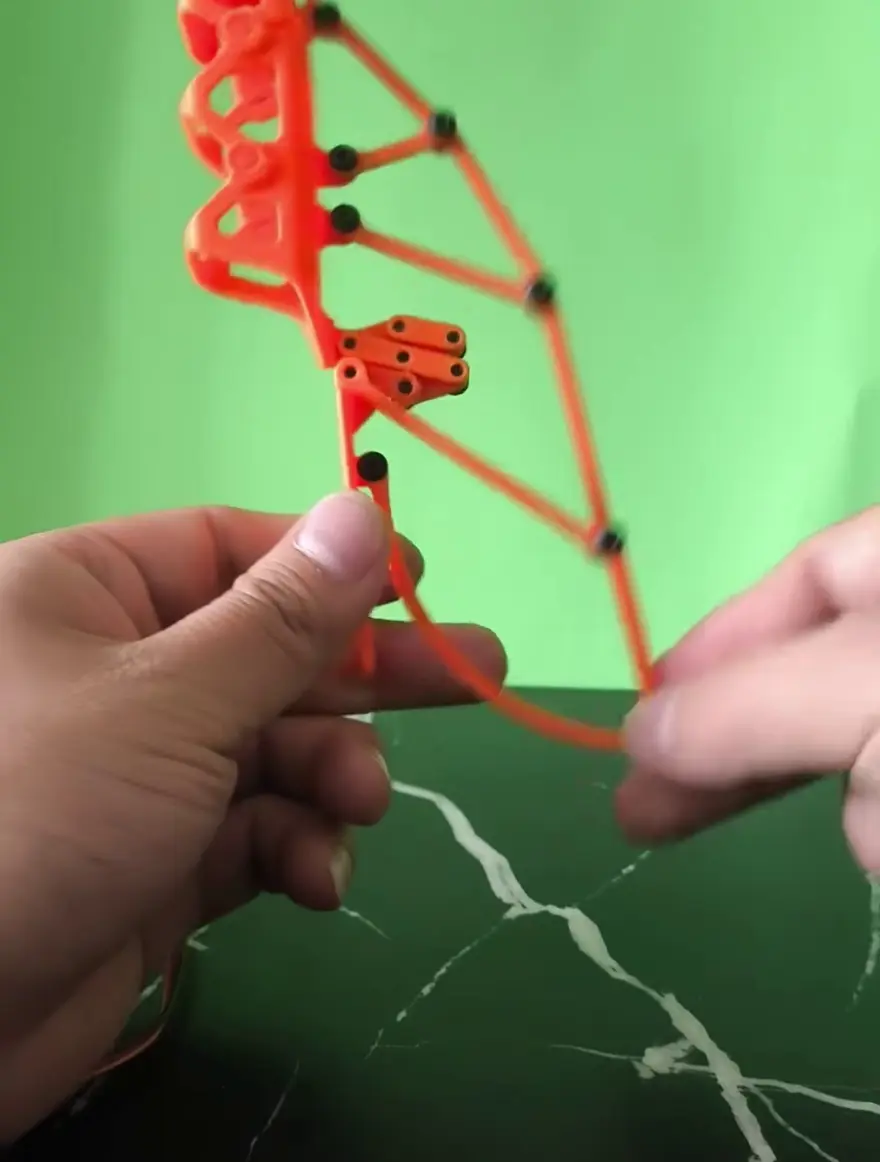
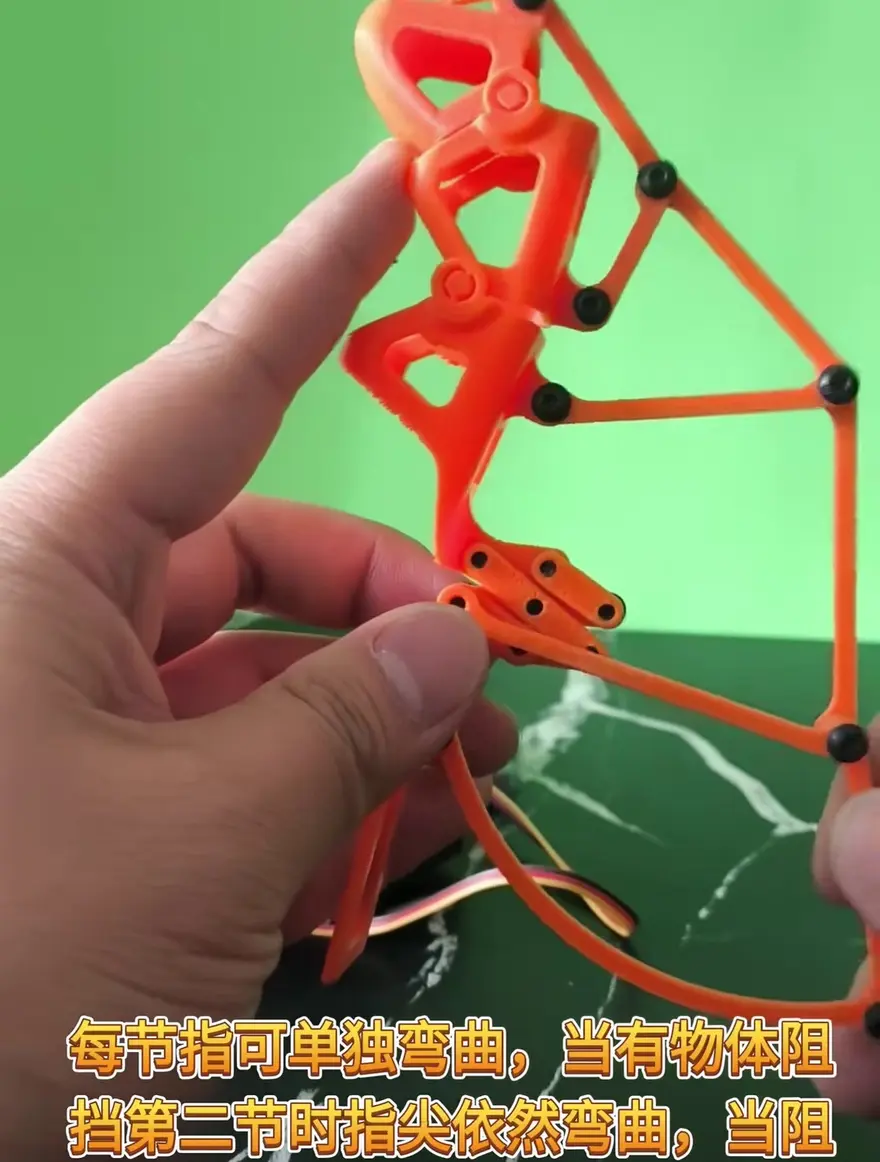
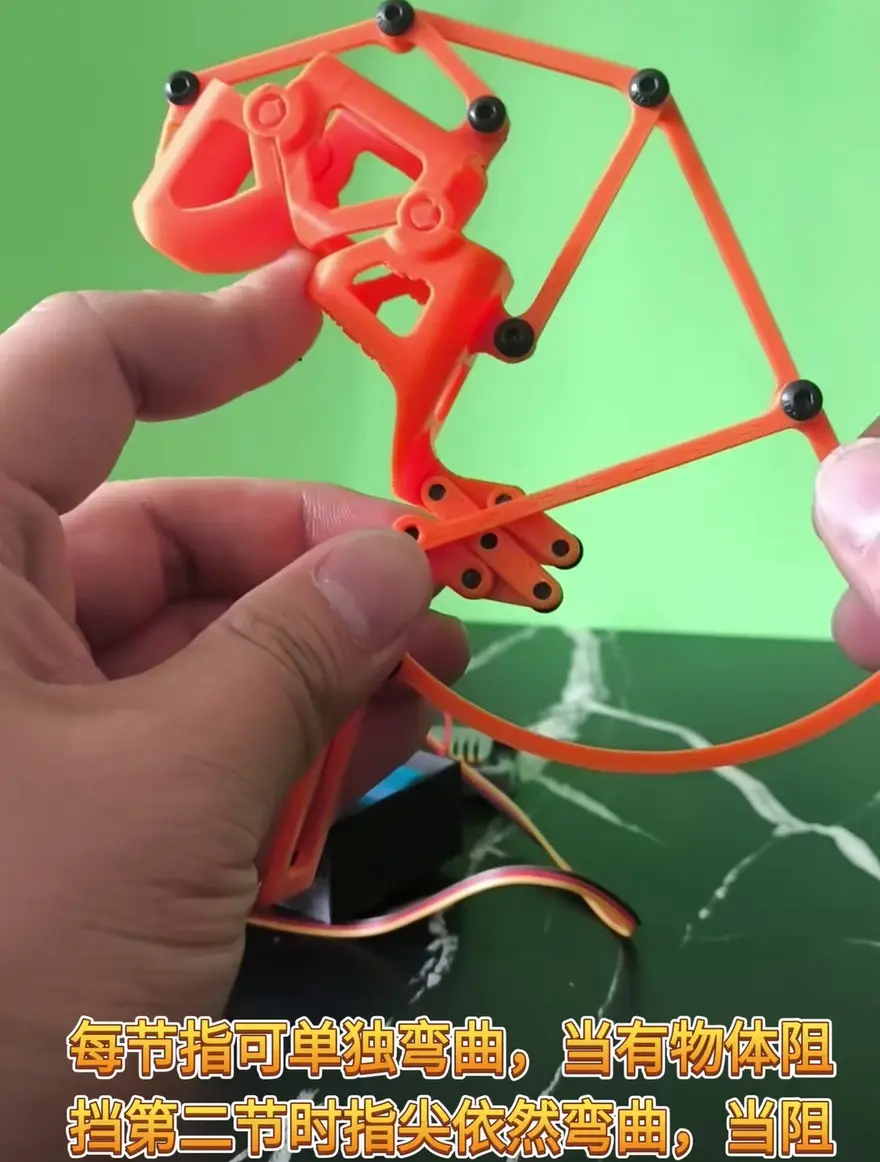
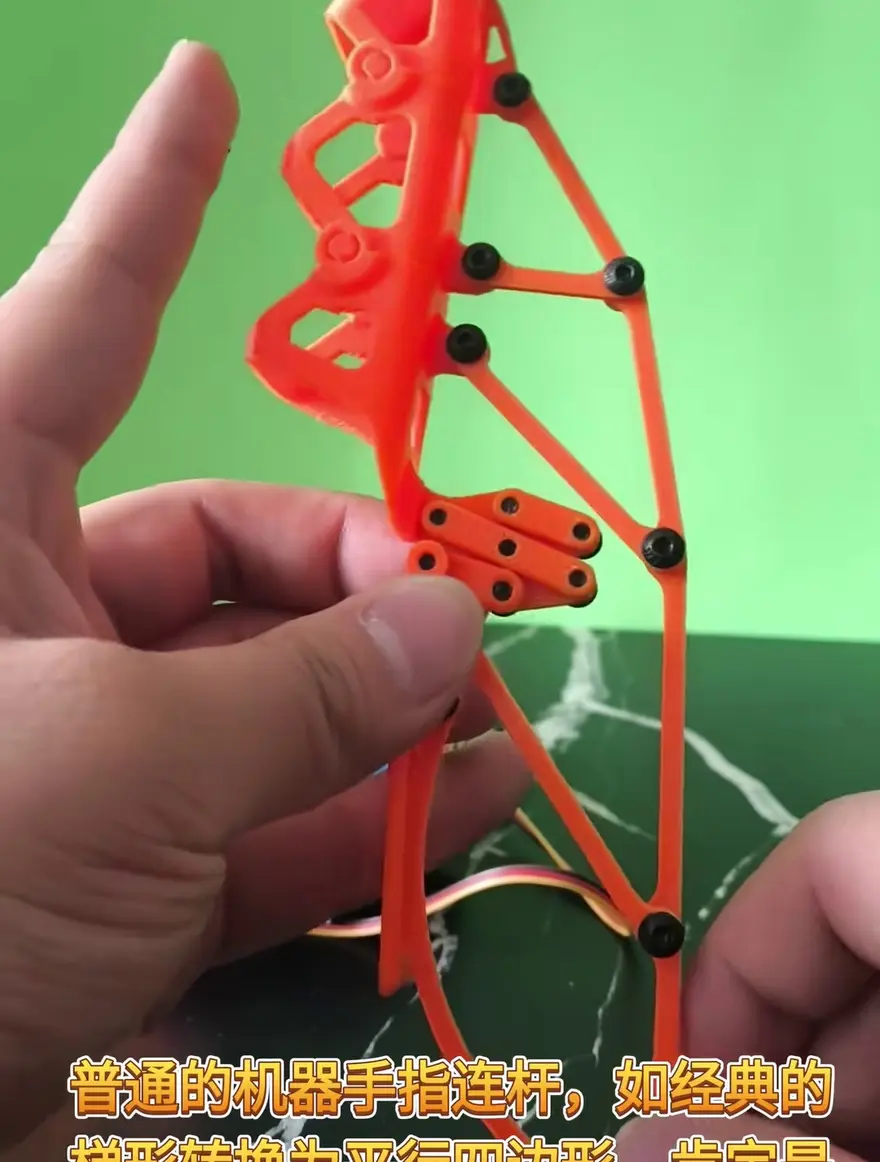
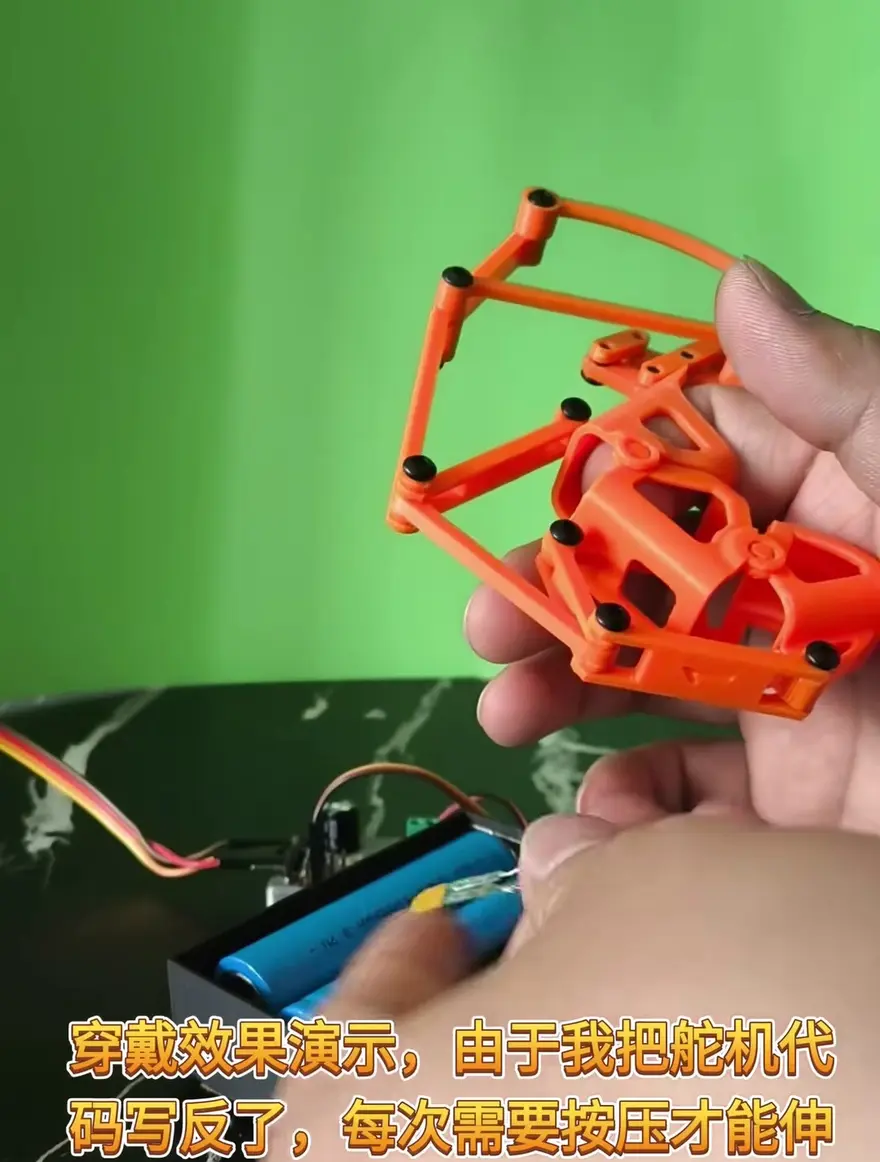
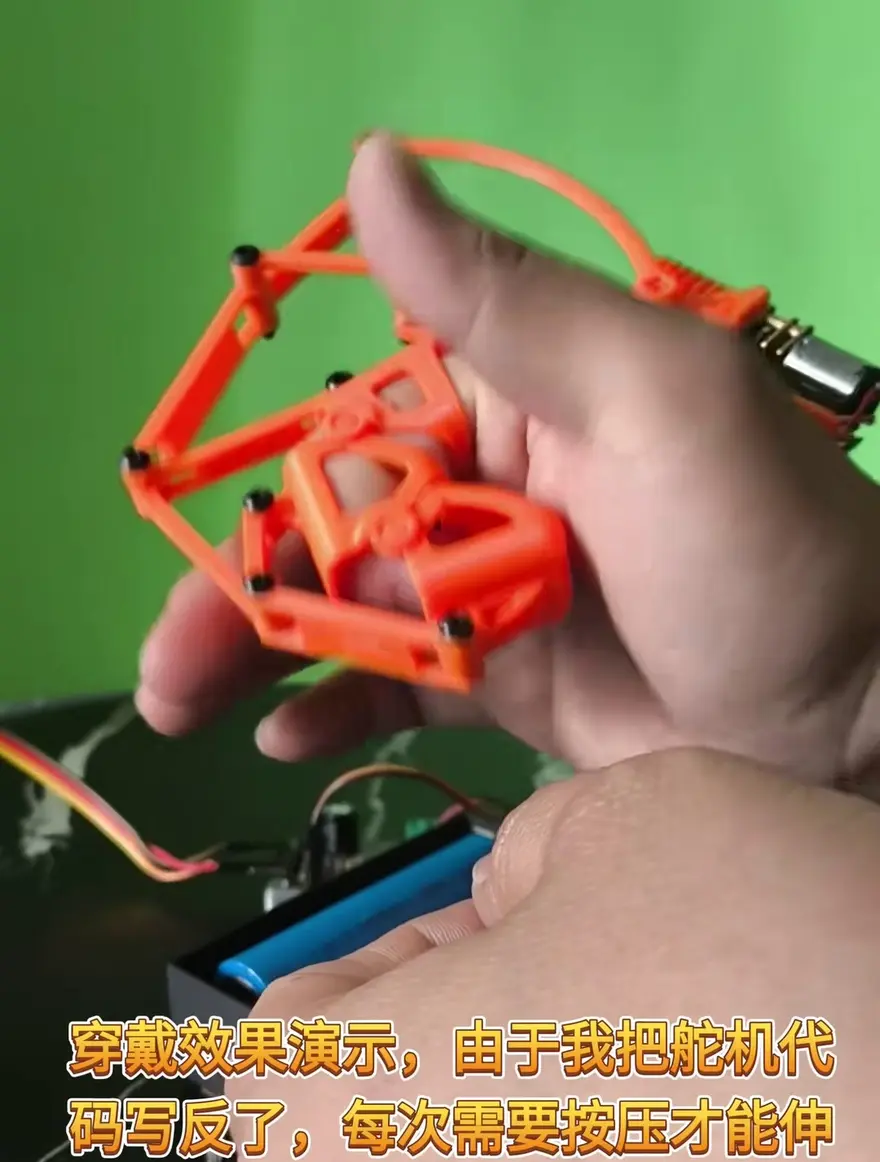
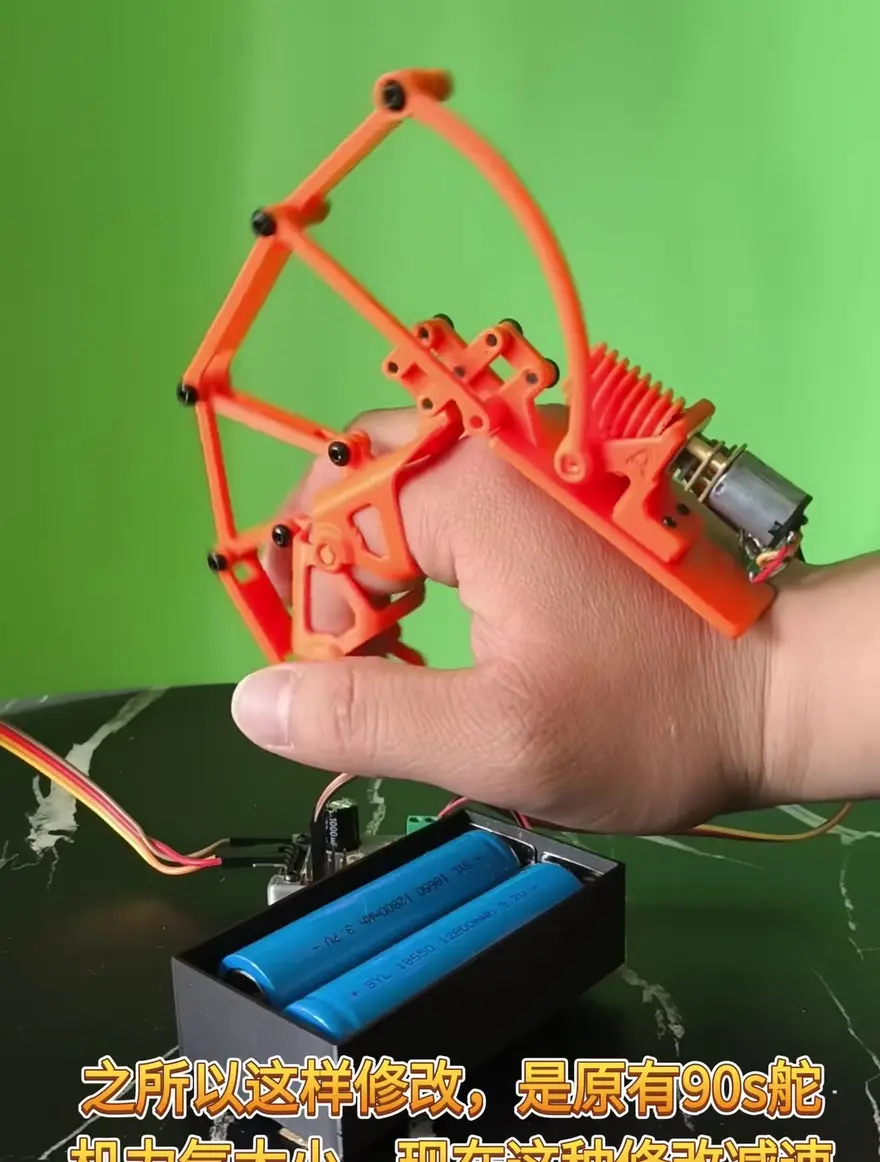
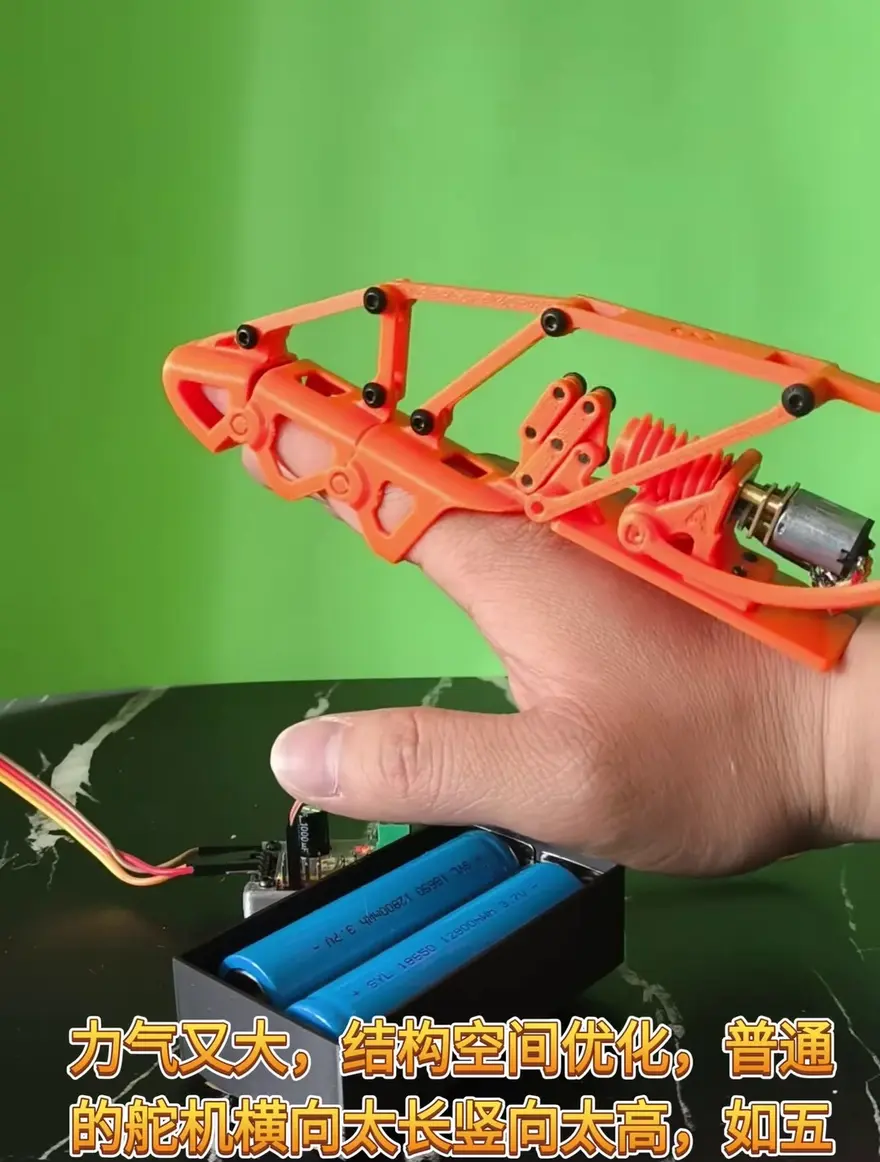
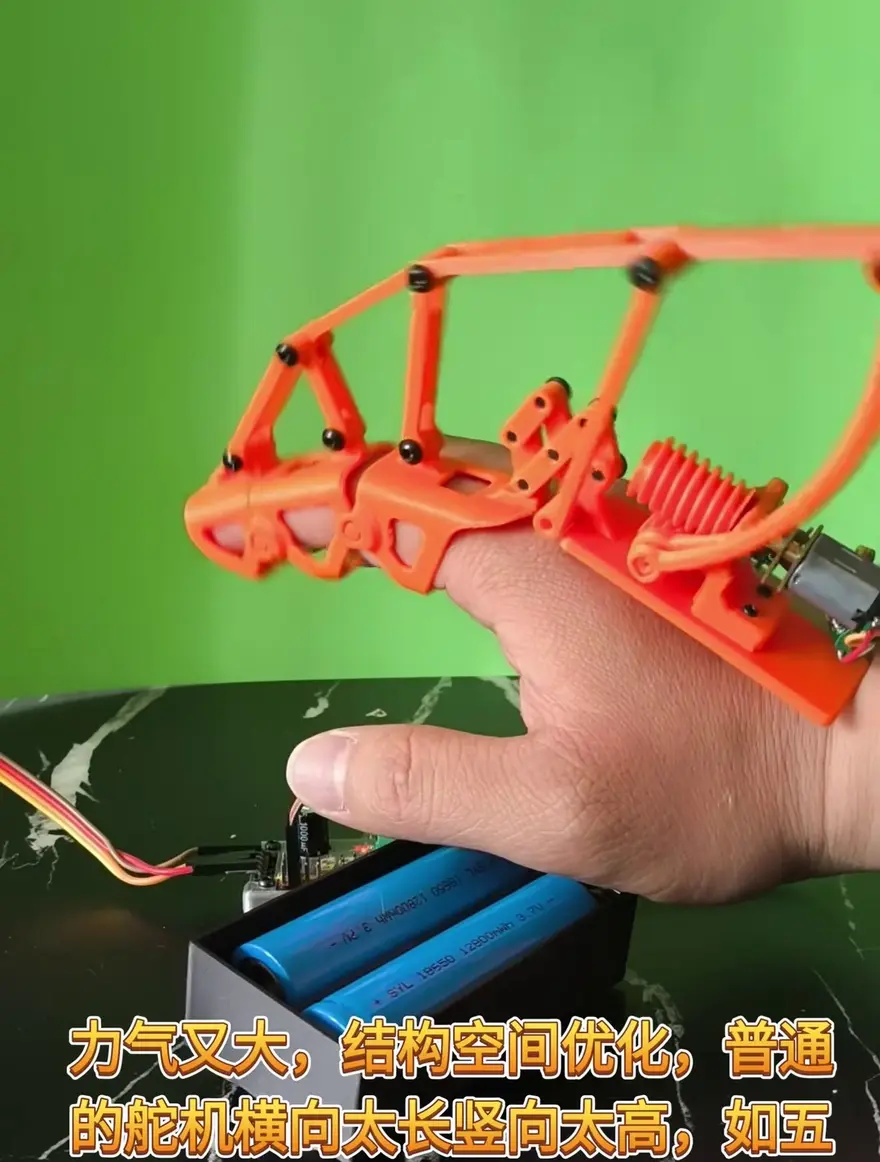
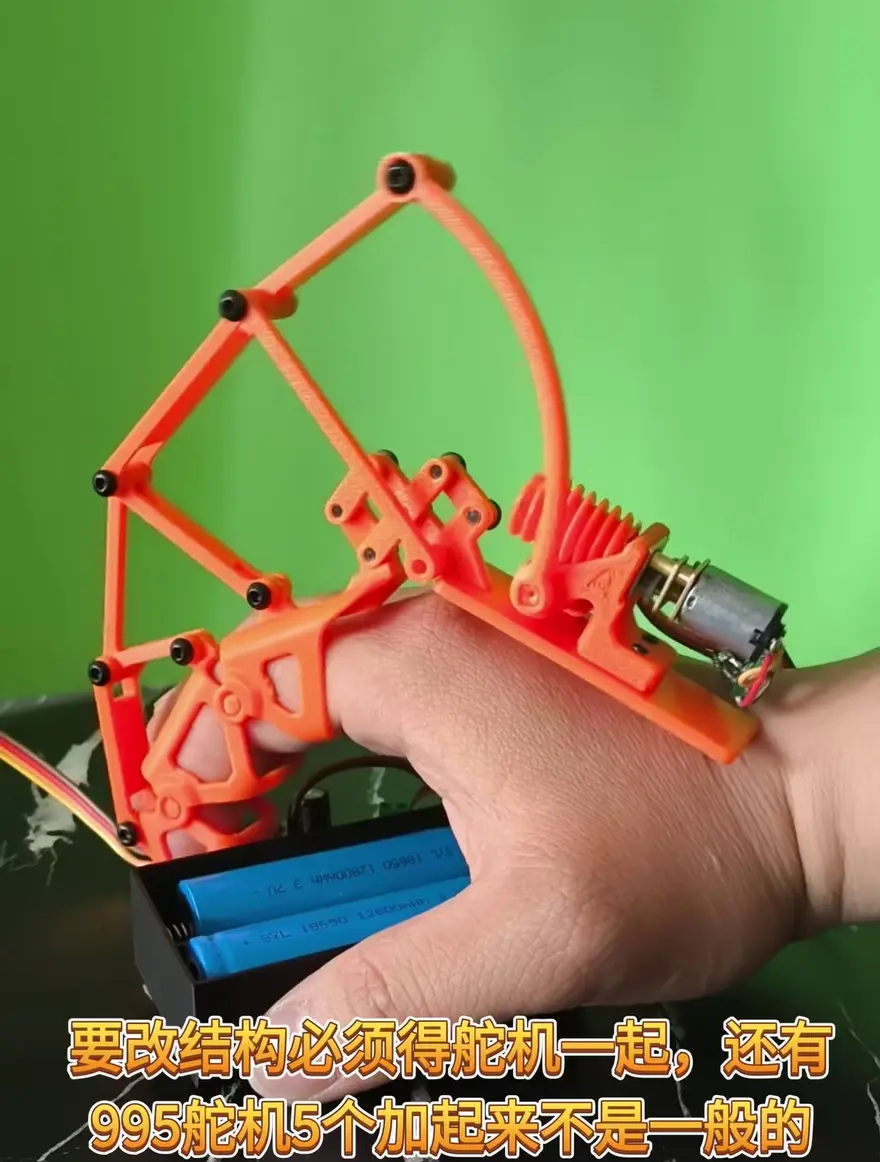
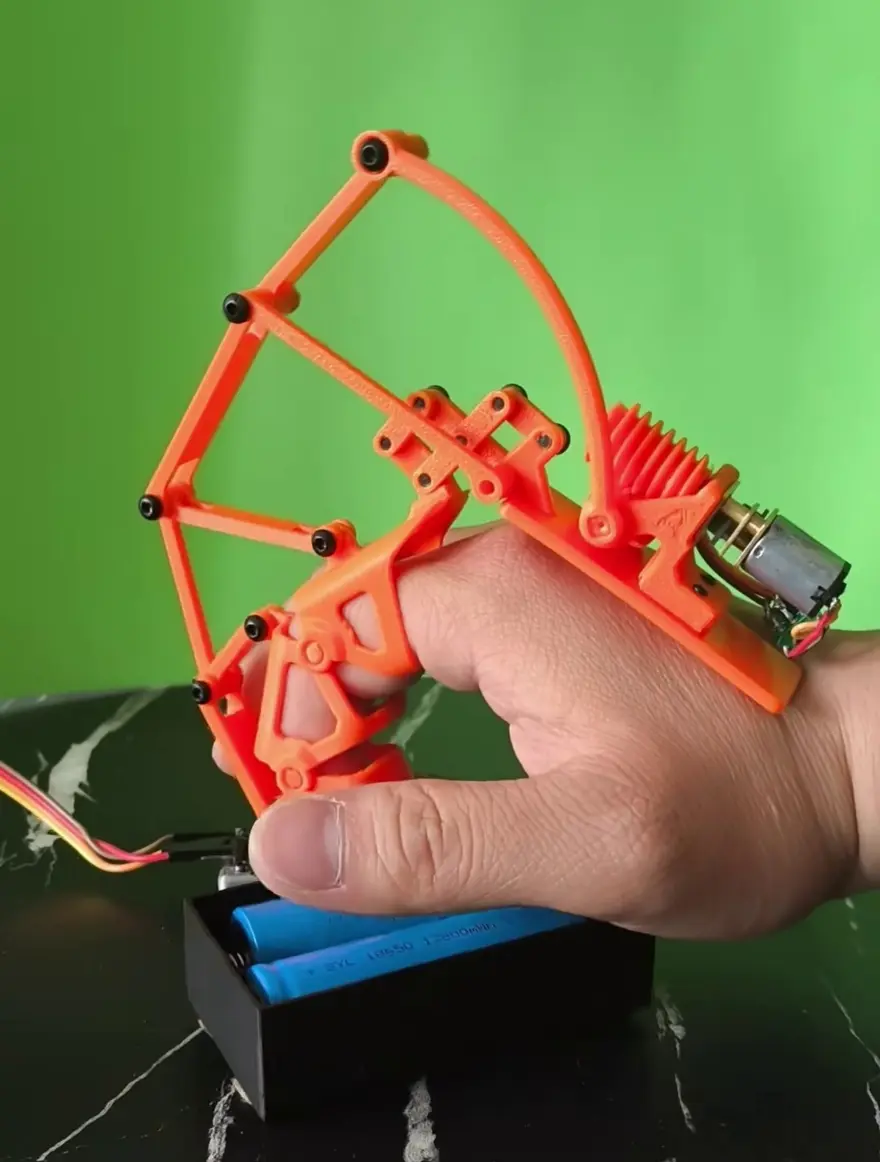
To break through existing constraints, the creator has added a multi-link structure across all finger joints in the new version. This is an incredibly stunning structural innovation. Its core purpose is to enable the fingers to bend freely like an independently operating robotic hand, even when not wearing the smart glove.
"The linkage of ordinary robotic fingers relies on a classic trapezoidal-to-parallelogram conversion; it is absolutely impossible for them to achieve this kind of obstacle traversal movement."
Here comes the ultimate test: when an object obstructs the second phalanx, the first phalanx can still continue to bend; when the third phalanx is blocked, the first and second phalanges can also bend independently. This feature of "multi-stage blocking not affecting sub-linkage movement" directly shatters the (pulling one hair and the whole body moves) limitation of traditional rigid structures.
Within hardware limitations, this incredibly ingenious design achieves extremely high mechanical performance at a lower industrial cost.
The Intersection of "Body-Mounted" and "Independent Machine": Dual Compatibility of Detachable Gloves
Previous industrial exoskeletons were either worn exclusively or functioned solely as robotic hands. The creator's current solution achieves a breakthrough across two dimensions: it functions both as a wearable garment (body-mounted) and as a standalone robotic hand (operating independently).
This dual compatibility significantly broadens the product's application scenarios. Without the glove, it serves as a dexterous mechanical hand capable of independently grasping objects; once the glove is worn, it instantly transforms into a high-efficiency wearable assistive exoskeleton.
While this structure allows for highly flexible, independent bending of every joint, ensuring overall rigidity presents a significant design challenge. However, the final result proves that through excellent mechanical transmission design, it has achieved a perfect balance between structural rigidity and freedom of movement.
The Pain Point Is the Motor: Ditching the Servos—The Perfect Match of an N20 Geared Motor with a Worm Drive
In hardware circles, people often say: “Whether an exoskeleton is good depends entirely on its actuators (the power source).” The original design used a common 90S servo available on the market, but it fell short against real-world demands—the force was too weak.
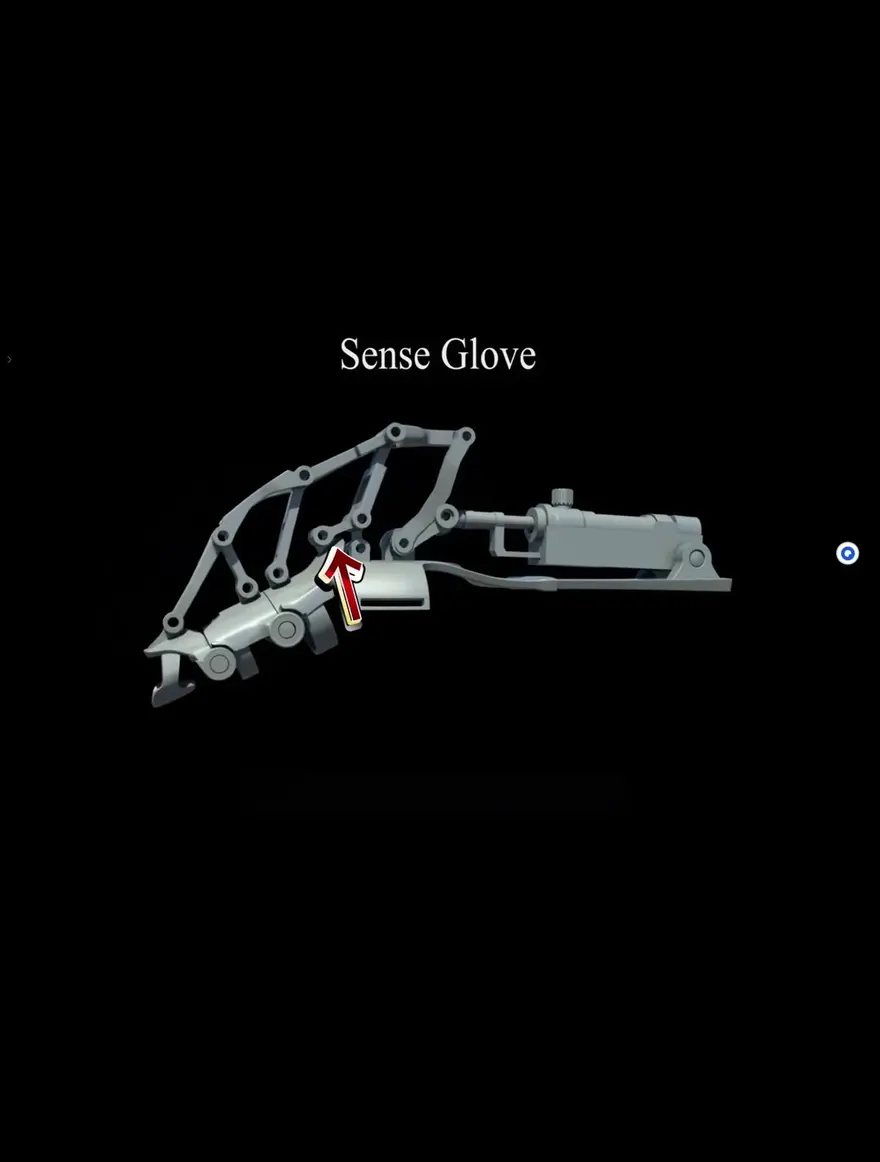
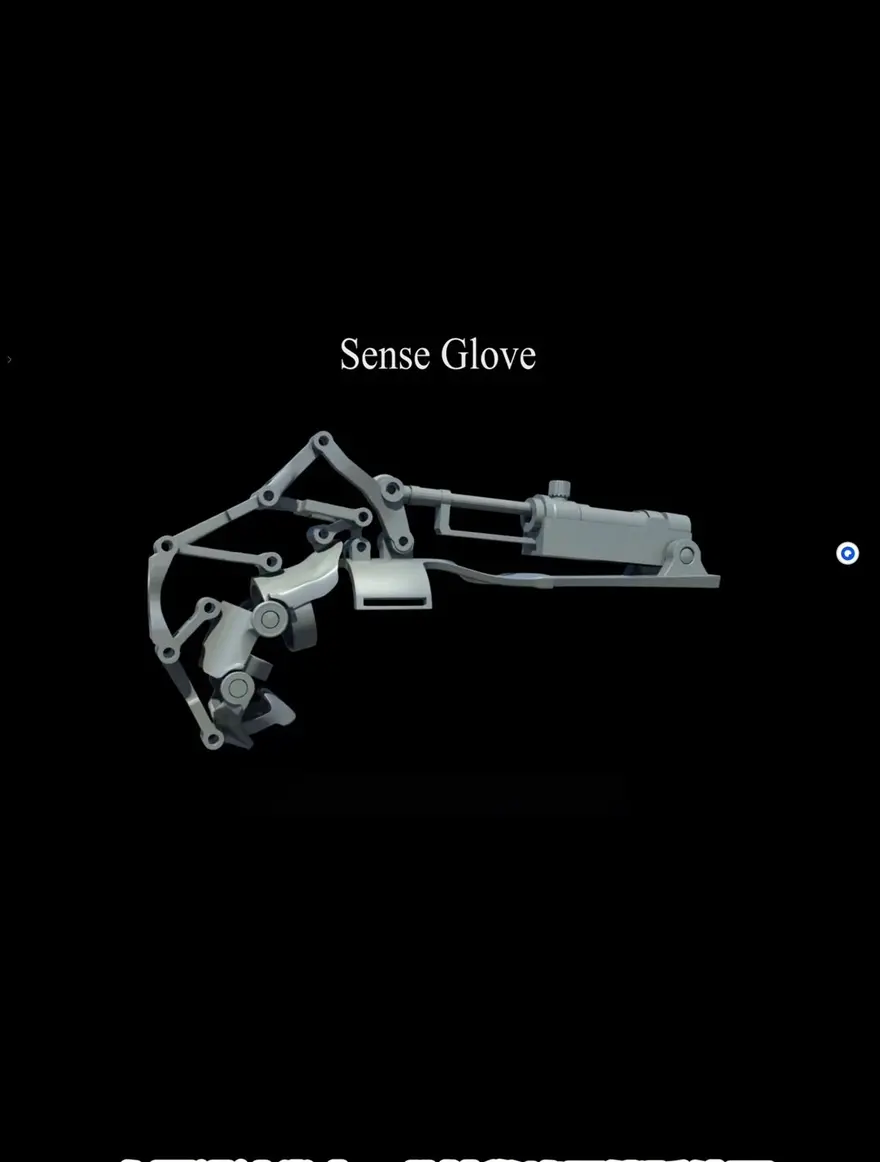
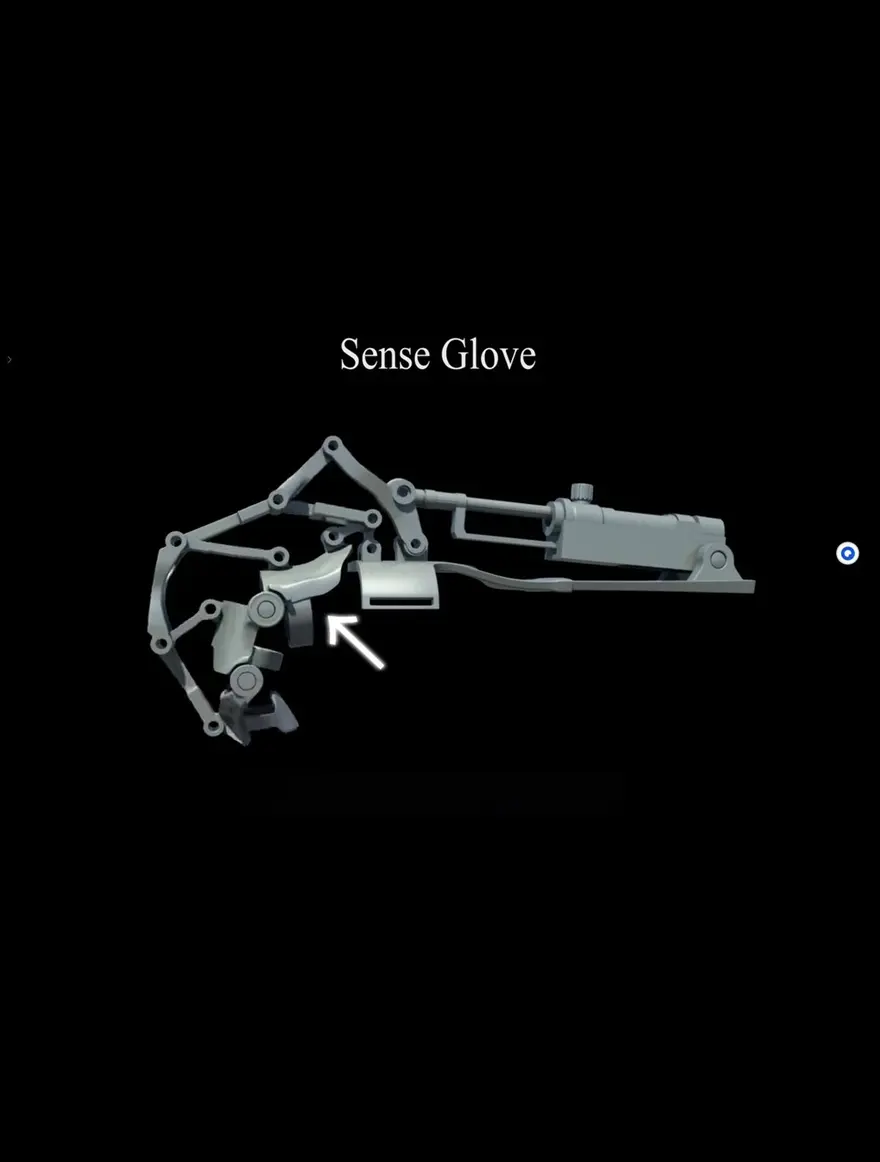
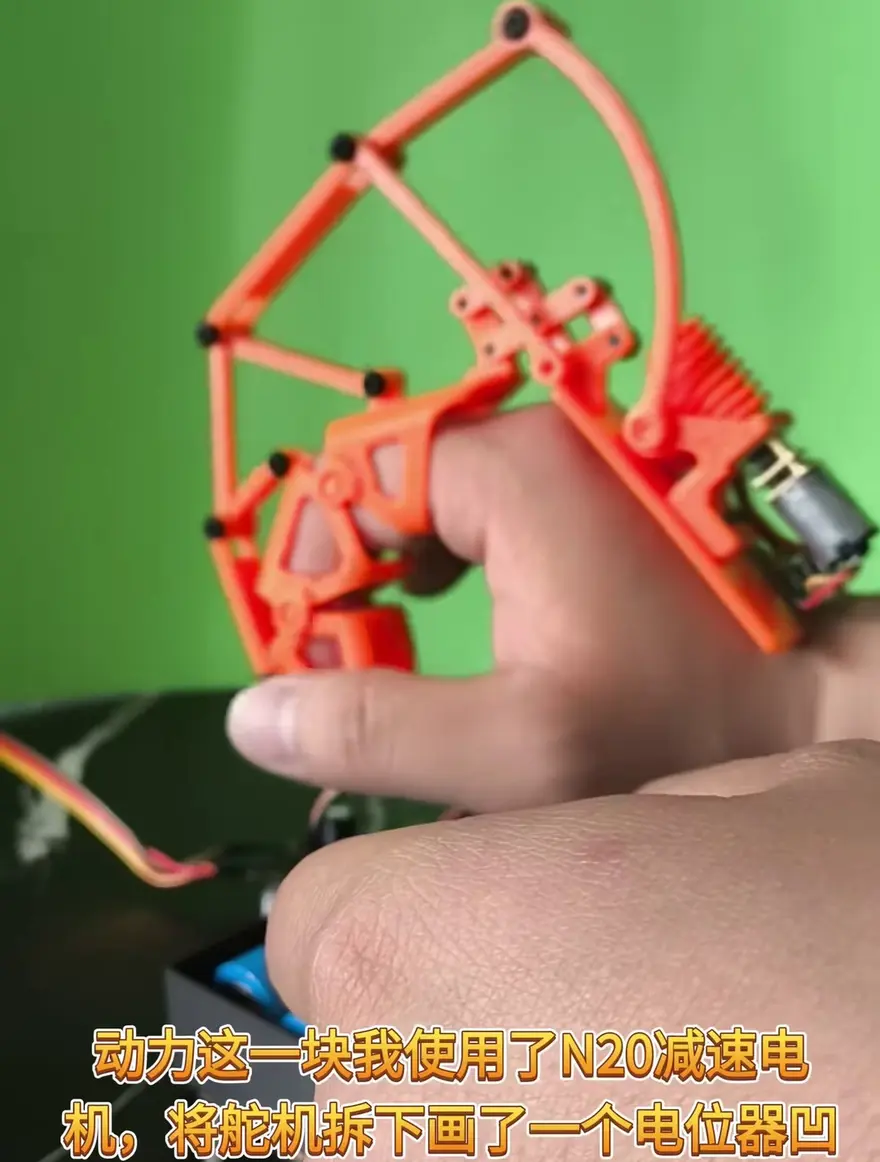
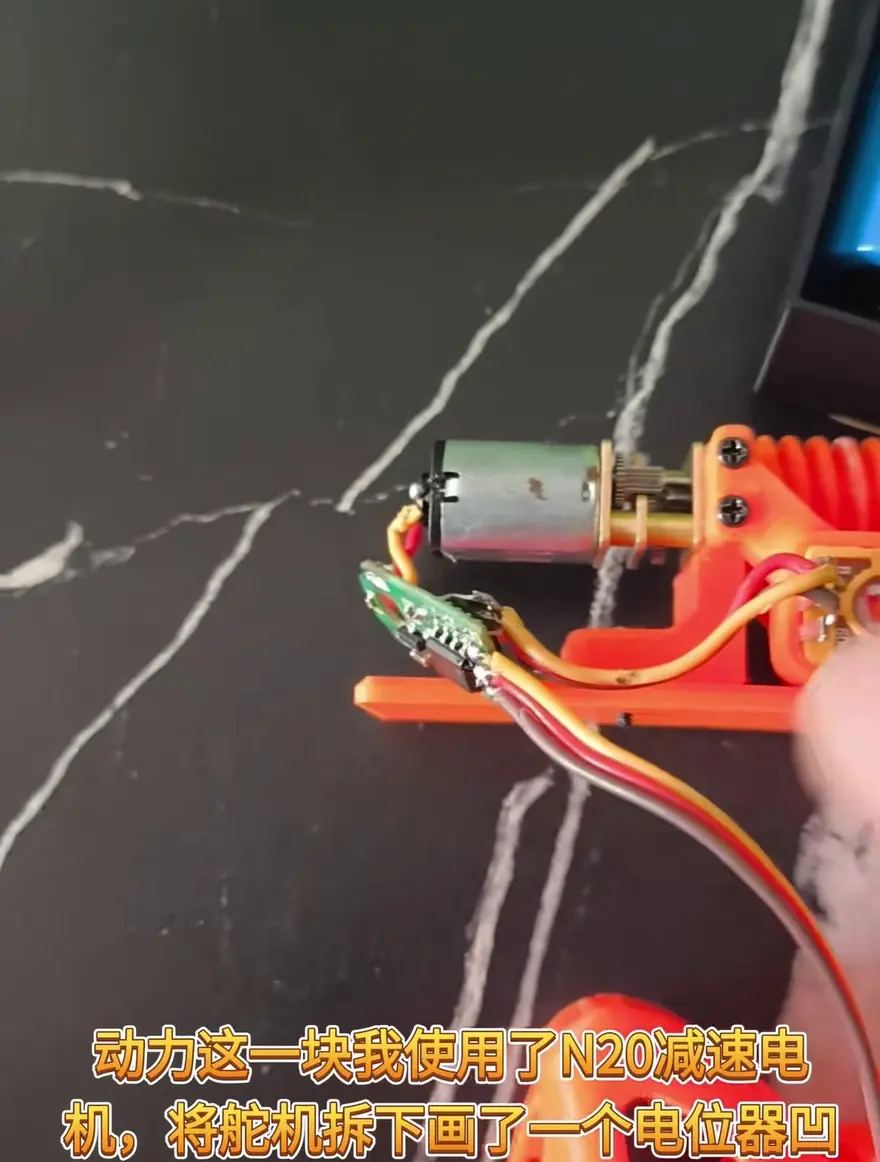
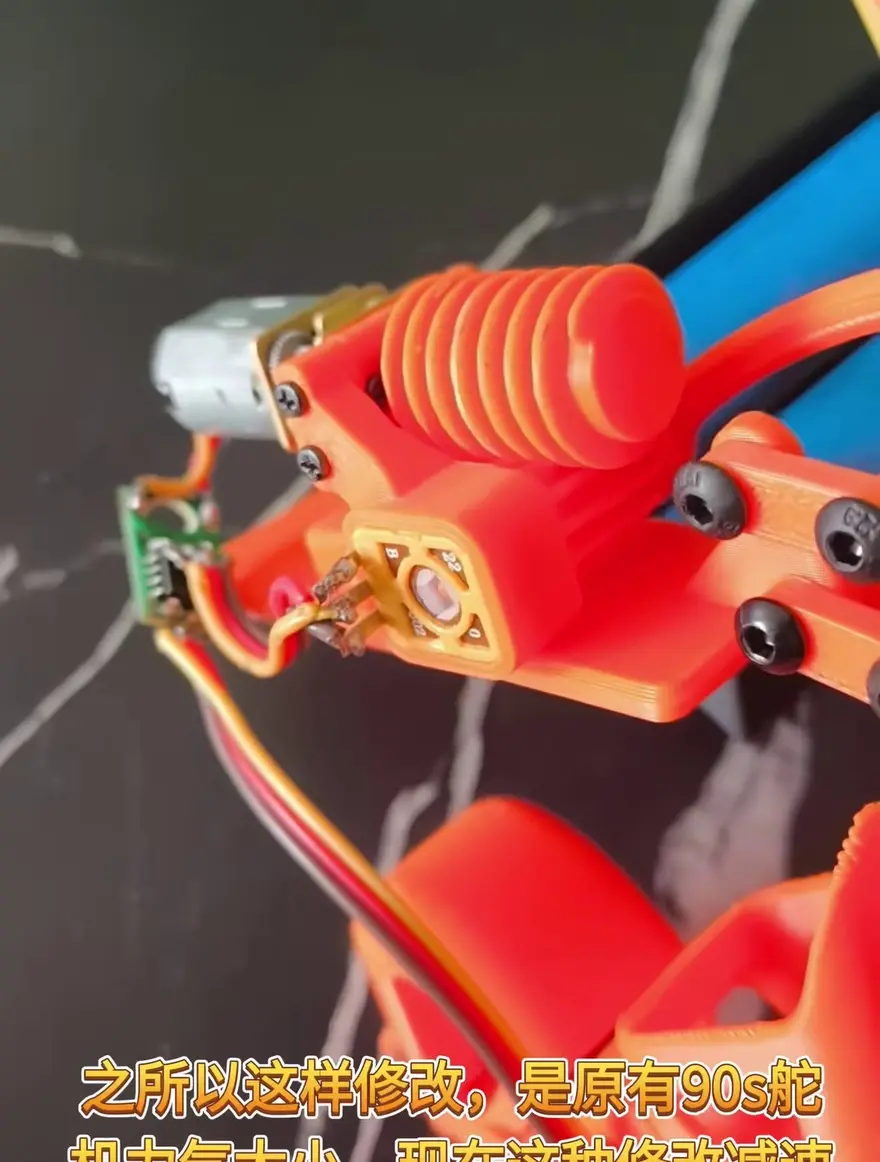
In pursuit of maximum force, the creator completely ditched the servo and adopted an N20 geared motor paired with a worm drive.
“Before the upgrade: the 90S servo had too little force and a bulky structure.
After the upgrade: an N20 geared motor was used with a worm drive—12 rotations of the motor result in only a 180-degree turn of the gear (source: as stated in the video).”
The advantage of a worm drive lies in its self-locking capability and force amplification. The N20 geared motor combined with the worm drive delivers a sufficiently large joint torque. Although the rotation speed is slower, the payoff is an extremely pure gain in force—precisely the core requirement of an assistive exoskeleton. This modification even improved mechanical transmission efficiency and space optimization.
Extreme Engineering: Where Does the 500g Weight of a Palm Go?
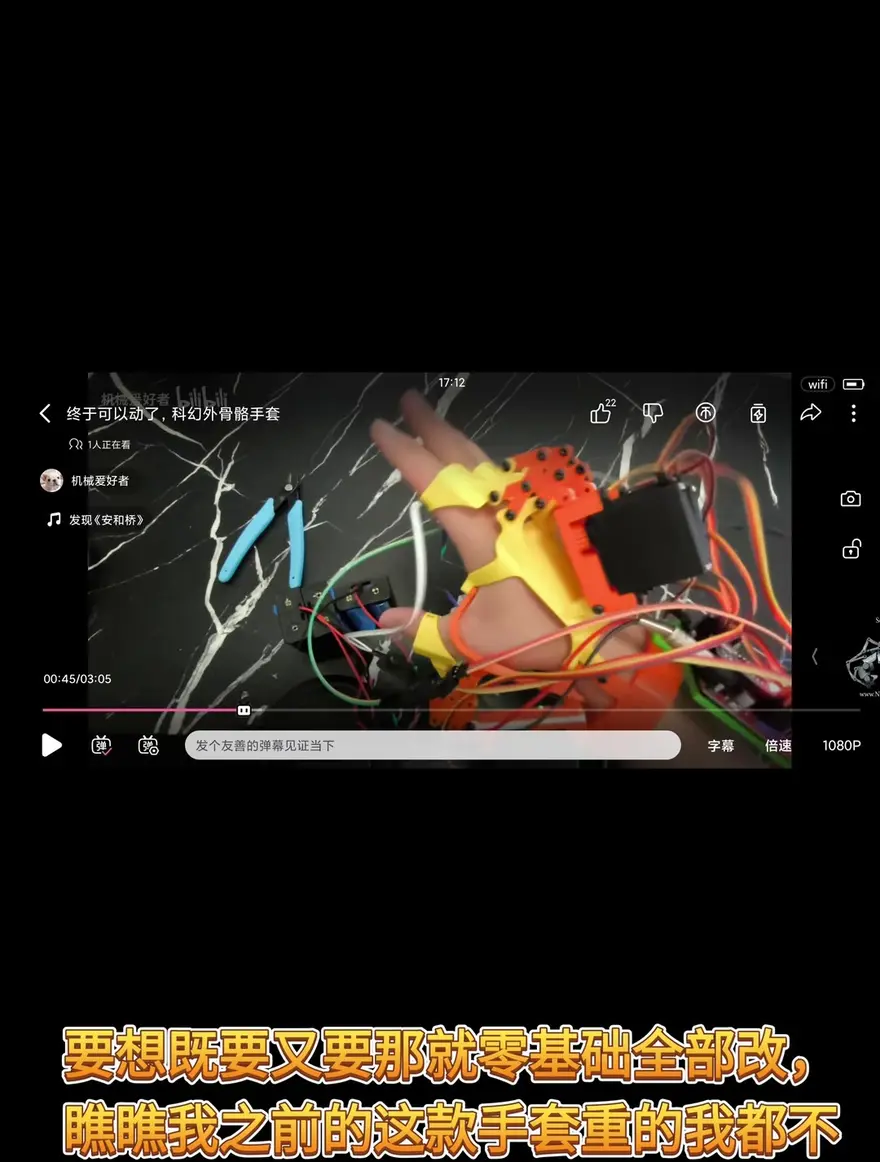
Lightness and power are often a paradox in hardware design. Previous versions of the glove had an astonishing weight:
“The previous exoskeleton glove had a weight of about 500 grams just for the palm section (Data source: mentioned in the video).”
The grip strength of a normal adult male or female typically falls in the 30-60 kg range. If driven by industrial-grade hydraulic rods, their powerful force could even "crush a soda can". However, hydraulic rods are extremely heavy, and the creator at the time, lacking experience, tried to solve this with brute force, making it unbearable for the wearer. In the end, the "assist power" had turned into "assist gravity".
Traditional servo motors are too long horizontally and too tall vertically. If a complete set of power is installed on each of the five fingers, they simply cannot be arranged on the back of the hand. To achieve more extreme performance, the creator chose to redesign the entire power system from scratch.
The new design cleverly positions the motor and successfully reduces the power requirements from the wrist to the finger joint to an extremely small volume through a self-developed servo motor modification design. This significantly reduces the load burden. This also proves that to modify the structure, you must cut deep into the foundation; weight reduction directly determines the ultimate usability of the exoskeleton.
Geeky Brilliance: Inspiration and Subtle Details
During the software debugging process, the UP host also showcased a geeky sense of humor: due to writing the steering gear potentiometer code in reverse, the grip feedback for stretching and bending was the exact opposite of intuitive expectations.
On a technical level, the audience boldly speculated that this design, which relies on a linkage mechanism for motion conversion, "borrowed from the tendril structures and concepts of USTC (University of Science and Technology of China)". USTC indeed has profound prior experience with soft tendrils and linkage coordination. The incorporation of this concept provides an entirely novel reference pathway for multi-joint linkage in exoskeleton development.
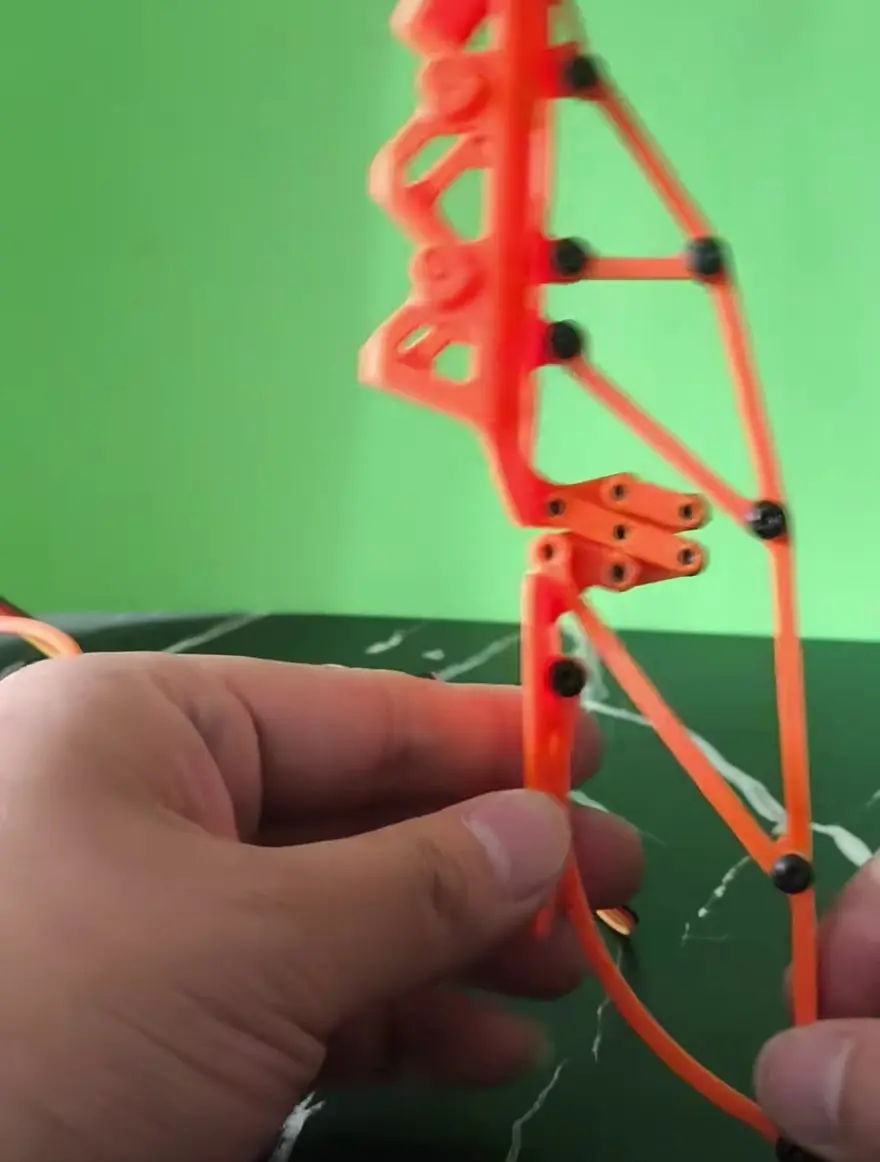
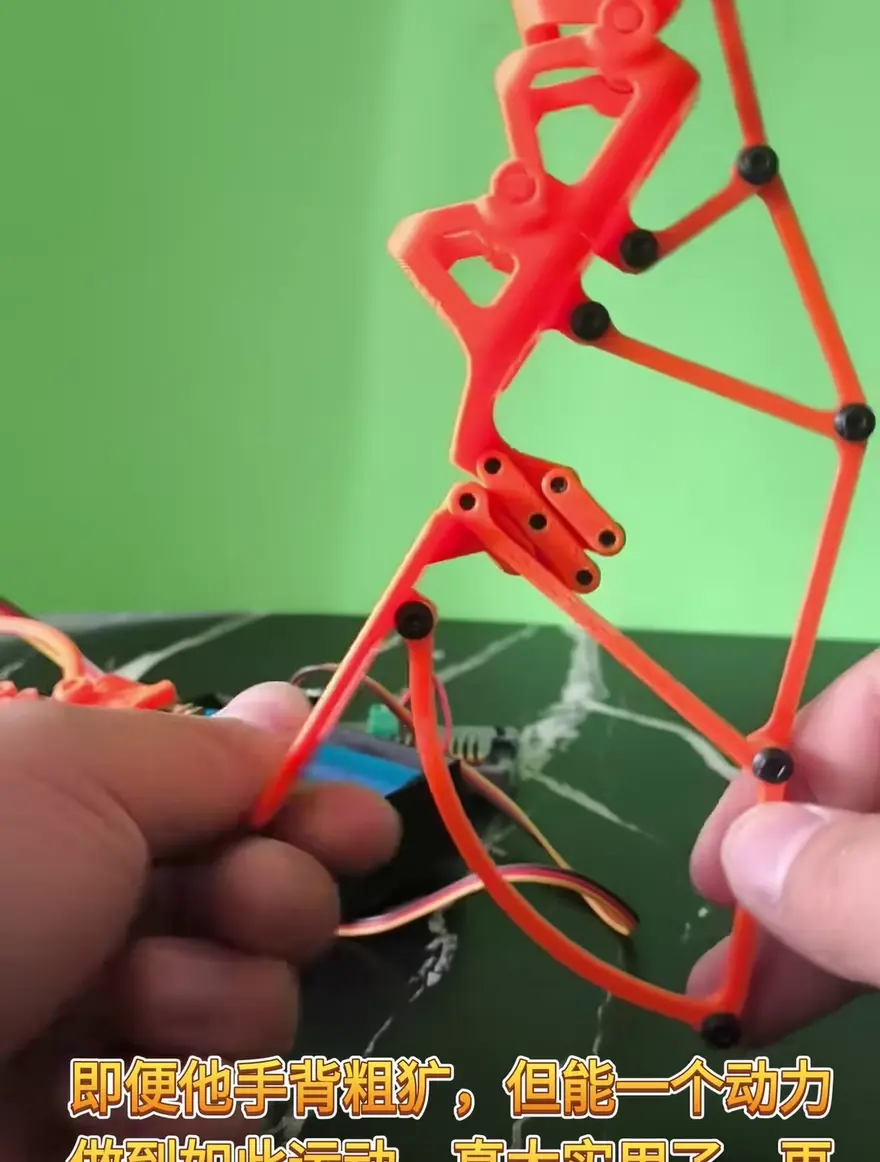
"Realizing such complex motion properties with just a single power unit means you no longer need two power sources for two degrees of freedom."
At special positions like the finger root, cleverly solving the challenge of setting the hinge center is a hurdle that mechanical enthusiasts cannot easily bypass. Although the structure appears highly complex, the true essence of geek thinking is often found in the process of seeking a balance amidst such paradoxes.
The Gap Between Concept and Realization: The Struggle Between Experience and Capital
Product iteration is often accompanied by harsh realities. In the latter half of the video, the creator jokingly remarks that in his early days, when he blindly used hydraulic push rods to pursue immense power, he had "very little experience and patience." Now, with sufficient technology and a promising future for the product, he faces a funding dilemma.
"Where can I find a boss willing to fund my research and development?"
This reflects a common phenomenon in the consumer-grade exoskeleton circle: early-stage startup teams must not only pursue breakthroughs in professional technology but also constantly iterate through cost controls and design optimizations, while industrial-grade validation is inseparable from sustained financial investment.
The breakthrough point for the consumer-grade exoskeleton/wearable robotics industry relies precisely on such geeks pushing excellent structures to mass production. Brands like Hypershell, Haier, Aoshuang, and KengQing have set commercialization examples in leg assist and hiking exoskeletons. Meanwhile, breakthroughs in hand-worn wearables still require such open-source, hardcore "bottom-level disruptions" to drive progress. The current bottleneck lies in how to transform "concepts" from the lab into perfect "equipment" truly adapted for the consumer-grade market.
Summary and Outlook: The Continued Spirit of Geekery
From servo motor experiments to the finalized design of the geared motor, the iterative history of this exoskeleton glove is, in fact, a microcosm of the entire exoskeleton industry's progress in miniaturized actuation. It is not perfect, but every structural breakthrough it achieves paves the way for those who follow.
This is not only a victory for hands-on DIY, but also a perfect interpretation of a "linkage-based breakthrough." We hope this kind of geek experimentation can attract more capital investment and soon incubate mature, standout brands like Hypershell and Dnsys.
Top Community Comments
"I believe the most impressive design aspect is at the finger root. The structure of the hand dictates that the rotational center here cannot be equipped with a corresponding rotary hinge, necessitating that the structure accommodating finger root bending be transferred to the back of the hand (knuckle area). While it seems the design at the finger root still cannot guarantee a constant relative position for the rotation center, it remains incredibly inspiring and creative."
Analysis: This comment accurately pinpoints the core pain point in hand biomimicry. The viewer keenly observes the conflict between bioengineering and rigid machinery concerning the 'finger root bending center.' This demonstrates that hardcore tech enthusiasts are more focused on the balance between underlying biomechanical mapping and mechanical structural compromises—a barrier that any consumer-grade exoskeleton must overcome.
"Finally, someone is making an exoskeleton with a multi-link mechanism? This is solid! But this structure needs reinforcement. For a series of small rods like this, let alone achieving high grip force, it would be difficult to even match the force of a human hand. Don't think I'm making glib remarks; I work on this too. And I have a prototype, it's just not fully refined."
Analysis: This is an 'insider' perspective from an industry peer, revealing concerns about the performance of consumer-grade commercialization. Although the multi-link structure is ingenious, when facing extreme conditions exceeding normal human grip strength (such as forces from downhill braking or the reaction force of fall protection), whether the torsional rigidity of these small linkages is sufficient to ensure long-term reliability remains a critical juncture for transitioning from prototype to mass production.
"Is this structure borrowing from the tentacle robot developed at USTC [University of Science and Technology of China]? I feel some of the concepts are similar."
Analysis: This explores the lineage of technical routes between different academic schools and exoskeleton companies (such as Cheng Tian). The viewer points out that the linkage structure may share principles with traditional flexible soft-robotic tentacles (octopus arms), reflecting deep industry thinking on the evolution of mechanical transmission solutions.
One-Sentence Summary
This video is not a mature product review of a consumer-grade exoskeleton, but rather a perfect triumph of the "geek spirit"—breaking a mechanical deadlock with a single N20 reduction motor and an ingenious linkage mechanism. Highly recommended for tech makers and investors who reject "armchair reviews" and love dissecting the hardcore structural logic underlying exoskeleton hardware.
About this article: part of Chinese-Made Exoskeleton Review Archive — an independent, regularly updated English archive of reviews of consumer exoskeletons made in China, edited from publicly available video transcripts. Not an official manufacturer page.
For inquiries and purchasing, contact lonlonago@foxmail.com. More in Tech & Design · All articles.