Dnsys Yuandong Innovation Bets on C-end Retail: X1 and Z1 Pull the exoskeleton from "Scenic Tourism Experiences" Back to "Personal Gear"
In the past, when people mentioned an exoskeleton, most would envision the "steel suits" found in military, medical, or industrial logistics applications—machines running into the hundreds of thousands, completely disconnected from daily life. Over the past two years, however, the industry has collectively pivoted toward the consumer-grade exoskeleton—a sci-fi-sounding track where domestic teams are steadily dismantling technical barriers.
The star of this video is Dnsys Yuandong Innovation (mentioned in the video), a brand that refuses scenic-area rentals and focuses solely on C-end direct retail. Rather than tossing its products into the tourist check-in "experience business," it chooses to squarely tackle the four major technical bottlenecks of the consumer-grade exoskeleton: lightweighting, human-machine motion synchronization, balancing battery life with weight reduction, and complete-unit cost control. The X1 and Z1 product lines are its answer.
Mentioned in the video: "Most manufacturers prioritize scenic-area rentals to rapidly recoup capital; Dnsys Yuandong Innovation has chosen a different path—bypassing rentals entirely to dive headfirst into C-end direct retail."
0. The Real Bottleneck of Consumer-Grade Exoskeletons: Not "Can It Move?" but "Is It Worth Wearing Daily?"
The most easily underestimated challenge in the transition of exoskeletons from industrial to consumer markets is this: You can't expect users to tolerate extra weight, heat, noise, charging anxiety, and a high price barrier just for a slight sense of assistance. Industrial exoskeletons might make sense in a workshop, but these "not good enough" experiences are magnified tenfold when taking them hiking, onto the subway, or up the stairs to your home.
The video condenses the issues limiting widespread adoption into four "mountains of technology," which are also the core criteria for whether current consumer-grade exoskeleton products can truly survive:
- Lightweighting: The greater the assistance, the heavier the motor and frame;
- Gait and human-machine synergy: Once there is algorithm latency during stepping or climbing, the experience feels rigid and unnatural;
- Battery life vs. weight: A larger battery means longer runtime, but makes the device heavier;
- Cost control: High-precision reducers and micro motors drive up the price.
Dnsys didn't take a bypass on these challenges; instead, they made them the main focus of their R&D.
1. The Fork in the Road: Making Quick Money from Scenic Spot Rentals or Building a Long-Term Brand through C-End Retail?
The most insightful observation in the video is the divergence in business models.
One path is to start with scenic spot rental: deploying devices, charging per use, and achieving rapid cash recovery. While the cash flow may look attractive, exoskeleton devices in scenic spots suffer from extreme wear and tear due to high-intensity, high-frequency usage in environments where no one cares for them. In other words, the core assets of the rental business are actually "maintenance and replacement," not "product experience."
The other path is the C-End retail chosen by Dnsys Dnsys: where users buy, wear, and take full responsibility for maintaining the equipment themselves. This requires the product to be lightweight, smooth, and durable enough, while the price must fall within a range that consumers are willing to pay.
The video notes: "The rental model can only sustain a short-term experience business, as devices suffer heavy wear and tear with high maintenance costs, always remaining a one-time experience. The retail model is the definitive endgame for consumer electronics."
This judgment closely mirrors the evolutionary logic of consumer electronics: only when a product becomes personal gear can a brand secure repeat purchases, word-of-mouth, and differentiation.
2. X1: Lightweight design isn't about cutting corners, but strictly controlling weight while ensuring assistance
The first major challenge is the contradiction of lightweighting.
An exoskeleton's assistance inevitably relies on servo motors, reducers, batteries, and structural components—all of which add up to significant weight. For consumer-grade users, if wearing an exoskeleton is more tiring, the product loses its purpose.
The technical approach mentioned by Dnsys in the video involved leveraging their team's experience in the robotics field to streamline the X1. By optimizing the design, they strictly controlled the device's weight while guaranteeing a sufficient level of load-bearing assistance.
The video mentions: "We have solved the industry's common problem where increased assistance leads to clumsiness. Long-term wear will not cause a significant burden." (ASR original was "you jin jiu ben zhong," corrected based on context).
This means the product definition of the X1 is closer to a "personal wearable device" rather than a "mobile industrial machine." For C-end users, this lowers the threshold to step out of the house, climb stairs, take a stroll, or go hiking.
3. Human-Machine Motion Coordination: It Is the Algorithm, Not the Motor, That Determines Whether the Device Keeps Up with Your Feet
The second major challenge is human-machine motion coordination.
If the assistive exoskeleton introduces noticeable time delays in providing assistance, the user experience becomes extremely poor: no power when lifting the leg, force arriving only upon landing, rhythm disrupted when climbing slopes, and walking turns into a lurching, jerking, dragging motion. Such rigidity might be tolerable in a medical rehabilitation exoskeleton, but in a consumer-grade product, it will immediately discourage users.
Dnsys Yuandong Innovation’s solution is to collect massive amounts of human gait data and develop a proprietary motion control algorithm, enabling limb intentions captured by sensors (IMU / pressure sensor) to be rapidly mapped into servo motor actions.
As mentioned in the video: "By relying on sensors to capture limb intentions, any algorithmic latency makes stepping and slope climbing feel stiff; the team collects vast amounts of human gait data and develops a proprietary motion control algorithm, achieving timely and natural motion follow-through without mechanical stuttering." (ASR transcript corrected: "zi yan" [spoken] to "zi yan" [self-developed])
This capability is the key to transforming an exoskeleton from a "machine that helps you walk" into a "companion you don’t even feel during the walking process." For consumer-grade products, the moat often lies in this seemingly intangible "following feel."
4. Battery Life & Weight Reduction: Not About Cramming in Batteries, But System-Wide Power Management
The third major challenge is the balance between battery life and weight.
A larger battery means longer runtime, but it also adds weight. As the weight increases, the physical burden of the exoskeleton itself can negate some of the assistance benefits, resulting in a worse experience for the user. For a consumer-grade exoskeleton, runtime isn't just a lab spec; it's about whether it can last through a full day of walking, climbing, and running up and down the stairs.
As mentioned in the video, Dnsys has optimized its overall power management system. This extends the runtime without adding significant weight, making it suitable for all-day use scenarios like hiking and moving around the home.
As mentioned in the video: "It meets the demand for all-day use during hiking trips and for going up and down stairs at home, perfectly suited for personal, household scenarios."
This is all backed by a comprehensive, system-level design. Everything from motor drive efficiency and sensor sampling strategies to sleep/wake logic and assist curves in different modes falls under the scope of power management. For the user, it ultimately boils down to one simple result: whether they can "wear it with confidence for an entire day."
5. Cost Control: Bringing Mid-Range Pricing Down to an "Acceptable Price Range for Consumers" Is a Prerequisite for Retail
The fourth major hurdle is the overall cost of the complete system.
High-precision reducers, micro brushless motors, and sensor arrays—these core components determine the performance ceiling of an exoskeleton, and they also set its price floor. In the past, many products remained priced at an industrial level, making it difficult to truly reach the mass market.
According to the video, the Dnsys team integrated mature smart-hardware supply chains and pushed forward the localization of core components. As a result, they brought mid-range product pricing down to an acceptable range for consumers.
“High-precision reducers and micro motors used to drive prices up, making it hard to create mass-market consumer products. By integrating mature smart-hardware supply chains and localizing core components, the team has brought mid-range pricing down to an acceptable range for consumers.”
This is the key to whether a consumer-grade exoskeleton can scale: not asking a small group of enthusiasts to buy in for the sake of belief, but making ordinary users feel, "At this price, it’s worth it."
6. Retail Model Validation: Overseas Crowdfunding and Direct-to-Consumer on Amazon, Dnsys's Consumer Electronics Approach
If technology is the foundation of confidence, then the business model is the test of endurance.
As mentioned in the video, Dnsys's overseas crowdfunding and direct sales on Amazon have validated the feasibility of a pure retail model. This means that instead of relying on rental subsidies from scenic spots, the company is facing the most discerning C-end consumers directly. Every metric—return rates, review systems, after-sales service issues, and competitor comparisons—is subject to rigorous scrutiny.
As mentioned in the video: "Without relying on rental subsidies for revenue, a pure retail model can still achieve profitability."
This also explains why Dnsys places such a high value on its technical roadmaps: in a retail model, product reputation serves as the primary marketing channel. Once issues such as heavy weight, high latency, poor battery life, or an exorbitant price appear, it is unlikely that customers will return for a second purchase.
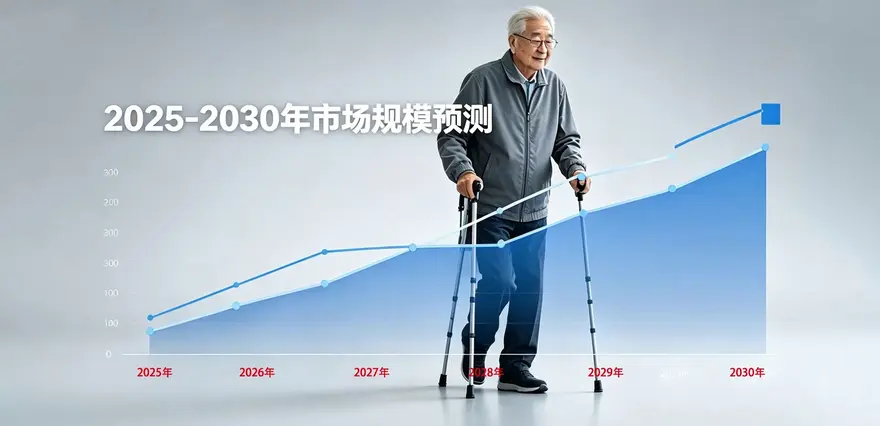
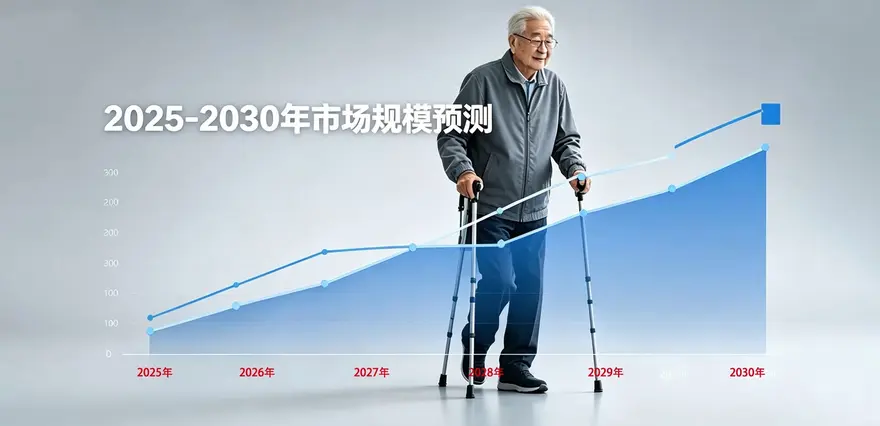
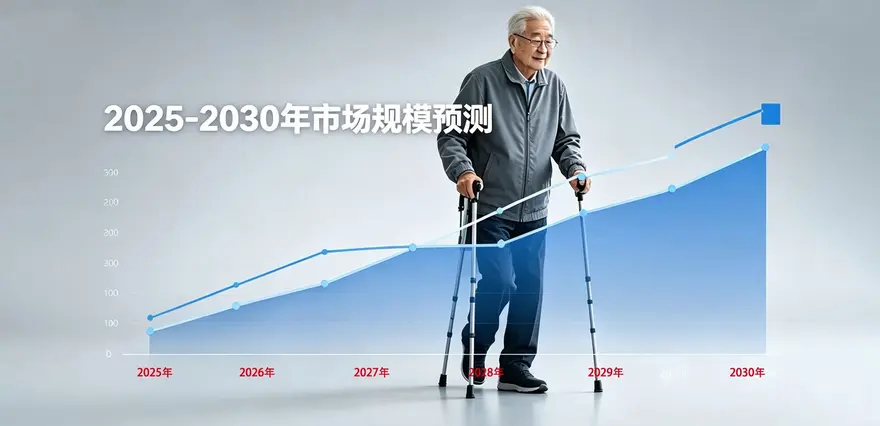
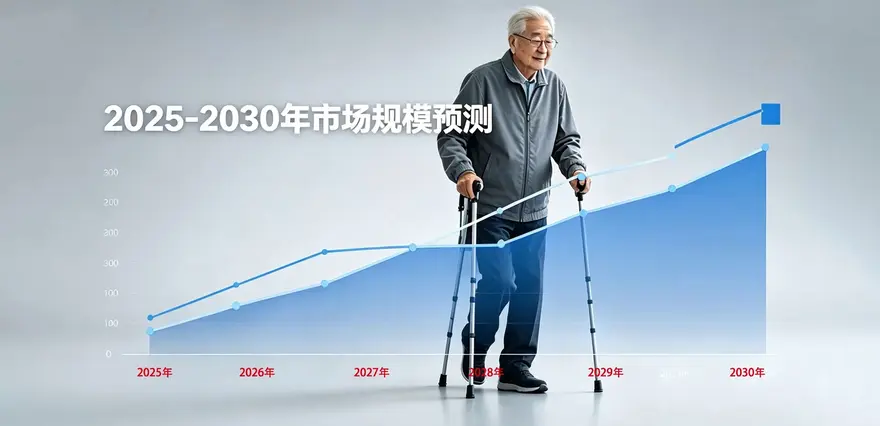
7. Industry Predictions: Rentals Will Remain the Mainstream Offline Experience Within Two Years, but Brands Establishing a Retail Foothold First Will Win Long-Term
The video's assessment of the industry's pace is quite measured.
In the short term, scenic area rentals will continue to dominate the offline experience market. This is because users encountering an exoskeleton for the first time need a low-barrier, low-decision-cost entry point. However, from the perspective of brand equity and repeat purchases, the rental model struggles to build a true consumer brand.
Looking at the long term, only teams that can pioneer breakthroughs in the four major challenges—lightweight design, gait algorithms, battery life, and cost—will succeed in transforming the exoskeleton from a "novel tech product" into an "essential wearable device."
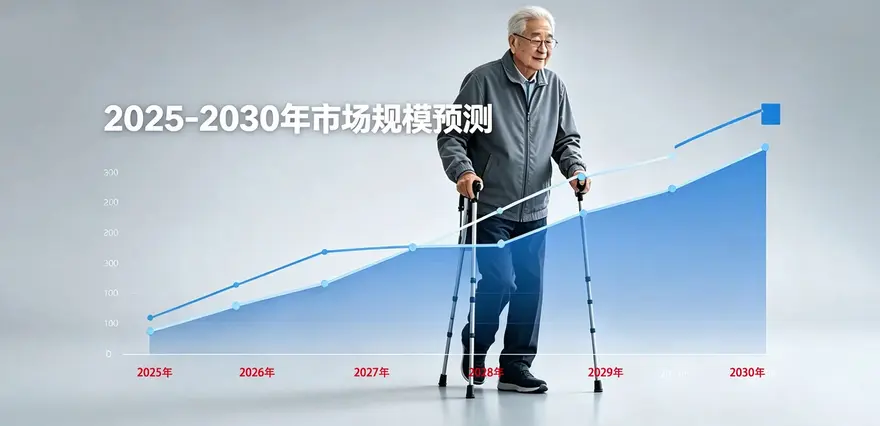
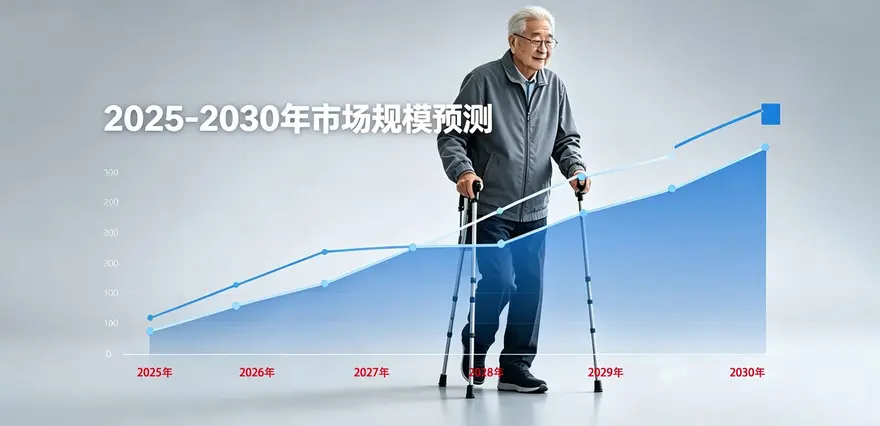
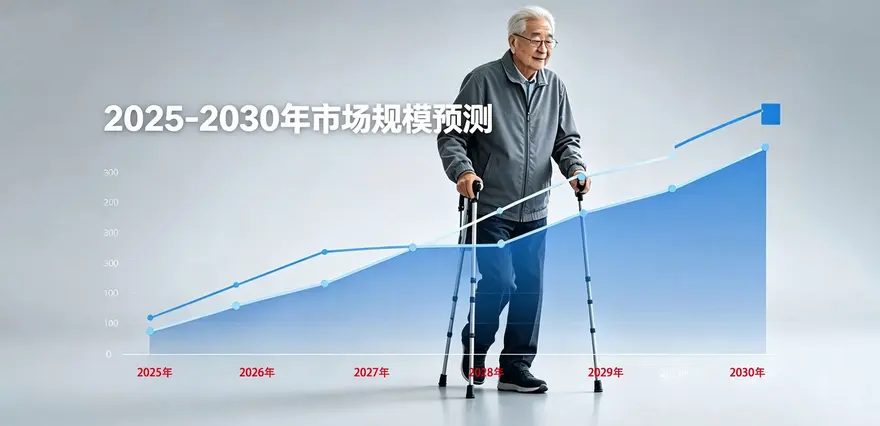
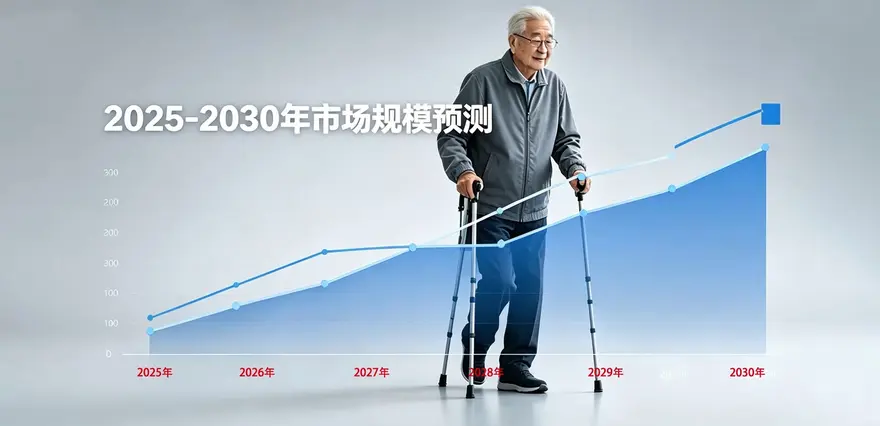
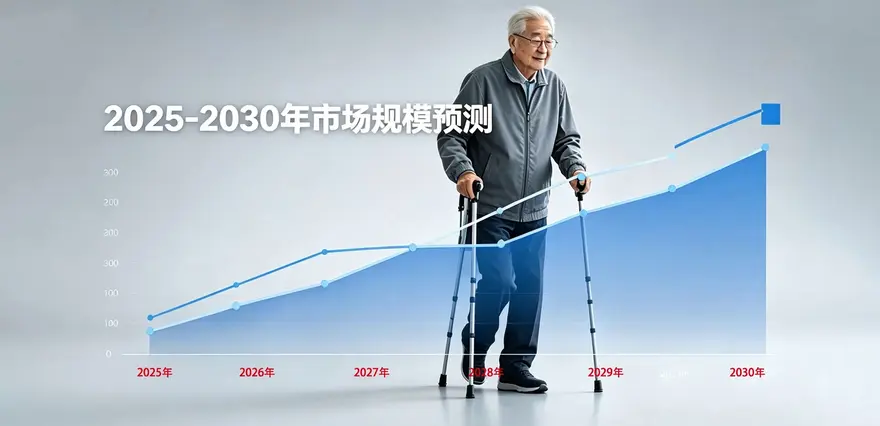
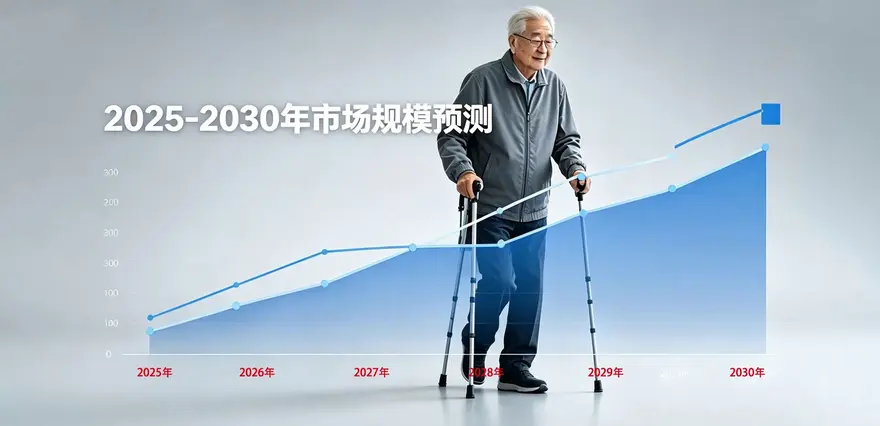
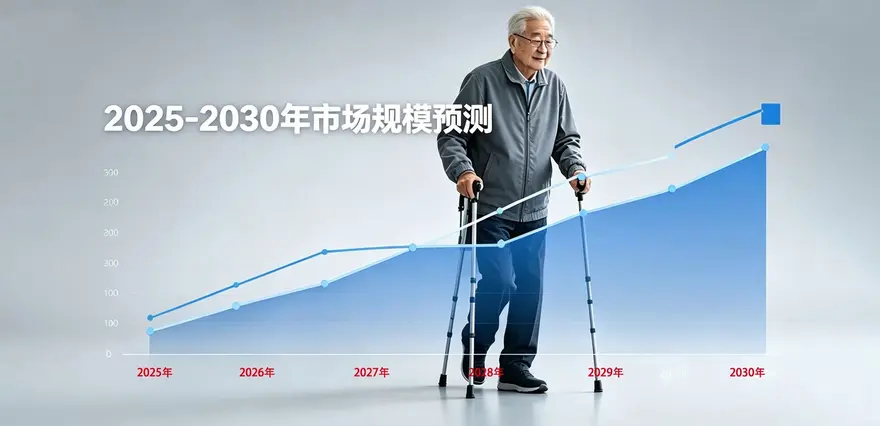
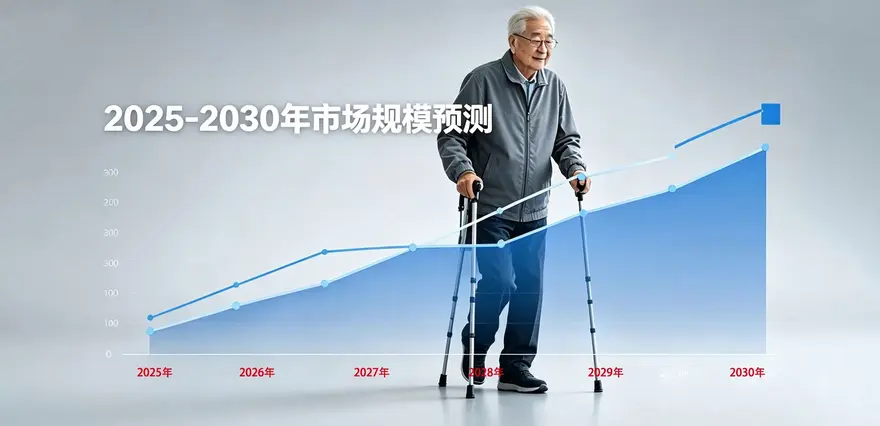
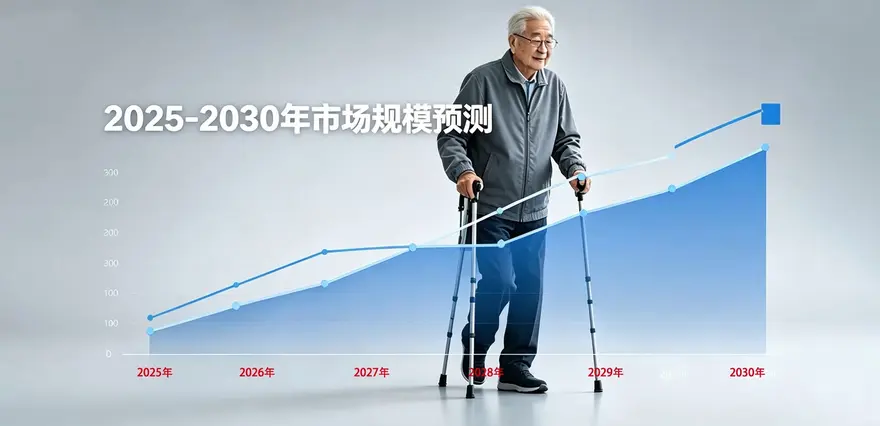
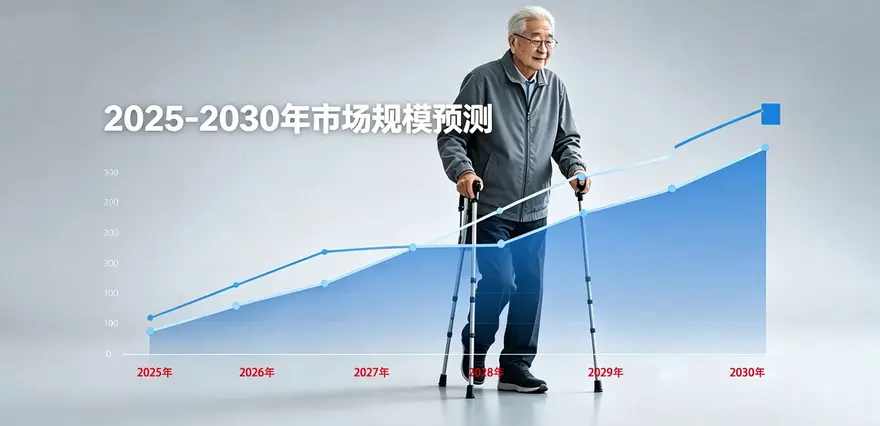
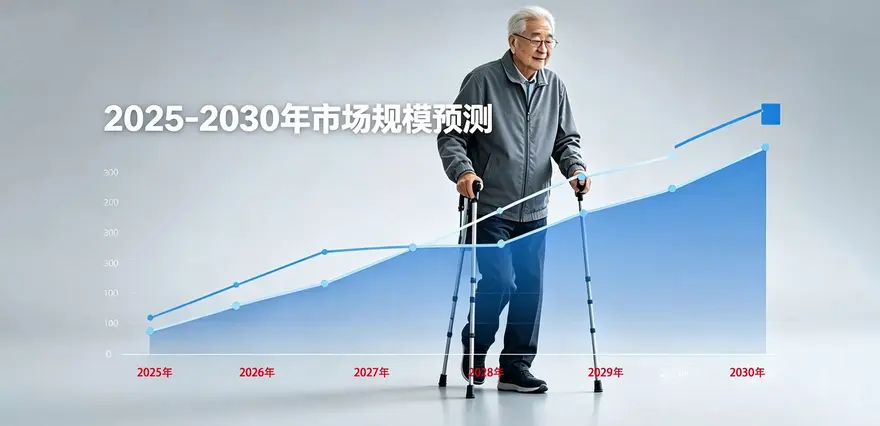
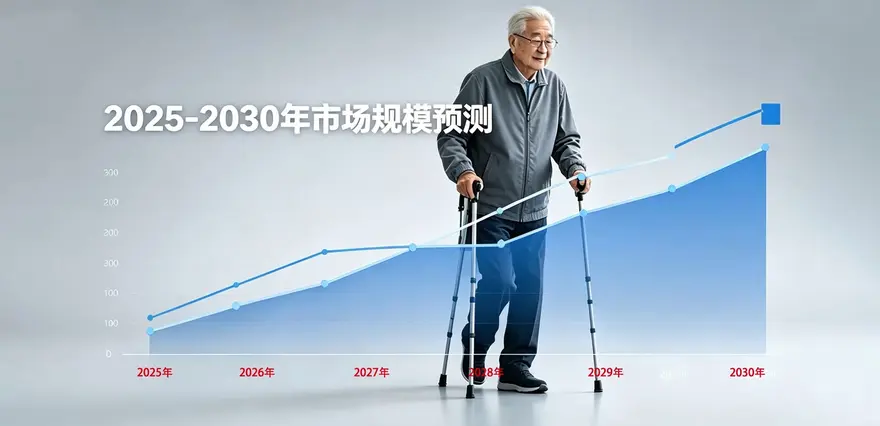
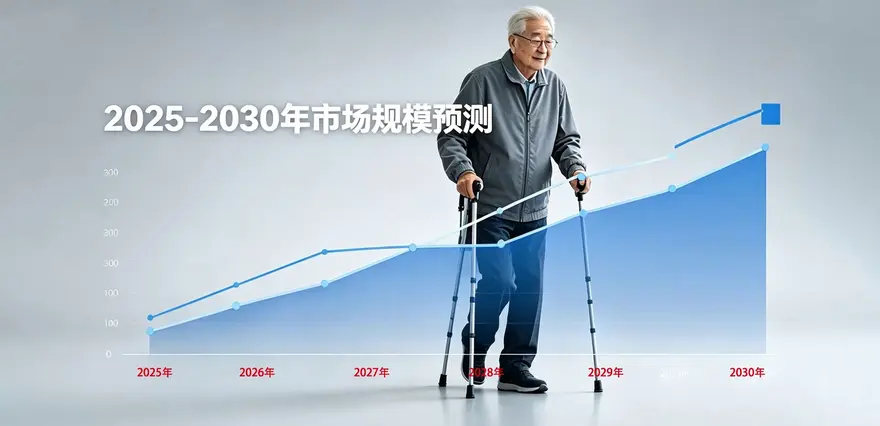
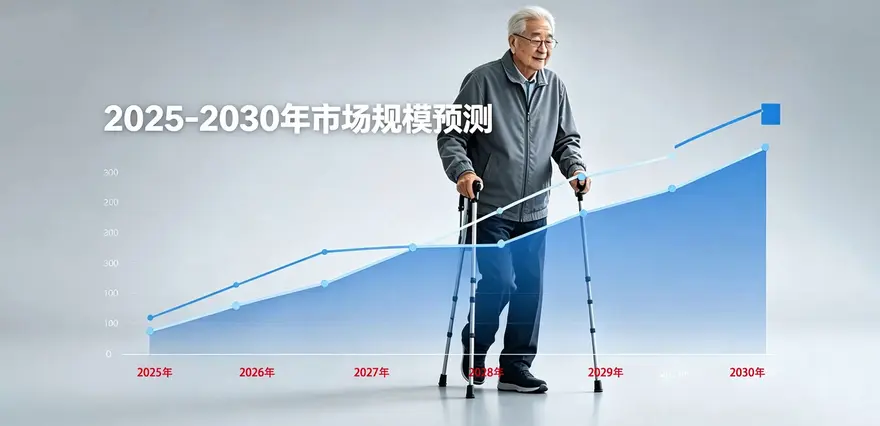
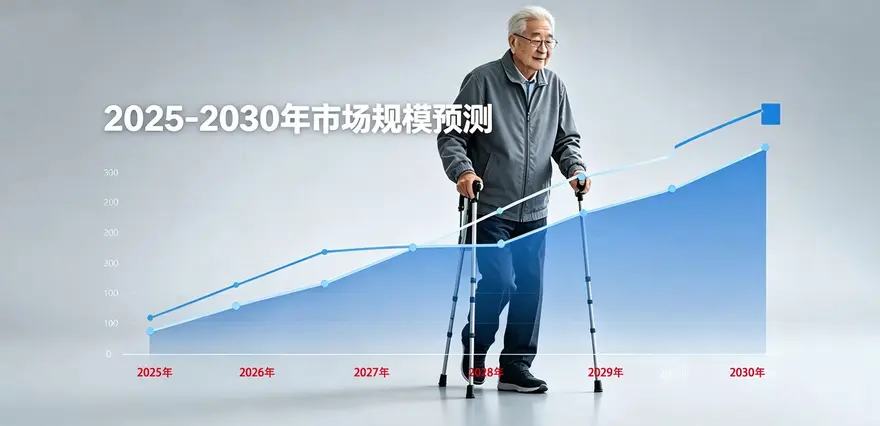
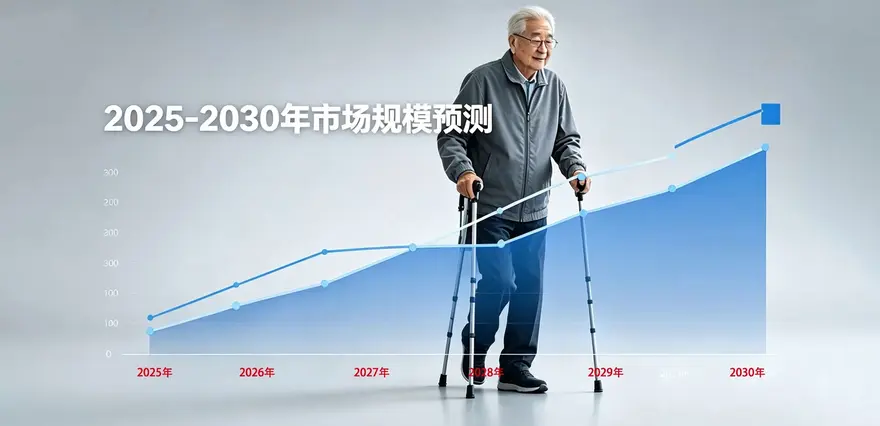
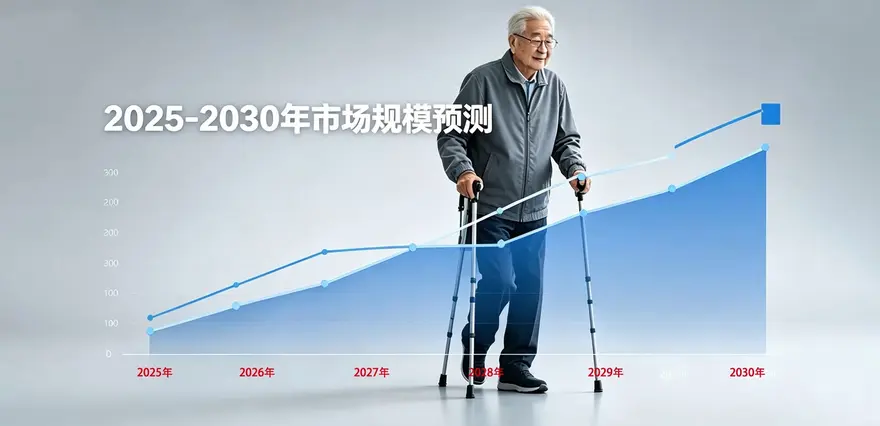
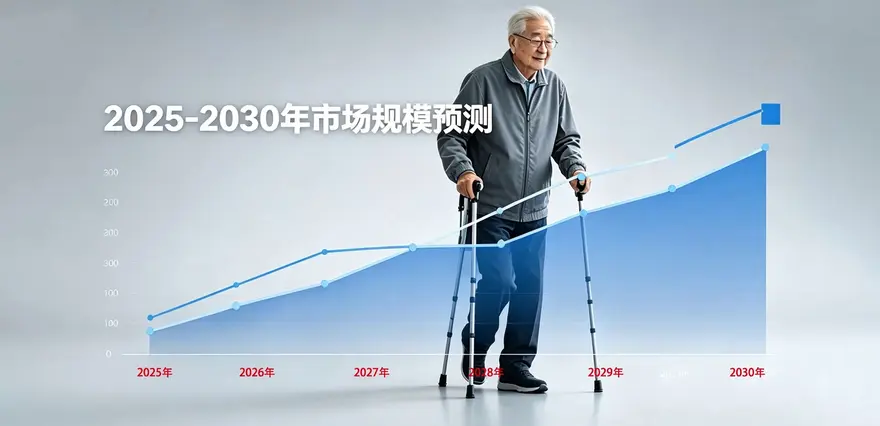
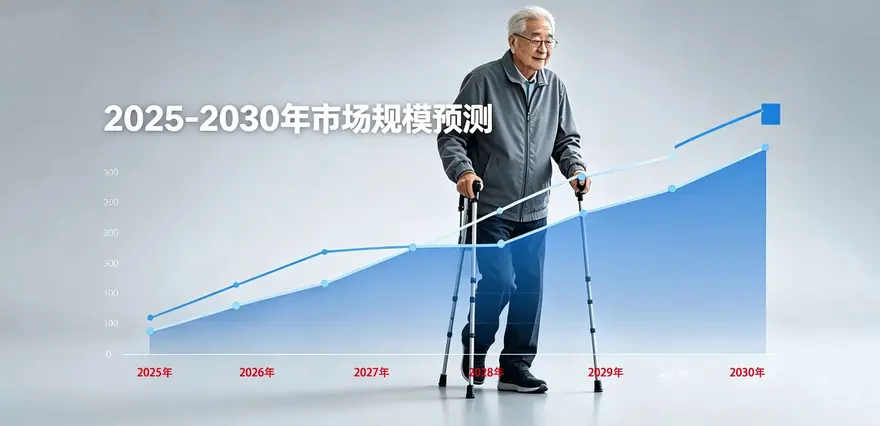
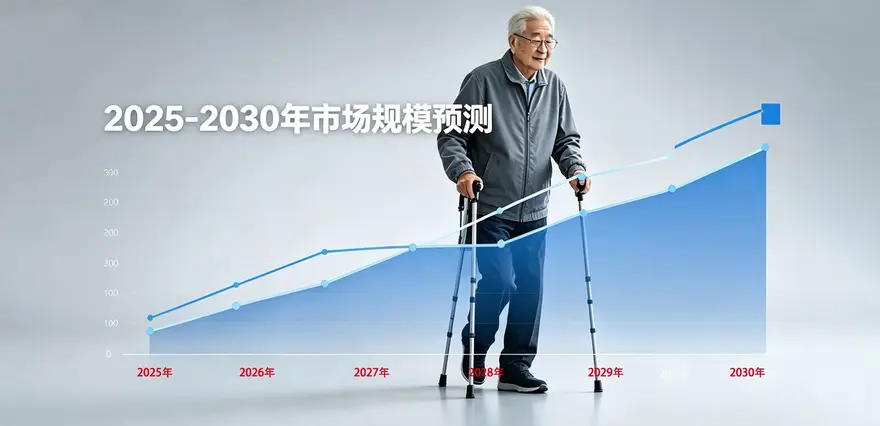
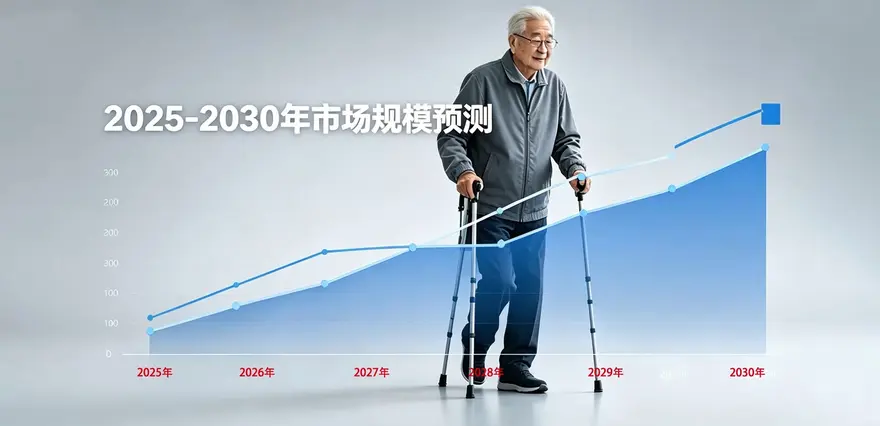
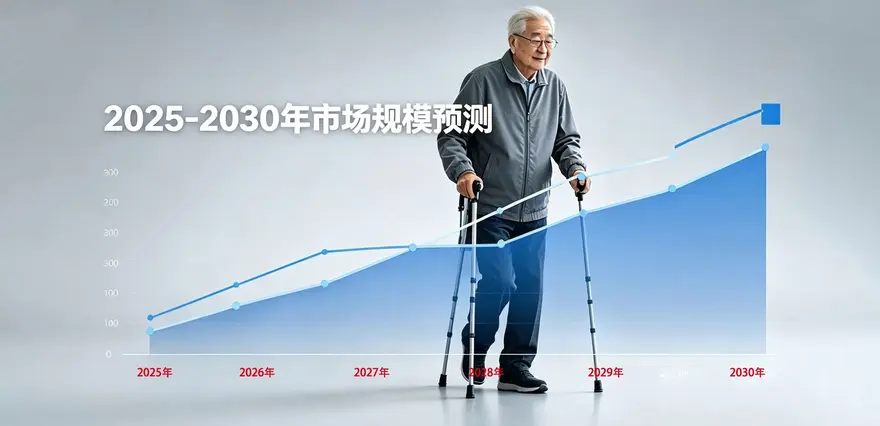
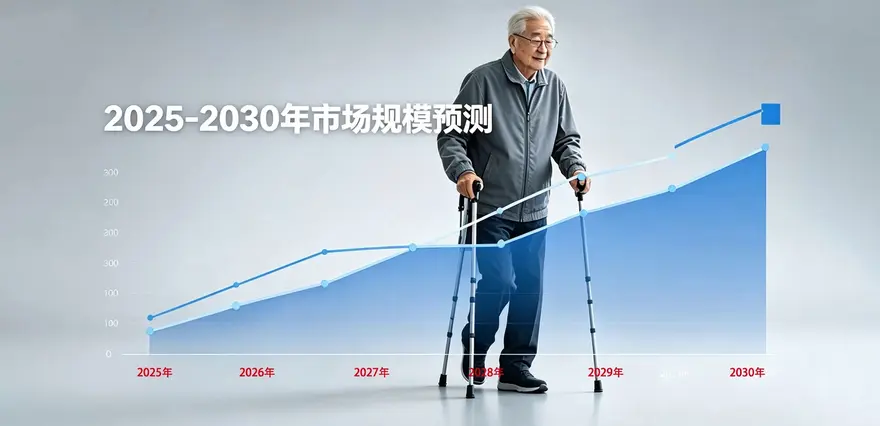
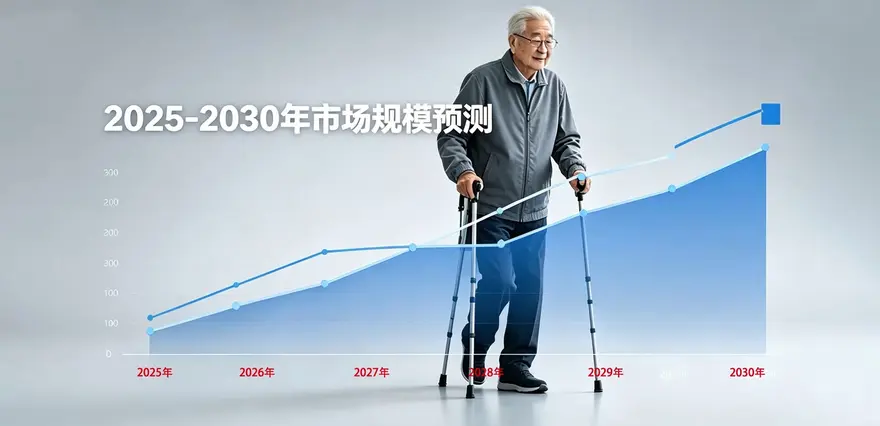
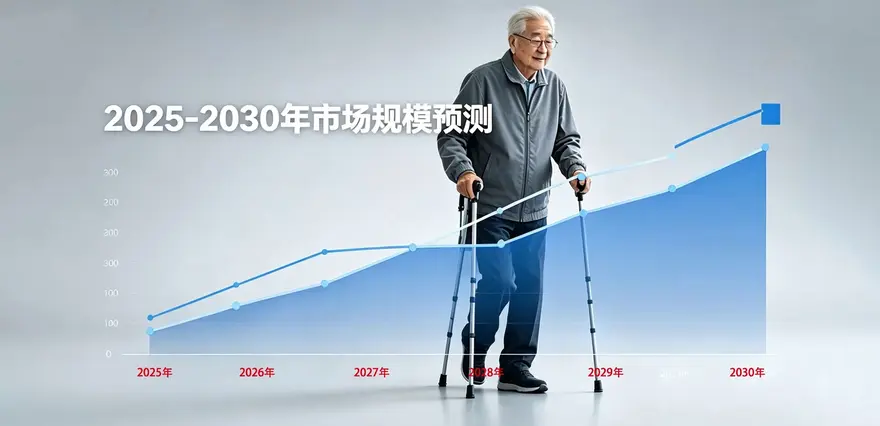
The video notes: "In the next three to five years, the exoskeleton will transition from a novel tech product to an essential wearable device for senior walking assist and outdoor hiking. The retail market size will completely surpass B2B business."
This does not necessarily mean every company will succeed, but it points to an industry endgame that leans toward consumer electronics: a winner-takes-all battle for brand mind share, while losers will be left with one-off rental experience businesses.
8. Experience and Complaints Go Hand-in-Hand: Users Care Most Not About Specs, But About “Not Feeling Uncomfortable After a Full Day of Wear”
To understand a consumer-grade exoskeleton, you can’t just look at specs on paper—you have to look at real users’ tolerance thresholds.
Below are the repeatedly mentioned concerns from the comments section of this video (selected):
Original comment: “Is renting really just for the novelty? If I’m actually going to buy one, it depends on whether I can wear it every day.”
Takeaway: The biggest skepticism about the rental model is that users think it solves “trying it out,” not “owning it.”
Original comment: “If the X1’s price stays around the 10,000-RMB range, I might consider buying one for my parents to help them climb stairs.”
Takeaway: Walking assist for older adults is a high-value scenario—but only if the price enters the consumer electronics range.
Original comment: “What I’m most worried about is the weight—can women actually wear it without struggling?”
Takeaway: Lightweight design isn’t just a number on a spec sheet; it’s the real threshold that determines whether users will want to take it outside.
Original comment: “Whether the movements can keep up with your feet is most obvious when climbing uphill.”
Takeaway: The gait synchronization experience gets amplified on complex terrain—and that’s the real test of algorithm capability.
Original comment: “If the battery can last a full day, then it’s really a consumer-grade product.”
Takeaway: Battery life anxiety is one of the biggest stumbling blocks for consumer-grade products going from novelty to daily use.
Original comment: “Don’t just be a hit in tourist spots—I hope elderly family members can actually use it at home.”
Takeaway: What users expect from a consumer-grade exoskeleton isn’t a toy, but a long-term walking assist tool.
Original comment: “If it can be sold on Amazon in Europe and North America, it means the product can’t be all marketing.”
Takeaway: Direct retail overseas means facing a more mature consumer market—and that forces sharper product polish in the details.
One-Sentence Summary
The Dnsys X1/Z1 pulls exoskeletons back from a scenic-spot rental "selfie experience" to personal-retail "long-term gear," using four technical levers — lightweight design, gait synergy, power management, and supply-chain cost control — to answer the real question for any consumer-grade exoskeleton: is it worth wearing every day? Ideal for readers who follow consumer-grade wearables, exoskeleton industry trends, and B2C hardware business models.
About this article: part of Chinese-Made Exoskeleton Review Archive — an independent, regularly updated English archive of reviews of consumer exoskeletons made in China, edited from publicly available video transcripts. Not an official manufacturer page.
For inquiries and purchasing, contact lonlonago@foxmail.com. More in Reviews · All articles.