From Clinical to Everyday: In 2025, as consumer-grade exoskeletons go mainstream, how far are a million people from “human enhancement”?
Introduction: The Winds Have Changed — Exoskeletons Are Shedding Their "Medical Device" Label
In the past, mentioning an exoskeleton would often conjure images of steel armor from sci-fi movies or the expensive rehabilitation exoskeletons found in hospitals, primarily used for gait recovery in paralyzed patients. But today, the winds have shifted.
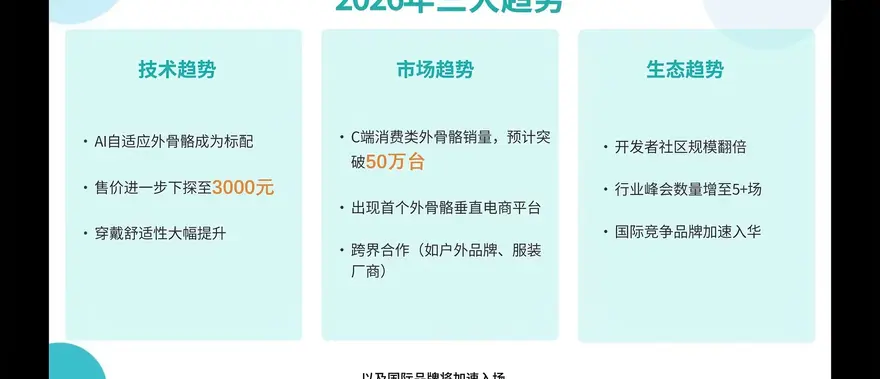
Over the past six months, as a vertical media outlet dedicated to consumer-grade exoskeletons, we have witnessed a pivotal shift in the industry: for the first time, high-priced professional equipment designed for medical or industrial settings is entering the daily lives of ordinary people at scale—thanks to mass-market prices (mostly hitting the 5,000 RMB mark) and portable form factors (such as leg exoskeletons).

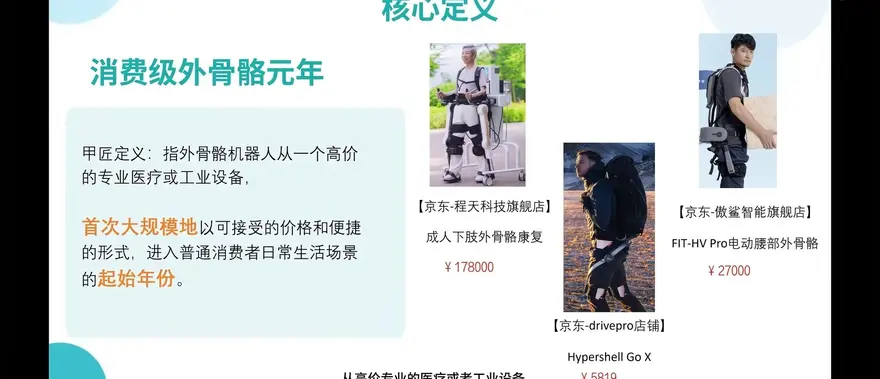
From an unreachable "medical device" to an accessible piece of "outdoor consumer electronics," a product logic restructuring is underway in this industry. Is 2025 truly the inaugural year for the consumer market's breakout? We have reviewed the core events and business data from throughout 2025 to find out.
A Non-Equivalent Alternative: Redefining "Human Enhancement"
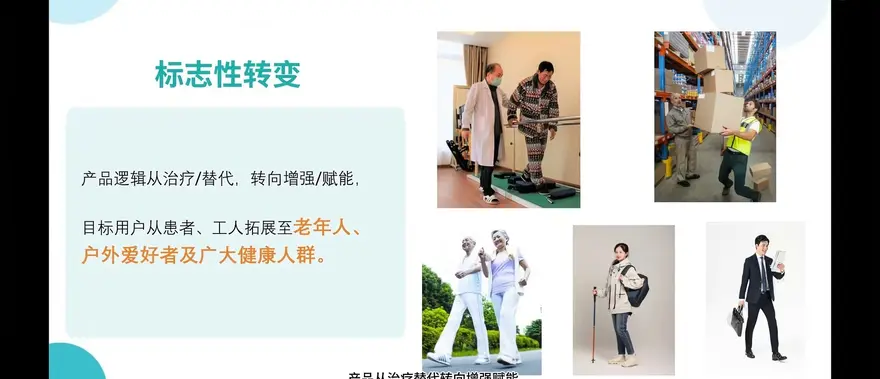
The first prominent marker of the consumer-grade exoskeleton explosion is a fundamental shift in product logic. Past exoskeletons focused on being a "therapy substitute," typically targeting patients who had to rely on them just to walk; today, however, the direction has shifted toward empowerment.
Product logic is shifting from a "therapy substitute" to "empowerment"; the user base is also expanding from a narrowly defined group of medical patients to outdoor enthusiasts and the broader healthy population.
This means the consumer-grade exoskeleton is no longer just a "wheelchair for the disabled." Instead, it serves as a "physical advantage booster" for the general public to reduce physical exertion and enhance athletic performance during hiking / trekking assist and even daily commutes.
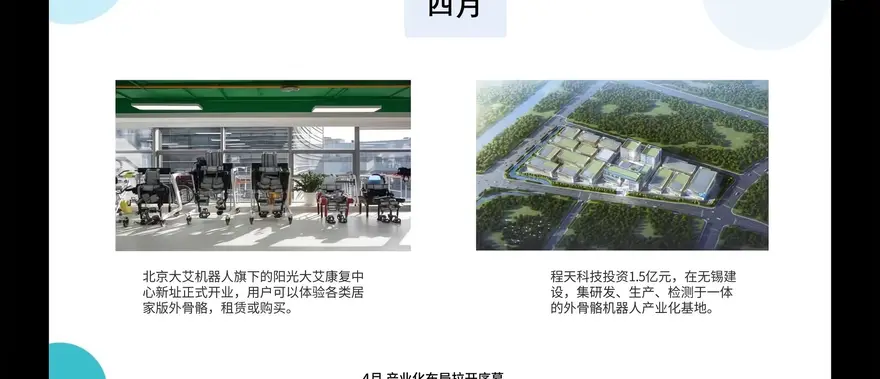
The price gap is rapidly closing. Although certain high-end medical and rehabilitation facilities still remain in the several hundred thousand yuan bracket, consumer-grade products (such as those emphasizing lightweight designs) have successfully brought the price down to an affordable range for the general public. The downward shift in the price range is the most direct benchmark for this technology's transition toward consumerization.
A 100-Day Metamorphosis: Core Industry Breakthroughs and Field Implementation Records of 2025
Taking stock of the past year, although many details have been omitted in transcription, the market's pace has been continuously accelerating.
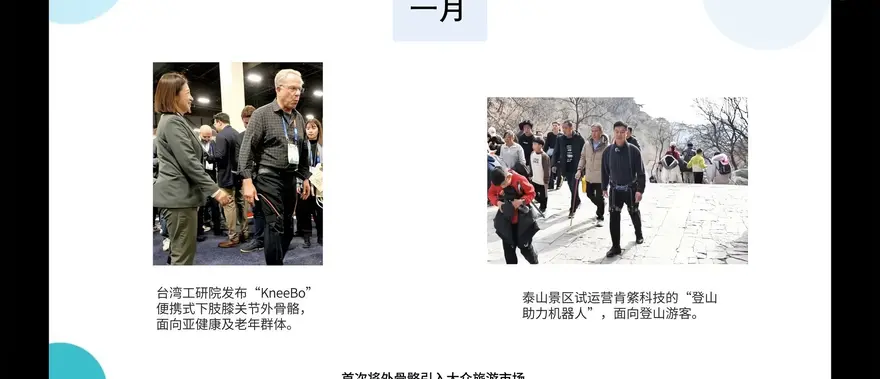
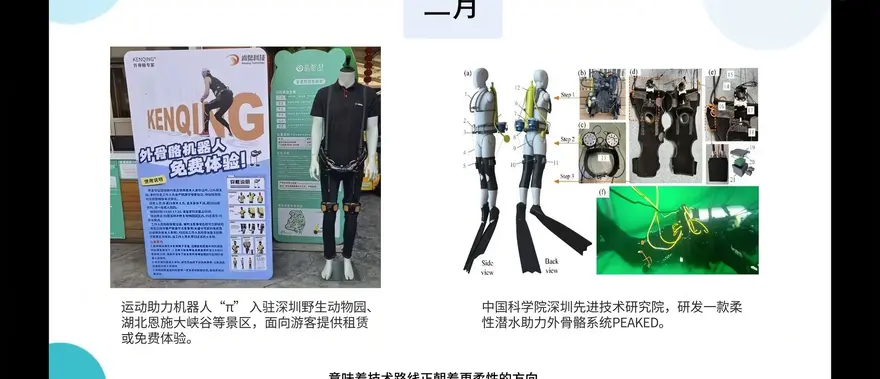
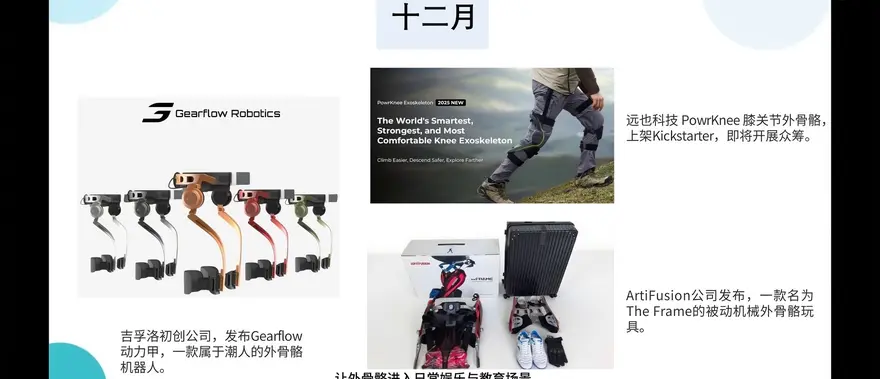
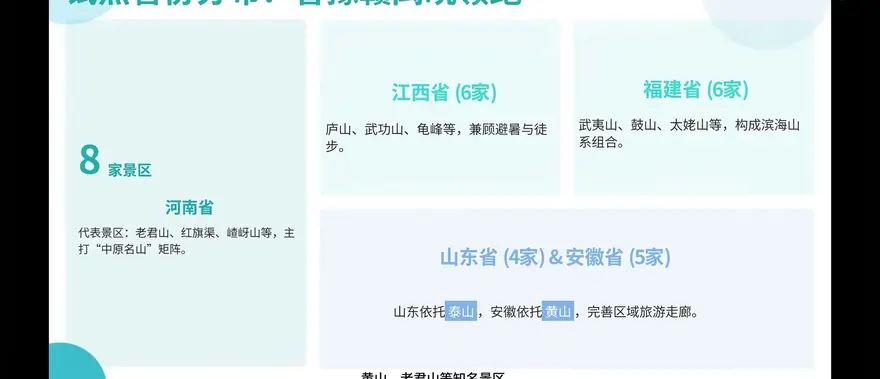
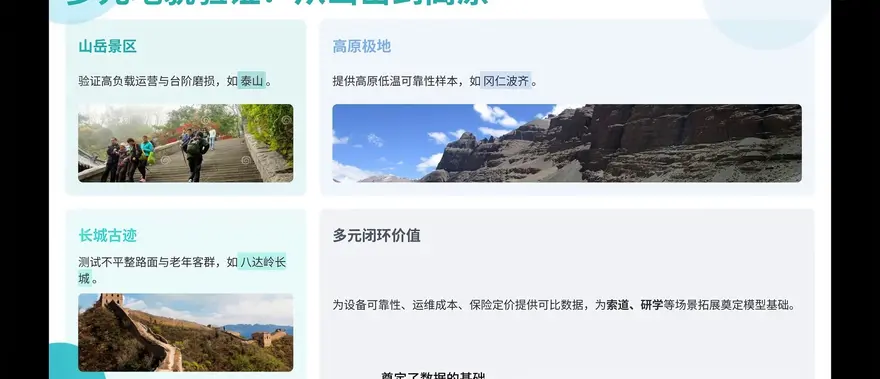
Early-Year Breakthroughs and Scenario Trials. In January, hiking assist robots from companies such as Keqing Technology began operating in the Taishan scenic area, bringing exoskeletons to the mass tourism market for the first time. Meanwhile, manufacturers started introducing portable wearable systems to the elderly, driving the shift toward everyday, lightweight applications. By February, assistive robots for sports entered more attractions like Shenzhen Safari Park, reaching a wider range of ordinary consumers through a rental experience model.
Consumer-grade exoskeletons entered the mass tourism market for the first time, validating the commercial viability of the culture and tourism scenarios.
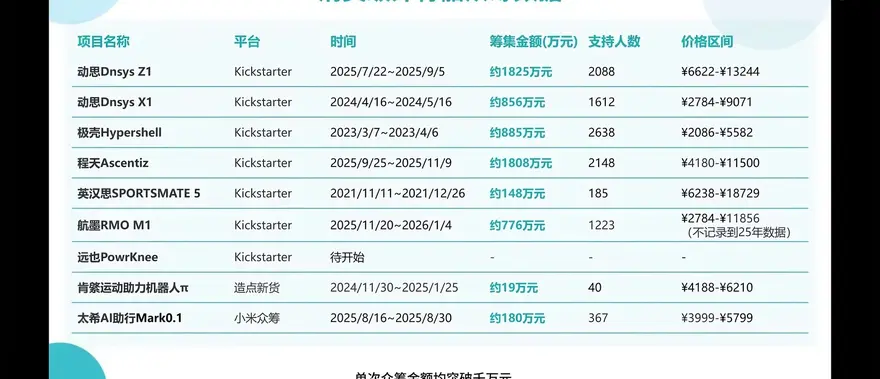
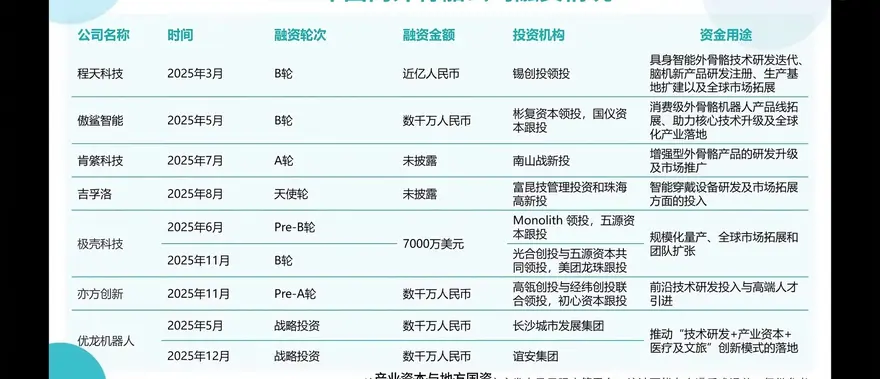
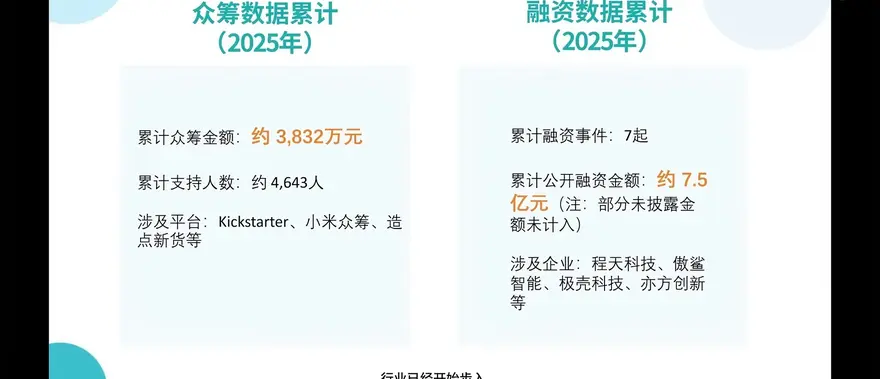
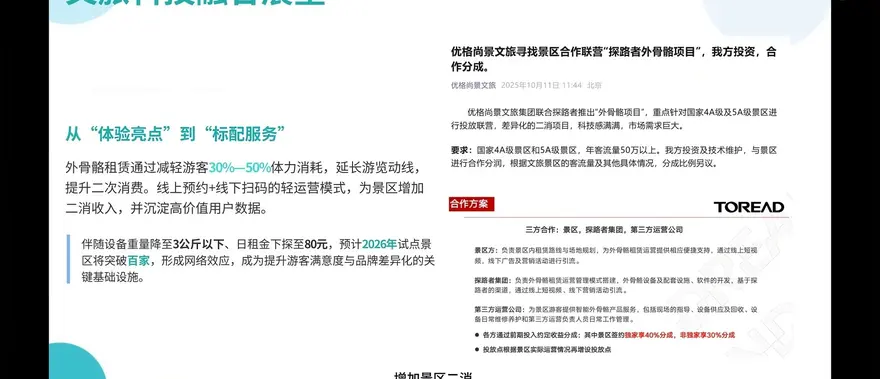
Capital Influx and Channel Alliances. March saw simultaneous explosions of capital and channel expansion. Although there were verbal slips or omissions regarding the crowdfunding and financing data of individual startups in transcription, the overall trend is undeniably clear: the industry has not only secured funding, but also accelerated the commercialization of consumer-grade products through cross-sector collaborations (such as TOREAD partnering with Zhuangbeida to invest in mass production research alongside professional research institutes).
Trading Price for Time: The Trade-off Between an Enhanced Experience and Basic Specifications
For these devices to transition from a scenic area novelty to a personal "one for every household" item, the core lies in whether the product experience is sufficiently compelling. Currently, consumer-grade exoskeletons primarily focus on lower-limb assist and lumbar / back assist.
Taking the typical consumer-grade product mentioned in the video as an example:
- Weight and Portability: These devices utilize a large amount of lightweight materials, such as carbon fiber, to significantly reduce the burden of wearing them, making the user experience feel more effortless.
- Runtime Performance: Constrained by battery life / runtime, they can sustain assistive output for several hours.
- Assist Logic: The devices are equipped with high-precision sensors (such as IMU and pressure sensors) that use algorithms to predict user intent. When the system detects the user exerting force at a joint, servo motors provide a corresponding joint torque boost.
According to the product parameters mentioned in the video, mainstream lightweight exoskeletons typically weigh around 1.5 kilograms, offer a single-charge endurance of up to 4 hours, and deliver a peak joint torque of approximately 20 Newton-meters.
Channels and Technology: The Dual Engines Driving Volume Sales
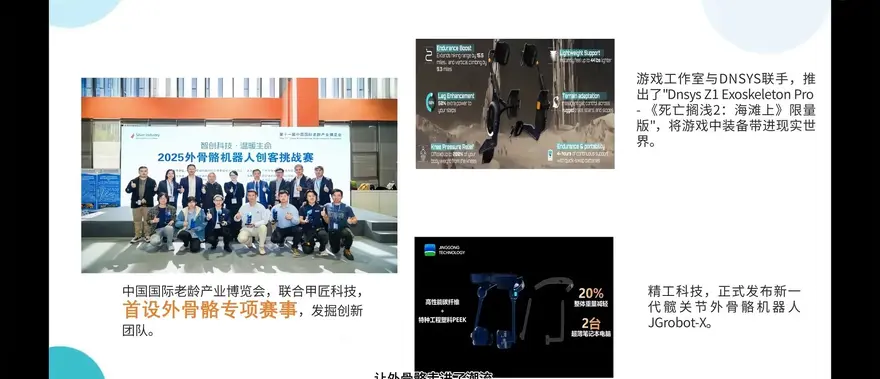
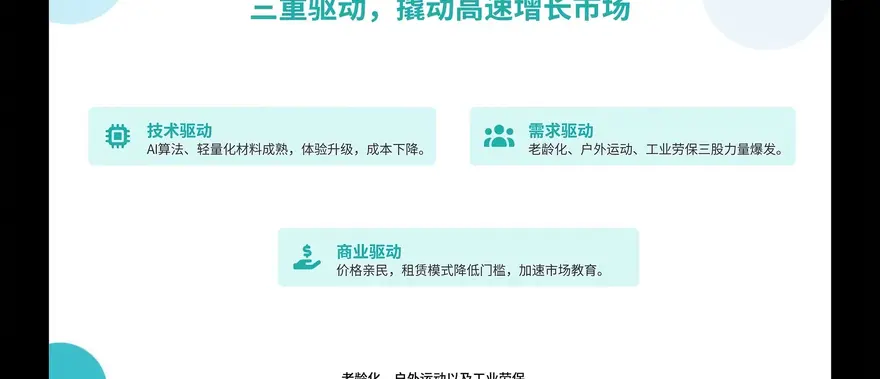
Product maturation inevitably accompanies the evolution of business models. In 2025, the core logic driving the entire consumer-grade market is hardware cost reduction resulting from supply chain maturity, coupled with a dual-engine drive from both the B-end and C-end.
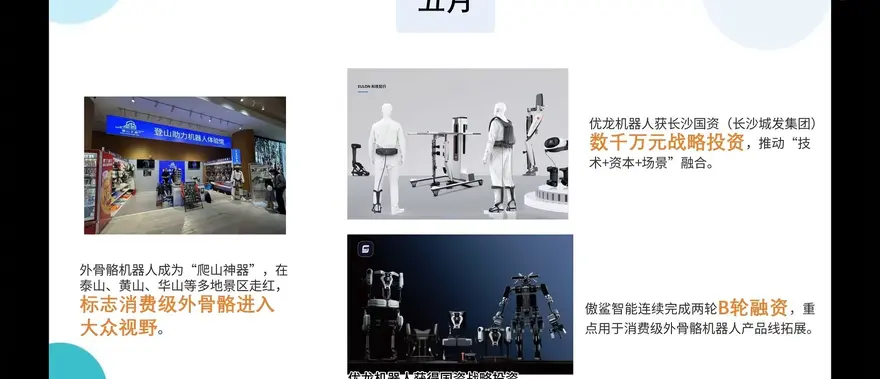
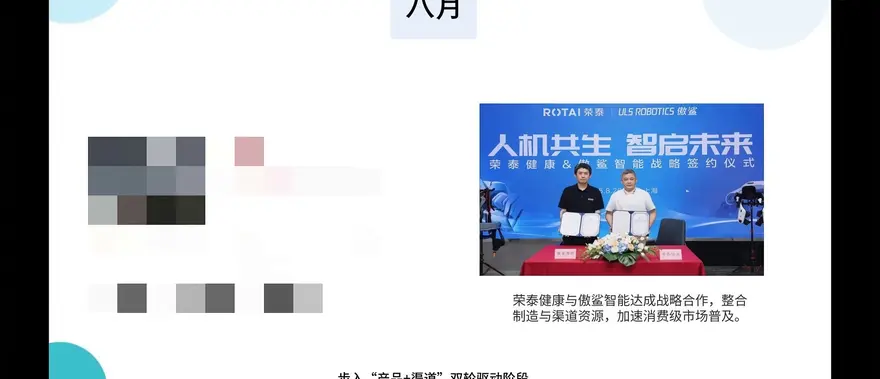
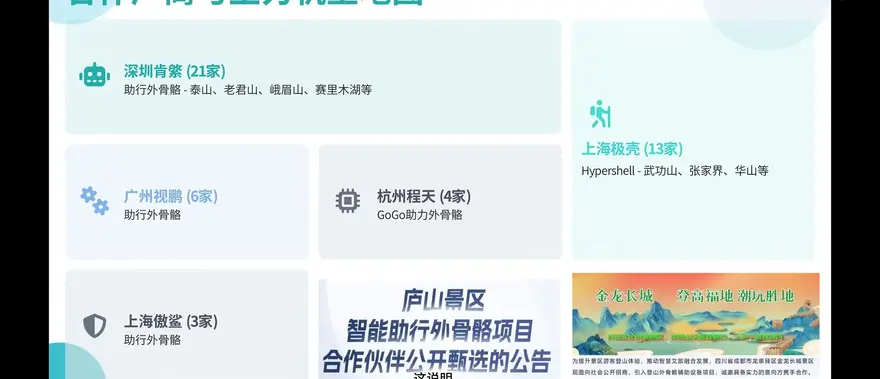
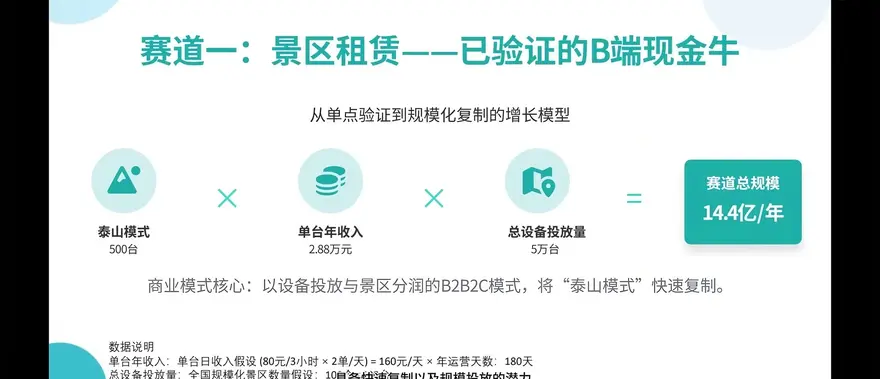
On one hand is the intensified focus on B-end scenic areas. Brands such as Aoshark (Aoiskin) have deployed massive amounts of equipment on major famous mountains for tourist rental as "mountain climbing artifacts." This strategy achieved user education at an extremely low cost while maintaining a very high device survival rate.
The consumer-grade market has called for and entered a "product plus channel" dual-engine phase. The comprehensive integration of high-end manufacturing and offline channel resources has significantly reduced consumer hesitation.
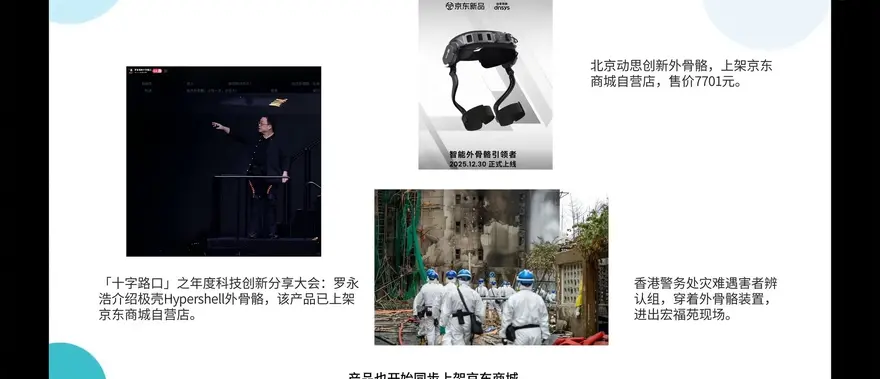
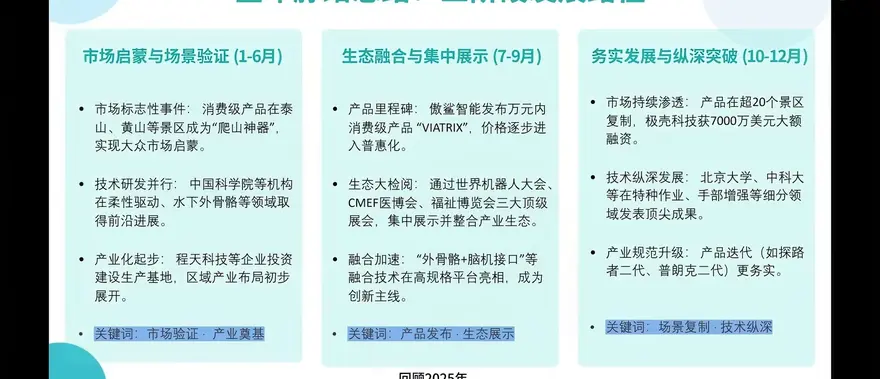
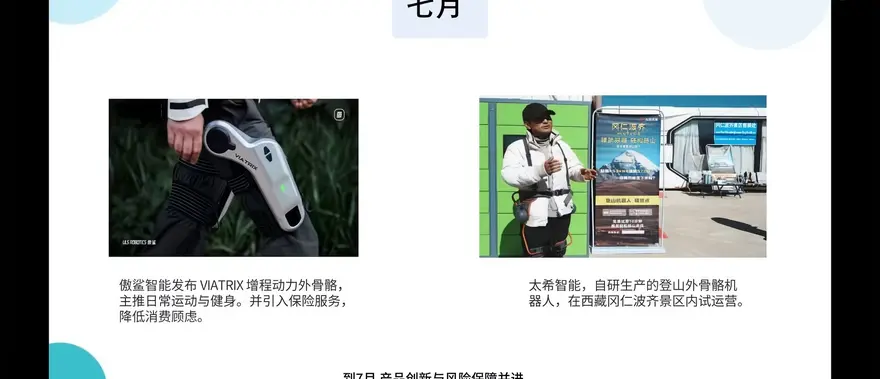
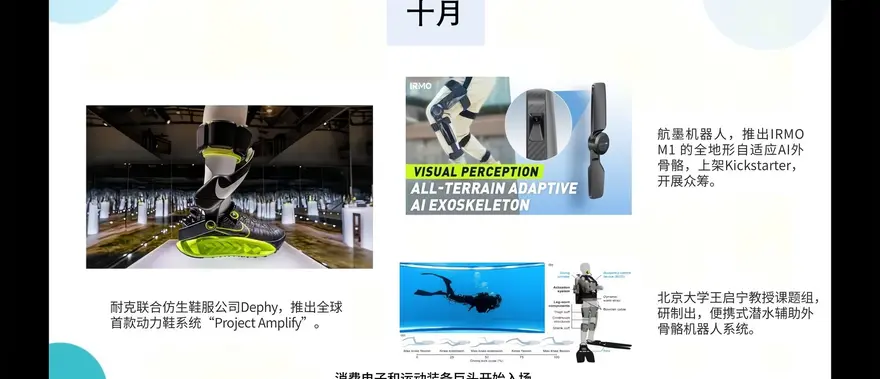
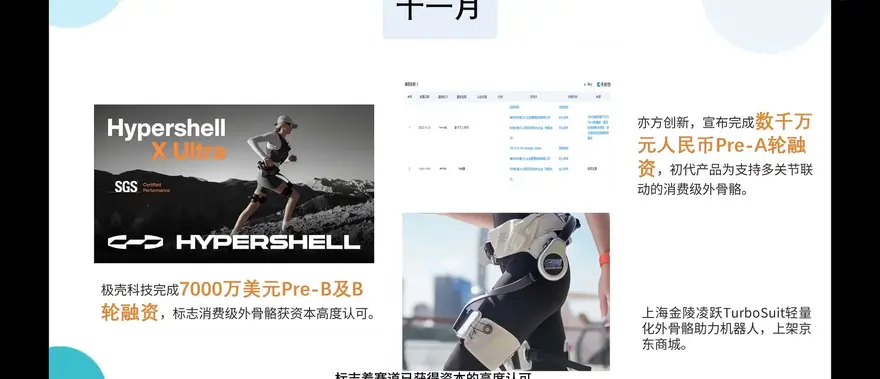
In the C-end market during the autumn and winter seasons, innovative formats have further exploded. Manufacturers, including enterprises like Chengtian Technology and, have successively released lightweight, wearable daily exoskeletons while expanding their reach overseas. Through strict cost controls, the price of consumer-grade products has gradually decreased, significantly bridging the gap for ordinary consumer electronics enthusiasts.
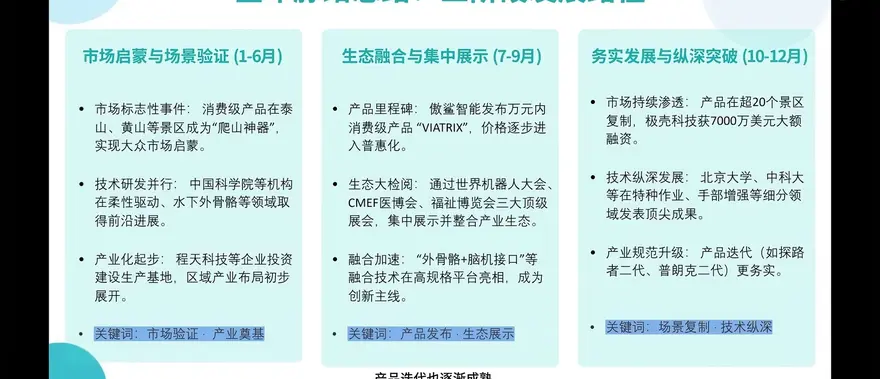
User Personas for Three Major Sectors: Who is Buying Exoskeletons?
To understand the underlying strength of a large industry, we must break it down into its sub-markets. The video provides a detailed analysis of the "three major engines" driving the industry's explosion over the next three years. Clear user personas have emerged, each with a distinct commercial strategy:
“Scenic spot rentals cater to tourists who yearn for mountains and rivers, personal outdoor use is a growth market, and walking assist for the elderly is a definitive blue ocean market.”
Scenic Spot Rental: The Viral Logic of Cultural and Tourism Experiences. This is a B2C business model targeting adventurous tourists. For many consumers accustomed to traveling light, renting a lightweight hip assist module at the foot of a mountain for just a few dozen yuan is an extremely cost-effective deal. The business here relies on extensive channel distribution, generating stable cash flow while filtering out high-frequency, deep-user engagement to convert them into individual buyers.
Personal Outdoor Gear: A Label for High-Net-Worth Geeks. Targeting hiking and mountaineering enthusiasts who pursue the ultimate experience, this sector emphasizes core, hardcore equipment attributes with an exceptionally high price point. For hardcore consumers with ample budgets willing to be early adopters of "human augmentation" black tech, there is significant room for brand premium.
Daily Mobility for Seniors: A Long Runway with Thick Snow under Population Aging. With the irreversible trends of an aging population structure and the silver economy, walking assist exoskeletons for the daily mobility of the elderly represent the most definitive and essential daily need market. Although it is still in an early stage, its growth logic is incredibly solid, backed by extremely strong and stable room for expansion.
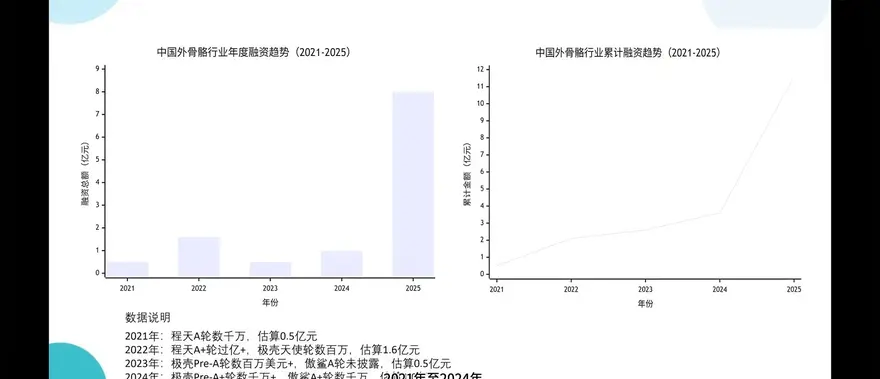
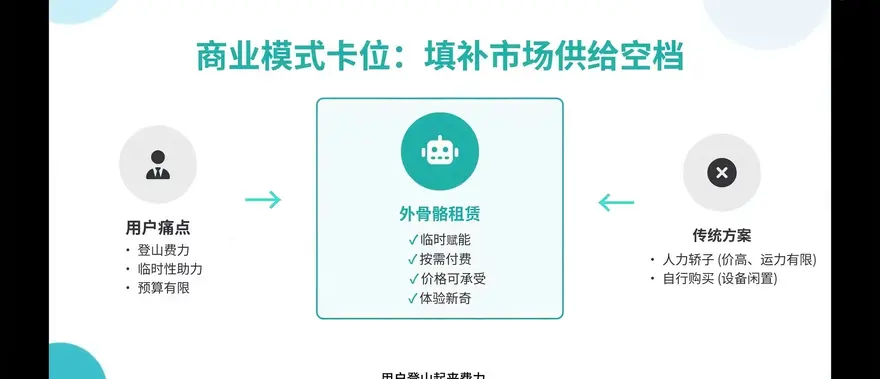
The Reality Behind the Hundred-Billion Projection: Commercialization Back-of-the-Envelope for Three Key Tracks
Let’s run a scale extrapolation based on the three tracks above. What kind of staggering commercial volume would that imply?
First, the scenic-area rental track: while a single-session fee may not be high, it provides a steady cash-flow entry point that can quickly validate and close the business-model loop.
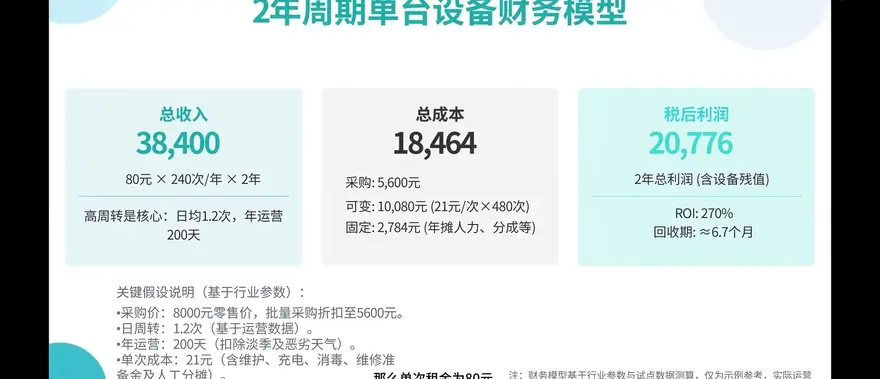

Second, the personal outdoor gear market: with relatively high ticket sizes and strong brand premiums, this is the core battleground built for hardcore enthusiasts.

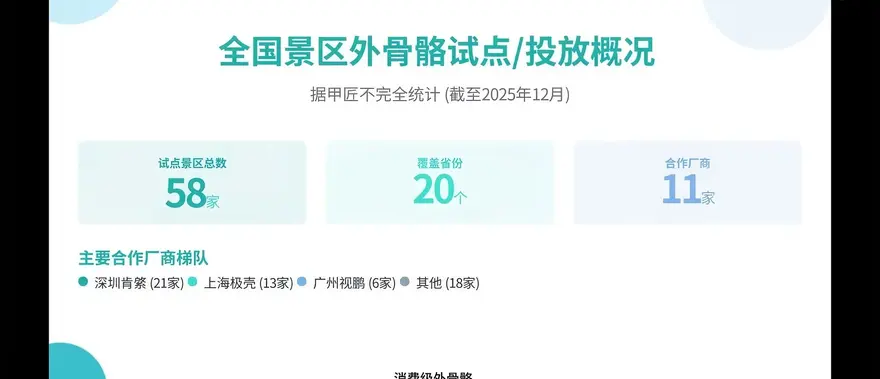
Finally, the blue-ocean market for walking assist aimed at older adults: driven by demographic shifts, it hides the most certain and non-negotiable consumer demand.
Putting these three tracks together, the consumer-grade market is set to reshape the landscape over the next three years and accelerate toward maturity.
Based on modeled estimates across the three tracks: the scenic-area rental market is projected to reach 280 million yuan by 2025; the personal outdoor gear market could reach 1.44 billion yuan; and the walking assist segment for seniors could expand into an extremely large potential market, hitting 11.25 billion yuan.
These three engines—scenic-area rental revenue, personal gear purchases, and everyday demand from elderly users—will lift the consumer-grade exoskeleton market to a new magnitude, with a forecasted scale of 16.58 billion yuan.
Top Community Comments
@VasilyTop (1 like): https://www.niudi.tech/
Analysis: This viewer posted a link directly—most likely to the official site of an exoskeleton brand called "Niudi". That suggests the video has already triggered purchase intent and the hunt for alternatives in the comments, with users actively searching for buying channels. For B2B manufacturers, it’s a clear, immediate signal that the content’s conversion impact is happening in the most tangible way.
@LittleLiver0v0 (0 likes): First [doge] I was there on-site [single-again-doge] [support] [cheer]—I did “like, coin, and subscribe”.
Analysis: This comment captures the reality of today’s offline exoskeleton experience scenes. Many viewers don’t just watch specs on screen—they go try the device in person ("on-site"). That immersive experience is the fastest path to impulse buys and loyal fans ("like, coin, and subscribe"), showing that offline experience stores still play an irreplaceable role as the final push for consumer-grade exoskeleton sales.
@AutumnRainQuietCourt (0 likes): The only consumer-grade exoskeleton you can buy in large quantities seems to be Ji Ke.
Analysis: A relatively objective yet slightly pessimistic user take. It sharply highlights the gap between “capacity and mass adoption” for consumer-grade products—even if everyone keeps saying "entry at 5,000 yuan", brands that can truly offer "in-stock, large-volume purchases" remain extremely scarce. It’s also a wake-up call for domestic manufacturers aiming to go overseas or scale volume: supply-chain mass-production capability (especially carbon fiber and core components) will be key to who survives in 2025.
One-Sentence Summary
This video is more than just a comprehensive review of the inaugural year of consumer-grade exoskeleton in 2025; it is also a deep commercial analysis of the outdoor travel and leisure, personal equipment, and silver economy—three markets with over ten billion in potential value. Recommended for all industry professionals keen on identifying the next deep-tech frontier, hardcore gadget enthusiasts, and investors seeking early positions in the silver economy.
About this article: part of Chinese-Made Exoskeleton Review Archive — an independent, regularly updated English archive of reviews of consumer exoskeletons made in China, edited from publicly available video transcripts. Not an official manufacturer page.
For inquiries and purchasing, contact lonlonago@foxmail.com. More in Exoskeleton · All articles.