The "Iron Man" in the Lab: From Convention Mecha to Practical Exoskeletons—A 21-Year-Old Hardcore Maker on How Close Ordinary People Are to Superhumans
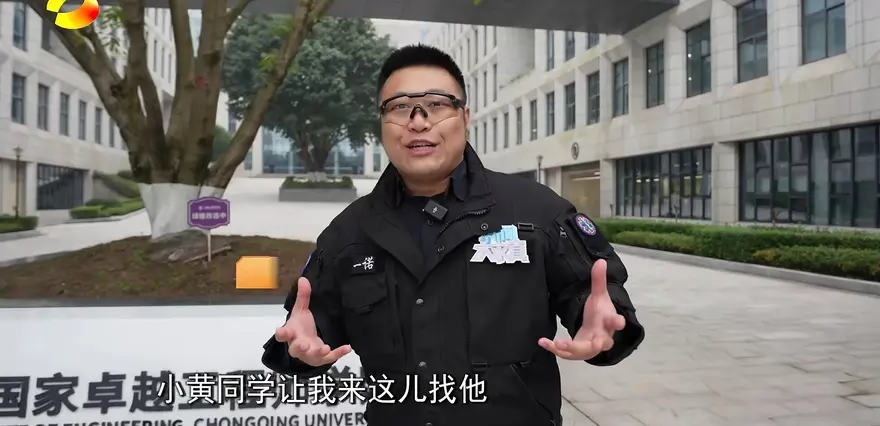
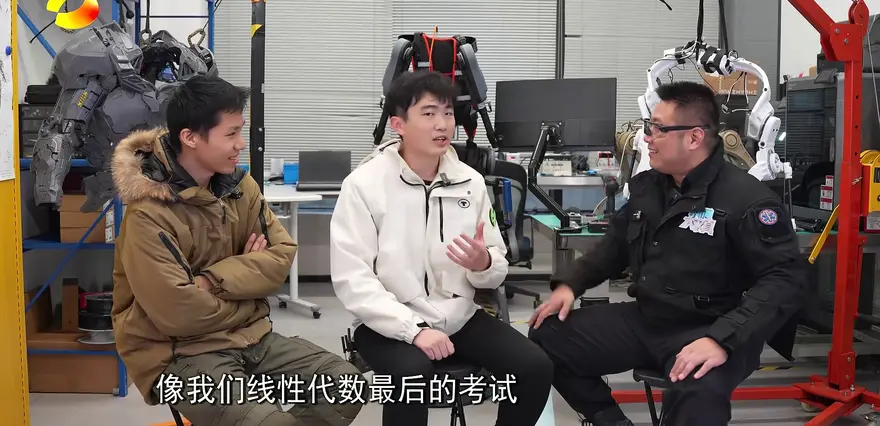
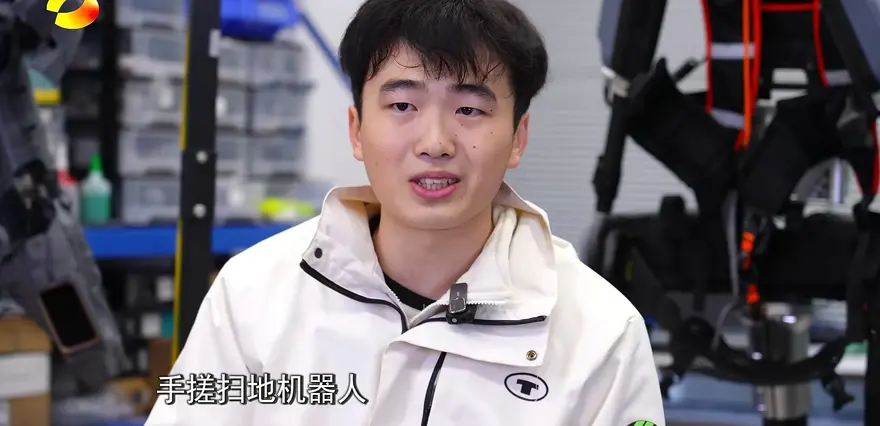
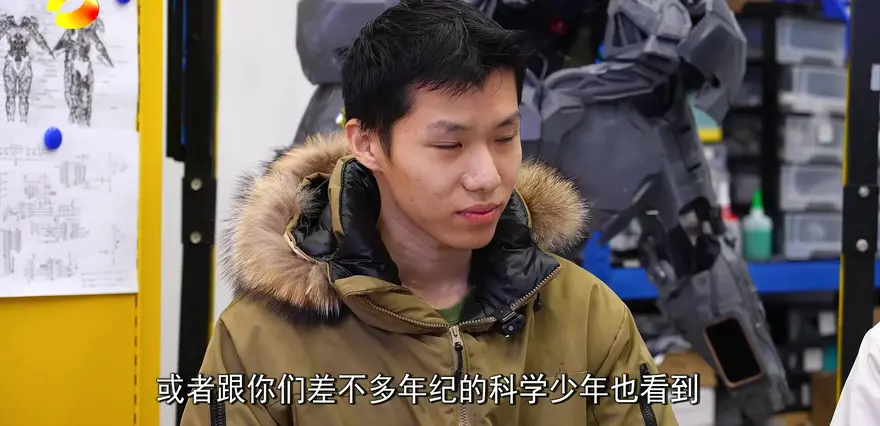
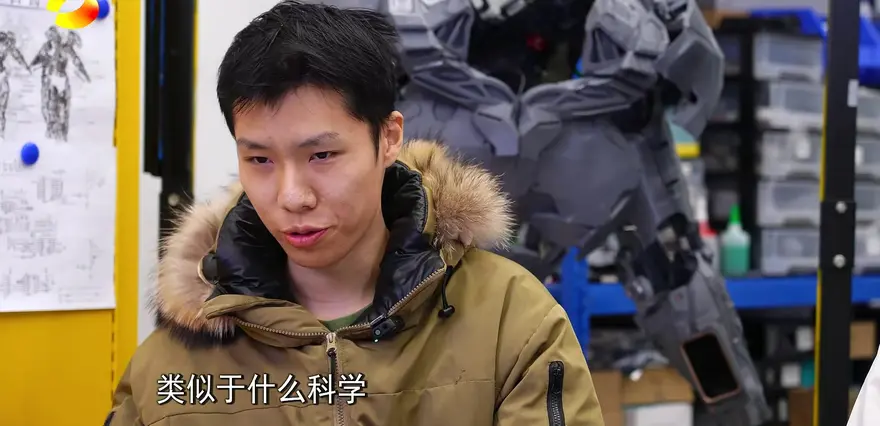
At twenty-one, your laboratory might be filled with endless microcontrollers to debug and circuit boards to solder. But for Huang Yanjun, a senior at the National Excellence Engineer College of Chongqing University, his lab is home to a real-life "Iron Man" mecha.
From a hardcore creation he spent two months building in his lab just for a comic convention, to a truly practical assistive exoskeleton, this maker, followed by a million fans online, is proving through his own experience: the devices from sci-fi movies can genuinely be built by this generation of young innovators.
From Convention-Ready Mecha to Superhero Dreams in the Laboratory
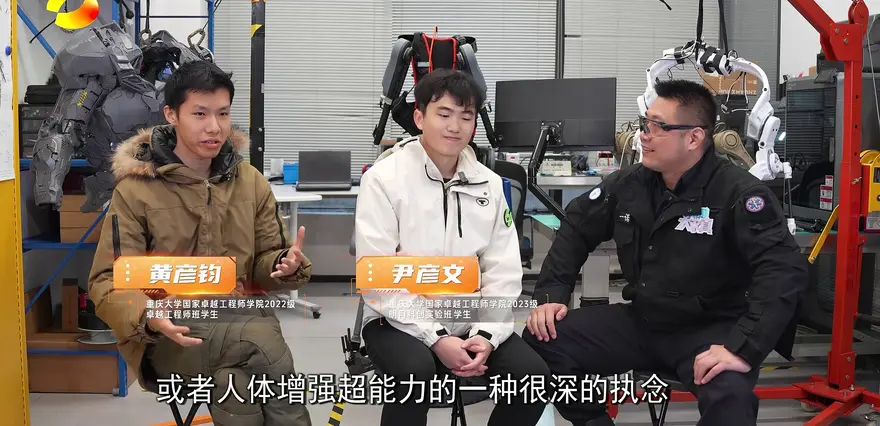
“Guys have a deep obsession with this kind of mecha, human augmentation, or superpowers. When you reach a certain level of learning, you realize—wow—the things from sci-fi movies can actually be built.”
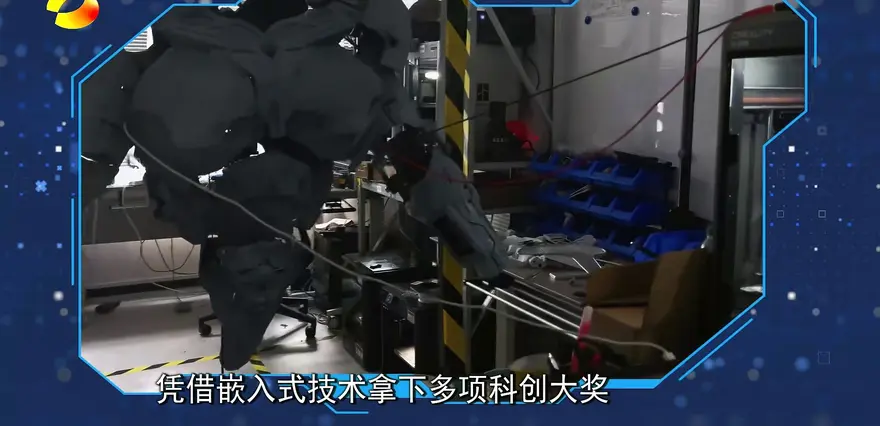
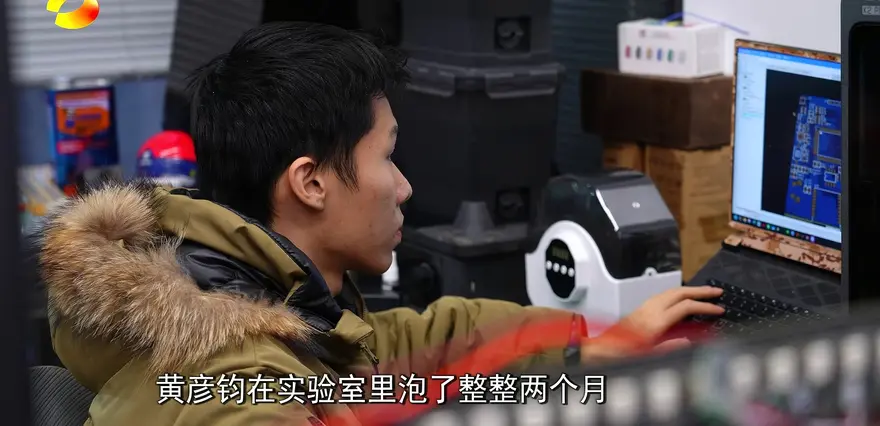
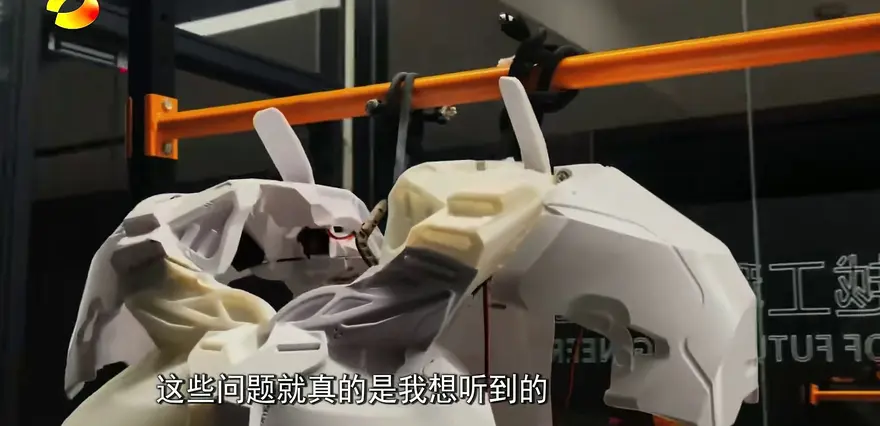
At the beginning of the video, Huang Yanjun showcased a stunning full-body mecha suit. To participate in an anime convention, he and his team spent a full two months in the lab (as mentioned in the video), working day and night on sensing and design, ultimately creating this work they’re proud of.
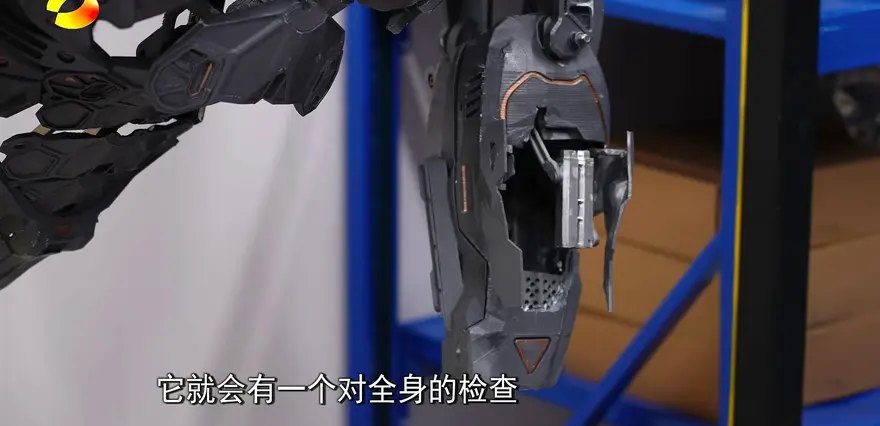
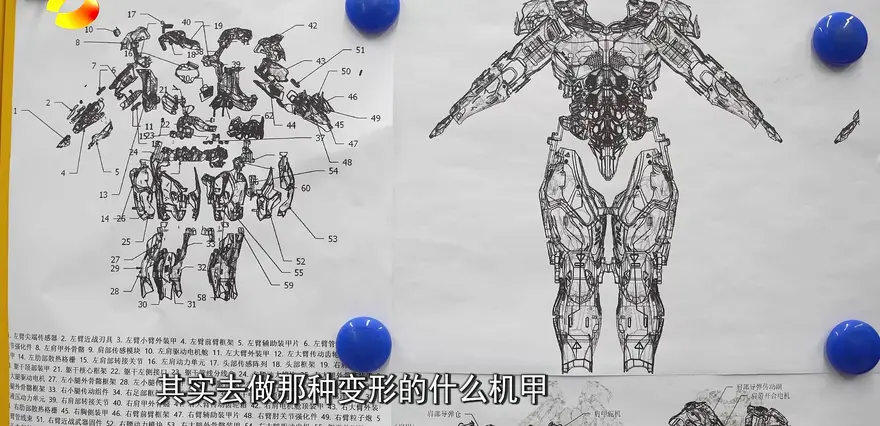
As we watch in the video, the mecha’s various joint structure components open and close automatically, checking the entire body’s status—a wave of romance washes over you as mechanical structure blends with ergonomic design. This is not only Huang’s “big toy” that fulfills the Iron Man dream rooted in his childhood, but also an ultimate from-scratch exploration.


Engineering Compromises and Perseverance: Turning Sci-Fi into Reality
"To truly make this suit comfortable to wear—a full-body, automatically opening and closing system that seamlessly runs so many functions—it requires a vast amount of knowledge about exoskeletons and ergonomics."
Building a suit designed only to stand for photo opportunities is on a completely different level of engineering difficulty compared to creating a true exoskeleton that can actually be worn while flexibly moving around.
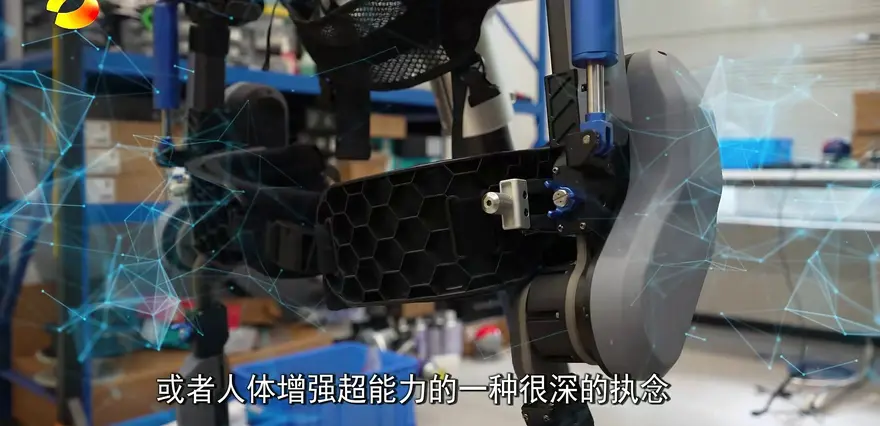
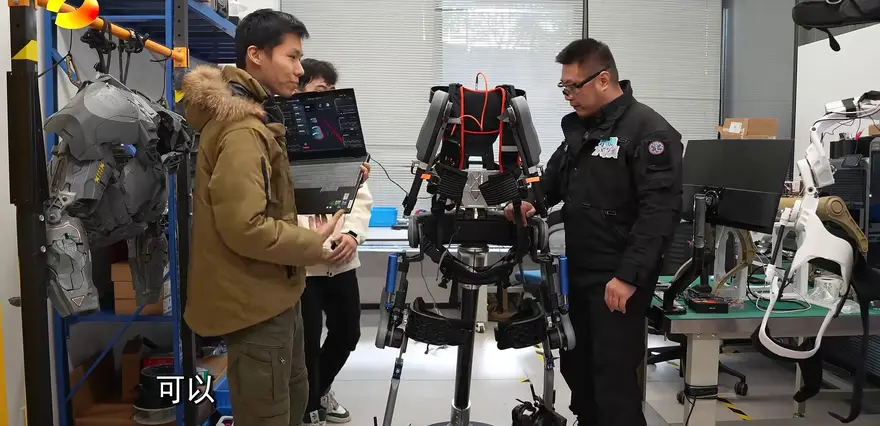
Huang Yanjun demonstrated the suit's donning and doffing process on-site: upon activation, the chassis performs a full-body self-diagnostic. Subsequently, all joint structural components automatically open, facilitating the user's insertion. Once donned, a single button press automatically closes everything tightly and seamlessly. During this process, the transmission structures on the back and limbs must not only ensure sufficient joint torque but also take into account whether the force distribution is scientifically sound.
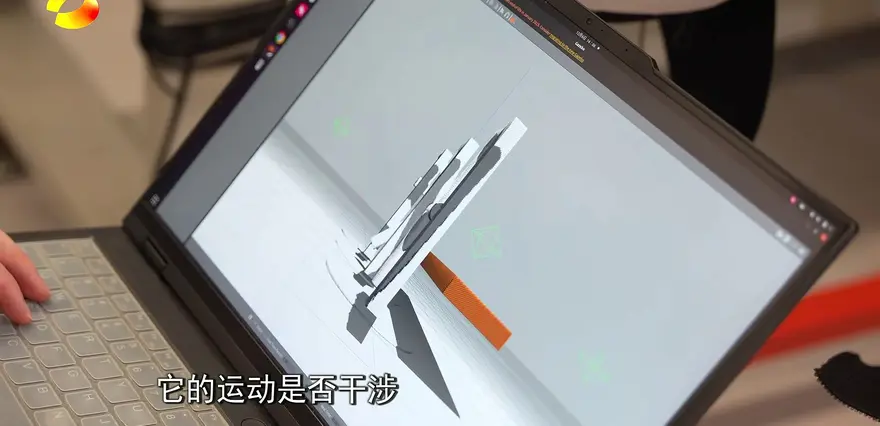
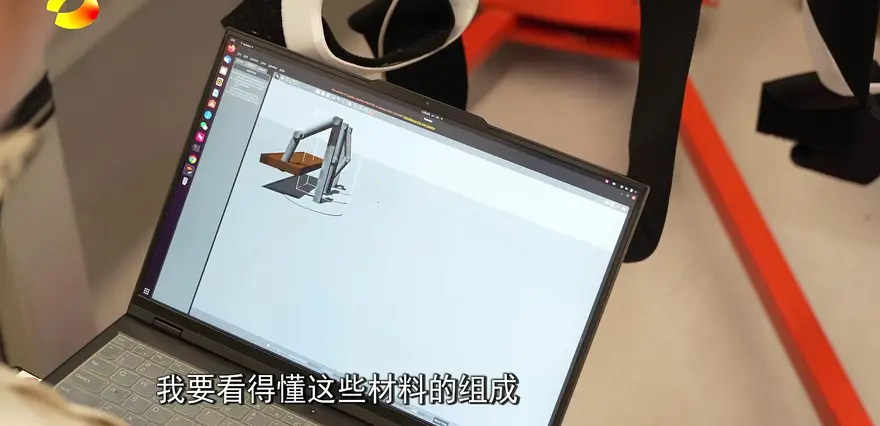
He specifically highlighted that when a structure is designed to be hollow with movable joints, its stress dynamics become highly complex. Force tends to concentrate on the pivots (fingertips/extremities) or lever arms, which necessitates the use of computer simulation software to repeatedly validate whether human movements will result in interference.
A Structural Rebellion: The Exoskeleton Robot That Puts the Battery on Top
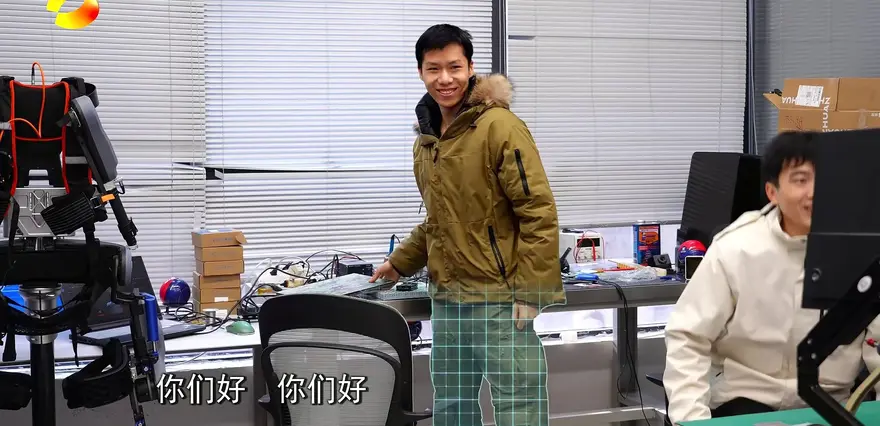
If building AI mechas is about fulfilling a dream, then this exoskeleton robot designed by Huang Yanjun and his team represents the real challenge they wanted to take on: human-robot integration technology with far greater practical value.
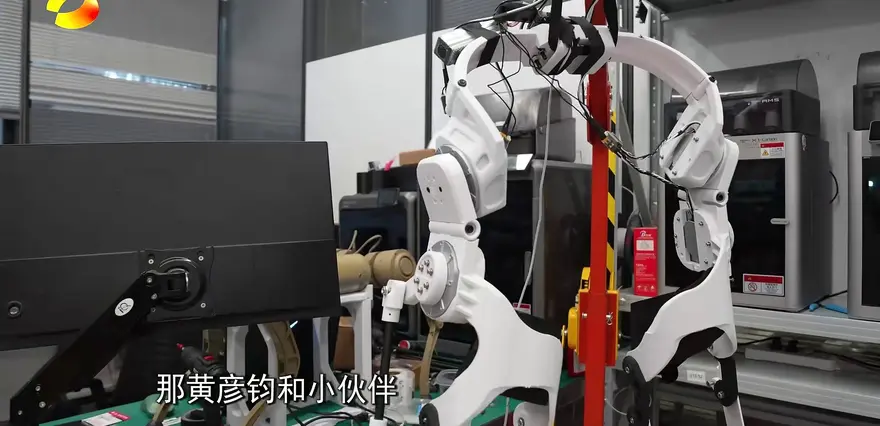
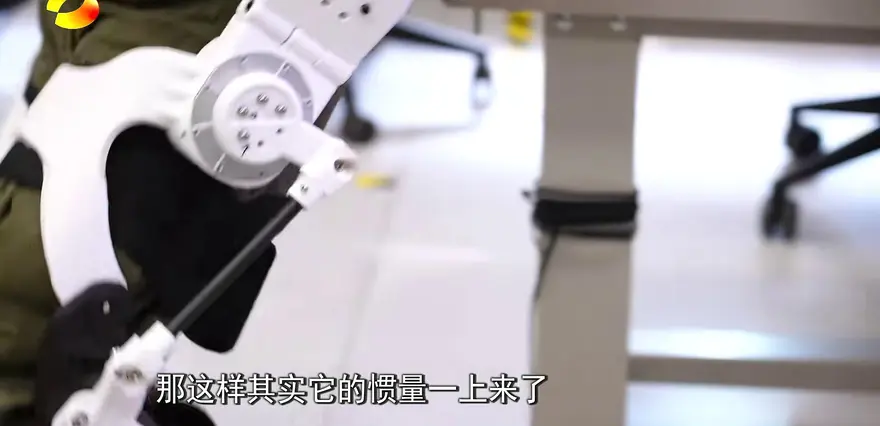
In the structure of this exoskeleton, we find a surprisingly counterintuitive design breakthrough. Traditional lower-limb exoskeletons or joint-assist modules tend to place the battery near the joint, which severely limits battery capacity—because the battery must be shrunk to reduce volume and inertia so the joint can move more easily.
Huang Yanjun’s team, however, chose the opposite approach:
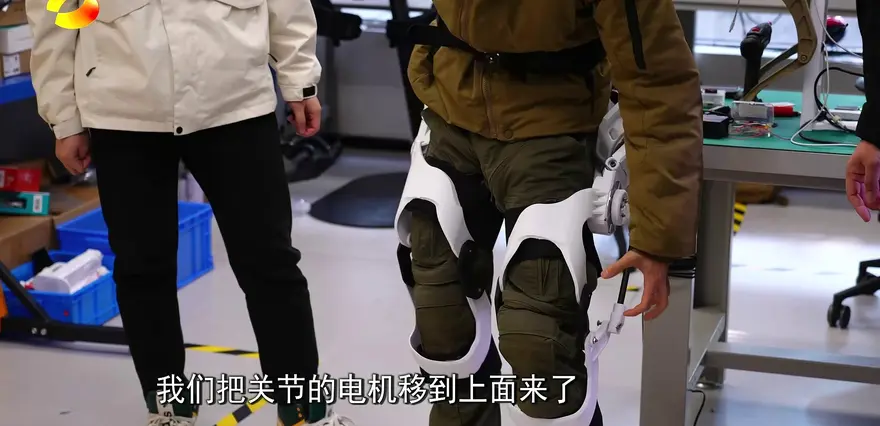
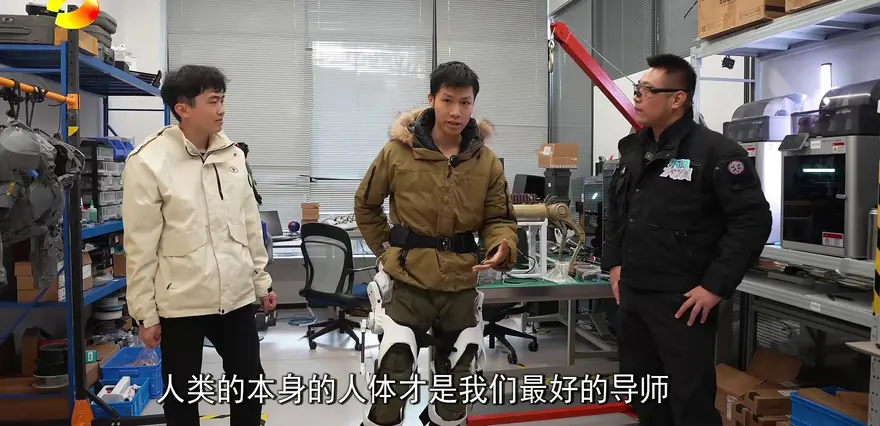
"We moved the joint's battery to this position—up above. Because we use a parallel four-bar linkage to drive the knee joint, once inertia rises, we can build a larger knee-joint battery. That boosts both torque and speed, and at the same time our degrees of freedom become very, very high."
By changing the transmission structure, they not only improved joint torque and operating speed, but also cleverly resolved, through mechanical design, the kinematic interference caused by the added weight. This exoskeleton robot truly ensures that it doesn’t interfere with the wearer’s everyday movements.
Humans Are the Best Mentor: The Magic of the Gait Rhythm and the Kalman Filter
The reason an exoskeleton can “understand” you relies not only on a few mechanical linkages, but also on extremely precise algorithms and in-depth calculations of the human gait.
“In developing such a human-machine fusion device, the human body itself is our best mentor. We believe that machines cannot replace humans, but they can certainly assist humans.”
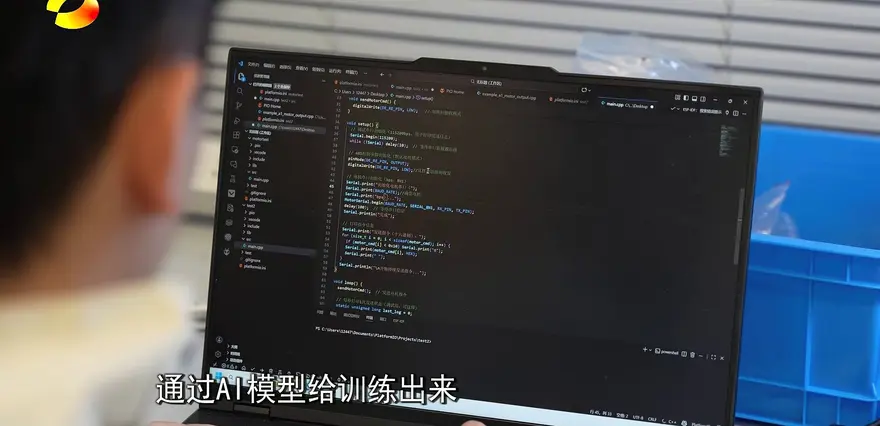
“A professional 100-metre sprinter possesses an optimal gait rhythm. Through co-simulation with the CMA Toolbox (Kalman filter), we compute this gait rhythm inside the computer, train it with an AI model, and then embed that AI model into the brain of the exoskeleton robot so it can predict our gait. In doing so, we can run just like a professional sprinter.”
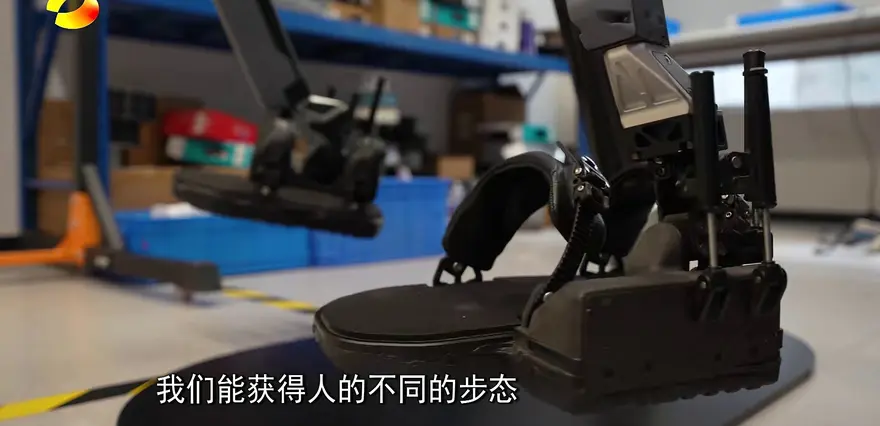
Huang Yanjun’s educational background plays a key role here. With embedded technology experience that began on the robotics competition circuit during high school, he combines kinematics solving, material structural strength theory (for example, employing finite-element analysis tools such as Abaqus), and modern control-matrix knowledge. By capturing human posture with sensors and then completing the kinematics equations through algorithms, this exoskeleton is even capable of reproducing the “optimal gait rhythm” of a professional athlete.
Lab Visit: The Raw Computing Power Behind Research-Grade Platforms
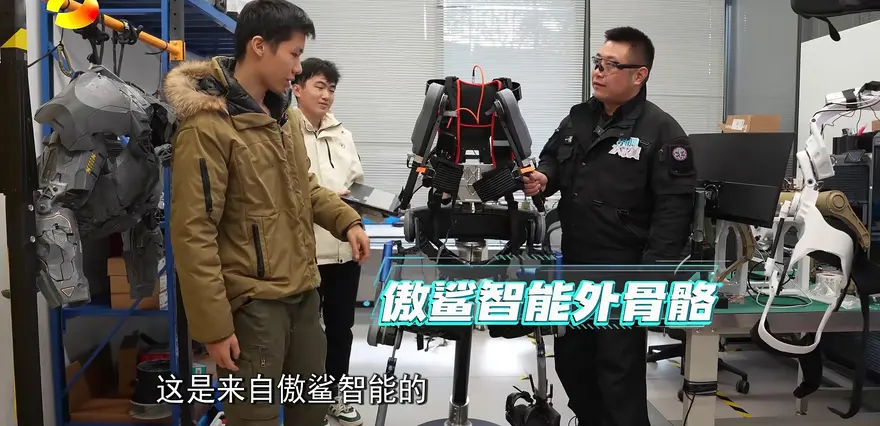
About halfway through the video, the camera pans to a hardcore setup used for research validation—a research-grade exoskeleton from AUSHA. If Huang Yanjun’s custom build is a "geek toy," then a platform like AUSHA’s offers an incredibly stable, full-featured hardware base and complete sensor suite.
At this point, hardcore viewers in the comment section often ask:
“Does your microcontroller unit (MCU) have enough computing power?”
This question cuts right to the core pain point of bringing a consumer-grade exoskeleton to market. High-level edge computing capabilities are essential for precise, real-time kinematics solving and gait prediction. Mature commercial exoskeleton brands like AUSHA have already accumulated vast experience across various scenarios, including industrial material handling, medical assist, and even hiking / trekking assist. Advanced models will often utilize a carbon fiber chassis to reduce weight, increase max payload, and deliver a battery life ranging from 2 to 6 hours (depending on the load and exact usage scenario).
By using the AUSHA system as a stable platform for his secondary exoskeleton algorithm development, Huang Yanjun shows off a true "standing on the shoulders of giants" geek move. This approach also allows us to glimpse the potential for cross-boundary synergy between young creators and established commercial brands.
The Young Scientists of the AI Era: Igniting Intrinsic Drive with AI
What strikes viewers most in this video is not only the cold mechanical structures themselves, but also Huang Yanjun’s grounded clarity in facing the title “Young Scientist.”
Many people feel that learning mechatronics and dynamic equations is dry and highly technical. But Huang Yanjun argues that when you’re just playing around, you naturally become aware of what you don’t know—and that sparks a powerful inner drive. In this era, AI has dramatically lowered the cost of trial and error for young people.
“Honestly, I’m just an ordinary person. Words like ‘science’ or even ‘learning’ can sometimes feel like constraints. It’s as if we have to ‘study hard’ just to understand something. But that’s not really how it works—we can absorb things naturally while we play.”
“AI has drastically reduced the trial and error for someone like me. I can filter the knowledge I need quickly and efficiently, boosting both my productivity and work output.”
In the AI era, people may worry: will rote memorization and endless problem drilling eventually be replaced by AI? Huang Yanjun offers a younger generation’s perspective: treat AI as a powerful tool to pursue the projects you genuinely care about. Human creativity remains the foundation of progress—AI doesn’t obsess over Iron Man; people do.
A Mirror on the Exoskeleton Industry: The Gap Between Consumer-Grade and Medical Rehabilitation
From an industry observer's perspective, the reflections this video brings us go far beyond individual inspiration. Watching Huang Yanjun's team transition from a mecha rig to an assistive exoskeleton, we cannot ignore the current commercialization landscape of the entire exoskeleton sector.
Currently, exoskeleton products on the market fall into several main camps: medical-grade rehabilitation exoskeletons, which are typically used for stroke patients, spinal cord injury patients, and post-operative recovery. These emphasize extreme safety, fall protection, and high-precision control, resulting in high costs and a relatively heavy weight. There are industrial-grade lumbar / back-assist exoskeletons, by brands like Aosaki and KengQing, which primarily target long-duration lifting operations in airports, logistics, and factories, delivering instantaneous assistive effects. There are also consumer-grade lower-limb exoskeletons launched by brands such as Toread and Haier, aiming to explore walking assist scenarios for the elderly and outdoor hiking scenarios.
Huang Yanjun's video illuminates an extreme pathway belonging to geek players or scientific research exploration: collecting data via high-level sensors (sensors, IMU / pressure sensors) on a universal, full-score platform. To achieve the perfect gait of "running like a professional athlete," the balance among joint torque, servo motor response speeds, and battery life remains the greatest challenge that consumer-grade exoskeletons must confront.

Passion Can Overcome All: From Studying in Wuhan to Independent R&D in Chongqing
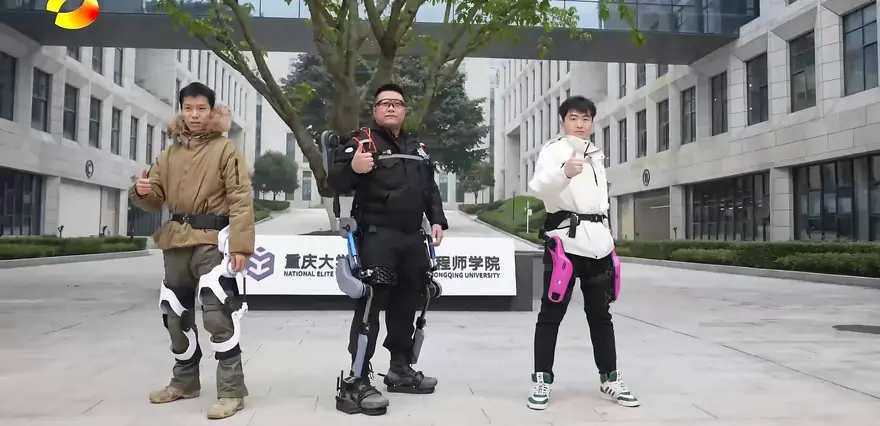
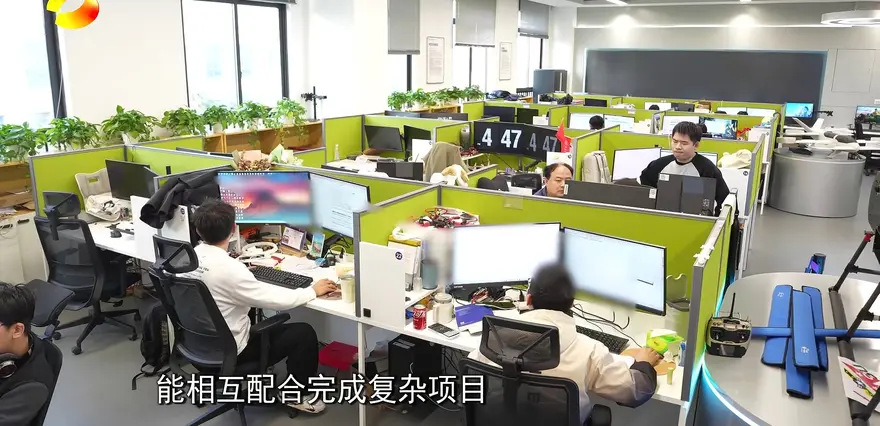
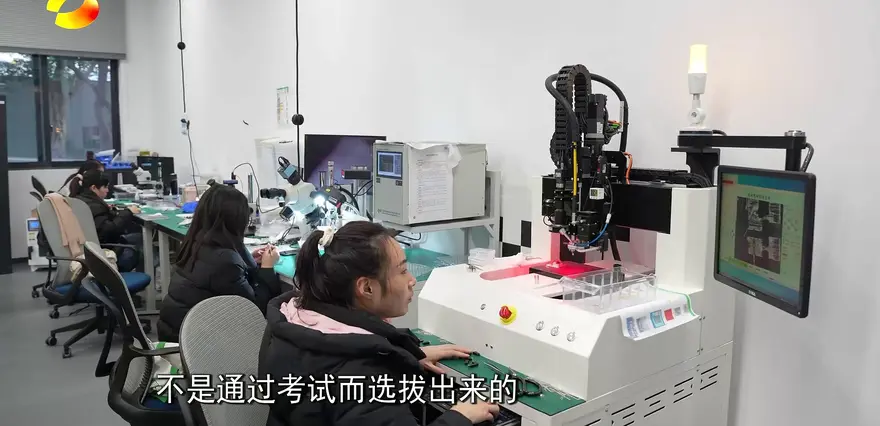
Looking back at this journey—from studying in Wuchang (Wuhan) to conducting independent R&D in Chongqing—Huang Yanjun and his partner embody a unique path of growth typical of young people in the AI era. They neither get lost in external praise nor fear the tediousness and trial-and-error inherent in bringing engineering to life.
At the end of the video, we witness the romanticism unique to young makers. Back at MIT, those around Tony Stark encouraged him to build his first robotic arm; similarly, at Chongqing's Excellence Engineer Academy, a group of like-minded young people ignited their intrinsic motivation with passion.
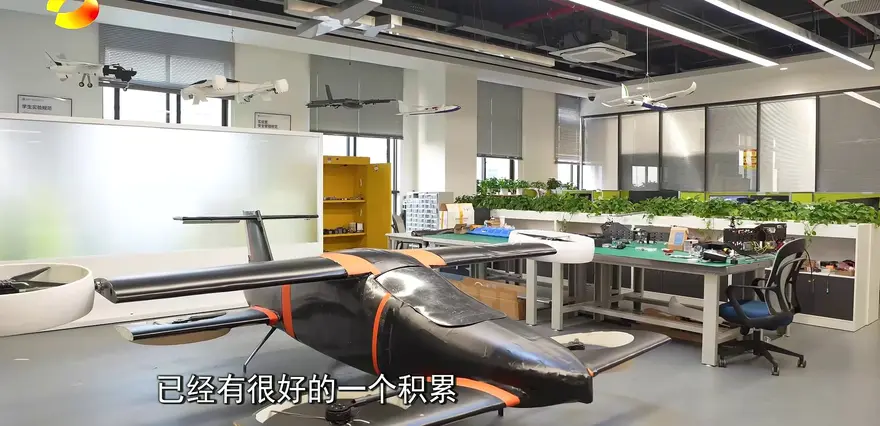
True education is never about instilling; it is about igniting. An exoskeleton is not merely a combination of steel and a motor—it is a hardcore interdisciplinary battleground spanning materials science, human ergonomics, control theory, and computer science. When a 21-year-old demonstrates the ability to synthesize these knowledge domains and build a working physical prototype, we have even more reason to believe that everyone has the chance to define their own "superhuman" life through passion and perseverance.
Closing Note: The Dream-Makers of the Technological Democratization Era
In this age, many once-esoteric technologies have come within reach thanks to open-sourcing. Whether it’s structural blueprints for exoskeletons or the latest AI models, these kits keep the threshold for dreaming low.
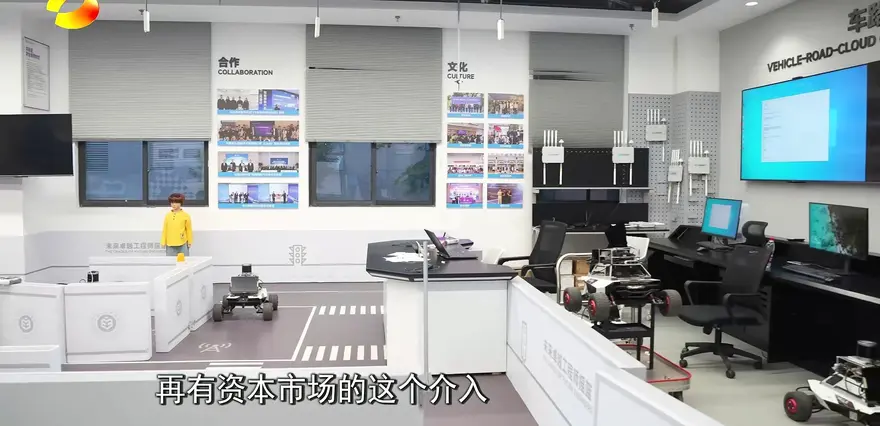
Huang Yanjun’s story reveals how ordinary people, fueled by a passionate heart, efficient tools, and an intrinsic thirst for knowledge, inject soul into a cold mechanical world. The widespread adoption of consumer-grade exoskeletons may still require crossing the chasm between mass production and cost. Still, in countless labs like the one at Chongqing University, the future has already arrives.
Top Community Comments
@Reader (2 likes): Langlang went to Aoshuang [doge]
Interpretation: Although this comment is brief and playful, it actually highlights the intense interest of hardcore viewers in the commercial industrial-grade exoskeleton platform (Aoshuang) featured in the video. It shows that geek enthusiasts have a strong awareness and curiosity toward cutting-edge industry equipment.
@Reader (2 likes): Langlang! [doge] @LanglangVauk
Interpretation: This comment reflects that the creator, "Langlang," has a loyal core fan base. The warm interaction between fans also indirectly demonstrates the video's spread, influence, and community stickiness within specific circles (such as the platform's hardcore tech section).
@Soundwave224 (0 likes): Front-row spectating [starry eyes]
Interpretation: It is a sincere praise from the audience for the creator's superb hands-on skills and geek spirit, reflecting that high-quality hardcore tech content holds strong appeal and excellent viewing effects for young audiences.
One-Sentence Summary
This is not only an introductory guide to exoskeletons, but also a journey of human-machine integration exploration designed for hardcore youth in the AI era, recommended for anyone who is interested in consumer-grade exoskeletons, mechanical structures, and cutting-edge AI education.
About this article: part of Chinese-Made Exoskeleton Review Archive — an independent, regularly updated English archive of reviews of consumer exoskeletons made in China, edited from publicly available video transcripts. Not an official manufacturer page.
For inquiries and purchasing, contact lonlonago@foxmail.com. More in Exoskeleton · All articles.