From Modeling Constraints to Gait Simulation: Breaking Down the Hardcore Kinematics Behind Exoskeleton Development — How Do Your Robotic Legs Learn to Walk?
In recent years, as robotics technology has become more accessible, the exoskeleton—once exclusively confined to medical rehabilitation wards or heavy industrial workshops—has begun to enter the public eye in the form of a consumer-grade exoskeleton. From Toeroick's (TOREAD) attempts in outdoor scenarios, to the growing efforts of domestic manufacturers such as Aosaki (Aoshark), Haier (Haier), Chengtian (Chengtian), Kinqc (Kenqing), and Yuanye (Yuanye), and further to the explorations of overseas geek teams like Hypershell and Dnsys, the consumer-grade track is becoming increasingly crowded. When it comes to products of this kind, what users care about most is often the assistive effect, yet the hardcore kinematic development behind the scenes is rarely mentioned.
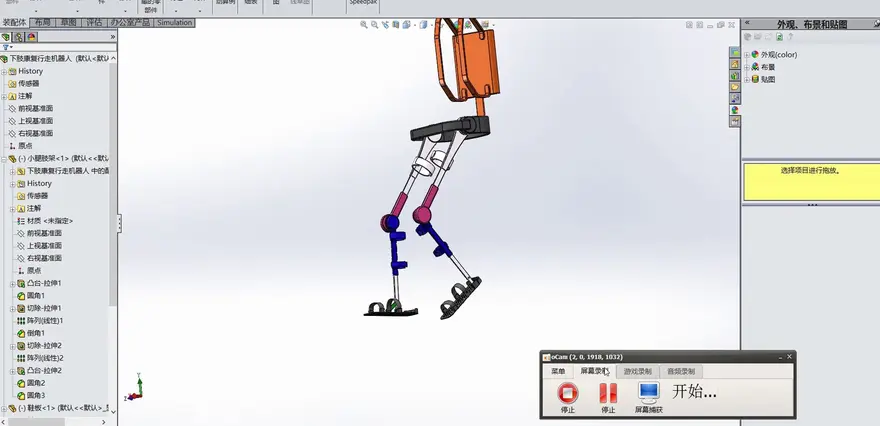
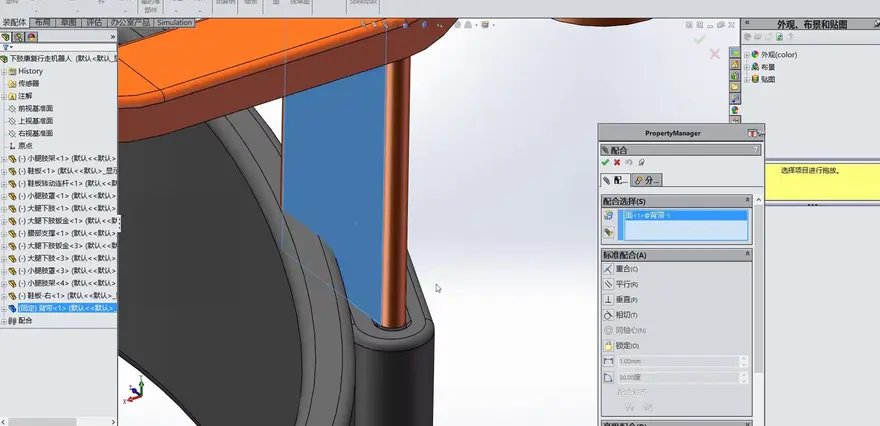
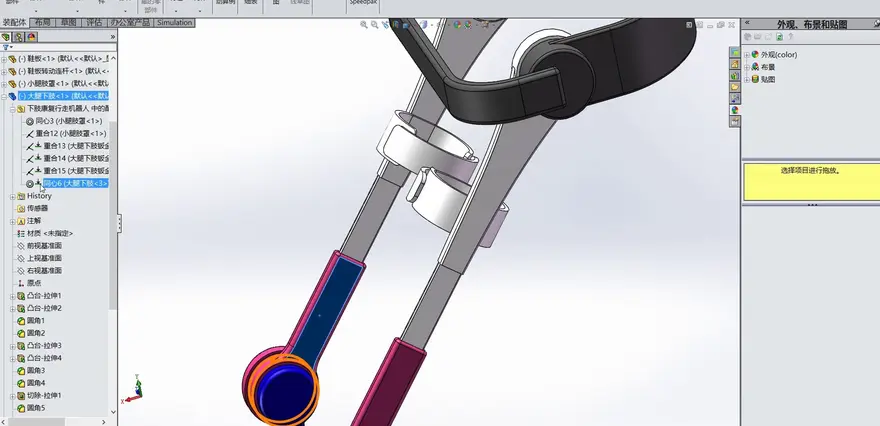
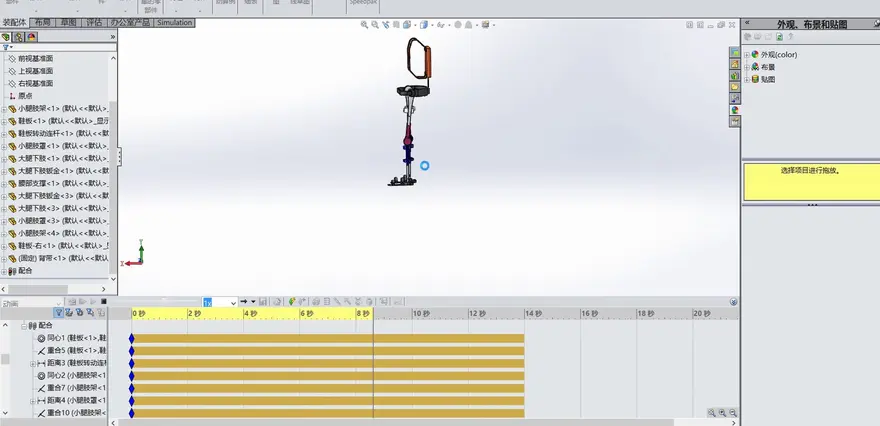
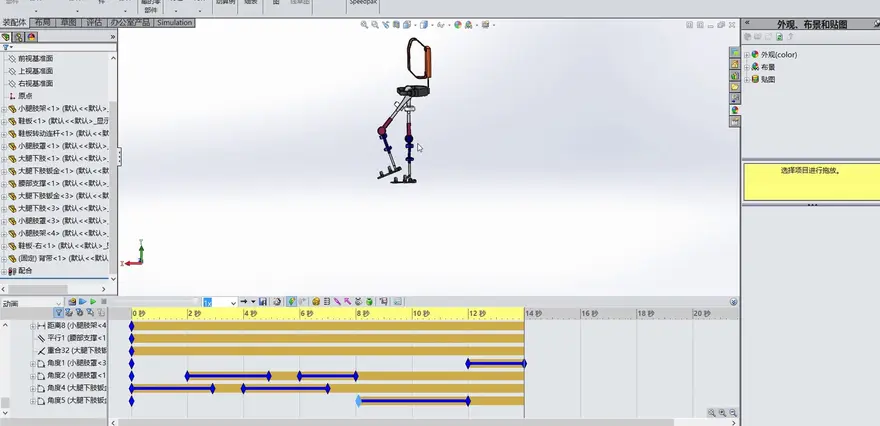
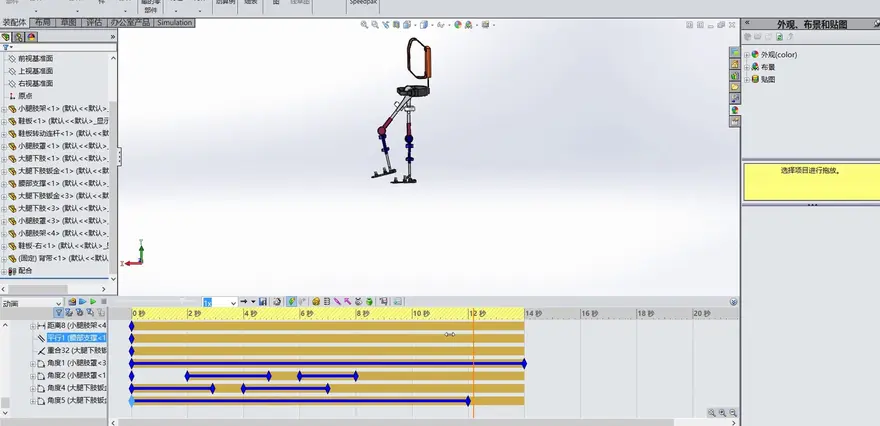
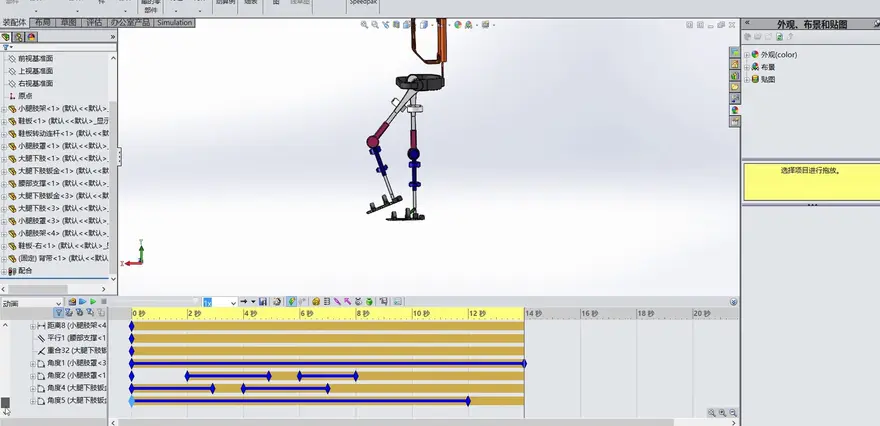
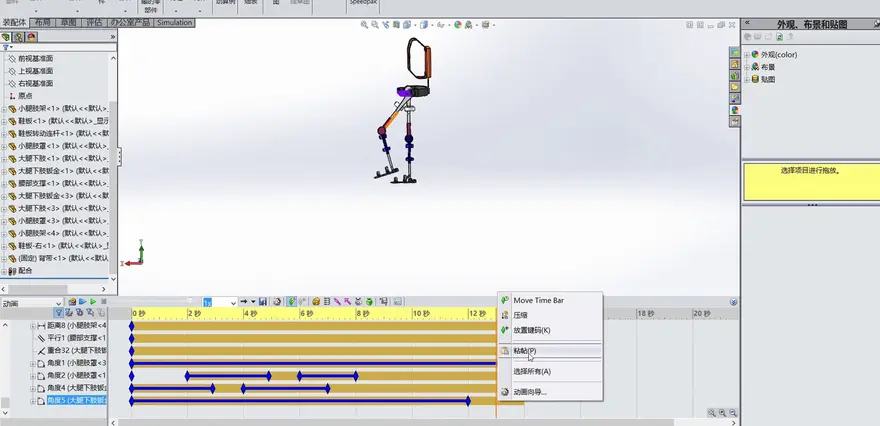
In the latest episode of a hardcore geek development video, the creator did not spend time piling up flashy hardware parameters such as carbon fiber, servo motors, battery life, or max payload. Instead, they jumped straight into 3D modeling software and, starting from the underlying assembly relationships, walked us through the process of building a realistic gait (motion simulation) from scratch, peeling back the layers step by step. While many viewers might find this dry, this time we will provide an accessible yet in-depth breakdown using both illustrations and text.
I. The Exoskeleton Boom: The Surging Consumer-Grade Assistive Ecosystem
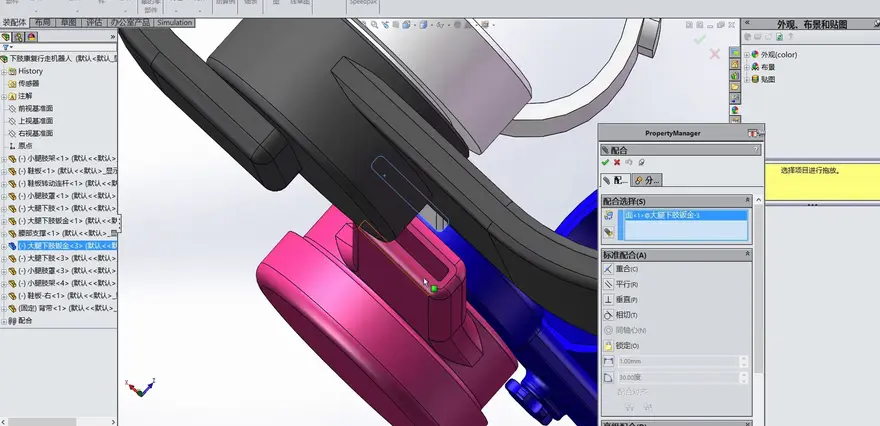
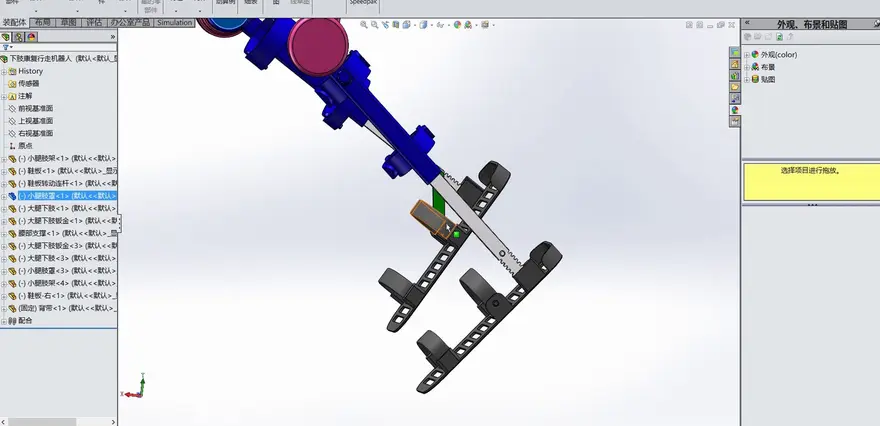
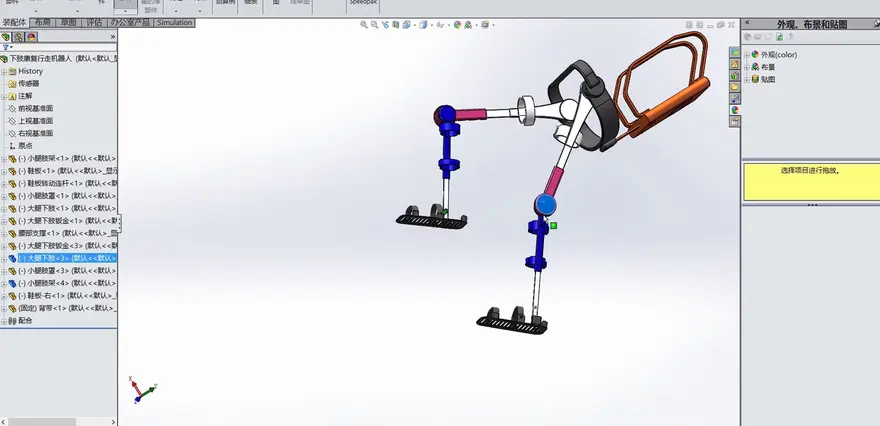
II. The Magic of CAD Modeling: Hardcore Polishing Starting from Assembly Relationships
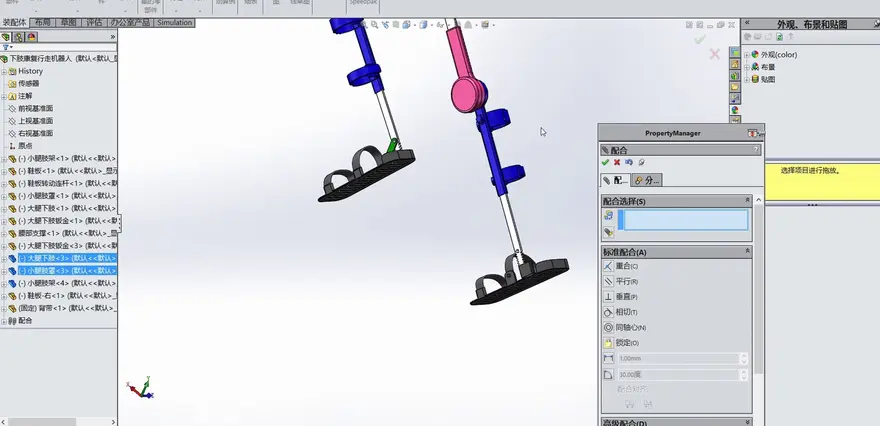
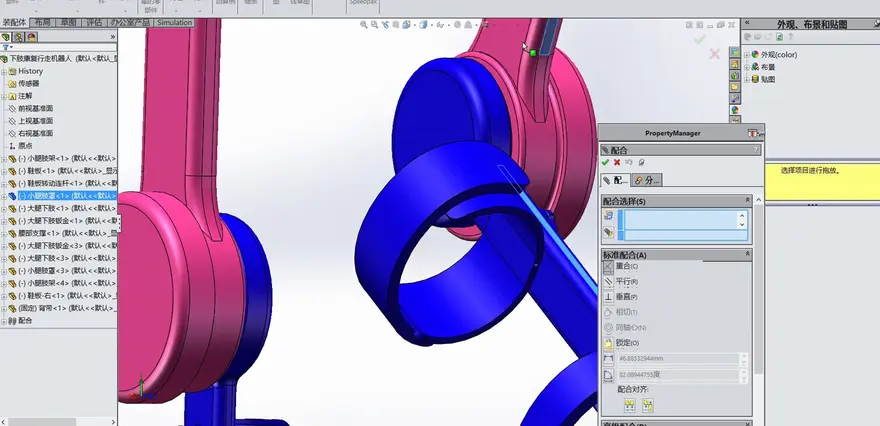
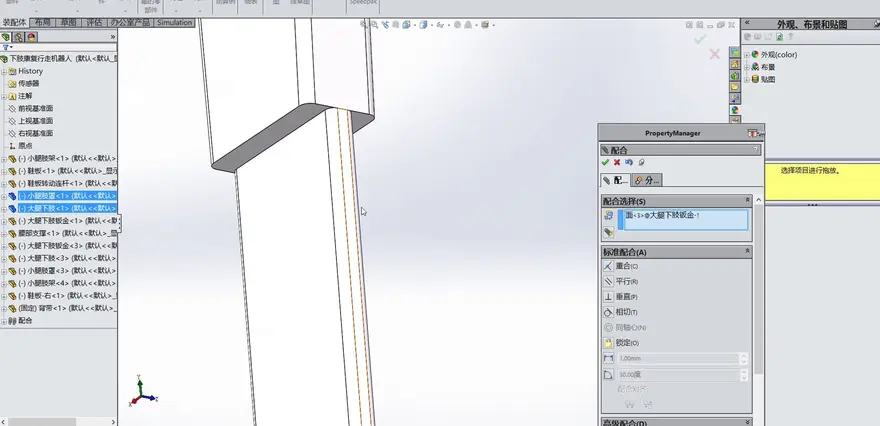
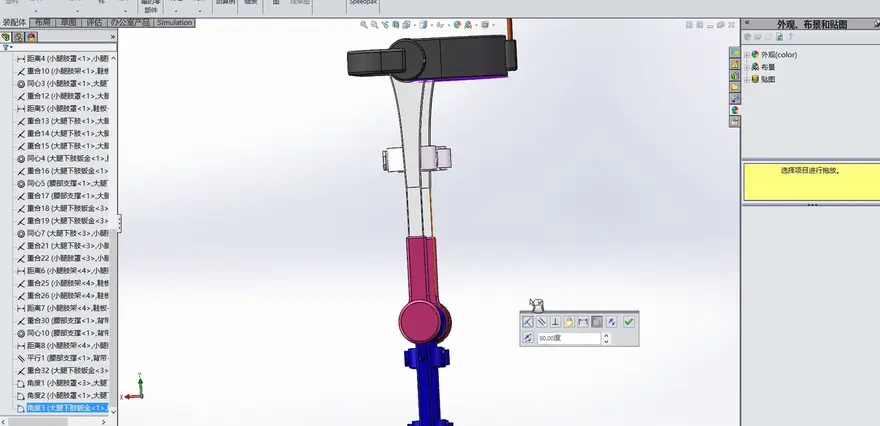
III. Degrees of Freedom and the Ideal State: Seeking High Flexibility and Precise Constraints
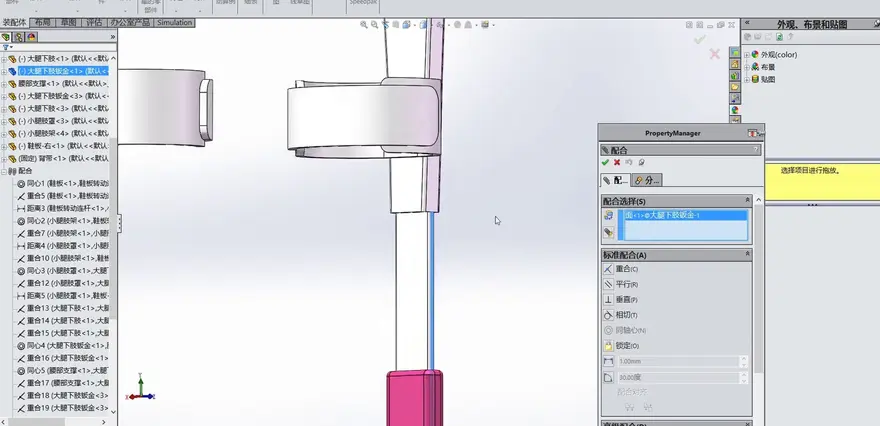
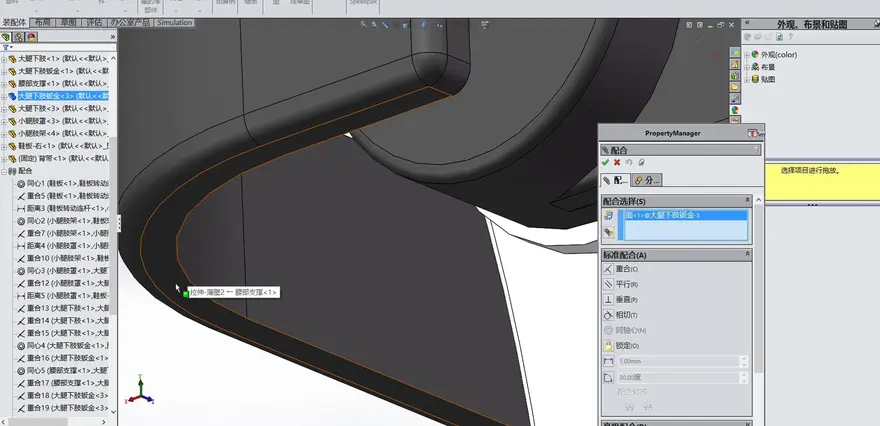
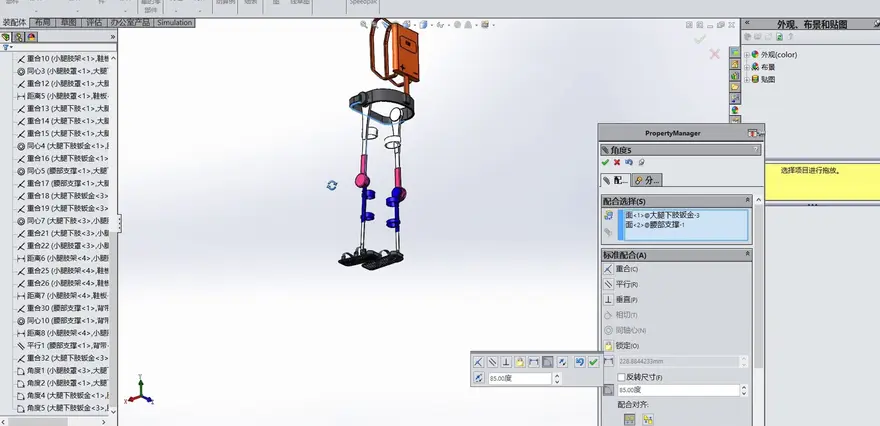
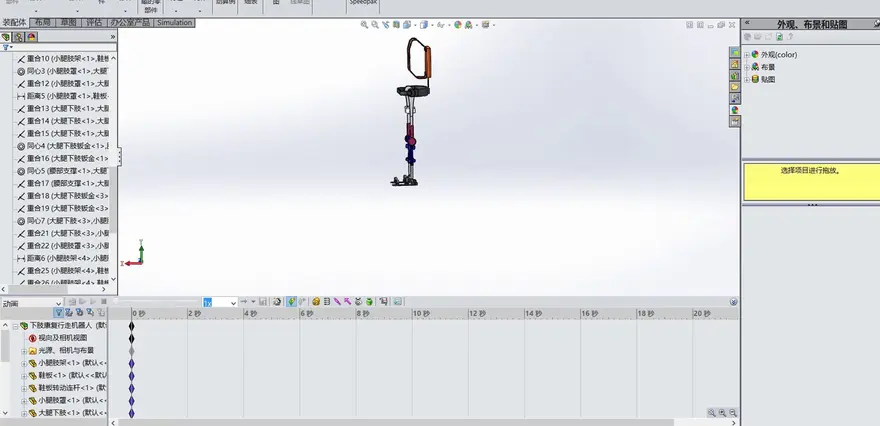
IV. Kicking Off Motion Simulation: Testing the Exoskeleton Gait by "Taking a Step with the Left Foot"
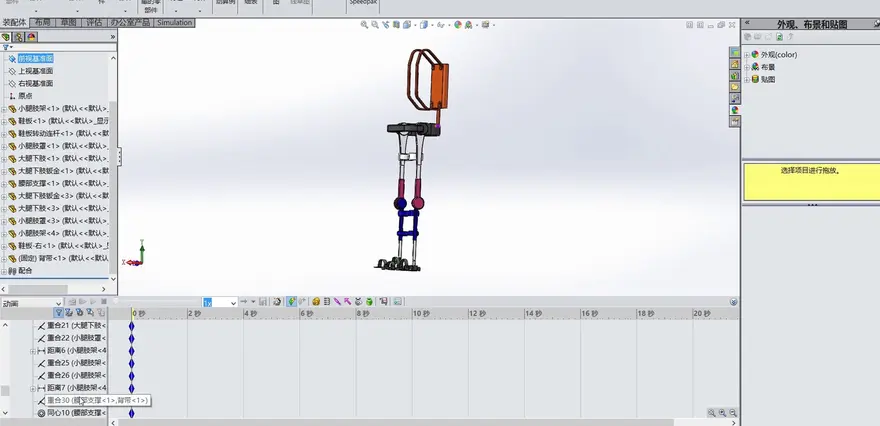
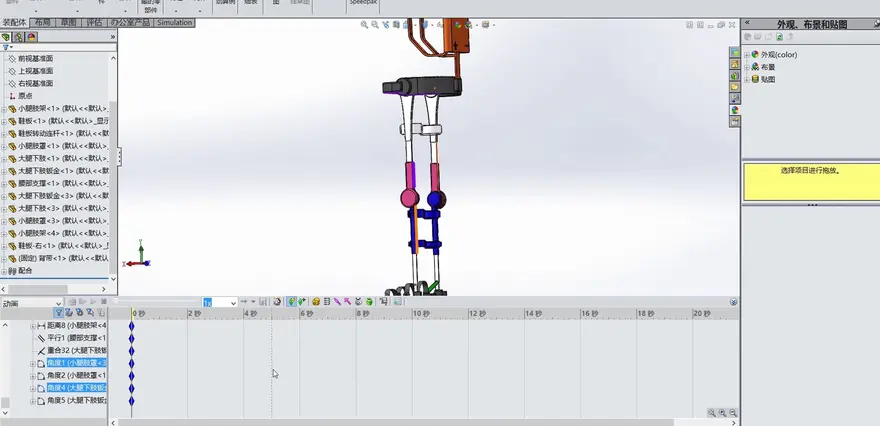
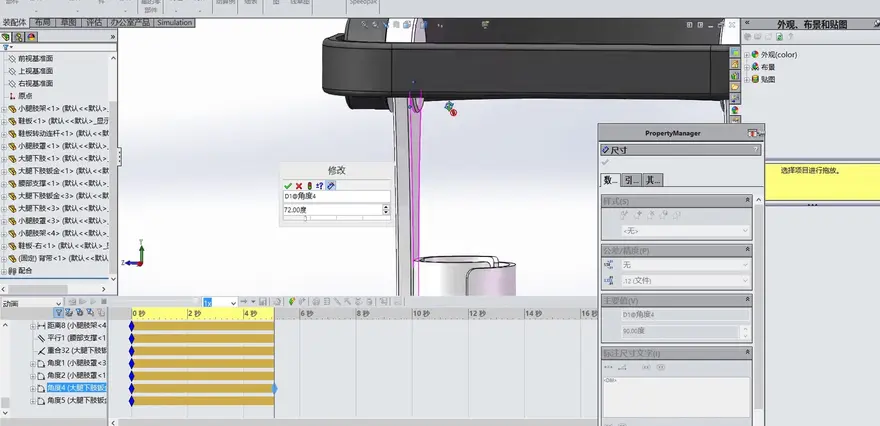
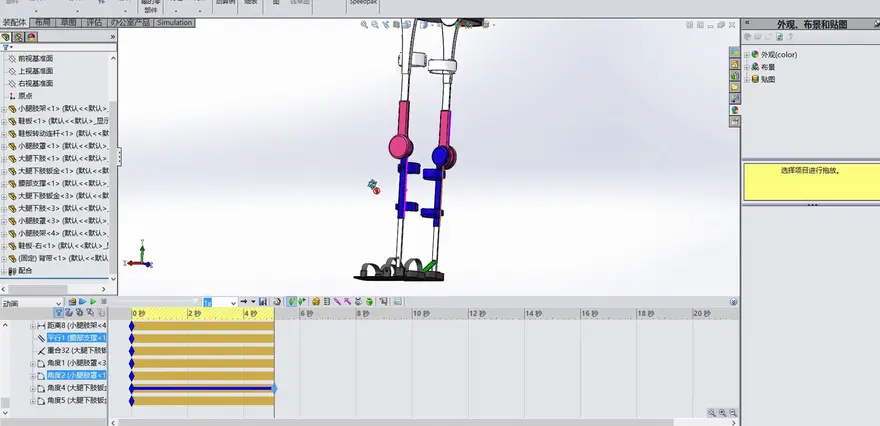
V. Keyframe Placement: Fine-Tuning Details of the Stride Length and Foot Posture
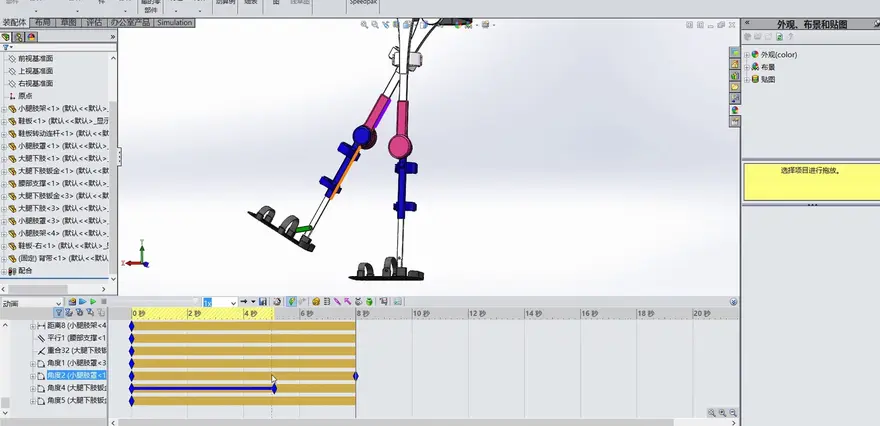
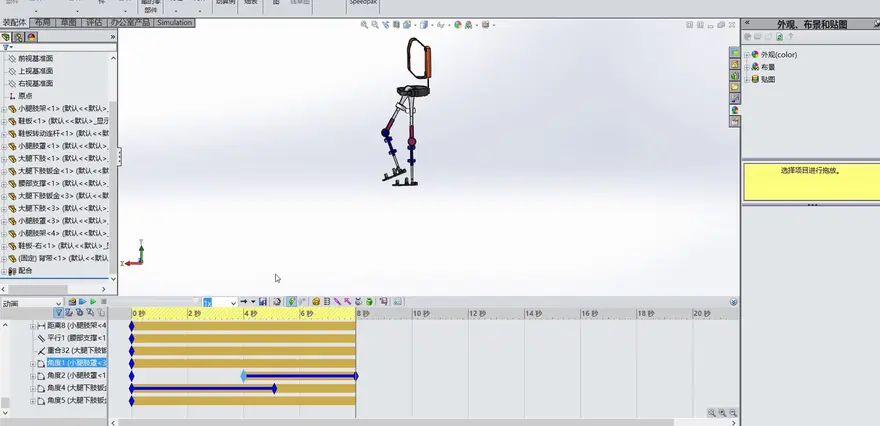
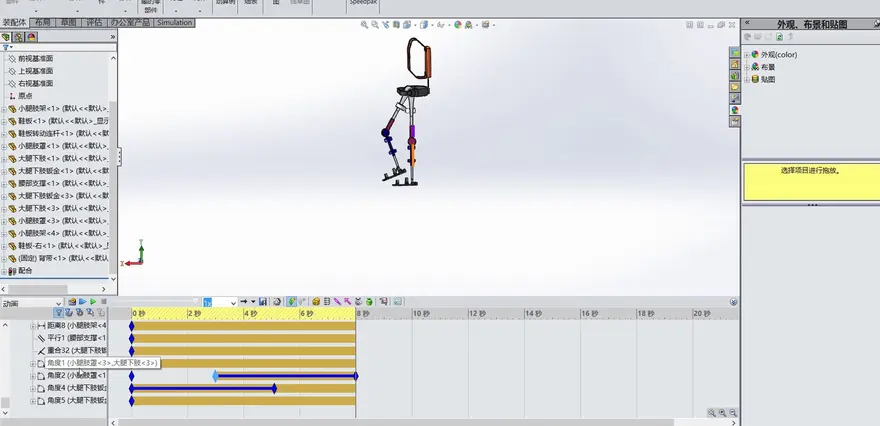
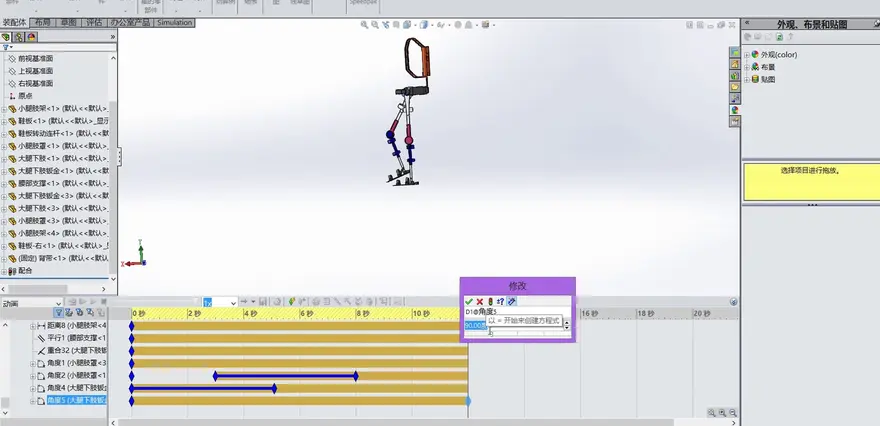
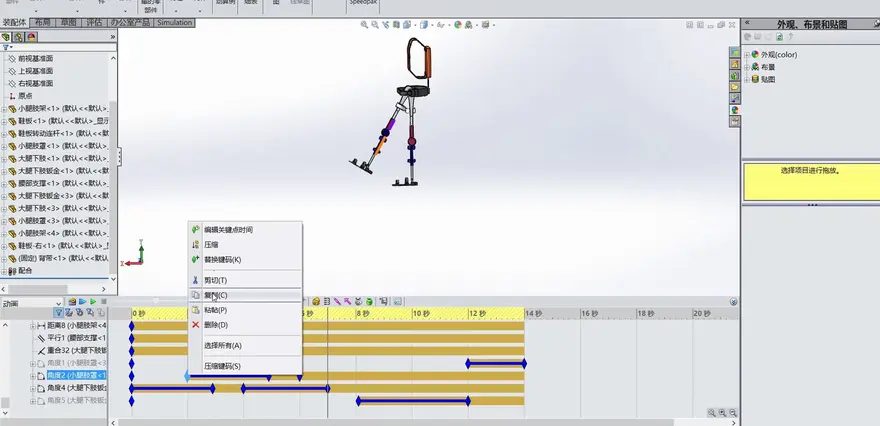
VI. Mirroring the Left and Right Cycles: Recreating the Realistic Gait Loop Visible to the Naked Eye
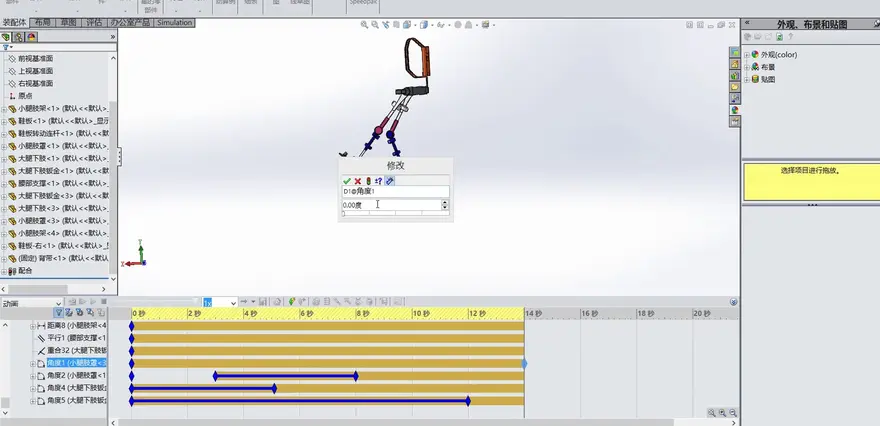
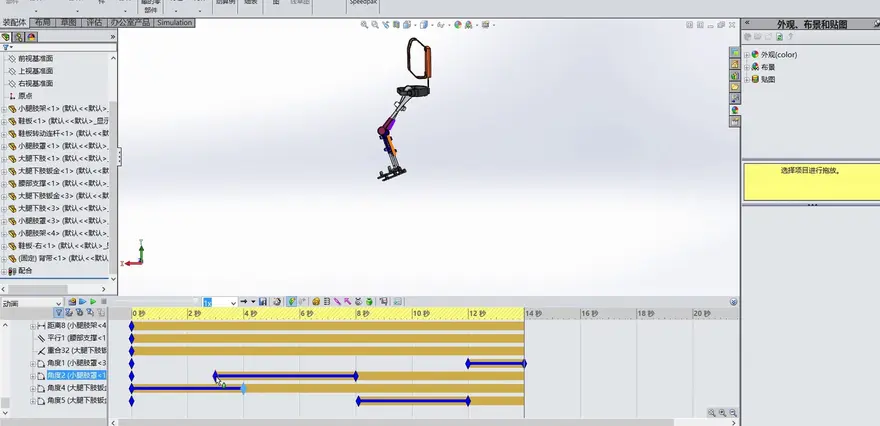
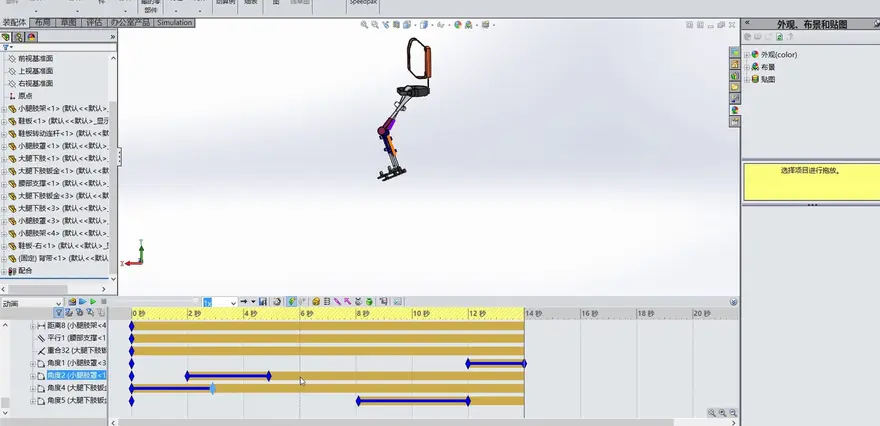
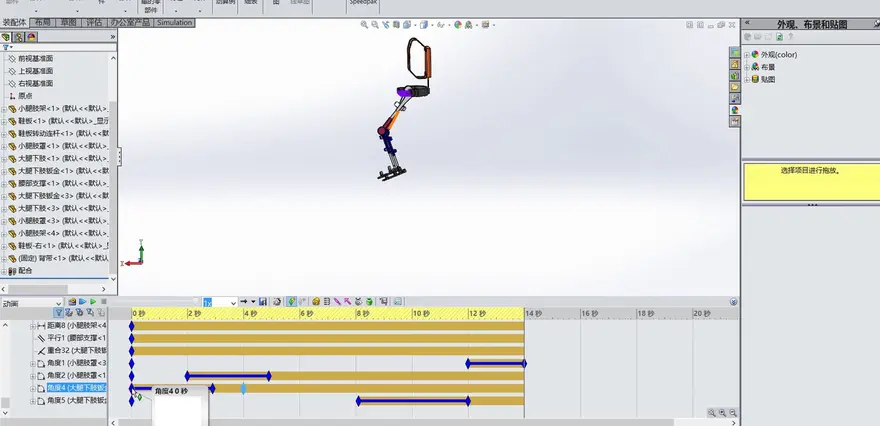
VII. Animation Playback and Fine-Tuning: Compromising and Optimizing Speed
About this article: part of Chinese-Made Exoskeleton Review Archive — an independent, regularly updated English archive of reviews of consumer exoskeletons made in China, edited from publicly available video transcripts. Not an official manufacturer page.
For inquiries and purchasing, contact lonlonago@foxmail.com. More in Exoskeleton · All articles.