Is a 2,100-RMB domestic exoskeleton worth it? EVS hip assist vs. the "Brand T" — and the accessory drought facing consumer-grade exoskeletons
Over the past two years, with brands like Hypershell and Dnsys frequently going viral on overseas crowdfunding platforms, the "consumer-grade exoskeleton" has gradually moved from geek toys into the mainstream spotlight. Back in the domestic market, manufacturers represented by TOREAD and Aoshark have also begun making moves in this arena. However, a frustrating reality is that consumers actually willing to pay real money for a consumer-grade assistive / walking-assist exoskeleton often find themselves in a predicament where after-sales support is virtually non-existent, and replacement parts are harder to find than the device itself.
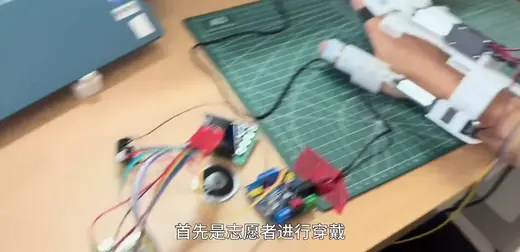
In this teardown episode, we will draw upon an honest, real-world installation and testing video from the platform (the well-known Chinese video platform) to center our analysis on a domestic EVS walking-assist / hip-assist exoskeleton, placing it side-by-side in a deep, layer-by-layer hardware comparison with a budget-friendly model jokingly referred to by industry insiders as "Brand T". From structural materials, padding texture, and fall protection mechanisms, to the supply chain issues for accessories that have been "structurally ignored," we cover it all. No spec-sheet PPT reading here—we are focusing strictly on real-world hands-on experience.
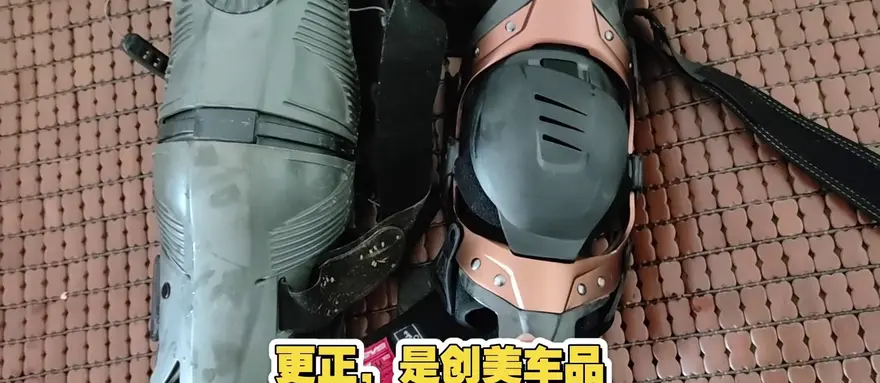
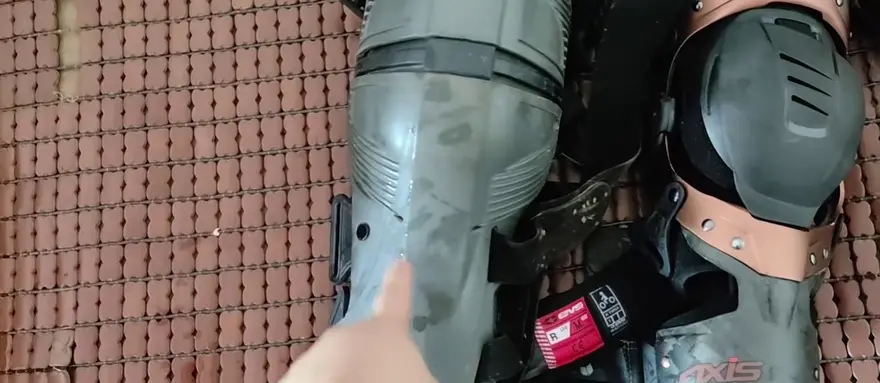
Pricing & Purchase Channels: Snatching Deals at the Tail End of the Double 11 Sale, and the Diverging Paths of Two Brands
When doing a direct bone-to-bone price comparison, the price gap between the two hits a staggering multiple.
EVS: Purchased during the tail end of last year's Double 11 sale, final out-of-pocket cost was 2,100 RMB (approx. $300) (as mentioned in the video).
Brand T: Marketed at the time for volume sales, purchased for 900 RMB (approx. $125) (as mentioned in the video).
The EVS hip assist / walking assist unit had already been in use for over two or nearly three years at the time of purchase, yet its physical condition remained incredibly robust; Brand T, on the other hand, was a contemporary product acquired during the same period two years ago. Regarding the purchase channel for the EVS, the content creator showed the transaction records. The shop participating in the promotion belonged to a veteran merchant in the off-road gear circle, previously known as 'Lyudao Off-Road', and has now been renamed to 'Yueqi Off-Road'. Historically, the EVS was priced in the 3,000 to 4,000 RMB tier, making snapping one up for just over 2,000 RMB an exceptionally high value proposition back in the day. Meanwhile, Brand T has always hovered across major platforms with a low-end, 'junk-tier gimmick' positioning.
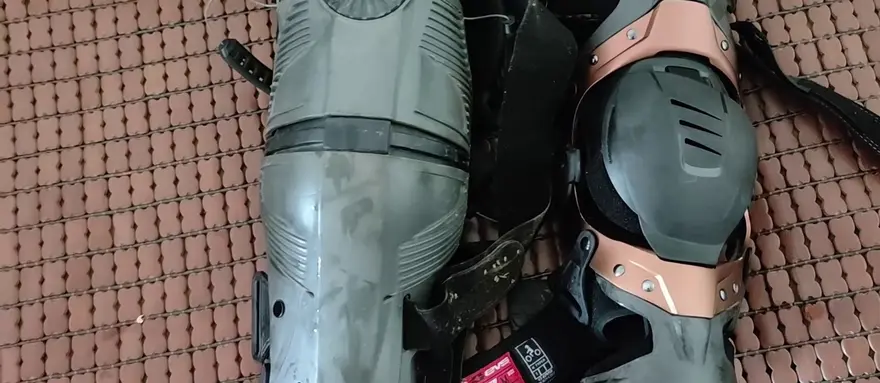
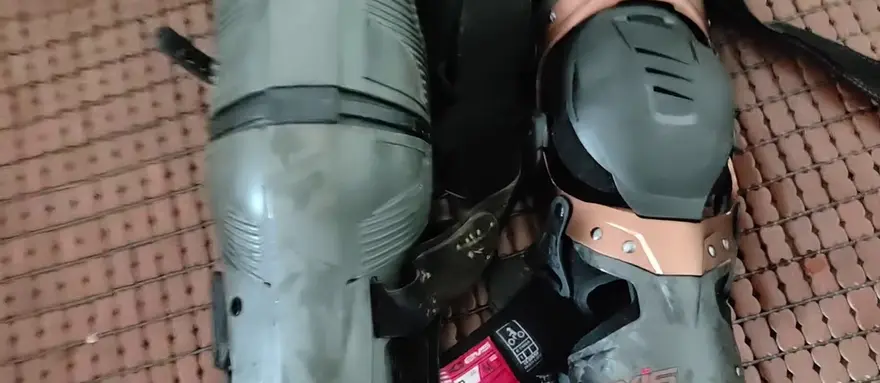
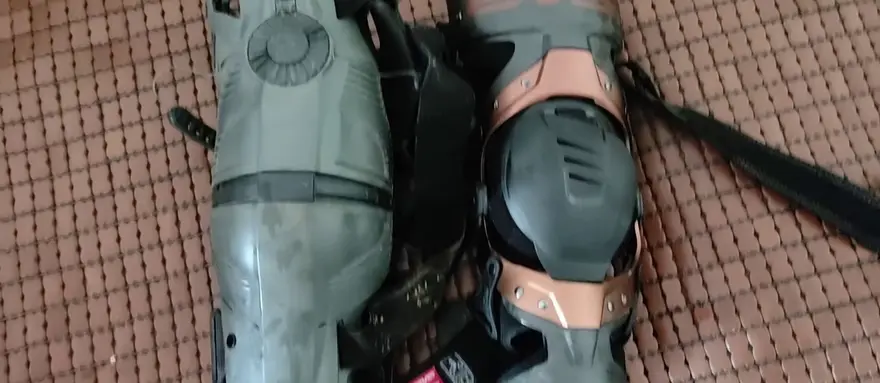
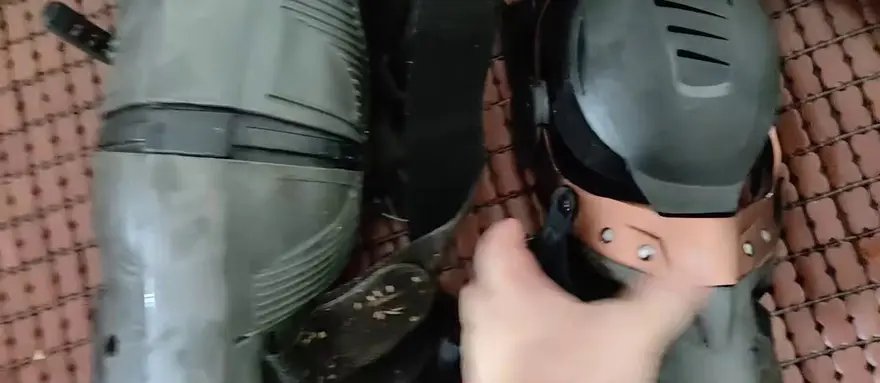
One major point of caution: the high-end EVS model featured here is now basically out of stock across official channels. Currently, shops like Yueqi Off-Road are selling a lower-tier version that features an identical structure but is downgraded to composite materials for the frame (yet the price is still maintained at the 2,000+ RMB mark). On the other hand, products in the 900 RMB tier like Brand T are mostly clearance stock—idle remainder goods from back in the day.
Anatomy of Structure and Materials: The Structural Battle of the Exoskeletons
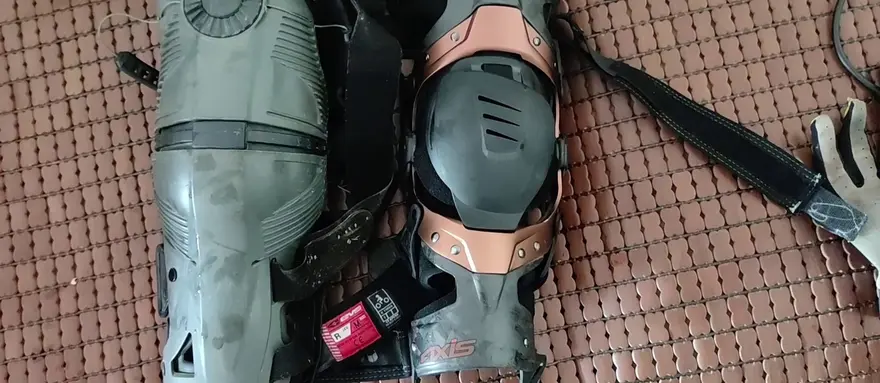
Looking at the overall exterior dimensions, the shin shells of Brand T appear longer and wider, visually giving off a bulkier impression; EVS, on the other hand, appears much more compact, perfectly contouring to the outer profile of the thighs. Regarding weight perception, EVS is noticeably much lighter than Brand T (as mentioned in the video). Tearing down the device reveals that the root cause of this weight difference lies entirely in the materials of the mechanical support arms on both sides.
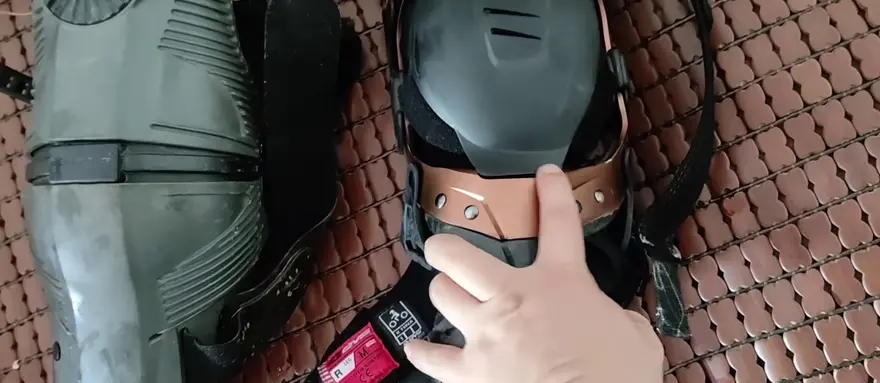
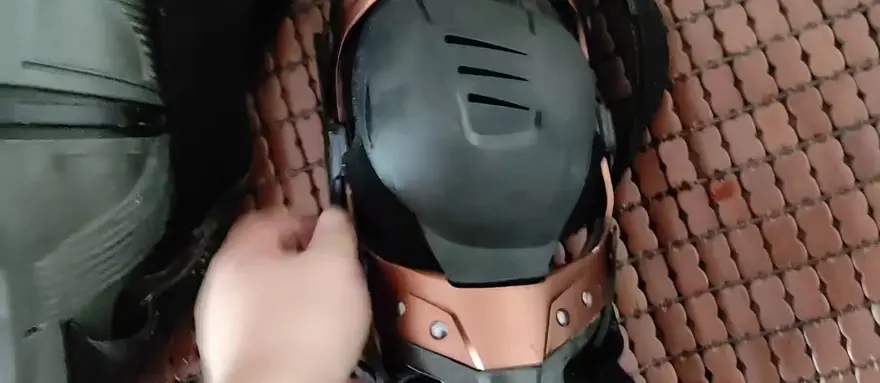
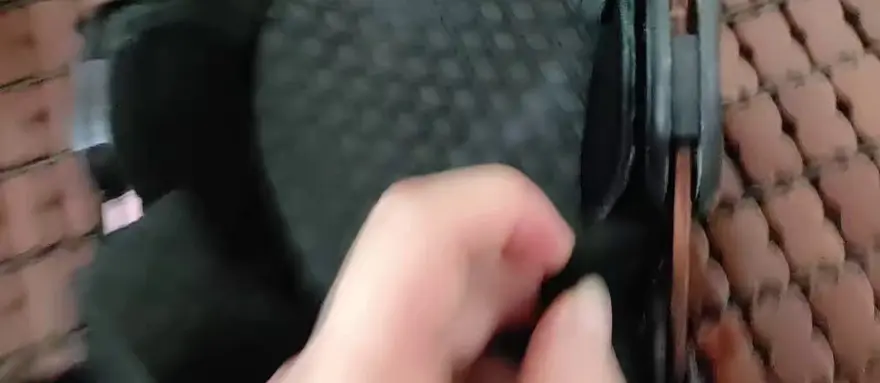
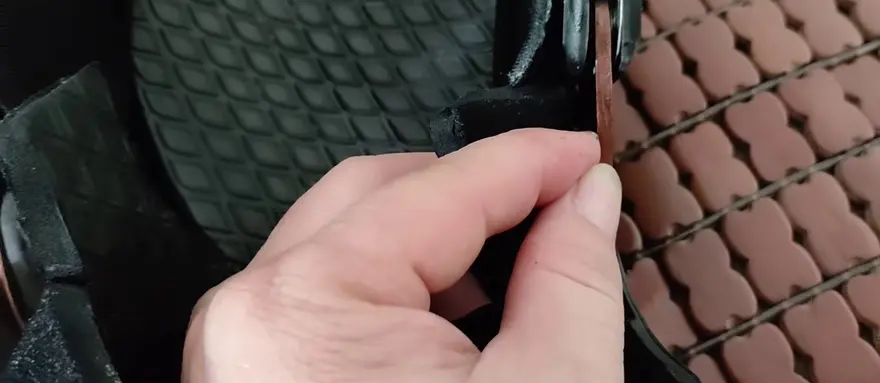
EVS’s support structure utilizes a hybrid bonding approach combining carbon fiber and aluminum alloy, where the carbon fiber component takes on the primary high-strength structural support; whereas Brand T relies entirely on an all-aluminum alloy frame.
EVS aluminum alloy thickness: tested to be at least 3mm4mm, featuring incredibly solid build quality (mentioned in the video).
The content creator used calipers during the teardown to measure the structural part thickness, finding the aluminum alloy sections to be at least 3mm4mm thick. This material difference directly dictates the fatigue level during long-duration load-bearing treks: carbon fiber is no longer just a mere decoration but a true load-bearing beam. This is what elevates the overall rigidity of this lower-limb exoskeleton during high-intensity hiking / trekking assist, setting it drastically above traditional hard plastic bracers.
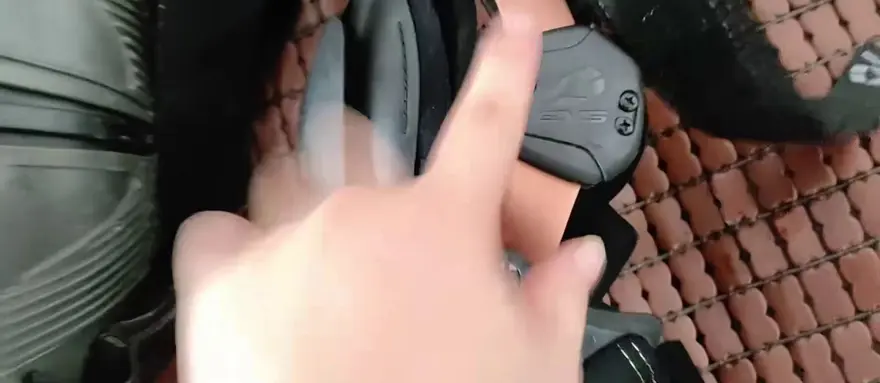
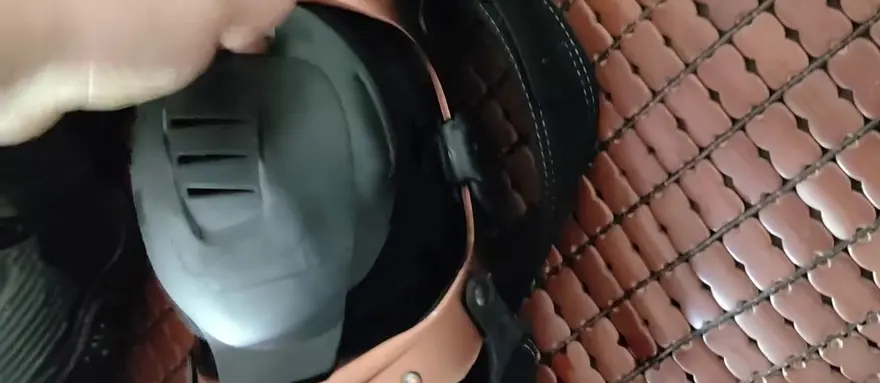
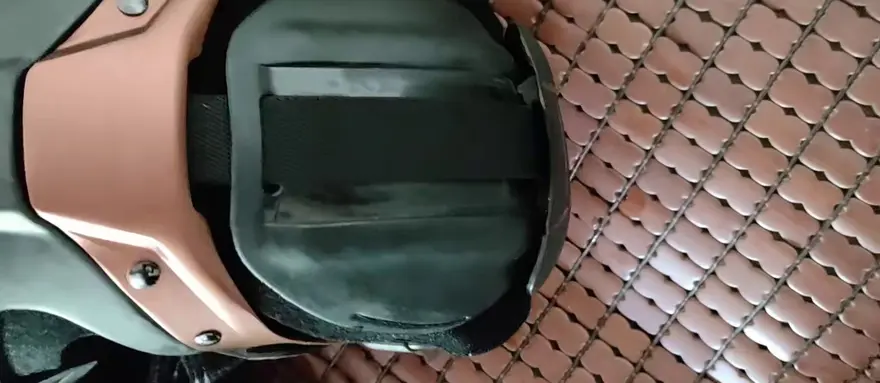
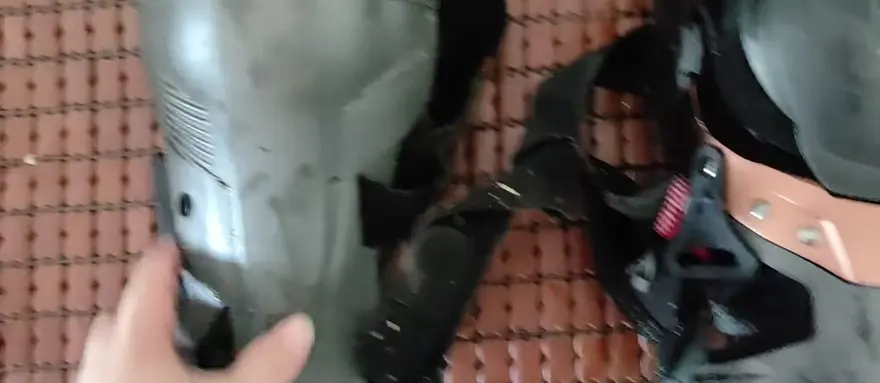
EVS's mechanical structure brings to mind the classic Pod model from three years ago, employing a symmetrical design with two separated carbon fiber pieces on the left and right. Paired with an aluminum alloy skeleton, this layout ensures a much smoother distribution of force when transmitting joint torque to the thighs, eliminating the dizzying sense of deformation caused by cheap brackets.
Critical Design Flaw: Sensor Mounting Arm Detachment and the "Accessories Shortage"
If the biggest failure of the "T brand" exoskeleton in structural design—and the most unbearable issue for the reviewer—is the problem of detachment at the mechanical arm support areas on both sides. After long-term use, the mounting brackets for the sensors on both sides exhibited severe cracking and detachment. This caused the walking assist exoskeleton, which once boasted of making users stride like flying, to deteriorate into a loose, crippled, and useless brace.
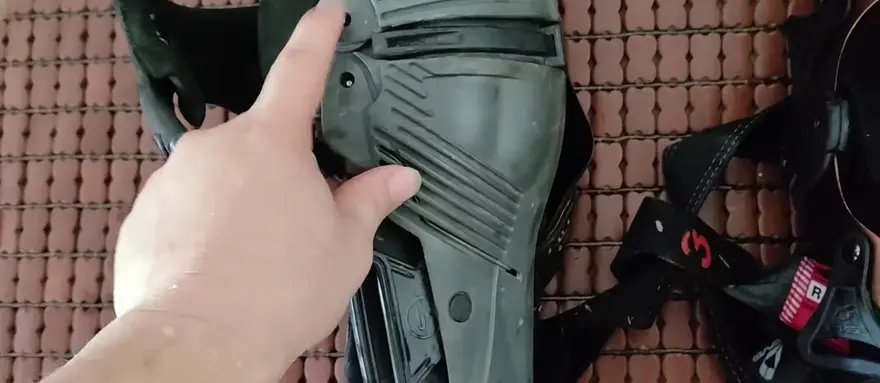
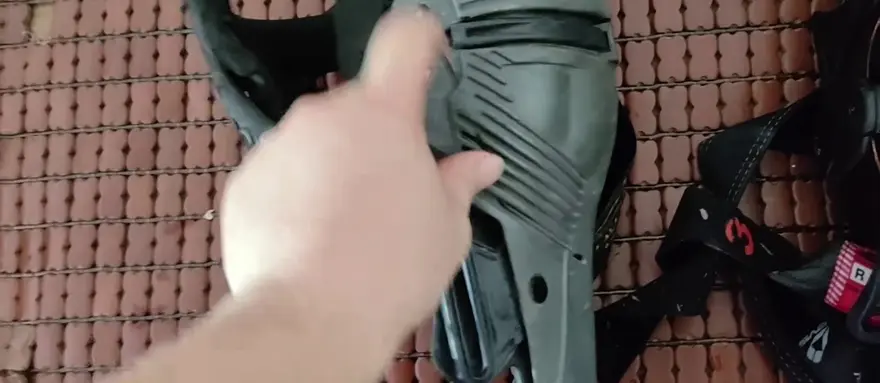
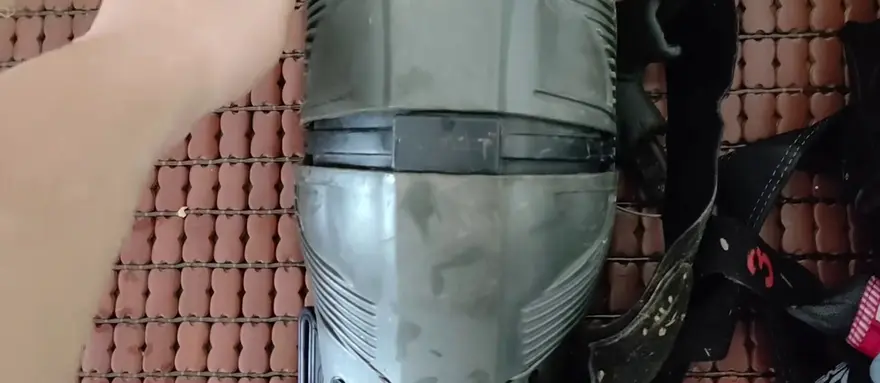
What is even more infuriating is the "parts shortage." In order to repair this fracture point, the reviewer contacted every seller across the web who sells "T brand mechanical legs" to ask for spacers (both finger pads and foot pads), but failed to find the corresponding independent replacement parts.
"The two joint mounting brackets are the most critical parts of the mechanical leg. Once they detach, the entire machine's force line transmission collapses completely, and to top it off, replacement parts are simply unavailable." (Mentioned in the video)
The core value of a consumer-grade exoskeleton lies in its reliability as a ready-to-wear device. Once the mechanical load-bearing structure breaks, a wearable robot that should offer assistance not only fails to save the day, but instead turns into a negative asset that could trip the wearer at any moment.
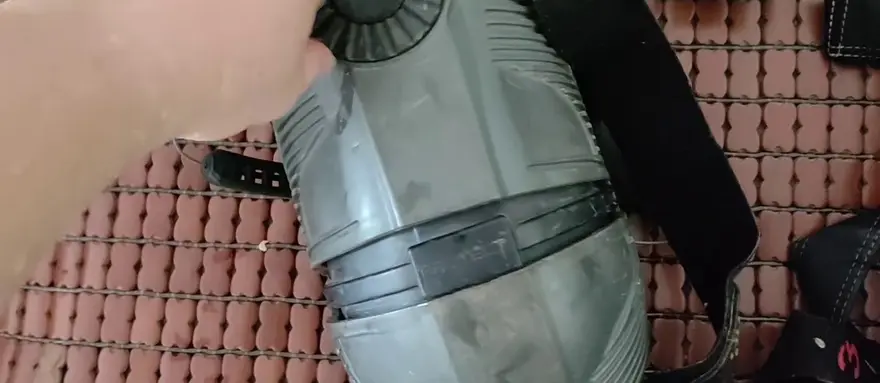
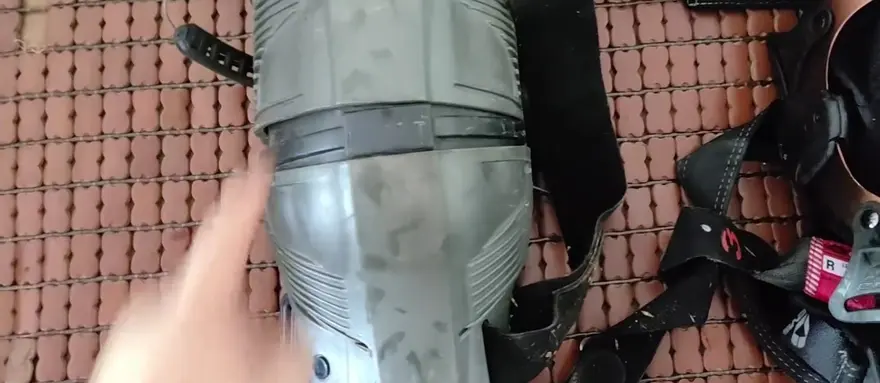
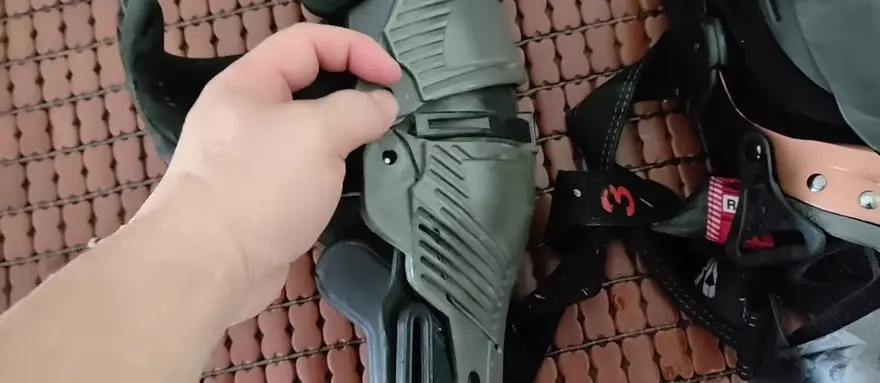
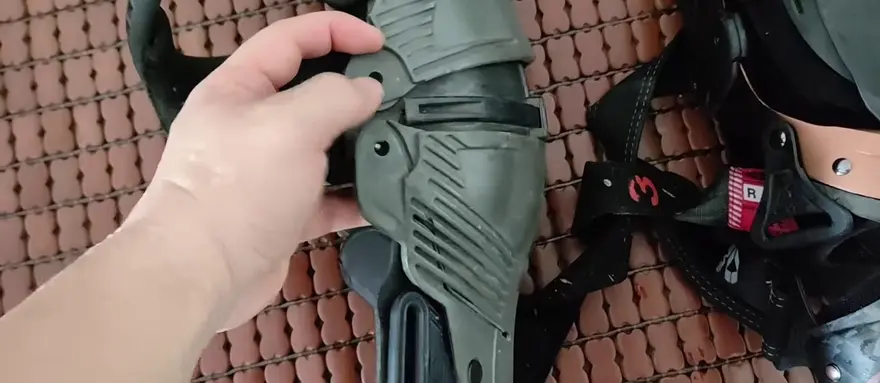
By contrast, EVS's modular design provides a complete after-sales maintenance loop. Under long-term high-pressure testing, none of its latches or load-bearing frames exhibited any deviation in movement.
Fit and Adjustment Experience: Anti-Slip Silicone, Thick Sponge, and Sound Ergonomics
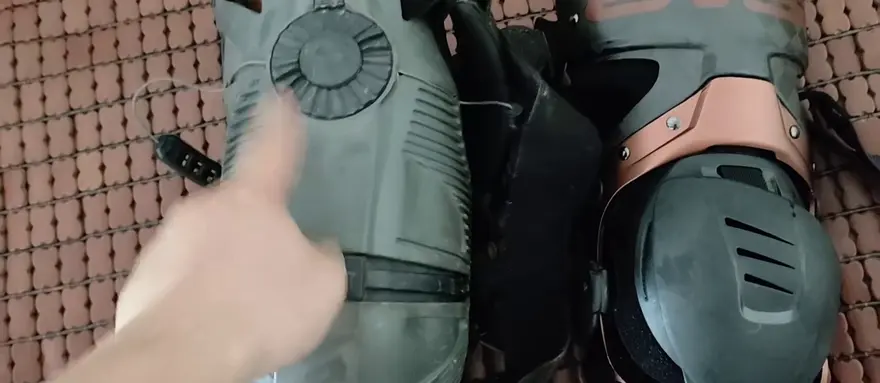
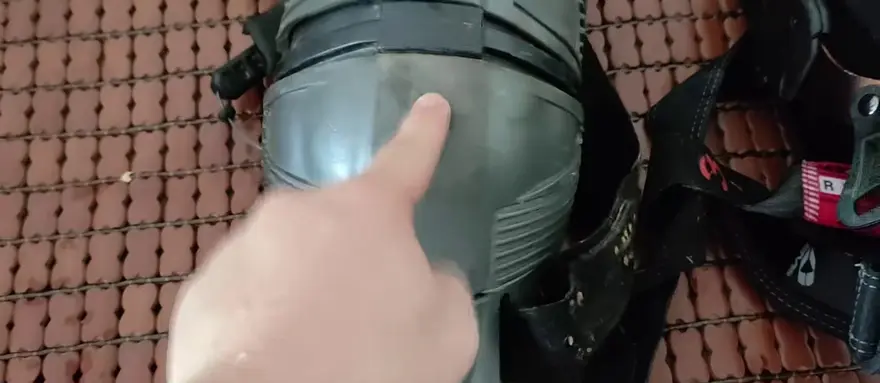
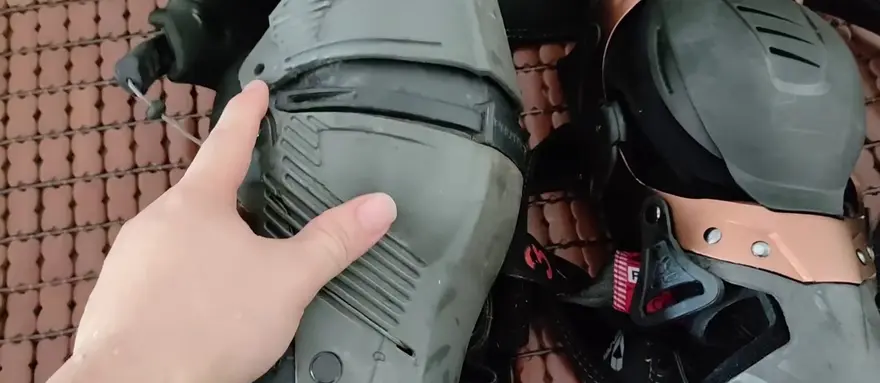
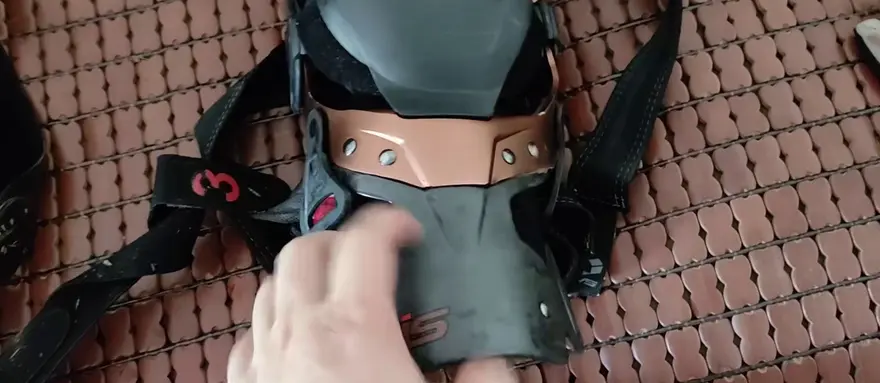
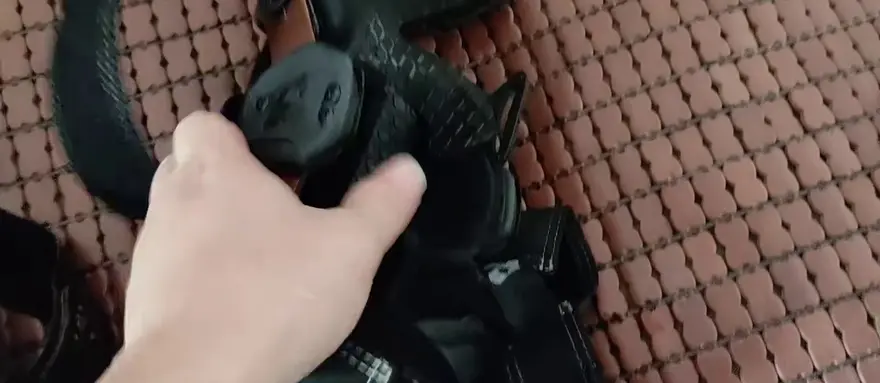
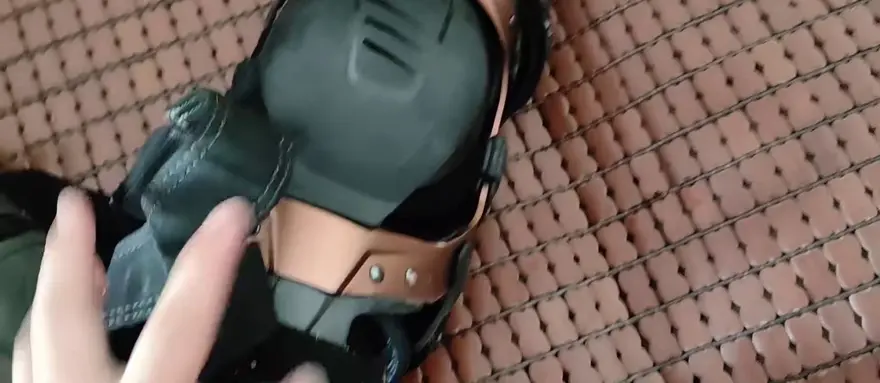
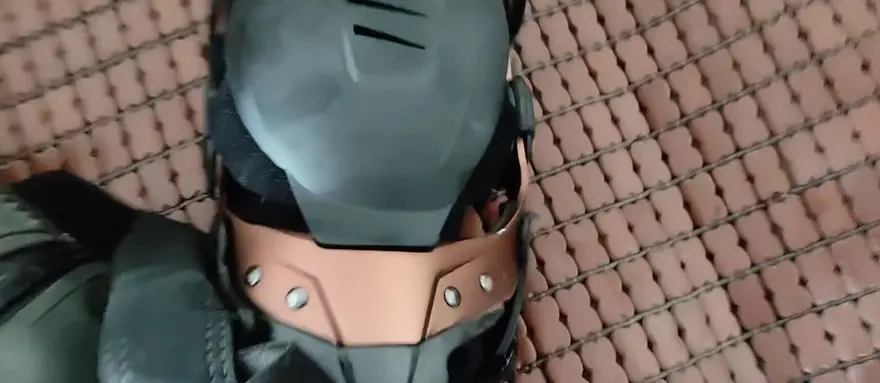
For the interior safety protection of the shin guards, EVS showcases the thoughtful design nuances of an OEM manufacturer. The sponge padding inside the inner sleeve is exceptionally thick, delivering outstanding friction and shock absorption performance.
 /xxx.jpg)
 /xxx.jpg)
 /xxx.jpg)
 /xxx.jpg)
In a hands-on on-leg real-world test, the reviewer confirmed: even when worn directly against the skin without long socks, this thickened sponge padding remains completely secure. Even after hours of continuous walking, users will not experience common discomforts associated with traditional gear, such as slipping, leg chafing, or thigh compression.
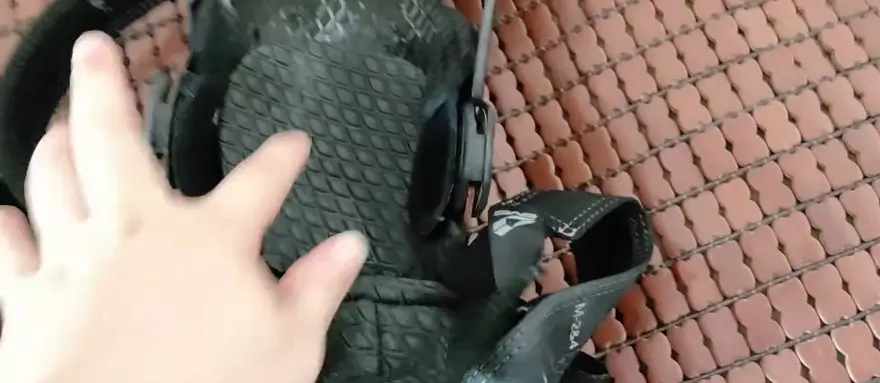
For this generation of products, EVS employs a "slack-line steel-wire rope" strap adjustment mechanism that allows for instant locking with a simple pulling motion. Although the material rigidity may not match the extreme stiffness of a pure steel cable, it offers a gentler touch against the skin compared to hard wires, making it perfectly suitable for daily hiking intensities.
 /xxx.jpg)
 /xxx.jpg)
 /xxx.jpg)
 /xxx.jpg)
By contrast, Brand T is prone to breaking in its metal bracket structure. Moreover, its adjustment system utilizes an extremely cheap "1:1 inverse-locking" design. This inverse-folding latch is exceptionally fragile when exposed to the constant vibrations of outdoor sports.
Is It Worth the Investment? Setting the Tone for Mainstream Hiking Enthusiasts
To summarize these two products, we are looking at two distinct dimensions of the consumer-grade exoskeleton market: brand T represents an early, low-threshold, geeky novelty, while EVS represents the industrial-level legacy left behind by a veteran powerhouse during its technological maturity.
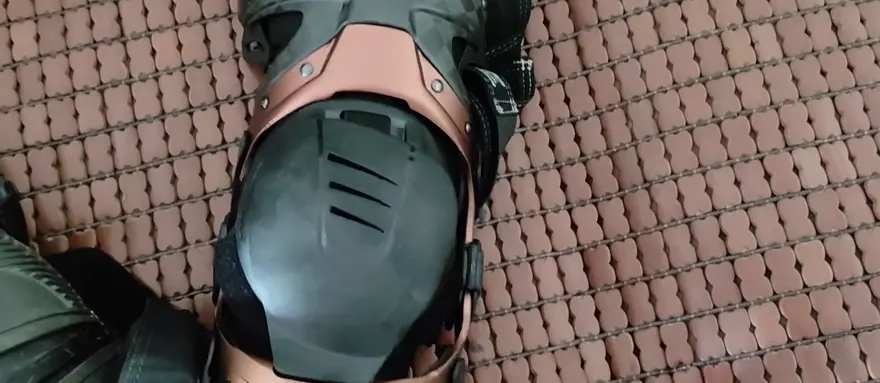
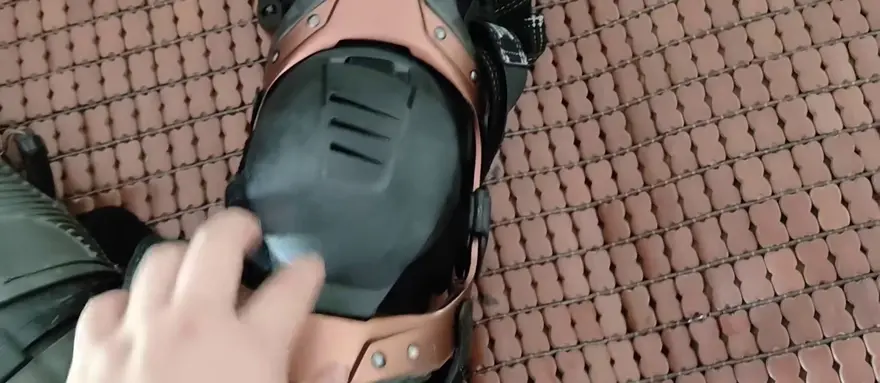
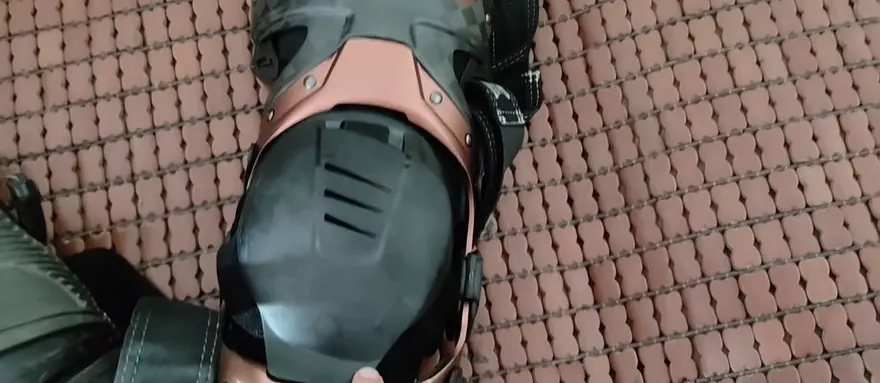
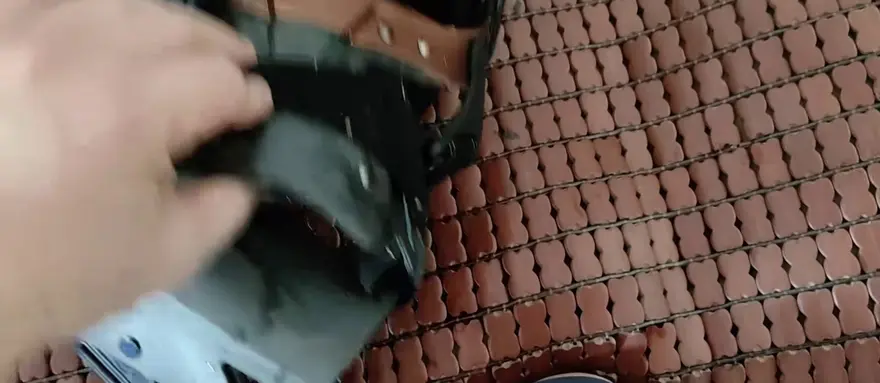
If you are a loyal enthusiast of wilderness hiking and light off-roading who occasionally needs leg load reduction, EVS—with its carbon fiber structure, reliable after-sales potential, and exceptional comfort—is still worth hunting for in good condition on the second-hand market today. Furthermore, regarding this specific EVS split-design style with an inverted design, the uploader notes that if you have long arms and your thighs aren't too thick, you can achieve an excellent human-machine fit.
Regarding cheap brands like T, the uploader's attitude is very clear: not recommended! When the most critical load-bearing parts of the mechanical legs fracture and replacement parts are unavailable, this 900-RMB product essentially becomes a sunk cost.
However, we are also seeing domestic brands, including Chengtian, gradually expanding their product lines from medical rehabilitation exoskeletons downward into the consumer-grade assistive exoskeleton market. In the upcoming market reshuffle, standalone devices that rely solely on cheap assembly and lack spare parts provision will inevitably be ruthlessly eliminated by major manufacturers that offer complete app ecosystems and continuous maintenance.
Top Community Comments
@Reader (9 likes): Mechanical legs are still too niche; these domestic protective-gear makers can’t even be bothered to imitate them.
Analysis: This suggests that while mechanical-leg supports may look low-barrier on the surface, the precision of molding and the calibration process for sensors actually create extremely high technical barriers. As a result, many no-name brands prefer to make low-end lumbar / back assist products with more stable margins rather than tackle this hard problem.
@Reader (1 like): TL;DR—buy EVS mechanical legs.
Analysis: This short comment shows that after sifting through tedious parameter comparisons, viewers will simply hand their purchase decisions to the content creator they believe “tells the truth.”
@Reader (1 like): That thing is just trash—a knockoff. You’re pure down 900. Better to pool the money for two and buy a Pod or something better. A legit product might even have medical certification.
Analysis: This touches on a major controversy: spending RMB 900 on Brand T versus spending the same RMB 900 on a more entry-level major-brand consumer-grade exoskeleton. It reflects a core concern in the consumer space—cheap products without medical-grade certification (such as fall protection) may essentially be an “electrified version of compression socks for the legs,” rather than true wearable robotics.
One-Sentence Summary
With a price of a little over 2,000 RMB, EVS demonstrates the high baseline performance of a carbon fiber and aluminum-magnesium alloy structure in hiking scenarios. However, the "discontinued accessories" issue is a ticking time bomb that it cannot avoid. Meanwhile, for a mere 900 RMB, the T-brand offers what feels like you are merely buying a "one-off lonely experience."
For hardcore enthusiasts who are willing to tinker with their tech, a second-hand EVS remains an excellent choice for an entry-level exoskeleton. However, for the vast majority of beginners, I strongly advise holding off on spending that 900 RMB budget. Wait for Hypershell or until actual device tests are available before making a purchase—don't blindly waste money covering for the after-sales failures of the "T-brand".
About this article: part of Chinese-Made Exoskeleton Review Archive — an independent, regularly updated English archive of reviews of consumer exoskeletons made in China, edited from publicly available video transcripts. Not an official manufacturer page.
For inquiries and purchasing, contact lonlonago@foxmail.com. More in Buying Guide · All articles.