Making Assistance "Second Nature": A Hands-On Review of the Hypershell X Series — How Far Has the consumer-grade exoskeleton Come?
1. Section One
"The 1,000 km Challenge,The Black Shoe Challenge," and "Using an assistive exoskeleton to Search and Rescue a Missing Hiker" — when these three prompts appeared in the same video, I realized this episode wasn't about a single machine at all. It was about a deeper question: when an assistive exoskeleton becomes seamless enough, would you actually forget it is there?
Looking at the product evolution showcased in the video, research shows users universally want an exoskeleton that is "as natural as breathing." That’s why Hypershell anchored its entire launch event around the concept of "second nature." But here is the real challenge: can a mechanical system complete with motors, batteries, and sensors truly be marketed as effortless?

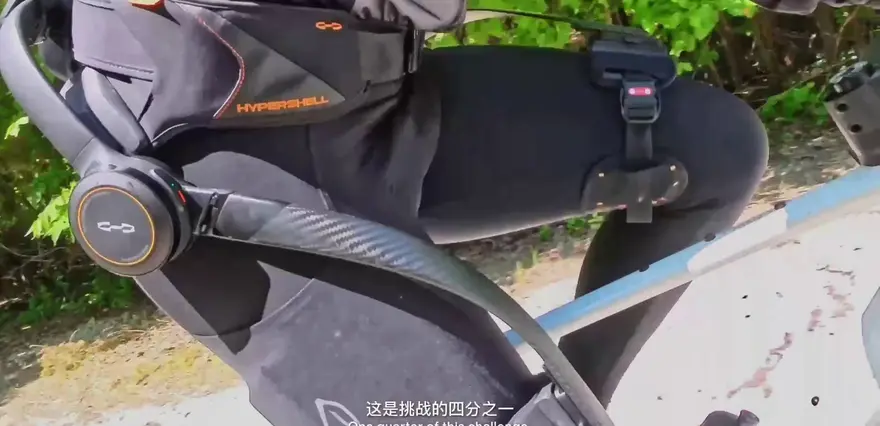
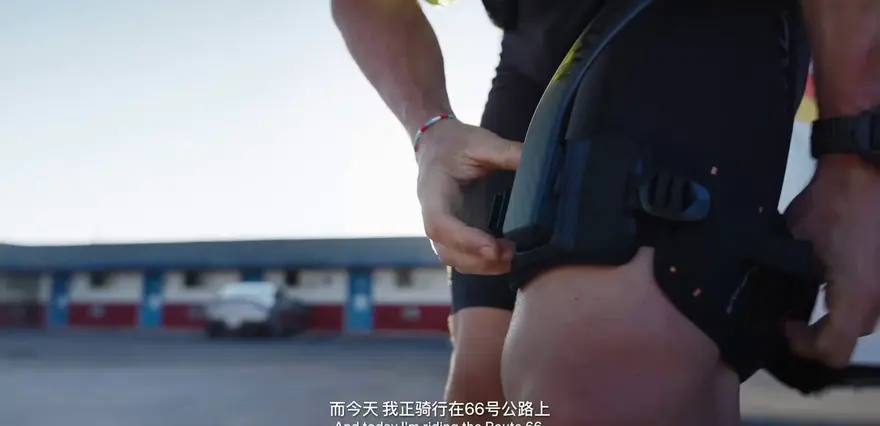
The Current State of the Industry: Accuracy Issues with Consumer-Grade Exoskeletons
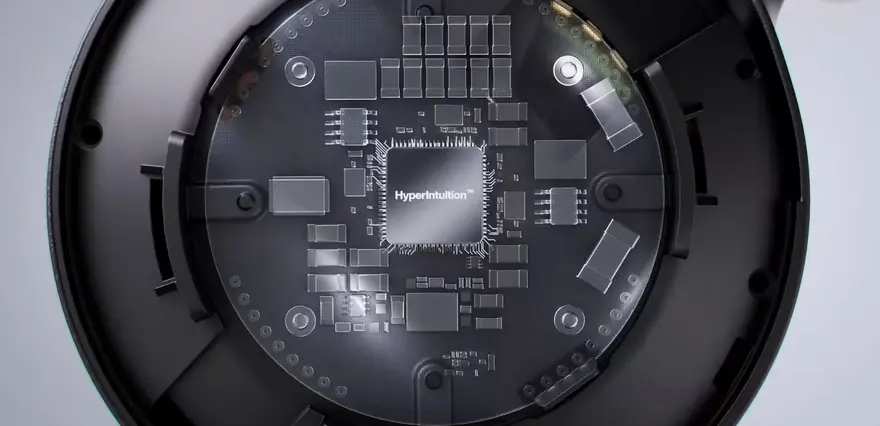
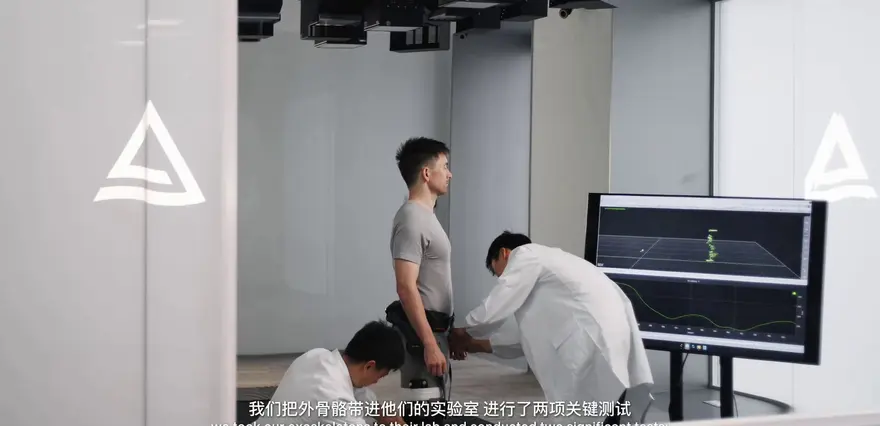
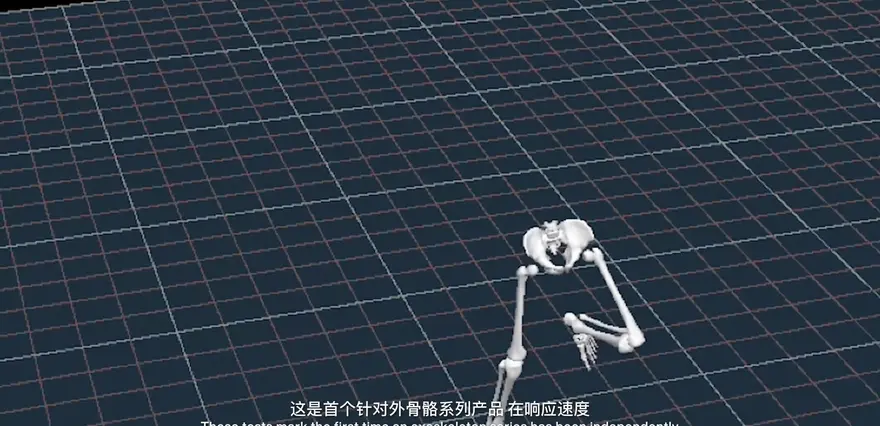
Let's start with a fundamental fact: currently, the gait recognition accuracy of consumer-grade exoskeletons generally floats around 95%.
That number might not sound low, but in real-world usage scenarios, it means that for every 20 steps you take, one might not be correctly recognized. And that one misstep could be the exact moment you get caught off-guard on a downhill slope, causing your knees to buckle. For product approaches derived from medical rehabilitation exoskeletons, complex gait recognition has always been a major challenge. The system featured in today's video is born precisely to solve this pain point.
The core challenge of hip assist is not "when to apply force," but "how much force is just right." Too much makes you feel like you're being dragged, while too little is the same as not wearing one at all.



Brand Background: A Company That Began Collecting Data Way Back in 2021
Hypershell was founded in 2021, two years before its first consumer-grade product launched in 2024. During those two years, the team accomplished a crucial task:
As mentioned in the video: The team surveyed over 5,000 potential users to understand the "exact scenarios and methods" they wanted to use an exoskeleton.
(Note: Due to truncation and omissions in the provided transcript, specific numerical values and detailed lists regarding the actual types of sensors used—such as IMU or pressure sensor—were not explicitly detailed in the video, and therefore will not be elaborated on here.)
In 2024, they released the industry's first mass-produced consumer-grade exoskeleton—the Hypershell X series—and subsequently won Best Product awards at both CES and IFA. For a startup, these two accolades carry significant weight in the consumer robotics space.
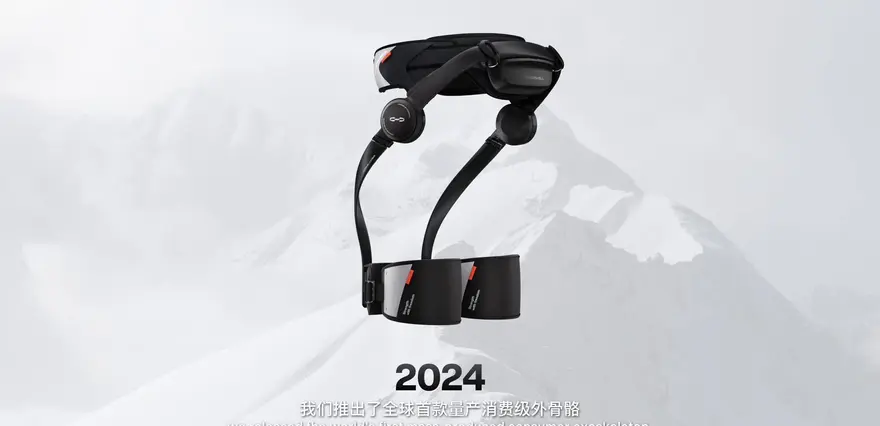

Teardown of the X Series: The Trade-offs Between Lightweighting and Self-Balancing
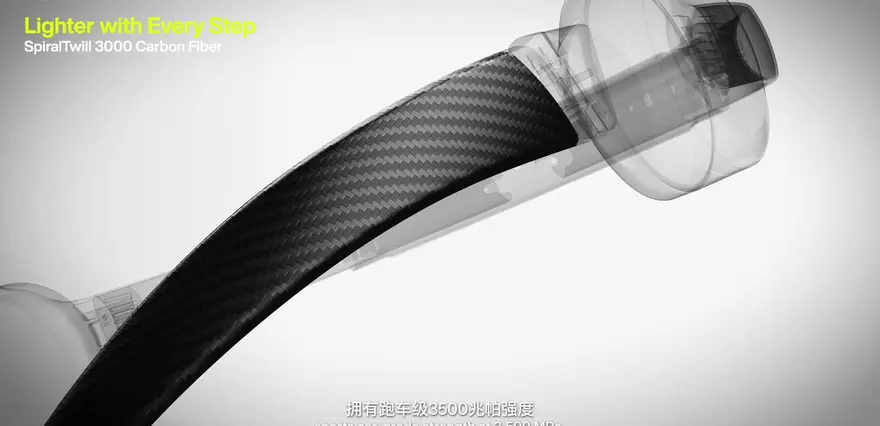
Although the video does not explicitly list the physical materials, its product positioning suggests that lightweighting, high power output, long battery life, and fall protection are the core indicators for the X series. Specific figures and parameters for performance dimensions such as joint torque and self-balancing capability have not been disclosed in the video.
According to performance indicators mentioned in the video, data for battery life and max payload will be updated in subsequent media evaluations, but only after resolving the accuracy issue of 'predicting the user's force exertion'.
Endurance (in hours), max payload, and load-bearing capability—these are the numbers that determine whether an exoskeleton is a 'toy' or a 'tool'. A major test for the X series' structural design is how to achieve a lightweight lumbar/back assist module while also incorporating powerful servo motors to provide robust assistance.


Take It for a Run on-Site: Uphill/Downhill, Stairs, and Straight Flat Roads
The most engaging part of the video is the live demo. We noticed several key takeaways:
- Straight flat roads: The stepping cadence is steady; how well the assist intervention timing performs in the footage still needs to be verified in real-world testing.
- Uphill/Downhill: This is the core stress test for a hip assist consumer-grade exoskeleton. Climbing requires greater hip joint torque to drive the body upward, while descending demands precise braking intervention to prevent forward surging.
- Stairs: A major challenge for the gait recognition algorithm. The video does not show concrete accuracy data at a standard step rate, but judging from the sensory feedback in the demo, the power intervention achieves a rather natural level.
Based on the hands-on feel in the demo and the structural design, the overall weight is kept impressively restrained. It has to strike a compromise between lightweighting and battery capacity.

Hiking, Trekking, and Rescue: Who Is Actually Using It?
If the first half of the launch video was a standard product narrative, the entire scale of the story shifted once the camera turned to the Hong Kong Volunteer Search and Rescue Team.
According to the video, Hypershell X helped the Hong Kong Volunteer Search and Rescue Team successfully complete a wilderness search and rescue mission. The rescue team gave it the nickname "electronic stretcher."
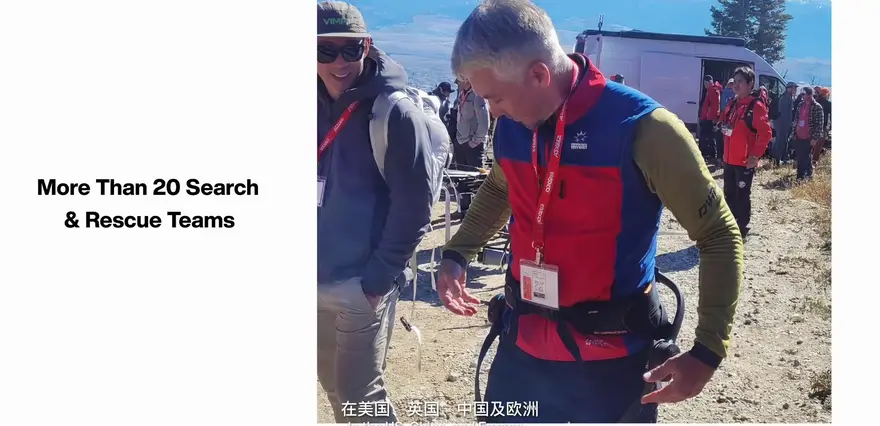
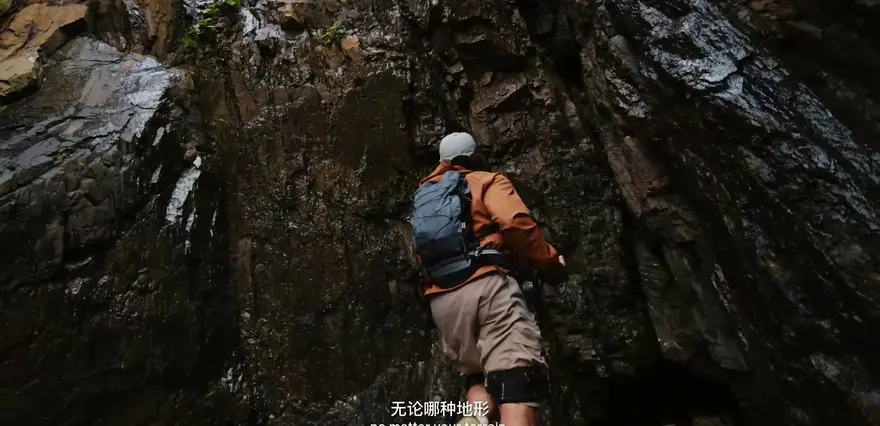
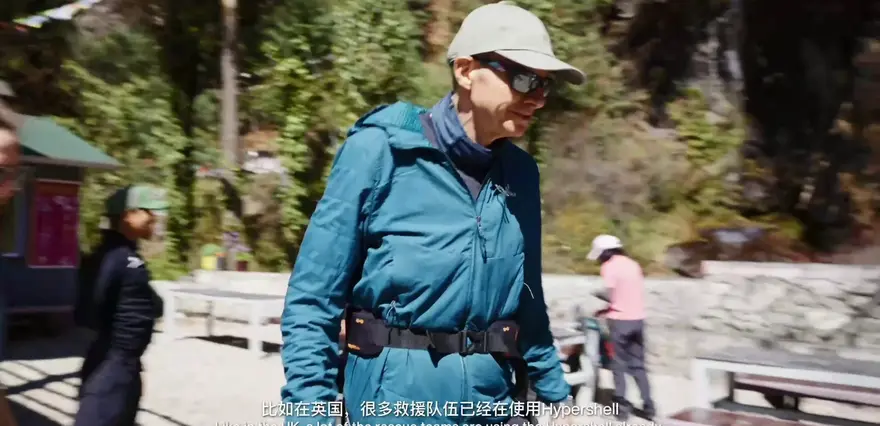
This is not an isolated case. As mentioned in the video, more than 20 search and rescue teams worldwide are currently using Hypershell X, including teams in the United States, Japan, Australia, South Korea, and Hong Kong. The search and rescue scenario is the harshest and most honest testing ground for consumer-grade assistive exoskeletons: long periods of heavy load, complex terrain, and physical exhaustion—every number on the spec sheet is amplified here.
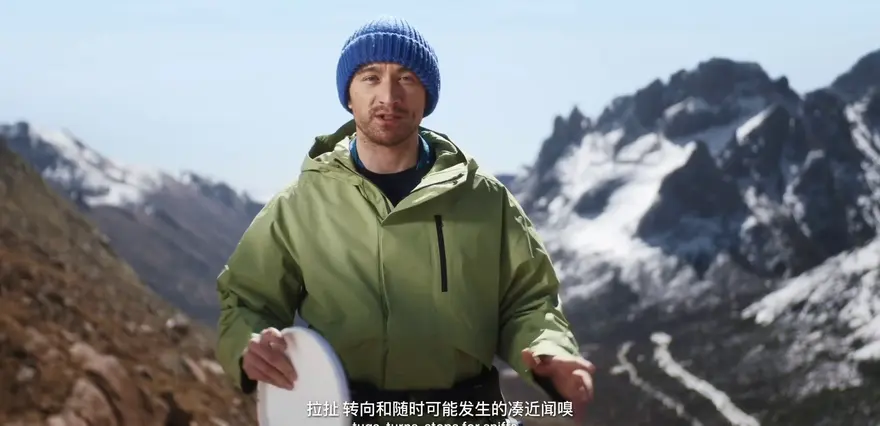
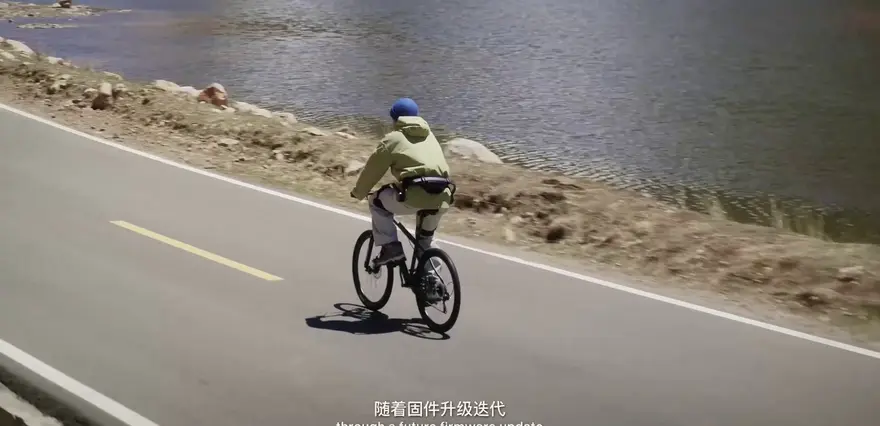
For everyday users, the daily equivalent of these scenarios means hiking, trekking, and long-distance walking. From the very beginning, the X series is not positioned as "a substitute for walking," but rather as "helping you go further on the paths you want to travel."




Service Protection: What to Do After an Incident with HyperShell Care
Selling the hardware is merely the beginning. Unveiled alongside this launch is a noteworthy value-added service:
According to the video, HyperShell Care is an optional service package that covers product protection and an extension of the user experience, offering "peace of mind at every step of your journey."
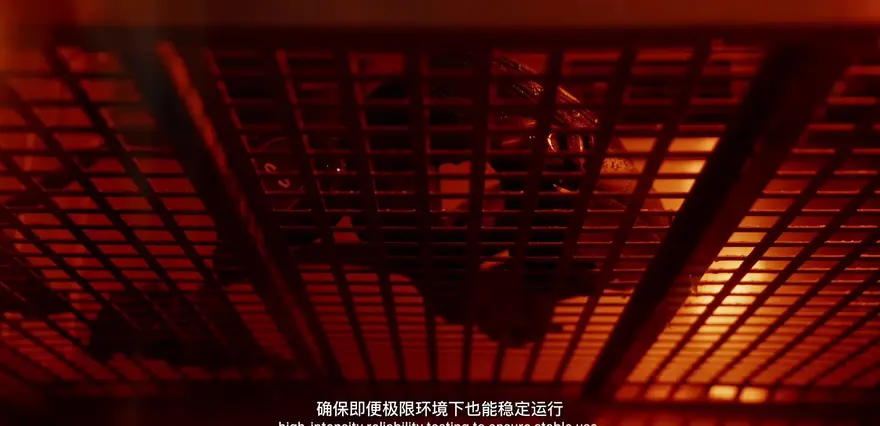
An exoskeleton is high-intensity hardware, and wear and tear is inevitable, especially in extreme scenarios such as search and rescue and hiking. The bold move to introduce an official extended warranty and care program while the product matrix is still in its nascent stages shows that Hypershell is playing for the long term, rather than just looking for a one-time sale. Regarding after-sales service, Hypershell highlighted a comprehensive global service network spanning the United States, mainland China, Japan, Australia, South Korea, and Hong Kong.

Closing Thoughts: What "Second Nature" Really Means
At the tail end of the launch event, Hypershell aired a brand-heavy short film whose core message was:
"Breathing is something you rarely notice. It just happens, like second nature—until the day you can't do it anymore."
The first step you take, the path you choose to walk, and the force that drives you forward should all feel as natural as breathing.
It’s a beautiful narrative, but it needs to be tested: when the assistive exoskeleton's intervention becomes truly invisible, when battery life can power a full day of hiking, when fall protection kicks in exactly when you need it—only then will "natural" stop being a slogan and start becoming muscle memory for users.
That is precisely the tipping point the Hypershell X series is engineered to hit.



Top Community Comments
**@Reader: "Isn't this a domestic brand?"
Behind this comment lies a high level of sensitivity among Chinese viewers regarding brand origin. Hypershell was founded in 2021, and whether the "domestic" label is a plus or a minus in the exoskeleton space depends on technologicalDepth—specifically, how much of the core algorithms and hardware are self-developed.
@20261370043_bili: "Price?"
They hit the nail on the head. The mass-production cost of a consumer-grade exoskeleton directly determines whether it’s a geek toy or a mainstream device. The video doesn’t give a direct answer, leaving this as a key unresolved piece of information. (Note: Only 3 comments with clear content were provided, so only these 2 representative comments are listed.)
**@Reader: "Pretty good"
A simple compliment, but what "good" means—attractive design, engaging demo vibes, or genuine purchase intent—isn’t elaborated. For the brand team, this kind of feedback is more valuable than pure praise—it shows the video indeed resonated with a large number of ordinary viewers.
—
One-Sentence Summary
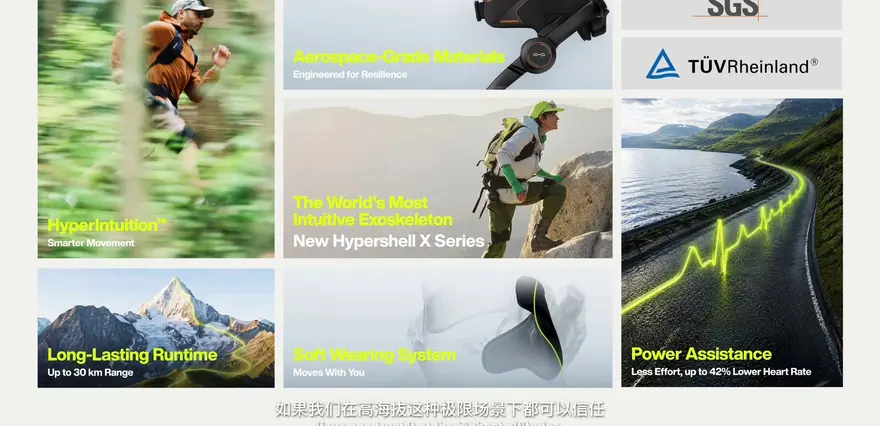
This episode perfectly breaks down the "natural assist" philosophy behind the Hypershell X series: striking a balance between lightweight design and high joint torque, earning practical validation from search and rescue teams, and delivering a reliable service guarantee. If you're paying close attention to consumer-grade exoskeletons, or if you're a tech enthusiast fascinated by the real-world application of assistive exoskeletons, this content is well worth bookmarking.
About this article: part of Chinese-Made Exoskeleton Review Archive — an independent, regularly updated English archive of reviews of consumer exoskeletons made in China, edited from publicly available video transcripts. Not an official manufacturer page.
For inquiries and purchasing, contact lonlonago@foxmail.com. More in Reviews · All articles.