Setting a 70-Year-Old Walking Briskly: In-Depth Hands-On and Buying Guide to Haier’s Lower-Limb Assistive Exoskeleton
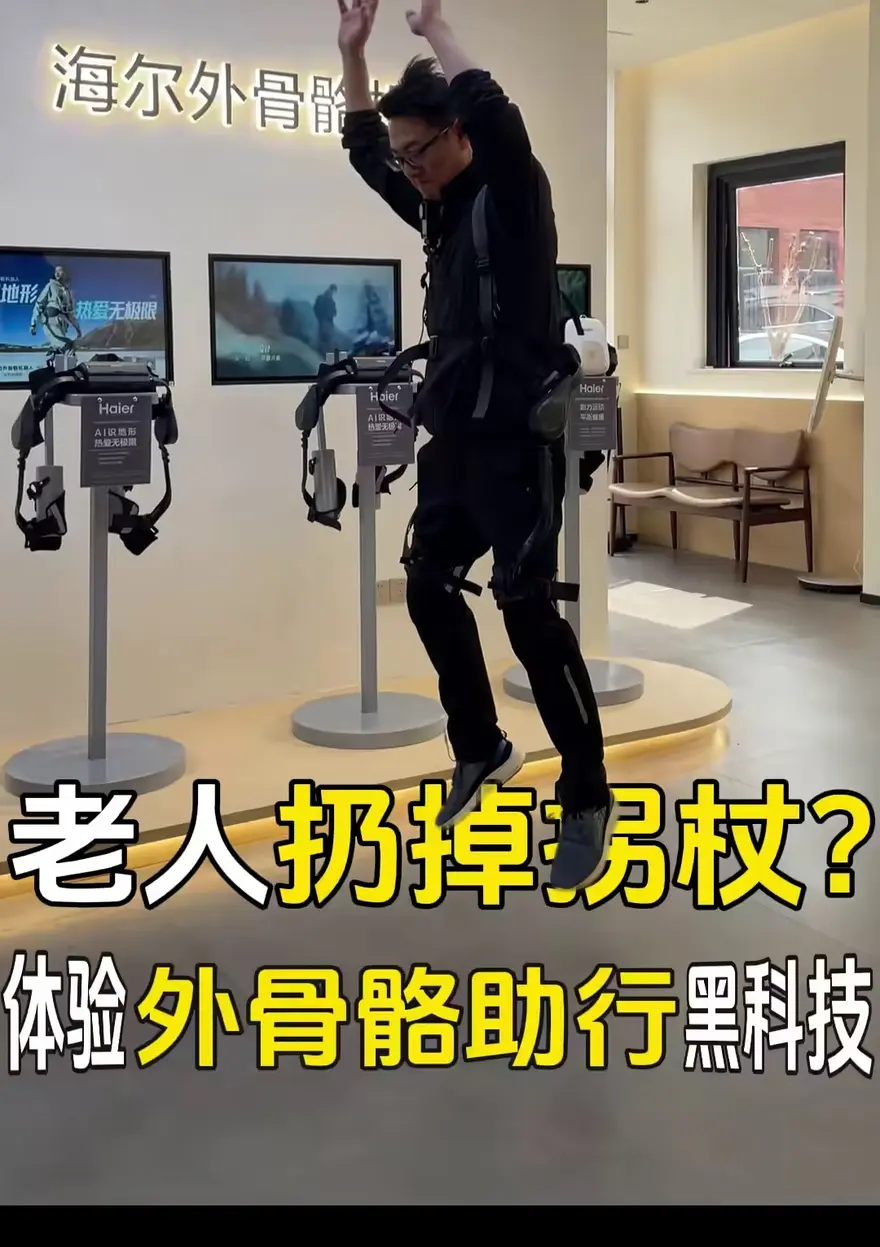

When older users with limited mobility want to throw away their canes—or even jog in the park—consumer-grade exoskeletons are offering a brand-new solution.
Scene Setting: From Rehabilitation Equipment to 'Tech You Wear on Your Legs'

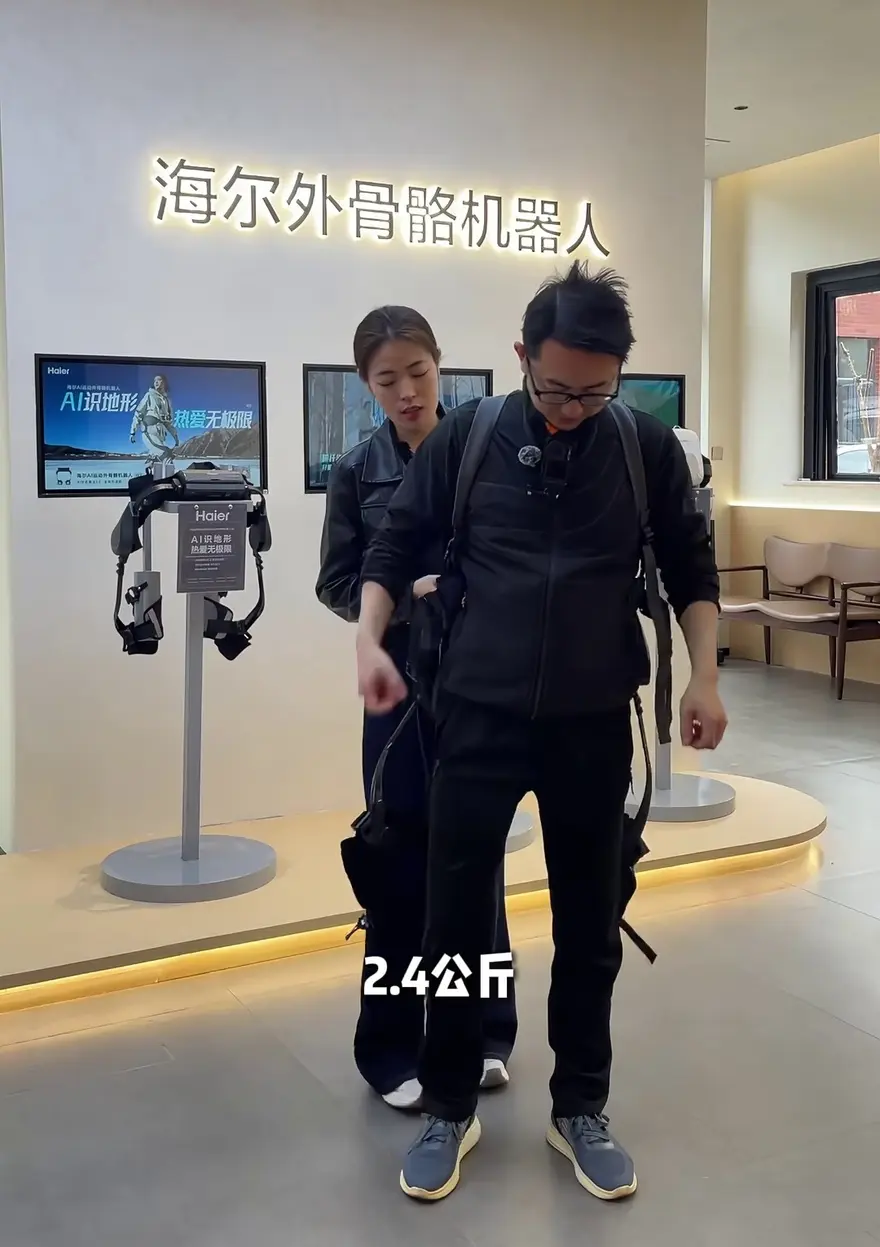
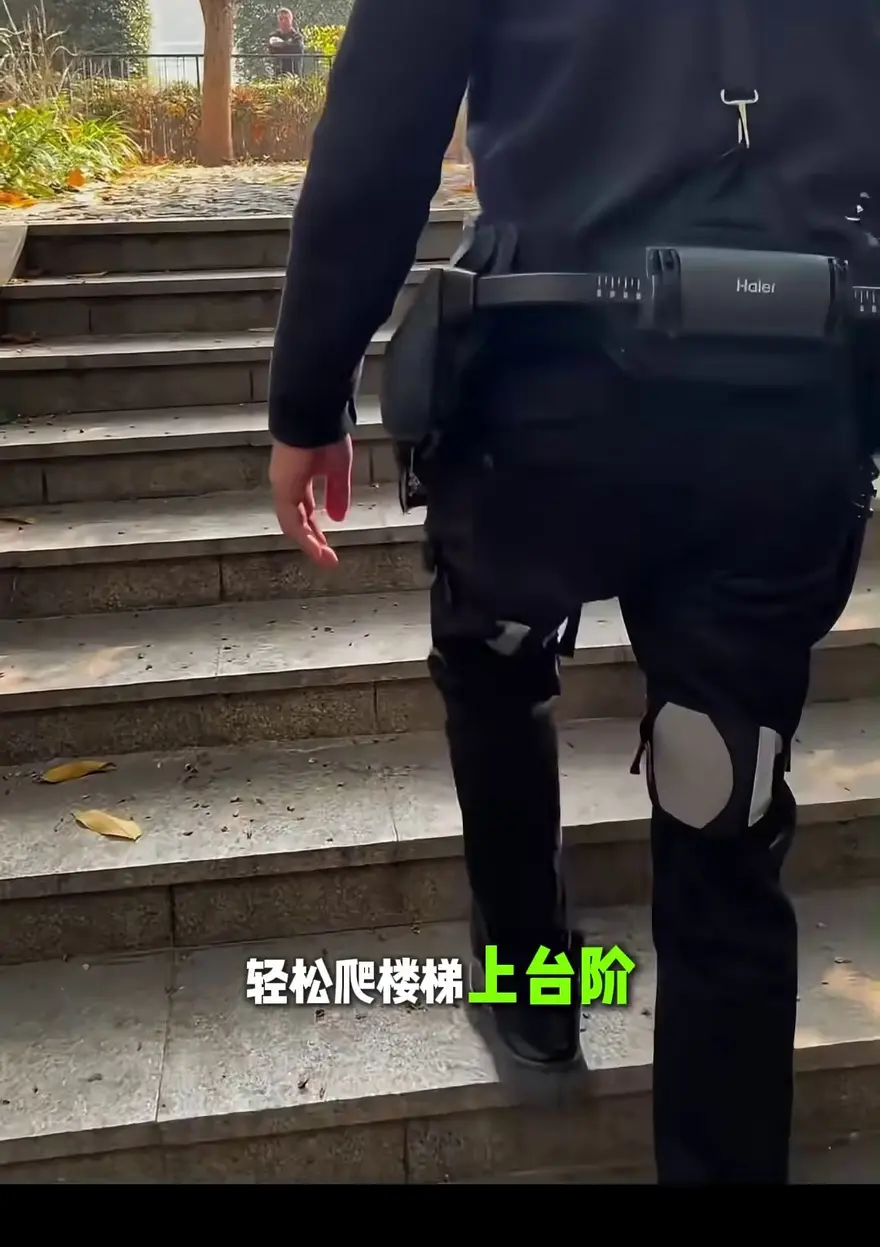
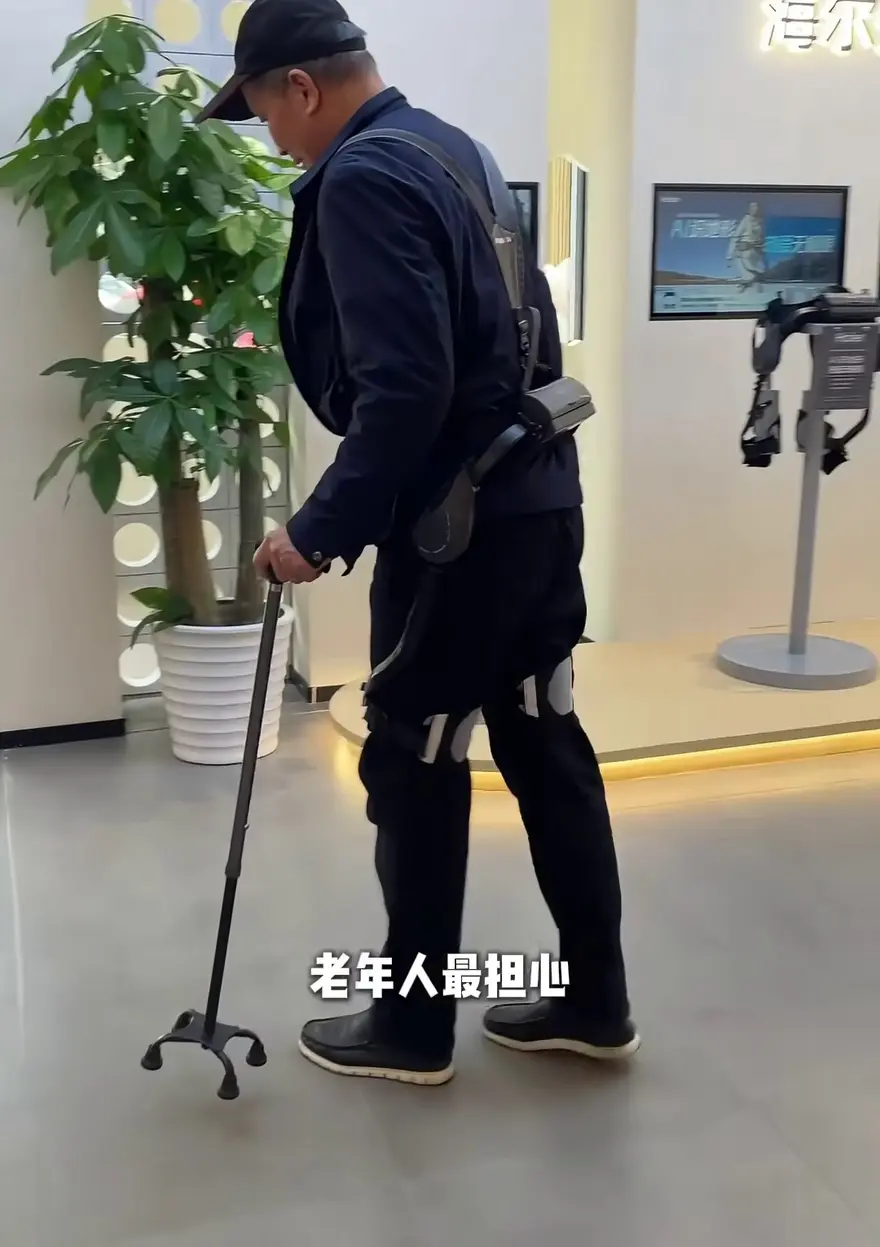
Elderly people with mobility issues who want to ditch their canes can put on a walking assist exoskeleton. Not only does it allow them to walk independently, but it also enables them to easily climb stairs, stroll on flat city streets, and even jog.
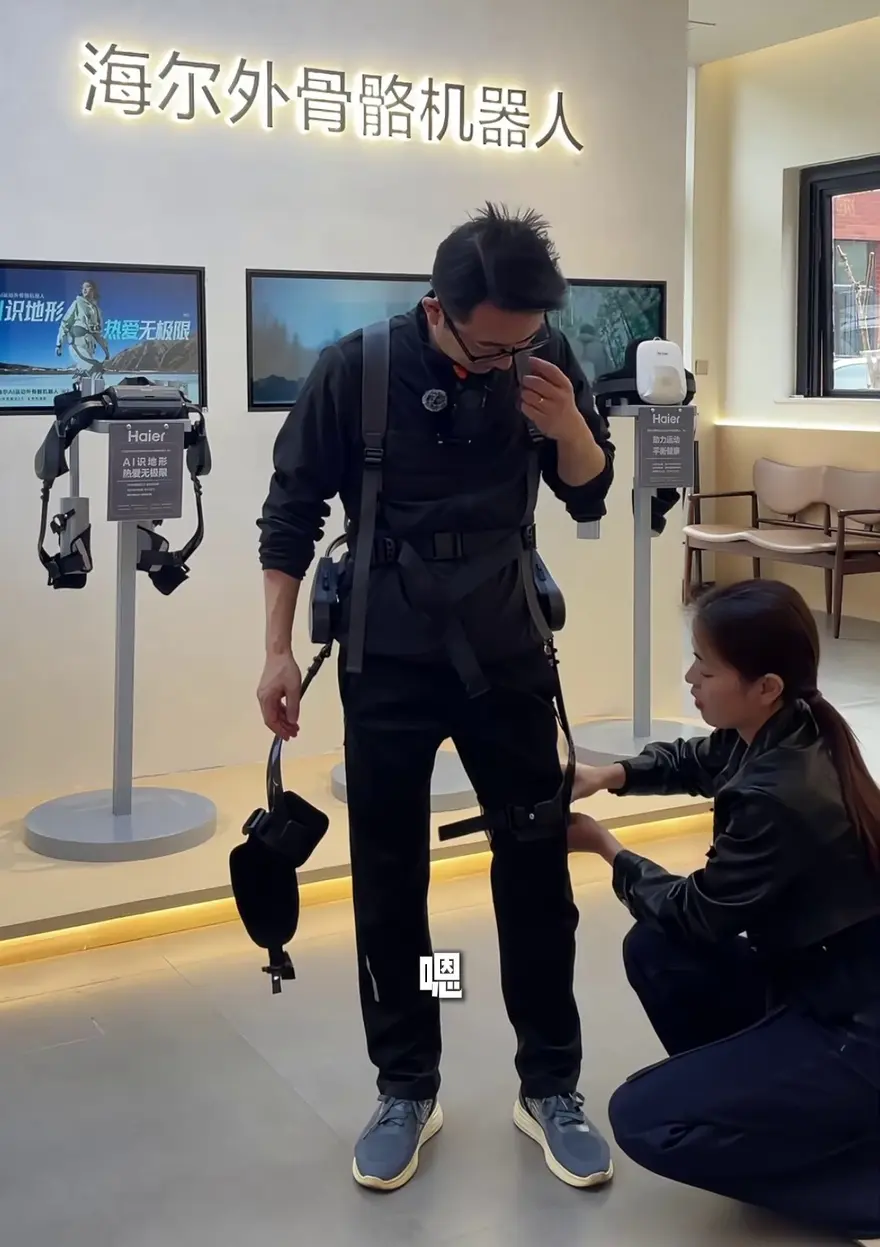
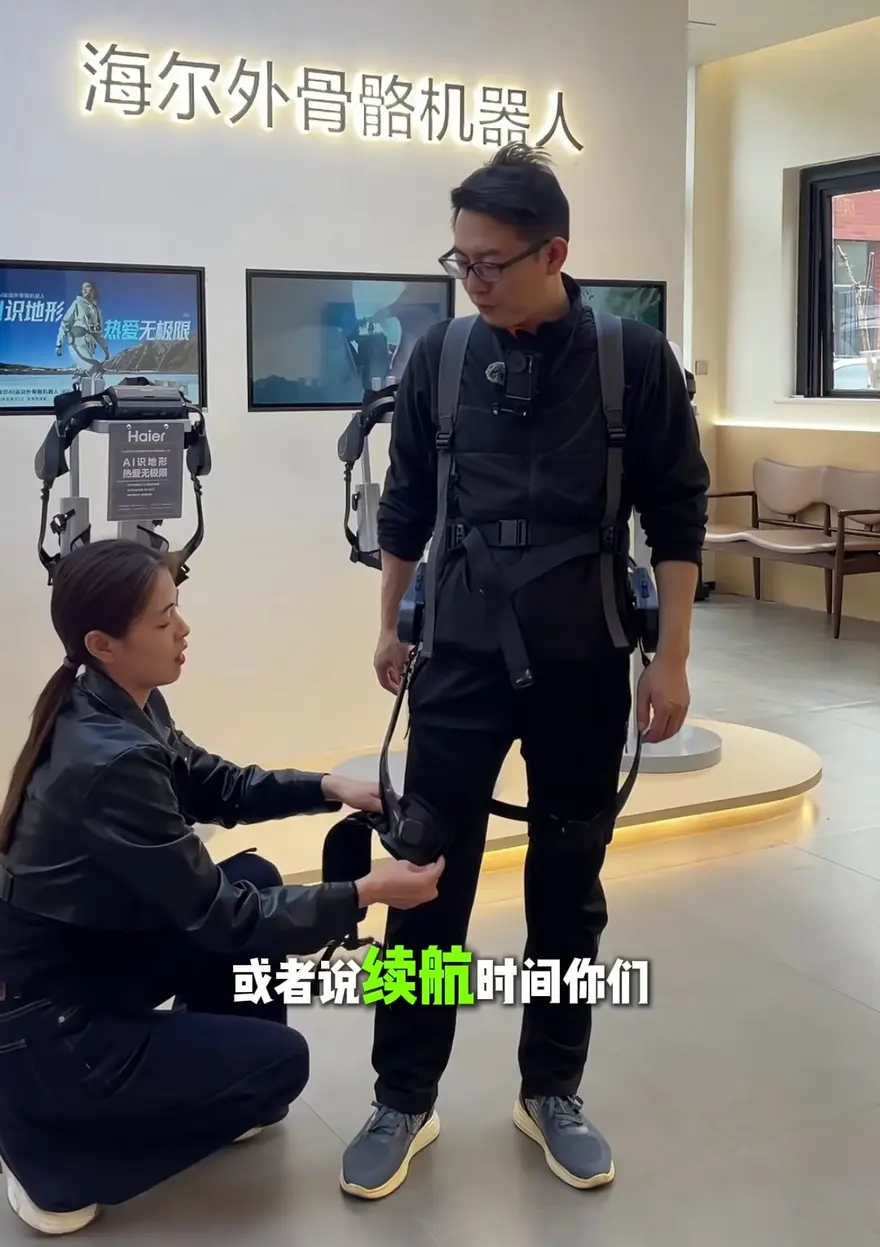
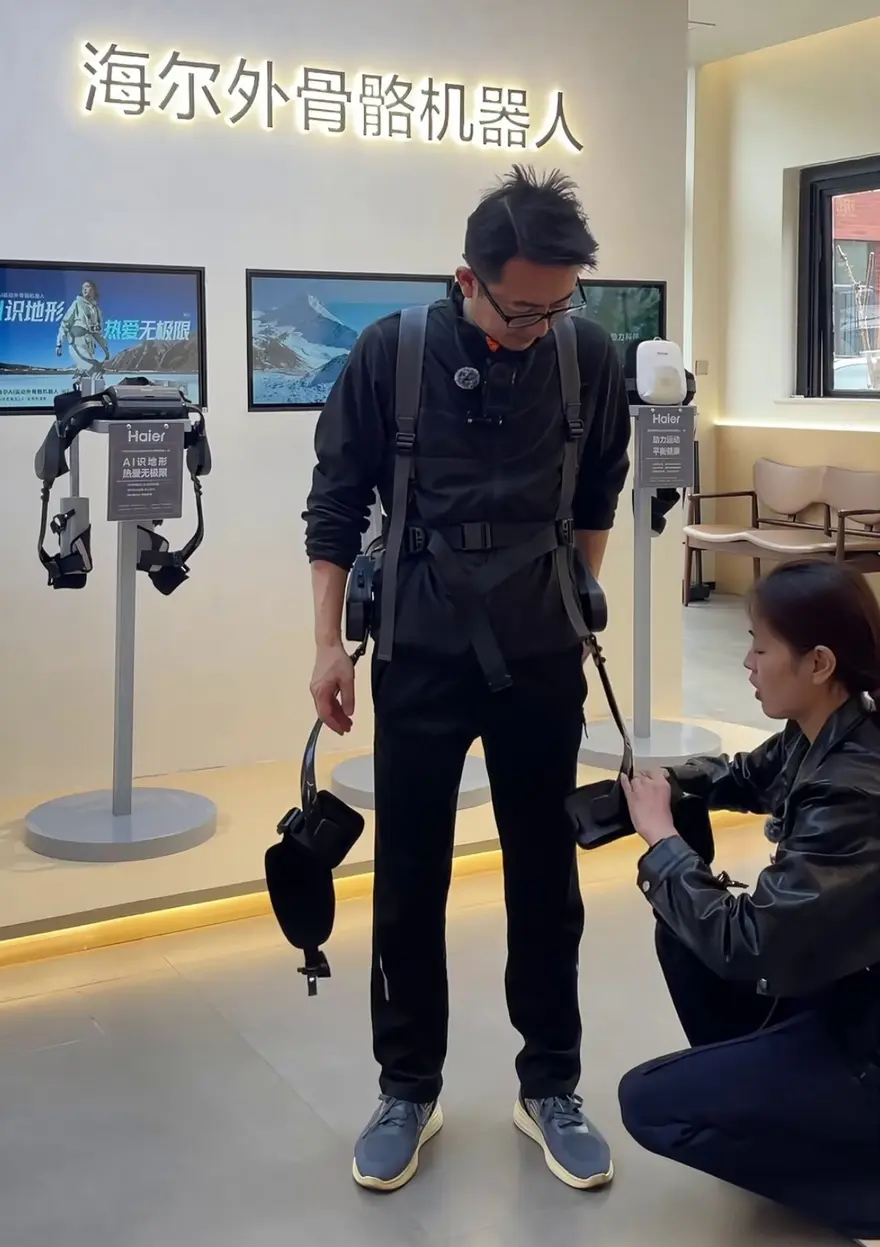
A wide variety of exoskeleton robots are available on the market. For this video, we got our hands on a highly popular lower-limb exoskeleton from a brick-and-mortar experience store. Is its target audience truly limited to patients confined to rehabilitation centers, or can it truly become a 'leg replacement' for the elderly in their daily lives? With this question in mind, we begin today's hands-on test.
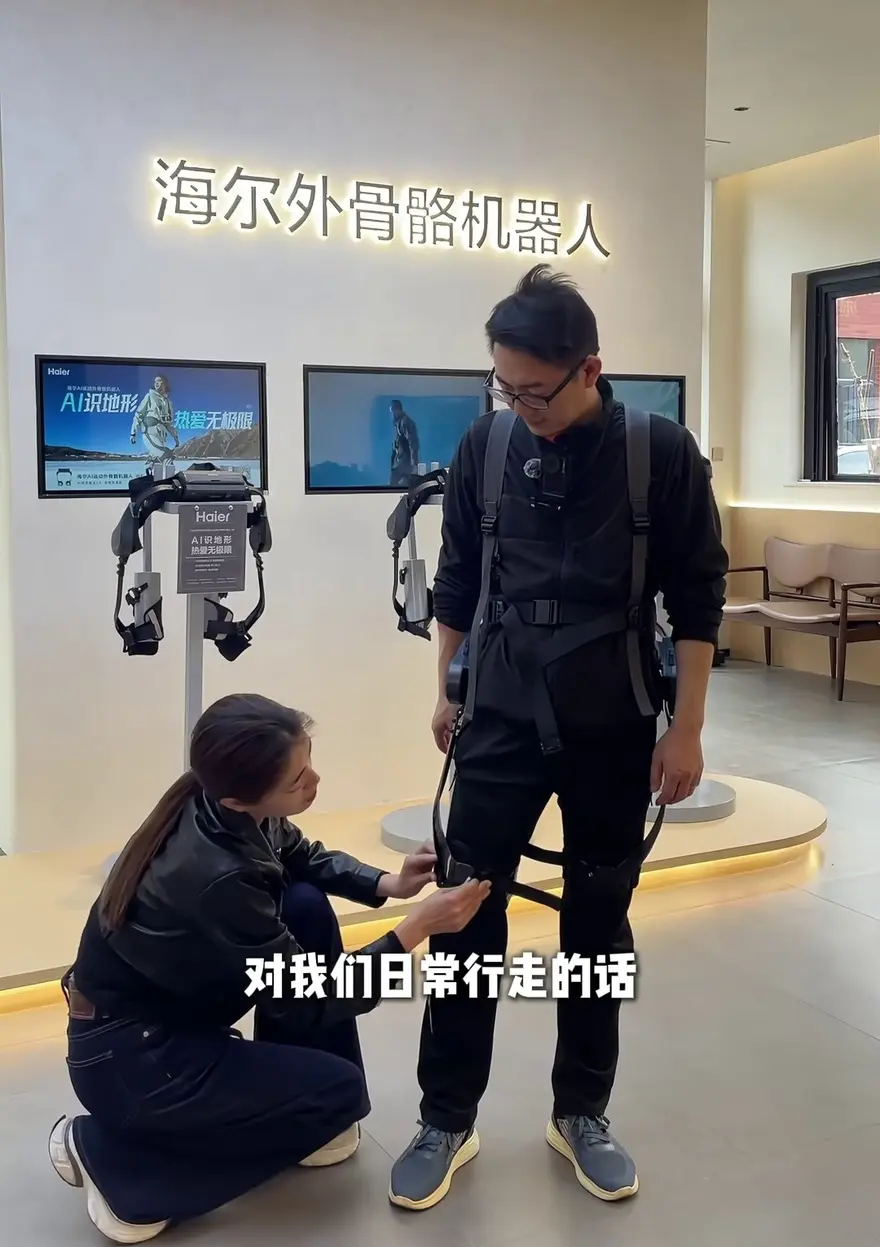
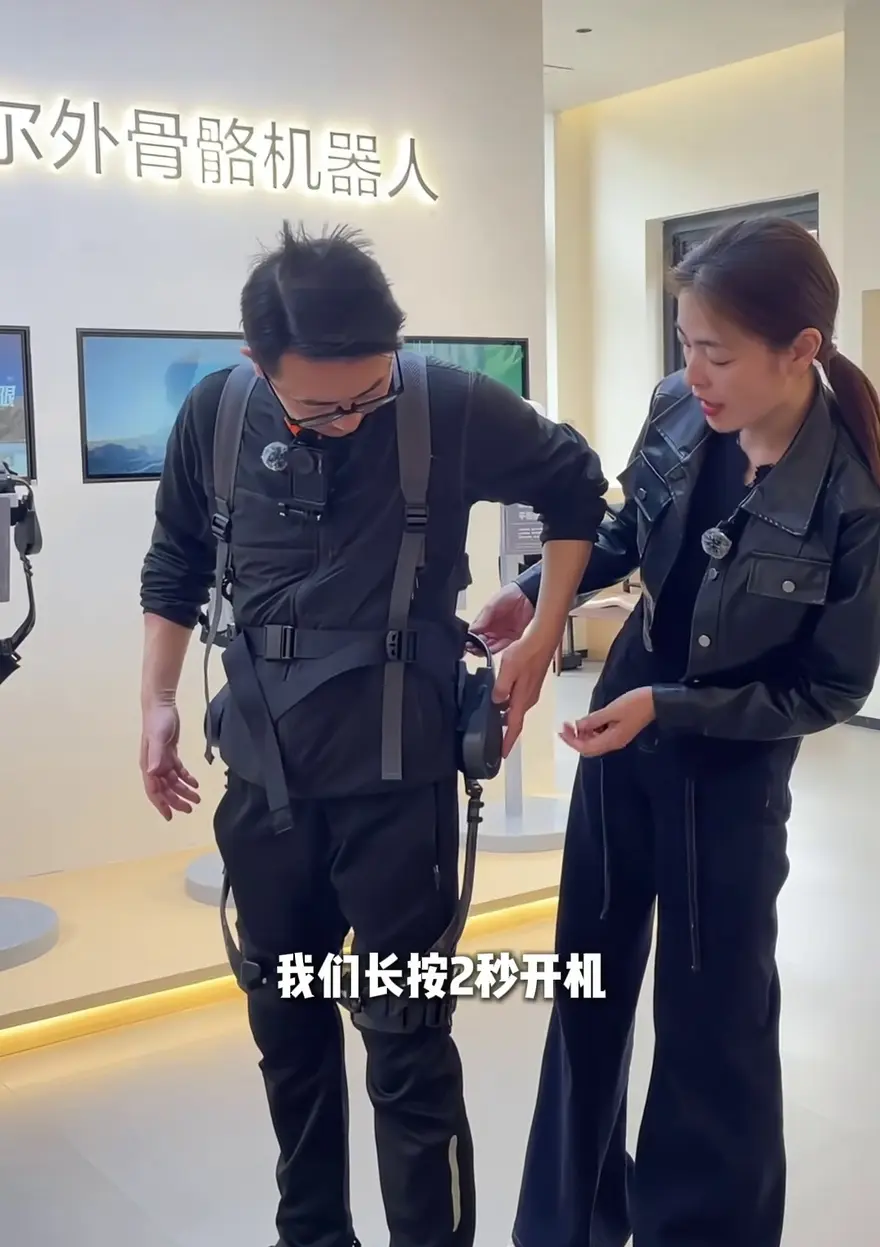
Wearing Experience: 2.4 kg and a 30-Second “Muscle Memory”
 .jpg)
 .jpg)
 .jpg)
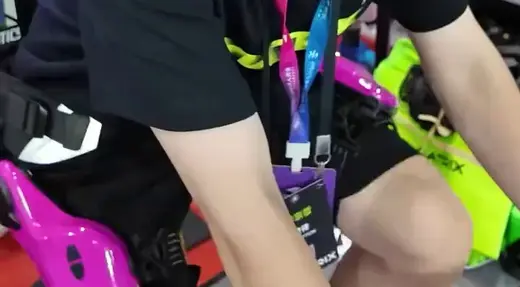
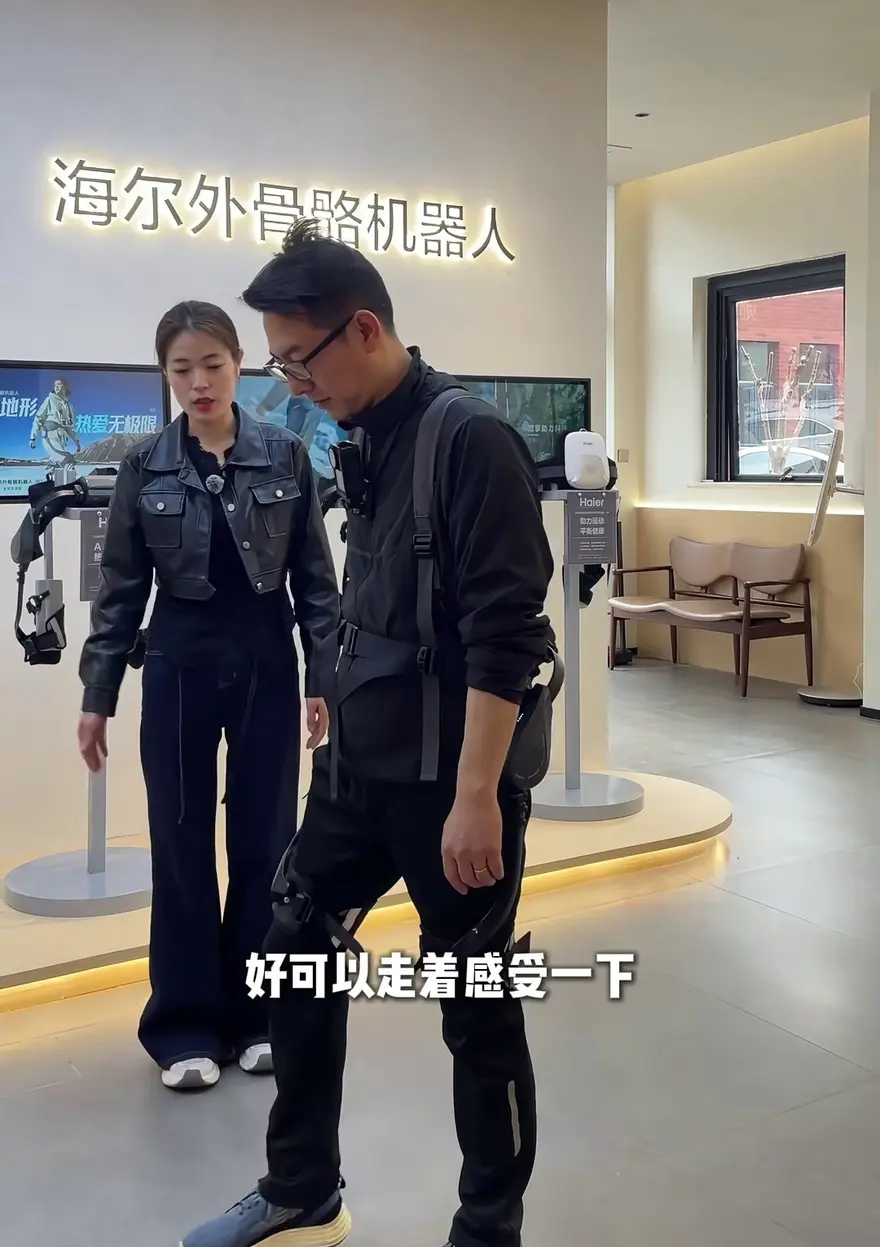
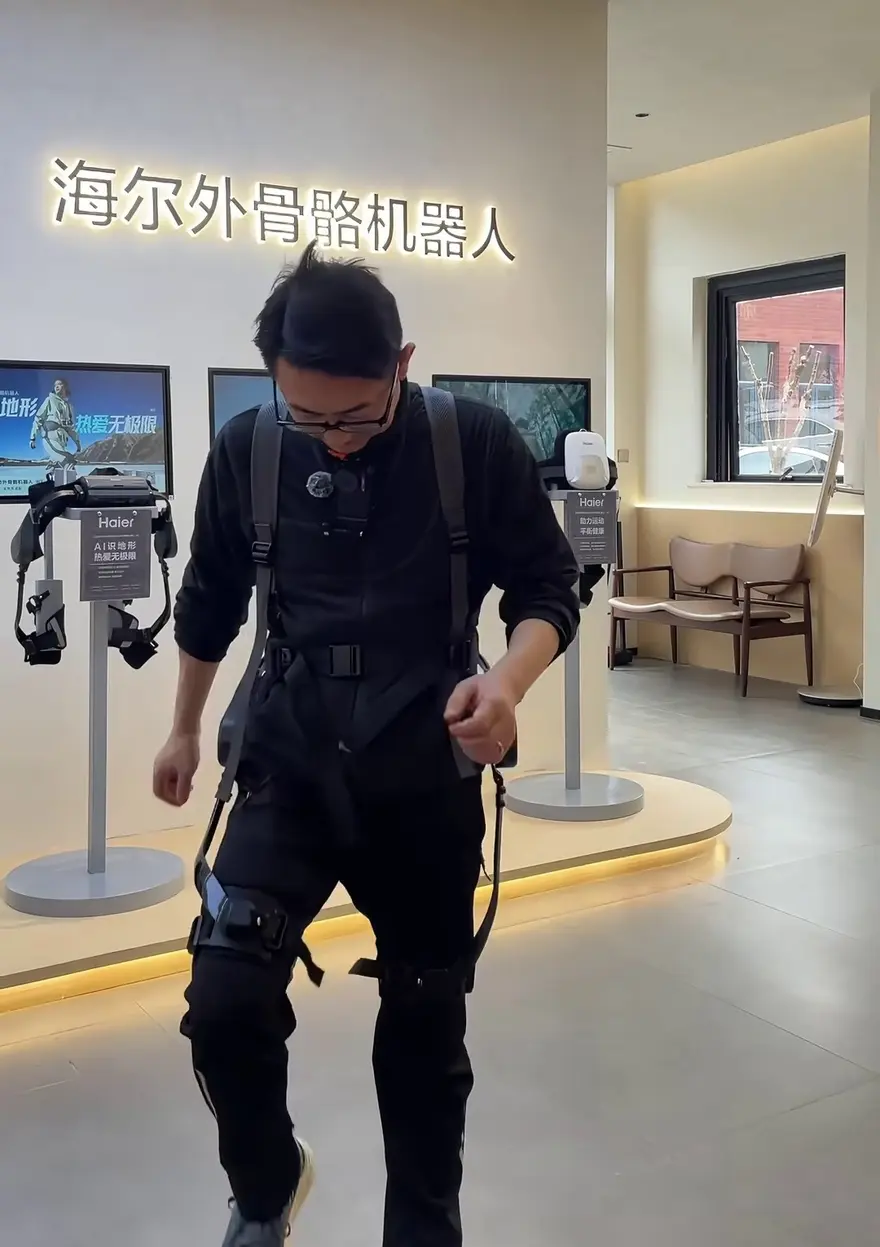
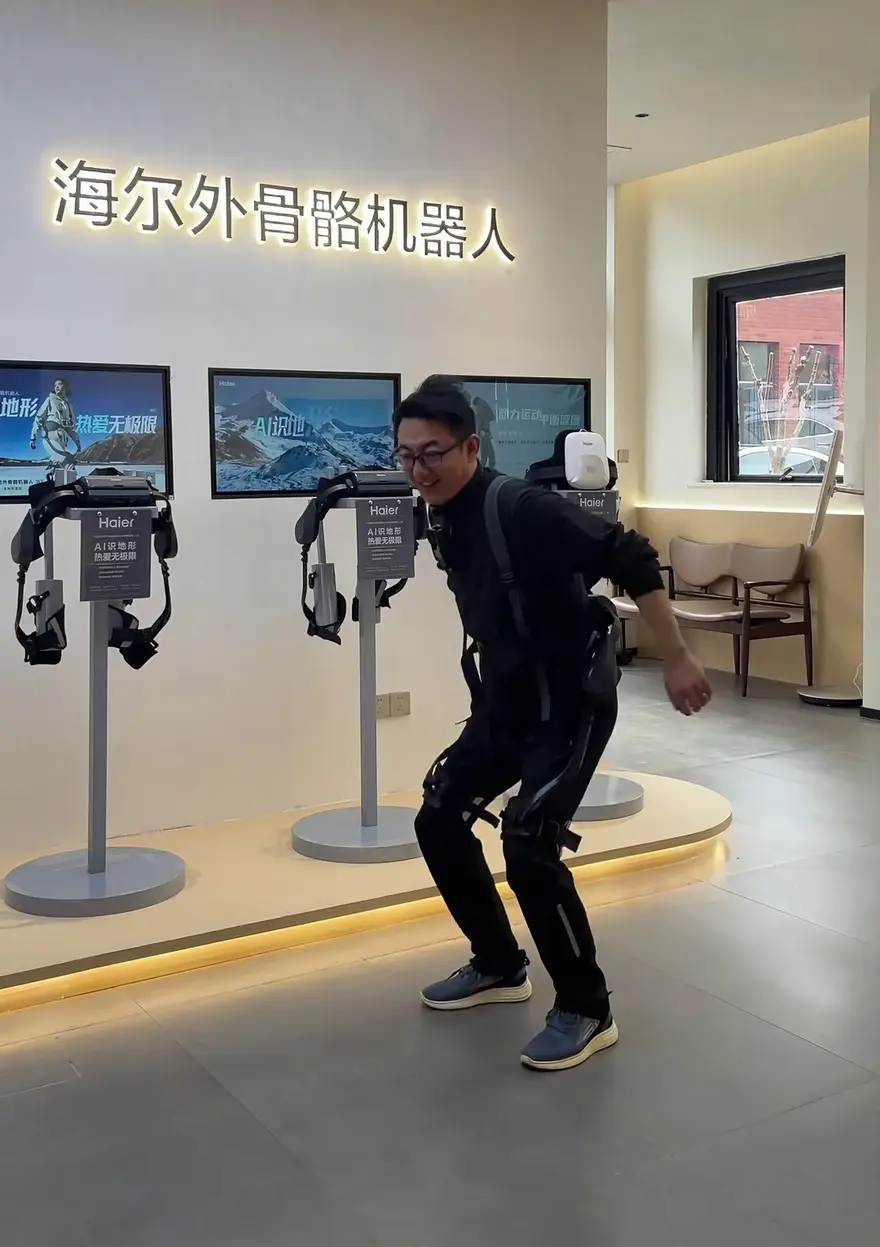
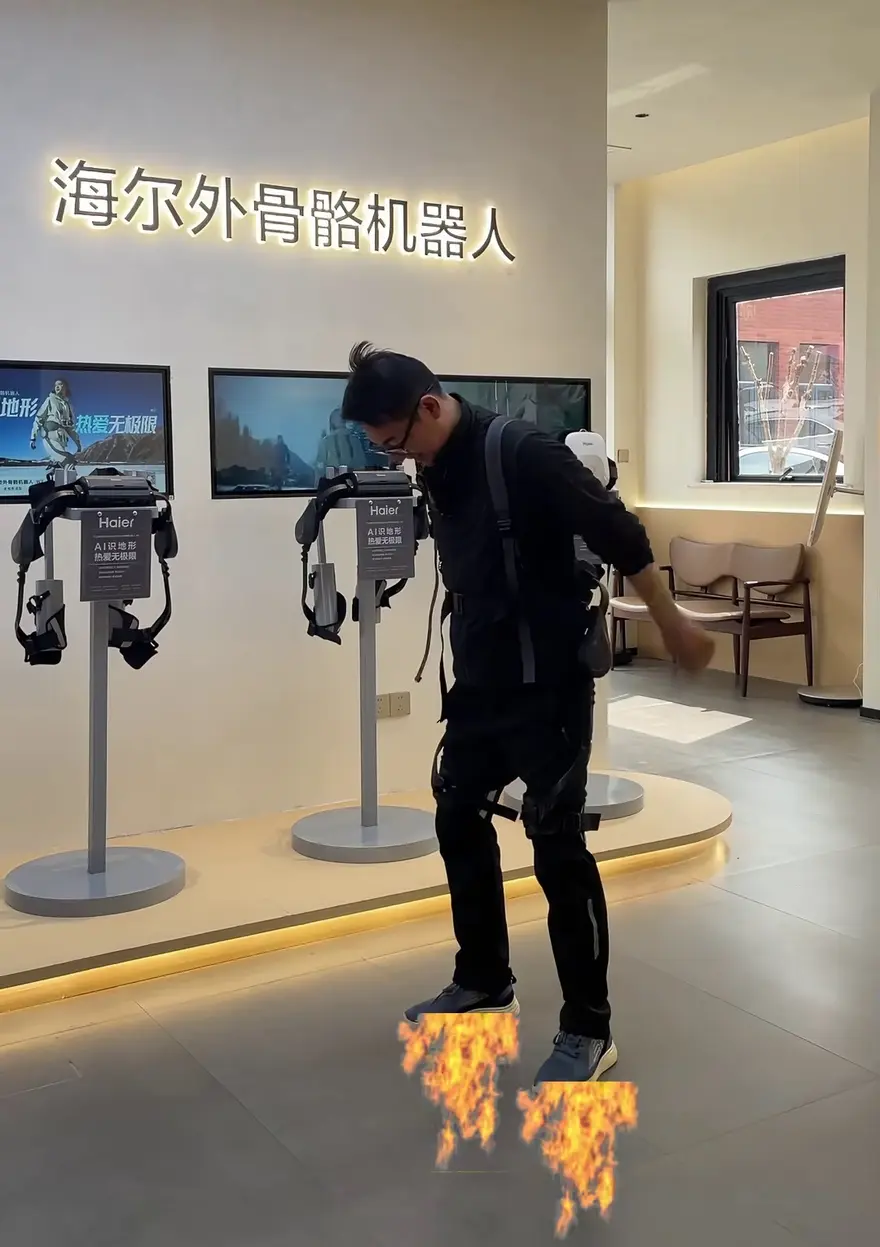
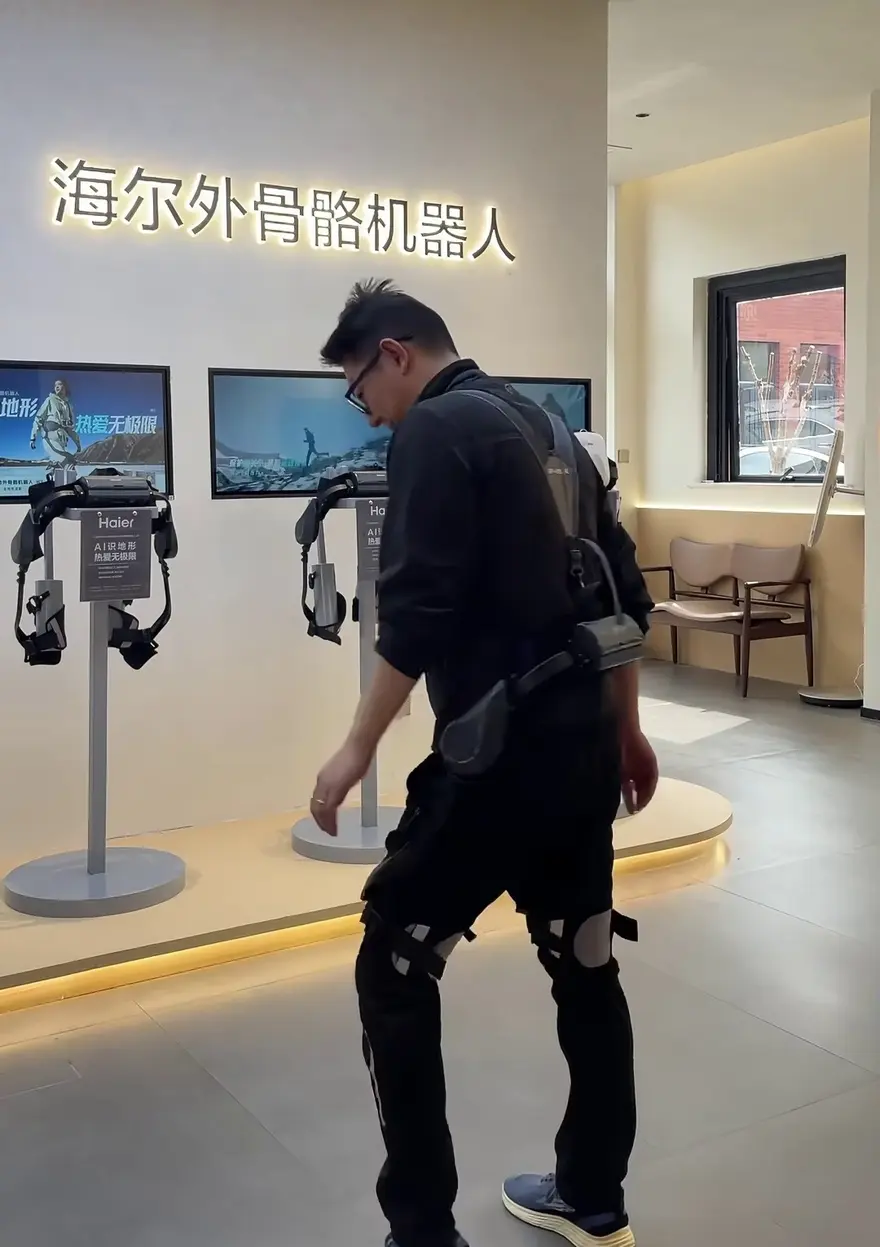
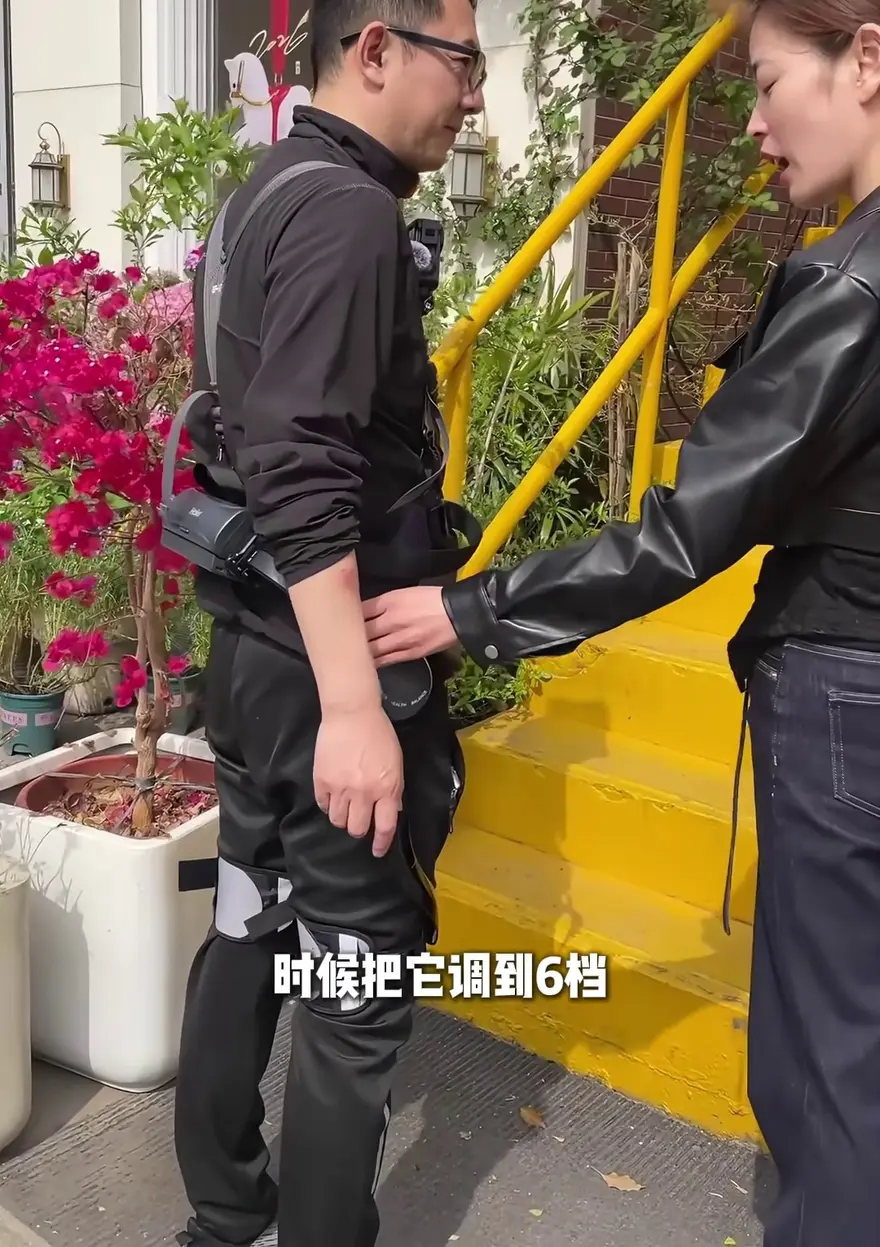
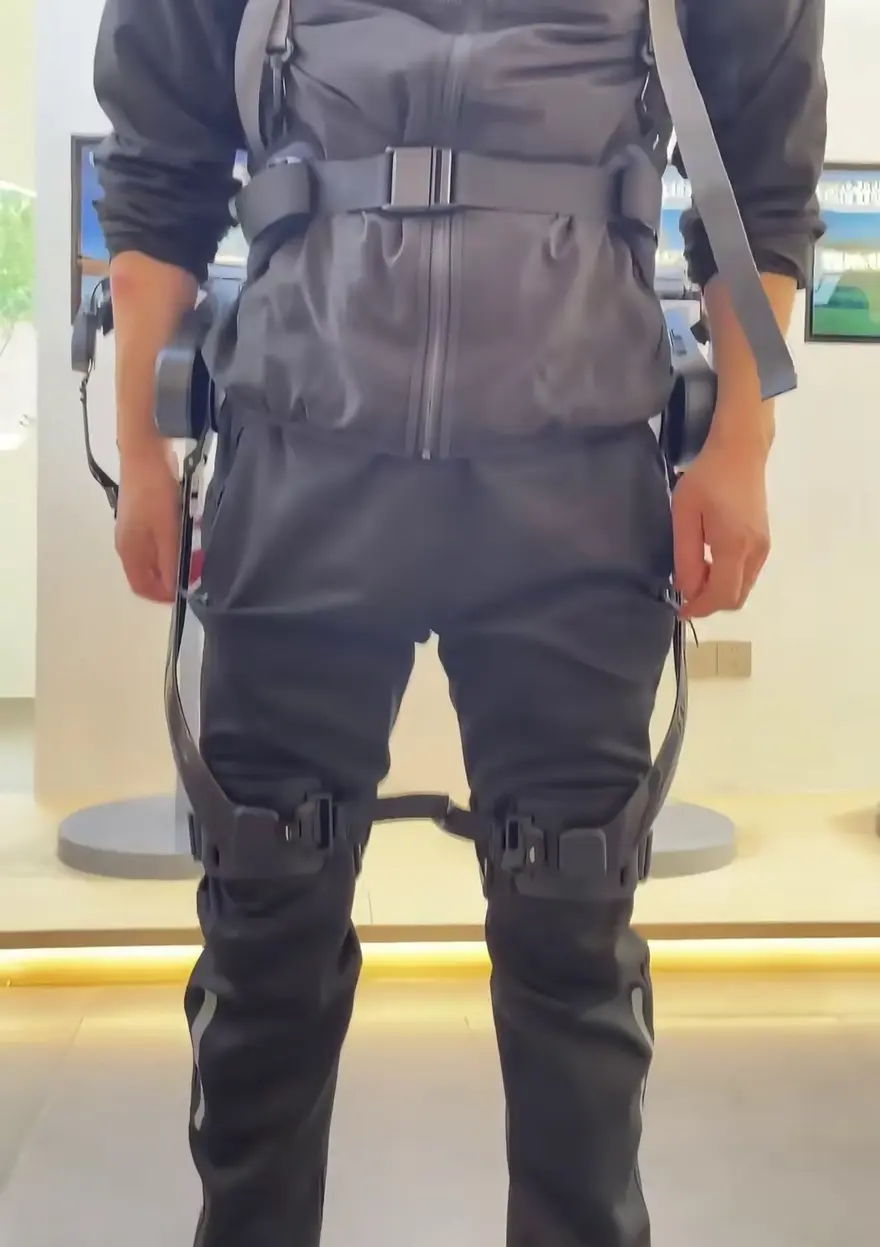
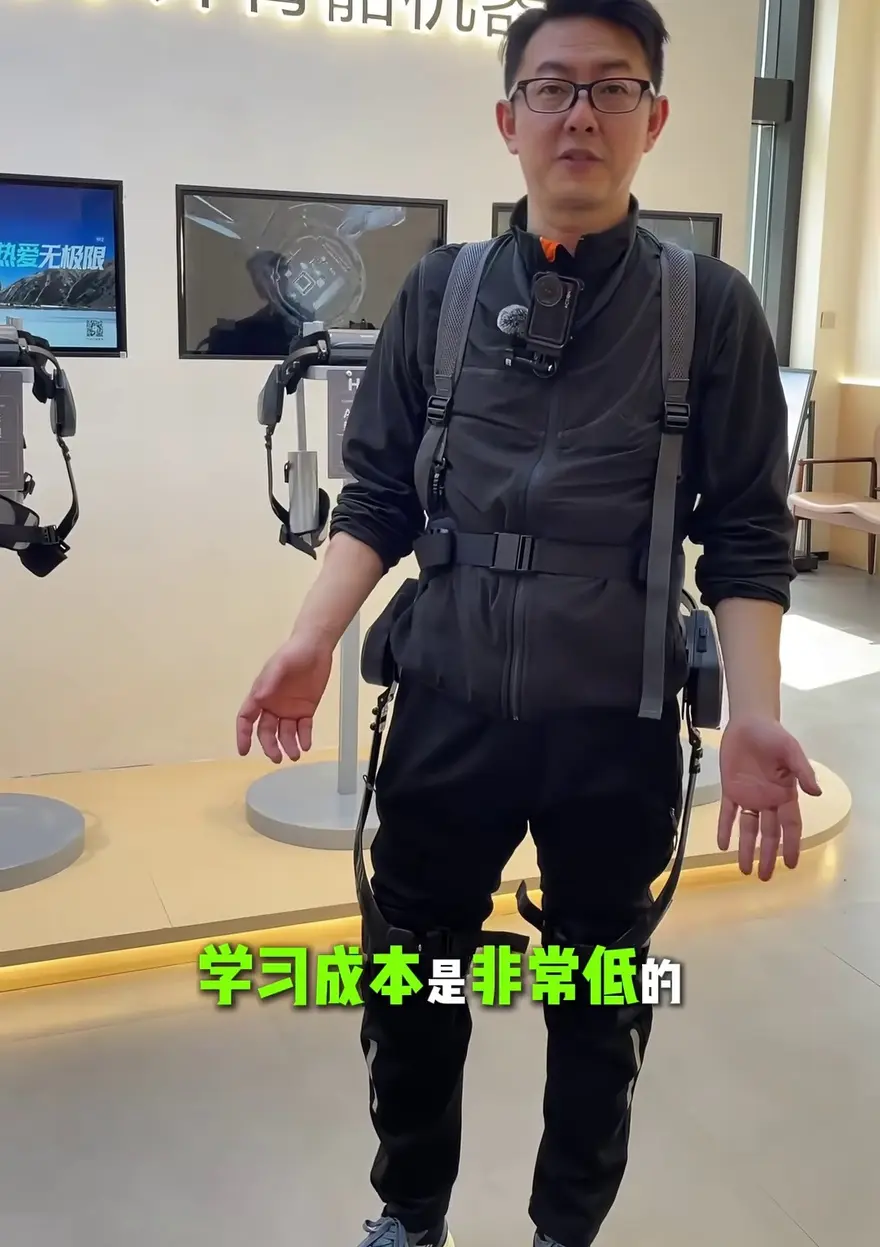
This robot adopts a backpack-style, harness-like design. During the trial, we could immediately tell how carefully the engineers managed weight distribution.
 .jpg)
 .jpg)
 .jpg)
“The total weight of the system is about 2.4 kg. Once you put it on, it doesn’t feel heavy because we’ve used engineering design to distribute all the load points.” (as mentioned in the video)
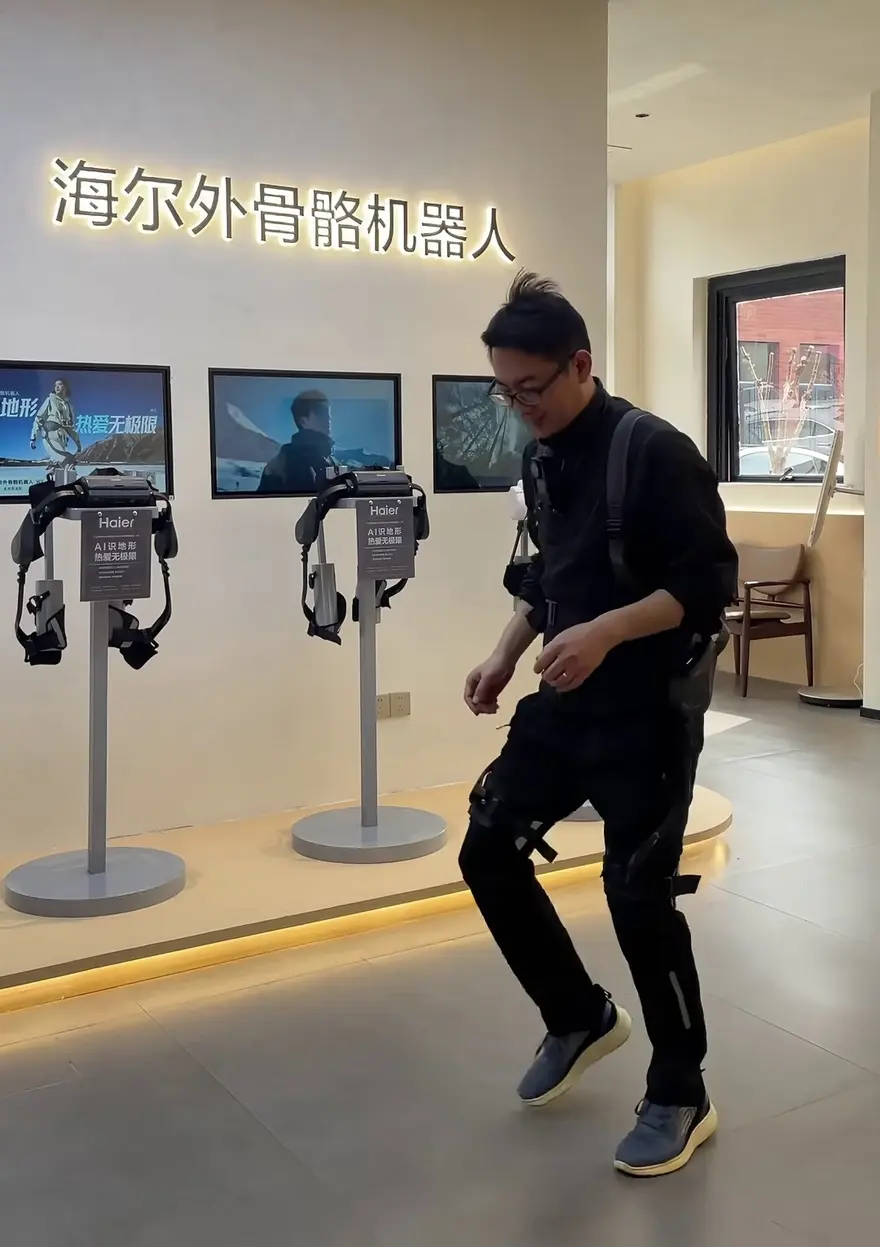 .jpg)
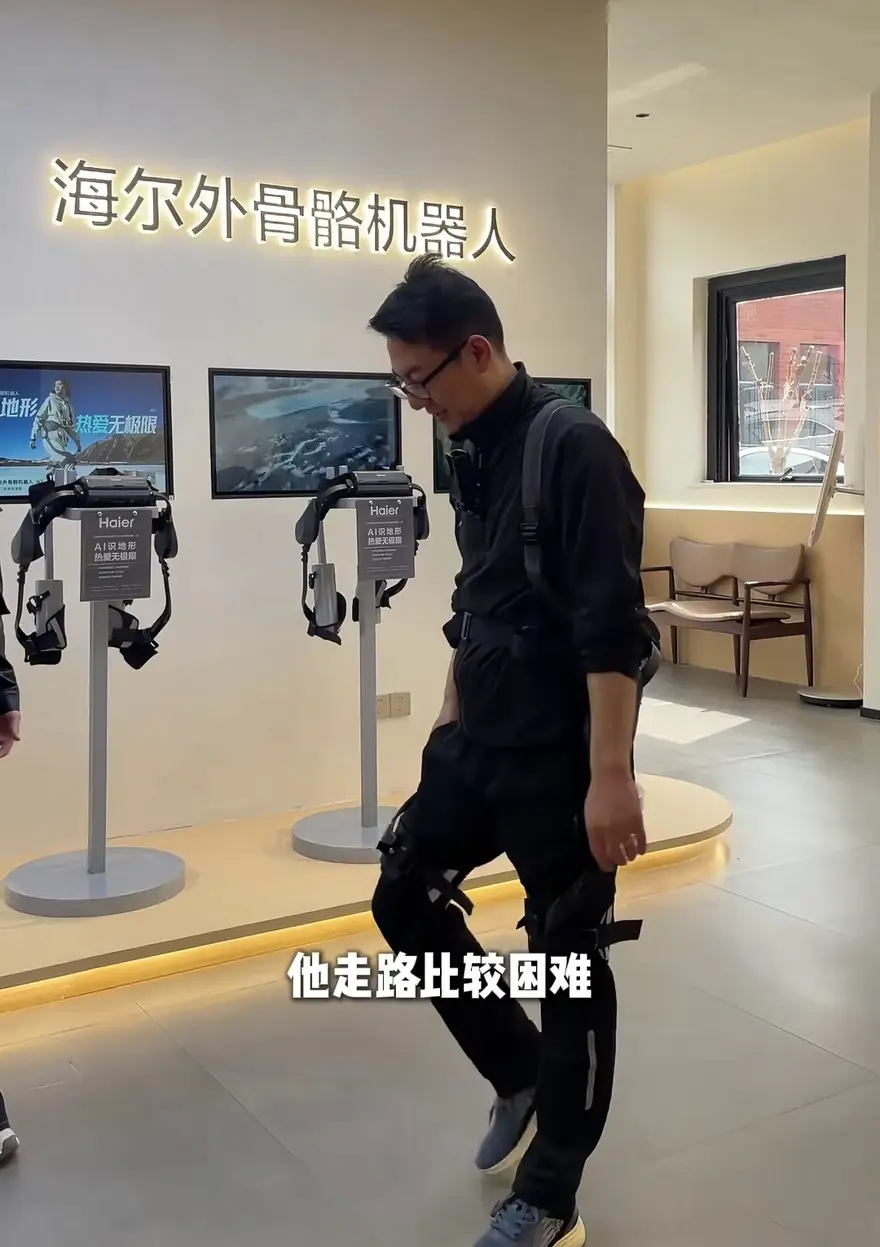 .jpg)
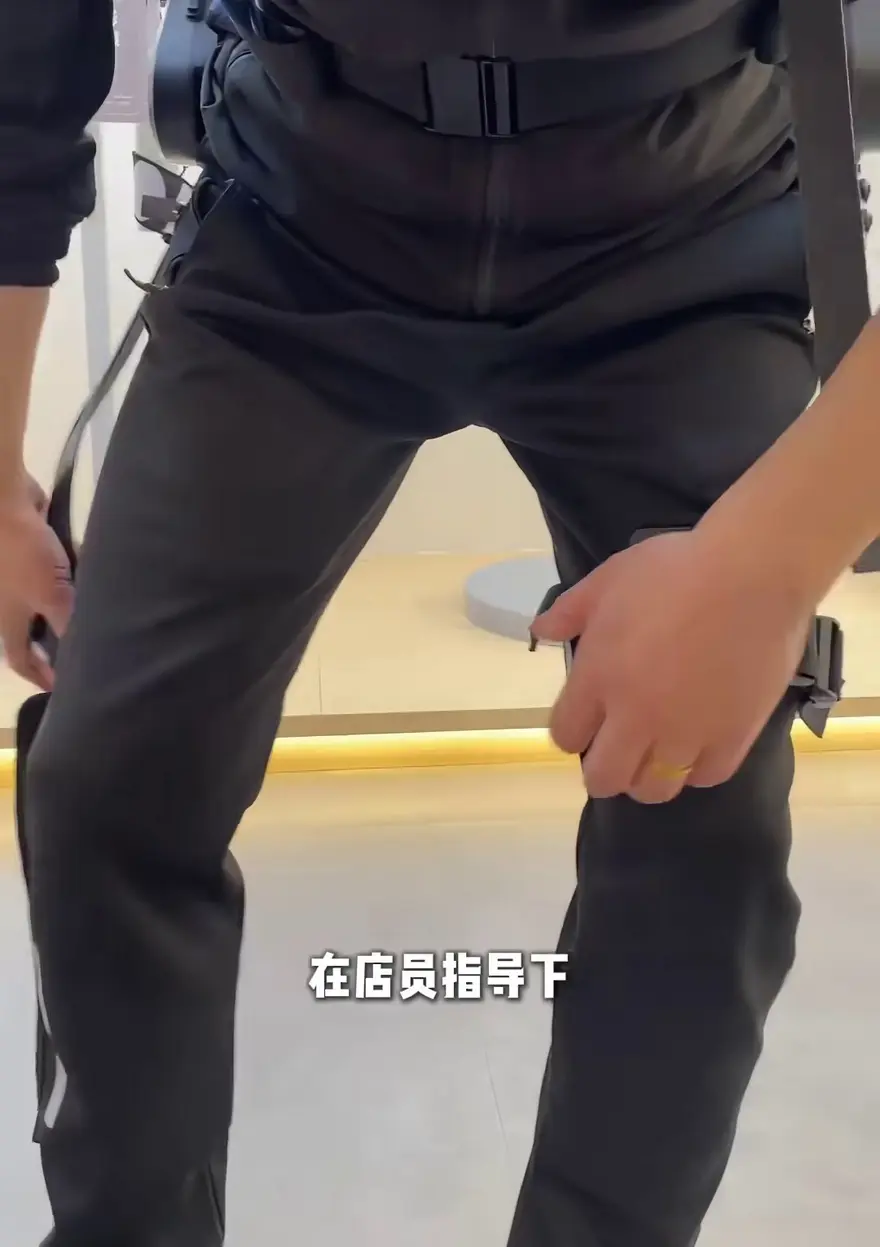
For older users, a complex manual is often the biggest barrier. Fortunately, the interaction logic here is very clear: the leg straps use magnetic buckles—just drape them upward, and tighten both sides.
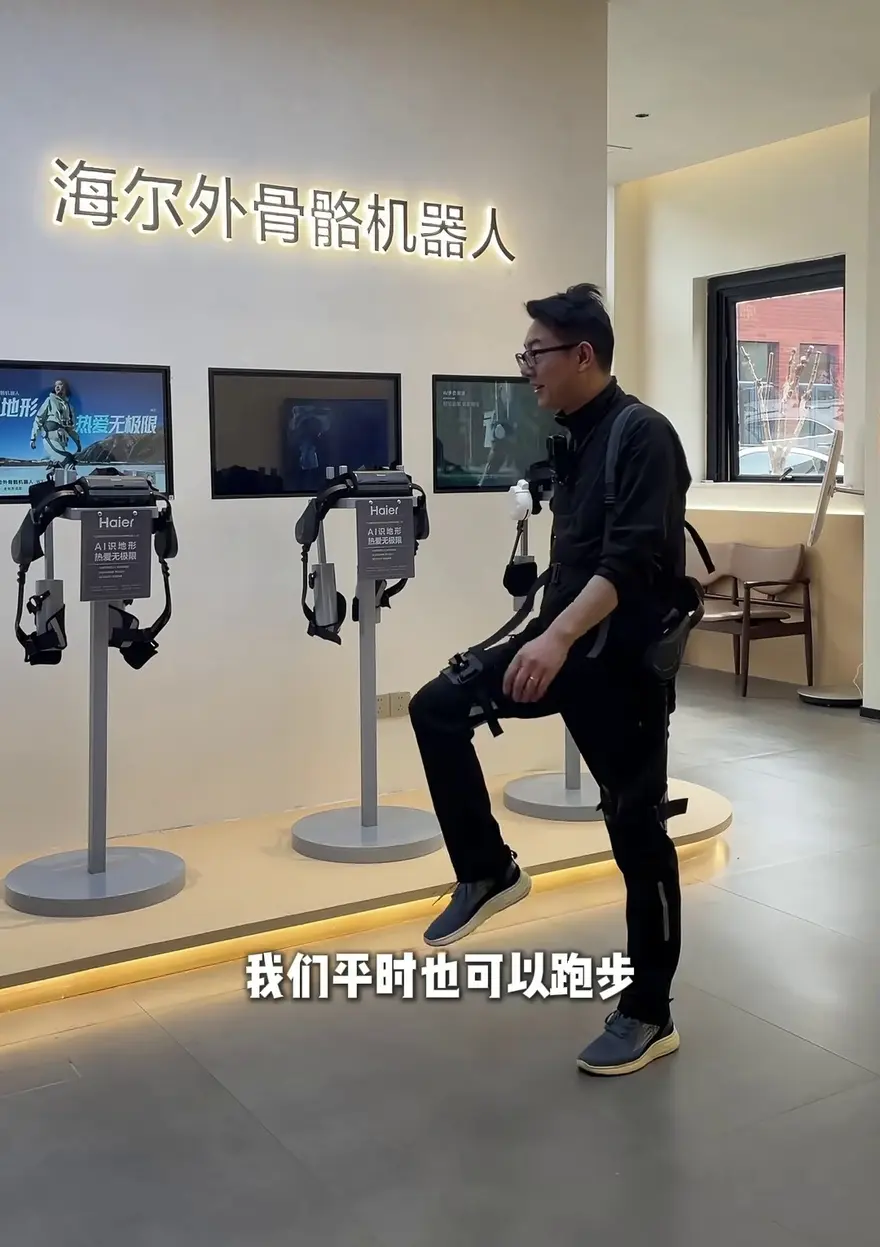 .jpg)
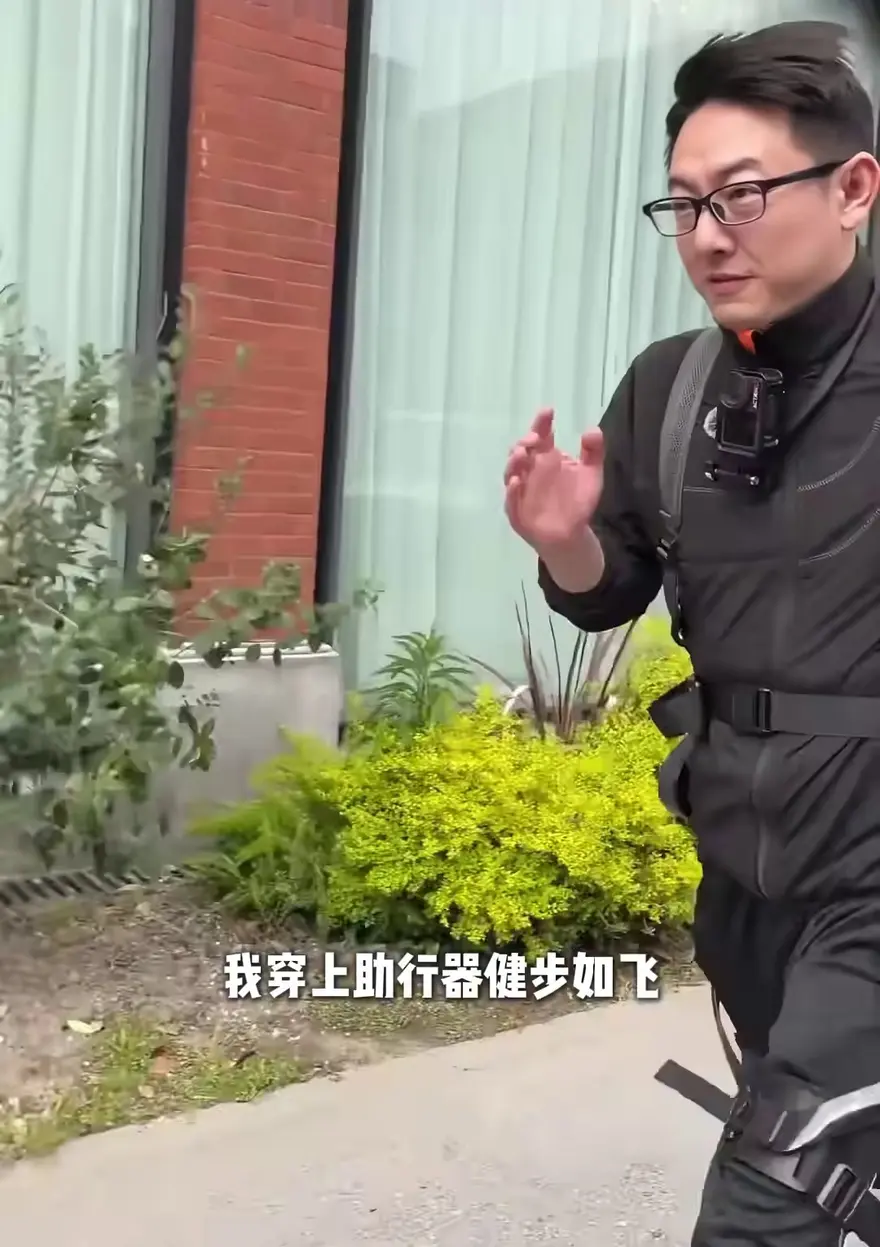 .jpg)
 .jpg)
Even users who have never tried an exoskeleton before can put it on and take it off independently in under 30 seconds with guidance from the staff.
 .jpg)
 .jpg)
Core Assist Analysis: The Magic of 16 Nm Joint Torque and "Upward Lifting"
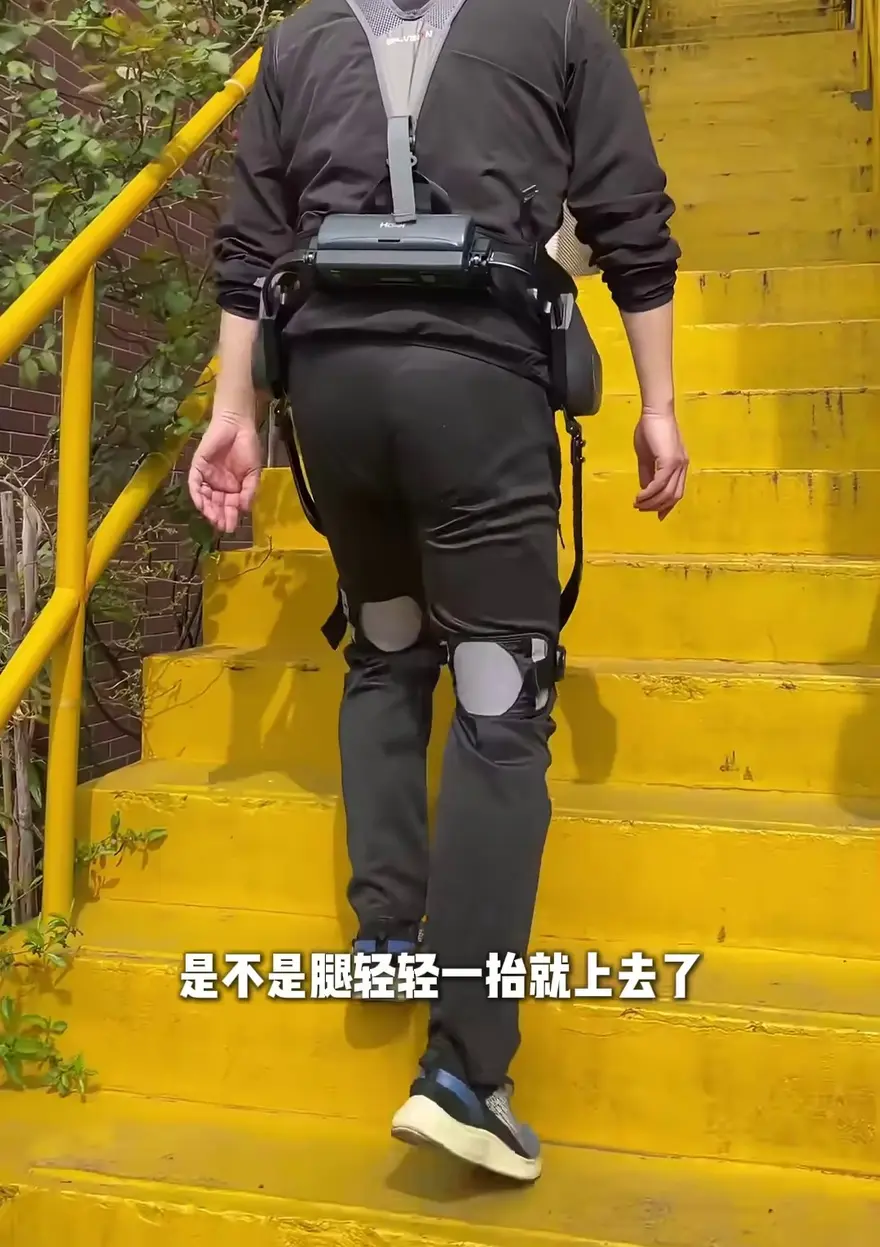
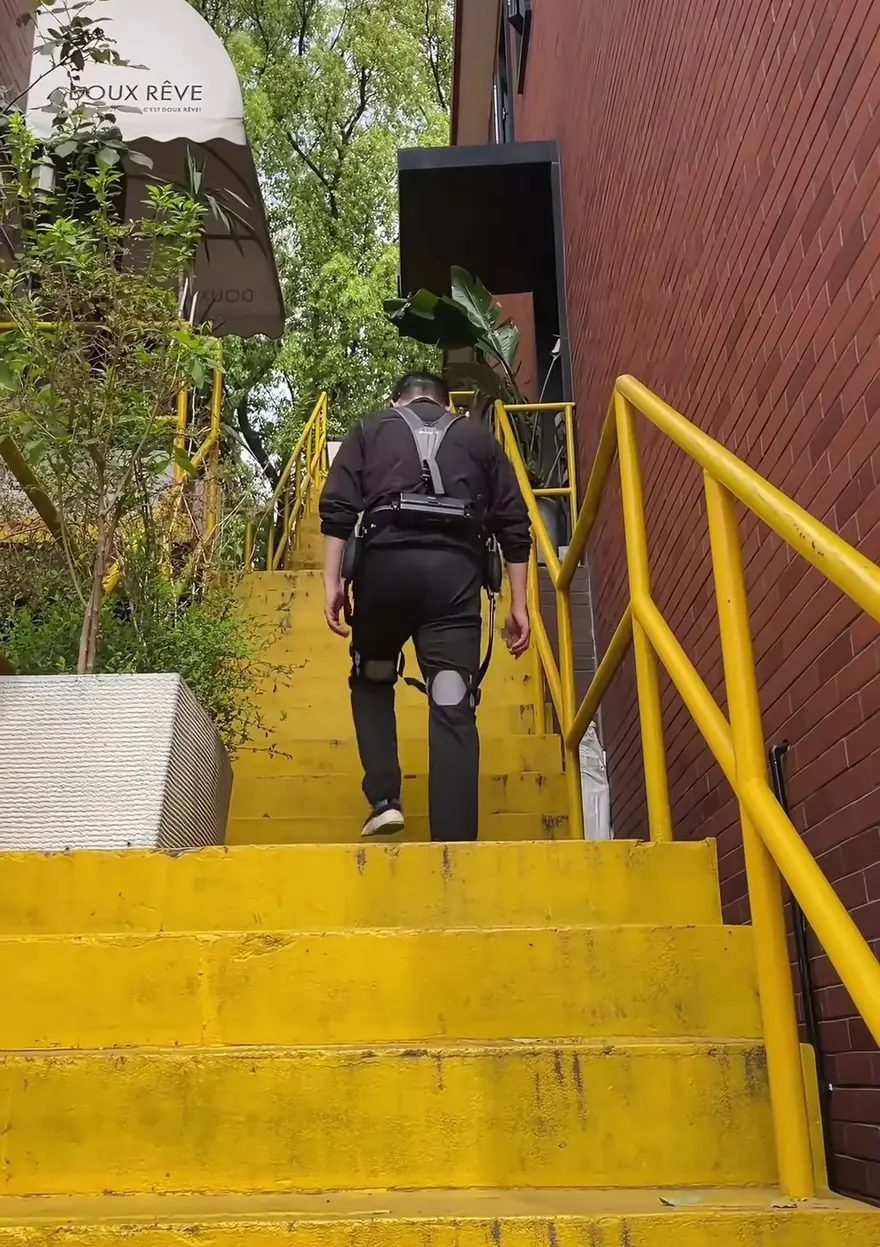
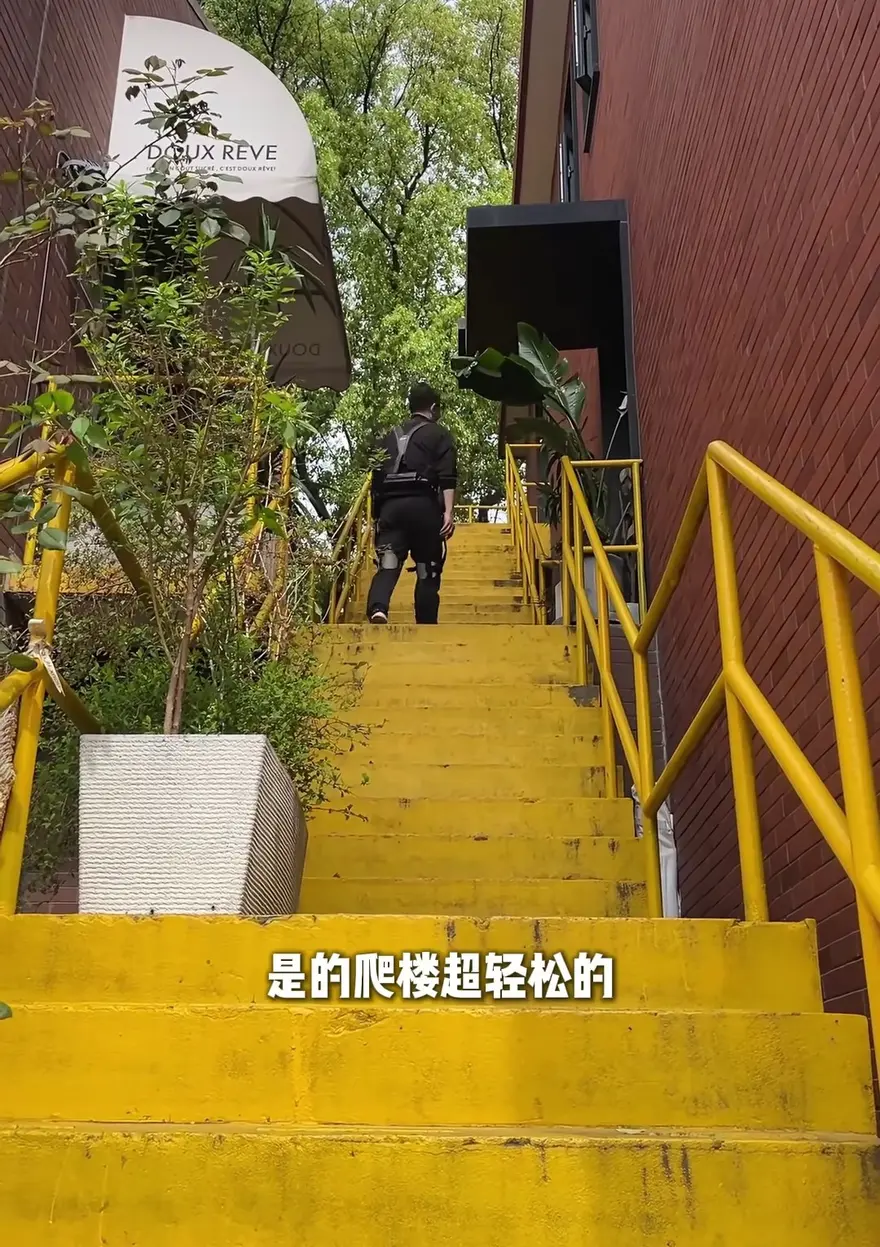
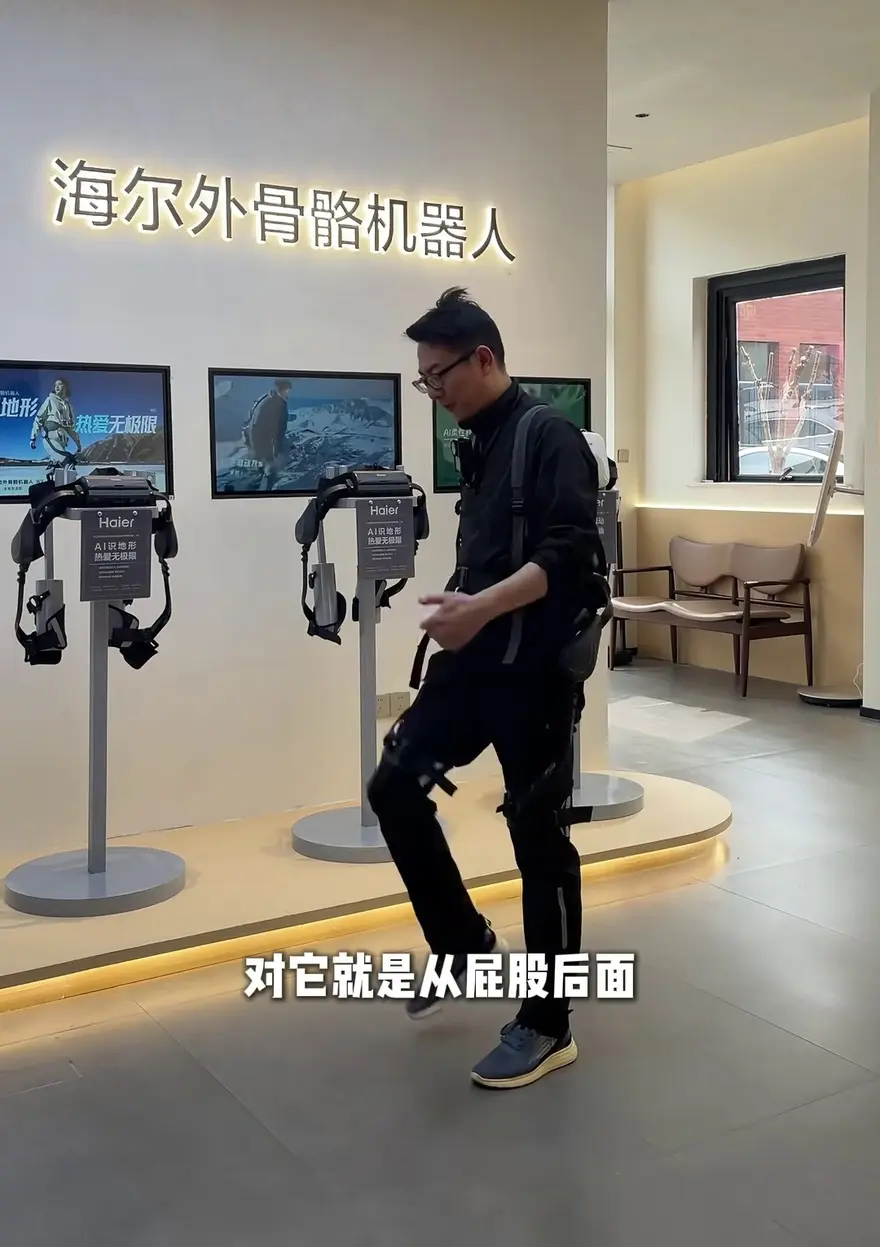
Turning on the power, the recommended starting point is Level 3. When lifting your legs, the most intuitive sensation is that a force is "catching" you from behind your hips. This upward lifting force significantly reduces muscle effort.
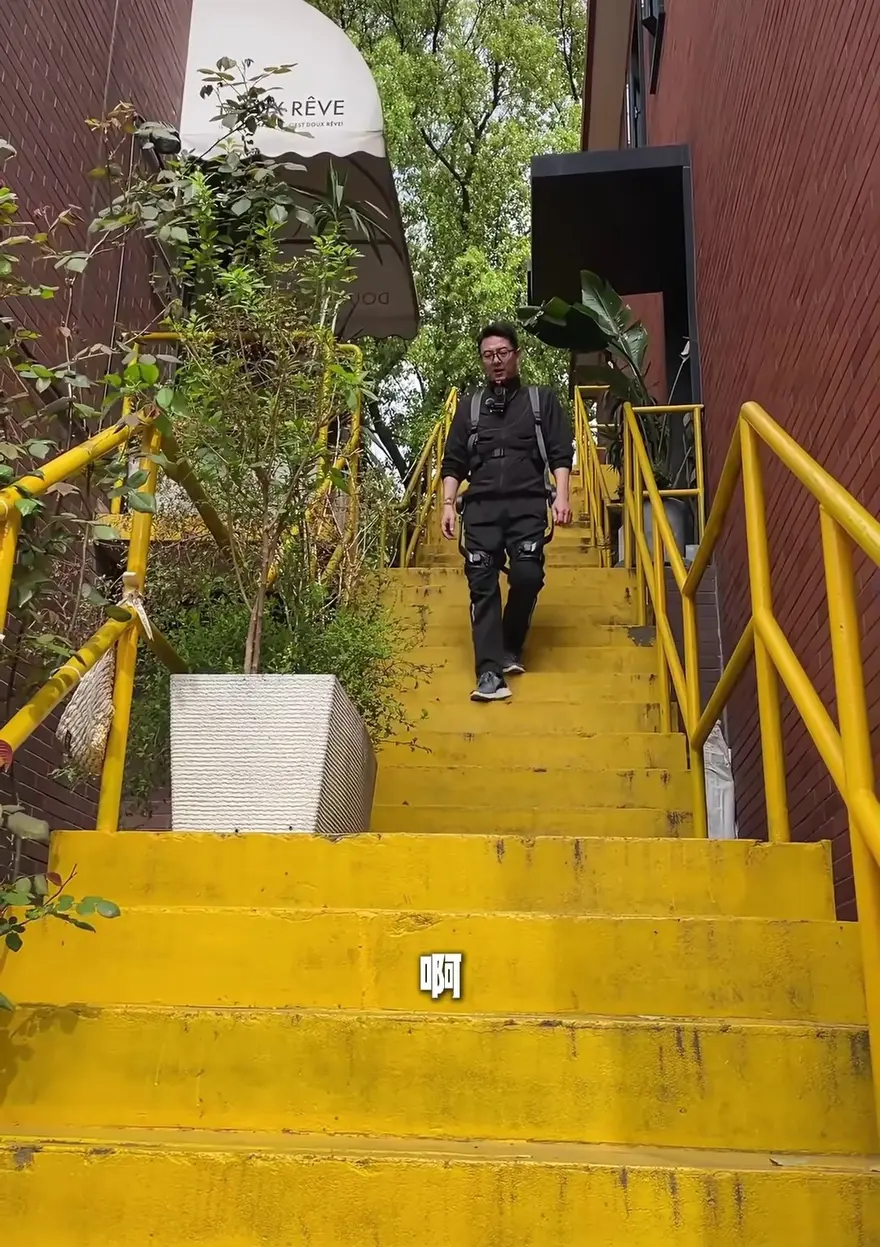
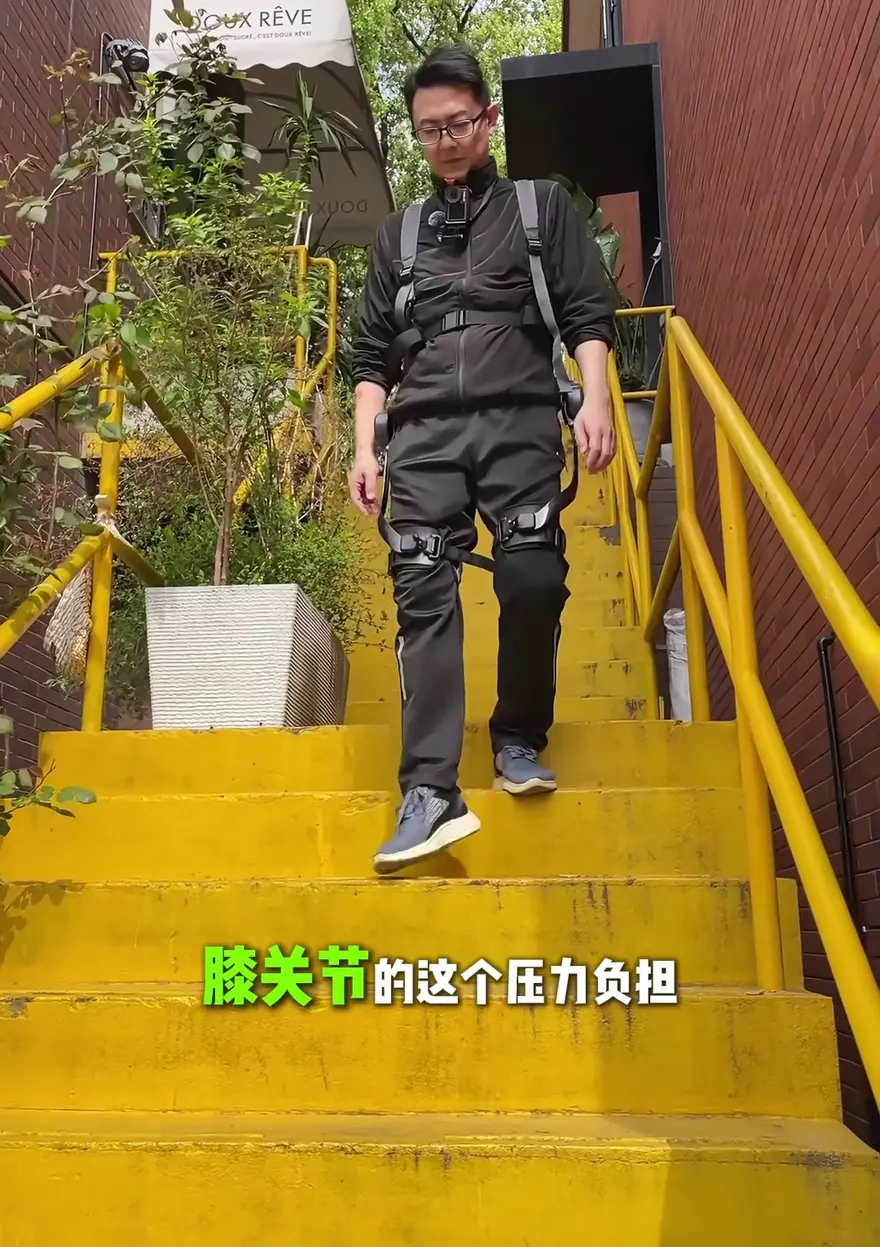
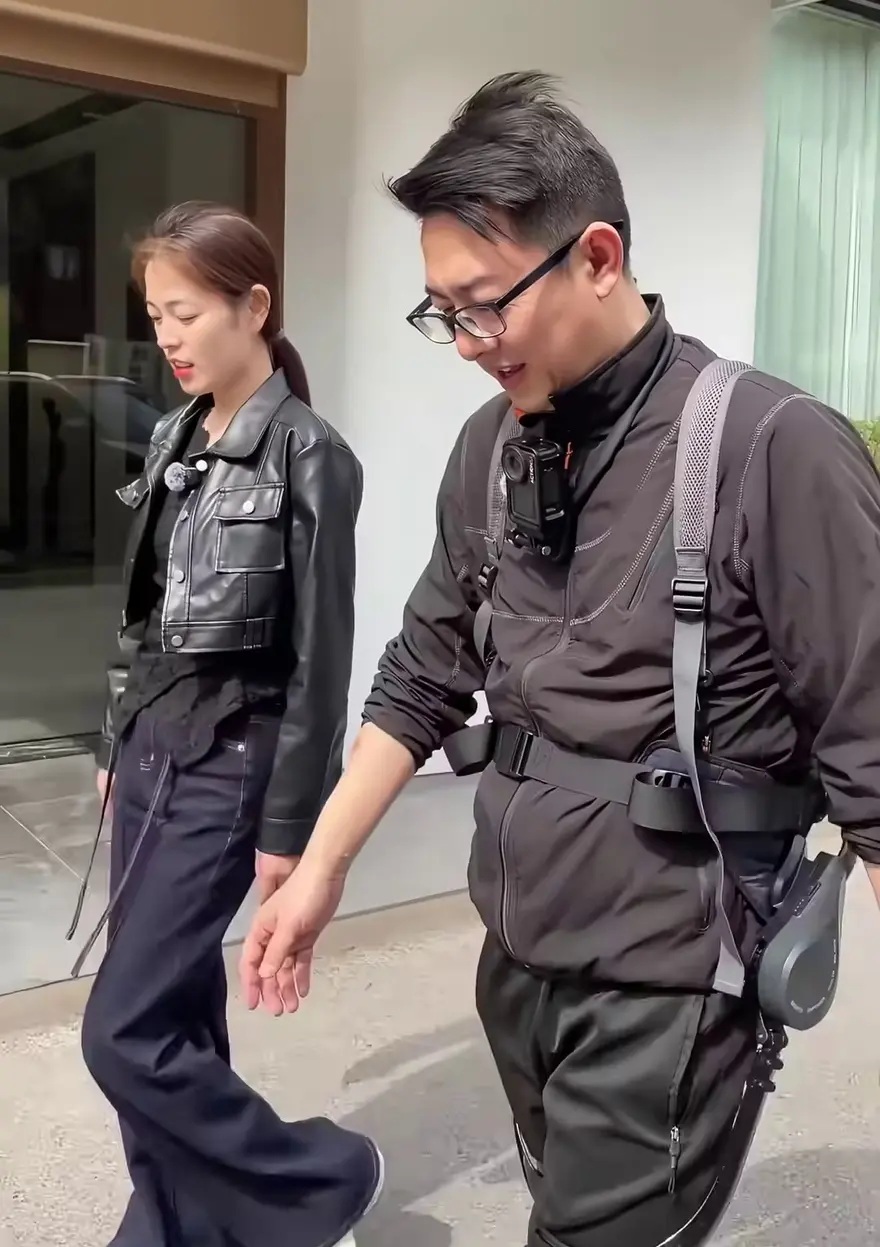
"With just a light lift of the leg, you can feel an upward assist. It primarily provides an upward lifting force from behind the hips, allowing us to barely exert any effort when taking high steps."
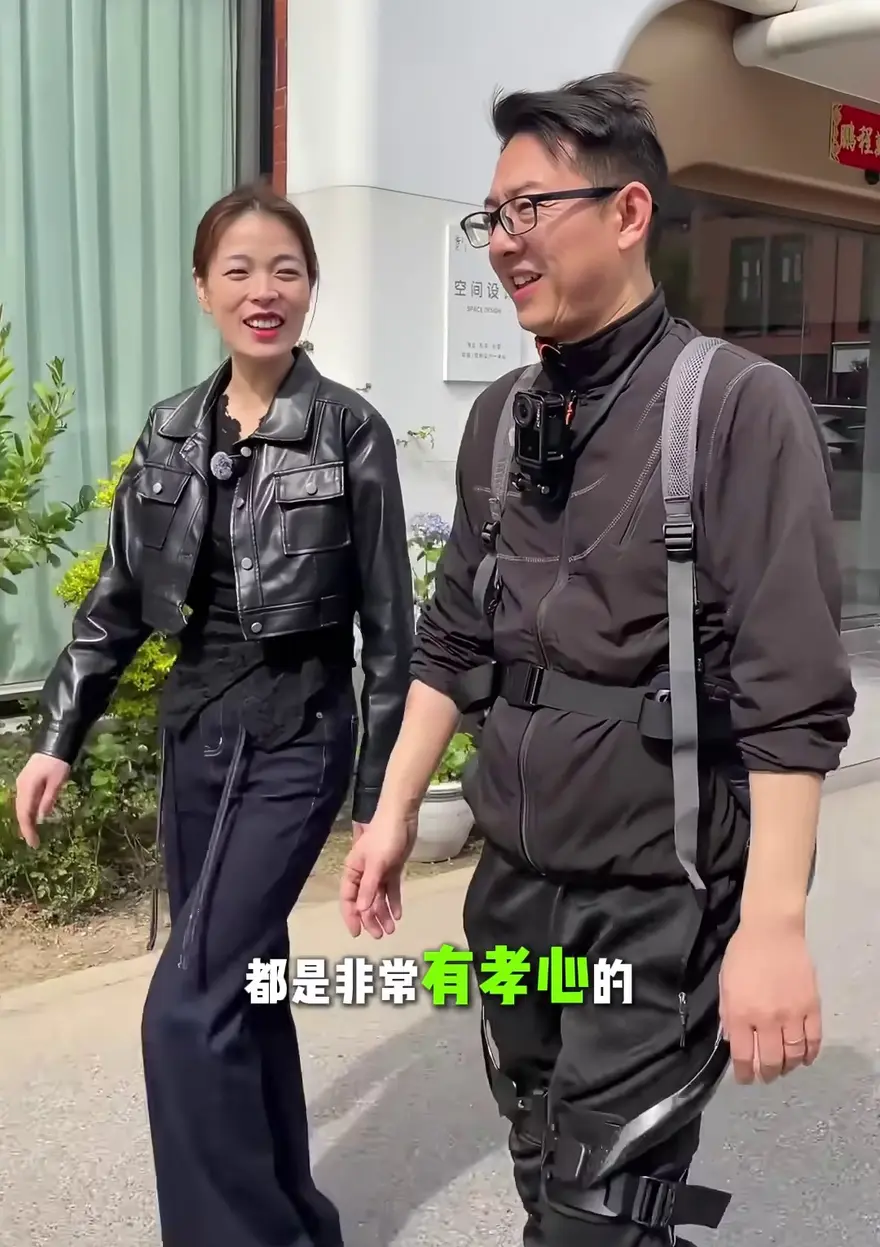
Beyond the vertical lifting force, support during turning is equally critical. The product's joint torque specifications reach the following:
16 N·m joint torque. (Source: Mentioned in the video)
This means that even when the user is turning or performing small knee-lifting movements, this device provides extremely refined assistance. As the vlogger mentioned, this assist is very friendly for elderly users as well as those seeking lightweight outdoor activities (such as hiking assist for young people).
The Revolution in Gait Algorithms: "Dynamic 5kg Weight Reduction" When Descending Stairs
A common pain point for many exoskeletons is their rigidity in staircase scenarios. When ascending, we manually switch to a higher gear that provides greater assistance, instantly relieving the legs. However, when descending, we often have to manually shift down to prevent jarring jolts.
What is truly impressive is that this product introduces an auto-adaptive algorithm. It follows a gait logic that uses sensor data to feedback the user’s movements.
"When descending stairs, the device dynamically reduces the user's effective body weight by about 5 kg at each step of the gait. This significantly protects the lower-limb joints—especially the knees—by minimizing joint wear and tear." (Source: Mentioned in the video)
This kind of "intuitive intervention" tuning marks the clear distinction between an assistive exoskeleton and a traditional rehabilitation exoskeleton: it no longer forces you to walk according to the machine’s fixed rhythm, but instead works in seamless harmony with your body—all while keeping you safe.
Battery Life Tested: The Confidence Behind 30 000 mAh and Adaptability Across Scenarios
In the hands-on demo in the video, we take a look at its battery solution.
“The battery capacity is around 30 000 mAh. Under normal, everyday walking intensity, the endurance (in hours) is roughly 3 to 7 hours.” (Mentioned in the video)
For seniors heading out for groceries or a stroll, this level of battery life means no need to recharge every day—an impressive feat among today’s commercial-grade products.
The Heartwarming Side of the Silver Economy: A "Filial-Piety Swap" Happening in Offline Retail Stores
During our observations at the experience store, we discovered a very interesting trend:
Staff members report that, among recent customers, many cases involve adult children bringing their parents into the store. These offspring, filled with filial piety, simply want to make walking easier and more comfortable for their elders.
The exoskeleton is no longer just a Geek toy; it has become a brand-new vehicle for holiday gifting and expressing filial duty. When young people bring their parents into the store and fit them with exoskeletons just like trying on seasonal apparel, this technology finally acquires genuine heartwarming value.
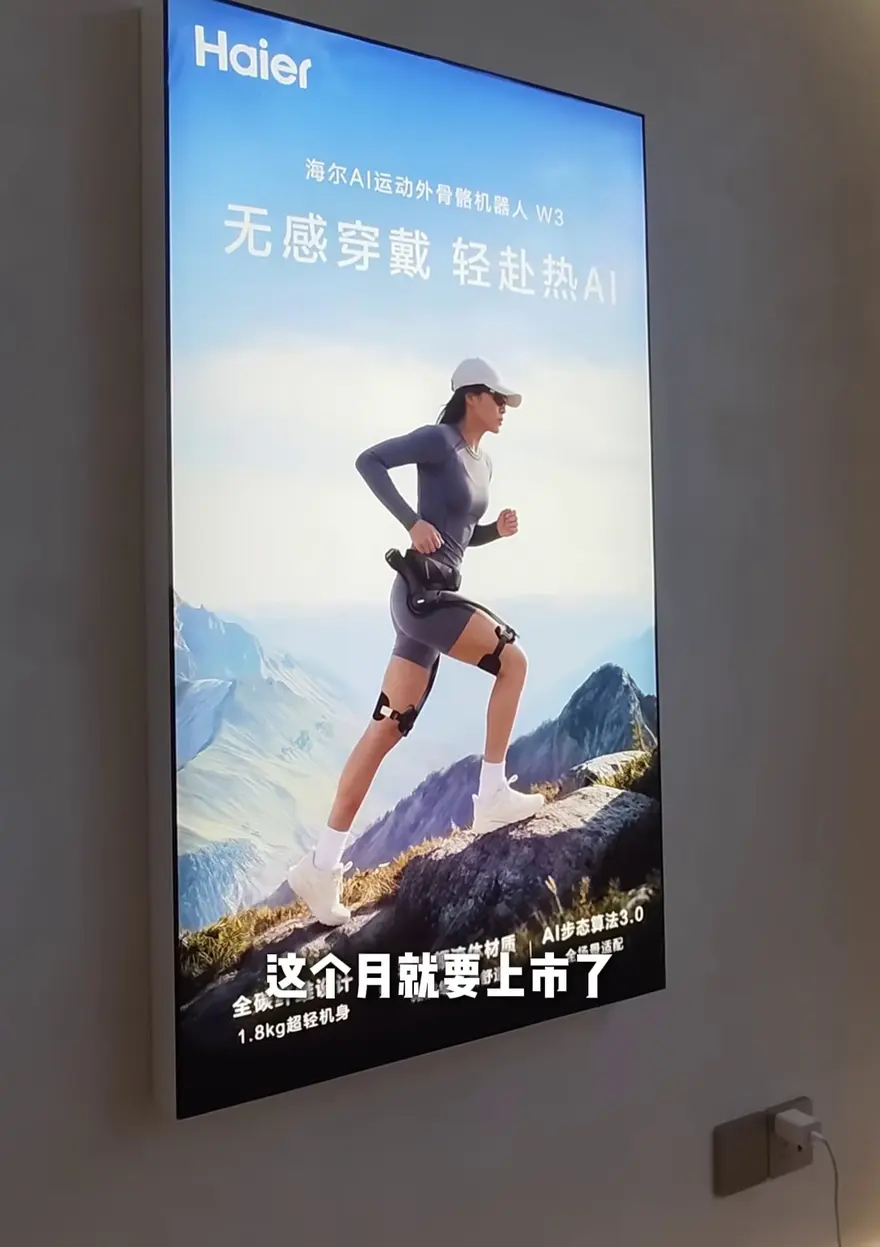
Looking Ahead: Iteration Predictions—The Step-by-Step Evolution from W2 to W3
| Parameter Dimension | Haier W2 (Current Model for Experience) | Haier W3 (Next-Gen Model, Coming Soon) |
|---|---|---|
| Overall Weight | Approximately 2.4 kg (as mentioned in the video) | Under 1.8 kg (as mentioned in the video) |
| Wearing Design | With shoulder straps to reduce weight through force distribution | Completely remove shoulder straps for further simplification |
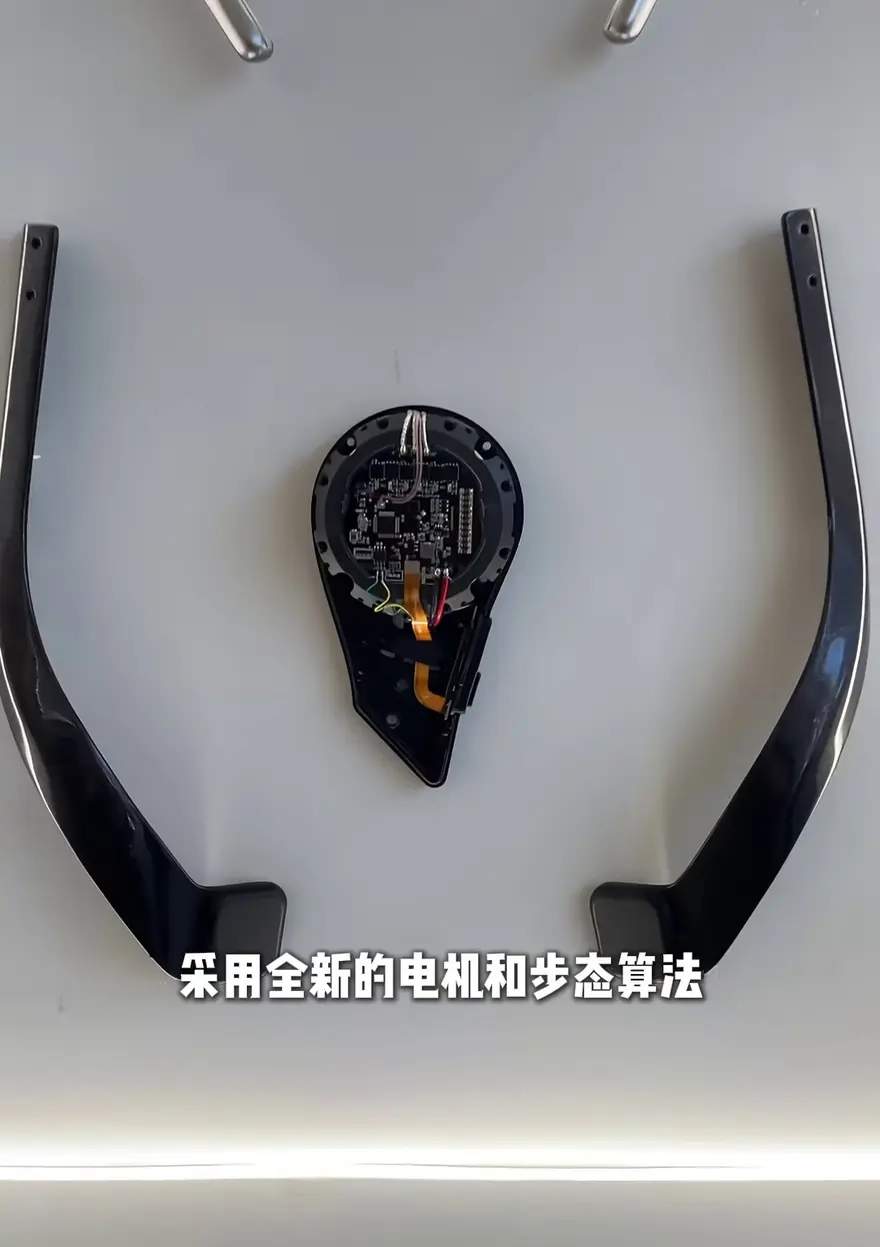
| Motor System | Current configuration | Embedded with a new motor for stronger assistance |
| Core Algorithm | Basic gait algorithm | Optimized gait algorithm for smoother intervention |
While the 2.4-kg weight of the W2 is already acceptable, the W3’s removal of shoulder straps and reduction to under 1.8 kg means it shifts from a “cross-body bag” to a “more leg-hugging shin guard,” which marks a qualitative leap in portability.
Industry Insight: Consumer-Grade Exoskeletons Must Not Just Be "Cool Burdens"
Based on this hands-on experience, current consumer-grade exoskeletons have clearly defined their application boundaries. Unlike military exoskeletons, they are not designed to lift hundreds of kilograms.
The core logic is to optimize muscle strength and protect vulnerable joints. For seniors, the exoskeleton is not meant to let them outrun an Olympic champion, but rather to enable them to go grocery shopping and take walks pain-free and with dignity, reclaiming a lost sense of control over their lower limbs.
Top Community Comments
@Reader (Like 1): Where can I experience this kind of exoskeleton?
Analysis: This points out a pain point from start to finish—the lack of offline physical stores directly impacts purchasing decisions. Even if the product experience is great, customers ultimately find there are no experience stores, making conversion from interest to purchase impossible.
@Reader (Like 0): Does wearing this help with knee pain?
Analysis: This strikes a chord with the deepest emotional resonance of the elderly demographic. The "dynamic weight reduction of about 5 kg" and "protection against knee joint wear" mentioned in the technical specifications are likely the only reasons they would want to buy it.
@Reader (Like 0): Is there an experience store in Guangzhou? I want to take my mom to try it.
Analysis: A top-tier golden comment! This directly validates that the path from video content to conversion is successful. "First-hand offline experience" is becoming the most effective sales script for this type of high-priced hardware.
@تون_j (Like 0): Looks a bit heavy—you wouldn't need to walk if you wore it.
Analysis: Even though they might be convinced by the weight display in the video, the "visual weight" still plants seeds of doubt in the user's mind. This is a bias that needs to be crushed by actual measurements from a real device in-hand.
@Reader (Like 0): Suggest adding fall protection for the elderly.
Analysis: A hardcore, elevated suggestion. How can technology act as a safety net for human vulnerability? Algorithm-based fall protection, or even further, a crash-proof design combined with carbon fiber structures, might just be the technical barrier for the next generation.
@Reader (Like 0): Looks like not only do retirees need this, but we office workers also need it to solve the pain of commuting. Analysis: This perfectly illustrates that when "medical-grade rehabilitation" in the public's mind is universalized into a "daily assistive device," the next growth point for consumer-grade exoskeletons might really come from young people drained by their daily commutes.
@Outlier_k (Like 0): Climbing up and down stairs is the biggest highlight.
Analysis: You nailed it! With the gait recognition algorithms + automatic load reduction, the depth of assistance in this scenario far outshines the flashy tech demos of walking on flat ground.
One-Sentence Summary
Haier’s lower-limb walking-assist exoskeleton bridges the gap from cold, hard machinery to warm human-machine interaction through its unconventional approach to 2.4-kg weight management and its “dynamic load-relief” logic. For children who wish to help their partner regain the joy of a relaxed stroll, or for young people eager to experience this tech-enabled mobility aid, this is a successful in-person consumer-research journey that lives up to expectations.
About this article: part of Chinese-Made Exoskeleton Review Archive — an independent, regularly updated English archive of reviews of consumer exoskeletons made in China, edited from publicly available video transcripts. Not an official manufacturer page.
For inquiries and purchasing, contact lonlonago@foxmail.com. More in Reviews · All articles.