Weighing Less Than a Finger of a Medical-Grade Device Yet Aiming to Pack Gait Into a Backpack: A Deep Dive Review of the Dnsys X1 Consumer-Grade Exoskeleton
Late in the year, my personal favorite new product category has been devices that truly help you go "outdoors." Most of what we’ve seen in movies and hospitals in the past were expensive, bulky rehabilitation exoskeletons leaning heavily toward medical use. This time, however, I want to talk about a more practical consumer-grade exoskeleton—the Dnsys X1. It is compact, lightweight, and easy to use, designed to integrate into daily commuting, outdoor adventures, and hiking (Auto Activities). I’ve been putting it through extensive real-world testing over the past few days. In this issue, I’ll break down everything there is to know: where it shines, where it still needs improvement, and whether you should buy it.
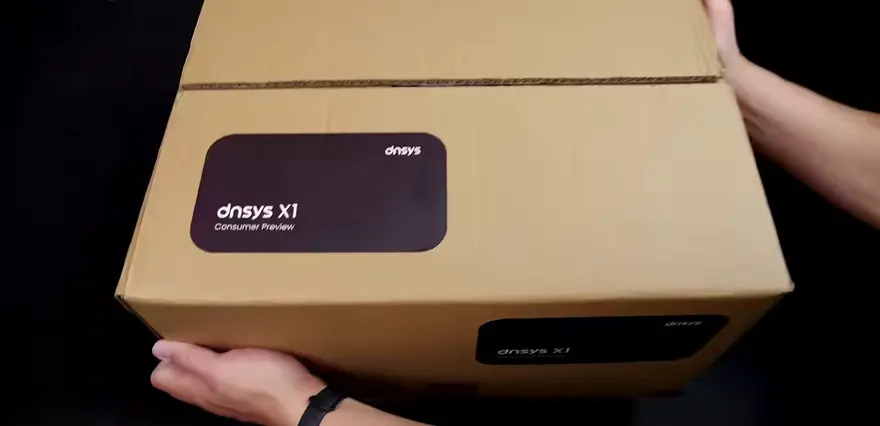
Unboxing and Design: Lightweight, Compact, yet "Looks Rugged"
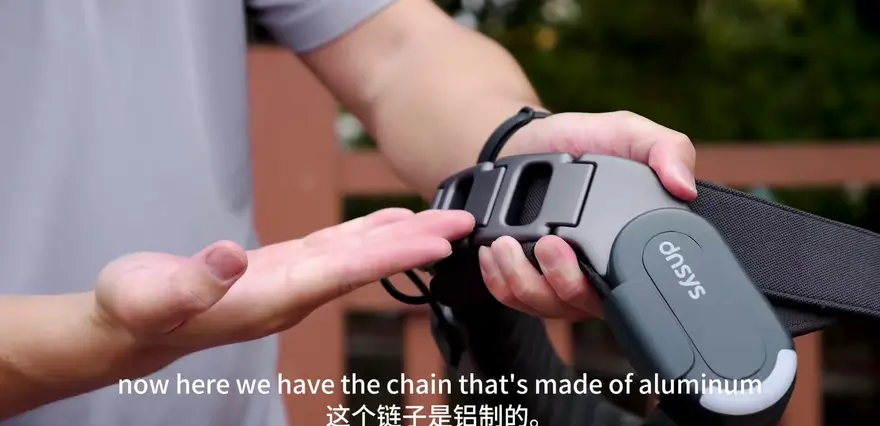
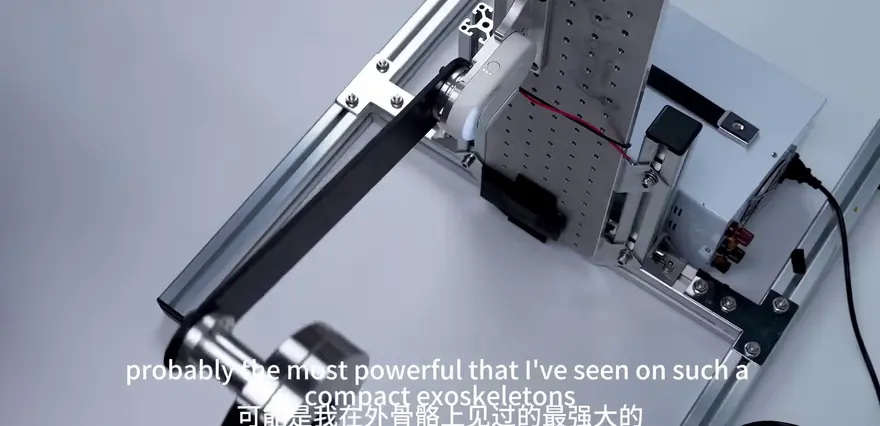
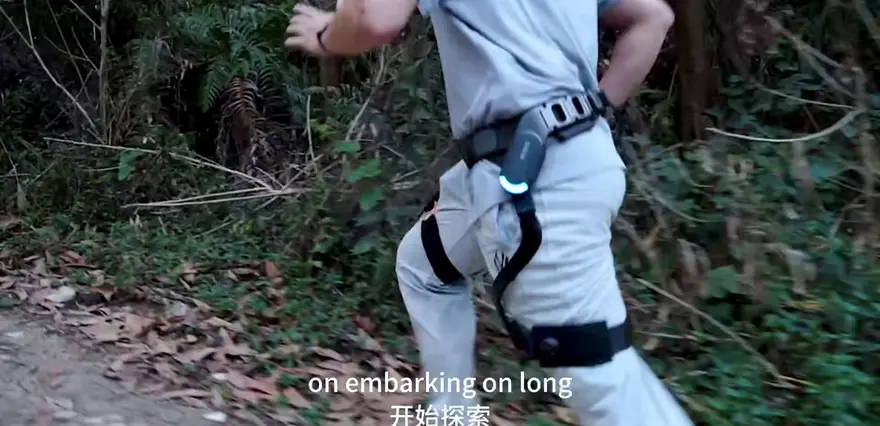
Starting from the back: the power supply and control links are integrated here, featuring a dedicated port for connecting the battery. A knob nearby allows for quick adjustment of the girth dimensions, so you can promptly tighten it to the appropriate fit. The connection structure uses aluminum alloy chains/links, ensuring both lightweight properties and structural strength. A motor is positioned on each side—on such a compact exoskeleton, the joint torque and power performance of these two motors are the most aggressive I have seen in this class.
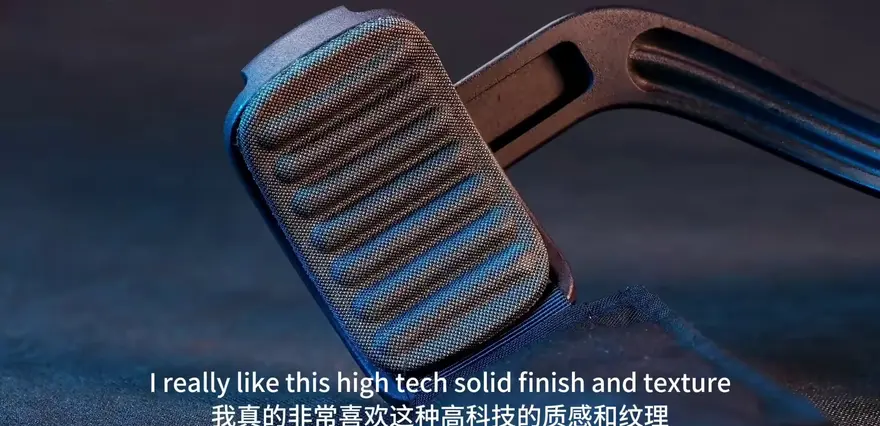
Moving down, we find the assist links for the left and right legs, with the lower ends secured to the thighs by two straps. The overall aesthetic features a high-end industrial surface finish and texture that "looks very rugged." Furthermore, compared to traditional bulky exoskeletons, the X1 is sufficiently compact; it can easily fit into a bag, and carrying it by hand is not an exaggeration.



Key Highlight: Aluminum alloy structure + high-torque motors on both sides; compact yet "looks very solid." (Mentioned in the video)
Strapping In and Powering On: Can You Get Started with "Zero Learning Curve"?
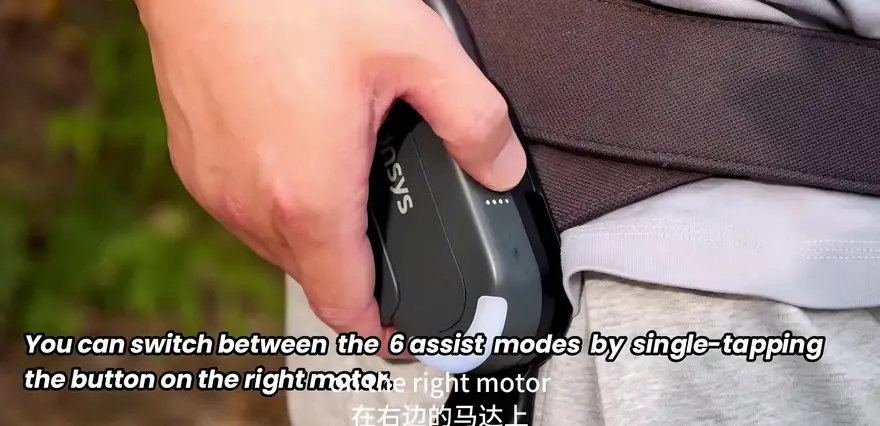
The donning process is deliberately straightforward: unbuckle—wrap the frame around your waist and pelvis—adjust the tightness—secure the end straps to your thighs—connect the power and slip the battery into the pocket—long-press the power button on the back to boot up. Once the indicator and mode lights light up, double-press the power button, and the device will run a very brief self-check to confirm that basic status is ready. The entire flow barely needs an instruction manual—you can finish it quickly.

User Value Proposition: A zero learning curve and rapid donning mean it behaves more like an "instant grab-and-go" consumer-grade device. (Mentioned in the video)
Assist and Gait: It is a walking assist that "pushes you forward," not a device that "walks for you"
When you start walking, the X1 intervenes with joint torque assistance exactly during the initial push-off and when climbing. You can clearly feel the motor exerting force at the hips/thighs to "push" you out of a stance where you feel stuck in place. The goal is not to execute the gait for you, but to make each step more effortless and energy-efficient, allowing you to devote more attention to the scenery and your route. This approach is critical for scenarios like hiking or trekking—you are still using your own body, but the physical cost is significantly lower.
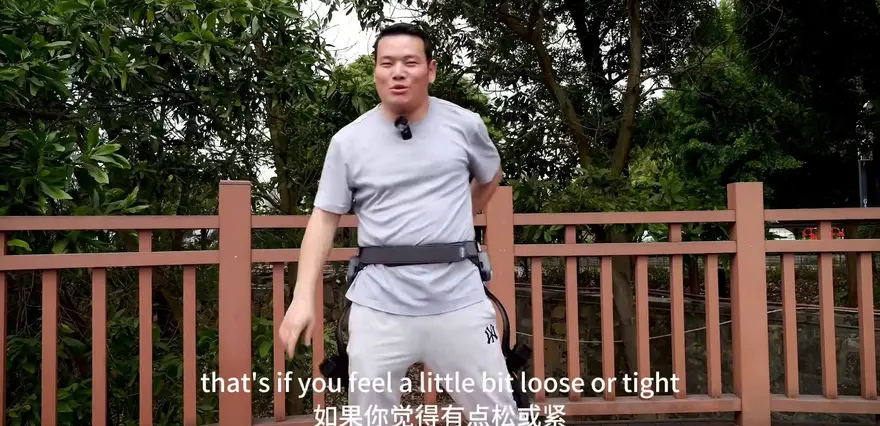
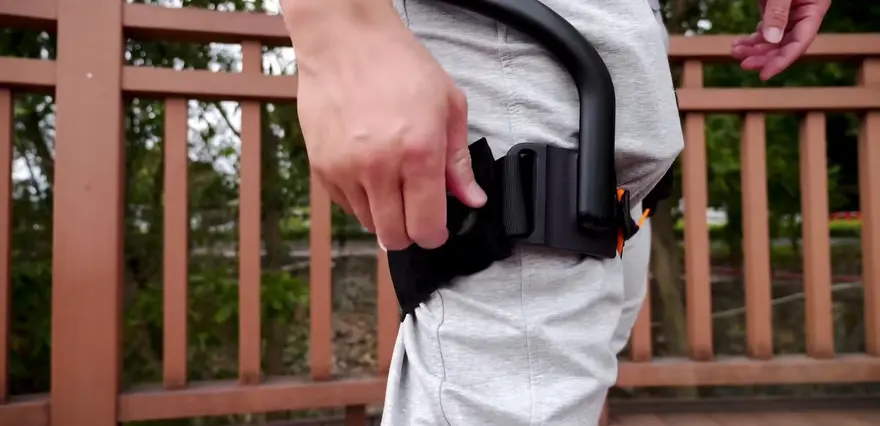
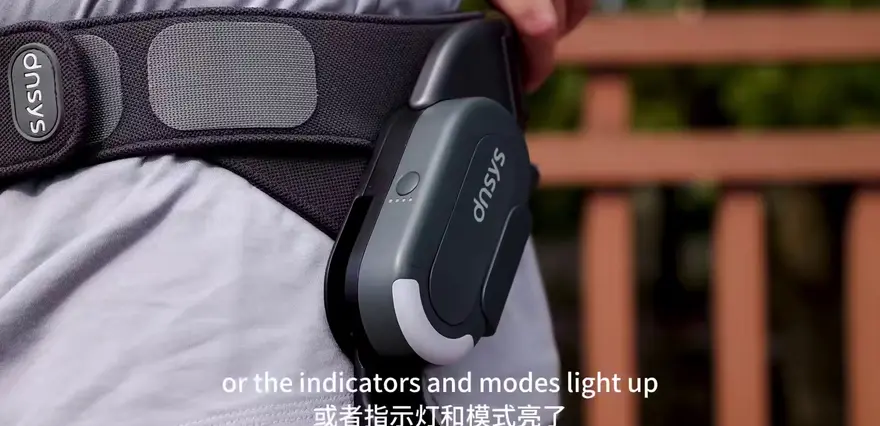
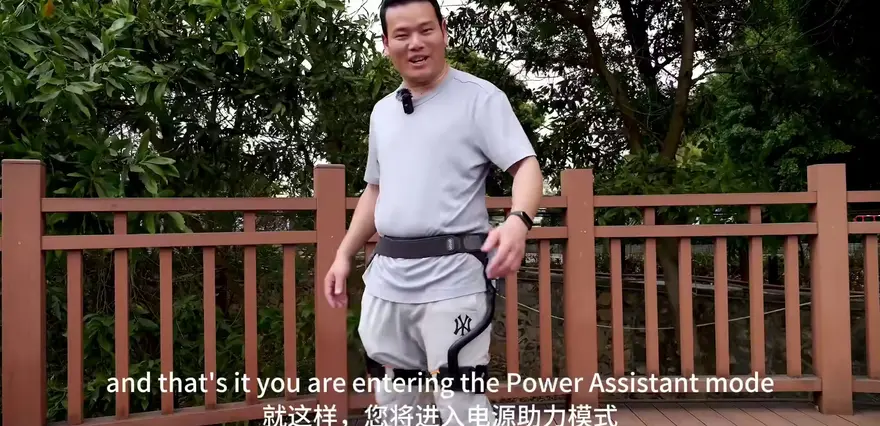
Core Takeaway: It is an assistive exoskeleton for walking assist that "pushes you forward," making starts easier and overall movement less strenuous, rather than walking for you. (As mentioned in the video)
Five. Modes and Power Consumption: The Better It Saves Power, the More You'll Want to Wear It Outdoors
It offers multiple modes for different scenarios. More importantly, for a device you already have to carry with a battery and a motor, truly “power-saving” behavior can sharply increase how often you actually bring it with you. Good power management means longer endurance (in hours), and it also makes you more willing to rely on it over more demanding terrain—this is exactly the watershed moment for whether a consumer-grade exoskeleton can achieve widespread adoption.
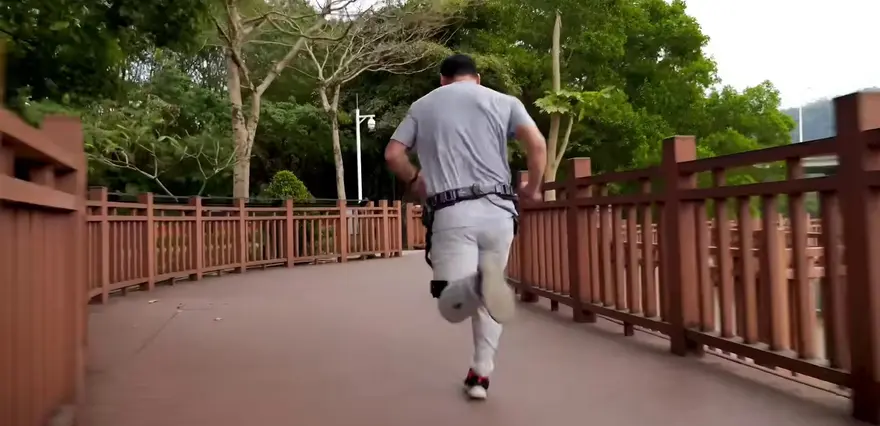


Product design rationale: multi-mode + high energy efficiency is the prerequisite for “willing to wear it outdoors” (mentioned in the video).
Usage Boundaries and Safety: The Inevitable Compromises of Lightweight Design—Which Segment Are You Targeting?
I want to highlight an engineering judgment here: when it comes to this type of consumer-grade exoskeleton, it is crucial to distinguish its positioning from that of a rehabilitation exoskeleton. The core goal of the former is "effort reduction and extending your range of mobility," while the latter may enforce stronger constraints, greater stability, deeper gait correction, and more robust features like "fall protection / self-balancing." The selling point of the X1 lies in being lightweight, portable, and low-burden. The corresponding trade-off is that you are getting "assist" rather than a complete "gait takeover." If you expect it to completely "hold you up" like hospital equipment, that is not what it is designed for.
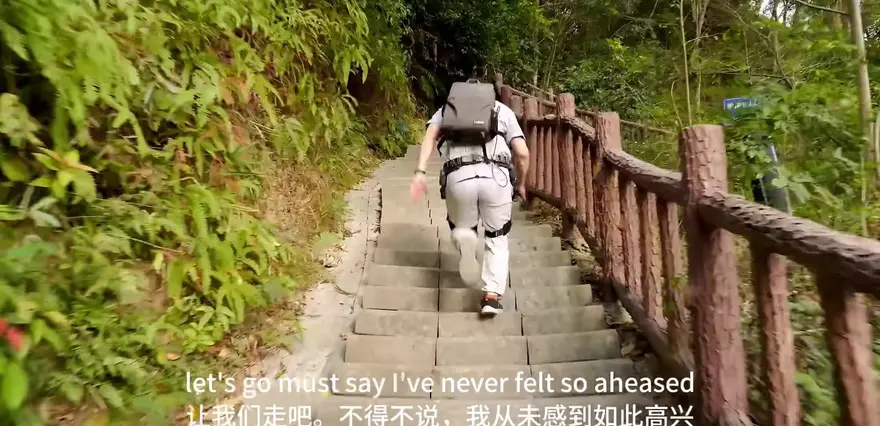
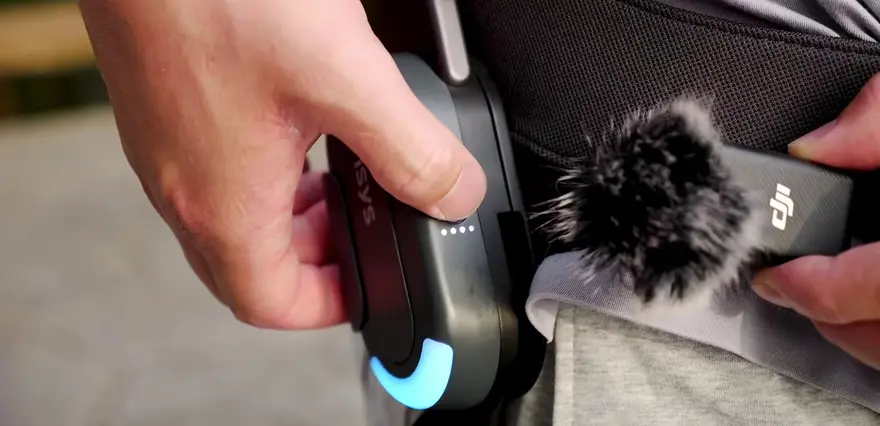
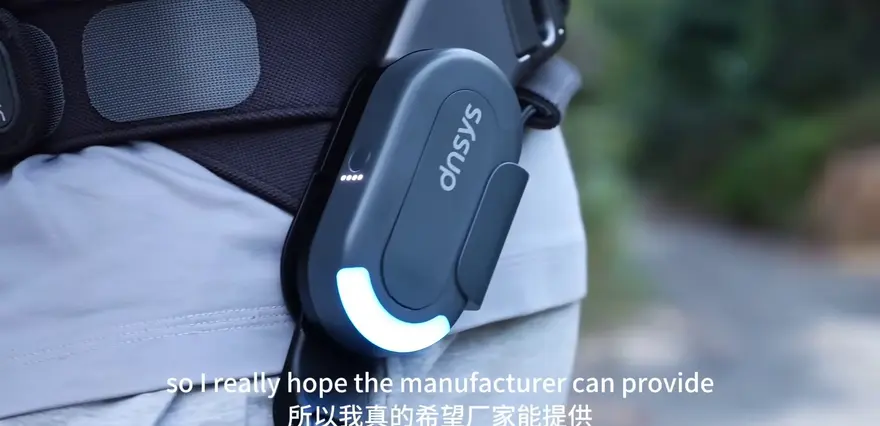
Positioning clarification: consumer-grade exoskeleton ≠ rehabilitation exoskeleton. The former emphasizes effort reduction and expanding the range of mobility, while the latter emphasizes stability and strong constraints. (Mentioned in the video)
Who Should Buy It: Long-Haul Hikes/Trekking — a Better Fit Than 'Daily Commuting'
All things considered, I would position the X1 more explicitly for users who are into long-distance, hiking/trekking, and want to widen their range of motion. The reasons are straightforward:
- Lightweight and compact, making it easy to bring along with minimal mental overhead;
- Quick to pick up, no learning curve required;
- Features scenario-specific modes and favorable energy consumption, giving you more chances to 'take in the scenery'.
If your use case is short commutes, or if you have extremely high demands for joint torque, the evaluation criteria will differ—you may lean toward an exoskeleton solution offering stronger restraint and greater stability.
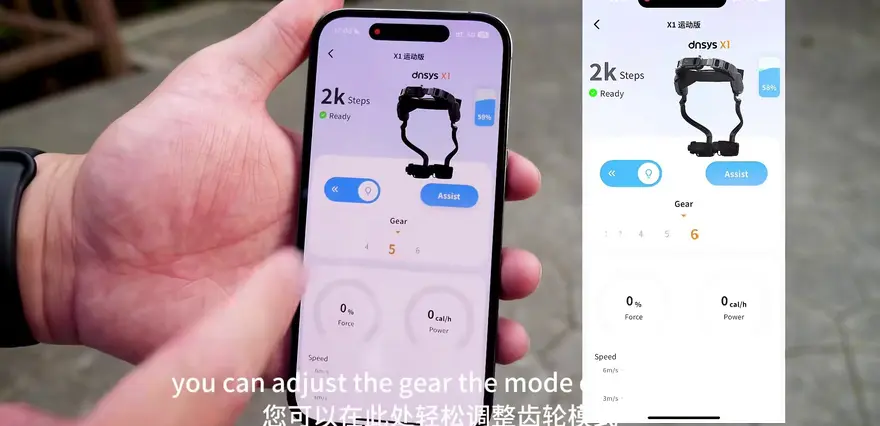
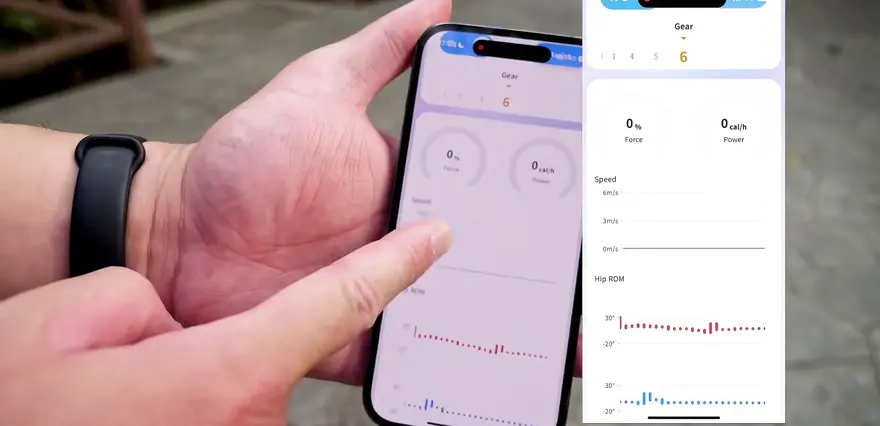
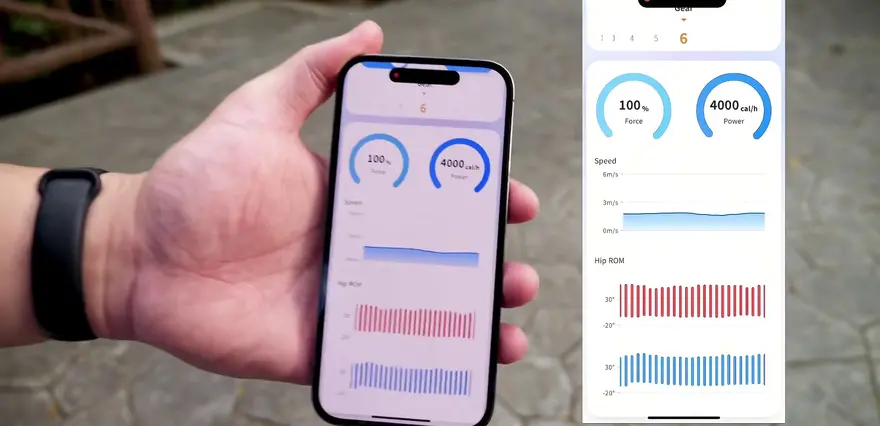
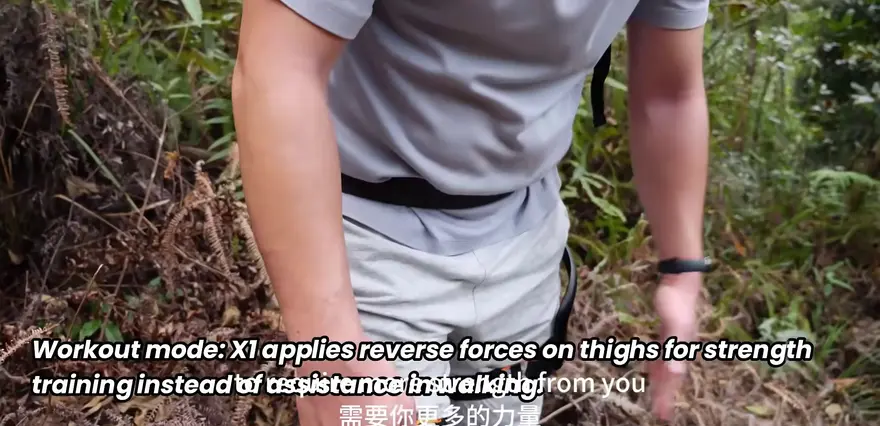
Recommended for: Long-distance hiking/trekking enthusiasts who want to make 'seeing more scenery' effortless. (Mentioned in the video.)
Team Background: Medical Exoskeleton Engineering Experience - How is it being 'Brought Down' to the Consumer-Grade?
The engineering background at Dnsys is also worth mentioning: most come from major tech companies (mentioned in the video, such as DJI, Xiaomi, and SenseCore), possessing experience in engineering and mass production of multi-category products. More importantly, the X1 is not their first exoskeleton—they have previously developed many medical device-grade rehabilitation exoskeletons used in hospitals and by patients with mobility issues. This accumulated expertise in safety, reliability, and human-machine interaction naturally translates to consumer-grade products. This became the foundation of user-experience maturity, giving the X1 its confidence.
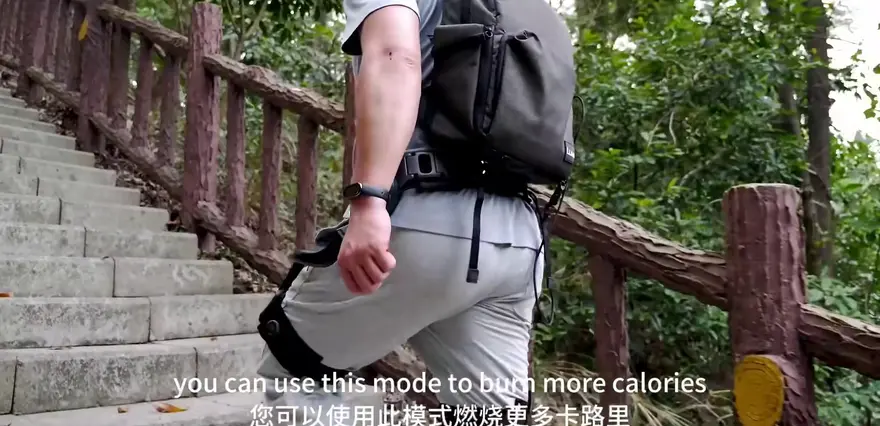
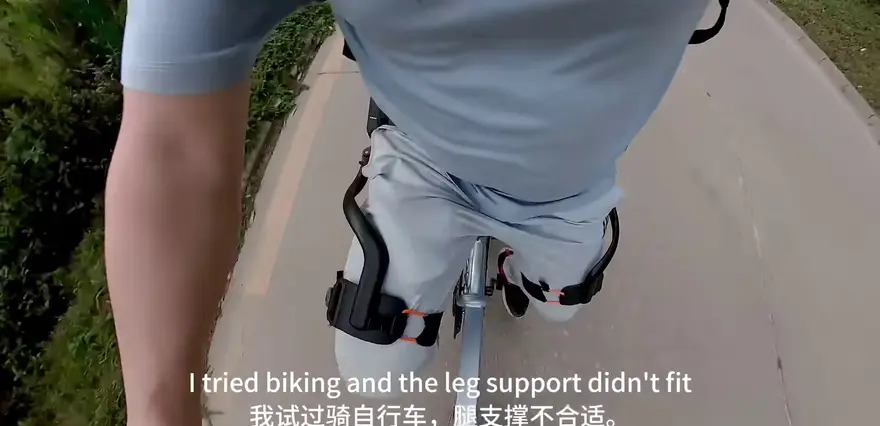

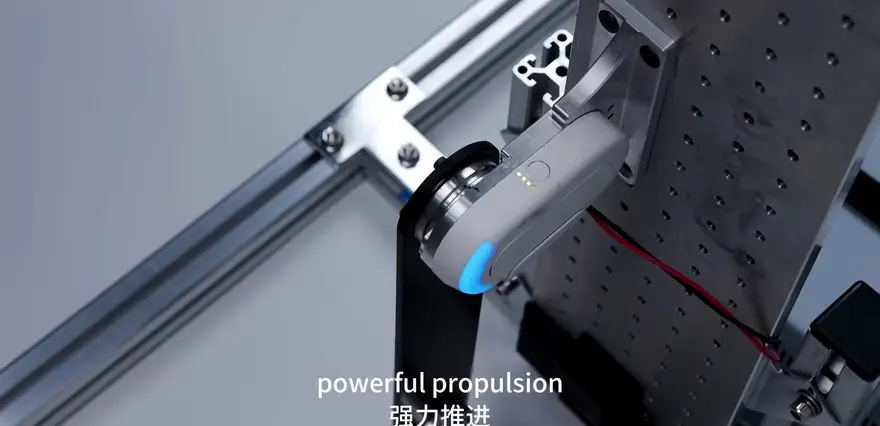
Team Info: Engineers from major tech companies such as DJI, Xiaomi, and SenseCore, and the team has R&D experience in medical devices/rehabilitation exoskeletons. (mentioned in the video)
Conclusion: This is not a “toy,” and it’s not a “complete form” yet—but it takes a very realistic step in the right direction
In the consumer-grade exoskeleton race, the hardest part isn’t simply adding assist—it’s balancing “assist, weight, battery life, and ease of use” all at once within a range the public can accept. Dnsys X1 didn’t try to build an all-capable monster; instead, it chose to become a “wearable gear” you’d actually want to bring in your bag. It’s not perfect, but it’s realistic—and realism is exactly what’s scarcest on this path.
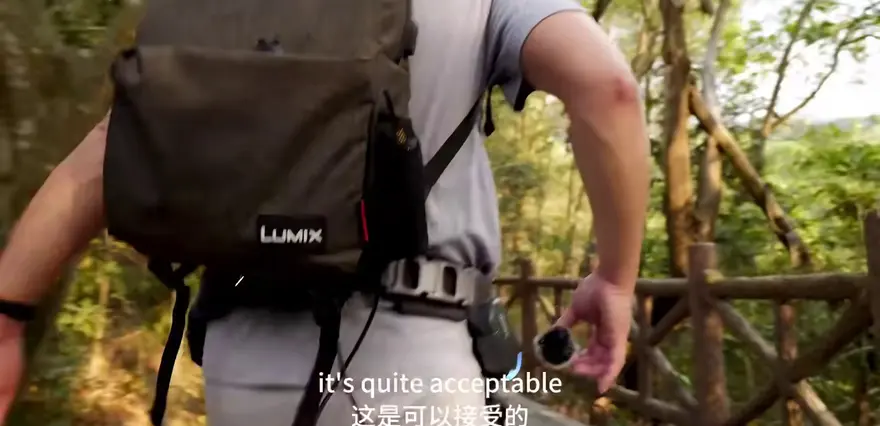
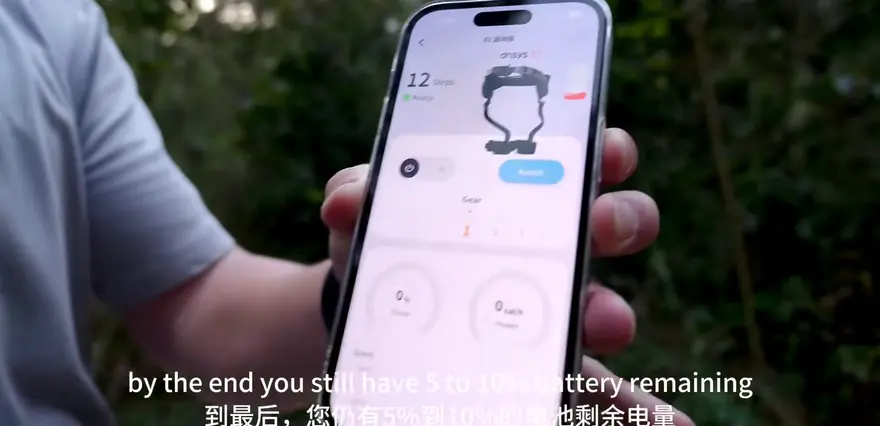
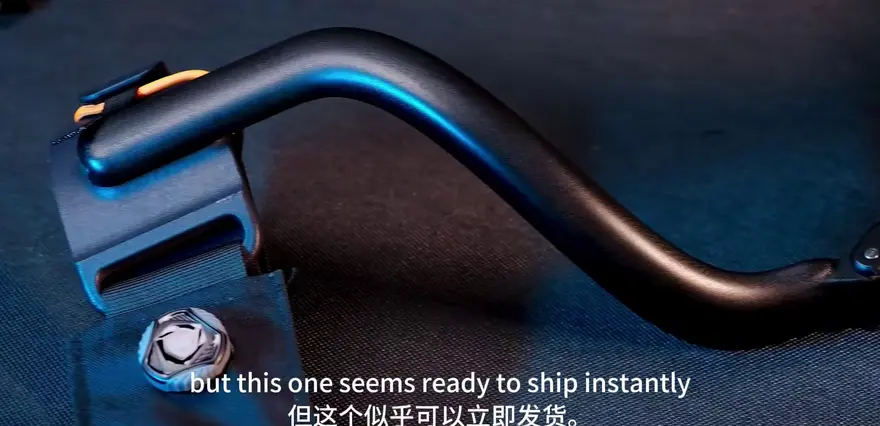
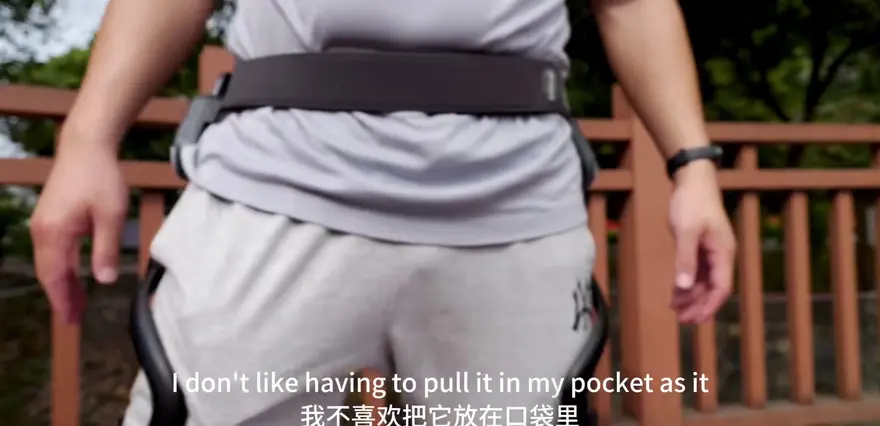
My take: At a time when consumer-grade exoskeletons are still in the early stages, a product you’re willing to take outside matters more than one that merely looks strong. (mentioned in the video)
Top Community Comments
@flyingakain (0 likes): What's the joint torque of this motor?
- Interpretation: This is the most hardcore—and most critical—question. For a consumer-grade exoskeleton, the combined requirements on motor joint torque, weight, heat dissipation, and noise are extremely high. When a user asks for specs, what they really want is to judge whether the walking assist is actually strong enough.
@Reader (3 likes): Why not mount the battery on the belt? If it goes in pants pockets, the weight distribution on both sides won't be balanced, which is very unsuitable for long sessions; also, it will swing inside the pocket.
- Interpretation: This highlights the importance of the wearing system and weight distribution. Uneven weight and a swinging feeling directly affect gait and comfort over long periods—and it's a hidden pain point that keeps many wearable devices from feeling truly consumer-grade.
@Reader (2 likes): Why can't we buy it in China?
- Interpretation: It points to a gap between product hype and supply/channels. No matter how good the hardware is, if people can't buy it easily, it can hardly turn from "a great product in reviews" into "a daily piece of gear in users' hands."
One-Sentence Summary
Dnsys X1 packs the engineering pedigree of its medical exoskeleton team into a lightweight, portable, easy-to-adopt consumer-grade exoskeleton, making it ideal for users looking to extend their range of movement on long-distance treks or hikes; while it's not a complete replacement for gait, it makes taking an exoskeleton outside feel feasible for the first time.
About this article: part of Chinese-Made Exoskeleton Review Archive — an independent, regularly updated English archive of reviews of consumer exoskeletons made in China, edited from publicly available video transcripts. Not an official manufacturer page.
For inquiries and purchasing, contact lonlonago@foxmail.com. More in Reviews · All articles.