What Can a 1.65-Jin (0.825kg) "exoskeleton robot" Do? Deep One-Week Experience with the Haier W3: Hands-On Testing 32 Nm of hip assist
Over the past two years, the exoskeleton—a category once confined to industrial production lines and hospital rehabilitation departments—has started to frequently capture the public eye. From professional manufacturers like ChengTian, KengQing, and AoSha, to veterans and newcomers such as Toread, Hypershell, and Dnsys, the fever in the consumer-grade exoskeleton sector is visibly rising.
However, the accompanying skepticism has also been growing: is this thing ultimately "an IQ tax," or can it truly enable the elderly with mobility issues to walk easily, and lighten the load for young people during hiking/trekking assist?
"Many people's impression of exoskeletons still lingers on heavy, bulky mechanical suits: a hassle to put on and heavy to walk in."
To answer this question, I got my hands on the recently launched Haier W3, the third-generation AI sports exoskeleton robot. I spent an entire week conducting a comprehensive, in-depth review—ranging from neighborhood strolls and climbing stairs, to suburban mountain trekking, traversing gravel trails, and sandy terrains. Here is the conclusion right up front: while it hasn't entirely solved all the problems inherent to exoskeletons, it has certainly given me a brand-new perspective on the maturity of consumer-grade exoskeleton technology.
A Paradigm Shift in Lightweight Design: Weighing in at Just 0.825 kg, Lighter Than a Bottle of Water
In the traditional imagination, an exoskeleton should be a heavy chunk of metal weighing tens of kilograms. But the first impression when picking up the Haier W3 is: It feels too light to be an exoskeleton.
Mentioned in the video (original transcript): The core frame of the entire unit utilizes "aerospace-grade" high-strength materials.
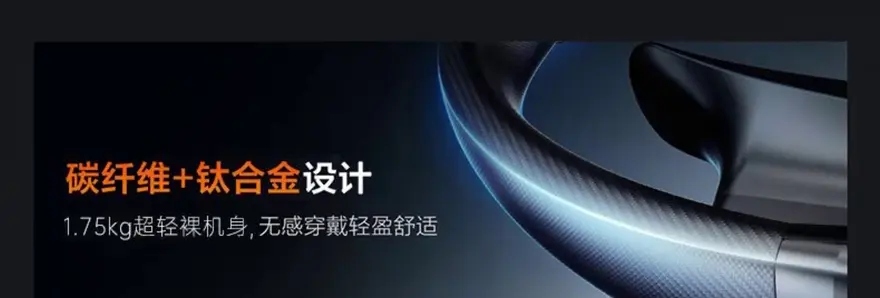
This is not just marketing hype. According to the video (original transcript), the W3's chassis extensively incorporates T860 high-strength carbon fiber, a material commonly used in modern high-end bicycles and aviation structural components. This material is characterized by an incredibly immense breaking strength paired with an exceptionally low weight. Coupled with specialized harmonic aluminum core motors, the logical weight of the entire unit is controlled at a staggering 0.825 kg (which does not include peripheral accessories such as flexible straps and auxiliary materials).
What does 0.825 kg mean in practice? It is roughly the combined weight of two mainstream foldable smartphones currently on the market, or, put simply, lighter than a large-capacity bottle of mineral water. Worn at the waist, there is virtually no noticeable burden during daily outdoor wear. After walking for an extended period, you might even momentarily forget that you are carrying a "robot" on your body.
 [A side-view of the Haier W3 exoskeleton highlighting its slim, lightweight frame] (/01.jpg)
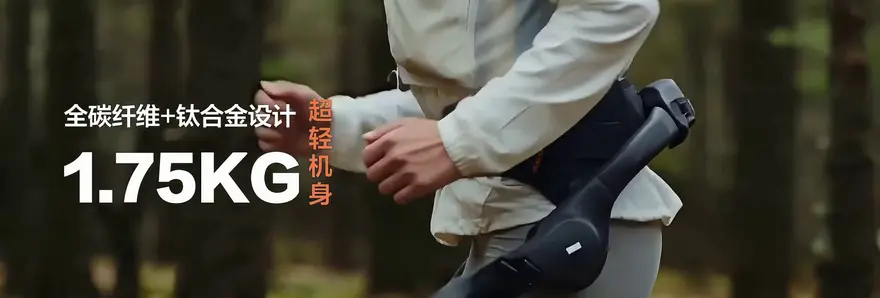 [Close-up of the T860 carbon fiber material and harmonic aluminum core motors] (/02.jpg)
 [The Haier W3 worn at the waist, demonstrating a comfortable daily fit] (/03.jpg)
Magnetic Clasp + Self-Adaptive Fit: Effortless One-Piece Donning and Doffing in Three Minutes—Even for Elders
An exoskeleton that acts as a lumbar assist device must be not only lightweight but also easy to put on. That is precisely where the Haier W3 shines.
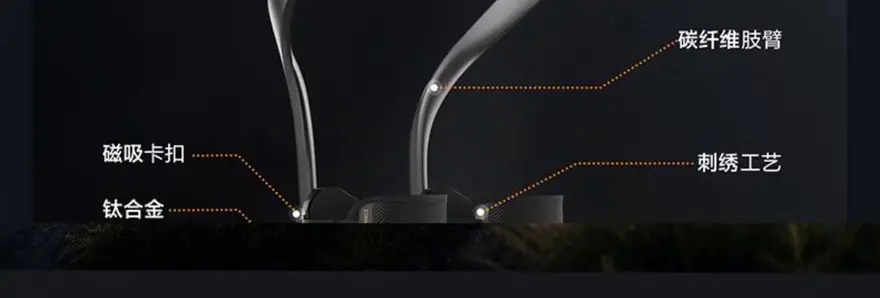
The main body of the Haier W3 has been contoured to follow the human body’s curves. Both the shoulder straps and the leg harness are fully adjustable over a wide range. What impressed me most is the thought behind its wearing logic: at the waist you simply pull to tighten the quick-tension system, then click a high-precision magnetic clasp into place.
In other words, even elderly users who aren’t naturally nimble can fasten the magnetic lock with two simple motions and complete the entire donning process on their own. There’s no need to bend over searching for buttons, nor any hand-wringing runaround for their children to help secure every strap.


On the detail front, the industrial design is refreshingly restrained: all external screws are concealed, and the control labels feature large, legible fonts. A single physical button handles power on/off—just long-press to start rolling. For a consumer tech product, an ultra-low learning curve is exactly what paves the way for adoption in family settings: even without reading the manual, elders can figure it out themselves.

How AI Gait Algorithms Work: The 'Mind-Reading' Tech Behind 12 Smart Modes
Haier’s third-generation exoskeleton, the W3, marks significant progress in intelligent wearable tech. It features the upgraded AI Gait Algorithm 3.0, relying on a comprehensive network of multi-axial sensors distributed across the body to capture human posture and movement in real time.
The system's operation is intricately precise: Sensors located on the soles and thighs first detect the force and acceleration of each footfall. The system instantly calculates the user's current movement intent and terrain conditions, then drives the motors to output the precise joint torque needed, and finally smooths out the assistive force.
According to the video transcript, the W3’s algorithm covers six core scenarios: daily walking, ascending/descending stairs, uphill/downhill movement, waddling steps, running, and static squatting. Additionally, its all-terrain adaptive adjustment supports six representative environments—snow, mountain, sand, valley, and gravel—effectively creating a total of 12 complex intelligent modes.

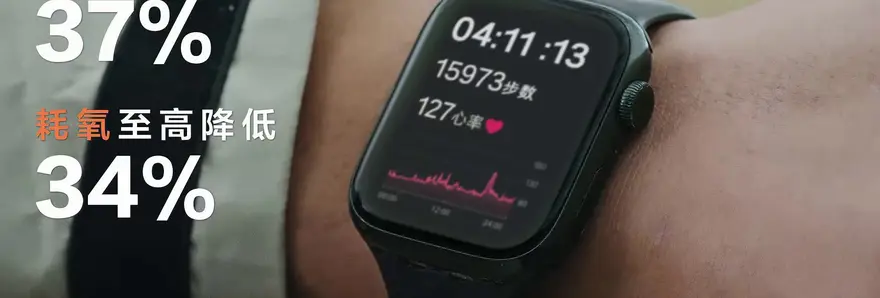

Of these 12 modes, the most compelling isn't the flashy running mode, but the “Waddling Step Mode,” designed to suit the needs of the elderly. It intelligently adapts to the slower gait often caused by physical decline, fine-tuning the motor's assistance rhythm in real-time. This effectively avoids the “human-machine fight” common in traditional assistive devices—that jarring sensation where the assistance rhythm clashes with the walking frequency.

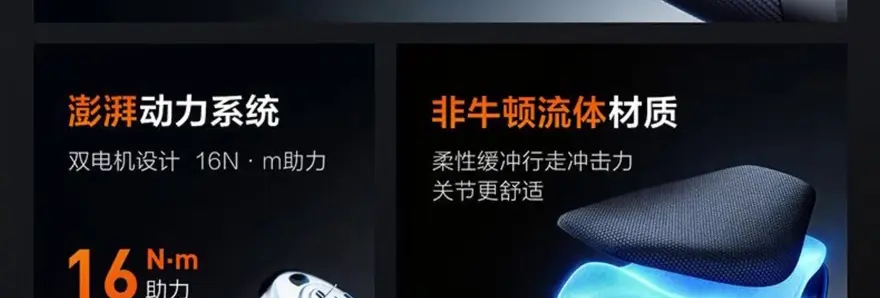
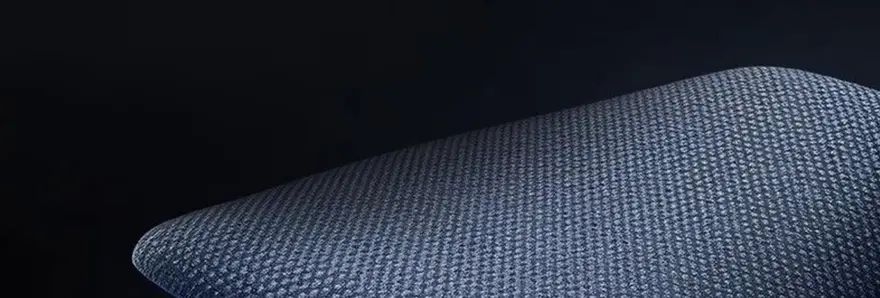
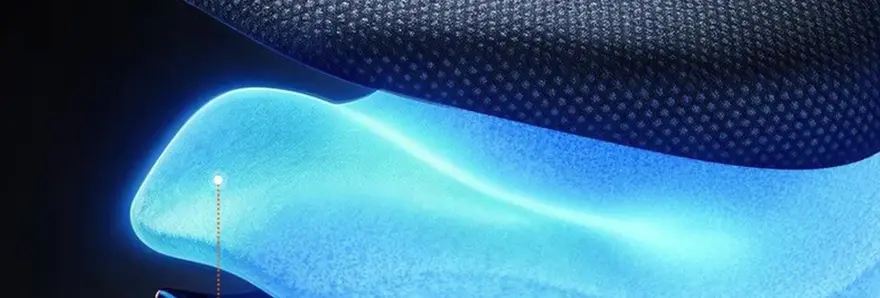
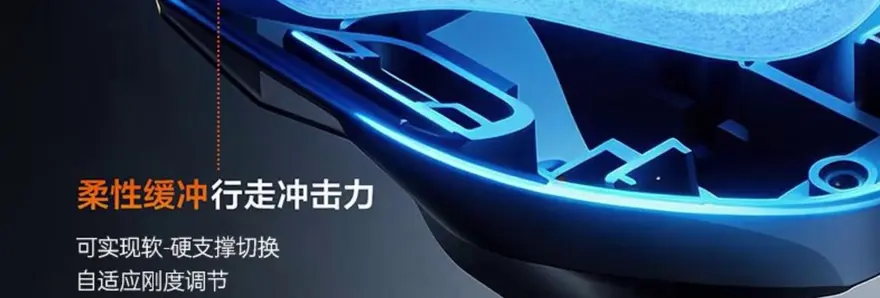
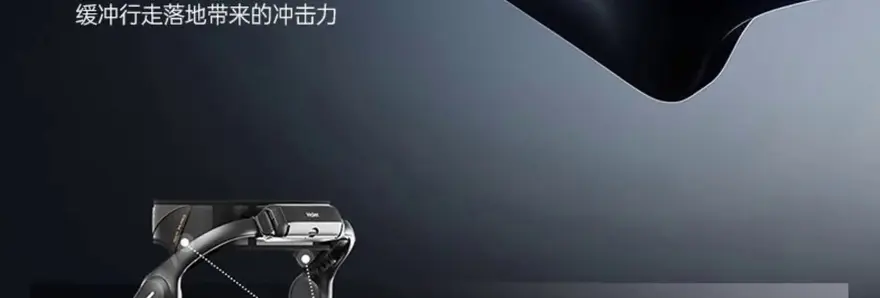
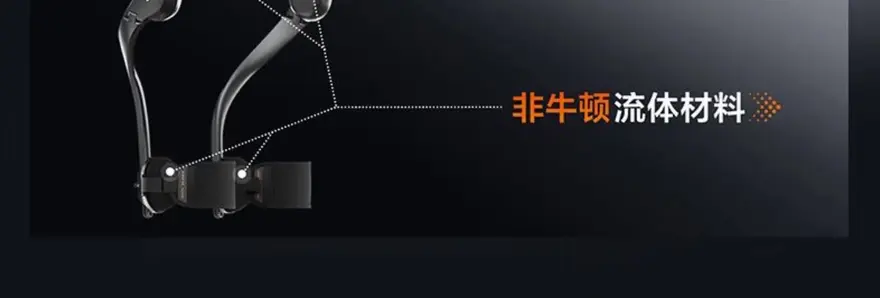
Furthermore, addressing user concerns about joint wear, the W3 cleverly introduces non-Newtonian fluid cushioning technology. Commonly found in high-end athletic shoes, this material remains soft and cushiony during low-stress movement (leisurely strolling) but instantly stiffens under high stress (strenuous hiking). This automatic adaptive switching between soft and firm support effectively filters impact forces transmitted from the ground to the knees and ankle joints, providing excellent fall protection and joint protection.

Section 5/10:
32 N·m to Help You Lift Your Legs: Real-World Assist on Gravel and Stairs
Hardware specs that meet or even exceed benchmarks ultimately need to be validated by real-world feel.
Powertrain: According to the transcript (as mentioned in the video), the W3 adopts an innovative dual-motor configuration. Its core actuation focuses on joint drive: both legs can instantly deliver up to 32 N·m of peak joint torque, with a rated top walking speed of 15 km/h.
In hands-on testing, the 32 N·m of joint torque is especially noticeable when climbing stairs. You might not feel it when going up or down stairs empty-handed, but the moment you push off with your legs, the motors keenly provide a surge of forward-and-upward thrust—like an invisible pair of hands lifting your thighs. On energy-sapping, off-road surfaces such as gravel and sand, this distributed thrust proves even more advantageous: it substantially reduces lower-limb fatigue and significantly lowers physical exertion.



In the exoskeleton industry, 32 N·m is by no means an arbitrary figure. Many similarly priced hip-assist modules only sustain a few N·m and merely “spark” for a split second when you’re on the verge of fatigue. Haier W3’s sustained 32 N·m pushes that borrowed-power ceiling far higher—when you’re climbing a slope and need an extra boost, it’s ready to deliver instantly.
When you want to borrow strength on an uphill trail, the Haier W3 is always there to lend a hand.
Two Batteries for 40,000 Steps: battery life, IP54 Waterproofing, and Environmental Details
For us tech reviewers, beyond the primary performance, battery life and outdoor protective details are equally critical considerations that cannot be overlooked.
Regarding battery life, according to the video transcription, the standard battery capacity design of the Haier W3 can support approximately 18,000 steps on a full charge, corresponding to about 1 to 2 hours of continuous usage. It natively supports hot-swapping and battery replacement. With a spare battery swapped in, the total runtime range can quickly extend to nearly 40,000 steps. This is absolutely sufficient for daily city walks or half-day short outdoor hiking; even for planned high-intensity mountain climbing, bringing an extra spare battery ensures you stay fully powered throughout the entire journey.
In terms of industrial protection, it achieves an IP54 water and dust resistance rating. This means it can function normally if you encounter a sudden drizzle or splash muddy water during daily outings, eliminating any excessive worry about moisture damage.
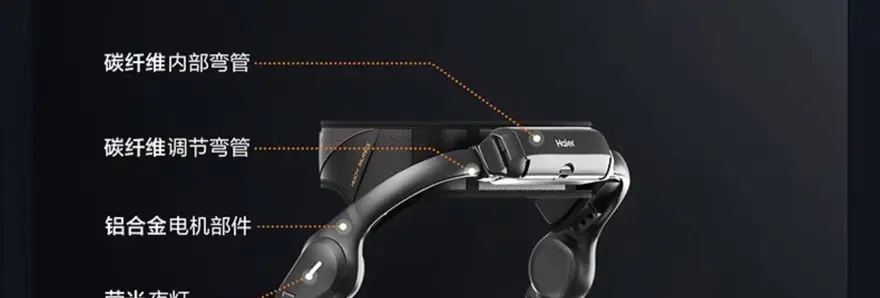
Beyond the hard-core specs, there are many microscopic details worth praising. The straps feature a skin-friendly embroidery craft, preventing abrasion even against the skin for long periods; the motor utilizes a specialized external heat dissipation structural design, making it highly resistant to triggering thermal throttling protection from overheating even during continuous high-intensity use in the summer. Furthermore, there is a three-level adjustable reflective night light built into the heel of the foot, ensuring the safety of elderly individuals when walking outdoors at night. Additionally, some core components have passed the ROHS EU environmental certification and utilize non-toxic, eco-friendly materials, providing extra peace of mind for households with pets or children.

No Hype, No Bash: Fit Limits, Waterproofing Boundaries, and Use-Case Ceilings
Attentive readers will note that, outstanding as the product is, the stellar experience metrics above do not hold unconditionally. They come with certain purchase prerequisites.
- Height limits: As mentioned in the video, the W3 accommodates users between 140 cm and 160 cm tall, with a waist circumference of 53–90 cm. Anyone outside this range—especially taller or more robustly built users—may not achieve a proper, secure strap fit.
- Clothing constraints: Wearing this device imposes specific clothing requirements. Users need loose-fitting long pants and cushioned sneakers. High heels, thin-soled flats, shorts, and skirts are incompatible—the straps cannot be secured properly. As a result, during high-intensity use on hot summer days, the area around the pant legs can feel rather stuffy.
- Waterproofing limits: An IP54 rating is user-friendly, but it still means splash-proofing only. Avoid wading in deep water or sustained exposure to heavy rainstorms. In extreme weather during outdoor camping, take extra measures to protect the device.
- Use-case ceiling: The core positioning remains daily walking assist and light-to-moderate outdoor use. For continuous, high-intensity mountainous traverses or extreme, rugged terrain, its performance ceiling cannot replace costly professional industrial-grade equipment or full-featured, heavy-duty exoskeletons designed for hiking / trekking assist.
Who Is It For: A Dual Solution for Seniors' Daily Outings and Young People's Light Outdoor Activities
Setting aside the specs, as an AI exoskeleton robot designed for the consumer market, the Haier W3 features an extremely well-polished overall design. From the premium build quality of the carbon fiber materials, the assistive effects delivered by its AI gait algorithm paired with 32 Nm of joint torque, to the ultra-lightweight design tipping the scales at just over 1.4 kilograms (excluding straps), it boasts outstanding competitiveness in the same price segment of the current consumer market.
More importantly, its target demographic is exceptionally clear. If you or your family happen to fall into the following two categories, this product is highly worth a try:
- Family Members & Seniors: Elderly family members who have mobility issues and get tired easily when walking. While they do not fall into the medical-grade category requiring a rehabilitation exoskeleton, this lumbar assist tool perfectly hits the pain points when it comes to enhancing convenience during daily outings and strolls in the park.
- Light Outdoor Enthusiasts: Young individuals who love weekend hiking and mountain climbing, as well as those looking to reduce lower-limb fatigue and protect their knees, but do not want to carry a heavy and cumbersome mechanical suit of armor.
"If you happen to have this type of need, this product is indeed worth trying out in person at a physical store before making a final decision."






Top Community Comments
"It's so short; it can't possibly cover the knee and ankle."
Analysis: A very pertinent quality control concern. Indeed, the Haier W3 is fundamentally positioned as a lower-limb exoskeleton focused on hip assist and lumbar / back assist. It provides upward traction and load reduction when lifting the leg, but it does not feature physical linkage support at the knee or a foot cradle enclosure at the ankle. If a user's core pain point is not "inability to lift the leg," but rather "knee pathology, plantar foot pain," or requires abnormal gait correction, this device cannot address it at all. In such cases, one must turn to fully-enclosed medical equipment.
"Will it feel like it's restricting my movement?"
Analysis: This is the core psychological and physical debate in user experience: the conflict between the human biological gait and the mechanical motorized gait. Current sensor latency and trigger logic still cannot achieve a 100% seamless, human-like experience. Walking with mechanical assistance that suddenly triggers during a moment of distraction or fatigue can create a strong sensation of "external dragging." Many seniors may have a natural physiological resistance during first-time use. This necessitates that users undergo a sufficient period of actual try-on and adjustment before making a purchase.
"The price was never detailed."
Analysis: This is admittedly a slight regret in this deep-dive hardware and software review. Consumer-grade exoskeletons currently generally reside in the 3000-8000 RMB range. The price is heavily influenced by the material cost of carbon fiber, the joint torque limits of the brushless motor, and battery life. Before making a final purchasing decision, it is extremely necessary to have a full conversation with elderly family members to confirm if this budget range is acceptable.
"Could exoskeletons truly become a part of everyday wear in the future?"
Analysis: This is a fascinating trend speculation. From heavy-duty industrial gear to consumer-grade products weighing just over 1.4 kg (excluding straps), exoskeletons are advancing toward "functional everyday wear." With further lightweighting of materials and increased integration of servo motors, future exoskeletons may become a natural extension of human function, much like a lumbar support belt or a pair of athletic shoes.
"It's like buying a pair of shoes from the traditional footwear industry—you have to weigh both sides."
Analysis: This analogy is incredibly brilliant. Buying an exoskeleton is like buying running shoes: some people buy top-tier carbon-plated shoes to run a marathon and break their Personal Best (PB); but buying this device for a senior with degraded mobility who simply wants to take a walk downstairs every day is actually purchasing a "power-saving mode travel guarantee." Whether the product makes sense financially depends entirely on whether your core needs and use cases align with its capabilities.
"This is suitable for seniors with bad joints but who still have the strength to walk, and ideally, they should be able to put it on and take it off by themselves."
Analysis: This viewer is a true realist, directly pointing out the product's ideal core audience profile. The positioning of a consumer-grade exoskeleton is "assistance, not alternative mobility." The prerequisite is that the user retains autonomous walking ability and possesses the cognitive capacity to dress independently. In this review, we also verified through actual testing: the W3's lightweight structural base, combined with its magnetic snap-lock one-click wearing mechanism, perfectly matches the independence needs of this demographic—though it must not be ignored that other higher-end assistive exoskeleton products may exhibit different performance characteristics in this dimension.
One-Sentence Summary
Haier W3 proves that an exoskeleton doesn’t have to be one-size-fits-all. As a lightweight hip assist exoskeleton robot, it delivers a heavy-burden feel in only 1.4 kg (excluding straps and other accessories), supporting walking assist needs that go well beyond everyday strolls and light hiking—making it especially suitable for seniors who need daily walking assist, as well as weekend outdoor users seeking better load distribution.